

In the world of food service, ensuring the highest quality standards is paramount, especially when it comes to the containers we use. Many beverage shops and restaurants face an unexpected problem: plastic food containers that impart a lingering taste of dishwasher soap. This phenomenon can undermine the customer experience and hint at larger hygiene issues. In the following chapters, we will delve into the various causes behind this unpleasant taste, the chemical interactions that occur between plastic containers and dishwasher detergents, and effective cleaning methods to ensure your containers remain taste-neutral. Understanding these aspects will empower your business to maintain the quality of your offerings, enhance customer satisfaction, and uphold your reputation.
Taste and Transparency: Detergent Residues in Plastic Food Containers
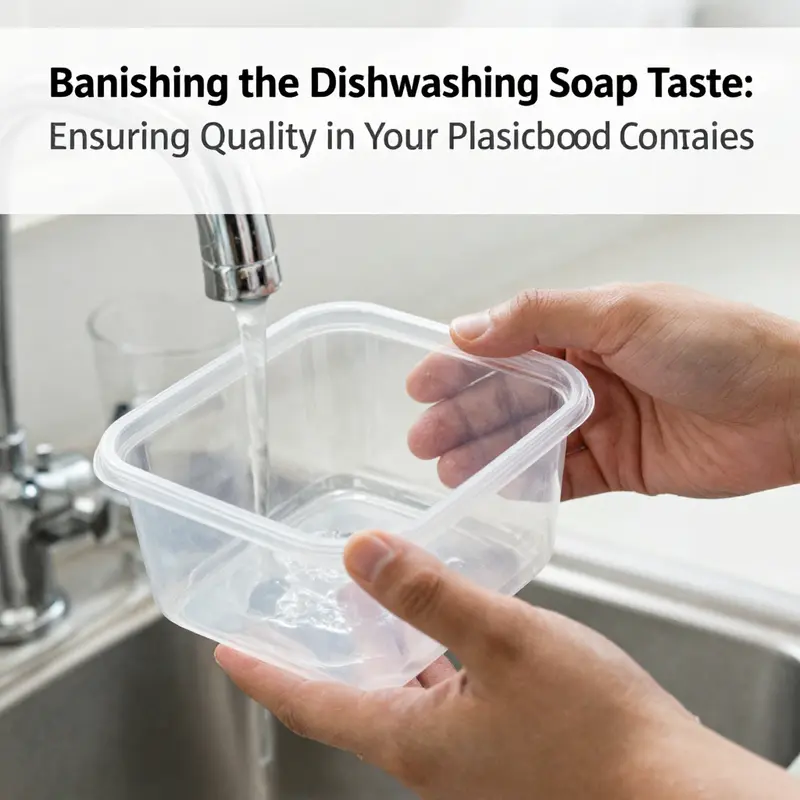
A clean plate can still carry a quiet signal. The taste of dishwasher detergent in plastic containers is more than a nuisance; it is a prompt to examine cleaning, materials, and safety in everyday kitchens.\n\nDetergent residues come from complex mixtures in dishwashing formulas. When water temperatures or rinsing are insufficient, films can cling to rims and seals, slowly releasing volatile compounds as the meal is consumed.\n\nDifferent plastics interact with cleaners differently. Polypropylene and other polymers may degrade gradually under alkaline cleaners, altering surface properties and absorption behavior. That can create microenvironments where residues linger and later re-emerge when heated.\n\nPractical guidance centers on thorough rinsing and drying, mindful material choice, and timely replacement of aging ware. Hand washing problem zones, using moderate temperatures, and avoiding overcrowded dishwashers help ensure complete removal of residues. In some cases, switching to glass or stainless steel or choosing food-grade, BPA-free plastics can reduce risk.\n\nFor persistent odors, white vinegar or baking soda can be used strategically to neutralize residues. Regular review of container condition and a replacement cadence of one to two years can minimize exposure to degraded polymers.\n\nBeyond taste, this topic touches public health and policy. Standards aim to ensure surfaces contacted by food are free from detectable detergent residues, protecting vulnerable populations. The takeaway is practical: optimize washing, materials, and lifecycle to keep meals safe and flavorful. For further context, see related packaging discussions and guidelines.
Dish Soap Echoes from the Kitchen: The Hidden Chemistry of Plastic Food Containers and the Soap-Tasting Aftereffect
The smell and taste of dish soap lingering on a plastic container is more than a nuisance; it hints at the chemistry of plastics under heat and cleaners. Plastic containers are not identical: resins, additives, and surface structure determine how they interact with food and with dishwasher detergents. In a hot dishwasher cycle, heat increases polymer mobility and detergents can loosen additives, making migration more likely.
The practical upshot is not alarm but caution: reduce dishwasher exposure for plastics used with fatty foods, choose materials with stable additive profiles, and inspect containers for wear. To mitigate the issue, wash by hand with warm water and mild detergent, rinse thoroughly, and air-dry. If odors persist, simple, non-toxic remedies like soaking in a warm vinegar solution or applying a baking-soda paste can help neutralize residues. If the container shows wear, discoloration, or deep scratches, consider replacing it, especially for fatty foods. These steps minimize chemical migration and preserve flavor.
Detox for Plastic Food Containers: Thorough Cleaning to Eliminate the Dishwasher Soap Taste and Prevent Odor Return
When a plastic food container tastes like dishwashing soap, the sensation is more revealing than merely unpleasant. It points to a conversation among your plastics, your cleaners, and the heat of everyday kitchen life. The taste you notice is often the surface marker of deeper processes: films left by detergents, micro-porous wear on the plastic, and the way certain seals trap odor molecules. The experience can feel personal because it touches how we prepare meals, store leftovers, and trust the tools we use in daily life. Yet the pattern is regular enough that a disciplined approach can restore flavor integrity and eliminate the recurring scent. To move from annoyance to lasting resolution, it helps to map out the likely culprits and then apply a sequence of checks and treatments that treat the dishwasher and the container as a connected system rather than as independent parts that happen to share a kitchen. The most common culprit is detergent residue. In busy households, a dishwasher can leave behind a faint film when cycles are overloaded, when rinsing is incomplete, or when the detergent is stronger than the surface can handle. That residue is not just a tasteless film; it can interact with oils and fatty residues left from stored foods. The contact points matter most: the grooves along the bottom of the container, the inner corners around the lid, and the sealing gasket where water tends to stagnate. Soap molecules love crevices. They cling there, and when the container is later warmed or re-exposed to moisture, those molecules can release a hint of scent that our brains register as a detergent note. A second factor is the material itself. Plastics are engineered to be safe and durable in a wide range of circumstances, but not all plastics accommodate washing cycles that include alkaline detergents and high heat. Some lower quality or non food grade variants can become more permeable or more reactive over time. The result is not immediate chemical failure but a slow migration of odor-bearing compounds to the surface of the plastic. The final piece of the puzzle is how we use and maintain the containers day to day. A lid that is snapped on tightly can trap odors, and a container that is stored damp or left wet after cleaning can become a harbor for residual moisture and odor compounds. When these patterns align, the taste of dish soap lingers, often weeks after the initial cleaning has been completed. The practical instinct is to answer with a single, heroic wipe, but in truth the most reliable fix comes from treating both washing practices and storage habits as a single, repeatable routine. With this mindset, the solution becomes a matter of sequencing steps that address the root causes and then sustain the gains through careful maintenance and material awareness.
The first step in breaking the cycle is to bring the dishwasher into a healthier state. The logic may seem circular: why clean the machine when the mission is to remove the soap from the containers? The answer lies in the machine’s role as the source of residual film and mineral deposits that can travel into every item that passes through it. A thorough, periodic empty wash using a dishwasher cleaner designed for the job—or a high-temperature cycle with plain white vinegar placed in the machine’s bottom—removes both the film and the scale that accumulate behind spray arms and in the crevices that water fails to rinse. If the dishwasher interior shows signs of buildup, it reduces the effectiveness of every wash you run afterward, which in turn makes the problem more persistent. After such a cleaning, let the machine dry completely. A damp interior is a second way for odors to migrate, and it can give a fresh cycle the same old baggage to contend with. The payoff, though, is immediate. A cleaner dishwasher means a cleaner downstream environment for your containers and a lower baseline for any odors that reappear.
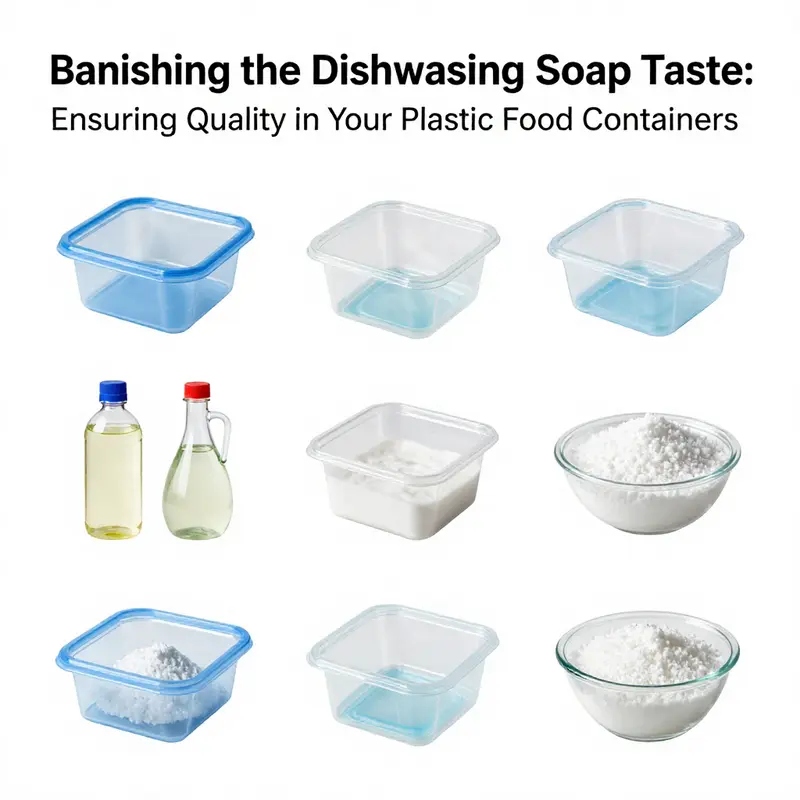
With the dishwasher in better shape, you can address the containers themselves with a more confident sense of what you are trying to neutralize. The vinegar soak emerges as a straightforward first intervention. A 1:3 ratio of white vinegar to water creates an environment in which acetic acid can neutralize alkaline residues and help disrupt the network of molecules that produce the soap-like scent. Submerge the container, including the lid if it is tandem-sealed, and allow the solution to work for six to eight hours, or even overnight for stubborn cases. This value comes from the balance between giving the acetic acid time to diffuse into seams and avoiding prolonged exposure that could, in rare instances, affect some surface finishes. After the soak, rinse thoroughly under clean water, and if needed, wash with a mild neutral detergent to remove any lingering vinegar tang. Dry in a well-ventilated area. The idea is not to leave the vinegar taste on your dishware but to use the acid as a catalyst for neutralization and evaporation. If you prefer, you can complete the vinegar step with a second round of a mild wash using neutral soap, then dry again. Either way, the aim is to restore a neutral base before moving to more targeted odor removal.
If the odor recurs after the vinegar wash, a baking soda session often resolves the more stubborn residues. Dissolve two tablespoons of baking soda in warm water and immerse the container for four to twelve hours. The tiny crystals of baking soda act as gentle abrasives and odor absorbers, lifting residues that cling to the interior microstructures. For really entrenched smells, a baking soda paste applied to interior surfaces and left to rest for several hours can work wonders. After this treatment, scrub with a soft brush, rinse thoroughly, and dry. Baking soda also works well after a vinegar soak as part of a two-step approach that attacks both acid and base residues from different angles. In practice, many households find that alternating vinegar and baking soda sessions and giving each a notional rest period yields the most reliable elimination of the soap tang, especially in containers that have endured many dishwasher cycles or long storage periods.
Sunlight adds a fourth option that can assist in refreshing the surface and reducing lingering odors. After cleaning and thorough drying, place the container in direct sunlight for four to six hours. Ultraviolet energy can help break down some organic odors and accelerate evaporation of any remaining volatile compounds. This method is gentle, does not introduce additional chemicals, and can be especially helpful for containers that have a musty or damp smell due to being stored in humid environments. If you live in a climate with strong sun, outdoor exposure works well; if not, a bright, well-ventilated indoor sunlit spot will suffice. The aim is to reduce the odor molecules at their source while ensuring the plastic remains intact and safe for food contact.
As you move from chemical treatments to routine practice, a daily discipline becomes crucial. The choice of material matters for odor resistance, heat tolerance, and washability. Food-grade polypropylene, often abbreviated as PP, and glass containers tend to hold up well under routine washing without readily absorbing odors. If you opt for other plastics, be mindful of their coatings, heat ratings, and compatibility with alkaline cleaners. Fatty residues from foods such as oils or fried items can accelerate aging in plastics and contribute to longer odor lifecycles. Avoid filling containers with extremely hot liquids or oily foods in ways that push beyond the material’s designed use. In addition to material choices, the way you wash after each use matters. A brisk pre-rinse under warm water, followed by a gentle wash with mild, neutral dish soap, tends to be enough to remove most surface residues before they harden into a film. Try to minimize the time a container spends with standing water inside after washing; air-drying is a better option for preventing microbial growth and moisture-associated odor retention. If the container must go into a dishwasher, choose the gentlest cycle possible and avoid cycles that pair very high heat with oily or fatty foods, which can accelerate aging and odor transfer. Practicing restraint with heat and harsh chemicals is part of preserving the container’s life and the flavor integrity of the foods you store.
Beyond the mechanics of cleaning, consider the lifecycle of your storage system. Old containers with microcracks, clouding, or fatigue marks can harbor trapped residues that release scent compounds under certain conditions. It is common for these minor degradations to amplify the perception of any detergent scent, even when the container looks clean on the outside. Experts often recommend replacing aging containers every one to two years to prevent the incremental decline in performance that comes with everyday use. This advice is not about throwing items away for no reason, but about maintaining a reliable threshold where you can trust that the container will not impart off flavors or odors to your food. When you combine this replacement approach with the cleaning regimen described above, you create a robust path back to neutral flavor and dependable storage.
For households seeking ongoing improvements, it is useful to view cleaning as a system rather than a set of one-off steps. The logic rests on keeping the dishwasher free of films that migrate into stored foods and on maintaining containers whose interior surfaces do not harbor persistent residues. The synergy between machine maintenance and container maintenance drives the long-term outcome. When the dishwasher is in good condition, each wash is less likely to deposit residues that can travel to your containers. When you treat your containers with the vinegar, baking soda, and sunlight sequence in a sensible cadence, you reduce the odds that any one smell will linger or reappear after a routine cycle. The balance of approaches matters: you want enough cleaning power to remove residues but not so aggressive an exposure that you degrade the material. In this area, restraint and patience are more protective than speed.
A broader question that often arises is whether to explore alternative packaging options to minimize the risk of odor transfer altogether. The answer is not a simple yes or no, but a set of design considerations that influence how easy it is to maintain odor-free storage. Containers with smooth interiors, minimal seams, and simple lids can be easier to clean thoroughly. In the course of considering these design choices, it is worth noting that packaging ecosystems sometimes offer options that emphasize sustainability and ease of care. For instance, there are containers and packaging designs that highlight reduced seam complexity and improved cleanability, which can be a practical complement to the cleaning methods described above. If you are exploring options for other containers that may resist odor and be easier to maintain, consider the possibilities offered by eco-friendly designs and simple interior geometries that reduce places for residue to hide. This is not a sales argument; it is a reminder that good design supports good hygiene. In line with this, you may encounter references to packaging options that emphasize sustainability alongside user-friendly cleanup. For example, a product line described as eco-friendly takeout boxes for food packaging demonstrates how thoughtful design can support cleanliness and reduce odor risk while maintaining practicality for everyday use. eco-friendly takeout boxes for food packaging.
As you implement these practices, you also gain access to a body of credible guidance that helps anchor your routine in the science of plastics and kitchen hygiene. The approach I’ve outlined aligns with practical recommendations that emphasize neutral or mildly acidic cleaners, avoidance of aggressive solvents, and regular but not excessive washing. The goal is a kitchen where odors from detergents do not travel from the washing environment into the foods you store. This is particularly important for containers used to hold highly scented foods or ingredients with delicate flavors, where even a faint detergent note can overpower the intended taste profile. The good news is that the methods described here are gentle enough for regular use and robust enough to handle the typical wear a plastic container experiences in a busy household.
To further support readers seeking a deeper dive, there are external resources that summarize these practical methods and place them within a broader discussion of polymer aging, surface chemistry, and household cleaning strategies. For example, a respected external resource emphasizes avoiding damage to plastics while using mild cleaning agents and maintaining regular cleaning cycles to prevent film formation. When you adopt these practices, you not only remove the scent but also reduce the likelihood that it will return quickly, preserving the flavor of your meals and the reliability of the containers you rely on every day. External reference: How to Remove Dishwasher Smell from Plastic Containers
https://www.cleanmyhome.com/dishwasher-smell-plastic-containers/
Final thoughts
Maintaining the integrity of your food containers is vital for both safety and customer satisfaction. The off-putting taste of dishwasher soap can detract from the quality of your offerings and lead to negative feedback from customers. By understanding the factors that contribute to this issue, from residues left by dishwasher detergents to the chemical interactions that may occur, you can implement targeted cleaning strategies to reverse the effects. Regular maintenance, proper cleaning techniques, and an awareness of the materials you use will enhance the flavor profiles of your food and drinks, ensuring a delightful experience for your patrons.