
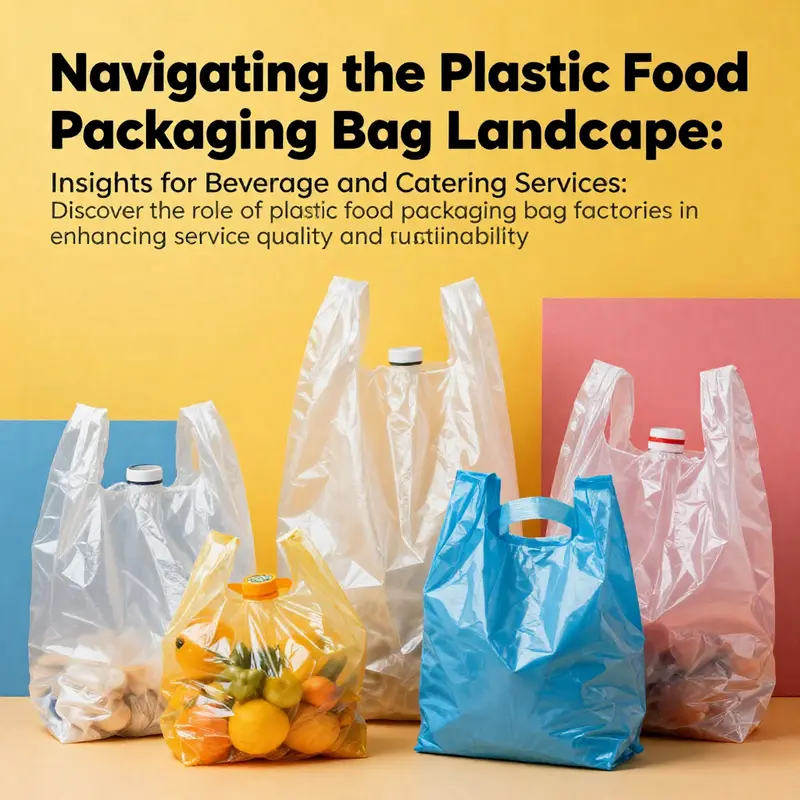
The rise of take-out dining and online food services has spotlighted the importance of effective and efficient packaging solutions. For Bubble Tea Shops, Restaurants, Food Trucks, and Catering Services, the right plastic food packaging bags are crucial not only for service delivery but also for brand image and customer satisfaction. This article delves into the world of plastic food packaging bag factories, highlighting key manufacturers like Zhucheng Qing Yuan Packaging Co., Ltd. and Guangzhou Zhongzhou Plastic Bags Factory Limited. We will explore the cost-efficiency of LDPE zipper bags, address environmental sustainability in plastic usage, and identify market trends and economic factors that influence the food packaging industry. Together, these insights will arm business owners with the knowledge they need to make informed decisions surrounding their packaging needs.
Zhucheng Qing Yuan Packaging: A Pillar in the Evolution of Plastic Food Packaging Bag Factories
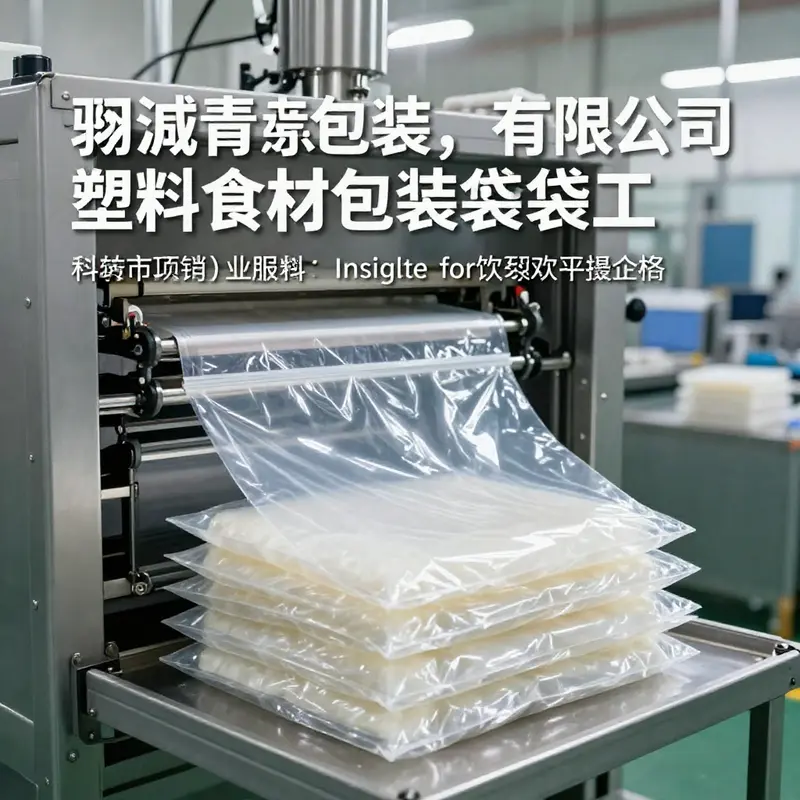
For over two decades, Zhucheng Qing Yuan Packaging has evolved from a modest local operation into one of the most respected names in the realm of plastic food packaging bag factories. Nestled in the industrial heart of Zhucheng in Shandong Province, and ideally positioned near Qingdao Port, the company’s longstanding commitment to quality and innovation has facilitated its ascent as a linchpin in the packaging industry. The narrative of Zhucheng Qing Yuan Packaging is not just that of a company thriving in a competitive market; it is also the chronicle of an industry undergoing continuous transformation, where technology, market trends, environmental responsibility, and regulatory scrutiny converge.
The roots of Zhucheng Qing Yuan Packaging can be traced to an era when the plastic packaging industry was beginning to recognize the potential of versatile material solutions for preserving food freshness. In its early years, the enterprise focused on establishing robust manufacturing operations that could sustain production while meeting increasingly stringent quality parameters. Over time, the journey led to a natural progression into high-grade plastic bags that incorporate complex attributes, notably moisture-proofing, shock resistance, and adaptability for both freezing and high-temperature applications. Today, the company’s portfolio includes an impressive array of product lines ranging from food-grade LDPE plastic packing bags to customized printed heat sealed retort pouches, each meticulously engineered to cater to various market needs.
Central to the company’s success has been its unwavering emphasis on design innovation and process optimization. The manufacturing methodology prioritized by Zhucheng Qing Yuan Packaging places equal importance on product integrity and sustainability. For instance, the company has become a pioneer in producing LDPE zipper bags which offer resealable features at a scale that is both cost-effective and remarkably efficient. These bags, widely used for frozen seafood, vegetables, and other perishable goods, epitomize the blend of traditional production techniques and cutting-edge modifications that have come to characterize modern plastic food packaging bag factories.
Within its expansive suite of products, the segment dedicated to food grade LDPE plastic packing bags stands out for its exceptional characteristics. These bags are engineered to maintain food quality during storage and transportation, and their design minimizes moisture penetration while providing resistance against mechanical impacts. Furthermore, they have been developed to endure both the extremes of freezing temperatures and the rigors of daily handling, making them indispensable assets in sectors such as frozen food logistics and retail.
In addition to standard packing bags, Zhucheng Qing Yuan Packaging’s expertise extends to the realm of custom printed heat sealed retort pouches. These pouches, designed for high-temperature sterilization, represent the marriage of impeccable barrier properties and aesthetic versatility. With the ability to incorporate full-color printing and bespoke logos, the company enables food and pharmaceutical manufacturers to produce packaging that is not only functional but also visually compelling. This aspect is particularly important in a market where brand differentiation and regulatory compliance go hand in hand.
Another vital component of the company’s offering is its range of vacuum bags and aluminum foil bags. With these products, protection against external factors such as air, moisture, and light is achieved, thereby extending the shelf life of the contents. The robust packaging solutions are essential for long-term preservation, especially for perishable items that rely on controlled environments to maintain optimum freshness and nutrition. In addition, the company’s portfolio includes variants like stand-up pouches and flat bags which can be tailored to meet specific client requirements in terms of size, thickness, and design aesthetics. This degree of customization ensures that variations in product dimensions and printing designs do not detract from their utility and visual appeal.
Zhucheng Qing Yuan Packaging’s operations extend well beyond simple manufacturing. With a daily production capacity reaching up to 10 tons, the company has demonstrated its capability to manage large-scale orders without compromising on quality. Its status as an audited supplier and Gold Member on major global B2B platforms further underscores the reliability of its trading services and its commitment to fostering robust international partnerships. Such recognition on global platforms assures customers that the company adheres to internationally accepted quality standards and best practices.
The company’s strategic business operations are significantly bolstered by a well-integrated logistics framework. Comprehensive door-to-door shipping services, utilizing carriers such as FedEx, UPS, and TNT, ensure that products reach global clients in a timely and secure manner. Whether shipments are transported by air for expeditious delivery or by sea for cost-effective bulk transportation, Zhucheng Qing Yuan Packaging’s logistical capabilities stand as a testament to its commitment to customer satisfaction and operational excellence.
Moreover, the company’s impressive track record in export markets is not simply a result of scalable production and efficient logistics. It is also a function of its responsiveness to changing market dynamics and the evolving demands for sustainable practices. As global markets increasingly emphasize the ecological footprint of plastic products, Zhucheng Qing Yuan Packaging has proactively incorporated measures to optimize its production processes. This has involved improvements in energy efficiency, waste reduction, and the adoption of eco-friendly additives in the manufacturing process. In doing so, the company demonstrates that economic growth and environmental stewardship can indeed coexist in a way that benefits both industry stakeholders and the broader community.
The comprehensive focus on sustainability does not end at process improvements. In product development, Zhucheng Qing Yuan Packaging has shown keen sensitivity to the complex regulatory landscape governing plastic production. Current trends indicate a shift away from traditional plastics towards more sustainable alternatives driven by consumer pressure and governmental mandates. Although plastic food packaging bags retain a critical role in food preservation, the industry is simultaneously exploring methods that reduce plastic waste and environmental harm. Consequently, the company is strategically positioning itself to incorporate emerging materials and innovative recycling techniques into its product lines, ensuring that future developments resonate with consumers’ growing eco-consciousness.
At the heart of these advancements is the recognition that innovation is a continuous process. This acknowledgement has spurred a culture of research and development within the company that fuels both incremental improvements and radical reinventions of product functionalities. By fostering an environment that welcomes experimentation, the company continues to push the boundaries of what plastic packaging can achieve. As global supply chains and consumer preferences evolve, Zhucheng Qing Yuan Packaging is well-prepared to respond with agility and creativity, always keeping pace with the rapid changes in technology and market expectations.
In addressing the delicate balance between quality and cost, the company has adeptly managed economic factors such as raw material costs, trade regulations, and competitive pressures from alternative packaging technologies. Price fluctuations in raw materials are often unpredictable, yet through longitudinal planning and strategic sourcing, Zhucheng Qing Yuan Packaging has maintained competitive pricing without sacrificing product quality. This strategic resilience is bolstered by its close monitoring of geopolitical trends which might affect trade, such as tariffs or shifts in international trade agreements. The company’s ability to adapt to such external variables has allowed it to sustain steady growth in an inherently volatile industry.
The ripple effects of these strategic operations extend to every aspect of the plastic food packaging landscape. The innovations pioneered by Zhucheng Qing Yuan Packaging have influenced how competitors and complementary industries approach packaging solutions. The integration of sustainability measures with high-performance packaging is setting new benchmarks that others in the field are increasingly compelled to follow. For instance, the move towards recyclable and moisture-resistant packaging is not only critical for food safety but is also aligned with a broader societal shift toward reducing plastic pollution. This, in turn, drives improvements in sorting, recycling, and disposal infrastructures, ultimately contributing to broader environmental benefits.
Furthermore, the company’s approach to customization has had a profound impact on consumer buying behavior. As markets become more segmented and consumer expectations evolve, the demand for packaging that is both functional and visually appealing has surged. Zhucheng Qing Yuan Packaging’s ability to deliver bespoke solutions helps its clients — ranging from small local producers to large multinational corporations — establish strong brand identities. In a market where consumers now scrutinize every facet of the packaging process, the company’s dedication to tailored service and reliable production is a competitive advantage that few can rival.
The dynamic interplay between innovation, sustainability, and customer-centric operations is not without its challenges. As global regulatory bodies continue to tighten environmental standards, even established players like Zhucheng Qing Yuan Packaging must evolve rapidly or risk obsolescence. However, the company’s proactive engagement with regulatory changes, combined with its robust R&D initiatives, ensures that it remains on a forward trajectory. This ongoing transformation reflects a broader trend in the packaging industry where adherence to environmental guidelines and the pursuit of operational excellence are intrinsically linked.
At the confluence of market trends and technological advancements, Zhucheng Qing Yuan Packaging also exemplifies the importance of international collaboration. The firm’s expansive export network demonstrates a keen understanding of diverse markets, where cultural nuances and regional regulations dictate specific packaging requirements. The company’s global outreach is augmented by the responsiveness of its customer service and the strategic alignment of its production schedules to meet varied demand cycles. This international focus is supported by a solid technical infrastructure and a deep reservoir of industry expertise, ensuring its relevance in an increasingly competitive global marketplace.
In an era when the sustainability of packaging materials is under intense scrutiny, Zhucheng Qing Yuan Packaging has taken strides that many consider pioneering. From early-stage research on biodegradable additives to advanced quality control systems, the company has leveraged cutting-edge technology to reconcile the demands for efficiency, profitability, and ecological responsibility. Interested readers who wish to explore further innovations in eco-conscious packaging may find a deeper understanding through articles discussing the advancements in eco-friendly takeout boxes, which share a common thread in harnessing sustainable strategies across the packaging spectrum.
The evolution of plastic food packaging bag factories owes much to the relentless drive for improvement exemplified by enterprises like Zhucheng Qing Yuan Packaging. Their journey is a testament to how traditional manufacturing methods can be revitalized through innovation and strategic agility. In markets where the relentless march of technological progress and the imperative for environmental stewardship are inseparable, Zhucheng Qing Yuan Packaging continues to define high standards in the field.
As the global community becomes progressively more aware of the impact of plastic waste on the environment, every sector is undergoing a transformation. Plastic food packaging, in particular, sits at a critical intersection of consumer demand and regulatory pressure. Companies must not only address the need for effective food preservation but also grapple with the larger responsibilities of reducing plastic waste and contributing to a circular economy. Zhucheng Qing Yuan Packaging has embraced this dual challenge by continuously refining its product lines to lower ecological footprints while still catering to rigorous performance criteria. This dual focus is ensuring that the company is not only preparing for the future of food packaging but is also a catalyst for broader industry change.
The success story of Zhucheng Qing Yuan Packaging is emblematic of a broader evolution in manufacturing and trade practices. It highlights a paradigm shift where innovation, operational efficiency, and sustainability are no longer seen as separate objectives but rather as interdependent components of a successful strategy. As the firm continues to expand its international footprint and explore new materials and processes, it is setting a benchmark for how traditional industries can adapt to rapidly changing market circumstances without compromising on quality.
For those interested in exploring more about the transformative capabilities within the plastic food packaging industry, additional insights can be found at the following external resource: High Quality Manufacturer Supply Food Grade LDPE Plastic Packing Bags.
Tracing the Legacy of Guangzhou Zhongzhou Plastic Bags Factory Limited in a Transforming Food Packaging Landscape
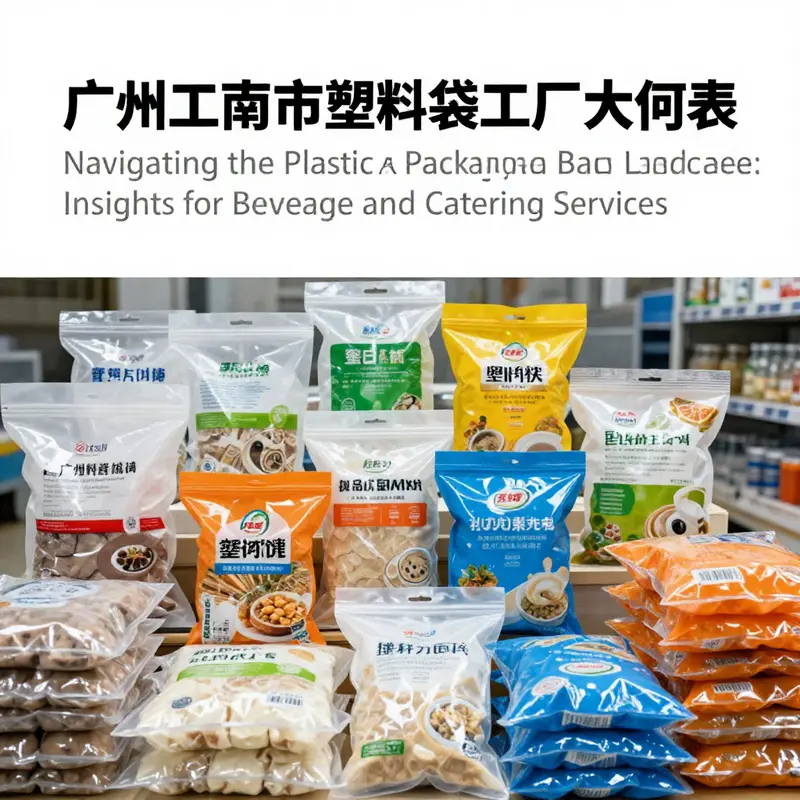
In the dynamic sphere of plastic food packaging bag factories, the story of Guangzhou Zhongzhou Plastic Bags Factory Limited stands as an instructive example of how market forces and evolving consumer expectations can reshape an industry. Initially seeming to promise a niche in food packaging, this company—despite its suggestive name—was ultimately unable to secure a lasting foothold. The records from the Hong Kong Companies Registry reveal that the company was officially dissolved on March 15, 2019. This singular fact, while marking the end of one business endeavor, serves as a useful focal point for understanding the broader trends and challenges that have characterized the plastic packaging market over recent years.
At the onset, the name Guangzhou Zhongzhou Plastic Bags Factory Limited evoked visions of cutting‐edge resealable packaging innovations and cost‐efficient production tailored for food applications. In a realm where advancements in barrier technologies, such as LDPE zipper bags and layered PET/PE structures, had gradually locked the attention of manufacturers and consumers alike, the expectation was that this company would thrive alongside peers that were pushing boundaries with sustainable practices. However, beneath the surface, the company’s operational reality diverged sharply from such anticipations.
Detailed historical data indicates that despite its registration as a plastic bags manufacturing entity, Guangzhou Zhongzhou Plastic Bags Factory Limited’s business operations were mostly aligned with a broader plastics production mandate rather than a dedicated focus on food preservation and packaging. In fact, revisit of corporate records showed that the company’s early inception in 2014 bore little resemblance to the more specialized operations later assumed by similarly named entities within the region. This misalignment is crucial to understanding not only the ultimate dissolution of the firm but also the inherent volatility and competitive intensity of the packaging sector. It was not just a matter of falling short of innovation; it was a broader reflection on how companies must continually adapt to rapidly shifting market requirements and regulatory demands.
The plastic packaging industry has always been closely tied to economic parameters such as raw material costs, international trade regulations, and local market dynamics. Over the past decade, as pressures mounted from both regulatory bodies and consumer groups, the spotlight increasingly shifted to sustainability and environmental responsibility. Manufacturers across the globe began to pursue production techniques that promised reduced environmental footprints. Innovative approaches, including the adoption of biodegradable additives and improved recycling capabilities, gradually transformed the landscape from one driven solely by cost efficiency to one that balanced function with eco-friendly design. Although entities like Zhucheng Qing Yuan Packaging Co., Ltd. began to champion specialized food-grade packaging with innovations in transparent materials and heat sealing, the trajectory of Guangzhou Zhongzhou was notably different. Its legacy, marked by early missteps and a broad, unfocused business strategy, serves as a cautionary tale: without an unwavering commitment to market relevance and innovation, even factories with promising names may fall by the wayside.
The dissolution of Guangzhou Zhongzhou Plastic Bags Factory Limited reinforces an essential lesson about resilience within the plastic bag manufacturing sector. It accentuates how market conditions and the evolving regulatory landscape form an unforgiving environment where companies must prioritize agility. Given the continuous development in production technologies and the strategic pivot towards environmentally friendly materials, several manufacturers have since reoriented their business models. They are increasingly exploring the integration of advanced recycling processes, investing in research to develop alternative feedstocks, and even rebranding entirely to better align with a future that demands both functionality and environmental sensitivity.
One of the pivotal challenges that the company faced—and which many of its contemporaries still navigate—is the complex interplay between economic considerations and environmental imperatives. The years leading up to its dissolution saw rising raw material costs combined with heightened scrutiny over single-use plastics, fostering a paradoxical situation: on one hand, plastic bags remained the most efficient packaging method for food preservation; on the other, societal and governmental pressures demanded a move towards more sustainable alternatives. The industry subsequently witnessed the ascent of eco-friendly takeout boxes, a trend that not only promises reduced waste but also encourages innovation in design and performance. For readers interested in exploring these developments further, a look at these eco-friendly takeout boxes provides a glimpse into the current state of food packaging innovation.
This pivotal juncture in the packaging industry underscores that the legacy of companies like Guangzhou Zhongzhou is not entirely defined by their operational outcomes. Instead, it is reflected in the valuable insights they provide regarding market entry, technological adaptation, and the necessity of aligning with environmental trends. The eventual dissolution of the company underscores a broader paradigm shift. It highlights that regardless of prior reputations or historical success, staying static in a rapidly evolving field can have severe consequences. In industries where consumer behavior, governmental policies, and global trade patterns are in constant flux, even a prolonged period of moderate success is insufficient to guarantee long-term stability.
Looking specifically at the context of food packaging, the broader ecosystem is one where manufacturers are compelled to differentiate their product lines by delivering both enhanced preservation capabilities and sustainability. The technical attributes of packaging—such as resealable features, heat sealing capacities, and the use of transparent, layered materials—offer clear consumer benefits. Yet, these functionalities come with inherent environmental costs if not managed prudently. Consequently, companies are increasingly investing in research and development to reduce plastic usage and explore hybrid solutions. The experience of Guangzhou Zhongzhou Plastic Bags Factory Limited illustrates that historical business strategies which neglected to integrate these green advancements ultimately foreshadowed a decline. This lesson reverberates through the industry, inspiring newer companies to innovate with environmental stewardship as a core guiding principle.
Moreover, the trajectory of Guangzhou Zhongzhou interconnects with broader global trends. Economic factors, such as fluctuations in petrochemical prices and intensifying global competition, had significant impacts on costs and profitability. Even the slightest misalignment in production focus could lead to an unsustainable business model, particularly when faced with fast-evolving trade regulations and shifting consumer preferences. For instance, while other companies capitalized on the growing enthusiasm for sustainable packaging, Guangzhou Zhongzhou seemed unable to pivot effectively in time to meet rising market demands. The evolving geopolitical dynamics—tariffs, trade disputes, and regulatory hurdles—further compounded the challenges that already beset the company. The confluence of these adverse factors eventually led to its dissolution, illustrating how economic, political, and social factors converge to shape the success or failure of a business in the competitive arena of plastic food packaging.
It is also essential to consider that the potential legacy of Guangzhou Zhongzhou may have been partially transferred to affiliated entities. For instance, Guangdong Zhongzhou Packaging Materials Technology Co., Ltd. is mentioned in some records as having inherited certain business activities from its dissolved predecessor. Although this successor has not explicitly detailed its focus on food packaging, its operational framework is undoubtedly influenced by lessons learned from earlier industry players. Through such transitions, the overall market gradually turns its focus to more sustainable practices, integrating lessons of past vulnerabilities with forward-looking innovations. This intergenerational shift within the industry may well define the future of plastic food packaging, spurring companies to invest in eco-friendly technologies and more resilient business models.
In any discussion about the evolution of the plastic packaging industry, it is critical to understand the dual forces of innovation and regulation that drive progress. Technological improvements like improved heat sealing, enhanced durability of resealable bags, and the integration of multi-layered materials have long been integral to the competitive advantage in food packaging solutions. However, each technical advancement also brings with it increased expectations regarding environmental performance. Companies that maintain a balance between cost efficiency and green innovation are best positioned to withstand the twin pressures of market competition and environmental accountability. The experience of Guangzhou Zhongzhou, with all its shortcomings, underscores why forward-thinking companies relentlessly pursue technological and sustainable breakthroughs.
The discontinuation of Guangzhou Zhongzhou Plastic Bags Factory Limited’s operations also raises broader questions about the nature of legacy in industrial evolutions. What begins as a promising endeavor can, if left unaltered by pressing external forces, eventually be overtaken by competitors who actively embrace change. The company’s brief existence is a stark reminder that the packaging industry—like many other industrial sectors—is subject to rapid cycles of innovation and obsolescence. It prompts current industry players to reflect on the importance of agility in adapting to new regulatory landscapes, consumer demands, and technological advancements. For stakeholders in the packaging industry, this real-world example serves as an impetus to rigorously assess their strategies, ensuring they are aligned with long-term trends rather than short-term gains.
The discussion surrounding Guangzhou Zhongzhou also dovetails with the evolving consumer mindset. Modern consumers no longer prioritize mere functionality when selecting products; environmental impact and sustainability have emerged as decisive factors. In response, manufacturers across the board are rethinking their material choices, production practices, and overall business models to cater to a generation that is increasingly vigilant about environmental concerns. This shift is driving a reengineering of supply chains and fostering closer collaborations among stakeholders—from raw material providers to end consumers—all of which must now factor in environmental sustainability as a core attribute of value. The experience of companies that have failed to make this transition, such as Guangzhou Zhongzhou, is often cited as a catalyst that has spurred industry-wide introspection and renewed commitments to green innovation.
While the story of Guangzhou Zhongzhou Plastic Bags Factory Limited might seem like a closed chapter, its influence continues to echo through the corridors of the packaging industry. Firms that emerged later have taken heed, optimizing both their technical processes and their environmental protocols to avoid similar pitfalls. The legacy of a dissolved company, when critically examined, transforms from a narrative of failure into one of instructive growth. In this light, the company’s operational trajectory is not merely a tale of decline but an opportunity to explore how even missteps can drive systemic improvements across an entire sector. For those interested in exploring further innovations in sustainable packaging, additional insights can be found by visiting the Hong Kong Companies Registry website at https://www.cr.gov.hk.
In summation, while Guangzhou Zhongzhou Plastic Bags Factory Limited no longer exists as a legal entity, its historical footprint contributes a significant chapter to the evolving narrative of plastic food packaging manufacturing. The company’s dissolution illuminates the perils of misaligned business strategies in an era of heightened ecological awareness and economic uncertainty. It reminds us that in the modern packaging industry, success is defined not only by an ability to produce cost-efficient products but also by an unwavering commitment to innovation, sustainability, and adaptability. As the food packaging sector continues to navigate the intricate interplay of technological sophistication and environmental stewardship, the lessons drawn from Guangzhou Zhongzhou remain profoundly relevant, charting a course for future developments that will likely redefine the boundaries of what food packaging can—and should—achieve.
Revolutionizing Cost Efficiency: An In-depth Look at LDPE Zipper Bags in Plastic Food Packaging Production
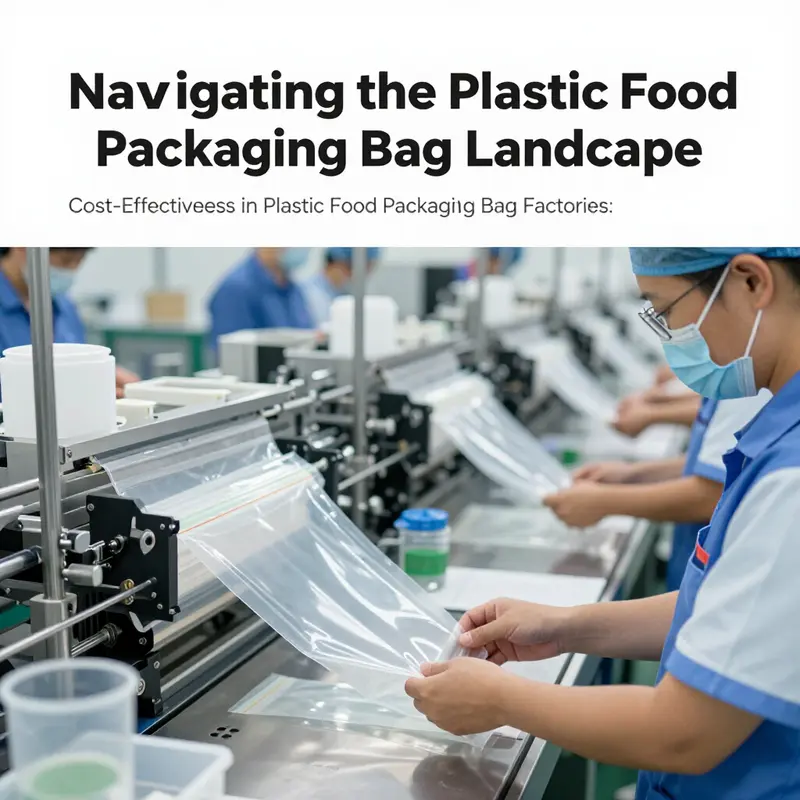
In the continually evolving landscape of plastic food packaging bag factories, one innovation stands out for its operational prowess and efficiency: the manufacturing of LDPE zipper bags. These bags not only meet the critical demands of food preservation but also epitomize the cost-effectiveness required in large-scale production environments. At the heart of this success lies the intrinsic quality of Low-Density Polyethylene (LDPE), a material celebrated for its flexibility, durability, and exceptional moisture barrier properties. These characteristics play a pivotal role in ensuring that food products remain fresh and are protected from external elements. The adaptability of LDPE zipper bags allows them to conform effortlessly to various packaging requirements, ranging from small snack packets to larger bulk food items, thereby bridging the gap between functionality and economic viability in packaging solutions.
Manufacturers have long recognized the benefits of LDPE when it comes to mass production. The material’s low production cost, combined with high production volumes, creates a scenario where economies of scale are realized, significantly driving down the individual unit price. Factories operating at high capacities are able to produce millions of units per year, transforming LDPE zipper bags into an indispensable element of the packaging process. This efficiency not only makes the bags competitive in price but also ensures that businesses can meet the increasing consumer demand and rapid turnaround times often required by supermarkets and food distributors. As the production lines have become more automated and the processes more streamlined, manufacturers have achieved a fine balance between cost, quality, and quantity.
The production process of LDPE zipper bags is a testament to the innovation inherent in modern manufacturing. Every stage, from the initial extrusion and formation of the film to the sophisticated sealing and zipper attachment, is optimized for high efficiency and minimal waste. Automation plays a crucial role here; advanced machinery is capable of producing consistent quality products at unfaltering speeds. This system not only reduces labor costs but also minimizes human error, further bolstering the reliability of the finished product. Furthermore, manufacturers integrate rigorous quality control measures that verify the moisture resistance and durability of each batch, ensuring that the bags perform reliably under various conditions. As factories continue to invest in cutting-edge technologies, the incremental improvements in production efficiency are clear indicators of the industry’s commitment to sustainable, cost-effective practices.
Another facet that enhances the viability of LDPE zipper bags in food packaging is their ability to be customized according to specific client needs. In today’s competitive market, manufacturers often offer a range of customization options, including OEM printing and the incorporation of special features such as antistatic properties. These enhancements not only allow businesses to differentiate their product presentation but also address the specialized requirements of various industries, ranging from household food products to sensitive medical supplies. For businesses seeking tailored packaging solutions, the flexibility and adaptability of LDPE zipper bags have proven invaluable. Manufacturers are often capable of modifying the thickness, width, and sealing techniques to meet specialized retail standards or to overcome distinct packaging challenges. This customization has earned manufacturers a reputation for reliability and quality, further cementing the position of LDPE zipper bags as a cornerstone in modern packaging strategies.
Economic factors also play a critical role in the widespread adoption of LDPE zipper bags. The interplay of raw material prices, trade regulations, and competitive manufacturing practices drives the market dynamics in this segment. When production volumes are optimized, manufacturers benefit from cost savings that are then passed on to clients in the form of lower unit prices. This aspect is particularly important in food packaging, where margins are often slim, and every cent saved in production contributes to overall profitability. Additionally, trade regulations and shifting geopolitical landscapes can sometimes influence the available cost structures, compelling factories to innovate in order to maintain competitive pricing. The fact that LDPE, coupled with modern production techniques, continues to deliver affordability makes it an enduring choice for producers and consumers alike.
Environmental considerations have become increasingly significant for plastic food packaging bag factories worldwide. Although LDPE itself is a plastic, the industry is witnessing a transformative shift towards more sustainable and environmentally conscious production methods. Manufacturers are now incorporating recycled materials into their production lines and redesigning processes to reduce energy consumption and overall waste. The environmental footprint of plastic packaging is under intense scrutiny, and companies are actively exploring alternative formulations and recycling strategies. This evolving perspective not only addresses consumer demands for greener products but also aligns with stricter regulatory standards. Despite the challenges posed by environmental concerns, the durability, reusability, and cost-effectiveness of LDPE zipper bags ensure that they remain a strong contender in the competitive market of food packaging.
Innovation in packaging is not limited to the material and production efficiency alone; it also encompasses the integration of technology and design improvements. Modern LDPE zipper bags now feature enhanced sealing mechanisms that ensure a secure and reliable closure, thereby protecting the contents from contamination and spoilage. The design improvements extend to the bags’ aesthetic appeal, making them attractive for retail display as well as functional for everyday use. This dual focus on form and function has made these bags particularly popular among manufacturers aiming to provide value-added products. Moreover, advancements in machinery and production methods have enabled factories to achieve high precision in the thickness and sealing quality of each bag, thereby ensuring that performance standards are met consistently. For businesses interested in innovative packaging solutions, exploring additional options such as custom takeaway packaging solutions can offer insights into how customization benefits extend beyond LDPE bags alone.
The journey of manufacturing LDPE zipper bags is a story of continuous improvement and adaptation to market and environmental challenges. From leveraging the inherent properties of LDPE to adopting modern high-capacity production technologies, factories are redefining what it means to be cost-effective in the competitive arena of plastic food packaging. The convergence of economic prudence, operational efficiency, and environmentally considerate practices is reshaping the landscape of packaging, ensuring that quality and affordability go hand in hand. As the global market trends continue to evolve, manufacturers are better positioned to respond to consumer demands and regulatory changes without compromising on efficiency or product reliability. The dynamic interplay between cost management and product performance highlights the strategic importance of LDPE zipper bags, making them a preferred choice for a variety of packaging needs.
For industry stakeholders and consumers alike, the advancements in LDPE zipper bag production underscore the strides being made in balancing cost efficiency with superior functionality. This narrative is not just about meeting current needs but about paving the way for future innovations in sustainable packaging. Every innovation, whether in the form of streamlined production, improved material performance, or enhanced customization options, contributes to a larger vision of efficiency that benefits both the manufacturers and the end users. Companies continue to invest in research and development to further refine these processes. As a result, LDPE zipper bags maintain their role as a leading solution in food preservation and packaging, embodying a modern blend of affordability, utility, and quality. For those seeking further detailed insights on production techniques and market trends, additional information can be found at LDPE Zipper Bags Supplier.
In conclusion, the manufacturing of LDPE zipper bags represents a significant achievement in the realm of plastic food packaging bag factories. The journey from raw LDPE material to a finished product that meets stringent quality and performance criteria involves a delicate balance of innovation, economics, and environmental responsibility. With each step in the production process meticulously optimized for cost-efficiency and product excellence, LDPE zipper bags continue to set the benchmark for functionality and durability in packaging solutions. The collective efforts to enhance production methodologies, integrate advanced automation, and offer customizable features reflect an industry that is not only responsive to the demands of modern retail and logistics but also proactive in addressing the challenges faced by global supply chains. As trends in consumer preferences and environmental policies continue to shift, the ability to provide reliable, cost-effective, and ecologically sound packaging solutions remains paramount. The enduring success of LDPE zipper bags is a clear demonstration of how technological advancement, when coupled with strategic innovation, can transform an entire industry.
Navigating the Greener Path: Assessing Environmental Impact and Advancing Sustainability in Plastic Food Packaging Bag Factories
In the global arena of plastic food packaging, factories that manufacture food packaging bags have come under increasing scrutiny for their impact on the environment. As the industry continues to innovate on production techniques and material choices, the conversation about sustainability has become an integral part of operational strategies. Factories must now balance cost efficiency with environmental stewardship, seeking ways to reduce waste and lower their ecological footprint while still preserving the benefits that plastic food packaging provides, such as safeguarding food quality and extending shelf life. This chapter delves deep into the environmental impact of plastic food packaging bag factories, examining the challenges and opportunities that arise from adopting sustainable practices in an industry marked by significant production volumes and regulatory complexity.
A critical aspect of this discussion revolves around the environmental cost associated with the production, use, and disposal of plastic packaging bags. Worldwide, millions of tonnes of plastic waste find their way into natural ecosystems, with food packaging plastics contributing a substantial portion to this problem. The sheer scale is daunting: nearly 8.3 million tonnes of mismanaged plastic waste enter the world’s oceans every year, a figure which puts immense pressure on natural habitats and marine life. The resilience of plastic in the environment means that, without effective measures to reduce waste, these materials can persist for decades or even centuries, compounding the issue of plastic pollution on a global scale.
Yet, the environmental debate is complex. Although plastic packaging has been spotlighted for its role in contaminating landscapes and water bodies, it is important to recognize that these materials also play a role in reducing food waste—a benefit that, in some contexts, can offset their negative environmental impacts. Life cycle assessments (LCAs) conducted on various types of food packaging reveal that, for most food products, plastic packaging contributes less than 10% of the overall emissions generated throughout the product’s life cycle. This reduction in food waste results partly from the effectiveness of plastic bags in preserving freshness, which in turn can reduce the environmental burden associated with food production and waste management. For many items, especially those with high spoilage rates, the packaging reduces the need for additional preservation techniques that might otherwise involve greater energy consumption or chemical inputs. In this sense, the environmental cost of plastic can be seen as part of a broader equation where benefits such as reduced food spoilage and improved supply chain efficiency must be taken into account.
Nonetheless, when the entire life cycle of plastic products—from raw material extraction to production, distribution, use, and eventual disposal—is considered, some categories of packaging expose significant environmental weaknesses. This discrepancy is especially marked in cases where packaging is used for liquids or small-volume items; here, the relative environmental impact can grow, sometimes reaching levels comparable to the emissions generated by personal transport over substantial distances. This comparison is not meant to diminish the necessary role of plastic packaging in ensuring food safety and reducing waste, but rather to spotlight opportunities for improvement and encourage the exploration of more sustainable production techniques. Factories are increasingly focused on reducing their overall ecological footprint by exploring energy-efficient production processes, increasing the recycled content in new products, and innovating in design to improve end-of-life recyclability.
Economic pressures also play a leading role in shaping the sustainability agenda of plastic food packaging bag factories. Rising raw material costs, coupled with stringent trade regulations and intense global competition, force manufacturers to constantly optimize their processes. In many cases, these economic drivers have incentivized the adoption of technological improvements that not only enhance overall efficiency but also reduce the environmental impact of production processes. Investments in advanced machinery, automated quality controls, and integrated recycling systems are becoming more common among modern factories. Manufacturers are recognizing that sustainable production is not only a moral imperative but an economic advantage over the long run, particularly as consumer demand shifts towards eco-friendly solutions. For example, the development and use of layered packaging materials that incorporate PET and PE can offer improved durability and better heat sealing properties, thereby extending the life of food products and reducing waste. Such innovations are critical when trying to maintain competitiveness while simultaneously addressing environmental challenges.
A significant influence on factory operations is the enforceable regulatory and market environment. Governments and international bodies are increasingly enacting legislation that targets plastic pollution, compelling manufacturers to adhere to stricter environmental standards. These regulations have led to tighter controls on emissions, energy usage, and waste management practices. In many regions, factories are required to implement rigorous collection and recycling programs that help mitigate the accumulation of waste. In parallel, consumer pressure is rising; there is a growing awareness and demand for sustainable packaging solutions. This evolving landscape encourages factory operators to invest in research and development, seeking to innovate toward more eco-friendly materials and to explore alternatives such as biodegradable plastics or advanced recycling methods. The integration of these requirements into production processes creates a scenario where environmental considerations are not an afterthought but rather a core element of the overall business strategy.
In addition to regulatory pressures, the influence of global trade relationships cannot be understated. The interconnected nature of supply chains exposes factories to geopolitical factors that affect both production and distribution. Trade agreements, tariffs, and shifting international alliances all have the capacity to impact the cost structure of raw materials and the final pricing of plastic packaging products. Manufacturers operating in this environment need to be versatile, managing both internal sustainability efforts and external market fluctuations. This balancing act further highlights the complexities inherent in managing the environmental footprint of plastic packaging production. Indeed, factories that successfully navigate these challenges not only contribute to reducing environmental degradation but also position themselves competitively in a market increasingly sensitive to ecological and sustainability issues.
One promising area of innovation lies in exploring alternative materials and designs that provide similar functionality to traditional plastic while offering improved environmental profiles. Researchers and manufacturers are increasingly exploring the viability of materials like recycled PET and mesh nylon for reusable packaging. Although the initial environmental benefits may not always be immediately apparent, the overall sustainability gains become substantial over the product’s lifetime. For instance, when comparing reusable produce bags made from recycled materials with single-use plastic bags, studies have shown that the reusable options significantly reduce environmental impact when they are employed repeatedly over extended periods. A report by the UK Environment Agency suggests that a cotton reusable bag must be used more than 7,000 times to achieve a global warming potential that matches that of one single-use plastic bag. While these figures may appear discouraging for natural fabrics, the potential for using recycled synthetics presents a viable compromise between functionality and sustainability.
The road towards sustainability in plastic food packaging bag factories also involves refining end-of-life management. Currently, a significant challenge in the industry is not only the reduction of waste at the production level but also ensuring that post-consumer waste is appropriately treated. The establishment of robust recycling infrastructures, alongside the design of packaging that can be rapidly and efficiently recycled, is paramount to reducing the overall environmental burden. Several factories have taken proactive steps by collaborating with local governments and waste management organizations to improve collection systems for used packaging. This multi-stakeholder approach extends the value chain of plastic packaging, ensuring that environmental benefits are not confined to the point of production but are maintained even after the product has reached the end user. In many instances, the integration of recycled plastics back into production cycles is becoming routine, signaling a shift towards a quasi-circular model where waste is minimized, and resources are continually reused.
These efforts are not without significant challenges. One of the most critical issues is the contamination of recycled materials, which can compromise the quality of new products and increase overall production costs. Plastic food packaging demands high standards of purity and clarity, particularly when used in close contact with consumables. Manufacturers must therefore invest in sophisticated sorting and cleaning technologies to ensure that recycled materials meet the stringent requirements of food-grade packaging. Furthermore, the energy intensity associated with recycling processes must be balanced against the environmental savings achieved by diverting waste from landfills and natural ecosystems. As factories continue to innovate and align with regulatory standards, these complexities spur ongoing research into more energy-efficient, cleaner recycling methods that can feasibly integrate with large-scale industrial operations. The challenge lies in maintaining the critical balance between ensuring environmental safety and preserving economic viability.
Social and cultural attitudes towards plastic packaging are shifting as well, with consumers increasingly demanding transparency and accountability from manufacturers. In this evolving climate, the narrative of waste and environmental stewardship is becoming central to the brand identity of many food packaging providers. Factories are now more often engaging in public discourse regarding their sustainability practices, highlighting their investments in eco-friendly technologies and their commitment to reducing plastic waste. This trend is palpable across markets globally and is pushing companies to adopt more sustainable practices not just as a regulatory requirement, but as a core component of their corporate ethos. As consumer preferences continue to lean towards products that are responsibly sourced and produced, the plastic food packaging industry is likely to witness a transformation in both production techniques and the materials used.
In the marketplace, this drive towards sustainability intersects with the broader trend of eco-friendly disposable packaging solutions. For example, some companies have begun offering products such as the eco-friendly disposable 3-compartment food-grade packaging box, which represent a departure from traditional single-use plastic items. These alternatives are designed with the objective of reducing overall waste and providing a more sustainable option without compromising convenience or product integrity. Although these solutions may initially come at a higher cost, the long-term environmental benefits, coupled with the enhanced public image, create a compelling value proposition for manufacturers making the transition.
It is clear that the journey toward sustainability in plastic food packaging bag factories is multifaceted. The industry must harmonize improved production methods, advanced recycling technologies, innovative material choices, regulatory compliance, and shifting consumer expectations. Each of these elements plays a crucial role in reducing the detrimental impact of plastic waste and moving toward a model that recognizes the full environmental costs associated with production. Factories that successfully integrate these aspects into their operations are not only better positioned to meet current market demands but are also likely to lead in the emerging era of environmentally conscious manufacturing.
Navigating these changes requires commitment and a willingness to invest in new technologies and practices that prioritize long-term environmental health. The process is gradual, but every step forward contributes to a collective reduction in the ecological footprint left behind by plastic packaging. As research continues to evolve, so too will the strategies employed by manufacturers seeking to align profitability with sustainability. For further context and a more detailed analysis of the life cycle impacts of plastic food packaging, readers can refer to the study on Environmental Performance of Plastic Food Packaging: Life Cycle Assessment Extended with Costs on Marine Ecosystem Services. This research provides valuable insights into how environmental costs are computed and offers a framework for understanding the broader implications of plastic use in the food packaging sector.
In summary, the sustainability challenge faced by plastic food packaging bag factories is a nuanced one. It demands that industry stakeholders consider a host of factors—from raw material sourcing and production efficiencies to waste management and consumer behavior. While the benefits of plastic packaging in preserving food are undeniable, these must be balanced against significant environmental challenges. The path forward hinges not solely on reducing reliance on traditional plastic but also on innovating in ways that accommodate economic pressures and consumer expectations. By fostering a culture that values ecological responsibility and by investing in sustainable alternatives, manufacturers can help build a future in which food packaging contributes positively to society rather than detracting from environmental health. As the industry evolves, it becomes evident that the true measure of progress will be determined by the ability to maintain product functionality while steering the ecological impact toward a more sustainable course.
Navigating Sustainability and Economic Headwinds in Plastic Food Packaging Bag Factories
The evolving landscape of plastic food packaging bag factories is defined by a powerful interplay of sustainability trends and economic forces. In recent years, manufacturers have increasingly been pushed to rethink their production models as they adapt to an environment where environmental responsibility and financial prudence must coexist harmoniously. Regulatory requirements, from Extended Producer Responsibility (EPR) mandates to stringent environmental protection laws, are forcing companies to assume greater accountability for the life cycle of their products. At the same time, consumer demands are shifting rapidly towards packaging solutions that not only maintain food safety but also reduce adverse environmental impacts. Amid these changes, traditional weighty profit margins are now being recalibrated in the face of rising raw material costs, volatile trade policies, and fierce global competition.
Across the industry, a clear movement toward sustainable practices has emerged. Manufacturers once solely concerned with the efficiency of high-speed production are now pivoting towards new methods that incorporate eco-friendly materials and lower environmental footprints. The introduction of recycling and compostable alternatives, including biodegradable plastics such as polylactic acid (PLA) and polyhydroxyalkanoates (PHA), has become a strategic priority. These materials, while sometimes more expensive, offer significant long-term benefits by aligning with regulatory frameworks and consumer values. The adoption of these innovations is partly driven by EPR schemes, where companies assume responsibility for the entire product life cycle, from manufacture to disposal, effectively internalizing what were previously external environmental costs. This integration of cost responsibility with forward-thinking design is a defining characteristic of modern plastic food packaging bag factories.
Technology is also playing a critical role in this shift toward sustainability. Advanced manufacturing techniques allow for higher levels of automation and precision, reducing waste during production as well as energy consumption. State-of-the-art heat sealing methods, improved extrusion technologies, and the integration of quality control systems have all contributed to a more efficient manufacturing process. With digitalization and the advent of smart factories, these facilities can now operate with heightened flexibility. This change not only fosters the ability to switch rapidly between different product specifications but also allows for customization that meets the stringent food safety and aesthetic demands of today’s brands. Factories are increasingly integrating sensors and digital tracking systems to ensure batch traceability, a feature that plays an essential role in quality assurance and consumer transparency.
Economic pressures have become an equally potent force reshaping the industry. The fluctuation of raw material prices remains one of the most persistent challenges. Polyethylene, polyvinyl chloride, and other key polymers are subject to cyclical pricing trends and global supply variances, factors that can suddenly upend previously stable cost structures. These price swings have forced manufacturers to adopt more agile financial strategies, including forward contracting and diversified sourcing practices, to mitigate risks and protect their profit margins. Additionally, international tariffs and trade disputes have introduced further uncertainty into the supply chain. As governments worldwide seek to protect domestic industries and promote local innovation, exports and imports of packaging materials are increasingly disrupted by regulatory shifts and geopolitical considerations. Such economic turbulence necessitates a high degree of vigilance as manufacturers strive to balance cost efficiency with the need to invest in cleaner, more sustainable operations.
Amid these economic and environmental challenges, consumer behavior continues to be a pivotal factor steering the industry’s direction. People are now more informed and concerned about the products they purchase and the environmental impact that these products have over their entire life cycle. Modern consumers demand packaging that not only keeps food fresh but also minimizes ecological damage. This growing insistence on safety, traceability, and visual appeal is spurring innovation at every level of production. For instance, the popularity of resealable LDPE zipper bags is not solely due to their convenience; it is also because these bags can be designed to incorporate transparent materials that allow customers to inspect the product before purchase. A similar trend is evident in the market for layered PET/PE bags. Their reputation for durability and safe sealing has made them a preferred option among manufacturers who must juggle the dual demands of performance and sustainability.
In response to these evolving market requirements, leading factories are adopting a dual strategy that emphasizes both technological innovation and strategic diversification. This approach involves deploying cutting-edge production techniques that reduce waste while ensuring high levels of customization. The advent of smart manufacturing facilities has opened opportunities for on-demand production runs without sacrificing economies of scale. By moving away from the era of purely mass-produced, generic packaging, these factories are now catering to niche markets that require high-quality, branded packaging with distinctive visual identities. One notable example is the transition towards offering value-added services such as design consultation and customized printing options. Manufacturers increasingly work in tandem with brands to develop packaging that reflects their unique market proposition, a trend that is particularly visible among companies shifting from merely traditional plastic-based systems to packaging that incorporates biodegradable elements. For those interested in exploring innovative packaging solutions, details on sustainable design can be found in an insightful discussion on the eco-friendly disposable 3-compartment food-grade packaging box.
Simultaneously, the competitive nature of the industry compels factories to invest in research and development programs that extend beyond mere production optimization. The cost pressures from fluctuating material prices and the influence of international trade policies push organizations to streamline their operations and secure a sustainable supply chain. Many leading companies are now forming strategic alliances with raw material suppliers and technology firms, ensuring that they are at the forefront of emerging trends. These partnerships not only boost economies of scale but also foster innovation by combining diverse areas of expertise. As companies progress, their focus is on creating a balanced portfolio that serves both budget-conscious and premium market segments. Investment in high-tech production lines that facilitate rapid conversion between different packaging types is now seen as a vital asset for long-term competitiveness, supporting both the financial stability and the sustainable growth necessary to thrive in current markets.
Furthermore, economic realities have led to a more pronounced focus on cost efficiency and operational resilience. Manufacturers are increasingly embracing practices that blend low-cost production with high-value market positions. A move towards digital integration has enabled these factories to predict market trends with greater foresight, thereby mitigating risks associated with price volatility and supply chain disruptions. For instance, real-time data analytics and inventory management systems allow factories to plan production schedules more accurately and reduce the amount of wasted material. This operational optimization not only improves cost control but also enhances the overall environmental footprint by reducing energy consumption and resource wastage. An overarching theme across the industry is the emphasis on balancing innovation with sustainability. By ensuring that they meet the rigorous standards imposed by both regulatory bodies and conscientious consumers, factories can remain competitive in an arena that is as unpredictable as it is rapidly evolving.
The future of plastic food packaging bag factories is thus interwoven with the need for flexibility, innovation, and responsibility. While manufacturers continue to face persistent challenges—from fluctuating commodity prices to the pressure exerted by international trade policies—their ability to adopt emerging technologies and sustainable practices will determine their long-term viability. The integration of environmentally responsible materials, such as biodegradable and bio-based plastics, is not a fleeting trend but a strategic imperative. In tandem with smart manufacturing practices that emphasize digitalization and operational flexibility, factories are steadily transforming their production paradigms to adapt to a world where sustainability is no longer optional but essential. The proactive steps taken by many in the industry signal a holistic approach to packaging that respects both the integrity of the food it encases and the environment in which it is produced.
As this transformation accelerates, manufacturers must continue to invest in innovative technologies and robust supply chain management practices. It is not merely about switching material types or updating machinery; it is about rethinking the entire production lifecycle from design to disposal. Collaboration between producers, technology innovators, environmental regulators, and even consumers plays a critical role in driving systemic change within the industry. This collective effort ensures that the move towards more sustainable practices does not compromise the high standards of food safety required by consumers. Instead, it creates opportunities for a smarter, more efficient, and more balanced production environment in which all stakeholders benefit.
In this context, economic imperatives and environmental responsibilities are not at odds, but rather, they represent dual facets of a new industry paradigm. Plastic food packaging bag factories must manage the complex interplay between cost efficiency and ecological stewardship. Their survival and success will depend on their ability to harness technological advancements, diversify their production strategies, and ultimately, create packaging solutions that resonate with the modern consumer’s values. With every step forward, these factories are redefining what it means to be competitive in an industry at the crossroads of tradition and innovation.
For further insights into how operational enhancements are transforming the packaging world, readers might consider exploring additional resources such as the comprehensive overview available at double-layer disposable paper cups. This external perspective underscores the fact that while challenges persist, the opportunities for innovation and sustainable growth have never been greater. Each initiative, from employing smart technology to reengineering supply chains, contributes to a broader vision of an industry that is both economically viable and environmentally responsible.
Final thoughts
The landscape of plastic food packaging is constantly evolving, influenced by economic dynamics, consumer preferences, and environmental considerations. Businesses must stay informed about the offerings from key players like Zhucheng Qing Yuan and Guangzhou Zhongzhou to select the right packaging solutions that align with their needs and sustainability goals. Whether you’re operating a Bubble Tea Shop, a Food Truck, or an Event Planning Service, understanding the nuances of plastic food packaging can enhance your operational efficiency and customer satisfaction. The future lies not only in efficient manufacturing and cost-effectiveness but also in embracing innovation and sustainability. Equip your business with the best plastic food packaging options available to thrive in this competitive market.