
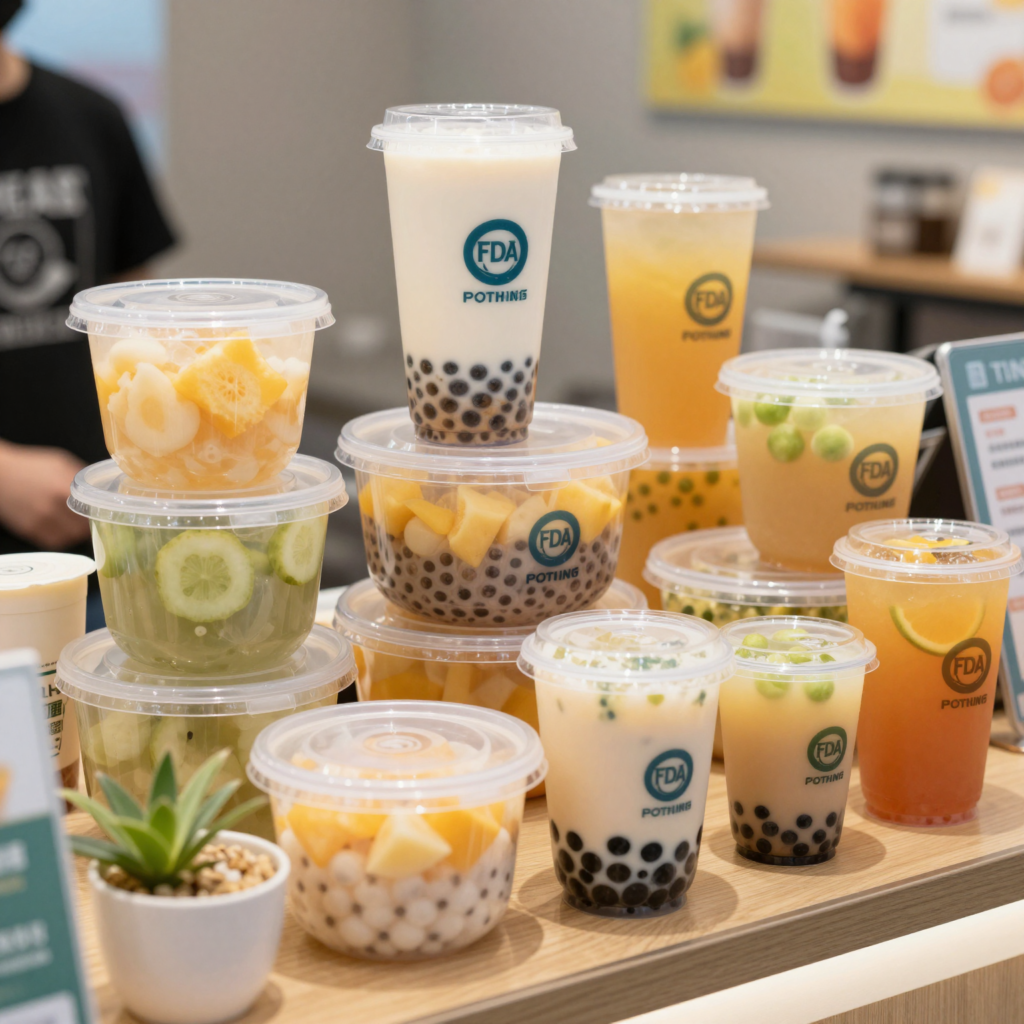
In the bustling food and beverage industry, especially for bubble tea shops and restaurants, the choice of packaging is crucial. High-quality plastic food-safe containers not only ensure food safety but also enhance the overall customer experience. These containers are designed to be chemically stable, preventing harmful substances from leaching into the food, which is especially vital when working with hot beverages or prolonged storage. Moreover, their durability means fewer breakages during transport, thus preventing food waste. With superior sealing properties, these containers help maintain freshness while effectively preventing contamination. By investing in quality plastic containers, businesses can elevate their brand’s reputation and meet the rising consumer demand for transparency and safety in food packaging. For more on the importance of these containers, click here or to explore specific product offerings, visit this guide.
Safety Standards for Food Safe Plastic Containers
In the food and beverage industry, safety standards for plastic containers are paramount. The U.S. Food and Drug Administration (FDA) regulates materials intended for food contact under Title 21 of the Code of Federal Regulations (CFR). Various plastics, such as High-Density Polyethylene (HDPE), Low-Density Polyethylene (LDPE), Polypropylene (PP), Polyethylene Terephthalate (PET), and Polycarbonate (PC), are approved for food contact, having been deemed safe due to their minimal substance transfer under typical conditions.
FDA Approvals
The FDA evaluates the safety of plastic materials based on their chemical makeup, intended usage, and exposure conditions. It’s notable that while Polycarbonate (PC) contains bisphenol A (BPA), the FDA has found current BPA levels in food packaging to be safe for consumers. This contentious topic has heightened awareness and demand for alternatives, leading to the development of BPA-free products. Many manufacturers now offer BPA-free options, including co-polyesters and Tritan™ copolyester that meet FDA guidelines for safety.
Learn more about FDA-approved plastics here.
BPA-Free Options
BPA has been under scrutiny due to potential health risks, particularly for young children. The FDA confirms that, although BPA is deemed safe at current exposure levels, the rise in awareness has prompted manufacturers to provide BPA-free alternatives. However, “BPA-free” does not imply a complete absence of chemicals; other compounds may still be present. Therefore, it is essential for businesses to carefully consider the materials they choose for packaging.
Relevant Regulations
Moreover, food contact materials must comply with specific regulations. The FDA requires rigorous testing, including:
- Total migration testing to assess chemical transfer.
- Analysis for heavy metals like lead and cadmium.
- Specific migration tests for known additives such as BPA.
Regulations also extend to California’s Proposition 65, which necessitates warning labels for products containing trace amounts of listed hazardous substances. Compliance with these regulations is essential for businesses looking to ensure the safety of their products while maintaining consumer trust.
For those interested in further details regarding plastic container safety standards, consider visiting this FDA link for a comprehensive overview.
This adherence to regulatory practices not only promotes consumer safety but also underscores the importance of transparency and responsibility within the food industry.
Plastic containers have become a staple in the food service industry, offering a range of advantages that enhance operational efficiency, food quality, and cost management. Below, we delve into the key benefits that make plastic containers a favored choice among restaurants, food trucks, catering services, and beverage chains.
-
Durability and Protection
Plastic containers are notoriously known for their resilience. They are designed to withstand varying temperatures, making them suitable for both hot and cold food items. Their robust construction minimizes the risk of breakage during transport, and they are less prone to dents and scratches compared to glass or metal containers. This durability not only protects the food but also ensures that the containers remain functional for a longer period, ultimately reducing replacement costs. -
Versatility
One of the standout features of plastic containers is their versatility. They come in various sizes, shapes, and designs, catering to different food types-from sauces and salads to soups and baked goods. Some models even offer features such as airtight seals and compartments, allowing for the secure storage of multiple food items. This versatility is particularly beneficial for food service businesses that need to meet diverse customer demands efficiently. For more insights on how plastic containers support food versatility, check out our related article. -
Cost-Effectiveness
Cost considerations are paramount in the food service industry. Plastic containers generally offer a lower upfront cost compared to their glass or metal counterparts. They are lightweight, which not only lowers shipping and handling costs but also eases storage and reduces labor when packing and unpacking items. Furthermore, the ease of cleaning and potential for reuse or recycling adds to their economic appeal. For instance, many modern plastic containers are designed for specific food service challenges, aligning with cost-saving strategies. -
Hygiene and Safety
In the food industry, hygiene is non-negotiable. Plastic containers are non-porous and do not absorb odors or liquids, which helps prevent cross-contamination and maintains food integrity. Many plastic containers are also made from food-grade materials that comply with strict health and safety regulations, ensuring safe food storage and handling. -
Sustainable Practices
While there are environmental concerns surrounding plastic use, the food service industry is increasingly adopting sustainable practices. Many manufacturers are producing recyclable and compostable plastic containers, contributing to waste reduction efforts. Additionally, using lightweight plastic over heavier alternatives like glass can lower greenhouse gas emissions during transport. For a deeper exploration of the sustainable practices associated with plastic containers, learn more here.
Conclusion
In summary, the benefits of plastic containers in the food service industry are manifold. Their durability, versatility, cost-effectiveness, hygiene, and potential for sustainable use make them an attractive option for businesses looking to enhance their operational efficiency while ensuring food safety and quality. As the industry continues to evolve, so too will the innovations in plastic container design, further solidifying their importance in food service.
By embracing the many advantages of plastic containers, food service operators can not only improve their service but also contribute positively to environmental practices in their operations.
Comparing Types of Food Safe Plastic Containers
When selecting food-safe containers for your business, understanding the differences between various types can lead to better choices. Below is a table highlighting different food safe plastic containers based on their features, advantages, and ideal usage scenarios.
| Container Type | Sizes | Features | Advantages | Ideal Usage Scenarios |
|---|---|---|---|---|
| Rigid Plastic Containers | Small, Medium, Large | Microwave-safe, Stackable, Leak-proof, BPA-free (common in PET/PP) | Durability, Design flexibility, Lightweight, Shatter resistance | Restaurants, Food Trucks, Home Storage, Meal Prep, Retail Packaging |
| Flexible Plastic Containers (e.g., Pouches) | Small, Medium, Large (variable) | Not microwave-safe (typically), Non-stackable, Leak-proof (sealed), BPA-free (often) | Flexibility, Lightweight, Source reduction, Convenience | Food Trucks, On-the-go Snacks, Bulk Distribution, Travel Meals, Shelf-stable Packaging |
| Round Plastic Containers (Common in Household Use) | Small, Medium, Large | Microwave-safe (varies by material), Stackable, Leak-proof (with secure lids), BPA-free | Durability, Transparency, Secure closures, Branded design options | Kitchen Storage, Refrigeration, Dry Goods Storage, Lunchboxes, DIY Projects |
Choosing the right container can enhance the efficiency of your operations while ensuring food safety. Rigid containers are excellent for long-term storage and bulk items, flexible containers provide convenience for on-the-go service, and round containers are perfect for household uses and meal prep.
To dive deeper into the safety of food containers, read about best practices for using plastic food containers.
Use Cases for Plastic Food Safe Containers
Plastic food safe containers are versatile solutions for various businesses in the food service industry, helping to ensure safety, convenience, and efficiency. Here’s how different target audiences can benefit from these containers:
1. Bubble Tea Shops & Beverage Chains
- Product Visibility: Clear plastic containers enhance product visibility, enticing customers with a clear view of the colorful drinks and toppings inside.
- Durability: These containers are designed to withstand cold temperatures, making them ideal for serving chilled bubble tea without breaking or leaking.
- Portability: Their lightweight nature facilitates easy transportation of drinks, perfect for busy beverage chains. For more information on container options, check out this article on plastic containers in the food industry.
2. Restaurants
- Versatile Use: Restaurants can utilize various types of food safe containers for storage, serving, or packaging takeout options. For example, PP containers are microwave-safe, allowing customers to reheat their food easily.
- Hygiene: Using disposable containers helps reduce cross-contamination risks in kitchens-a critical aspect for maintaining health standards.
- Cost-Effective: By reducing food waste with effective storage solutions, restaurants can optimize their operations, which is a vital element for any successful restaurant. Learn more about maintaining quality in food service here.
3. Catering Services
- Efficient Food Transport: Caterers can benefit from multi-compartment trays that help keep different dishes separate yet organized during transport.
- Temperature Control: Many plastic containers are designed to maintain food temperatures longer, ensuring that the food arrives at events fresh and safe. This aspect is crucial for any catering service aiming to provide an exceptional dining experience.
- Waste Reduction: By using portion-controlled containers, catering services can minimize food waste, aligning with sustainable practices in the food service industry. Discover more about the importance of food-grade packaging in business strategies here.
Each of these examples highlights the adaptability and essential role of plastic food safe containers in enhancing food service operations across various industries.
Eco-Friendly Practices for Plastic Containers
As consumer awareness regarding environmental issues continues to grow, eco-friendly practices in plastic containers have become increasingly important, especially in industries like food service and catering. Here are some notable trends:
Biodegradable Options
Biodegradable plastic containers made from materials such as polylactic acid (PLA) and cellulose are gaining traction. These containers can decompose under industrial composting conditions, significantly reducing their long-term impact on the environment. They provide a green alternative that aligns well with the growing consumer preference for sustainable solutions. Learn more about biodegradable plastics in the food industry.
Recycling Practices
Despite the benefits of biodegradable options, traditional plastic recycling practices remain inadequate. According to the Environmental Protection Agency, only about 9% of all plastic has ever been recycled, with many single-use containers ending up in landfills. Enhanced recycling infrastructure and consumer education are critical for improving these statistics. As noted by recent studies, many consumers express a preference for products that promote recycling and sustainable practices when making purchasing decisions.
Consumer Preferences
Research indicates that consumers, particularly from younger demographics, increasingly prefer eco-friendly packaging solutions. A report highlighted that these customers are more likely to opt for biodegradable or recyclable containers, even at a higher price point, reflecting a willingness to support environmentally responsible products. This shift presents an opportunity for businesses to align their packaging choices with the values of their customers and build a sustainable brand image. Explore the impact of consumer preferences on packaging.
Fast Delivery and Flexible Options
In the fast-paced world of food service, the significance of fast delivery and flexible packaging options cannot be overstated. Businesses such as bubble tea shops, restaurants, and food trucks increasingly rely on quick logistics to meet rising consumer expectations. For instance, a 2026 survey indicated that 74% of consumers prefer same-day or next-day delivery when ordering food. This shift highlights how critical it is for food purveyors to optimize their delivery operations to retain customer loyalty and enhance satisfaction.
Flexible packaging solutions like resealable containers and temperature-controlled materials not only facilitate faster logistics but also ensure food safety and extend shelf life. Adaptable packaging has been shown to enhance operational efficiency, with reports of a 30% reduction in delivery-related spoilage and improved customer retention rates by 25%. Moreover, businesses equipped with quick delivery capabilities can respond to peak demand swiftly and effectively, ultimately fostering a competitive edge in the market. For more insights on how packaging impacts the industry, learn more about food packaging solutions.
The Importance of Food Safe Containers in Culinary Settings
In the vibrant world of food service, the right containers can make all the difference. Plastic food safe containers are essential for preserving the freshness and quality of food items, catering seamlessly to various businesses, including bubble tea shops, restaurants, food trucks, and catering services.
These containers come in a variety of shapes and sizes, offering versatility for different cuisines and serving styles. They are designed to keep food safe from contamination, ensuring compliance with health regulations. Utilizing attractive, clear containers enhances the presentation of the food, making it visually appealing to customers.
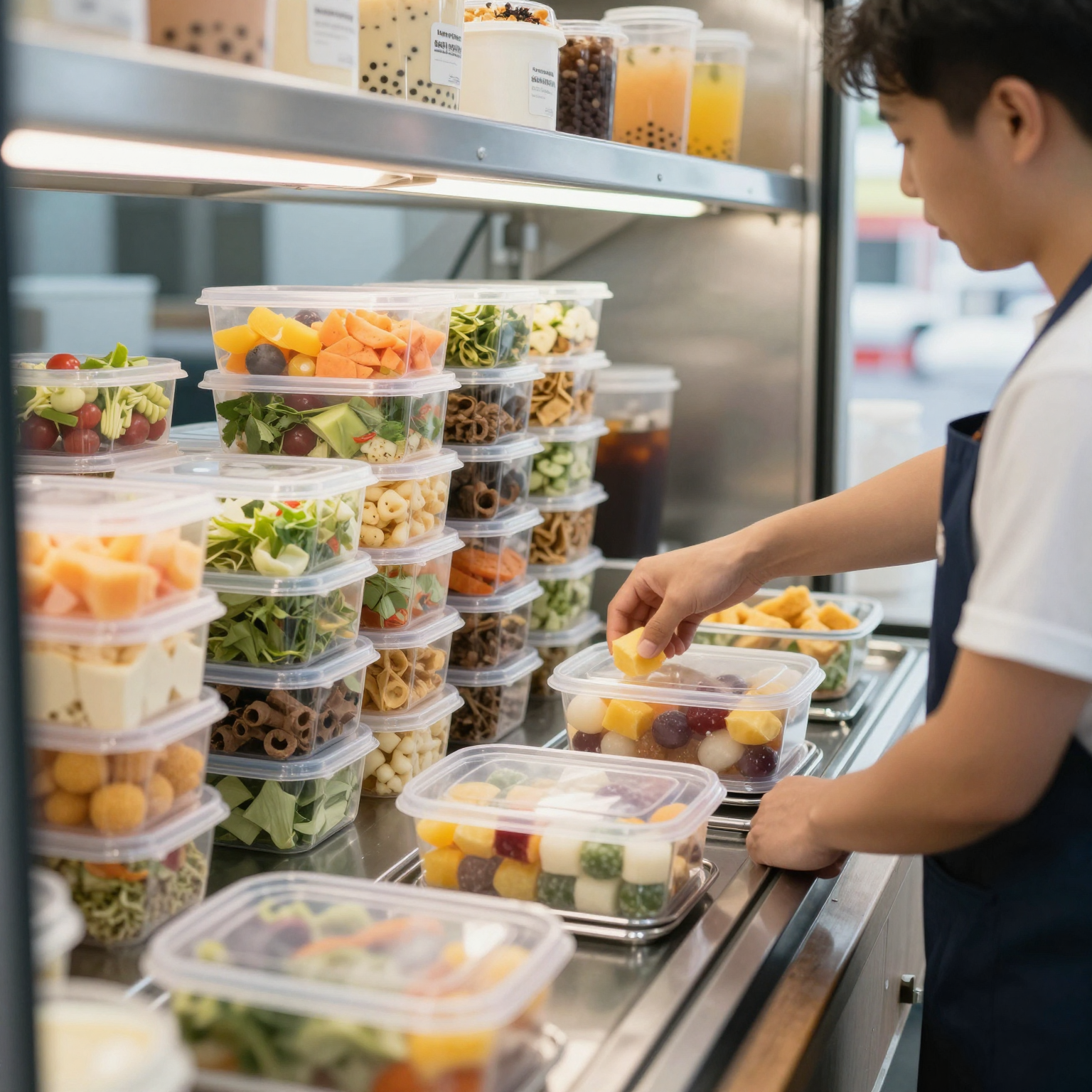
An assortment of colorful plastic food safe containers in a bustling food service environment.
For detailed insights on food safety, you can learn more about plastic containers in the food industry and discover how to choose the right containers for your needs.
In conclusion, incorporating these practical food safe containers not only safeguards food but also enhances the overall dining experience.
“High-quality food containers not only preserve the freshness and safety of food but also enhance the unboxing experience for customers. The appearance and functionality of packaging are vital in building brand loyalty and trust, especially in competitive markets such as restaurants and food delivery services.”
- Industry Expert, Source: 食品安全监管报告
As the food industry continues to evolve, the importance of using high-quality food-safe containers cannot be overstated. These containers serve as the first line of defense in maintaining the integrity of the food, protecting it from external contaminants and ensuring safety for consumers. Notably, a study highlighted that more than 12% of food safety incidents are linked to packaging defects, emphasizing the critical role that quality containers play in food safety.
For establishments such as bubble tea shops, restaurants, food trucks, and event planners, utilizing reliable food containers is essential not just for compliance with safety regulations, but also for enhancing customer satisfaction. Customers tend to develop trust in brands that showcase a commitment to quality, which is bolstered when food is delivered in secure, appealing packaging.
In conclusion, investing in superior food-safe containers can serve as a catalyst for success in the food business, leading to happier customers and an improved brand reputation. If you’re looking for more insights on how to select the right containers for your needs, learn more about the food industry packaging and take steps toward elevating your service quality.
Conclusion: Choose Quality Disposable Tableware for Your Business
In conclusion, the use of plastic food-safe containers is critical in ensuring food safety, maintaining freshness, and enhancing operational efficiency for your business. Whether you’re in the bubble tea shop, restaurant, or catering service scene, these containers provide a durable, lightweight solution for both dine-in and takeout options, preventing spills and contamination while adhering to health regulations.
As the industry shifts towards sustainability, it’s important to choose reliable and responsible disposable tableware options. At EcoCupBowl, we offer a diverse range of disposable tableware and packaging solutions tailored to meet the needs of businesses like yours.
Don’t compromise on quality when it comes to serving your customers. Explore our range of disposable food packaging today and elevate your service!