

In the food service industry, ensuring the safety and quality of food storage is paramount. As more businesses utilize plastic food storage containers for efficiency and convenience, understanding the associated risks becomes critical. This guide delves into four key aspects of plastic containers: the concerns surrounding chemical migration, the impacts of temperature, the effects of physical damage, and the safer alternatives available. Each chapter builds a nuanced understanding of these critical factors, laying a foundation for making informed decisions about food safety in restaurants, bubble tea shops, and catering services.
From Container to Table: The Hidden Chemistry of Plastic Food Storage Safety
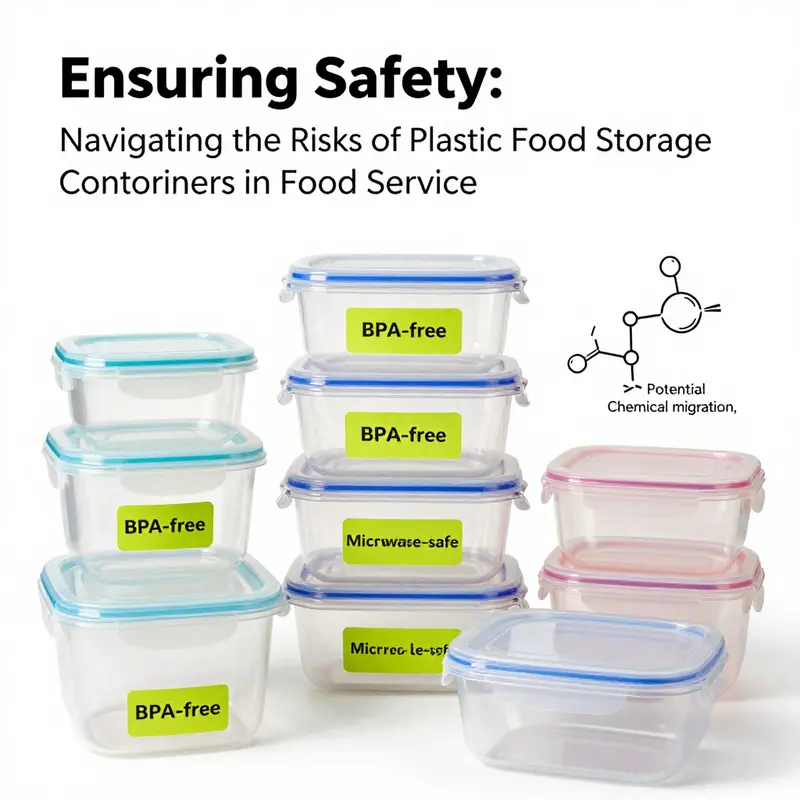
Plastic food storage containers are a common kitchen fixture, valued for convenience but raising questions about what migrates into food. When plastic is heated or in contact with fatty foods, small amounts of constituents can diffuse into the food. BPA became a focal point as an endocrine disruptor; many products are now labeled BPA-free, but substitutes like BPS and BPF may still exhibit biological activity. Labels help but are not a guarantee of safety. Migration depends on temperature, contact time, fat content, and the age of the container; heating can cause even BPA-free plastics to release compounds. Glass is chemically inert and often preferred for hot or acidic foods; silicone offers good thermal stability and inertness but still requires proper use. For households, practical guidance includes avoiding heating in plastics not designed for hot contact, retiring damaged containers, and favoring glass or silicone for risky uses. Over time, consumer education, regulation, and material science will continue to shape safer options. The key takeaway is to balance convenience with mindful use and to understand that safety is a function of materials, use, and time.
The Temperature Equation: How Heat and Cold Shape Plastic Food Storage Safety
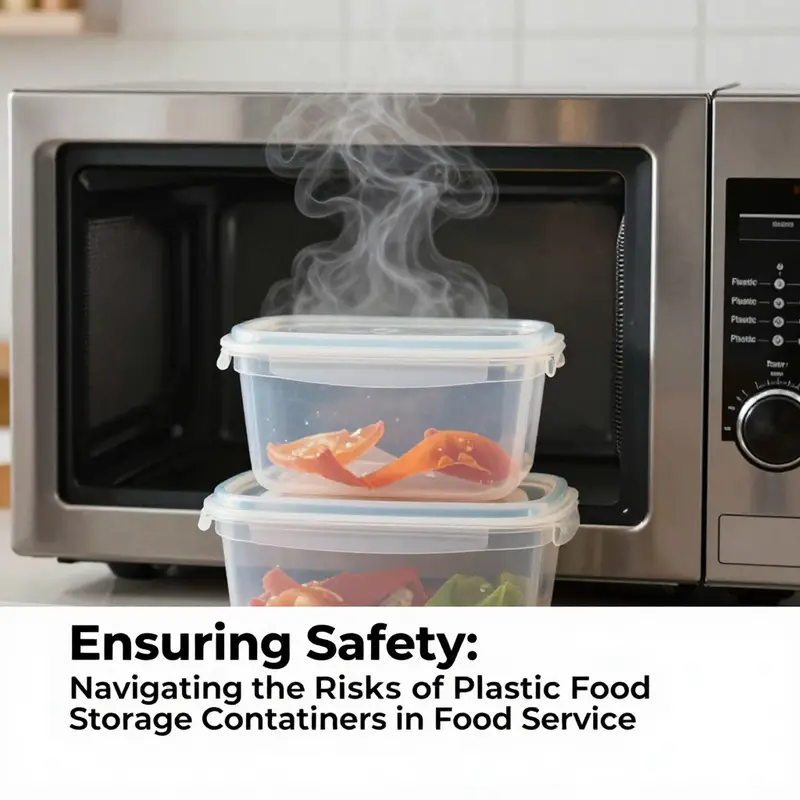
Temperature governs more than taste and texture when it comes to plastic food storage. It acts as a catalyst that can loosen the bonds holding additives in plastics and push their migration into the foods we eat. It also wears plastics down in ways that are visible—cloudy surfaces, scratches, and warping—and invisible, in the form of microplastic shedding and chemical leaching. The safety of plastic containers, long debated in public health, hinges on how they respond to the everyday temperature swings of kitchens and pantries. While labels such as “microwave-safe” or “BPA-free” can be reassuring at a glance, the temperature-driven processes inside plastics tell a more nuanced story. In practice, what happens inside a container when it faces heat and cold can determine whether it remains a neutral vessel or becomes a source of exposure to chemicals that can affect health over time. This is not a warning about a single compound but a reminder that the safety profile of plastics is a function of temperature, duration, and the chemical resilience of the polymer matrix and its additives.
High temperatures do not simply warm food; they change the chemistry and physics of plastic materials. When a container is heated for microwaving, left in a hot car, or run through a dishwasher at high heat, the internal energy of the polymer increases. In many commonly used plastics—polypropylene (PP), polycarbonate (PC), and certain polyethylene terephthalate (PET) variants—the elevated energy can accelerate the diffusion of additives into food. The migration is not limited to a single compound. It often includes legacy substances such as bisphenol A (BPA) in older or mixed-use plastics, as well as substitutes that have gained prominence in the wake of BPA restrictions, including bisphenol S (BPS) and bisphenol F (BPF). The migration patterns are influenced by the nature of the food—fats and oils, acidic or alcoholic beverages, and heat all interact to either pull compounds from the plastic or hinder their movement. The risk is compound-specific and context-dependent, but one thread is consistent: higher temperatures generally increase both the rate and the total amount of migration.
A striking concern is that even plastics marketed as BPA-free do not offer a blanket guarantee of safety at high temperatures. The body’s biology does not differentiate perfectly between BPA and its substitutes. Dr. Sarah Thompson, an environmental health scientist, has emphasized that a BPA-free label does not automatically translate into a safe product. In her words, alternatives such as BPS and BPF can exhibit endocrine-disrupting activity in the body, raising questions about their equivalence to BPA. This is more than a labeling issue; it reflects the complexity of chemical mixtures and the variability of how substances behave in food matrices under heat. When fats, oils, or acidic components are present, the risk escalates because these foods can act as carriers, facilitating faster migration and offering a more favorable environment for leaching compounds from the plastic matrix.
The temperature story is not limited to chemical migration. Heat can also magnify the shedding of microplastics. A study conducted by researchers at the University of Nebraska in 2022 documented that common plastic containers can release up to 4.2 million microplastic particles per liter when subjected to high temperatures. That volume is comparable to the microplastic exposure associated with microwaving a typical meal and raises concerns not only about chemical exposure but about the physical presence of plastics in our food. The microplastics themselves may carry adsorbed compounds or additives and can interact with the gut in ways that are still being explored. The practical implication is clear: for heated foods, the safety calculus shifts toward minimizing plastic contact with food or choosing materials less prone to migration and fragmentation.
Even when energy input is high but the chemical risk remains uncertain for a given polymer, the physical implications of heat are still meaningful. The structure of many plastics begins to degrade under sustained heat or repeated heating cycles. This degradation manifests as cloudiness, scratches, and warping—visible signs that the material has begun to lose its integrity. These surface defects do more than signal wear and tear; they can harbor bacteria and provide microenvironments where microplastics can shed into the food. The practical takeaway is straightforward: as soon as visible scratches or discoloration appear, it is prudent to retire the container from use. The degradation is not just cosmetic; it is a marker of advanced material fatigue that correlates with increasing safety risk.
The temperature narrative cannot be complete without a contrasting view of glass. Glass containers are celebrated for chemical inertness and thermal stability. Across a wide range of temperatures, including repeated heating and cooling cycles, glass does not degrade in the same way plastics do, nor does it off-gas or leach substances into foods under typical home-use conditions. This is not a claim of perfection—glass is heavier, can break, and may require careful handling—but in the safety debate, many experts now regard glass as the gold standard for chemical safety in food storage. Dr. Lena Peterson, an environmental health scientist, has underscored this perspective by noting that glass’s chemical inertness means it does not degrade or off-gas over time, even after recurring heating or freezing cycles. The implication for households aiming to minimize exposure to potentially harmful substances is compelling: for hot, acidic, or fatty foods, glass offers a lower-risk option than most plastics when used within the bounds of safety and practicality.
The practical implications in kitchens are clear and actionable. When reheating meals, transferring food from plastic to glass before microwaving provides a straightforward hedge against potential leaching. This simple transfer does not require a change in taste or texture; it is a precaution that can significantly reduce exposure to a spectrum of chemicals, including BPA and its substitutes, that may migrate at elevated temperatures. For everyday storage, the guidance also leans toward limiting the use of plastics for hot foods, long-term storage, or situations where the container is visibly aged or damaged. The presence of a crack, clouding, or warping is not merely cosmetic but a cue that the material’s barrier properties are compromised and that its performance for safe containment is suspect.
There is a broader regulatory context that informs these practical recommendations. Modern plastic containers are designed to meet regulatory standards, including approvals from major regulatory agencies such as the U.S. Food and Drug Administration (FDA). However, the literature also points to a cautious note: independent studies and health experts caution against repeated heating, high-temperature exposure, or prolonged use of plastic containers, particularly for acidic or fatty foods. The complexity arises from the interplay of polymer chemistry, additive chemistry, manufacturing quality, and the diverse conditions of storage and cooking in home kitchens. Even if a container passes regulatory scrutiny at the point of manufacture, the real-world circumstances of heat, abrasion, aging, and repeated use can create a different risk profile over time. For most households, adopting glass or silicone as preferred storage materials for hot or acidic foods offers a prudent balance of practicality and safety.
The narrative of temperature and safety thus arrives at a few core themes. First, heat accelerates chemical migration and microplastic release. The specific chemicals involved depend on the polymer and the additives, but the pattern is consistent: higher temperatures increase the likelihood and rate of migration, particularly with fatty and acidic foods that can act as vehicles for the migrating substances. Second, cold has a distinct, albeit less dramatic, effect. Freezing can make plastics brittle and prone to microfractures; while chemical migration generally slows at lower temperatures, the physical damage from freezing can create pathways for contaminants to accumulate or for bacteria to hide in cracks. Third, visible material degradation is itself a warning sign. Scratches, cloudiness, and warping indicate that the container’s integrity is compromised, increasing both microbial risks and the potential for microplastic shedding. Fourth, glass offers a robust alternative under many conditions. Its chemical inertness, stability under cycling heat and cold, and resistance to off-gassing make it a compelling option for safeguarding the chemical integrity of food, especially for hot or acidic varieties.
In translating these insights into household practice, a sequence of mindful steps emerges. Begin by evaluating the typical use-case for a given container. If the food is going to be heated, particularly in a microwave, plan to transfer to glass or a microwave-safe ceramic vessel. Even when a container is labeled microwave safe, the heat can still push the boundaries of what is safe for the interior materials and additives. For storage, reserve plastic containers for foods intended to be kept cool or at room temperature, and use glass for hot, fatty, or acidic foods stored for longer periods. Inspect containers regularly for signs of wear. Should you notice cloudiness, cracks, or loss of seal integrity, retire the piece. It is not just about one meal or one batch; it is about cumulative exposure across many meals and weeks of storage.
There is also a behavioral aspect to consider. Consumers often rely on convenience and cost as primary drivers of choice. Yet the temperature-driven safety calculus invites a more deliberate approach to material selection. It is reasonable to keep a rotating set of glass containers or high-quality, food-grade silicone options for hot or acidic foods, while reserving plastics for dry, cool storage or short-term use where heating is avoided. Silicone, in particular, can strike a balance between flexibility, heat tolerance, and chemical stability, though it, too, should be chosen with attention to food-grade certification and compatible storage conditions. The overarching message is to align the material properties with the temperature realities of daily life rather than using a one-size-fits-all container for every scenario.
The external evidence base reinforces these practical adjustments. A comprehensive review of plastic food container safety emphasizes that while regulatory approvals exist, real-world use under heat or with acidic foods invites careful consideration of the sources and behavior of additives, as well as the physical durability of the container. The study notes that high-temperature exposure reliably increases the potential for chemical migration and microplastic formation, and it highlights the importance of selecting materials that minimize these risks for foods commonly involved in heating or prolonged storage. The emphasis on glass as a safer alternative under many conditions is not simply an opinion but a synthesis of chemical inertness and long-term stability under thermal cycling. For households seeking to minimize exposure to potentially harmful substances, the simplest and most consistently protective approach is to favor glass or safe silicone alternatives for heated or long-term storage while reserving plastics for non-heated, short-term use.
This integrated perspective—anchored in temperature science, material science, and practical kitchen realities—offers a cohesive path forward. It invites readers to view temperature not merely as a momentary condition but as a driver of safety that shapes decisions about what containers to use, how to use them, and when to retire them. As the body of evidence continues to evolve, the guiding principle remains clear: minimize exposure by avoiding unnecessary heating of plastic containers, replacing aged or damaged plastics with inert materials for high-temperature scenarios, and embracing safer storage choices for foods that sit near the heat or endure long storage times. In this light, temperature becomes a practical ally in the broader effort to safeguard our daily diets from avoidable chemical and physical hazards.
External reading: For a comprehensive review of plastic container safety, see the detailed discussion at https://www.ncbi.nlm.nih.gov/pmc/articles/PMC10789234/ which provides peer-reviewed context on how temperature influences migration, degradation, and the broader regulatory framework that informs consumer guidance.
When Scratches Speak: How Physical Damage in Plastic Food Storage Containers Undermines Safety
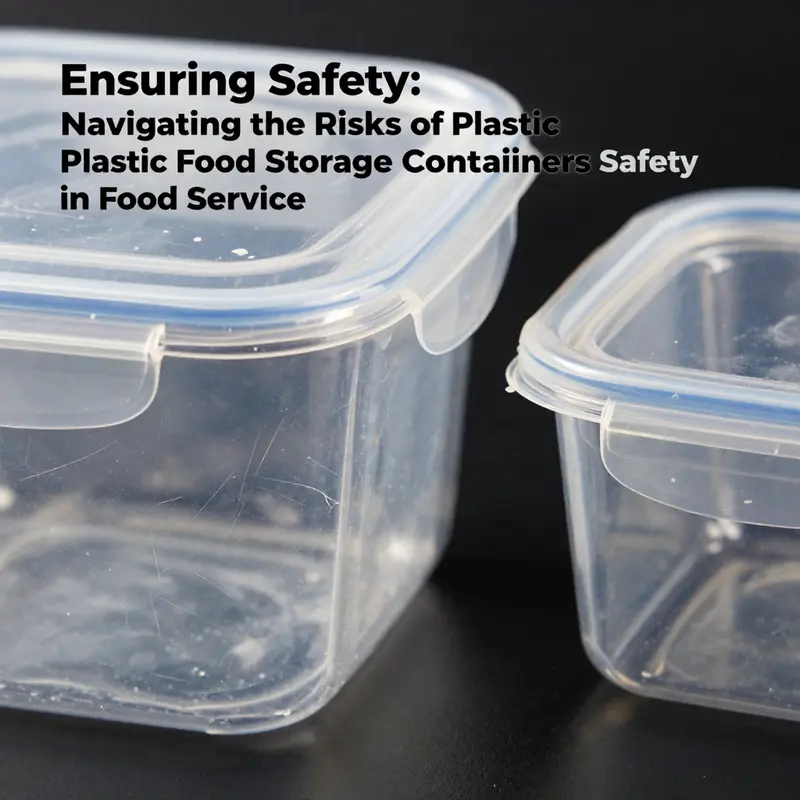
The everyday choice to store and reheat food in plastic containers is often a pragmatic one. Yet the durability that makes these vessels convenient can also conceal a slower, creeping risk: physical damage that compromises the container’s integrity and opens pathways for microplastics and chemical additives to migrate into our meals. The story of safekeeping food is not just about what a container claims to be able to do on a label; it is about how wear, tear, heat, and contact with substances as mundane as lemon juice or a hot sauce can alter the very matrix of the plastic. As the surface degrade, it is not merely a cosmetic issue. Each scratch, clouding, or warp can create microenvironments where dangerous processes unfold, and the consequences can reach beyond the container to the body that consumes the contents.
A key consequence of physical damage is the formation and shedding of microplastics. Microplastics, defined as plastic fragments smaller than five millimeters, have emerged as a tangible hazard linked to routine use of plastic containers. When a container is subjected to repeated washing cycles, microture cracks, or thermal stress from heating, the plastic becomes more vulnerable to fragmentation. The study landscape is increasingly clear on the health implications: microplastics can migrate into food at detectable levels, especially when the container is heated or stored with fatty or acidic foods that may soften the polymer matrix. A 2022 investigation from the University of Nebraska highlighted a striking phenomenon: under heating conditions typical of microwave use, common plastic containers can release millions of microplastic particles per liter of food, a figure that equates, in scale, to the amount released during a single meal. While laboratory conditions vary, the takeaway for households is practical: higher temperatures and longer exposure magnify microplastic release. The microplastics themselves can accumulate in tissues such as the gut, liver, and even the bloodstream, where they may interact with cellular processes and provoke inflammatory or cytotoxic responses over time. This mechanism of harm is not purely theoretical; it reflects a convergence of material science and toxicology that has become difficult to dismiss.
Linked to microplastic shedding is the broader question of chemical migration, which often accompanies physical damage. Plastic containers have long relied on additives to achieve the properties that make them usable—flexibility, durability, and impermeability. When the container’s surface or interior is compromised, those additives can migrate into the food more readily. Phthalates, a class of plasticizers used to impart flexibility to polymers such as polyvinyl chloride (PVC), are of particular concern. They are not inert bystanders; exposure to phthalates has been associated with a range of adverse health outcomes, including hormonal disruption, metabolic disturbances, and reproductive issues when body burdens rise. A comprehensive 2024 review emphasizes that high body loads of phthalates correlate with chronic diseases such as diabetes and hormonal imbalances. The physical breakdown of plastic thus creates a dual threat: it facilitates the release of microplastics and simultaneously increases the leaching of endocrine-disrupting additives into food. In practical terms, even containers marketed as “safe” for certain uses can become vectors for harm once their integrity is compromised by heat, abrasion, or long-term use. The implication is clear for households: once visible cloudiness, scratches, or discoloration appear, the material has begun to degrade in earnest, and continued use becomes progressively riskier.
The mechanisms by which physical damage translates into risk are nuanced, but the practical implications are straightforward. First, thinning or cracking of the polymer matrix creates microfractures that can harbor bacteria and fungi. The microscopic crevices are not merely spaces for microorganisms; they are surfaces where additives can migrate more readily into food because diffusion pathways become shorter and more tortuous as the material’s microstructure loses its integrity. Second, when heat is applied, either through microwave heating or dishwashing at high temperatures, the rate of chemical migration accelerates. The energy input agitates the polymer chains and can loosen the binding of additives, allowing them to cross into the food at greater rates than under ordinary room-temperature storage. Third, surface defects, such as scratches, increase the surface area and create microenvironments where food residues are trapped and microbes can reside. Over time, these conditions foster both physical and chemical leaching as the container ages. The cumulative effect is not a single dramatic event but a continuum of exposure that compounds with every reuse.
From a materials science perspective, the priority is to understand that the integrity of the container’s interior and exterior surfaces is not a static property. It evolves with time, use, and the specific foods stored inside. Acidic foods like citrus and tomato sauces, or fatty foods, present additional challenges because their chemistry can interact with the polymer in ways that amplify degradation. The migration dynamics are not uniform across all plastics. Some polymers, including PVC-based formulations, have historically relied on phthalates to achieve desired flexibility. When these materials fail under thermal or mechanical stress, the phthalates can migrate more readily into the food. That release contributes to a broader pattern of exposure to chemicals known to disrupt hormonal signaling in the body. The risk is not limited to those who use plastic containers exclusively; it is relevant even for households that use a mix of storage materials. Even a single damaged container, used repeatedly, can become a source of microplastic fragments and chemical additives entering the daily diet.
The chapter’s evidence base also points to an essential principle of consumer safety: the best way to reduce exposure is to limit the conditions under which plastic containers are most likely to shed. This means avoiding heating plastic containers, particularly with acidic or fatty contents, and limiting prolonged storage in plastic. It also means recognizing that “BPA-free” labels do not guarantee safety. The search for safer alternatives is justified because some substitutes, such as BPS and BPF, may mimic the biological activity of BPA and present similar health risks. The precautionary takeaway is pragmatic: favor non-plastic alternatives when possible, or use plastics only for short-term storage at cool temperatures, with careful attention to the container’s surface condition. In practical terms, households can mitigate risk through simple, repeatable habits: minimize heating plastic storage, retire containers with visible wear, and reduce long-term storage of hot or highly acidic foods in plastic.
To frame these considerations in a broader safety narrative, it is useful to look at how safer options compare in performance under real-world conditions. Glass stands out for its chemical inertness and heat resistance, offering stability that plastic often cannot guarantee after repeated use. Experts generally concur that glass does not leach harmful substances during heating or over time, making it a robust choice for storing acidic or oily foods that are frequently heated. Stainless steel offers similar advantages, combining durability with a non-reactive interior that preserves flavor and reduces migration risk from interior coatings. Bamboo and other natural materials provide a different kind of risk profile: while they may lower reliance on synthetic additives, they still require careful design to ensure food safety and moisture resistance. Compostable bioplastics are often proposed as a more sustainable alternative, yet they do not universally guarantee the absence of harmful particles under typical household conditions. The core message remains: when the aim is to minimize both microplastics and chemical exposure, the safest long-term options lie in non-plastic materials or, at minimum, plastics designed and tested to withstand practical kitchen use without degradation under heat and acidity.
For consumers seeking actionable steps grounded in current research, several practical guidelines emerge. First, avoid heating plastic containers. Even if labeled microwave-safe, the interaction of heat and plastic can degrade the material and accelerate chemical migration. Second, minimize prolonged food storage in plastic containers. Reducing the time between storage and consumption lowers the cumulative exposure to any additives that may migrate. Third, prioritize containers labeled as BPA-free and phthalate-free, while recognizing that these labels do not guarantee absolute safety due to the potential for alternative chemicals to behave similarly in the body. Fourth, inspect containers regularly for signs of degradation—cloudiness, scratches, warping, or compromised seals are warning signs that the material health has begun to fail and that continuing use should be reassessed. Finally, consider adopting safer storage alternatives for high-risk foods. For instance, acidic foods, which are particularly aggressive toward certain plastics, benefit from glass or ceramics as storage options, especially if they will be heated before serving. The cumulative effect of these practices is not necessarily to eliminate risk entirely but to reduce it to levels more compatible with long-term health and well-being.
Within this narrative of risk and mitigation, a broader scientific and policy context matters. Independent studies continue to raise questions about the adequacy of current regulatory frameworks in fully capturing the range of risks associated with plastic food storage containers. Even as many containers gain approvals from agencies such as the FDA for particular uses, the corpus of evidence on microplastics, chemical migration, and long-term health outcomes indicates a need for ongoing monitoring, transparent labeling, and public education about safe use practices. In this light, the article’s synthesis argues for a precautionary approach that places consumer health at the forefront of design and material choice. The move toward glass and other non-plastic options is not simply a preference class; it is a practical strategy backed by a growing body of evidence that highlights the real, measurable dangers of degraded plastics transmitting into the foods meant to nourish us.
For readers who want to explore the scientific discourse in more depth, the Sustainability journal provides a thorough overview of microplastics from food packaging, including exposure pathways, health threats, and alternative solutions. The synthesis underscores how microplastic formation is tied to everyday packaging and how reducing reliance on such materials can lower exposure across populations. It also emphasizes the importance of continuing research into safer materials and better design practices, which aligns with the broader article’s aim to illuminate how safety can be improved in daily life. The discussion emphasizes that the challenge is not only about what is permissible under current standards but also about what is prudent given the evolving understanding of harm from both physical and chemical degradation.
In sum, physical damage to plastic containers is more than a surface issue. It signals a cascade of consequences—from microplastic fragmentation to the accelerated migration of plastic additives, especially under heat and with challenging foods. The practical implications for daily life are straightforward: protect the container’s integrity, avoid heating or long storage in plastic, and favor safer storage materials when feasible. The evidence base shows that while plastic containers offer undeniable convenience, they also carry a measurable risk profile that grows with wear. By acknowledging the full spectrum of risks that physical damage enables, households can make informed decisions that reduce exposure, protect health, and align daily storage practices with a science-informed, precautionary approach.
As one navigates these choices, one small step can be a meaningful signal: when faced with doubt about the safety of a damaged container, retire it from use. The simplest act of replacing a worn item can reduce both the microplastic load and the potential chemical burden that accompanies degraded plastics. It is a reminder that safety, in the context of food storage, is not a single action but a consistent discipline—an ongoing commitment to materials that remain inert under the conditions of daily life. And when the opportunity arises to adopt non-plastic storage for at least a portion of the kitchen, the benefit extends beyond personal health to a broader public-health and environmental context. The shift to safer materials, while not eliminating all risk, moves the needle toward a safer, healthier household environment.
For readers seeking a compact entry point into safer storage decisions, a concise internal reference can help bridge everyday practice with research-informed choices. For a rounded example of how material choices are reflected in consumer options, you can explore related pages that illustrate design concepts and material selections in the context of household storage products. green-soil-lotus. This internal reference is a stepping stone to thinking about how design and material choices influence safety outcomes in a real-world setting. While no single page can resolve every question about safety, it offers a concrete way to translate scientific insights into day-to-day decisions.
External resources that synthesize the broader health implications are also valuable. A comprehensive review of microplastics from food packaging, including health threats and alternative solutions, provides a rigorous grounding for the discussion of exposure routes and mitigation strategies. This external source complements the practical guidance offered here and underscores the importance of maintaining a cautious stance toward plastic use in food storage, especially when heat and acidity are involved. See: https://www.mdpi.com/2071-1050/16/1/398
From Glass to Silicone: A Safety-First Guide to Alternatives to Plastic Food Storage Containers
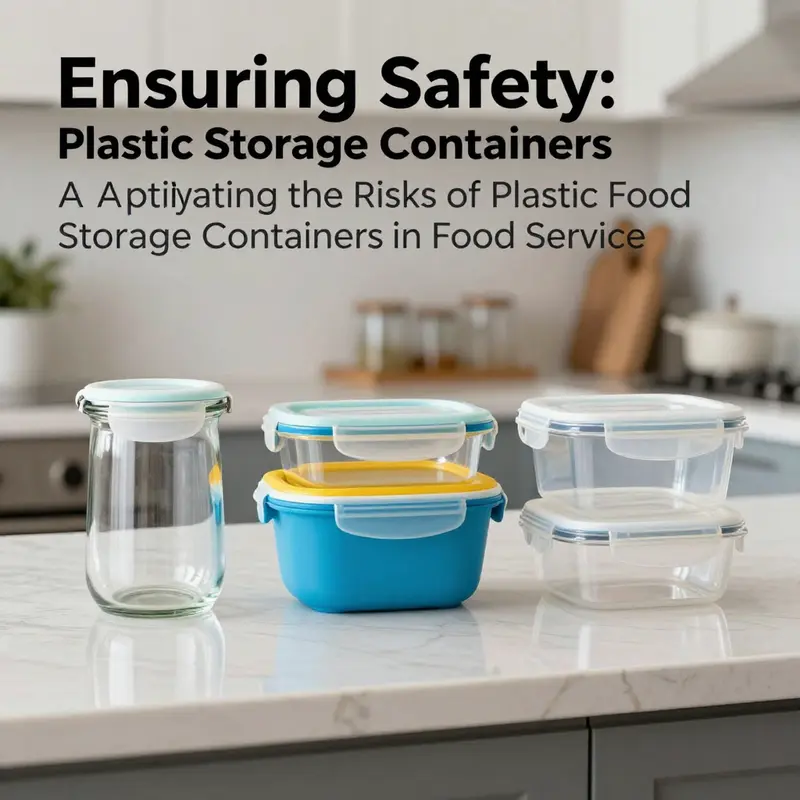
Concern about what we store our food in has shifted from convenience to caution. The safety conversation around plastic storage is not merely about one chemical or a single worst-case scenario; it is a tapestry of migration risks, microplastic release, and material degradation that becomes more complex when heat, acidity, or damage enter the picture. Even with labeling cues that promise BPA-free or microwave-safe performance, independent research urges a more careful appraisal of what ends up in our meals and how the container itself behaves over time. In this context, the search for safer, durable, and practical alternatives has taken hold in kitchens around the world. The goal is not just to replace plastic but to rethink how we approach everyday storage so that safety, usability, and environmental considerations all align.
Among the most compelling substitutes are glass, stainless steel, silicone, and ceramic. Each material offers a different configuration of safety features, strengths, and trade-offs. The shift toward these materials reflects a broader public health impulse: to minimize chemical leaching, withstand thermal stress, resist physical wear, and reduce environmental burdens without sacrificing everyday practicality. The guiding principle is simple but powerful: choose containers that keep food inert and uncontaminated under typical household conditions, while remaining robust enough to support real-life use, which often includes cold storage, reheating, and transport.
Glass containers stand out in the safety conversation for several reasons. First and foremost, glass is chemically inert. It does not contain polymer matrices that can shed additives or undergo migration under heat or acidic conditions, which means tomato sauce, citrusy dressings, or cooking soups stored in glass are less likely to pick up trace residues from the container itself. In the long run, this chemical inertness translates into a lower risk of unintended flavor or odor transfer and a more predictable interaction with a wide range of foods. The non-porous nature of glass also makes it easier to clean thoroughly, a practical advantage in preventing residual buildup that can harbor bacteria. And when it comes to heating, glass tends to hold up well; many glass storage options are labeled microwave and even oven-safe under certain guidelines, provided the glass and its lids are designed for such use. The safety profile extends further when considering acids and oils, which can accelerate degradation in some plastics; glass does not react with these substances in the same harmful way, offering a stable environment for both storage and reheating.
Durability, however, is the flip side of glass’s safety coin. While glass refuses to leach, it is inherently fragile; a dropped container can fracture, creating a potential hazard and making replacement more frequent than with some other materials. This fragility has to be weighed against the long-term safety payoff. In households where breakage is a constant concern—from busy kitchens to households with small children—investing in reinforced glass or tempered glass options can reduce risk while preserving the core safety advantages. When managed with sensible handling and appropriate lids, glass becomes a reliable backbone for those who prioritize inertness and easy cleanup. Its environmental footprint also tends to tilt favorable, because glass is highly recyclable and can be reused for a very long time if not broken. The material’s longevity, coupled with its inert character, makes it an appealing option for those who want a storage system that minimizes chemical exposure and supports a sustainable cycle of reuse.
From a usability standpoint, glass shines in its versatility. It is widely compatible with kitchen workflows: it can be used for refrigerating leftovers, freezing portions, and even heating, depending on design specifications. Reframing a kitchen routine around glass means several practical benefits. You can prepare meals in advance and store them in the same containers you’ll reheat in, avoiding transfers that might introduce new contaminants. The transparency of glass also offers a visual cue about contents, helping with inventory and reducing food waste. While glass is non-reactive with most foods, it is still essential to check for any decorative glazes or coatings on the exterior; the interior should be free of reactive substances. In this regard, choosing containers that specify a lead-free, non-reactive glaze or a fully glass interior is a prudent precaution. Glass’s ability to double as a cooking vessel for certain tasks—storage, reheating, and even some baking—depends on the specific product design. When that design supports safe exposure to heat, the same container can simplify the transition from pantry to plate, minimizing the number of different vessels needed in a busy kitchen.
Stainless steel containers offer a distinct blend of safety, durability, and practicality. The non-reactive nature of high-quality stainless steel means it does not leach chemicals or interact with acidic or oily foods in the way some plastics can. This makes steel a compelling option for a wide range of foods, from citrus-heavy dressings to leftover curry, without a risk of metal contamination from coatings or additives. The durability of steel is another major advantage. Metal does not crack or shatter in the same way glass can, which makes it particularly suitable for the take-it-with-you style of living. Containers designed for portability—lunch boxes, gym bags, outdoor activities—often leverage stainless steel’s ruggedness and light weight to deliver a practical solution that lasts for years with proper care.
One caveat with stainless steel concerns heating and certain uses. Not all stainless steel containers are designed for microwave or oven use. In fact, using metal in a microwave is a well-known hazard; if a container is not specifically engineered for microwave heating, it should not be heated in that appliance. Oven suitability similarly depends on the container’s construction and lid materials. This means that in some kitchen routines, steel serves best for cold storage, dry goods, or reheating on a compatible surface, rather than direct microwave heating. The environmental footprint of stainless steel is favorable in many contexts: when properly cared for and recycled at the end of its life, steel containers can remain in the material loop for many decades, with minimal risk of chemical migration and nearly unlimited recyclability. For those who want something sturdy for daily commuting or travel, stainless steel offers a combination of reliability and safety that plastic often fails to deliver.
Silicone, a flexible and forgiving material, has carved out a niche for items that require adaptability and a degree of portability. When silicone is food-grade and manufactured to high standards, it behaves well in terms of safety. It can tolerate everyday freezer and fridge storage, and many silicone containers are marketed as microwave-safe, providing a convenient pathway from storage to reheating. The material’s flexibility and compressibility also make it ideal for packing lunches, freezing portions, and accommodating irregular food shapes. Yet the safety narrative around silicone is not uniform. The quality of silicone can vary considerably between products, and lower-quality silicone may contain fillers or impurities that could migrate under high heat or prolonged use. This means selecting food-grade silicone from reputable sources is essential. In terms of durability, silicone is more resilient to impact than glass but can degrade over time with repeated exposure to high heat and harsh detergents. It may also retain odors if not cleaned thoroughly, which is a practical consideration for households that use it frequently for strongly scented foods.
From an environmental standpoint, silicone sits between glass and plastic in terms of sustainability. It is reusable and, in some recycling programs, recyclable, but it is not biodegradable. Its long-term environmental advantage hinges on its durability and the ability to re-use it many times. Silicone’s flexibility makes it especially valuable for households seeking to reduce waste while preserving convenience. For people who want lightweight, flexible storage that can go from freezer to microwave, silicone can be a practical compromise. The key is to choose certified food-grade silicone and to be mindful of quality controls that ensure the absence of problematic fillers. In daily practice, silicone can complement glass or steel: flexible lids or wraps, small portable containers, and stackable options that fit into lunch bags and backpacks without bulk. This triad—glass for core storage, steel for transport, and silicone for flexible, on-the-go usage—offers a balanced approach for households aiming to minimize plastic without surrendering practicality.
Ceramic containers bring a distinctive blend of aesthetics and safety. Unglazed ceramics can be non-toxic and inert, offering a visually appealing option for cold or room-temperature storage. However, glazes in ceramic ware must be lead-free and certified as food-safe to avoid leaching any metals into food. When properly manufactured, ceramic containers can provide excellent insulation, helping to keep foods cool and fresh in the refrigerator. Their durability varies with the design; ceramic can be prone to chipping or cracking if dropped or exposed to rapid temperature changes, and their heavier weight can be a consideration for transport and daily handling. For direct heating, the suitability of ceramic depends on whether the piece is labeled for oven use and what kind of glaze it bears. In many households, ceramic serves best as a specialized option for certain foods—dairy, baked goods, or prepared meals that benefit from a stable, low-absorption surface—rather than as a universal storage solution.
Weaving these materials into a coherent storage strategy requires weighing multiple dimensions. Safety remains a core driver, but it must be considered alongside durability, versatility, and the environmental footprint of each choice. Glass emerges as a leading option for households prioritizing chemical inertness and a long, reusable life. Its practical limitations—fragility and potential breakage—are manageable through thoughtful design, careful handling, and by reserving the most frequently used containers for home storage while keeping a few sturdier, portable options in steel for transport. Stainless steel answers the call for rugged, non-reactive storage that travels well and lasts for years, with the caveat that not every steel container is microwave compatible or heat-tolerant in the oven. Silicone offers a flexible, space-saving alternative that can bridge some gaps between glass and steel, particularly for families with children or for travelers. Yet it demands careful sourcing and proper cleaning to avoid odor retention and to ensure that heat-related safety thresholds are respected. Ceramic, though less versatile for heating, can provide an elegant and inert storage option for colder or room-temperature foods and for those who prize non-porous surfaces and a natural aesthetic.
The practical implications extend into kitchen routines, cleaning practices, and even daily habits. When a household commits to safer storage, it often translates into a shift in how leftovers are prepared, portioned, and organized. The idea is to minimize the opportunity for chemical exposure and to decouple the everyday act of storing food from the risk of unintended contamination. Residents who adopt glass as their cornerstone frequently complement it with stainless steel for on-the-go meals, especially when the goal is to maintain safety standards while reducing waste. For those who value flexibility in smaller spaces or during travel, silicone provides an adaptable layer that makes sense in combination with the other materials. Ceramic can remain a preferred choice for certain types of dishes and seasonal storage, where the container’s natural properties, combined with the right glaze, contribute to a safe and attractive presentation.
It is important to acknowledge that the food safety landscape continues to evolve. Regulatory standards, while designed to ensure basic safety, do not eliminate all risk. Independent research adds depth to the conversation, highlighting that repeated heating, high-temperature exposure, or prolonged use of certain plastic containers should be avoided. The comparative analysis presented here is not a call to abandon plastic entirely but a guided shift toward materials with strong safety credentials and sustainable potential. In practice, this means building a core set of glass storage containers for everyday home use, selecting stainless steel pieces for transport and busy days, employing silicone for flexible and portable options, and reserving ceramic for appropriate cold or room-temperature storage where the glaze is confirmed to be lead-free. The goal is to create a storage ecosystem that minimizes risk while preserving convenience, flavor, and freshness—an approach that respects both health considerations and environmental responsibilities.
To readers crafting a home system, the most practical takeaway is an invitation to prioritize non-reactive, heat-tolerant materials and to treat damaged containers as potential sources of contamination or microenvironmental changes. A scratched or cloudy surface can harbor bacteria and may shed microplastics if the container is primarily plastic; in contrast, glass, steel, silicone, and well-made ceramic show more predictable behavior under wear and tear. When selecting containers, look for certifications that indicate food safety compliance, lead-free glazes for ceramics, and explicit guidance on heat compatibility. Cleanliness matters as much as material. Use mild detergents, avoid aggressive scrubbing that could create micro-scratches (in glass and ceramic) or degrade silicone over time, and dry thoroughly to prevent mold or bacterial growth in any container, especially those with tight seals. Finally, consider the lifecycle of the containers you choose. A durable glass set may carry a higher upfront cost but can last for many years, potentially outliving lightweight plastic options. A well-cared-for stainless steel set might serve even longer, reducing the need for frequent replacements and, in turn, lowering waste. Silicone can be a cost-effective stopgap with substantial reuse potential if you select quality products and adhere to recommended use guidelines. Ceramic, while adding a touch of elegance and a steady performance for certain foods, should be part of a broader system rather than the sole storage solution, given its fragility and heating constraints.
In the end, safety is not a single feature but a combination of material science, consumer choices, and everyday habits. The broader takeaway is a practical one: build a storage system that minimizes chemical exposure, emphasizes inert materials in contact with food, and aligns with your daily routines. Glass, stainless steel, silicone, and ceramic each contribute strengths that, when combined, offer a resilient alternative to plastic. This approach reflects a thoughtful balance between safety, usability, and environmental stewardship, and it invites households to rethink not just what they store food in, but how they think about the relationship between food, container, and health. As more studies illuminate the long-term implications of different materials, the preference for inert, durable, and recyclable options will likely grow stronger, guiding families toward choices that protect health without compromising practicality.
External resource: https://www.healthline.com/health/food-nutrition/safest-food-storage-containers
Final thoughts
Understanding the safety of plastic food storage containers is essential for food service providers who prioritize customer health and satisfaction. Chemical migration, temperature effects, and physical damage can all compromise food safety. By recognizing these issues and considering safer alternatives like glass and food-grade silicone, businesses can enhance their food storage practices. Ultimately, informed choices contribute to serving safer products to patrons, thereby boosting confidence in the brand and promoting long-term success.