

The demand for plastic food takeaway containers is on the rise, driven by growing food delivery services and evolving consumer habits. As Bubble Tea Shops, Restaurants, Food Trucks, and Event Planners seek reliable food packaging solutions, understanding the wholesale market’s sustainability trends, pricing structures, supplier dynamics, and consumer preferences becomes vital. This exploration delves deep into each aspect, providing valuable insights to help your business thrive in this competitive landscape.
Balancing Cost, Convenience, and Conservation: Sustainability Trends Shaping Wholesale Plastic Takeout Containers
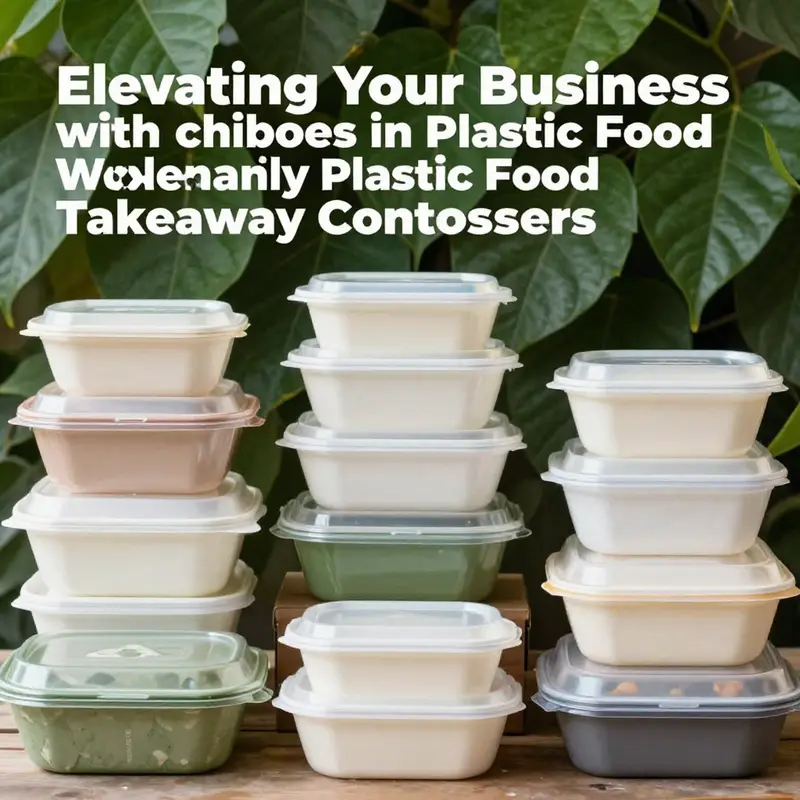
The wholesale market for plastic food takeaway containers sits at a crossroads where cost efficiency, consumer expectations, and regulatory pressures converge. On one hand, the logic of scale continues to drive a robust supply chain that can deliver a wide range of shapes, sizes, and specifications at competitive prices. On the other hand, environmental concerns and evolving standards are steadily reshaping how buyers evaluate value. In this landscape, sustainability is not a niche consideration but a core driver of design, material choice, and supplier capability. Each shipment, each SKU, and each contract now carries the extra demand to demonstrate that performance does not come at the expense of the planet. For buyers and suppliers alike, the challenge is to reconcile the economics of mass production with the responsibilities of responsible packaging, all while maintaining the reliability that the foodservice sector relies upon to keep meals moving from kitchen to doorstep, truck to event, plate to reuse or recycle.
The resilience of the wholesale market owes much to the fundamental usefulness of plastic takeaway containers. They are lightweight, durable, and versatile enough to handle a myriad of foods—from soups and salads to noodles and fry plates. They are transparent enough to reveal contents without opening, aiding both front-of-house operations and consumer experience. They are compatible with branding, as many designs support printing or labeling that aligns with a restaurant’s identity. Yet there is a growing tension between these practical advantages and the environmental expectations that accompany modern consumption. Regulatory regimes across regions are tightening, and customers—whether individual diners or franchise operators—are increasingly mindful of the lifecycle impact of packaging. The result is a wholesale ecosystem that must continuously evolve, not only to meet demand but to demonstrate accountability.
A core shift involves moving away from single-use paradigms toward approaches that emphasize reuse, recyclability, and better end-of-life outcomes. The research literature points to reusable plastic packaging, including variants of polystyrene and polypropylene that are designed for repeated use under controlled sanitation protocols, as a meaningful improvement over disposable options. The idea is not to eliminate convenience but to extend the utility of containers through durability and reusability. In practice, this means containers that withstand multiple cycles, maintain their shape under typical heating and cooling regimes, and resist odors and stains that could undermine consumer trust. While reusable designs can carry a higher upfront cost per unit, the math changes when one multiplies the lifecycle benefits across thousands or millions of packaging events. The wholesale channel thus becomes a testing ground for how durable plastics can be engineered, tracked, and monetized in a way that sustains profit margins while reducing waste.
Alongside reusables, the market is witnessing a surge in biodegradable and compostable materials. Polylactic acid (PLA), a plant-based bioplastic, is increasingly explored as an alternative to conventional petroleum-based plastics. PLA offers a lower carbon footprint and the possibility of industrial composting, where high-temperature facilities can break down the material into its constitutive organic components. Alongside PLA, natural materials such as bagasse (sugarcane fiber) and bamboo are being developed into takeout containers and clamshells that offer renewable feedstocks and a different end-of-life trajectory. These options do not automatically solve all sustainability questions—industrial composting infrastructure needs to be accessible, and the performance of bioplastics under heat and grease exposure requires careful engineering. Yet for many buyers, the appeal lies in providing packaging that aligns with branding and values while reducing dependence on fossil-fuel-based feeds.
In the wholesale market, the push toward recyclability and responsible sourcing is complemented by certification frameworks that reassure buyers about compliance and quality. Typical standards cited in supplier catalogs include FDA compliance for direct contact with food, CE/EU marks for European markets, and CIQ certifications for certain regulatory environments. The presence of such certifications is not merely a courtesy; it is a practical safeguard that supports cross-border sales, reduces risk, and streamlines procurement. Buyers increasingly expect not only a product that performs but also a documented story about its provenance, material composition, and end-of-life options. This demand for traceability is reshaping supplier practices, prompting more transparent sourcing, environmental auditing, and the posting of credentials that attest to sustainable operations and quality management.
Economic considerations remain central in this balance. The price points highlighted in wholesale literature reveal a clear economies-of-scale effect. For standard rectangular 220mm PP containers with lids, unit costs can range from a few hundredths of a dollar to under seven cents per piece at modest MOQs, with bulk orders delivering further savings. Such ranges indicate how the economics of scale can offset higher material costs associated with eco-friendly or biodegradable options, at least in the near term. Yet the market is not a simple trade-off between price and sustainability. The cost of waste management, the potential for recycling credits, and the penalties or incentives arising from regulations all feed into the total cost of ownership for foodservice operators. In some segments, especially budget-conscious segments and high-volume venues, conventional plastics still dominate due to price and availability. But the tug toward greener profiles is unmistakable, and many buyers are willing to pay a modest premium when the packaging clearly supports environmental claims and meets functional requirements.
Another layer of complexity arises from the global nature of the supply chain. The wholesale ecosystem for plastic takeout containers is highly regionalized in practice yet globally connected in theory. Large-scale manufacturers have the capacity to produce up to billions of pieces annually, enabling predictable supply even as demand surges during holidays or promotional campaigns. This capacity is critical for operators who rely on reliable inventory to prevent stockouts during peak seasons. In parallel, digital marketplaces and procurement platforms play an outsized role in connecting buyers with verified factories, enabling direct access to manufacturers while allowing for customization in size, color, and branding. The combination of scale and digital connectivity increases the likelihood that sustainable packaging options—whether recyclable PP designs or compostable PLA variants—can be forecasted, sourced, and delivered with consistent lead times.
Yet sustainability in wholesale is not solely a matter of material selection; it also encompasses the integrity of the supply chain. Buyers increasingly demand transparency in sourcing, production practices, and environmental performance. Verified supplier status, audit outcomes, and secure trading services are not optional addenda; they are prerequisites for doing business with many retailers and institutions that must demonstrate credible sustainability commitments to regulators, investors, and customers alike. In this environment, the ability to provide documentation about material composition, recycling compatibility, and end-of-life pathways becomes as important as the packaging’s performance in a microwave or under grease pressure. Suppliers respond by offering recyclable plastic containers with eco-friendly design features and by facilitating branding and customization while ensuring that the product remains cost-effective at scale. The end result is a marketplace where sustainability not only informs product design but also becomes a differentiator in procurement decisions.
Consumer expectations have a significant bearing on wholesale dynamics as well. As awareness of plastic waste grows, customers scrutinize branding claims and the environmental footsteps of packaging. Retailers want packaging that signals responsible practice while maintaining the convenience their customers expect. This creates demand for packaging that is explicitly recyclable, widely accepted by municipal recycling streams, or designed for industrial composting where facilities exist. It also encourages clear labeling about material composition and recyclability, which reduces mis-segregation risks that can compromise recycling outcomes. At the same time, there is a risk of greenwashing if suppliers overstate the environmental benefits without supporting data. To mitigate this risk, buyers lean on third-party certifications, supply chain audits, and documented traceability. The result is a more robust but more scrutinized market where claims must be verifiable and reproducible across lots and regions.
In practical terms, the shift toward sustainable wholesale packaging influences not just what is bought, but how it is bought. For many operators, supplier relationships now include expectations around sustainability programs, such as takeback schemes or recycling support, and partnerships that enable ongoing optimization of packaging portfolios. The integration of life-cycle thinking into procurement means evaluating the packaging from cradle to grave—material sourcing, manufacturing energy use, transportation emissions, end-of-life handling, and potential reuse scenarios. Such a holistic approach requires collaboration across departments, from sourcing and operations to marketing and sustainability teams, who must align on standards, certifications, and messaging. The outcome is a more resilient supply network that can adapt to evolving regulations, shifting consumer preferences, and the dynamic economics of the wholesale market.
To illustrate how buyers navigate this evolving landscape, consider the growing interest in turnkey options that combine ecological attributes with branding potential. Suppliers are increasingly offering recyclable containers with lids that can also accommodate printing, enabling businesses to assert their identity while signaling environmental intent. In some cases, this has been paired with transparent or semi-transparent designs that maintain product visibility while meeting regulatory or consumer expectations for recyclability. The market is also seeing a greater number of hybrid solutions, where a durable, reusable shell might be paired with a compatible compostable insert or liner to optimize end-of-life outcomes without compromising hygiene or performance. These innovations reflect a broader industry trend: sustainability is being operationalized, not merely advertised. It is embedded in the design, manufacturing, packaging, and logistics decisions that shape every wholesale transaction.
For readers seeking concrete pathways to incorporate sustainability without sacrificing supply reliability, the literature emphasizes several actionable avenues. First, prioritize materials with clear end-of-life options in your target markets. Whether it is a widely recyclable PP design or a PLA variant suited for industrial composting, choose what aligns with available municipal programs and customer expectations. Second, invest in supplier verification and transparent reporting. Work with manufacturers who maintain auditable records, provide material certifications, and participate in third-party sustainability programs. Third, consider the lifecycle implications of your packaging portfolio. Balance initial cost with end-of-life costs, and assess whether reusability or improved recyclability yields greater long-term value.
Where possible, leverage existing platforms that connect buyers with verified manufacturers while enabling customization. For instance, buyers can access a wide range of recyclable and eco-friendly options through platforms that verify supplier status and provide secure payment and delivery terms. This infrastructure reduces procurement risk and helps ensure that sustainable packaging designs meet both functional needs and brand commitments. The combination of scale, certification, and digital access means that even as a small operator seeks to adopt greener packaging, there is a viable path to sourcing responsibly priced containers that meet standard performance requirements. The wholesale market is thus not abandoning efficiency; it is expanding the toolkit with materials and designs that deliver environmental benefits alongside the transactional reliability that essential foodservice packaging demands.
An emerging theme in this transition is the explicit communication of environmental responsibility. Consumers and businesses alike are paying attention to whether packaging claims can be substantiated, and whether sourcing demonstrates ethical and environmental integrity. This awareness supports a broader move toward supply-chain transparency, verified credentials, and documented environmental performance. In practice, brands may emphasize the recyclability of their containers, the use of renewable feedstocks, or the reduction of virgin plastic in the product mix. They may also highlight the environmental advantages of a management program that facilitates recycling or composting, helping customers feel confident in choosing a packaging option aligned with their sustainability goals. The result is a market where environmental claims are scrutinized but increasingly supported by data and accountability.
Ultimately, the future of sustainability in wholesale plastic food takeaway containers rests on a balanced synthesis of durability, recyclability, and responsible sourcing. The market will likely see continued growth in recyclable and compostable options, complemented by advances in material science that reduce environmental impact without compromising safety or performance. As bioplastics and natural fiber composites mature, buyers will gain a broader menu of choices that align with regional waste-management capabilities and regulatory expectations. But even as new materials appear, the fundamental requirement remains: packaging must protect food, support efficient service, and minimize harm to the environment. The wholesale channel, with its scale, flexibility, and global reach, is well positioned to lead this balancing act, guiding the foodservice industry toward packaging solutions that are both economically viable and environmentally responsible. In this sense, the sustainability trend is not a temporary shift but a feature of strategic procurement that will shape the contours of the plastic takeaway container market for years to come.
For readers seeking an accessible starting point that blends sustainability with practical packaging design, explore options such as eco-friendly disposable takeout packaging with multiple compartments. This kind of offering demonstrates how a single solution can carry functional benefits, branding potential, and environmental awareness in one package. Beyond the product, the broader narrative emphasizes the importance of credible certification, transparent sourcing, and consumer education—elements that empower buyers to make informed decisions in a market where sustainability is increasingly a competitive differentiator. As the industry continues to evolve, the combination of robust supply chains, innovative materials, and transparent reporting will shape a wholesale ecosystem that favors both growth and stewardship. External resources that explore standards, composition, and industrial use of transparent plastic takeaway boxes can provide deeper technical context for practitioners who want to align procurement with best practices: https://www.example.com/transparent-plastic-takeaway-boxes-standards-composition-and-industrial-use
null
null
Scaled Supply, Visible Value: Navigating the Supplier Landscape of Plastic Takeaway Container Wholesale

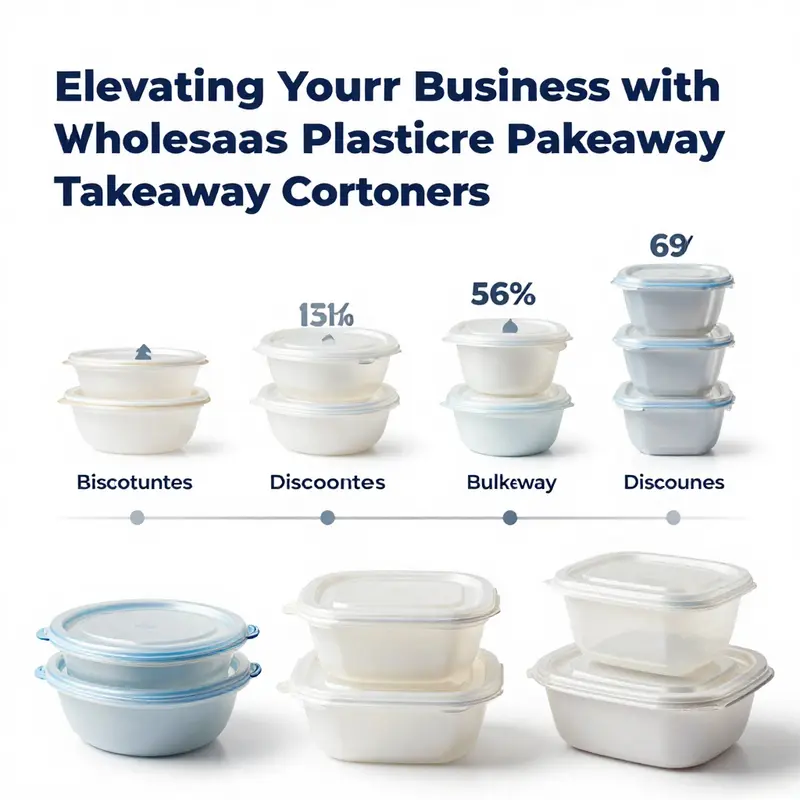
The wholesale market for plastic food takeaway containers sits at an intersection of global logistics, evolving consumer habits, and the relentless demand for efficiency in the kitchen. Suppliers headquartered in manufacturing hubs, especially in regions with established plastics industries, have built networks that scale from small runs to multi‑hundred‑million piece productions. This scale is not mere arithmetic; it shapes every decision a buyer makes, from pricing floors and lead times to customization options and the ability to respond quickly to shifts in demand. In the modern foodservice ecosystem, these containers are more than vessels. They are a critical part of the customer experience, a visible promise of hygiene, and a branding canvas that can reinforce a restaurant’s identity without adding friction to service. As delivery platforms, ghost kitchens, and fast‑casual concepts proliferate, the value of a reliable supplier network becomes more than cost control; it becomes a core component of operational resilience. When a business commits to wholesale procurement, it is simultaneously selecting a partner capable of aligning production with menu variety, peak service times, and branding ambitions. The dynamics of these relationships unfold in price bands, in the tenure of a supplier who can deliver consistent quality across thousands of SKUs, and in the willingness of that supplier to invest in customization that converts a generic container into a seamless extension of a brand’s story. The result is a market where the most successful buyers are those who understand not just the price per unit, but the cadence of production, the reliability of delivery, and the policy framework that governs returns, samples, and potential changes in specifications. In this sense, supplier dynamics are a silent engine of profitability for eateries, meal prep operations, and fleet‑based food services that rely on steady stock without sacrificing the integrity of temperature control, leak resistance, or presentation. The challenge, then, is to map a landscape where production capacity, material choices, and service commitments converge into a dependable supply chain that can weather seasonal spikes and regulatory shifts while still enabling the creative experimentation that keeps a menu fresh and appealing. In practical terms, buyers navigate a tiered world of pricing, where the cost per set declines as order volumes climb, and where a strategic mix of standardized and customized designs can optimize both cost and brand visibility. A typical wholesale pricing dynamic tells a story of economies of scale: smaller orders incur higher per‑unit costs, while larger commitments drive down the unit price and improve the overall cost of ownership when factors like wastage, stockouts, and expedited shipping are included in the total. For example, a standard 220 mm rectangular polypropylene container with lid is often priced in a range that reflects bulk economics, and the difference between orders of 100 to 49,999 units versus those exceeding 500,000 units can be material enough to influence the decision to switch suppliers or to negotiate different terms. In practice, buyers with high‑volume needs—such as meal prep operations, delivery kitchens, and fast‑service chains—benefit from negotiating tiered pricing that aligns with anticipated demand curves, rather than securing a single flat rate that may not reflect seasonal reality. The economics are not merely about unit price; they are about the total cost of ownership, including the predictability of supply, the stability of lead times, and the risk premium associated with supply chain disruptions. In markets where demand spikes during holidays, promotional periods, or summer travel, the ability to secure a large portion of annual requirements via a single procurement cycle provides a buffer against stockouts and last‑minute price surges. The strategic value of supplier relationships thus extends into inventory planning, enabling restaurants and food services to maintain consistent service levels even when external conditions—such as raw material price volatility or currency fluctuations—pose challenges to margins. These considerations have pushed buyers to look beyond price alone and toward broader supplier capabilities that include customization, branding options, and the flexibility to adapt container designs to evolving service models. A consequential dimension of supplier dynamics is customization and material innovation. Most buyers want packaging that not only functions well but also communicates a brand story through color, print, and shape. The common material of choice remains polypropylene due to its light weight, heat resistance, and recyclability profile. Yet plastic packaging providers increasingly offer features that expand usability and differentiate products in crowded markets. Some suppliers offer microwavable designs, a feature that can add convenience for consumers who reheat meals at work or on the go. Customization extends to size, shape, and lid design, allowing brands to tailor containers to fit specific portions, promote a premium feel, or accommodate a range of culinary formats from bowls with internal dividers to clamshells with built‑in dressing cups. Product builders frequently incorporate secure snap‑on or hinged lids, leak‑proof designs, and transparent bodies that let customers inspect contents without lifting the lid. This visibility improves hygiene perception and supports merchandising efforts by enabling clear display of meals, sides, and sauces. The trend toward specialized packaging is evident in the growing popularity of partitioned compartments for bento‑style meals and built‑in dressing cups. Such features may seem incremental, but they unlock new menu concepts and reduce the need for separate accessory packaging, which in turn supports more efficient unpacking and service at the point of sale. In parallel with these functional enhancements, a subset of suppliers emphasizes branding through print options. A container becomes a floating billboard that communicates a restaurant’s identity on every take‑out bag or delivery package, reinforcing recognition and loyalty even when the customer is not dining in. In essence, customization acts as a bridge between utility and marketing, helping brands transition from generic convenience to a cohesive, multisensory experience. Another dimension of supplier dynamics centers on reliability and quality control. In the wholesale arena, consistency across batches is a foundational expectation; a single quality deviation can ripple through production schedules, kitchen workflows, and consumer trust. Buyers rely on suppliers who demonstrate robust quality assurance processes, scalable production capacity, and transparent communication about batch specifications, tolerances, and packaging certifications. The presence of reliable suppliers reduces risk and lowers the need for safety stock, which in turn improves cash flow and inventory turns. To manage risk, buyers often leverage samples and pilot runs before committing to large orders. The practice of requesting free or low‑cost samples allows a buyer to evaluate fit, fit‑for‑purpose performance, and compatibility with the brand’s aesthetic. These sample programs, together with secure payment methods and straightforward terms, help to establish trust and facilitate longer‑term partnerships. In today’s market, the buyer’s decision is not simply about buying a container; it is about forming a collaboration that can adapt to evolving packaging demands, regulatory changes, and the life cycle of a menu. The conversation with suppliers frequently touches three core themes: compatibility with existing kitchen workflows, scalability to meet peak demand, and adaptability to regulatory and environmental expectations. On the topic of compatibility, a container must integrate seamlessly with prep, packaging, and delivery ecosystems. The design should minimize leakage risk, avoid compromising heat retention, and fit easily into bags, carts, or delivery containers that a restaurant uses daily. For scalability, the supplier’s capacity becomes as important as the price. The ability to produce hundreds of millions of pieces per year translates into dependable lead times, predictable replenishment, and less exposure to supply chain shocks. Finally, environmental expectations—driven by regulations and consumer preference—are reshaping choices. While traditional plastics offer cost advantages, there is a rising interest in biodegradable alternatives, such as sugarcane bagasse and starch‑based materials. These alternatives are increasingly favored by event caterers and eco‑mocused restaurants, even as they compete with traditional plastics on price and processing compatibility. The market thus presents a spectrum: at one end, the familiar, low‑cost, widely available plastics that dominate price‑sensitive segments; at the other, sustainable materials that command premium while appealing to brands seeking to align with environmental commitments. Yet even as these shifts gain momentum, conventional plastic containers maintain a dominant position due to their well‑established supply chains and broad compatibility with existing equipment and workflows. This dual trajectory—continuing strength in traditional plastics alongside gradual adoption of greener options—shapes the strategies of suppliers and buyers alike. The role of procurement platforms in this landscape cannot be overstated. Marketplaces that connect manufacturers with buyers provide a crucial bridge for transactions and for sharing critical product specifications. They enable direct access to factories, facilitate customization, and offer mechanisms for payment security, dispute resolution, and order tracking. For buyers, these platforms reduce the friction of evaluating dozens of potential suppliers and enable the negotiation of terms based on verified capabilities and production scales. They also support the exchange of technical data, including tolerances, material compositions, and lifecycle considerations, which are essential for quality assurance and regulatory compliance. Within this ecosystem, a representative pricing model demonstrates how volume drives value. On platforms that host multiple manufacturers, buyers can compare tiered price points and identify opportunities to consolidate orders for greater efficiency. For example, tiers may reflect a progression from modest to very large quantities, with a meaningful drop in per‑unit cost when orders surpass hundreds of thousands of units. This pricing sophistication rewards predictability and planning, and it incentivizes buyers to strategize their procurement cycles around longer horizons rather than rushing to fill last‑minute gaps. The broader context includes the role of verified suppliers who provide confidence in supply integrity and security in payments. Some platforms offer sample programs with nominal or no cost to the buyer, reducing risk and encouraging trial of new container designs or sizes. The result is a more collaborative dynamic, where the buyer and supplier invest in mutual success rather than a transactional exchange. The interplay of these elements—pricing, customization, reliability, and platform dynamics—forms the backbone of supplier strategy in the plastic takeaway container wholesale market. It is a market of continuous negotiation, where each party seeks to optimize not only the price per unit but also the value delivered across the product lifecycle. In practice, a buyer weighing two or more suppliers might consider the totality of the relationship: the supplier’s capacity to scale with rising demand, the speed and reliability of delivery, the flexibility to modify designs for branding or functional needs, and the ability to align with sustainability goals without compromising cost. The strategic takeaway is clear: success in the wholesale space emerges from choosing partners who can translate a basic container into a predictable operational asset that supports consistent service, brand cohesion, and customer satisfaction across a broad range of dining formats. To illustrate how these dynamics play out in the real world, buyers often look to established online marketplaces as a starting point for discovery and comparison, then narrow to a shortlist of suppliers capable of meeting stringent requirements for quality, lead times, and customization. For readers seeking a concrete example of the kind of packaging solution available for diverse menu items, consider exploring take‑away food packaging boxes that accommodate burgers, fries, popcorn, chicken nuggets, and more. You can learn more about these options here: take-away food packaging boxes. This kind of packaging family demonstrates how a single SKU family can be extended across a restaurant’s entire mobile footprint, supporting standardized service while enabling brand expression at the point of delivery. As the sector evolves, buyers will increasingly value partners who can offer both robust standard offerings and flexible customization packages that scale with changing menus and seasonal promotions. In this sense, supplier dynamics are not a static map but a living, adaptive system that rewards suppliers who invest in equipment, process control, and clear communication, and rewards buyers who plan with an holistic view of the supply chain. The end result is a wholesale ecosystem where costs, capabilities, and confidence align, enabling scale without sacrificing quality or brand integrity. External resource guidance remains essential for long‑term planning. For those who want to further explore verified supplier networks and the broader landscape of packaging manufacturing, a credible external reference can provide additional context on global sourcing practices and the economics of mass production. External resource: https://www.made-in-china.com
Preferences by Design: How Consumers Shape the Wholesale Market for Plastic Takeout Containers

The wholesale market for plastic food takeaway containers is not a simple catalog of boxes and lids; it is a reflection of evolving consumer expectations that blend practicality, responsibility, and personality. As more meals travel from kitchen to doorstep and as quick-service venues broaden their reach through delivery platforms, the containers that carry meals become a quiet, constant touchpoint in the dining experience. They are the first physical reminder of a brand’s values and the last mile of a customer’s satisfaction. In this light, consumer preferences drive a discreet but powerful pressure on manufacturers and wholesalers to offer more than just inexpensive, durable packaging. They push for packaging that performs reliably, travels well, communicates care for the environment, and even reinforces a restaurant’s identity. The result is a wholesale landscape where material choice, design flexibility, and supply reliability are in a delicate, ongoing balance with cost and scale.
At the heart of this balance is sustainability. Eco-consciousness has moved from a niche concern to a baseline expectation in many market segments. Buyers now seek materials that can be clearly labeled as recyclable or compostable, and they look for certifications that attest to those claims. polypropylene (PP), polyethylene terephthalate (PET), and polystyrene (PS) are common plastic families in takeaway containers, chosen for their lightness, heat resistance, and general compatibility with the quick-service lifecycle. But preference has shifted toward options that can demonstrate recyclability without sacrificing performance. In practice, this means containers that resist leaks, tolerate brief reheating, and preserve food quality while carrying a lower environmental footprint. The regulatory climate reinforces these choices, nudging suppliers to offer recyclable or certified compostable alternatives and to communicate those credentials clearly to buyers. For many customers this clarity translates into trust: a lid that fits tightly, a container that keeps sauce contained, and a mark or label that confirms recyclability at the end of use.
The emphasis on materials is closely tied to functionality. Consumers and operators alike prize leak-proof integrity, especially for dressings, sauces, and soups that accompany a hot entrée. They want containers that can survive the rigors of delivery—being hauled in bags, stacked with other orders, and subjected to a range of temperatures—without warping or compromising the contents. In the wholesale aisle, this translates into a preference for sturdy bases, reliable seals, and well-designed lids that click into place with confidence. Features such as built-in dressing compartments, tight-sealing lids, and removable dividers in bento-style configurations are increasingly popular because they reduce the risk of cross-contamination and preserve the separation of components in meals. Such design choices matter not only for utility but for brand perception; a product that keeps a salad fresh, a sauce contained, and a dessert intact helps a delivery service maintain its promised standard from kitchen to consumer.
Branding and aesthetics have also moved from afterthought to meaningful differentiators in wholesale decisions. In a crowded market, the ability to customize containers with a brand’s colors, logo, or messaging turns packaging into a marketing asset. Modern services can print logos or designs on lids and sides, creating a cohesive look that reinforces brand recognition. Color, finish, and form factor contribute to the perceived quality of the meal inside. A sleek, transparent container that showcases a vibrant salad can enhance appetite appeal, while a well-branded, color-mmatched box can communicate luxury or sustainability at a glance. This shift toward visual alignment means that wholesale buyers increasingly weigh customization options alongside core performance characteristics. The practical effect is a broader demand for suppliers who can offer reliable printing, color customization, and branding options without compromising on the core properties of the container.
The practical realities of running a high-volume operation also shape consumer-driven preferences. Businesses that rely on bulk procurement want predictable pricing, dependable lead times, and scalable production capacity. The economics of scale are evident in wholesale pricing, where unit costs decline as order volumes rise. For example, smaller quantities might be priced per piece within a broader range, while larger orders unlock substantial savings through economies of scale. In some markets, bulk purchases exceed hundreds of thousands or even millions of pieces per year, with the potential to substantially reduce per-unit cost and stabilize inventory for peak seasons. This reliability matters to both food trucks and large event caterers, whose service windows depend on steady supply and consistent quality. The wholesale market consequently rewards suppliers who can offer not only a broad family of container styles—rectangular, round, and bento designs—but also transparent pricing structures, clear portioning guidelines, and robust delivery capabilities.
Among the broader shifts shaping preferences is a diversification in material strategies beyond conventional plastic. While traditional plastic containers remain the cheapest option in many segments, there is growing interest in biodegradable or compostable alternatives such as bagasse and corn-starch-based clamshells. These options appeal to customers who want to align their menus with sustainability promises and who operate in markets with strict environmental regulations or strong community expectations. However, price sensitivity remains a vital consideration. In many contexts, conventional plastics still push ahead because of their low cost and ubiquitous availability, particularly for entry-level or high-volume takeaway operations. The ongoing balance between sustainability and affordability, then, becomes a dynamic feature of consumer choice in wholesale procurement. Buyers often navigate this by mapping relative performance, end-of-life disposal options, and brand alignment against budgetary constraints and inventory risks during seasonal spikes.
Digital marketplaces and supplier platforms have become central to how buyers discover and compare options. Verified factory listings, detailed product specifications, and secure payment terms provide a sense of reliability and transparency that is essential when ordering in bulk. The ability to source directly from manufacturers—sometimes with capacity claims as high as one billion pieces per year—gives buyers confidence that supply will scale with demand. A key implication for consumer-driven decision making is the clarity and visibility of product attributes: lid fit, heat resistance, leakage tests, labeling for recyclability, and optional branding features. Platforms that consolidate these factors into straightforward search and comparison tools enable buyers to balance what they want aesthetically with what they require functionally. They also help bridge the gap between sustainability promises and real-world performance by surfacing third-party certifications and documented testing results.
For brands seeking practical illustrations of how sustainability and branding can be combined without sacrificing cost-effectiveness, there are compelling examples of customizable, recyclable options in the wholesale space. They show how a single product line can support brand storytelling while meeting stringent performance criteria. The opportunity to print or emboss branding on lids, perhaps in combination with a color palette aligned to a restaurant’s interior design or a seasonal marketing push, equips operators with a straightforward way to extend their brand into the packaging that travels with their meals. It is an approach that treats packaging as an extension of the dining experience rather than a transit layer, and it resonates with consumers who view sustainable choices through the lens of brand integrity and heightened perceived value.
As buyers navigate these preferences, they often look for practical guidelines that help them evaluate options quickly. They seek assurances that a chosen container will withstand typical delivery timelines, avoid leakage during transit, and remain visually appealing during consumer use. The job of the wholesale supplier, then, is to provide a coherent package of features: clear labeling that highlights recyclability, robust mechanical performance under typical restaurant and delivery conditions, and a design language that supports branding without imposing unsustainable cost or complexity. The best suppliers combine material science with user-centered design, ensuring that the container both protects the food and serves as a subtle but effective ambassador for the restaurant’s values and identity.
For readers exploring real-world exemplars beyond the product sheets, a practical reference point is to examine how eco-conscious design is being woven into packaging narratives across markets. To explore an example of how recyclable packaging with branding options is being positioned for wholesale buyers, consider this resource on eco-friendly and customizable packaging options. It illustrates how branding, sustainability, and performance can align in a single packaging solution: eco-friendly takeout boxes for food packaging.
Yet the landscape remains nuanced. Not every buyer demands premium branding or the most sustainable solution in every case. In some markets, the priority is sheer affordability and consistent availability. In others, the emphasis is on elevating the customer experience through packaging that feels premium, supports brand storytelling, or demonstrates a clear commitment to environmental stewardship. The wholesale market, therefore, acts as a conduit for a spectrum of consumer preferences—ranging from cost-conscious, high-throughput operations to boutique venues that want packaging to be a talking point and a promise of quality. Wholesalers who recognize and accommodate this spectrum—offering a broad set of shapes, sizes, materials, and customization options—are better positioned to sustain growth amid shifting consumer expectations.
To stay attuned to evolving preferences, buyers frequently review the value proposition offered by different container families. Rectangular and round containers with tight-sealing lids remain staples for their versatility and compatibility with a wide range of foods. Bento-style designs, with removable dividers, appeal to meal-prep services and combo offerings, enabling a neat presentation that preserves flavor separation and allows for modular customization. The innate transparency of many PP containers also serves a practical function: it reduces the need to open containers to identify contents, which speeds up packing and improves accuracy in both kitchen and retail settings. This symptom of consumer preference—clarity and ease of identification—translates into a cycle of features demanded by buyers and rewarded by customers in return.
From a supply chain perspective, the emphasis on sustainability, functionality, and branding translates into a few actionable procurement principles. Choose materials whose recyclability is clearly documented and easy for customers to understand at the point of disposal. Favor designs that minimize risk of leakage and warping under heat, particularly for hot foods or meals that travel long distances. Leverage customization options to reinforce brand identity while maintaining a clean, professional presentation that resonates with diners who want food to arrive as anticipated, not just as a container. Finally, confirm that suppliers can provide reliable lead times and pricing that reflect the intended order size, so bulk purchases do not become bottlenecks during holidays, promotional campaigns, or peak delivery seasons.
For readers who want to see how these preferences translate into real procurement decisions, the broader industry context shows that the demand for reliable, scalable, and adaptable packaging continues to outpace purely cheap options. The competitive edge comes from a combination of practical performance and brand-aligned aesthetics that meet evolving consumer expectations without compromising margins. In this sense, consumer preferences do not merely influence which containers get purchased; they shape the very language of product development in wholesale packaging, prompting suppliers to innovate in areas like lid engineering, barrier properties, and print fidelity while still delivering at scale. As markets mature, buyers will increasingly expect packaging that can be transparently audited for sustainability, and that can be tailored to fit both the functional needs of food service and the creative ambitions of brands.
External reference for industry context and standards: https://www.made-in-china.com/products/203842475793-719582725/Factory-Wholesale-Takeaway-Food-Container-Recyclable-Plastic-Food-Packaging-with-Lid.html
Final thoughts
As the plastic food takeaway container market evolves, businesses embracing sustainability, understanding pricing dynamics, fostering solid supplier relationships, and recognizing consumer preferences will gain a competitive advantage. Embracing these trends not only enhances operational efficiency but also aligns with the growing demand for eco-friendly solutions. By investing in the right packaging strategies, you’ll be equipped to meet market demands while delighting your customers.