

Clear plastic mason jar cups are rapidly gaining attention in industries like bubble tea, restaurants, and catering services due to their durability and aesthetic appeal. With a blend of functionality and modern design, these versatile containers not only enhance the presentation of beverages but also align with the growing consumer demand for sustainable and safe packaging. The following chapters will explore the key benefits of these plastic jars, their myriad applications across various sectors, and important considerations to keep in mind when integrating them into your business operations.
Crystal Clarity, Built to Travel: The Enduring Practicality of Clear Plastic Mason Jar Cups

Clear plastic mason jar cups offer transparency, durability, and everyday practicality that suit kitchens, cafes, event spaces, and home pantries. Their unobstructed view lets customers judge color, texture, and freshness at a glance, speeding decisions and enhancing perceived quality. In busy service, visibility is a strategic asset, and the see through body reduces uncertainty about pour levels, leftovers, or reuse potential. The wide mouth and modular lids and straws add convenience and consistency across a venue.
Lightweight yet sturdy, these cups reduce breakage risk and support safer transport and outdoor use. They withstand heat and cold without warping, enabling hot fill and cold storage in many cases. This versatility lets a single container move from kitchen to pickup counter to picnic table with minimal switching, supporting standardization and efficiency.
Ease of use comes from prepackaged sets with lids and sometimes straws, which simplifies inventory and training. Secure seals protect product during transport and display, and compatibility with common lids and straws aligns with sustainability goals by reducing waste and confusion in high volume settings.
Economically, clear plastic mason jar cups typically offer lower production costs than glass or metal, translating to affordable price points for retailers and consumers. They enable experimentation in beverage concepts and storage for home bakers and organizers, without a prohibitive packing expense.
Safety and sustainability considerations are central. BPA free formulations and food contact standards address consumer concerns, while the ability to reuse and recycle supports responsible stewardship. Higher grade plastics resist clouding over repeated cycles, preserving visual appeal for longer periods.
Cleaning and maintenance matter. Dishwasher safe designs, wide mouth access for thorough washing, and durable materials extend lifespan and hygiene, reducing waste. The broad compatibility with varied contents and presentation styles supports merchandising and branding in retail, catering, and home use.
The environmental narrative emphasizes reusability, recycling compatibility, and the broader packaging ecosystem. Reusable jars can be washed and reused many times, offsetting single use packaging waste, and clear guidance on end of life helps buyers make responsible choices.
For buyers and designers, the key is selecting models that balance clarity, durability, and safety while minimizing supply chain friction. A well-chosen jar becomes a reliable tool for service, enabling staff to work smoothly and guests to enjoy beverages and snacks with confidence.
External references and resources complement experience, pointing to catalogs and suppliers that highlight practical considerations and real world applications, from casual gatherings to professional catering. Overall, clear plastic mason jar cups represent a practical fusion of form and function, delivering visibility, durability, and convenience in a single, travel friendly container that fits a wide range of occasions.
Crystal Clarity in Motion: The Wide-Ranging Applications of Clear Plastic Mason Jar Cups

Clear plastic mason jar cups embody a simple yet powerful idea: transparency can coexist with resilience, practicality, and modern style. When you lift a cup and the contents catch the light, the contents are not merely visible; they become a part of the experience. This is especially true for the clear variants of mason jar cups, which blend familiar shape with contemporary materials to meet the needs of a wide range of settings. The underlying material science plays a crucial role here. Often crafted from high-grade polymers such as polycarbonate or acrylic, these cups deliver exceptional optical clarity, resisting the faint yellowing or clouding that can accompany long-term use with cheaper plastics. The result is a consistently pristine view of whatever is inside, whether that be a bright citrus drink, a layered smoothie, or even a handmade cosmetic blend sold at a boutique market.Clarity is more than aesthetics; it is functional. In a retail environment, the visibility of the contents acts like a display prompt, inviting curiosity and informing choice. In a hospitality setting, it reassures guests about what they are selecting and how much is left, reducing confusion in busy service moments. The craftsmanship behind clear plastic mason jar cups thus becomes an invisible educator, guiding consumption with visual honesty. The choice of material—polycarbonate or acrylic—also carries implications for durability and handling. Both materials resist shattering far better than glass, a critical advantage for transport, outdoor events, and family use. The practical upshot is a container that can be tossed into a bag after a day at the market or tucked into a backpack for a picnic without the anxiety that accompanies ceramic or glassware. This shatter resistance supports a broader philosophy in contemporary packaging and serving: build for movement. People today expect products that travel well, resist routine knocks, and still look good at the moment of use. Clear mason jar cups meet that expectation by marrying ruggedness with refined presentation.
In the realm of food and beverage, these cups have found a home in a spectrum of consumption environments. Cafés, juice bars, food trucks, and casual eateries increasingly rely on these vessels as reusable tumbler alternatives. Their wide-mouth design and compatible lids make them versatile for hot and cold drinks alike, while the included or optional lids and straws extend their utility to on-the-go service. The ability to withstand temperature extremes—ranging from cold storage to hot-fill scenarios—opens doors for seasonal offerings, from iced beverages to hot soups or creamy blends. This temperature resilience is not merely theoretical; it underpins practical workflows in busy kitchens and event catering, where equipment versatility translates into smoother service during peak hours. The ease of cleaning adds another layer of value. Dishwasher-safe designs reduce labor and turnaround time, which matters in high-volume settings. When a staff member unloads back-of-house ware and reuses cups after a quick rinse, the lifecycle becomes more economical and convenient. Reusability, in turn, dovetails with growing consumer expectations around sustainability.Customers increasingly want products that can be reused or repurposed rather than discarded after a single use. Clear mason jar cups answer this call by offering a sturdy, washable option that is not only practical but visually appealing. This combination—clarity, durability, and reusability—positions clear plastic mason jar cups as a smart investment for businesses that value both form and function. In practice, many establishments pair these cups with airtight lids and reusable straws, turning them into a compact, all-in-one solution for takeout and in-house service. The result is a coherent user experience built around visibility, safety, and convenience. A mobile beverage program, for example, gains a distinctive edge when beverages are presented in transparent cups that reveal color, gradient, and texture, signaling quality to customers before they even take a sip. Brands can leverage this visual advantage to enhance perceived freshness and portion control, a factor that matters in a crowded market where differentiation often hinges on presentation as much as on taste.
The retail and gift sectors have also embraced clear plastic mason jar cups as packaging and display vehicles. The same clarity that enhances beverage presentation translates into product visibility for non-food applications as well. Bath salts, candles, sauces, dry mixes, and small-batch gourmet items often sit inside these jars with clear lids and labeling that speak directly to the customer. The transparent container allows shoppers to instantly gauge texture, color, and fill level, boosting confidence in the product and encouraging impulse purchases. In gift scenarios, the mason jar aesthetic is refreshed by the modern, unbreakable plastic; it nods to tradition while offering a more versatile, travel-friendly alternative. Gift sets and seasonal displays take on a modern twist when the contents are visible from across a room, inviting touch and inspection. The material’s rigidity ensures the jars remain upright and presentable even during long display periods, reducing the need for frequent rearrangement and keeping presentation clean and cohesive.
Events and hospitality present another layer of opportunity and challenge. Backyard gatherings, corporate functions, weddings, and festival setups rely on containers that perform under diverse conditions. Clear mason jar cups present a reliable option for a range of service styles—from casual self-serve stations to more formal beverage stations. Their leak-proof seals help prevent spills on grassy terrains or carpeted venues, while their robust construction minimizes breakage risk in crowded environments. The branding potential is particularly compelling in events. While the cups themselves are practical, the real value lies in the ability to customize lids, engrave surfaces, or pair the cups with branded wraps and inserts. A consistent design language across serveware can reinforce a message or theme, enhancing memorability without introducing excessive bulk or weight. The synergy between utility and aesthetics plays out in subtle but meaningful ways; guests notice the clean lines, the clarity of the container, and the ease with which a beverage is prepared, served, and taken away. In many cases, these cups double as promotional items—functional, reusable, and visible in everyday life well beyond the event itself.
Home use is another important front. In domestic kitchens, clear plastic mason jar cups serve multiple roles: as everyday drinkware, as organizers for dry goods, and as compact storage containers for pantry items. Their transparent bodies let family members identify contents at a glance, reducing rummaging and waste. The wide openings offer convenient access to cereals, nuts, and baking ingredients, while the secure lids help preserve freshness and minimize spills during kitchen cleanups. For households with children, the shatter resistance is not just a luxury; it is a safety feature that reduces the risk of accidents during busy mornings and lively afternoons. The cups can be washed, dried, and reused with ease, making them a practical choice for families seeking simple, low-maintenance solutions. The aesthetic appeal of crystal-clear plastic also contributes to a sense of order and cleanliness in the kitchen—an intangible yet powerful driver of everyday satisfaction. The ability to mix and match with other serveware and home organization tools further enhances their value, enabling a cohesive system that blends function with design. As a result, many households adopt clear mason jar cups not merely as a novelty but as a reliable, long-term solution for hydration, storage, and display.
From a material and safety perspective, the transparency and strength of these cups are supported by quality resin choices. Food-grade plastics ensure that the containers meet baseline health and safety standards while still delivering high optical clarity. In addition to safety, there is a practical concern about color retention and surface integrity. Over time, some plastics may acquire micro-scratches or develop cloudiness with repeated wash cycles. High-grade acrylic and polycarbonate formulations minimize these issues, maintaining clarity across numerous uses. Yet this advantage comes with a caveat: not all plastics are inherently equal in terms of scratch resistance or heat tolerance. Users should seek products designed for repeated use, reliable dishwasher compatibility, and temperatures suited to their intended applications. The conversation about durability often touches on the balance between weight and performance. Plastic mason jar cups offer a lighter alternative to glass without sacrificing sturdiness. This reduced weight contributes to safer handling, especially in venues that require frequent transport or remote service. It also lowers shipping costs for retailers and caterers, which can be a meaningful factor in wholesale decisions.
Sustainability emerges as a critical lens through which to view these containers. The shift toward recyclable plastics—such as polypropylene and polycarbonate—reflects a broader industry trend toward responsible packaging. The emphasis on BPA-free materials addresses consumer concerns about chemical exposures and long-term health implications. Manufacturers increasingly design for recyclability and repeated reuse, aligning product development with evolving environmental standards and circular economy goals. In practice, this means clear mason jar cups can be part of a sustainable service model when paired with proper cleaning protocols, durable lids, and careful end-of-life planning. The transparency of these containers helps communicate quality and safety to consumers, reinforcing trust and encouraging responsible use. As the market grows, we can expect ongoing innovations that preserve clarity and resilience while pushing toward even more sustainable material choices and manufacturing practices.
Despite these strengths, it is important to acknowledge limitations. Material degradation can occur over time, particularly with lid components or seals that undergo repeated opening and closing cycles. Warping or distortion remains a possibility if the cups are subjected to high heat or improper stacking. Although crystal clarity can remain impressive, some plastics may accumulate micro-scratches that dull the surface sheen, especially after extensive use or aggressive cleaning cycles. For consumers and operators who prize pristine appearance, investing in higher-grade materials and following recommended care guidelines can mitigate these effects. Understanding these caveats helps buyers align expectations with real-world performance and extend the life of their investment. It also informs product developers who seek to improve formulations, cap designs, and sealing systems to minimize wear while maintaining a contemporary, clean aesthetic.
Across industries, the overarching narrative is one of balance. The clear plastic mason jar cup embodies a synthesis of visibility, durability, and adaptability. It supports a range of use cases, from the precise display of a product’s color and texture to the dependable handling required by busy service environments. It is equally at home in a boutique shop as it is in a bustling catering operation, offering a versatile platform for hydration, storage, and presentation. This balance is not accidental but the result of deliberate choices at every stage—from the materials selected and the engineering of lids to the ways in which a brand might integrate these cups into a broader packaging and service strategy. As consumer expectations continue to evolve toward clearer, safer, and more sustainable packaging, the appeal of clear plastic mason jar cups will likely endure and expand. They are not a one-size-fits-all solution, but when chosen with attention to compatibility, care, and context, they can elevate experiences by enhancing clarity, reducing waste, and supporting smooth, reliable service. To translate this potential into everyday practice, buyers and operators should consider how the cups fit with their workflows, how easily they clean and reuse them, and how the visual presentation aligns with the stories they want to tell about their products or services.
For readers who want to explore practical options aligned with event-ready needs, consider the disposable clear plastic cups designed for outdoor use and quick service. These cups are crafted to withstand the demands of dynamic environments while preserving the appeal of the contents inside. By selecting containers that value both clarity and practicality, businesses can deliver a cohesive, inviting experience that resonates with customers and guests alike. This approach—prioritizing visibility, resilience, and ease of use—helps ensure that the apparent simplicity of a clear cup translates into tangible benefits across the spectrum of applications described above. In a marketplace where packaging often communicates value before a single taste is taken, the clear plastic mason jar cup stands out as a reliable, stylish, and flexible choice that can adapt to changing needs while remaining faithful to its traditional charm.
For those seeking broader wholesale options and product specifications, external resources can provide additional context on materials, pricing, and availability. See an external resource here: https://www.aliexpress.com/w/wholesale-mason-jar-plastic.html.
To connect practical use with immediate accessibility, you can also explore a relevant option for event-ready disposables that echoes the clear, container-centric aesthetic discussed here. For example, you may encounter products tailored for quick service and outdoor settings that emphasize ease of replacement, compatibility with sealed lids, and straightforward cleaning workflows. By focusing on such features, operators can implement a seamless service model that preserves presentation while minimizing downtime and waste. The overarching message is clear: clear plastic mason jar cups offer a versatile platform for serving, storing, and displaying a wide array of products in a way that aligns with contemporary expectations for safety, sustainability, and style. As design and manufacturing continue to refine these characteristics, the role of visibility and practicality will only become more central to how businesses craft memorable, efficient experiences for customers and guests alike.
Seeing Through the Tradeoffs: Safety, Durability, and Sustainability of Clear Plastic Mason Jar Cups
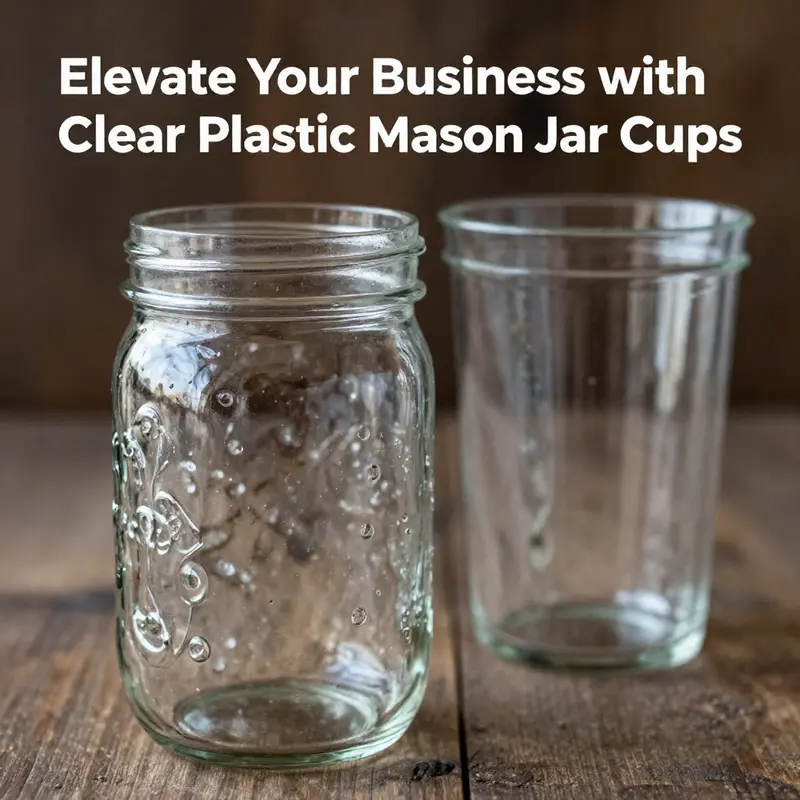
Clear plastic mason jar cups have become a deceptively simple anchor in kitchens, cafés, and event setups. They carry the familiar rounded silhouette of a mason jar while offering the optical clarity and resilience of modern plastics. Their appeal rests on a quiet efficiency: you can see what’s inside at a glance, the container is lightweight, and the design translates well from home use to commercial settings. Yet appearance and utility don’t automatically guarantee suitability for every situation. Beneath that crystal-clean exterior lies a constellation of considerations about safety, performance, and the broader impact on the environment. The conversation around these cups isn’t merely about whether they can hold a smoothie or a dry mix; it’s about what happens to the contents, how the container behaves under real-world use, and how the choices we make echo in long-term sustainability. A careful look at these factors helps explain why clear plastic mason jar cups remain popular for some tasks while suggesting clear alternatives for others.
Material choices shape nearly every facet of performance. The most common offerings in this category use food-grade polycarbonate (PC) or acrylic (PMMA), plastics that are chosen for their transparency and strength. PC, for instance, is renowned for its impact resistance and clarity, delivering a near-glass appearance without the fragility. Acrylic shares many of these optical advantages and can be more scratch-resistant in some formulations, depending on the polymer blend and the processing. When these materials are crafted into mason jar forms, the result is a container that visually showcases the visitor’s view of the contents while delivering durability that glass often cannot match in high-traffic environments. This coupling of visibility and resilience is not merely a commercial selling point; it matters for the consumer who wants to display a vibrant smoothie, a bright herb-infused oil, or a layered dessert in a way that invites a closer look.
The temperature story, too, is central to practical use. Clear plastic mason jar cups are designed to tolerate a broad spectrum of temperatures. They can handle cold storage, and many are rated for heat exposure sufficient for hot-fill processes. The temperatures cited in industry notes often indicate a tolerance range that spans from well below freezing to well into the range suitable for hot foods. That breadth makes them attractive for catering, picnics, and travel where a single container might need to march from refrigerator to serving station to transport vehicle. Still, not all plastics within this category are created equal when heat and duration are considered. While a jar might stand up to brief hot-fill use, sustained exposure to high temperatures or repeated dishwasher cycles can introduce thermal stress that eventually affects clarity, edge sealing, or lid integrity. The physics of plastics matters here: some polymers creep or warp slightly under heat, and repeated thermal cycling can foster micro-cracks or micro-scratches that dull the once gleaming surface. In practice, users often notice that a container’s pristine look may gradually diminish with time and use, even if the inner contents remain perfectly safe.
Durability becomes a tangible virtue in contexts where glass jars would be impractical. Shatter resistance is a standout feature; the same physical property that prevents a failed spill during a crowded outdoor event also reduces the risk of injury from broken glass during transit. In environments like schools, outdoor festivals, or busy home kitchens where handling happens quickly and in varied conditions, the lighter, shatterproof nature of these cups translates into safer, more versatile service. Yet durability is a two-edged sword. While the cups resist shattering, their lids and seals can be more delicate over time. The sealing materials—often another plastic or a rubber gasket—can degrade with repeated use or exposure to heat and cleaners, potentially compromising airtight seals. This is less a surface flaw and more a durability trajectory that depends on the quality of the lid design, the compatibility between lid and jar, and how aggressively the container is cleaned. For venues and households that demand a reliable, long-lived seal, it pays to consider not just the cup, but the entire closure system that accompanies it.
From an aesthetic standpoint, the value proposition centers on clarity and presentation. The “crystal-clear” finish offered by high-grade PC and PMMA materials is a real asset for product display, beverage presentation, and layered desserts. Clarity supports consumer confidence; it helps guests assess freshness, color, and texture without lifting and opening the container. This is especially important in retail or catering contexts where display quality influences perceived quality. However, the same brightness that makes contents look appealing can also spotlight surface imperfections. Over time, plastics can accumulate micro-scratches or exhibit cloudiness, particularly after abrasive cleaning or frequent dishwasher cycles. Some users notice that even when the contents are pristine, the container’s surface loses a bit of luster. High-grade materials mitigate this to a degree, but the wear pattern remains a practical consideration. For brands and hosts who prize a pristine, glass-like appearance, the choice between PC and PMMA formulations can be consequential, and ongoing care becomes part of the product lifecycle rather than a one-off decision.
The environmental dimension of clear plastic mason jar cups is nuanced. On the one hand, plastics are recyclable and designed for reuse, which bodes well for reducing waste in certain use-cases. On the other hand, their life cycle begins with fossil fuel feedstocks, and end-of-life recycling is not as straightforward as for some glass systems. The environmental footprint, then, reflects trade-offs among light weight, transport efficiency, reuse potential, and the complexity of recycling streams. In many regions, recycling infrastructure favors glass and certain plastics over others, complicating the end-to-end sustainability equation. For those who prioritize eco-friendliness, this means weighing the benefits of lower-weight transport and reusability against the realities of recyclability and material sourcing. The net impact hinges on factors like how many times the jars are reused, how they are washed, and the local recycling ecosystem. While clear plastic cups can reduce breakage-related waste in some contexts, they may still carry a larger cumulative footprint than glass in others, particularly when reuse is infrequent or when the recycling pathway is limited.
All of these material and performance facets intersect with safety considerations that are anything but trivial. Chemical leaching sits at the center of practical risk assessment for any plastic container used with foods and beverages. Even when products are labeled BPA-free, other additives in the polymer matrix can migrate under certain conditions. Heat, acidic ingredients, or prolonged contact with contents can sometimes prompt the release of additives such as phthalates or other additives, which may interact with the human body in subtle ways. The literature on this topic emphasizes that BPA-free does not automatically mean inert. In hot-fill scenarios or long-term storage, the possibility of chemical migration—though often minimal with modern formulations—remains a real concern that should be weighed by food handlers, retailers, and consumers alike. A 2026 comparative review of mason jars and plastic containers highlights one of the more sobering realities: glass is chemically inert and inherently non-porous, while plastic can absorb residues and may adhere to or leach under certain conditions. This is not a bleak verdict on plastics, but it is a sober reminder that safety is context-dependent and that best practices matter.
In practice, what does this mean for someone choosing a clear plastic mason jar cup? It means recognizing the context of use and balancing the competing priorities of safety, durability, cost, and sustainability. If hot beverages or long-term storage near acidic substances are common in a given workflow, the risks associated with chemical exposure, even if small, invite careful selection of materials and a conservative approach to heat exposure. It also means ensuring that the entire system—from lids to seals and cleaning protocols—meets stringent food-contact standards. Cleaning practices deserve attention as well. Dishwashers, especially in fast-paced settings, can subject containers to iterative heat and abrasive action that dulls clarity and accelerates wear. Gentle, top-rack washing or hand cleaning using non-abrasive sponges can preserve the container’s transparency longer and reduce the likelihood of surface scratches. In a broader sense, this is where informed decisions intersect with operational realities: you may save on initial costs and weight with clear plastic jars, but you trade off some long-term aesthetics and potential safety margins that glass might offer in high-stress conditions.
Beyond the specifics of materials and safety, there is a practical decision framework worth adopting. Start with what you are storing and for how long. Short-term serveware for cold beverages or non-acidic items is a natural fit for plastic jars. For hot-filled products, consider the heat tolerance and the lid’s integrity under repeated use. If your priority is a pristine, glass-like appearance that resists clouding, you may invest in higher-grade plastics and commit to careful cleaning, while acknowledging the longer-term needs for inspection and possible replacement. If your priority leans toward environmental considerations, a robust reuse cycle paired with a clear, local recycling plan can tilt the balance in favor of plastic in some contexts—or push you toward glass in others where the supply chain and consumer behavior align more closely with sustainable outcomes. Importantly, the choice is rarely binary. It’s a spectrum defined by the contents, the handling environment, the expected life span, and the ownership model—whether the cups are rented for an event, used repeatedly in a café, or employed as a home storage solution.
As the market for these containers continues to evolve, so too do the standards and practices that govern their use. Manufacturers are increasingly transparent about material composition and heat resistance, and many products now emphasize BPA-free formulations while prioritizing clarity and durability. For buyers and users, the takeaway is pragmatic: understand the limitations of the container in your specific use case, respect the boundaries of safe use, and invest in care practices that preserve both safety and aesthetics. For outdoor events, family gatherings, or quick-service settings, the combination of visibility, light weight, and shatter resistance makes clear plastic mason jar cups a compelling option. For long-term storage of hot foods, or for applications that demand the absolute minimal risk of leaching, glass can offer a different kind of assurance that aligns with those priorities more closely. This is not a creed about glass versus plastic but a nuanced assessment of when one form better serves the task at hand.
The practical takeaway for designers, retailers, and consumers is straightforward: clarity sells, but clarity must be paired with awareness. Clear plastic mason jar cups remain a useful tool in the kit, especially when the use case prioritizes portability, demonstration, and cost efficiency. They shine in foodservice demonstrations, kitchen prep, and event catering where quick replenishment and visibility matter. They also support a wide range of beverages, dry snack presentation, and even cosmetic or sample packaging in retail settings. Yet for high-heat uses, long-term storage of acidic contents, or scenarios where sustainability and end-of-life handling are non-negotiable, it is wise to evaluate glass alternatives or to implement a rigorous lifecycle approach that maximizes reuse, minimizes waste, and aligns with the broader environmental goals of the operation. In this sense, the chapter does not condemn plastic mason jar cups; it clarifies their role within a holistic packaging strategy where tradeoffs are acknowledged and managed.
For readers who want to dig deeper into the broader safety and storage implications of these containers, a comparative resource can offer additional context. In this chapter, the emphasis has been on what matters most in everyday use—the real-world interaction of material properties, design features, and consumer behavior. Where you stand on the plastic-versus-glass debate often comes down to the specifics of your environment, the kinds of products you handle, and your commitment to sustainability in your own operations. As with any packaging choice, the best practice is to pair clear information with thoughtful handling practices. The goal is to harness the advantages of clarity and resilience while mitigating risks and aligning outcomes with the values of safety, practicality, and responsibility.
Internal link for further context: readers planning outdoor events can consider disposable options that balance ease of use with safety and presentation. For a concise example of a disposable clear plastic cup designed for outdoor use, see this resource: disposable clear plastic cup for outdoor events. This kind of product demonstrates how clarity and convenience can converge in a way that supports quick service, simple cleanup, and dependable disposal pathways when appropriate.
Ultimately, the decision to use clear plastic mason jar cups should be framed by a practical risk-benefit analysis. They offer impressive convenience and visibility, and they do so at a cost—one that may include considerations about heat exposure, surface wear, and end-of-life handling. When used in the right context, they perform exceptionally well. When the demands extend into high-heat applications, long-term storage, or stringent environmental criteria, it is prudent to weigh glass and other alternatives. The conversation is less about absolutes and more about fit and responsibility. In that sense, clear plastic mason jar cups remain a valuable instrument in the modern packaging and serving toolkit, able to deliver on display, durability, and daily use while inviting ongoing evaluation as new materials, practices, and sustainability frameworks emerge.
External resource for additional reading: Mason Jars Vs Plastic Containers Which Keeps Food Fresher Longer? https://www.foodsafetyandstorage.com/mason-jars-vs-plastic-containers
Final thoughts
Clear plastic mason jar cups represent a practical and stylish packaging solution that aligns well with the needs of beverage markets and catering services. Their advantages in durability, visual appeal, and functionality make them a smart addition to any restaurant, food truck, or event planning toolkit. However, awareness of material quality and proper usage ensures that businesses can maximize their investment while providing a safe and appealing experience for customers. Embrace the potential of clear plastic mason jar cups to enhance your service offerings and meet evolving consumer preferences.