
In Cholet, where culinary innovation meets practicality, the right plastic packaging for food containers is essential for businesses like bubble tea shops, restaurants, food trucks, catering services, and event planners. Understanding how to comply with French regulations, selecting the best types of containers, and considering their industrial applications will empower you to meet your customer’s needs effectively. This article will lead you through essential elements ranging from regulatory compliance standards set by DGCCRF to the environmental impacts of plastic packaging. Knowing these aspects will help you make informed decisions that resonate with your brand’s values and your customers’ expectations.
Compliance as a Cornerstone: Navigating DGCCRF Rules for Plastic Food Containers in Cholet, France
Cholet sits within the Pays de la Loire’s manufacturing heartland, where an intricate web of suppliers, manufacturers, and logistics operators shapes how food is packaged and presented to consumers. The story of plastic packaging in Cholet is not only about materials and molds; it is a narrative of regulatory precision, risk management, and the ongoing quest to balance safety, performance, and environmental responsibility. In this landscape, the Direction Générale de la Concurrence, de la Consommation et de la Répression des Fraudes (DGCCRF) acts as the custodian of food safety in contact with packaging. For any company that designs, fabricates, imports, or uses plastic containers intended to hold or convey food, the rules are explicit, multi-layered, and often more stringent in France than in other parts of Europe. The practical implication for Cholet-based operations is clear: compliance is not a once-and-done checkbox but an ongoing discipline embedded in product development, supply chain governance, and after-sale accountability.
At the core of the regulatory architecture are two European regulations that set the baseline for all materials and articles intended to come into contact with food. Regulation (EC) No 1935/2004 establishes general requirements with the aim of ensuring that materials do not transfer their constituents to food in quantities that could endanger health or alter the composition, taste, or odor of the food. This is not merely about chemical safety; it is about preserving the integrity of the consumer experience—from the first whiff of a fresh lunch to the sensory certainty of a product’s identity at the table. In Cholet, where many containers travel from a manufacturing floor to a distribution hub and then to a deli counter or a takeaway window, those general requirements anchor every stage of packaging life. Complementing this framework is Regulation (EU) No 10/2011, which goes into the specifics of what can migrate from packaging into food—the cumulative effect of countless substances that can migrate at varying rates depending on temperature, time, and food type. The notion of specific migration limits (SMLs) directs designers toward safe thresholds for substances such as certain plasticizers, antioxidants, and colorants. The practical upshot is a design paradigm: materials and additives must be chosen not only for performance but also for their anticipated behavior under realistic use scenarios.
In France, the standard set by EU regulations is typically reinforced by national measures. Since 2018, France has taken a firmer stance on BPA, banning it from all food contact materials. This national prohibition reflects the French government’s precautionary approach and signals to manufacturers in Cholet that regulatory vigilance extends beyond EU-wide timelines. Beyond BPA, a careful attention to heavy metals, phthalates, and a range of additives underlines the French expectation that food contact materials be rigorously vetted for both safety and sustainability. The DGCCRF actively monitors compliance through inspections, product recalls when necessary, and public enforcement actions that remind suppliers that European rules are interpreted and enforced with national rigor. For Cholet’s packaging ecosystem, this means that a supplier’s assertion of compliance must be demonstrably robust and verifiable through credible documentation.
The environmental dimension of regulation interlocks with safety in the French context. The European Union’s Single-Use Plastics Directive and broader sustainability targets push packaging toward recyclability, recyclate use, and eco-design principles. In municipal regions around Cholet, retailers and manufacturers are increasingly attentive to the end-of-life fate of packaging. Labels that clearly indicate recyclability, origin of materials, and disposal instructions are not mere marketing details; they are regulatory signals that help ensure proper waste sorting and recycling. In practice, this means product development teams must consider the full life cycle of containers—from resin sourcing and colorant selection to barrier properties and the potential for post-consumer reuse or recycling. The regulatory conversation thus expands from a narrow compliance boundary into a broader stewardship framework that intersects with local waste management policies and the region’s evolving recycling infrastructure.
For Cholet’s plastics suppliers, this regulatory terrain translates into concrete expectations during product development and testing. The DGCCRF’s stance is that compliance is proven through transparent documentation and credible testing. Total migration testing evaluates the overall amount of substances that may migrate from the plastic into food simulants such as olive oil, ethanol, or acetic acid under defined conditions. Specific migration testing, by contrast, targets particular substances—heavy metals like lead or cadmium, legacy or restricted phthalates, and known antioxidants such as BHT or Irganox. While these names might be familiar in laboratory settings, the practical outcome is straightforward: each container design must demonstrate that any substances migrating into the food remain within safe limits across anticipated usage scenarios. The sensory evaluation component—assessing whether a packaging material conveys any unwanted odor or color to the food—adds a user-centric safeguard that resonates with Cholet’s retail and hospitality ecosystems where consumer experience is paramount.
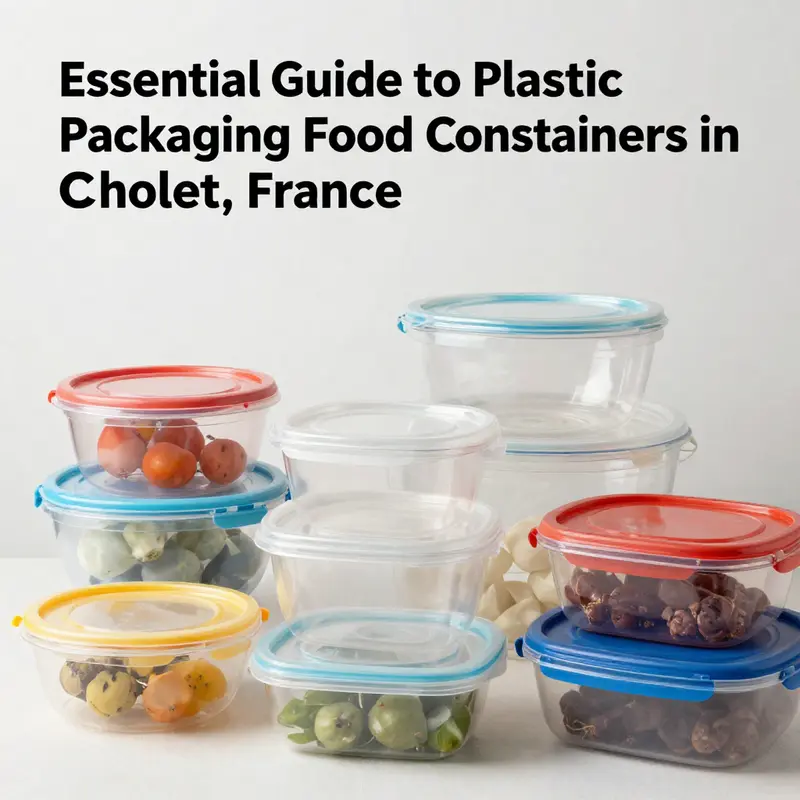
In this regulatory milieu, the choice of plastics in Cholet’s containers commonly centers on polypropylene (PP) and polyethylene terephthalate (PET). PP is favored for hot or cold foods and is compatible with microwave use in many applications, which aligns with Cholet’s demand for versatile, ready-to-consume packaging. PET remains a staple for clear, cold items such as fruit, salads, and other pre-packaged goods where visibility matters to the consumer. Polystyrene, while still present in smaller pockets of the market, faces growing environmental scrutiny, mirroring broader European and national concerns about plastic waste and sustainability. The conversation around recyclability and eco-friendly alternatives is not a sideline issue; it is becoming a central criterion for supplier selection and product validation in Cholet’s competitive landscape. Biodegradable options, such as PLA-based materials, are increasingly presented as viable complements to traditional plastics in grocery and restaurant contexts, provided they meet migration limits and can be integrated into local sorting streams.
To translate regulatory expectations into everyday practice, Cholet-based manufacturers and distributors should adopt a disciplined approach to supplier qualification and testing. A robust Declaration of Conformity (DoC) in French, signed by the manufacturer or EU importer, is essential. Alongside DoCs, certified test reports from an ISO 17025-accredited laboratory establish a credible evidentiary trail that regulators and customers can rely on. For businesses operating within Cholet and the broader French market, this means a careful balance of internal compliance checks and external verification through certified laboratories. The key is not just to obtain a passable test result but to maintain an auditable record that demonstrates continuous conformity as products evolve and regulatory interpretations shift with new scientific evidence. Companies should also prepare for periodic audits by customers, retailers, or regulatory bodies, reinforcing the need for consistent data, traceability, and transparent documentation.
In practical terms, selecting the right supplier in Cholet hinges on more than price or lead times. Buyers should seek partners who can provide ISO 17025-certified testing reports and who can confirm full compliance with DGCCRF requirements in addition to EU standards. The capacity to supply a French DoC, properly translated and signed, is equally important. For manufacturers and importers, engaging with testing laboratories that understand French regulatory expectations helps bridge the gap between European norms and national enforcement, reducing the risk of friction at the border or within the supply chain. In this context, conversations around material choices, additive formulations, and processing conditions should be anchored by data that demonstrates safe migration levels, sensory neutrality, and regulatory alignment under real-use conditions. The end goal is a container that performs reliably in a busy Cholet distribution network, safeguards food safety, and communicates a clear commitment to consumer well-being and environmental responsibility.
In the broader trajectory of Cholet’s packaging industry, the regulatory framework is evolving toward greater clarity and more rigorous verification. Manufacturers and suppliers who anticipate changes—whether in migration testing methodologies, new substances of concern, or evolving labeling and eco-design obligations—will be better positioned to maintain market access and develop durable competitive advantages. The interplay between EU rules, national implementations, and local practices in Cholet creates a dynamic environment where compliance is not a barrier but a benchmark for quality, trust, and resilience. To illustrate how compliance can be integrated into a practical, forward-looking design ethos, consider a packaging concept that prioritizes multi-use, recyclability, and consumer safety from the outset. A practical illustration of compliant design can be seen in the eco-friendly disposable 3-compartment packaging box for fast food. This example embodies several of the core principles discussed: it aligns with the need for multi-compartment configurations that optimize portion control and reduce packaging waste, it adheres to material choices that support recyclability, and it reflects a design intelligence that anticipates labeling and disposal instructions integral to DGCCRF expectations. While the specific product is a reference point rather than a prescription, it demonstrates how responsible design can merge regulatory compliance with operational practicality in Cholet’s value chain.
For organizations operating in Cholet, the path forward is explicit. Build your packaging strategy around regulatory compliance as an active, ongoing process rather than a final milestone. From selecting material families with known migration profiles to validating each packaging design with an accredited laboratory, the emphasis should be on traceability, documentation, and proactive risk management. Maintain a living DoC that captures current formulations, processing conditions, and intended food categories. Ensure your testing program covers both total migration and specific migration pathways, with attention to heavy metals, phthalates, and antioxidants that have historically drawn regulatory scrutiny. Clarify labeling practices so that retailers and end-users understand not only how to recycle a container but also what it contains and how it should be disposed of. In a market like Cholet, where logistics networks connect factories to distributors to stores, the efficiency of compliance processes translates into smoother operations, fewer regulatory interruptions, and a more confident customer base.
As regulatory expectations continue to sharpen and new sustainability measures gain traction, the Cholet packaging community will increasingly rely on collaboration with laboratories, regulators, and end-users to translate science into safe, practical packaging solutions. The result is not merely compliance for its own sake but a culture of safety, quality, and stewardship that supports the city’s industrial vitality while upholding France’s high standards for food safety and environmental responsibility. The regulatory journey, though intricate, offers a clear compass for designers, manufacturers, and retailers in Cholet: opt for processes and materials that prove safe through rigorous testing, document everything in French, and communicate clearly with customers about both safety and recyclability. This is how Cholet can continue to be a place where innovative plastic packaging solutions meet the highest expectations for health, taste, and sustainability.
External reference: Official framework for Food Contact Materials governs the overarching rules and guidance that shape these practices. For a formal, up-to-date overview, consult the official framework available at the French Ministry of Ecological Transition site: https://www.ecologique-solidaire.gouv.fr/les-materiels-et-objets-en-contact-avec-les-aliments
null
null
Industrial Applications of Plastic Packaging Food Containers in Cholet, France
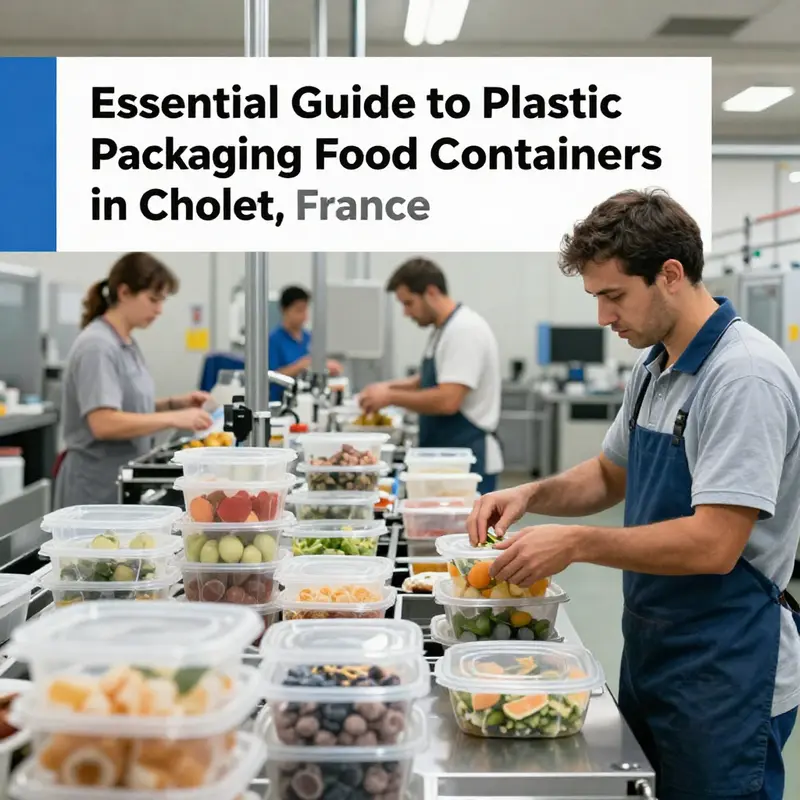
Cholet, a city that sits at the intersection of industrial muscle and logistical precision in Pays de la Loire, has long been a node where materials science meets supply chain discipline. In the realm of food packaging, plastic containers do more than simply hold meals; they enable a streamlined flow from processing plants to retailers, takeaway counters, and households. The relevance of Cholet to this topic is not just historical. It reflects a continental trend: packaging designed for plasticity, efficiency, and safety, shaped by a regulatory framework that keeps pace with evolving consumer expectations around convenience, shelf life, and environmental responsibility. In this context, plastic packaging containers for food sold or prepared in Cholet and across France must satisfy a rigorous standard that blends European directives with national specifics. The Direction Générale de la Concurrence, de la Consommation et de la Repression des Fraudes (DGCCRF) plays a central role in translating that standard into daily practice on the ground, from the plant floor to the loading dock and beyond. The regulatory story begins with the EU’s food-contact framework, moves through migration testing, and culminates in declarations of conformity that prove a container is fit for purpose across the entire cold chain and, crucially, during reheating or microwaving where applicable. This is not academic. It is the practical backbone that supports Cholet’s reputation as a reliable hub for packaging solutions used in retail, takeaway, and ready-to-eat formats.
At the core of this regulatory landscape is EU Regulation (EC) No 1935/2004 on materials and articles intended to come into contact with food, paired with EU Regulation (EU) No 10/2011 on materials and articles intended to come into contact with food. These texts establish that plastic materials should not transfer their constituents in amounts that could endanger human health or bring about unacceptable changes in the composition of food, taste, or odor. Yet the French system adds a layer of scrutiny that can be more stringent than the EU baseline. In Cholet’s industrial environment, that nuance matters. Operators must move beyond abstract compliance to generate verifiable evidence of safety, stability, and performance across real-world use cases—from hot meals packaged for rapid service to cold items destined for long distribution runs. The DGCCRF’s testing regime embodies this demand. It prescribes total migration testing, which quantifies the overall potential migration of substances from the plastic into chosen food simulants such as olive oil, ethanol, or acetic acid. It also requires specific migration testing to detect particular hazardous constituents—heavy metals like lead or cadmium, restricted phthalates on the 6P and 16P lists, and additives such as certain antioxidants. A container’s life does not end with packaging. Sensory evaluation remains a final gatekeeper, ensuring that no odor or color transfer compromises the food’s perceived quality as it travels through Cholet’s warehouses and onto retail shelves.
Understanding the regulatory canvas is inseparable from grasping the materials that populate Cholet’s factories and distribution centers. Polypropylene (PP) stands out for its versatility in both hot and cold applications. It offers good fatigue resistance, can be formulated for microwave-safe use, and lends itself to multi-compartment designs that separate elements of a meal without sacrificing seal integrity. Polyethylene terephthalate (PET) is favored when transparency is needed to showcase freshness—clear containers for salads, fruit trays, or other cold-prepared items are a staple in the regional supply chain. Polystyrene (PS) appears less often nowadays, largely due to environmental concerns and evolving waste-management expectations, yet it still finds a place in selective applications where lightweight rigidity is essential. As ecological considerations grow, manufacturers in Cholet are increasingly deploying recyclable plastics and exploring biodegradable alternatives, such as PLA-based or other compostable options, to meet the demand from grocers and restaurants that want to signal sustainability without sacrificing performance.
The industrial applications in Cholet reflect a broader European packaging narrative, one driven by the need to protect product integrity while facilitating efficient handling throughout lengthy logistics networks. In practice, plastic packaging containers are central to four interconnected sectors: catering services, bakery items, pre-portioned meals, and ready-to-eat dishes. Each sector leverages the strengths of plastic containers—lightweight design that reduces transport costs, heat resistance that enables safe reheating, microwave-safe variants for consumer convenience, and secure-sealing lids that minimize leaks and preserve freshness during multi-stage journeys from production to plate. The flexibility of materials like PP and PE allows designers to shape containers into clamshells, trays, or Bento-style boxes that support diverse culinary formats. In Cholet’s market, containers increasingly mimic the needs of international cuisines that resonate with French retailers and diners alike. Multi-compartment designs, for instance, enable a rice dish to be kept separate from its sauces or accompaniments, while still fitting efficiently on standard pallets. The emphasis on space optimization is notable. Packaging engineers consider how to maximize pallet density and minimize empty space, a concern that aligns with the industry’s broader challenges of strip packing and sheet metal optimization. Even with metal-focused optimization in some sectors, the plastic solution remains dominant for its adaptability and cost-effectiveness in large-scale distribution environments across Cholet’s warehouses and logistic hubs.
Choosing a reliable supplier in Cholet translates this regulatory and technical knowledge into a dependable supply chain. A key requirement is verifiable testing from ISO 17025-certified laboratories, which signals that a producer’s testing regime meets internationally recognized standards for accuracy and competence. Beyond tests, French compliance often requires a Declaration of Conformity (DoC) in French, signed by the manufacturer or EU importer, along with a robust paper trail of compliance documentation. This documentation reassures buyers and regulators that the product will behave as claimed under DGCCRF expectations and EU migration limits. For manufacturers and importers operating in Cholet, partnering with accredited laboratories known for handling French FCM compliance can be a decisive factor in ensuring a smooth path to market. When a packaging provider offers an auditable DoC, a transparent migration profile, and a recent, lab-verified compliance report, it reduces the risk of non-compliance actions and regulatory interruptions that would disrupt a densely networked food supply chain.
In practical terms, the Cholet ecosystem benefits from the regenerative loop between design, testing, and field use. The materials’ choices feed into the production line, where molded parts are engineered to precise tolerances and tested under simulated use to forecast performance during freezing, heating, and repeated opening cycles. The tests feed back into design refinements—thinner walls for lighter weight where feasible, improved barrier properties where necessary, and better lid seals to minimize leakage during transport. The result is a packaging portfolio capable of supporting a wide range of formats, from bakery items that require grease resistance to ready-to-eat meals that demand secure, leak-proof containment in multi-day distribution runs. To illustrate how a practical packaging option can translate into real-world efficiency, consider a typical takeaway packaging setup that can handle multiple food formats with a single family of container shapes. For a practical example of takeaway packaging boxes used across food service, see Takeaway Food Packaging Boxes for Hamburger, Fries, and More.
The vertical integration of Cholet’s packaging industry is complemented by a growing emphasis on sustainability. Recyclable plastics and reusable or recyclable design strategies are increasingly adopted to align with consumer expectations and municipal waste programs. This shift is not only about end-of-life disposal but about the entire lifecycle: how containers are designed for recycling streams, how sorting and processing systems in local facilities handle plastic materials, and how manufacturers communicate clear DoCs and migration data to customers. In this sense, the Cholet region embodies a broader European ambition: to harmonize safety, functionality, and environmental responsibility within a robust regulatory framework that protects consumers while enabling the efficiency gains that come from high-volume packaging operations.
For stakeholders seeking localized intelligence, engaging with regional business networks such as the Chambre de Commerce et d’Industrie de Maine-et-Loire can illuminate market dynamics, supplier capabilities, and regional initiatives in sustainable packaging innovations. They can provide access to sector-specific reports and connections to laboratories and testing facilities that understand both EU and French compliance nuances. In parallel, the ecosystem benefits from a cross-border knowledge base that informs better packaging design, testing protocols, and supply chain resilience—an alignment that is particularly valuable in a city like Cholet, where manufacturing excellence meets strategic logistics.
The regulatory and industrial narratives converge on one overarching principle: plastic packaging containers in Cholet must perform reliably across the food system’s lifecycle while meeting stringent safety requirements. The interplay between regulatory compliance, material selection, design flexibility, and testing rigor creates a disciplined environment in which packaging developers can pursue innovation without compromising consumer protection. This is a balance that has long defined Cholet’s role in the European packaging arena and will continue to shape its evolution as markets demand more efficient, safer, and increasingly sustainable solutions. As the industry looks to the next wave of change—whether it is advances in barrier technology, smarter labels that convey migration data in real time, or improvements in recyclability—the foundational pillars remain the same: robust testing, clear documentation, and a design philosophy that respects both the customer’s needs and the regulatory boundary conditions that govern how plastic can touch food.
External resource: https://www.dgccrf.fr/
Choosing Reliable Suppliers of Plastic Food Containers in Cholet, France: Compliance, Craft, and Local Advantage

Cholet sits at a strategic crossroads of industry and logistics in Pays de la Loire, a place where the flow of goods meets the demand for safe, well-made packaging. For brands seeking plastic food containers intended for retail display, takeout, or ready-to-eat meals, the path from supplier selection to market readiness must weave through a dense fabric of regulation, testing, and practical capability. In France, that fabric is anchored by DGCCRF oversight and the EU framework on materials in contact with food. Two EU regulations stand at the center: Regulation (EC) No 1935/2004, which establishes the general requirements for materials and articles that may contact food, and Regulation (EU) No 10/2011, which governs specific migration limits and related safety thresholds. France sometimes imposes stricter national provisions, so even compliant EU‑level packaging must still be vetted against local expectations. The consequence for Cholet buyers is clear: only suppliers who can prove real compliance with both EU and French requirements—and who can demonstrate that their processes consistently meet those standards—should be considered viable partners. The DGCCRF guidance, accessible on the official site, emphasizes a rigorous, evidence-based approach to food contact materials. While the language of policy can feel abstract, its practical effect is straightforward: every container that touches food must not release unsafe substances, and any migration into the food simulants used in testing must stay within defined limits. This means that for a supplier to earn a buyer’s trust, the vendor must couple technical claims with verifiable data from accredited laboratories and a DoC written in French that clearly ties the supplier to the product on the factory floor. In Cholet’s ecosystem, this is not merely a matter of regulatory hygiene; it is a competitive differentiator that can determine whether a new line of packaging can enter the market without interruption or recall risk. The emphasis on compliance is matched by an equal focus on testing beyond the charted numbers. Total migration testing—the aggregate quantity of substances migrating from plastic into representative food simulants such as olive oil, ethanol, or acetic acid—provides a broad safety envelope. Specific migration testing then zeroes in on particular substances that are restricted or potentially hazardous, including heavy metals like lead and cadmium, organic additives such as certain phthalates, and antioxidants that could migrate in limited amounts. In practical terms, a supplier’s test report must present clear, batch-specific data rather than general promises. This is essential in a market where brands aim to serve multiple channels—retail, takeaway, and ready-to-eat meals—each with its own temperature profiles and storage conditions. The sensory evaluation component, often overlooked in quick vendor assessments, ensures that the container does not impart odors or colors to foods, and that the material does not affect the taste profile of the product. In a country with discerning consumers and a robust foodservice sector, sensory integrity matters as much as migration figures. The rigorous testing regime is complemented by a spectrum of material options commonly found in Cholet’s supply base. Polypropylene (PP) remains a workhorse for hot or cold foods, with heat resistance and microwave-friendly variants. PET is favored for its clarity and strong barrier properties in cold, fresh products such as salads and fruit. Polystyrene (PS) persists in some segments, though its environmental footprint and regulatory scrutiny are shaping a gradual shift away from its broader use. Increasingly, suppliers are expanding portfolios to include recyclable or even biodegradable alternatives, as consumer and retailer interest in sustainable packaging grows. For brands that aim to align with this shift, it is essential to evaluate whether a supplier can deliver not just compliant containers, but also a credible pathway to sustainability claims that can withstand scrutiny from retailers and DGCCRF inspectors alike. The testing and material decisions are only one dimension of a supplier’s value proposition. Another, equally important dimension is the breadth and depth of the supplier’s technical capabilities. A reliable supplier should be able to offer customization across sizes, configurations, and branding elements. The ability to tailor multi‑compartment designs, printing, colors, and even lid mechanisms can differentiate a product line in a crowded market. Yet customization should not compromise consistency. The most robust suppliers in Cholet or nearby regions run automated production lines, governance through smart factory concepts, and robust QC loops that translate design intent into repeatable, tightly toleranced outputs. Proximity matters here too. While major hubs such as Guangdong and Shenzhen in Asia are renowned for scale and aggressive lead times, local or regional suppliers in France or Western Europe can offer advantages in communication, logistics responsiveness, and a shared regulatory mindset. For buyers navigating this landscape, a careful balance between global reach and local reliability often yields the best outcomes. The sourcing journey typically leads many brands to online marketplaces that bring together a global network of B2B vendors. On platforms such as Alibaba, buyers can filter for plastic food container suppliers with compliance documentation, certifications like OK Compost or TÜV, and materials such as PP, HDPE, or bioplastics. Even when browsing such platforms, the due diligence should not stop at a supplier’s homepage. It is prudent to request batch-specific test reports from accredited laboratories, ask for a Declaration of Conformity (DoC) in French signed by the manufacturer or EU importer, and verify that the supplier can provide ongoing, real-time quality-control data tied to actual production runs. The requirement for ISO 17025‑certified laboratories aligns with the European emphasis on competence and traceability. A practical approach in Cholet is to combine local knowledge with global access: identify suppliers who can meet French DGCCRF expectations while also offering the flexibility required for international markets. In this regard, working with a testing partner that has experience with French FCM compliance can be invaluable. The literature commonly recommends engaging a lab with a proven track record in FCM testing and a CNAS accreditation, such as Dezwei Testing (CNAS L8083), which has recognized expertise in navigating the French regulatory landscape. Such partnerships can simplify the process of obtaining compliant DoCs and ensure that migration limits and sensory criteria are transparently documented for each production batch. Beyond compliance and testing, the supplier’s ability to respond to branding and packaging priorities matters a great deal in Cholet’s market. Brands increasingly seek customization that supports shelf appeal and consumer recognition. A supplier with a strong design and tooling capability can deliver custom sizes, shapes, and printing options, enabling brands to stand out in retail displays or takeout assortments. The value of regional partnerships becomes clear here: faster iterations, shorter feedback loops, and smoother communication channels—core advantages when changes to branding or packaging specs are needed to align with shifting promotions or retailer requirements. For brands exploring external channels, a prudent approach is to vet suppliers for transparency in their supply chain. A credible supplier should be able to share with confidence their material sources, production schedules, and traceability data linked to specific lots. This is not only a DGCCRF expectation but also a foundational element of brand trust. In practice, this means maintaining record-keeping that ties every run to its migration test results, sensory evaluations, and DoCs. It also means ensuring that the DoC is in French and signed by the responsible entity, a requirement that often differentiates reputable suppliers from those with more cursory compliance postures. When evaluating partner ecosystems in Cholet, consider the overall risk profile and the long-term value of the relationship. A supplier that offers flexible batch sizes, scalable production with consistent tolerances, and robust communication protocols can reduce lead times and the likelihood of nonconformities during market launches. The aim is to leave room for growth without compromising safety and compliance. The practical steps to implement this approach are clear. Begin with a clear brief that specifies the intended end-use environments, the temperature ranges, washing or dishwasher exposure, and whether microwave use is anticipated. Request batch-specific, traceable test reports from accredited labs, and insist on a French DoC that confirms conformity to EU and national requirements. Require the supplier to share a robust plan for ongoing QC, including how migration testing will be refreshed with each new production lot. Seek third-party certifications where relevant, such as OK Compost, TÜV, or BPI, if you are pursuing compostable or certified sustainable packaging claims. When feasible, leverage a supplier’s customization capabilities as a differentiator, but hold them to a strict standard of reliability and repeatability. Local collaboration can further reduce lead times and simplify compliance verification, not to mention the smoother logistics it affords for Cholet-based brands assembling multi‑component retail packs. Finally, keep in view the broader marketplace. The global supply chain can offer competitive pricing and innovative materials, but the regulatory gravity of French and EU standards remains a constant. The right supplier in Cholet will stand out not just by price or novelty, but by the strength of their compliance documentation, the clarity of their testing data, and their readiness to partner in a risk-managed, brand-conscious packaging program. For brands that want a practical example of a path forward, a thoughtful first step is to explore suppliers who combine strong regulatory alignment with a proven track record of customization and regional service. This approach supports both the immediate needs of market entry and the longer horizon of sustainable packaging strategies that many retailers now expect. In the end, the Cholet region’s packaging ecosystem rewards those who treat compliance as a design constraint, not a hurdle. The most reliable suppliers will be the ones who can translate regulatory rigor into repeatable, scalable packaging solutions that protect product quality while enabling brands to tell their sustainability and safety story with credibility. For brands seeking a concrete, action-oriented route to supplier engagement, consider reaching out to a vendor that can demonstrate clear, lot-specific lab data, a DoC in French, and a documented capacity for customization aligned with your branding goals. And when you are ready to compare options on a broader stage, a trusted platform can provide access to verified suppliers with the right certifications and test reports, alongside the transparency you need to make a responsible choice. For a sense of how centralized, vetted platforms can empower Cholet buyers, you can explore a wide range of offerings through a global marketplace that emphasizes compliance and traceability, filtering for verified compliance certificates and material types such as PP, HDPE, and bioplastics. This combination of local presence, regulatory discipline, and global access creates a robust framework for selecting plastic packaging that meets France’s exacting standards while delivering the performance brands expect on the shelf and at the counter. Internal reference resources can guide this process, including supplier profiles that highlight customization capabilities and documented lab results. When in doubt, prioritize partnerships that demonstrate ongoing testing and a proactive approach to compliance; these are the relationships most likely to endure in a market where safety, quality, and reliability are non-negotiable. External resources remain a reality of global procurement, and platforms that surface compliant suppliers with transparent documentation can accelerate your due diligence. For a practical starting point, consider the broader ecosystem of packaging suppliers accessible online, and use the experience of Cholet’s regulatory framework to gauge whether a prospective partner can deliver not only a container, but a credible story of safety, performance, and responsibility. External resource: https://www.alibaba.com
Environmental Impact, Regulation, and Regeneration: Plastic Food Containers in Cholet, France
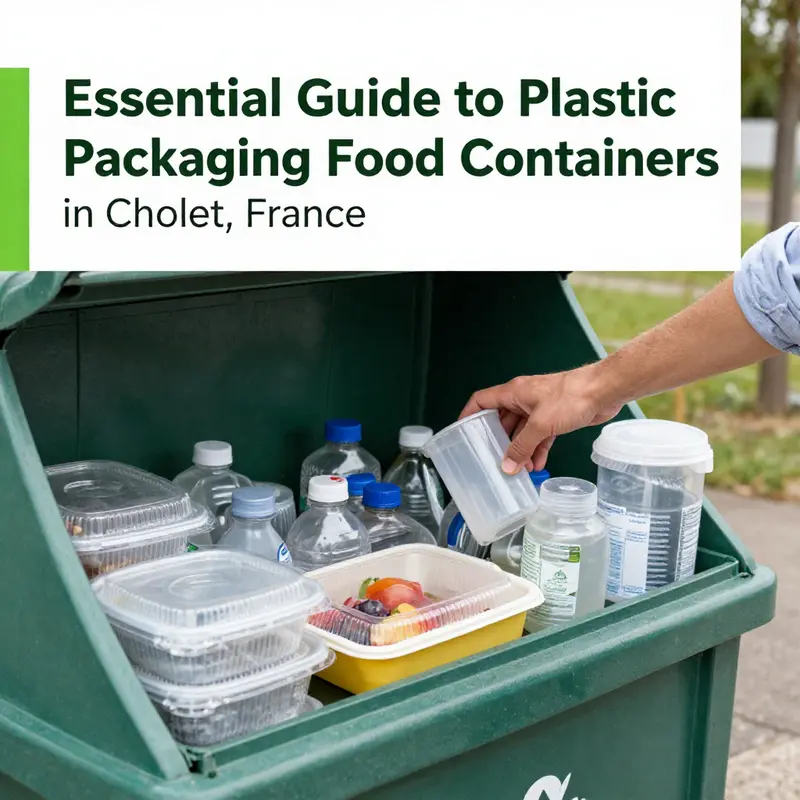
Cholet, a town in the Pays de la Loire that has grown thanks to manufacturing and logistics, sits at a critical juncture for plastic food packaging. It is where material science, industrial capability, and public policy meet in the everyday choices of a consumer who picks up a ready meal or a fruit tray at the local supermarket. The story here is less about a single plastic or a single age of policy than about a system. It is a system of materials, tests, and declarations, all aimed at guaranteeing that what arrives on a French kitchen table is safe, traceable, and increasingly respectful of the limits that society wants to set on its use of plastic. The heart of Cholet’s packaging landscape is the DGCCRF framework, which orchestrates a complex spectrum of rules that sit atop EU regulations yet still carve out national specifics that can feel tighter, even more exacting, within France. For businesses in or serving Cholet, compliance is more than a checkbox; it is a continuous process of validation, documentation, and vigilance. The overarching EU norms—especially Regulation (EC) 1935/2004 on materials intended to come into contact with food and Regulation (EU) 10/2011 on FCMs—provide the baseline landscape. They define what substances may migrate into food, what migration must be quantified, and under what test conditions. Yet France has a tradition of adding layers. DGCCRF operates as the domestic regulator that interprets, enforces, and sometimes tightens the EU rules to fit national expectations for consumer safety, fair competition, and market transparency. In Cholet, this layering translates into a practical, nearly tactile discipline for manufacturers and suppliers who want to ship plastic containers—from simple multipack lunch boxes to multi-compartment meal solutions for takeout or chilled pre-packaged meals. The testing regime attached to these requirements is rigorous and specific. Total Migration Testing captures the overall migration of substances from plastic into food simulants such as olive oil, ethanol solutions, or acetic acid, which mimic different types of foods. Specific Migration Testing, by contrast, targets particular substances that bear more attention because of their potential health impact. Heavy metals, including lead and cadmium, must stay within tight limits; phthalates—on the lists sometimes labeled as 6P or 16P—are scrutinized for their potential to migrate; antioxidants such as BHT and Irganox are evaluated for their presence and behavior under typical storage and heating conditions. Sensory evaluation rounds out the suite, ensuring that no odor or color transfer diminishes the consumer experience or raises concerns about product integrity. The result is a robust assurance of safety, coupled with a traceable chain of custody that the DoC—Declaration of Conformity—must support, usually in French and signed by the manufacturer or EU importer. In practice, many Cholet-based producers align with ISO 17025-certified testing laboratories to generate the test reports that regulators demand. The landscape is not merely about compliance as a defense against penalties; it is about building trust in a consumer environment that increasingly demands evidence of safety, sustainability, and responsibility. A local partner landscape exists for manufacturers that must meet these tests. One well-known pathway involves collaborating with recognized testing laboratories such as Dezwei Testing, noted for handling French FCM compliance under CNAS accreditation. For an ambitious supplier or a company seeking a compliant DoC, this partnership helps harmonize EU and French expectations, streamlining the path from design to market. The practical implications for Cholet’s plastic packaging supply chain extend beyond laboratory reports. They touch the choice of materials, the architecture of packaging formats, and the lifecycle thinking embedded in new product development. PP, PET, and PS remain common family choices. PP offers resilience to heat and is widely used for hot or cold foods, with microwave-safe variants expanding the possibilities for both retail and takeaway. PET creates crisp, clear containers ideal for cold items like salads or fruit trays, supporting a transparent consumer experience. PS, although less prevalent due to environmental concerns, still has a presence for certain takeout applications. Yet in Cholet and across France, the demand for recyclable and more sustainable alternatives is rising. The market now increasingly embraces materials such as PLA or other bio-based polymers, along with packaging designs that favor recyclability or reuse. This shift aligns with broader regulatory and societal expectations that single-use plastics should be reduced, replaced, or redesigned to minimize waste and environmental impact. The region’s industry is also adjusting to the need for more robust recycling and waste-collection infrastructures, which are themselves evolving under European and national incentives to support circularity. For manufacturers and retailers in Cholet, the environmental conversation is intertwined with policy and consumer behavior. The numbers that frame the global problem are daunting: anywhere from 8 to 14 million tons of plastic waste ultimately enters the oceans each year, a leakage that rivers can translate into far-flung marine environments where plastics accumulate in formidable patches. The Great Pacific Garbage Patch is often cited as a stark illustration of the scale, but the issue pervades every coastline and every river system. The stakes extend beyond the aesthetics of a washed-up bottle to the health of ecosystems and the safety of seafood and other foods. Microplastics have moved from an oceanic anomaly to an omnipresent concern, detectable in diverse foods and beverages. A landmark 2018 French study found that beverages—particularly those contained in glass bottles—can be vectors for microplastic contamination. The study highlighted significant levels in beer and lemonade, underscoring how even container materials might contribute to contamination through mechanisms such as cap coatings or sealants. The implication for a packaging ecosystem like Cholet’s is clear: reducing reliance on single-use plastics at the source, increasing the share of recyclable or reusable packaging, and ensuring that every stage of the lifecycle—from manufacturing to disposal—minimizes environmental footprint, remains not merely a policy ideal but a practical objective. In response, both policy and market participants are accelerating toward more sustainable solutions. The European Union has articulated and enacted sweeping measures to curb single-use plastics, ranging from design-for-recycling requirements to bans on certain items and mandates for recyclable or reusable packaging. France, with its strong regional economies and its visible urban networks, has embraced these imperatives with a mix of legislative action and local experimentation. The Cholet area, with its robust packaging ecosystem, has started to tilt toward durability and reuse where feasible, and toward materials that can be more efficiently recovered at the end of life. This is not a uniform transformation; it is a mosaic of improvements, some modest and some ambitious. A practical expression of this trend can be found in the design sense that prioritizes multi-compartment formats, stackability, and barrier properties that enable longer shelf life without sacrificing recyclability. The industry’s movement is also reflected in a more proactive approach to supplier relationships. When selecting a plastic container supplier in Cholet, buyers increasingly demand ISO 17025-certified testing reports and a DoC that is fully aligned with French requirements in addition to EU standards. They may request evidence that the supplier maintains an ongoing program of compliance monitoring and that the product design incorporates end-of-life considerations. In this context, a trusted supplier not only provides a compliant container but also acts as a partner in reducing risk across the supply chain. The choice of packaging is then a choice of responsibility as well as performance. For readers seeking examples of how packaging providers are evolving toward sustainable, multi-compartment designs that still meet taste and texture expectations, consider the broader market materials, including accessible designs like eco-friendly, multi-compartment boxes suitable for fast-food formats. A practical example from the industry can be found in ranges that emphasize a balance between grease resistance, heat tolerance, and recyclability, while supporting the consumer desire for convenient, portioned meals. The conversation in Cholet thus flows from rigorous testing and regulatory alignment to a broader shift in materials and design thinking. It is about ensuring safety and compliance while also recognizing the environmental costs associated with plastic packaging and taking steps to mitigate those costs through design, material choice, and end-of-life strategies. In the end, the Cholet story is a microcosm of a broader European and global movement. The region’s producers and suppliers are negotiating the dual mandates of protecting public health and reducing environmental harm. The regulatory framework provided by DGCCRF, interpreted through EU law and converted into practical testing, DoC, and documentation, creates a clear accountability scaffold. Meanwhile, market dynamics—consumer demand for sustainable options, the push for recyclable and compostable materials, and the investment in recycling infrastructure—shape what kind of containers are offered, how they are designed, and how they are used in daily life. The regulatory discipline ensures confidence that safety remains non-negotiable, while the environmental narrative pushes the industry toward innovations that preserve product integrity without sacrificing planetary health. For readers who want to explore the practicalities of sustainable packaging development in a regulated environment, the Cholet ecosystem offers a compelling case study. It demonstrates how a city and a region can support a packaging industry that strives for both performance and responsibility, balancing the needs of retailers, manufacturers, regulators, and consumers. The path forward hinges on transparent testing, clear declarations, and a willingness to adopt designs and materials that align with evolving expectations—an approach that makes Cholet not only a manufacturing hub but a forward-looking exemplar of how regulation and sustainability can coexist in the daily business of plastic food containers. And as markets continue to innovate, the industry remains vigilant, ready to learn from global data, and committed to making packaging safer, cleaner, and more sustainable without compromising the functional role that plastic containers play in modern foodservice and retail. For additional context on regulatory guidance and current standards, see the official DGCCRF resources. DGCCRF – Food Contact Materials
Final thoughts
Understanding the multifaceted aspects of plastic packaging food containers in Cholet provides food business professionals with a roadmap to success. From navigating stringent regulatory compliance to selecting diverse container types that meet various needs, being informed allows for strategic decision-making. As environmental awareness grows, choosing sustainable practices and materials will not only align your operations with regulations but also resonate with the burgeoning customer base that values eco-friendliness. Equip your team with the right knowledge and partnerships, ensuring that your food offerings are not only delightful but also responsibly packaged.