
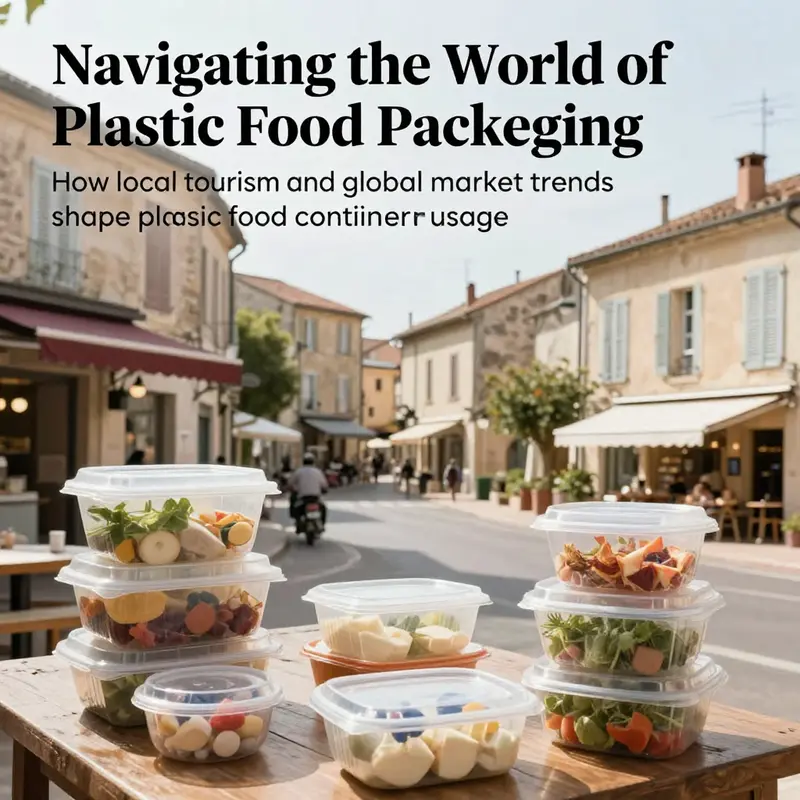
Nestled in the charming landscapes of southern France, Salon-de-Provence is not only a popular tourist destination but also a burgeoning hub for hospitality and food services. The rise of bubble tea shops, restaurants, food trucks, and catering services highlights the growing demand for high-quality plastic packaging food containers. This demand is intricately woven into the backdrop of local tourism and hospitality, influencing market dynamics, pricing strategies, and consumer preferences. Each chapter of this article will delve into the unique interconnections between Salon-de-Provence and the plastic food packaging container market, providing insightful perspectives for industry stakeholders.
From Provençal Palates to Global Shelves: The Market Dynamics of Plastic Food Containers in Salon-de-Provence, France
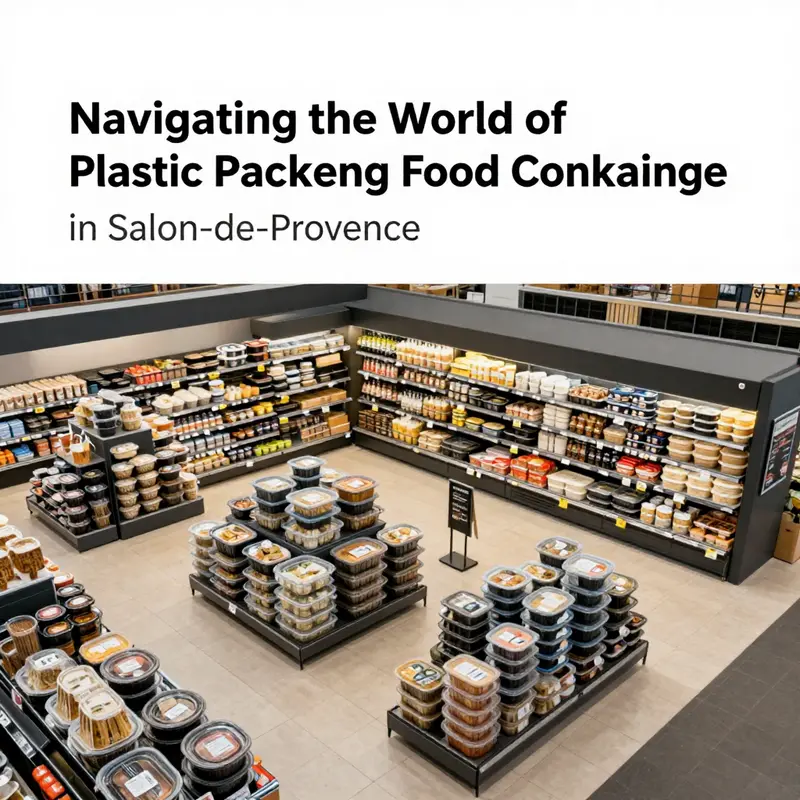
Salon-de-Provence sits at a quiet hinge between Provençal charm and European logistics. Local data does not reveal a distinct cluster of manufacturers focused on plastic food packaging containers, and no landmark in the town centers on such a product. Yet this absence is only a blank in a larger map: a regional economy that mirrors the national shift toward versatile plastic packaging used across food processing, retail, and hospitality. In practice, plastic food containers are a lived part of daily life here, whether at a bakery counter, a catering event, or a family kitchen where leftovers are stored for later meals. The story in Salon-de-Provence is less about a single factory and more about how broad market forces—volume-driven supply, evolving consumer expectations, and the needs of a tourism-rich region—shape every shelf and every service encounter that relies on packaging.
France’s rigid plastic packaging market is projected to reach 3.14 million metric tons in 2025, growing at a CAGR of 3.52% to 3.73 million metric tons by 2030. This trajectory points to a robust, ongoing demand for durable, reusable containers in industrial, retail, and food service applications. For a town like Salon-de-Provence, that means a steady stream of supply options from national and European manufacturers that can meet varied requirements—from bulk caddy systems for bakers to vented meal containers for takeout and catering kits for events. The figures illuminate a national backbone that supports regional commerce, ensuring that kitchens, cafes, and market stalls have access to containers that survive daily use and travel across town to customers.
At the same time, France’s disposable packaging market drew USD 1,807.4 million in revenue in 2024 and is expected to grow to USD 2,763.7 million by 2030. The expansion reflects a modern dining landscape that favors convenience, speed, and safety, especially in fast-casual and takeaway segments. In Salon-de-Provence, restaurants, cafés, and mobile food operators increasingly rely on single-use and recyclable options to handle peak service periods, outdoor events, and seasonal tourism traffic. The numbers echo a broader truth: both the durable and the disposable streams coexist, each serving distinct parts of the local economy. The disposable segment, in particular, aligns with the needs of seasonal visitors and the town’s vibrant event calendar, where quick turnover and clean post-event cleanup are valued as much as presentation.
Plastic food containers, notably white translucent varieties, are chosen for several practical reasons. They protect and preserve pantry staples like cereals, flour, sugar, and dried fruit; deter pantry pests; allow immediate content identification through clear visibility; and accommodate vented lids that enable oven or microwave heating when appropriate. These features align with the needs of skilled bakers, caterers, and grocers in Provence, where the cadence of markets and festivals rewards reliable storage and efficient service. In many cases, a single container bridges production line, shop counter, and consumer table, simplifying inventory, reducing waste, and supporting consistent presentation from kitchen to consumer. The visual clarity that these containers provide—whether on a bakery display or a takeaway counter—helps operators communicate quality and freshness at a glance, an effect that resonates with the region’s emphasis on craft and experience.
From the perspective of Salon-de-Provence’s hospitality and tourism mix, packaging choices connect directly to customer experience. High-end hotels and boutique eateries in the region place emphasis on cleanliness, reliability, and location, all of which extend to the packaging used for takeaway and in-room service. A guest seeking a fresh pastry or a carefully packed lunch will notice how the container supports the item inside—its rigidity, its sealing performance, and its ability to travel across town without compromising the product. Catering for weddings or corporate events in nearby venues adds another layer, as organizers demand packaging that travels well, looks presentable, and complies with health and safety guidelines. All of these service-level requirements feed into the procurement decisions that a Salon-de-Provence kitchen makes when negotiating with suppliers. In a locale where the dining experience is almost an extension of the landscape, packaging becomes part of the storytelling—how the food travels, how it stays intact, and how it is perceived by guests long after the plate is cleared.
Pricing dynamics across global markets illuminate the economics of scale that regional buyers feel in practice. Global data indicate that plastic food container prices vary with order size: roughly USD 0.16 per unit for orders from 100,000 to 499,999 units, dropping to about USD 0.145 per unit for volumes above one million. For dessert packaging, a typical quote was around USD 0.15 per unit for 30,000 pieces. Although Salon-de-Provence buyers rarely purchase in such exact quantities alone, these figures illuminate how suppliers structure offers, incentives, and lead times. In a market where small cafés, artisanal bakeries, and event caterers mix with larger distributors, the ability to secure favorable pricing often depends on packaging type, delivery terms, and the breadth of SKUs carried by a single supplier. Local operators balance upfront cost with performance: transparency for content visibility, durability for repeated use or extended display, and compatibility with existing storage and transport workflows. That balancing act is particularly acute in a town that experiences a seasonal swell of visitors, for whom the packaging choice must support both the spontaneous purchase and the long-tail delivery of a curated food experience.
Procurement and logistics in the Provence region also shape how packaging circulates from factory to counter. Southern France benefits from proximity to major ports and distribution networks that feed national chains and regional wholesalers. For salons and bakeries, this translates into shorter replenishment cycles, more predictable stock levels, and the flexibility to adjust to seasonal demand. This regional efficiency supports both the durable and disposable segments, ensuring that shops, schools, hotels, and catering outfits can respond quickly to shifts in tourist volumes, local markets, or festival calendars. In practice, the choice between a sturdy, reusable container and a single-use option often reflects the service model a business adopts: a bakery that bakes daily loaves may favor durable packaging for wholesale sales, while a pop-up near a market square might lean toward quick, economical disposables for event days.
Even as sustainability shapes corporate strategy, the appeal of plastic food containers endures for operational reasons. Reusable options reduce long-term waste and can be integrated into circular economy programs, while disposable variants offer convenience in busy kitchens and in environments where washing and sanitation can’t keep pace with demand. The Salon-de-Provence ecosystem—rooted in culinary creativity and guest hospitality—tends to reward packaging that maintains product integrity, supports clear labeling, and proves reliable during transport and display. In that sense, the market in this region benefits from the same broad forces that drive packaging innovation across France: smarter materials, smarter logistics, and smarter choices about how we present and store edible goods to a diverse public. For operators navigating this landscape, the question becomes how to select packaging that aligns with their brand values while delivering consistent performance across dayparts, weather conditions, and peak service periods.
For firms exploring adaptable packaging offerings that fit a takeout or event-driven model, the landscape is about choosing the right balance of features—clarity, seal strength, heat tolerance, and cost efficiency. A supplier who can tailor solutions for both a pastry shop and a festival caterer is well positioned in this market. To illustrate how a modern packaging ecosystem translates into practical choices, imagine a bakery that needs container solutions that transport delicate confections, keep fillings intact, and present the sweets in an inviting way upon pickup. It requires a mix of rigid, transparent containers and secure lids, tested for stacking stability and compatible with standard post-service disposal or recycling streams. Such a narrative underscores how the Salon-de-Provence context, with its seasonal tempo and diversified food scene, interacts with national market structures to shape what is readily accessible to local businesses.
Businesses seeking adaptable packaging solutions can explore options through suppliers that emphasize customizable takeaway packaging. custom takeaway packaging. This entry point into a broader supply network demonstrates how regional players connect to a global supply web, ensuring that the Provençal market remains responsive to both everyday needs and peak-event demands. The link points to a practical gateway for shops seeking flexible, scalable options that can evolve with changing customer expectations, seasonal demand, and new menu concepts. It is a reminder that even in a town famed for sensory experiences, the packaging that accompanies a pastry, a coffee, or a picnic is a strategic lever in delivering consistent quality from oven to doorstep.
Ultimately, the story of plastic packaging containers in Salon-de-Provence is less about a single production locus than about integration. Producers, wholesalers, retailers, and service providers coexist within a shared marketplace where volume, reliability, and value determine access. As the town continues to attract visitors with its blend of culture, history, and natural beauty, the packaging that accompanies the meals, the takeout boxes, and the picnic refreshers becomes part of the experience itself. The numbers from national forecasts confirm that demand for durable and disposable plastic packaging will continue to grow, and the regional context confirms that a connected supply chain can keep pace with the needs of bakers, caterers, hotels, and markets. In that sense, Salon-de-Provence is a microcosm of a larger European economy that sees packaging not simply as a container, but as a facilitator of food culture, commerce, and everyday practicality.
For a broader market context and benchmarks that matter to local operators and visitors alike, see market analyses that map the evolution of France’s packaging sector across both rigid and disposable segments: https://www.statista.com/statistics/1445794/france-rigid-plastic-packaging-market-size/
How Salon-de-Provence’s Visitors Shape Choices for Food Packaging Containers
Tourism-driven demand and sustainability transitions
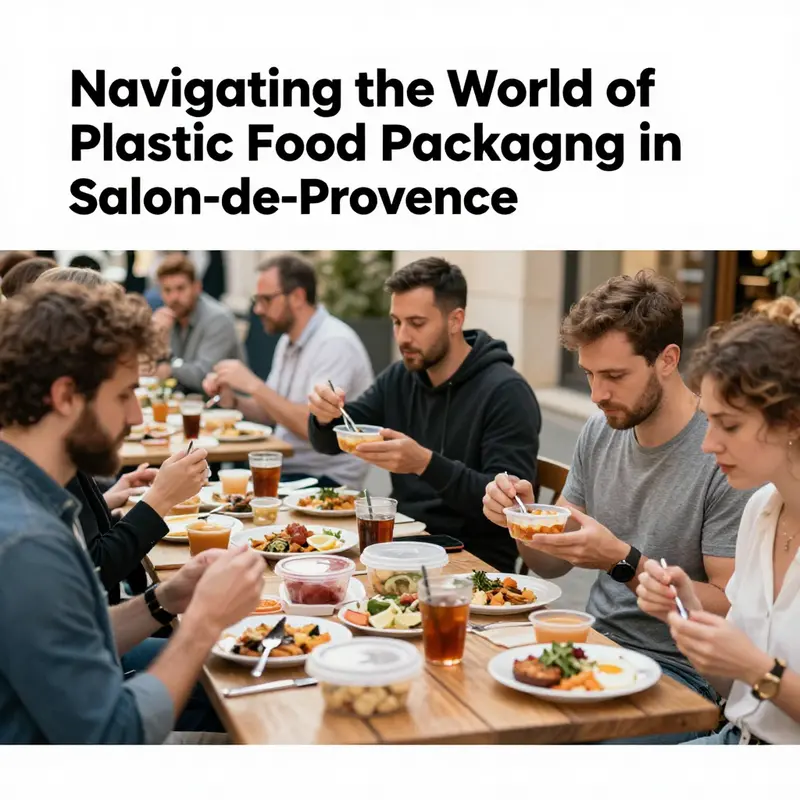
Salon-de-Provence sits at an intersection of culinary tradition and seasonal tourism. Visitors arrive for markets, lavender fields, and Provençal cuisine. They expect quality, convenience, and memorable experiences. Those expectations translate directly into demand for food packaging at hotels, cafés, street vendors, and catering services. The result is a local marketplace where single-use containers are common, yet there is growing pressure to change how food is packaged and served.
High visitor numbers create spikes in takeaway and on-the-go consumption. Small vendors scale up quickly during festival weekends and summer months. Quick turnover favors lightweight, low-cost solutions. Plastic food containers meet that need. They are inexpensive, waterproof, and stackable. For many operators, they also reduce handling time and simplify logistics. These practical benefits explain why plastic remains prevalent even where environmental awareness runs high.
At the same time, Salon-de-Provence benefits from a clientele that values authenticity and environmental stewardship. Local hotels and restaurants promote regional produce and sustainable dining themes. Guests often prefer packaging that reflects local values, such as recyclable materials, reusable tableware, or compostable takeout boxes. This creates a tension: operators must balance cost and convenience with brand reputation and guest expectations. That tension is precisely where meaningful change can occur.
National policy and EU directives strengthen the push away from single-use plastics. The French Anti-Waste Law requires phasing out certain disposable plastics by 2025. For hospitality businesses, the law is both a mandate and an opportunity. It forces early adopters to experiment with alternatives, and it nudges entire supply chains toward innovation. Some establishments replace clear plastic trays with compostable fiber containers. Others adopt reusable systems for buffet and in-house dining. The legal framework reduces uncertainty for businesses considering longer-term investments in sustainable packaging.
Practical choices in Salon-de-Provence follow several distinct paths. One is substitution: swapping conventional plastic for compostable or biodegradable materials. Plant-based fibers, molded pulp, and coated kraft paper serve as direct replacements for many single-use items. These materials can handle moist foods and resist grease when properly engineered. They present an attractive narrative for guests when paired with clear communication about disposal.
A second approach emphasizes reuse. Hotels and sit-down restaurants can invest in durable dishware and plate-collection systems. For takeaway, deposit-return schemes for reusable containers are emerging in other regions and may fit Salon-de-Provence’s market. Reuse reduces waste volume and gives businesses a tangible sustainability story to tell. Implementation requires operational adjustments: collection points, sanitization processes, and staff training. Yet many establishments see long-term savings and brand benefits once the systems scale.
A third strategy targets waste management improvements. Compostable packaging succeeds only with access to industrial composting or reliable municipal collection. Where infrastructure is lacking, compostable items can end up in landfill, negating their environmental benefits. Thus local government, waste services, and tourism operators must coordinate. Strengthening segregation, expanding composting facilities, and increasing recycling capacity are essential complements to material shifts.
The Global Tourism Plastics Initiative offers a framework that aligns these paths. It encourages stakeholders to eliminate unnecessary plastics, transition to reuse or recycling, and improve waste systems. Participation connects businesses to technical guidance and case studies. For a town like Salon-de-Provence, membership or alignment with such initiatives helps smaller operators adopt tested practices. It also signals to tourists that the destination is committed to sustainable operations.
Despite momentum, barriers remain tangible. Cost is the most cited constraint. Compostable and alternative materials often carry higher unit prices than conventional plastic, especially at low purchase volumes. For small cafés and seasonal vendors, higher costs can strain already tight margins. Convenience is another factor. Single-use plastics simplify storage and service workflows. Alternatives may require different storage conditions or more careful handling. Training staff and adapting service models takes time and leadership.
Infrastructure poses a structural barrier. Rural and peri-urban areas around Salon-de-Provence may lack industrial composters or nearby material recovery facilities. If compostable packaging cannot be processed locally, its environmental advantage diminishes. Similarly, recycling rates depend on effective collection and clear labeling. Without consistent waste streams, recyclable items risk contamination and rejection at sorting centers.
Community action fills important gaps. Local governments, tourism boards, and environmental NGOs can catalyze progress. Joint purchasing programs reduce costs by pooling demand across hotels and restaurants. Shared composting hubs can serve several neighborhoods. Public awareness campaigns encourage proper sorting and reduce contamination. Such collective measures lower the hurdles for individual businesses and align consumer behavior with operational changes.
Operational innovation within businesses also matters. Small steps add up: switching to fiber-based trays for pastries, offering discounts for customers who bring reusable containers, or using portion-controlled packaging to reduce leftovers. Clear signage about disposal and origin stories for packaging materials help guests make informed choices. Some operators integrate sustainability into their menus and service style, using packaging as an extension of their culinary identity rather than a necessary evil.
Supply chain adaptation is another lever. Manufacturers and distributors can offer hybrid solutions that combine performance with lower environmental impact. For example, coated kraft containers designed for microwave safety bridge functional gaps. Suppliers can also provide smaller minimum order quantities, allowing local operators to trial new solutions without large upfront costs. When procurement aligns with local demand, the transition becomes practical and scalable.
Tourism can be a force for positive change when it creates market incentives. Travelers who prefer eco-friendly options push businesses to adapt. Certification schemes and visible commitments help tourist-facing businesses communicate their priorities. Over time, these market signals reshape procurement practices and encourage investment in the circular economy.
Salon-de-Provence is well placed to lead regional examples. Its hospitality sector has the skills and clientele to test reusable systems and higher-grade compostables. To succeed, operators need supportive policies, reliable waste infrastructure, and cost-sharing mechanisms. When these elements come together, the town can reduce its plastic footprint while enhancing visitor experience.
For operators exploring alternatives, practical product categories exist. Durable takeout containers, compostable bowls, and well-engineered paper-based boxes provide options for different service styles. One practical example is a line of eco-friendly takeout boxes designed for leak resistance and microwave safety; such containers can help bridge convenience with sustainability when paired with proper disposal systems (see eco-friendly takeout boxes).
External guidance, collaborative frameworks, and evolving regulations will continue to shape choices. The region can harness these drivers to transform packaging practices from reactive compliance into proactive innovation. Over time, small changes in procurement and waste management can deliver measurable reductions in plastic pollution while supporting the local tourism economy.
For strategic support and resources, stakeholders can consult broader initiatives that track commitments and offer practical tools. The Global Tourism Plastics Initiative provides detailed guidance for tourism businesses seeking to reduce plastic use and strengthen circular practices: https://www.wttc.org/Initiatives/Global-Tourism-Plastics-Initiative
Pricing Currents Across Continents: The Global Market for Plastic Food Containers and Its Ripple in Salon-de-Provence
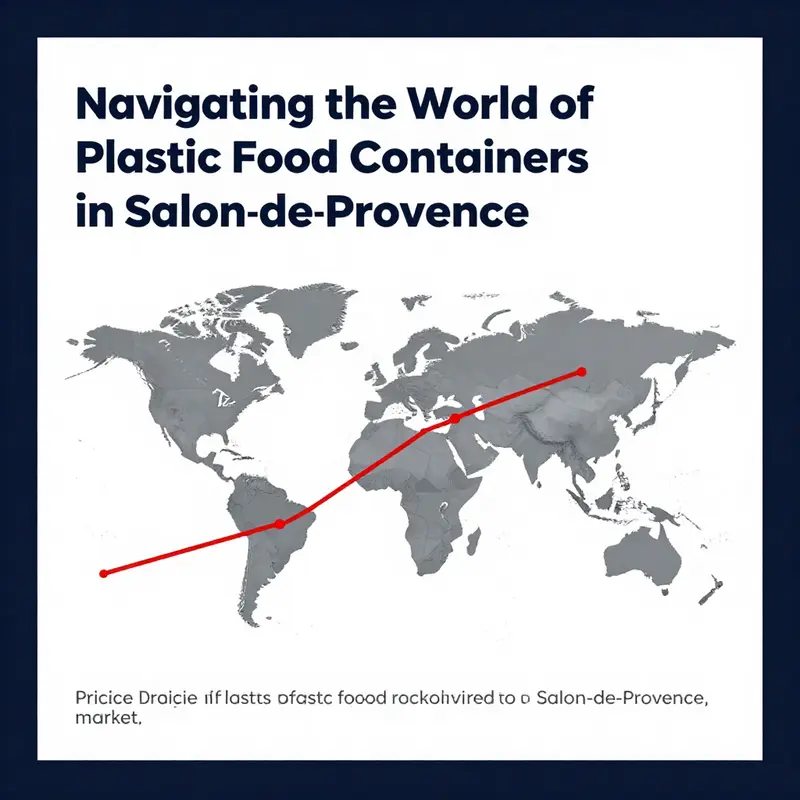
The coastal charm and pine-scented air of Salon-de-Provence may conjure images of lavender, cafés, and medieval lanes, yet the town sits at a quiet intersection of global supply chains that shape what its restaurants, markets, and hospitality venues can offer in packaging. The chapter you’re reading unfolds not as a parade of local factories or provincial landmarks, but as a careful stitching together of prices, volumes, and policy that travel across oceans to touch even the sunlit patios of a Provençal town. In this sense, Salon-de-Provence emerges not as a manufacturing node, but as a point of resonance where international pricing dynamics, regulatory trends, and consumer expectations converge in the everyday acts of storage, display, and service. Plastic food containers—the practical vessels that hold fruit, desserts, take-away meals, and catering tidbits—are a lens into a global economy that prizes scale, predictability, and safety as much as it does design and convenience. The figures and patterns that define this market in 2026 and beyond illuminate how a region famous for its scenery negotiates cost pressures, regulatory demands, and shifting tastes while remaining competitive in hospitality and tourism.
A starting place for understanding the terrain is to look at the size and growth of the global plastic food containers market. Estimates project a robust scale, with the market approaching substantial billions of dollars as manufacturers, retailers, and foodservice operators seek standardized packaging that can withstand heat, moisture, and the rigors of transportation. In parallel, pricing data points reveal the tiered nature of the business. For example, in markets dependent on high-volume orders, transparent plastic fruit containers have been observed at roughly 0.16 dollars per unit for orders in the 100,000 to 499,999 range. When demand climbs beyond a million units, the unit price tends to compress toward approximately 0.145 dollars. A similar logic appears in the segment for plastic transparent dessert boxes, where bundles around 30,000 units can be found for about 0.15 dollars each. These patterns underscore a simple yet powerful principle: volume begets value, and the economics of scale is a decisive driver in every procurement decision, whether for a corner market or a regional hotel chain.
The interplay of raw materials—polypropylene and PET among the most common inputs—price stability, and logistics costs further shapes the trajectory. Raw material costs influence margins in ways that are sometimes indirect but always consequential. Fluctuations in crude oil prices, polymer feedstock supply, and energy costs ripple through the cost structure of manufacturers. In a continental market like France, where import reliance exists for certain materials and where EU-wide standards set the baseline for safety and recyclability, the cost calculus tightens. The global market’s forecast into 2026 and beyond reflects a frenzied mix of demand from consumer-facing retail channels and ongoing appetite from foodservice and catering sectors. The result is a price environment that rewards efficiency, but one that can also swing with macroeconomic tides—shipping costs, port congestion, and currency exchange included.
Beyond the raw price of a single unit, the minimum order quantities tell a parallel story about the way this market operates in practice. The same pricing landscape that rewards bulk purchases imposes a ceiling on how small a local buyer can realistically procure. Consumer-grade packaging often carries modest MOQs, sometimes as low as a handful of units. In contrast, high-volume disposable foodservice containers tend to require 100,000 units or more to unlock the most favorable unit prices. This divergence has real implications for a place like Salon-de-Provence. While large hospitality outfits and catering companies may align with global distributors capable of delivering the necessary scale, smaller shops and boutique restaurants may rely on local distributors or regional partners who can supply lower MOQs, even if the per-unit price is relatively higher. The practical effect is a packaging landscape that must accommodate both the nimble demands of seasonal tourism and the steady needs of year-round gastronomy, all while keeping waste and cost in check.
For France and, more broadly, the European Union, the pricing story cannot be separated from policy. EU strategies to curb single-use plastics and to promote sustainable packaging designs have introduced an extra layer of cost and complexity. In Salon-de-Provence, a region that benefits from a strong tourist economy and refined consumer expectations, there is notable sensitivity to packaging that combines sanitary safeguards with recyclability. Recyclability and material choice increasingly influence not just the ecological footprint of packaging but also the price. Eco-friendly or recyclable designs—often involving separate collection streams, adhesives, and barrier properties—may command premium prices, at least in the short term, as manufacturers scale up the necessary processes and as national and local authorities push for higher recycling rates. In practical terms, this means that a local caterer might pay a bit more for packaging that aligns with environmental goals, with the confidence that compliant, recyclable materials support regulatory and reputational objectives.
The global market’s pricing dynamics, then, reflect a blend of scale economics and regional policy. Salon-de-Provence sits at a Mediterranean corridor that ties together EU-wide supply lines, seasonal demand, and hospitality standards. France’s integration into the EU single market means that import and export costs are shaped by harmonized rules, border logistics, and standardization. In the context of plastic containers, this translates into a pricing environment where broad market trends—volume-driven discounts, material price movements, and regulatory compliance costs—entwine with the specific logistical realities of operating in a southern French town. The net effect is that pricing in Salon-de-Provence mirrors global tendencies while preserving the local emphasis on quality, reliability, and hospitality experience. A customer shopping for a platter box or a fruit clamshell may encounter a price point that looks modest in bulk, yet when added to delivery, waste management, and seasonal staffing costs, the total cost of packaging becomes a meaningful component of menu pricing and service design.
This is where the local context matters most. The tourism-driven economy of Salon-de-Provence creates a distinctive demand for packaging that is not merely functional but presentable and reliable. Guests expect containers that maintain freshness, minimize leakage, and support safe handling. Caterers and restaurants seek packaging that projects cleanliness and professionalism, yet also keeps waste manageable and recyclable in alignment with municipal waste streams. In practice, this means that procurement decisions hinge on a balance: unit costs must be weighed against MOQs, logistics reliability, and the added value of packaging features such as clarity for product visibility or moisture resistance for desserts and fresh fruit. The global pricing framework provides the baseline; the local layer adds constraints and preferences that shape what a Provençal business will actually procure, how much it will buy, and how often it will reorder.
To make this more tangible, consider the way a seasonal cafe or a mid-sized takeaway operation might navigate its sourcing. In periods of peak tourist flow, demand for takeaway packaging surges. The operator must decide between partnering with a distributor that can deliver large batches and negotiate favorable unit prices, or working with multiple suppliers who can meet smaller, more frequent orders to better align with fluctuating sales. Either path is viable, but they require different organizational capabilities: forecasting accuracy, supplier relationships, and inventory management. In a region like Salon-de-Provence, where street-front traffic, markets, and the hospitality industry intersect, packaging decisions become part of the larger operational rhythm—planning, procurement, and waste reduction—rather than simple price chasing.
Within this narrative, the global market insights become a practical guide. They remind local buyers that price is not a static figure but a moving target influenced by material costs, supply chain continuity, and regulatory expectations. They also highlight an opportunity: by aligning with the trend toward reusable or recyclable packaging, local operators can position themselves for a more predictable cost structure over time and can appeal to guests who value sustainability as part of the overall experience. In this sense, pricing dynamics serve not only the bottom line but also the brand narrative of hospitality in a historic town that welcomes visitors from around the world. The connection between the macro-scale economics of plastic containers and the micro-scale choices of a Salon-de-Provence restaurant may seem indirect, yet it is precisely these links—the price per unit, the MOQs, the regulatory costs, and the logistics—that determine what a table setting looks like, what waste ends up in the recycling stream, and how smoothly a kitchen runs during a crowded service.
As you reflect on the price architecture that threads through global markets into a Provençal setting, consider how suppliers communicate value to local buyers. A lower unit price achieved through high-volume purchasing may be attractive for a festival weekend catering operation, but it can also require storage, cash flow, and risk management that a smaller cafe simply cannot bear. Conversely, a diverse supplier portfolio offering flexible MOQs and reliable delivery can reduce risk and improve service levels, even if it means accepting slightly higher per-unit costs on modest orders. The best choice depends on the business model, the seasonality of demand in Salon-de-Provence, and the capacity to manage packaging waste responsibly. For operators who want to see a broader picture of market dynamics beyond local pricing threads, a global forecast provides a reference framework that can illuminate decisions about supplier selection, packaging formats, and sustainability investments. A comprehensive market forecast is available at this external resource: https://www.diresearch.com/reports/plastic-containers-market-size-share-growth-report-2035.
In sum, the pricing dynamics of plastic food containers in global markets—driven by material costs, MOQs, logistics, and regulation—have a meaningful, if sometimes subtle, impact on Salon-de-Provence. The town’s strength in tourism and gastronomy means packaging decisions are never isolated from guest experience. They are integral to hygiene, presentation, and sustainability. The region’s hospitality sector thus participates in a broader story in which price signals from distant manufacturers, EU policy shifts, and evolving consumer expectations converge in everyday choices about what to buy, how much to order, and how to dispose of what remains. And as markets continue to evolve, Salon-de-Provence—like many Mediterranean gateways—will likely see packaging solutions that balance cost, performance, and environmental responsibility, reinforcing the link between global dynamics and local life. For operators seeking practical direction in procurement strategies, the synthesis of these factors offers a roadmap: track material price trends, align with MOQs that suit your scale, invest in packaging designs that support recycling streams, and maintain relationships with suppliers who can adapt to seasonal peaks while safeguarding service quality. In this way, the chapter’s broader question—how global pricing shapes local packaging choices—becomes a practical guide for sustaining hospitality excellence in a town that invites visitors to linger, savor, and return.
Internal reference: for an example of how takeaway packaging boxes are presented and marketed in the broader packaging ecosystem, see the dedicated collection on take-away packaging and boxes here: take-away food packaging boxes for fast food.
External resource: for a broader market forecast and detailed pricing trends across regions, refer to the external market analysis here: https://www.diresearch.com/reports/plastic-containers-market-size-share-growth-report-2035.
Packaging with Provençal Taste: Consumer Trends in Plastic Food Containers in Salon-de-Provence
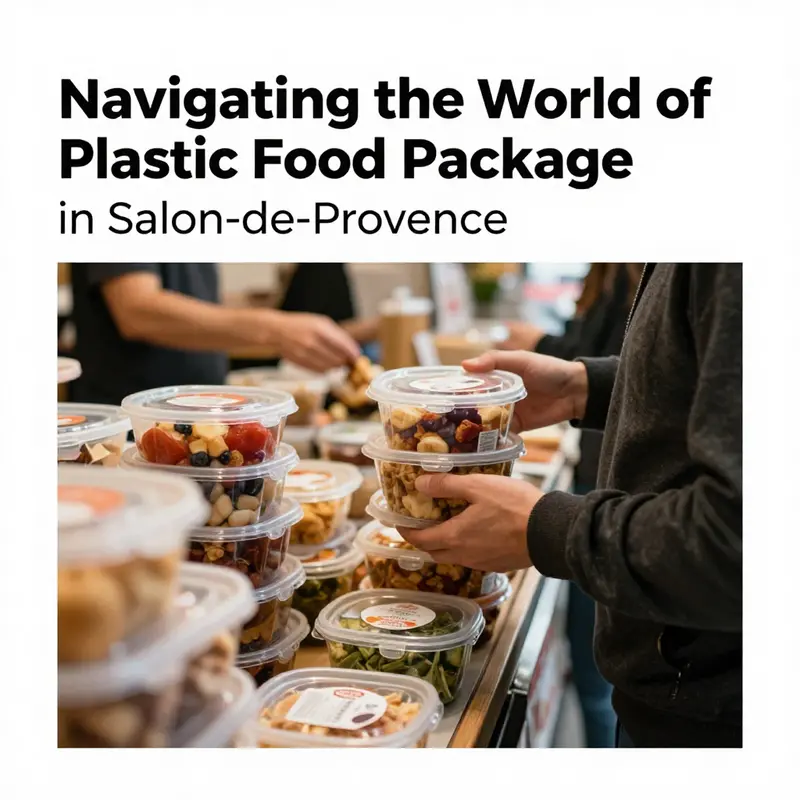
Salon-de-Provence sits at a curious crossroads. Its streets carry centuries of craft, fragrance, and market chatter, while its kitchens and cafés pulse with the brisk tempo of modern delivery culture. In this setting, plastic food containers are not merely wrappers but instruments that shape how people eat, how meals travel, and how brands earn trust. The latest patterns emerging from the area reveal a nuanced convergence of practicality and preference. Local consumers prize convenience and reliability, yet they increasingly demand packaging that aligns with broader concerns about sustainability, hygiene, and aesthetics. This tension is not unique to Salon-de-Provence; it mirrors a global shift. Yet in this Provençal town, the balance is visible in everyday choices, the conversations of restaurateurs, and the visible signs on takeout boxes that travelers and residents alike come to associate with quality service.
At the core of current practice in Salon-de-Provence and its neighboring communities is a material story that has become a de facto standard in many Southern French towns: polypropylene, or PP, dominates the takeout box landscape. Industry analyses from early 2026 indicate that PP-based packaging accounts for roughly six in ten takeout containers in the region, with pockets of higher concentration where delivery and quick-service concepts are common. In some markets beyond the immediate town, the share can climb toward nine in ten. This prevalence speaks to several practical advantages. PP is lightweight, durable, and has solid heat resistance, making it well suited to items that arrive hot or warm, such as soups, stews, curries, or neatly plated plates that people prefer to eat on the go. For hospitality operations that lean on efficient logistics, PP’s reliability translates into lower breakage risk during transit, easier stacking in limited space, and predictable performance from kitchen to doorstep. For consumers, it fortifies confidence that a hot meal will arrive intact and appetizing, a critical factor when a dish travels across town or from a café to a small street-side balcony.
The numbers are more than a snapshot of materials; they hint at expectations. A local delivery rider who has worked through several seasons notes that containers must endure temperature fluctuations, be microwave-safe for easy reheating, and resist grease and moisture without bending or leaking. Those practical demands help explain why baskets and boxes that feel flimsy or that deform under heat are quickly abandoned in favor of sturdier PP options. The market’s price dynamics, echoed in global data, also shape what shops choose to stock. In 2026, for example, the price per unit for standard PP transparent containers varied with order size: around 0.16 USD per piece for orders between 100,000 and roughly 500,000 units, dropping to about 0.145 USD per piece when orders surpassed one million. Dessert or dessert-cup style packaging follows a parallel logic, with bulk pricing encouraging bulk usage in cafés and pastry shops that serve high volumes. Such economics push local operators toward multi-pack purchasing plans that optimize both cost and inventory control, reducing the likelihood of stockouts during peak periods or local market events.
Yet price and performance do not wholly determine choice. A rising thread in Salon-de-Provence is the demand for packaging that signals responsibility and aligns with a growing eco-conscious mindset among diners. The tourist economy in particular reinforces this trend. Visitors who come to enjoy Provençal markets, hillside routes, and seasonal fairs often carry expectations that their dining experiences, including packaging, reflect the region’s reputation for quality and care for the environment. Restaurants and delivery services are responding by layering in recyclable labeling and, in some cases, exploring more sustainable or biobased alternatives where feasible. The conversation around sustainability is not merely aspirational; it is transactional. When a local eatery announces that its containers are recyclable or that a portion of its supply chain prioritizes recycled content, it can reinforce consumer trust and, in a crowded market, differentiate a brand on more than taste and service alone.
Aesthetics and function now walk hand in hand. The contemporary consumer in Salon-de-Provence often encounters packaging that resembles a small, well-designed piece of tableware. The rise of multi-compartment boxes—think Bento-style layouts with clean separators—appeals to health-conscious eaters who value portion control and food categorization. This design trend dovetails with a broader shift toward healthier eating in urban areas: meals that include a balance of main courses, sides, and sauces benefit from clean separation, preserving texture and aroma. For a brand, the packaging becomes part of the dining narrative. A well-considered box communicates care, quality, and attention to detail. It also supports brand storytelling, allowing restaurants to present a coherent image that matches the cuisine, whether it leans toward Mediterranean freshness, rustic Provençal flavors, or modern wellness plates.
Nevertheless, even as designers and restaurateurs imagine greater sophistication, practical concerns keep the conversation grounded. There is persistent awareness that plastic containers, while excellent for one-time use, can trap odors or migrate colorants if reused repeatedly or exposed to high heat for long periods. In households and foodservice settings across Salon-de-Provence, this translates into cautious usage: many customers favor dedicated single-use containers for convenience, while those who practice multi-use habits in homes or event catering often rely on containers that are clearly marked as safe for reheating in microwave ovens and that clean easily without leaving residues. As a result, the local market tends to favor high-quality, one-time-use containers that balance performance with user experience. The aim is to deliver safe, attractive meals that preserve taste and texture without creating burdensome cleanup or disposal challenges.
The tourism dimension adds a seasonal rhythm to these preferences. In high-season months, hotels, bed-and-breakfasts, and tour operators scale up their takeout offerings for guests who prefer to dine in rooms or on terraces. The packaging must be robust enough to survive the logistics of hotel delivery and the varied conditions of outdoor dining setups. This has prompted suppliers to emphasize sealability, leak resistance, and temperature stability, ensuring that soups or gravies do not spill into a suitcase or onto a guest’s clothing. In smaller, artisanal eateries, the packaging demonstrates a different facet of the same requirement: containers must be visually appealing and compatible with limited shelving space in compact kitchens, while also demonstrating a quiet elegance that aligns with the refined atmosphere many visitors seek in Salon-de-Provence. The net effect is a packaging ecosystem that favors versatile, economical, and aesthetically adaptable options, capable of serving both busy street-front takeout windows and quiet, high-end dining experiences.
An observable aspect of this ecosystem is the way local suppliers narrate the packaging’s environmental credentials. Even where PP remains the dominant material, there is a growing preference for containers that are clearly recyclable and, where possible, made with higher recycled content. Labeling that communicates recyclability and compliance with municipal waste streams helps strengthen consumer confidence. In parallel, there is interest in exploring alternative materials that deliver biodegradability or compostability under certain conditions; however, the deployment of such alternatives requires careful alignment with local recycling infrastructures and consumer behavior. In Provence’s climate and urban rhythms, where food rituals are as much about social gathering as sustenance, the packaging must perform consistently while reflecting an ethical stance that resonates with travelers and residents who view responsible consumption as part of the sensory experience of traveling and enjoying cuisine.
The consumer signal is clear: durability, reliability, and heat tolerance remain essential, but consumers now expect packaging to be more than just a barrier. It should be an extension of the dining experience—a clean, attractive, and easy-to-use vessel that respects the meal, the environment, and the brand’s story. This evolving expectation explains the momentum behind design-focused packaging that is still cost-conscious. It also explains why the local market includes conversations about not only what is in the box, but what the box says about the restaurant or café. In practice, this means restaurants increasingly partner with suppliers who can offer a range of PP-based options that combine structure with style, as well as flexible configurations for different dish formats. It is a pragmatic but forward-looking stance that recognizes the town’s identity as a place where beauty and practicality have long coexisted.
To illustrate how suppliers are bridging practicality with growing ecological awareness, some local operators look to examples of available options that emphasize eco-friendly takeout packaging. These choices illustrate a broader ambition: to deliver dependable performance while moving toward materials and practices that reduce environmental impact. For instance, an option described by suppliers emphasizes leak resistance, microwave safety, and the possibility of aluminum-free, recyclable designs that align with waste sorting in many French municipalities. Such options, when adopted thoughtfully, help reduce the perceived ecological footprint of takeout meals without compromising the user experience. In the broader arc of packaging development, this reflects a balancing act: maintaining price competitiveness and performance while appealing to an increasingly informed consumer base.
As a closing reflection, the Salon-de-Provence consumer landscape reveals a local microcosm of global packaging trends. It shows how a town with a strong culinary tradition negotiates modern packaging needs. It demonstrates that while PP-based containers will continue to support the practical demands of fast service and delivery, they will do so in ways that honor the region’s aesthetic standards and commitment to quality. The result is a packaging culture that treats the container not as an afterthought but as a critical component of taste, safety, and experience. For practitioners and researchers, this signals that advances in design, materials, and recycling infrastructure will increasingly cohere around a few guiding principles: simple, sturdy performance; clear communication about recyclability; and packaging that enhances the consumer journey from kitchen to table. In Salon-de-Provence, these principles are not abstract ideas but part of a lived daily practice that shapes how people eat, how they travel, and how they perceive the value of a meal in a place where cuisine and craft meet.
Internal resource for further reading on sustainable packaging options in food service: eco-friendly takeout boxes for food packaging.
External perspective for broader industry context: How changing consumer preferences are influencing plastic packaging trends.
Packaging, People and Place: Navigating Sustainability of Plastic Food Containers in Salon-de-Provence
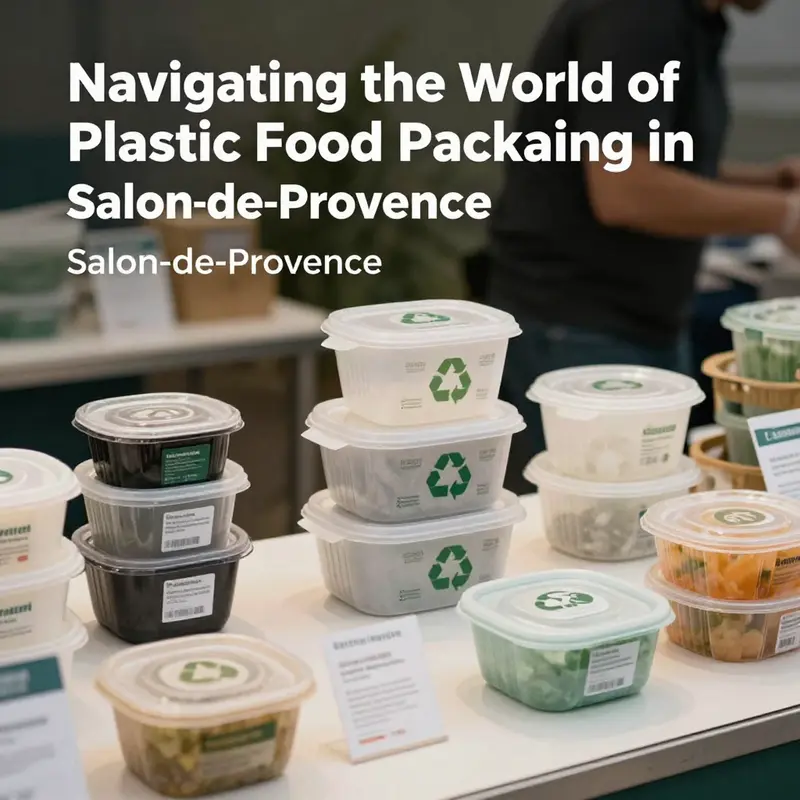
Salon-de-Provence sits where Provençal life meets modern tourism. Hotels prize clear water, neat pools and attentive service. Guests expect quality food, safe storage and convenient takeaway options. Those expectations shape local demand for food packaging. Plastic food containers remain common because they are light, hygienic and inexpensive. Yet lightness alone does not resolve the environmental questions the region faces. A balanced approach must weigh transport savings against end-of-life consequences, microplastic risk and resource depletion.
The environmental footprint of packaging is usually only part of a food product’s life cycle. For many food items, packaging contributes less than ten percent of total life cycle emissions. That statistic can mislead. It does not remove packaging from the conversation. Microplastics released during use and disposal, the energy and resources required for polymer production, and chronic weaknesses in local collection systems amplify plastic’s impact. In a tourist town like Salon-de-Provence, seasonal peaks in consumption intensify waste streams. High turnover at hotels and eateries means more single-use containers in a short period, and municipal services must adapt. This seasonal surge highlights how local infrastructure and visitor behavior matter as much as material choice.
Lightweight plastic reduces shipping mass and lowers transportation emissions. For producers and distributors, that is a genuine advantage. Lighter packaging consumes less fuel during distribution and allows more units per delivery. For local restaurateurs and bakers, thin clear containers make products visible and appealing to guests. However, lighter is not always greener once disposal is considered. Thin multi-layer films and mixed-material containers can be difficult to recycle. When packaging uses different polymers, or when coatings and adhesives prevent clean separation, recycling streams suffer. In Provence, municipalities and regional organizations are investing in circular economy strategies. These initiatives aim to capture more materials, improve sorting and create higher-value secondary markets. Yet success depends on design choices upstream.
Durability, barrier performance and recyclability must be balanced in design. Food safety and shelf life are important for profitability and waste reduction. Packages that prevent spoilage reduce food waste, which often has a larger climate footprint than packaging. At the same time, multilayer barriers, heavy inks and complex closures complicate recycling. Designers in the region are experimenting with solutions that preserve freshness while allowing recovery. Simpler structural designs, reduced color printing and mono-material choices help sorting facilities and recyclers. Clear labeling that communicates material type and local disposal instructions improves consumer behavior. For businesses that prioritize guest experience, minimal yet high-quality printing keeps branding intact without compromising recyclability.
Reusable systems are emerging as a practical route to reduce waste in tourism-driven towns. Reuse shifts environmental burdens from repeated manufacture to repeated use. For a reuse model to work, three elements are required: a robust logistics loop, consumer convenience and economic viability. Hotels and cafés can adopt deposit-return schemes for meal containers or assemble small local networks with partnered takeaways. Decision-support tools guide operators on the break-even points for reuse versus single-use, factoring in cleaning energy, transport, container lifespan and loss rates. When designed carefully, reusable packaging reduces cumulative emissions and waste, particularly in dense service areas where return logistics are efficient. Salon-de-Provence’s compact urban fabric and concentration of hospitality businesses make such schemes more feasible than in sprawling regions.
Beyond reuse, material innovation is an expanding frontier. Biobased polymers, recycled-content plastics and mechanically recyclable mono-polymers are being trialed across Europe. Each option carries trade-offs. Biobased materials reduce reliance on fossil feedstocks but require agricultural inputs and suitable end-of-life pathways. Recycled-content plastics lower virgin polymer demand, but quality and safety standards must be met for food contact. Investment in local sorting and reprocessing facilities makes recycled-content options more attractive. For Salon-de-Provence, regional collaboration could create demand signals that justify such investments. Local procurement policies that favor materials with verified recycled content or reuse-compatible designs help build the supply chain.
Waste management capacity is the linchpin of any packaging strategy. Collection, sorting and reprocessing capabilities determine whether a lightweight plastic advantage translates into genuine environmental benefits. Where recycling infrastructure is weak, plastics often end up incinerated or in landfills, releasing microplastics and locking up resources. Strengthening municipal collection, improving consumer information and expanding sorting centers are all necessary steps. Seasonal visitor flows necessitate flexible service levels. Temporary or mobile collection hubs during peak months can prevent local overflow. Collaboration between municipal authorities and hospitality associations can ensure that hotels and restaurants are integrated into improved collection schemes.
Consumer behavior and trust are central to success. Tourists and residents must be able to distinguish responsibly designed containers from those that are problematic. Simple, consistent labels and staff training in hotels and restaurants help. When a café offers a reusable container, front-of-house staff can explain how to return it. When takeaways provide a mono-material container, a clear icon can instruct users on the correct disposal stream. These small interactions build habits that scale. In a town where hospitality is a core asset, the guest experience can be the engine of behavior change.
Procurement decisions influence the market. Buying at scale remains a powerful lever to improve sustainability. Group purchasing by hotel associations or municipal tenders that require recycled content, minimal coatings and mono-material designs shift supplier practices. Economies of scale matter: bulk orders often reduce unit cost and make higher-quality, recyclable solutions affordable. For smaller operators, cooperative procurement reduces barriers. Transparent criteria in procurement — specifying recyclability, barrier needs and life-cycle thinking — send clear signals to manufacturers.
Design for circularity also includes print and coatings. Excessive gloss, metallic inks or laminated windows hinder recyclability. Using low-impact inks, limiting decoration and opting for design features that do not interfere with recycling help balance aesthetics and performance. Functional coatings that enable longer shelf life should be chosen for compatibility with recycling as well. When barrier performance must be high, suppliers and buyers should evaluate solutions that allow separation or are compatible with prevalent recycling technologies.
Salon-de-Provence is positioned to combine its tourism strengths with smarter packaging practice. Its scale, seasonal rhythms and service orientation create opportunities to pilot reuse systems and to coordinate procurement. Local success requires aligning hospitality, municipal services and suppliers. Small changes in design and purchasing multiply across the town’s hotels and eateries. A practical next step for local operators is to trial reusable containers in a district or to join a pooled procurement initiative for recyclable mono-material packaging. For operators seeking affordable, low-impact disposables, consider alternatives that explicitly advertise recyclability or compostability where municipal collection exists. A promising example of an alternative product line can be found among eco-friendly takeout boxes available to hospitality buyers. For more comprehensive analysis of reusable packaging trends, see the recent review on the sustainability of reusable packaging systems: https://www.sciencedirect.com/science/article/pii/S095671352400879X
Final thoughts
Salon-de-Provence stands at the crossroads of tourism and food service, significantly influencing the demand for plastic food packaging containers. As bubble tea shops and local eateries burgeon, their need for reliable and appealing packaging is undeniable. Coupled with the evolving global market dynamics and consumers’ increasing eco-awareness, it propels a need for sustainable solutions in plastic packaging. Embracing these trends not only meets customer demands but also aligns businesses for future growth. For stakeholders in the food and beverage sector, understanding these connections is essential for thriving in this dynamic environment.