
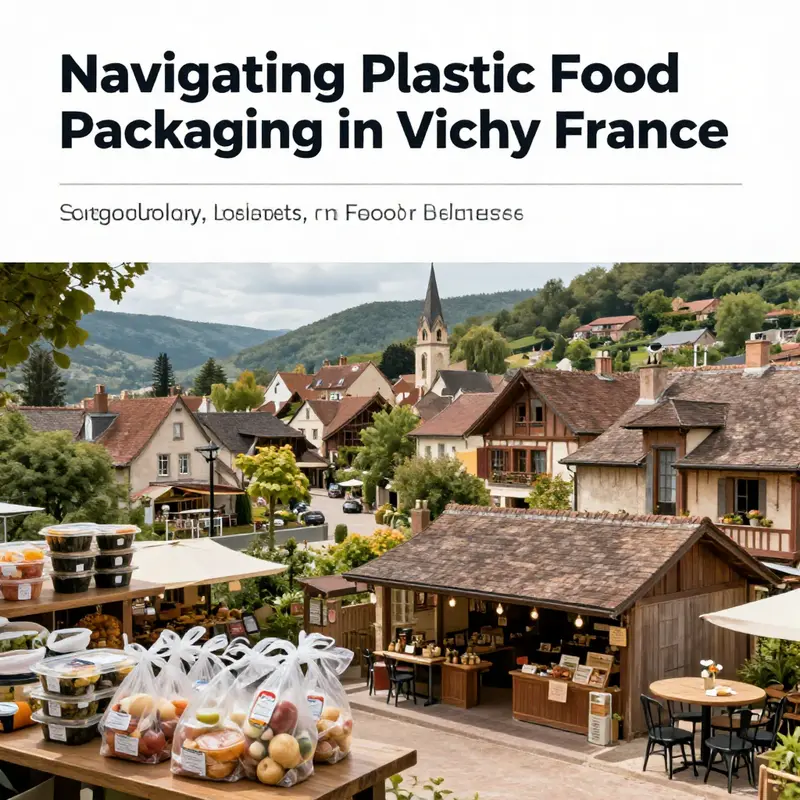
In Vichy, France, the challenge of plastic packaging for food containers shapes the retail and culinary landscape significantly. The demand for reusable, sustainable packaging solutions influences local businesses, from bubble tea shops to catering services. In a world increasingly focused on sustainability, understanding the latest trends, economic factors, and regulatory frameworks surrounding plastic packaging is essential for food establishments. Each chapter will explore how these elements interact to support businesses aiming for responsible packaging solutions that align with modern consumer expectations.
Sustainability and Trends in Plastic Packaging Food Containers in Vichy France
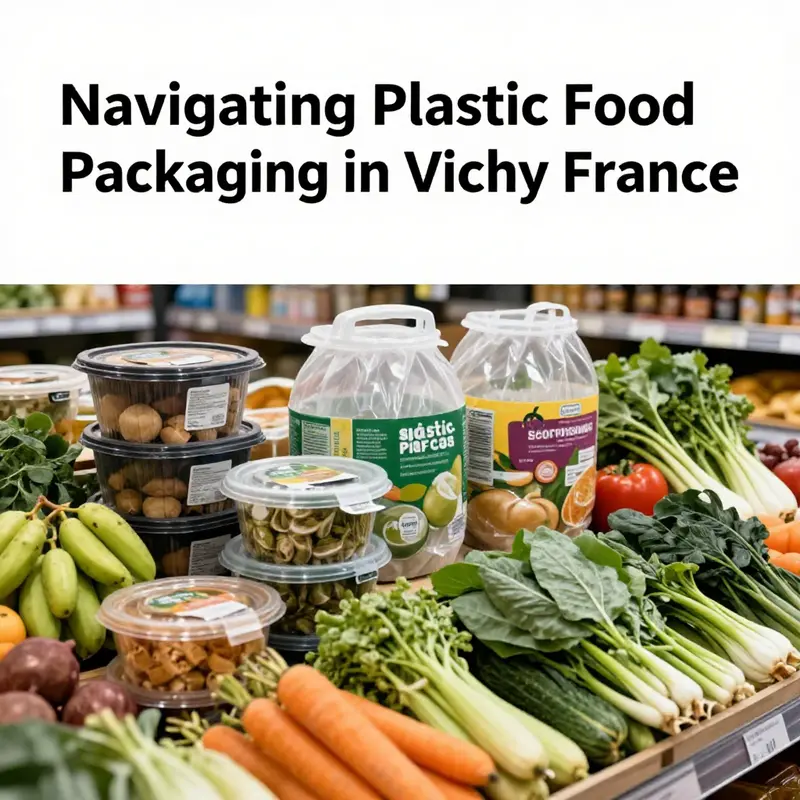
In the absence ofVichy-specific data, this chapter treats plastic packaging for food as a window into broader French and European practice, anchored by the region’s distinctive culinary culture and its role as a spa and tourist destination. The aim is to trace how freshness, convenience, and environmental responsibility converge in packaging choices that would be typical of a city like Vichy, where local markets, gastronomy, and everyday dining intersect with a modern regulatory framework. Although no formal, localized study exists for Vichy on plastic food packaging containers, the prevailing patterns in nearby urban centers, supermarkets, and food processing facilities illuminate the options most likely to be used in the area. The picture that emerges is one of careful balance: containers must protect sensory attributes and safety, remain economically viable for retailers, and align with evolving European and French waste policies that push toward greater recyclability and lower environmental footprints. This balance, in turn, shapes not only the materials themselves but the design, lifecycle management, and even the cultural expectations surrounding packaged food in a city known for its restful ambiance and culinary tradition.
Across France and the European Union, the market for plastic packaging in the food sector has long been dominated by plastic containers that offer a combination of clarity, strength, barrier performance, and cost effectiveness. In practice, the most common formats are transparent or lightly tinted PET (polyethylene terephthalate) and PP (polypropylene) containers that come with secure, resealable lids. These are especially prevalent in retail-prepared fresh-cut produce, bakery items, ready-to-eat meals, and convenience foods that demand hygienic, leak-proof containment and straightforward handling for both staff and customers. In Vichy, which benefits from a steady stream of local shoppers and visiting tourists, the same formats meet practical needs. They enable cold-chain transport for fresh goods, withstand the handling inherent in supermarket aisles and takeaway service, and support quick microwaving or reheating when appropriate. The regional logistics ecosystem—comprising local suppliers, distributors, grocery stores, and restaurants—tends to favor standardized, widely recycled plastics, ensuring compatibility with France’s recycling streams and the broader EU framework. This is not merely about following a rulebook; it is about ensuring that a town famous for its therapeutic waters and elegant cuisine can sustain quality on the shelf and on the plate while reducing waste wherever feasible.
Sustainability movements in packaging have become central to the conversation about plastic in food containers. The shift toward materials and designs that minimize environmental impact is clear, even as plastics continue to hold a dominant market position because of their performance and affordability. The trend toward sustainable materials encompasses a spectrum—biodegradable films, biodegradable coatings on traditional plastics, and even more ambitious futures like edible packaging or bio-based polymers. In practice, the most immediate and scalable options in the French market still rest on improved recycling and the use of recycled-content plastics. High-clarity PET with consistent recyclability, complemented by the inclusion of recycled content, is increasingly common in retail sour-ces and consumer-ready packaging. The aim is to deliver a container that remains hygienic, tamper-evident, and resilient to temperature changes, while also being more amenable to recycling streams that handle post-consumer plastics. The dialogue around recyclability is not merely technical; it is cultural and policy-driven. French consumers increasingly expect packaging to be recyclable, with clear labeling and accessible recycling options—an expectation that translates into packaging that people in Vichy can handle in daily life, particularly given the region’s mix of locals and visitors.
Nanotechnology appears as a technology frontier within packaging development, offering enhancements to barrier properties, mechanical strength, and even the integration of smart features that can help monitor temperature or integrity during transport. In the European context, such advances promise longer shelf life, more reliable seal integrity, and even potential reductions in food waste. Yet the adoption of nanotechnology in consumer-facing packaging remains cautious and gradual, driven by safety assessments, regulatory oversight, and consumer perception. In practice, nanotechnology has not yet become a dominant feature in the everyday containers seen in regional French markets, but it informs ongoing research and product development that could become more visible in the medium term. For a city like Vichy, where tourism amplifies the demand for reliable, attractive packaging, nanotech-enabled materials might translate into slightly thinner films with superior barrier performance or sensors embedded in packaging to indicate spoilage, all while keeping costs manageable for retailers.
Despite these advances, plastics retain a central role. The economic and technical realities of the packaging industry mean plastics are unlikely to disappear from the food container landscape any time soon. A plausible view is that competition will intensify among plastic formats, recycled content, and biodegradable alternatives, with plastics maintaining a leadership position for the foreseeable future due to their low cost, light weight, and versatility. In France and across the EU, policy initiatives are accelerating the transition away from certain single-use plastics, with a focus on recycling infrastructure, product design that eases material separation, and extended producer responsibility that incentivizes manufacturers to take back and recycle packaging at scale. The trajectory is toward packaging systems that minimize waste and environmental impact without sacrificing performance and affordability. In a city like Vichy, the practical upshot is that the packaging used in shops and restaurants will likely emphasize high recyclability, robust sealing, and the ability to withstand both cold storage and microwave reheating, while gradually incorporating recycled content and, where feasible, more sustainable material options within established safety standards for food contact.
A further dimension concerns regulatory alignment and cultural heritage considerations. The European Union has announced ambitious goals to phase out many single-use plastics by 2030, accompanied by stricter standards for food-contact materials, labeling, and end-of-life management. In practice, this means that many packaging designs will transition to formats that are easier to sort, collect, and reprocess. There is also recognition that some foods carry cultural significance, and packaging for these products may enjoy exemptions or longer transition periods when claims of cultural heritage are used to justify preservation of traditional packaging practices. While such exemptions are not typically tied to everyday items like bottled water or generic takeout containers, they illustrate the EU’s nuanced approach to balancing environmental objectives with regional culinary traditions. In a place like Vichy, this mix translates into packaging choices that respect heritage foods while remaining aligned with modern waste management expectations and environmental targets. The result is a packaging environment that prioritizes clarity, safety, and reusability, with a continuous push toward higher recycled content and improved recyclability of PET and PP containers that dominate the market today.
Within the local context of Vichy, the geographic and sociocultural landscape also matters. The town’s economy benefits from tourism, spa culture, and a steady stream of residents and visitors who shop at markets, bakeries, cafés, and grocery stores. Packaging decisions are influenced by this mix. Containers must support quick and efficient service for takeaway meals and ready-to-eat items, while also being suitable for display in refrigerated cases and, in some contexts, for microwaving. The supply chain in and around Vichy tends to rely on regional suppliers and national distributors that stock standard container formats designed for broad compatibility with French recycling streams. This compatibility reduces the risk of contamination and ensures smoother processing at material recovery facilities. At the consumer level, awareness and participation in recycling programs are crucial. When residents and visitors separate plastics, glass, metal, and paper correctly, the end-of-life outcomes for PET and PP containers improve dramatically, supporting a circular economy not just in the metropolis but in smaller towns and spa towns where an influx of visitors can otherwise complicate waste management logistics.
The design and functionality of typical French plastic food containers further illustrate the convergence of practicality and policy. Today’s common containers are shaped for stackability to optimize shelf space and transport efficiency. They feature resealable lids that protect freshness without needing additional wrapping, a boon for both retailers and consumers who want to minimize waste. Clarity remains a major advantage; the ability to see the product—particularly for fresh produce and bakery items—supports consumer confidence and reduces the likelihood of repackaging or discard. For hot foods, heat resistance and leak prevention are important; the materials are engineered to perform reliably in refrigerated displays and during short microwave heating, if permitted by the lid and film configuration. The lids themselves often include snap-fit mechanisms and tamper-evident indicators, which bolster perceived and actual safety for food contact materials. In terms of environmental design, many containers now prioritize compatibility with established recycling streams and minimize the use of extra additives that could complicate sorting or recovery.
To connect the broader discussion to practical contexts in Vichy, consider how a regional retailer or restaurant might select packaging for a typical weekly assortment. A store that features prepackaged fresh fruit and vegetables will favor PET containers with reliable seals and removable lids that tolerate cold storage and brief exposure to ambient conditions during display and customer handling. A bakery section will often rely on clear PP or PET containers with windowed designs to showcase baked goods while providing barriers against moisture. Ready-to-eat meals and sandwiches require leak-resistant, microwavable options with clear labeling about reheating directions and allergen information. All these formats align with the broader market push toward recyclable PET and PP, with an increasing share of recycled content integrated into the resin mix to meet environmental targets and consumer expectations. The overarching aim in Vichy mirrors the wider French market: to preserve product integrity, minimize waste, and support recycling ecosystems that keep packaging materials circulating in use rather than ending up in landfills.
A nuanced aspect of the current landscape is the possibility that some traditional or culturally significant foods may be packaged in ways that retain cultural meaning while gradually adapting to modern environmental standards. The EU recognizes that certain regional packaging practices exist for heritage foods and that modernization efforts must consider these practices. In Vichy, this dynamic might influence packaging choices for specific regional delicacies, where the goal is to protect authenticity without compromising the drive toward recyclability and waste reduction. This balancing act underscores a broader strategic view: packaging design should enable efficient handling, support local commerce, and be compatible with high-performing recycling systems, all while respecting local food traditions and user expectations.
In thinking about the future trajectory for Vichy’s plastic food containers, several themes emerge. Education and consumer behavior are central; residents and visitors alike are increasingly aware of packaging waste and its environmental consequences. Local authorities can reinforce this awareness by making recycling rules clear, improving accessibility to recycling drop-off points, and supporting circular economy initiatives that reward return or reuse of packaging where feasible. Policy instruments, such as extended producer responsibility, are designed to shift some of the costs and responsibilities for packaging waste back to producers, encouraging design for recyclability, warning labels, and clearer instructions for disposal. For a city like Vichy, aligning local practices with national and European directives will be essential to ensure that the packaging ecosystem remains resilient as the supply chain evolves and new materials and technologies come to market.
An ongoing question is how far the market will go in integrating alternative materials without sacrificing performance or price. Biodegradable and compostable films and coatings offer potential close to term, particularly for items with short shelf life or those destined for in-store consumption. Yet these materials must contend with well-established recycling streams and consumer confusion about disposal pathways. In practice, a measured approach seems likely: plastics will remain the backbone for most containers in the short to medium term, with incremental adoption of sustainable materials where they meet stringent performance criteria and regulatory acceptance. The trend toward higher recycled content is one of the most tangible and scalable vectors of change. It supports a circular approach to resource use and can reduce the environmental footprint of packaging without requiring a wholesale replacement of established supply chains. For Vichy, this translates into packaging that is clearly labeled for recycling, designed for easy material recovery, and compatible with the local and regional waste infrastructure.
The narrative above weaves together available global trends, French and EU policy signals, and the practical realities of food retail, hospitality, and daily life in a city like Vichy. It is not a map of a single product or a single brand. Instead, it is a portrait of the material, design, and regulatory forces that shape how packaging supports freshness, safety, and convenience while steering toward a more sustainable system. The result is a packaging landscape in which high transparency, ease of disposal, and design for recyclability converge with the needs of busy retailers and the preferences of diners who value quality and responsible consumption. In the end, the Vichy region—with its blend of spa culture, seasonal tourism, and strong local markets—will likely continue to favor PET and PP containers that are widely recyclable, easily sealable, and adaptable to both cold and warm service. It is a practical, incremental path that respects heritage foods and culinary sensibilities while embracing the policy-driven momentum toward a circular economy in which plastic packaging remains a tool for modern life, not a problem to be endured.
For readers seeking concrete illustrations of how these tendencies translate into real-world packaging choices in a fast-paced service environment, consider how a takeaway operation might optimize its packaging mix to balance safety, cost, and sustainability. A typical approach would be to couple clear, sealable PET or PP containers for fresh and prepared foods with recyclable lids and labeling that streamlines sorting at end of life. The goal is to minimize waste while maximizing efficiency and customer satisfaction, a balance that is particularly important in a town that thrives on both daily markets and weekend visitors. When considering suppliers or design options, the choice of containers with high recyclability and compatibility with local recycling streams becomes as important as the hold time, temperature resilience, and usability of the container itself. In short, the packaging choices in Vichy are likely to reflect a pragmatic embrace of recyclable PET and PP, prudent use of recycled content, and an ongoing exploration of advanced materials that improve barrier properties without driving up cost or complicating waste management.
External resource for further reading: https://ec.europa.eu/environment/waste/plastics
Internal reference for related packaging formats: take-away food packaging boxes for fast-food
Shaping a Circular Platter: The Economic Currents of Plastic Packaging for Food in Vichy, France
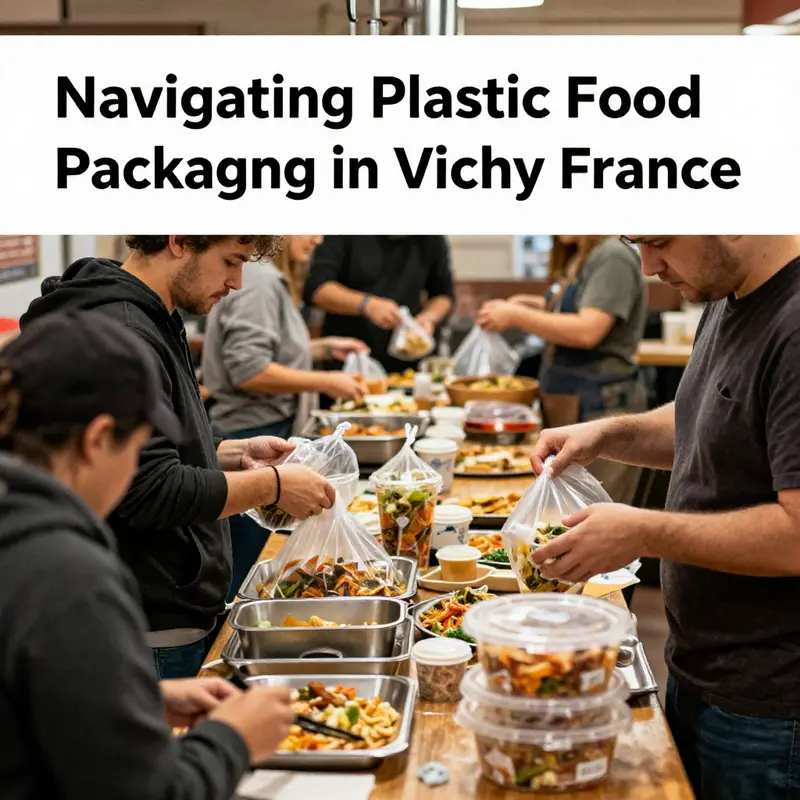
Vichy sits in the heart of France as a town famous for its mineral waters and therapeutic traditions, a place where health and leisure mingle with a well-developed hospitality economy. Yet the same landscape of cafes, markets, and bistros that makes the region a living heritage also embodies the pressures of modern packaging systems. The plastic packaging used for food containers in this context is not merely a matter of convenience; it is a hinge upon which the local economy rocks between legacy practices and a rapidly changing regulatory and environmental horizon. The economic implications hinge on a broad shifting value chain, where producers, retailers, and service providers must recalibrate their cost structures, capital investments, and strategic purposes in ways that align with Europe-wide ambitions to reduce waste, improve recycling rates, and ultimately move toward a circular economy. In Vichy, as in many parts of France, the conversation is framed by a dual reality: on one side, the essential need to preserve freshness, enable cold chain logistics, and ensure consumer convenience in a hospitality and food retail environment; on the other, the imperative to minimize environmental impact and to maximize the recoverability of materials at the end of their life. The tension between these aims has generated a set of economic consequences that ripple through every layer of the packaging ecosystem, from the factory floor to the shop shelf, from the municipal waste stream to the consumer’s kitchen cabinet. To understand the economic currents at work, it helps to situate Vichy within the broader policy and market dynamics that are shaping packaging choices across France and the European Union. The European policy trajectory is clear in its emphasis on replacing disposable plastic packaging with more sustainable alternatives, and on raising recycling performance to levels that will support a more resource-efficient economy. By 2030, there are plans to ban single-use plastic packaging for fruits, vegetables, and takeout condiments, a rule that will push a large share of the food packaging market toward returnable and recyclable designs. A parallel set of targets has been introduced for plastics bottles and jars, with a requirement to achieve high recycling rates by 2029. These regulatory levers do not simply press a button that stops the use of plastic; they create a need to reengineer the cost structure of packaging, the pricing models of products, and the strategic allocation of capital across a regional economy that includes mineral water producers, dairy and cheese value chains, bakery and pastry suppliers, and the many small and medium enterprises that serve local retailers and food service operators. In Vichy, the mineral water industry is particularly illustrative because water packaging has long been a core element of the regional economy and culture. The shift toward high-quality, recyclable, and reusable packaging materials for water and beverages implies that local processors and distributors must invest in new lines, new molds, or new supply arrangements that permit easier recycling, higher material retention, and reduced environmental footprints. The capital expenditure required to transition from legacy plastics to next-generation packaging can be substantial in the short term. Plant upgrades, investment in automated sorting and testing, and the adoption of more easily recyclable materials such as PET and PP packaging all demand upfront outlays. Yet these outlays carry longer-term benefits: improved product safety, better storage efficiency, and, crucially, a more resilient supply chain capable of withstanding material shortages and evolving regulatory constraints. In the short run, firms in Vichy and its supply chains may experience higher per-unit packaging costs as they adapt to the new materials and processes. The cost increase may be amplified for small and mid-sized operators that lack the scale to negotiate favorable terms for new equipment, implement retrofits, or secure favorable financing. The immediate effect is a squeeze on margins in a highly competitive retail environment where price sensitivity is strong and consumer expectations for value remain high. However, this cost dynamic can be tempered through several channels. First, the adoption of reusable or returnable packaging systems, where feasible, can spread the cost across multiple reuse cycles, thereby lowering the per-use expense over time and stabilizing prices. Second, the shift toward recyclable packaging improves compatibility with existing municipal and regional waste management infrastructure, reducing disposal costs and easing regulatory compliance burdens. Third, the emergence of deposit return schemes and container take-back mechanisms can unlock new revenue streams and create a financial incentive for retailers and manufacturers to invest in durable, easily recyclable designs. In the long run, these changes can reduce life-cycle costs and promote more predictable, sustainable pricing for consumers who value both convenience and environmental responsibility. The economic calculations that underlie these transitions require robust modeling that captures multiple moving parts: upfront capital expenditure, depreciation schedules, changes in throughput and cold chain losses, anticipated recycling yield, and the potential for revenue streams from remanufacturing or remanufactured packaging. Analysts note that the financial attractiveness of packaging transitions often hinges on the design of the business model as much as the material choice. Packaging as a Service concepts, where a supplier retains ownership of the container and handles return, cleaning, and refilling, can transform capex into Opex, smoothing cash flow and aligning incentives toward durability and reuse. In a town like Vichy, this approach may be particularly apt for the hospitality sector, where hotels, cafés, and event venues require reliable and hygienic containers for takeout meals and catering, while seeking to minimize waste and comply with strict sanitation standards. The economic logic thus favors packaging systems that offer durability, leak resistance, temperature tolerance, and the ability to be reused many times without compromising safety or performance. When such packaging is paired with efficient logistics and well-designed collection points, the incremental costs of adopting high-quality, recyclable designs can be offset by savings in waste management, improved product shelf life, and the ability to appeal to a growing segment of consumers who are willing to pay a premium for sustainable packaging. Yet the path to these outcomes is not uniform. Local dynamics—such as the presence or absence of a robust recycling infrastructure, the availability of financing, the strength of the hospitality sector, and the pace at which regional retailers consolidate their supply chains—will shape how quickly and how deeply changes unfold in Vichy. The fact that packaging is embedded in the fabric of daily life in this region means that even modest improvements in material efficiency can yield outsized economic gains when implemented at scale. A central challenge is to balance the needs of food safety, consumer convenience, and environmental performance within the budget constraints of local firms that serve both small shops and larger chain outlets. The materials themselves matter. PET and PP remain widely used because they combine clarity, strength, and relatively favorable recycling characteristics with the ability to withstand cold-chain temperatures and, in some cases, microwave exposure. The move away from more problematic plastics toward materials designed for recyclability or reuse reduces the risk of product recalls or contamination incidents that can be costly for suppliers and retailers. In addition to material choices, packaging design can unlock savings by reducing weight and improving stacking efficiency, thereby lowering transportation costs and energy use. This is especially relevant in the context of Vichy’s regional distribution network, where goods move through a combination of road transport and, in some cases, short-distance rail connections. A more compact packaging footprint translates into more efficient loading, lower fuel consumption, and reduced greenhouse gas emissions—benefits that can translate into lower operating costs and improved corporate reputation for local firms and their customers. The dialogue around packaging in Vichy also intersects with cultural and heritage considerations, a cornerstone of regional identity that has real economic resonance. France, and by extension its regions, often recognizes that packaging choices must be compatible with the country’s culinary and artisanal traditions. This nuance has concrete implications for the kinds of containers used for local cheeses, baked goods, or ready-to-eat products; while disposables remain prevalent, the policy environment is mindful of cultural products with packaging formats that have historical legitimacy. The exemption logic seen in European policy, applied to select cultural heritage products such as certain wooden packaging for traditional cheeses, signals a broader willingness to balance environmental targets with regional economic realities. Although that specific exemption does not automatically apply to every local food item in Vichy, it demonstrates that policymakers may tolerate gradual transitions and pilot programs that preserve traditional methods while steering others toward more sustainable options. In practical terms, the economic arc for Vichy is likely to include pilot projects that test reusable packaging systems for certain categories, such as catering containers or takeout boxes, paired with deposit-return mechanisms and centralized cleaning facilities. These pilots can illuminate cost curves, identify operational bottlenecks, and demonstrate the total cost of ownership for different packaging strategies. If successful, they can be scaled to broader product categories, with spillover effects across the region. The potential job creation associated with this transition should not be underestimated. Expanding recycling capacity, establishing depots and return points, and building the logistics for a circular packaging system all demand labor, from operators in sorting facilities to technicians who maintain and retrofit equipment, to analysts who model performance and optimize flows. In addition, there is demand for design and market research expertise to ensure that new packaging formats are aesthetically suitable for local brands while meeting regulatory requirements and consumer expectations. The economic story thus extends beyond the balance sheet; it touches the labor market, education and training, and the capacity of local firms to adapt to evolving standards. The question for Vichy is not whether to pursue a more circular packaging system, but how quickly and with what sequencing. Given the tight margins in hospitality and retail, a phased approach that couples regulatory compliance with efficiency gains can offer the most prudent path forward. A possible route begins with mandated recycling improvements and extended producer responsibility, followed by incentives for reusable packaging, and then the establishment of deposit return schemes that are well-integrated with municipal waste management. It is also important to recognize that cultural and regional identity can become a selling point in the transition. The town’s status as a health and leisure center can be complemented by a packaging narrative that emphasizes purity, recyclability, and local stewardship. Such a narrative can resonate with visitors and residents who appreciate sustainable practices as part of the overall quality of life. In this sense, packaging shifts in Vichy are not just compliance measures; they are part of a broader economic modernization that preserves the town’s appeal while reducing environmental impact. The practical questions remain at the level of supply chain configuration. Local packaging suppliers will need to decide whether to invest in lighter, more transparent PET or to diversify into recyclable PP designs and, where viable, into reusable packaging. Retailers and food service operators will need to adapt procurement practices, revise supplier contracts, and redesign display and storage workflows to accommodate new packaging ecosystems. The revenue implications for local manufacturers depend on demand volumes, the elasticity of consumer demand for sustainable packaging, and the ability of producers to pass through part of the incremental costs to customers who value sustainability. The demand side is not static; it evolves with consumer awareness, brand differentiation, and the availability of affordable, convenient alternatives. In the long run, the regional economy of Vichy may see a shift toward packaging that not only protects and preserves food but also actively contributes to a circular system where containers are designed for reuse, materials are recovered at high rates, and energy and resource use are minimized. The path is not without risk. The cost of transformation could deter some players if no supportive financing, subsidies, or market demand materialsize to offset initial outlays. Yet there is reason to be optimistic. When packaging design aligns with the goals of recyclability and reuse, the total cost of ownership can decline as processes become more efficient and recycling streams mature. Moreover, as the regulatory framework becomes more granular, companies that build early capabilities in material science, lifecycle assessment, and digital traceability will gain a competitive edge. They will be able to provide evidence of environmental performance, satisfy increasingly strict procurement criteria, and secure long-term contracts with retailers and hospitality operators that are keen to demonstrate responsible practices to customers. The question that remains for Vichy is how to translate these macro-level trends into concrete, locally relevant strategies. The region can leverage its existing strengths in tourism, culinary heritage, and healthcare-oriented wellness to cultivate a brand around sustainable packaging. This branding can be integrated into visitor experiences, educational programs, and partnerships with local suppliers that showcase the lifecycle of packaging—from material sourcing through collection, cleaning, and reuse. To bring this vision to life, collaboration across the value chain is essential. Industry associations, municipal administrations, educational institutions, and private firms must align on common standards for material choice, labeling, and performance metrics. Shared data on recycling yields, waste diversion rates, and the environmental footprint of different packaging configurations can inform decision-making and reduce uncertainty for capital investments. The integration of digital tracking can further enhance efficiency and accountability. With standardized barcodes or digital IDs, it becomes possible to monitor container flows, ensure hygiene compliance, and quantify the environmental benefits of each packaging option. In towns like Vichy, where the economic fabric includes small-scale operators as well as larger purchasers, the design of policy instruments should be mindful of the distributional effects. Financial incentives, targeted subsidies for capital equipment, and technical assistance for SMEs can soften the burden of transition and accelerate learning. In addition, public-private partnerships can catalyze the development of local recycling and remanufacturing facilities that strengthen regional supply security and reduce transport emissions associated with packaging waste. The broader European context matters as well. The push toward higher recycling rates and the phasing out of disposable plastics aligns with a global movement toward more responsible consumption patterns. Even as cultural exemptions are negotiated, and as transitional arrangements are tested, the overarching aim remains clear: to reduce waste, lower energy use, and create more value from the same materials. For Vichy, this means a future in which plastic packaging for food containers is not simply an input to sale but a strategic asset that communicates quality, safety, and stewardship. It is a future in which municipal waste systems, packaging manufacturers, hospitality operators, and consumers share in the value created by durable, recyclable, and reusable solutions. The economics of this shift will continue to unfold over years, not quarters. Producers will refine their cost models, retailers will adjust their pricing and promotion strategies, and policymakers will refine instruments that balance incentives with enforceable standards. In the end, the success of the transition in Vichy will hinge on whether economic benefits can be demonstrated clearly to business owners, workers, and consumers, and whether the packaging systems adopted are resilient enough to withstand evolving market conditions. The local story will accumulate into a regional narrative about responsibility, opportunity, and adaptability—an example of how a town known for therapeutic springs and refined culture can also become a beacon for sustainable packaging in food containers across a modern French economy. In light of these considerations, stakeholders might explore avenues such as pilot programs that integrate reusable packaging for takeout and catering, paired with centralized cleaning infrastructure and consumer incentives. Such pilots, if well designed, can reveal tangible reductions in waste, improved material recovery, and a clearer picture of the trade-offs between upfront costs and long-run savings. For those seeking concrete references to broader policy frameworks, the EU’s plastics regulation and waste management guidance provide a foundational backdrop for the regulatory expectations driving these economic decisions. See the EU’s official resources for context on timeline and targets related to plastics and waste management. To locate practical examples of how packaging systems are evolving in similar regional contexts, one can consult industry resources that discuss takeout packaging and food container formats in sustainable and cost-conscious terms, including materials that are widely recognized for recyclability and reuse. For a sense of how packaging innovations are presented in industry-focused discussions, consider examining examples of eco-friendly takeout boxes for food packaging as a reference point for durability, leakage resistance, and user acceptance. This line of inquiry helps frame a more granular understanding of what practical, scalable advancements might look like in a town like Vichy, where tradition meets the demands of a modern, resource-conscious economy. As policy and market forces continue to push toward greater circularity, the economic narrative in Vichy is likely to revolve around a few recurring themes: the alignment of capital expenditure with long-term savings, the creation of new service-oriented business models that monetize reuse rather than one-off sales, and the development of regional capabilities that keep waste management and material recovery within the local economy. In this sense, plastic packaging for food in Vichy is not just a tool of daily operation; it is a core component of a broader economic strategy designed to protect the town’s heritage while building resilience for a sustainable future. External reference: https://ec.europa.eu/environment/waste/plastics/index_en.htm
From EU Policy to Local Practice: Navigating Plastic Food Packaging in Vichy’s Retail and Kitchens
Vichy, with its storied spa town charm and modern French retail landscape, offers a revealing lens on how global regulatory momentum meets local supply chains and consumer expectations. The city’s grocery shelves, bakery windows, and restaurant takeout counters echo a wider European shift: packaging must protect food, enable efficient logistics, and align with increasingly stringent rules aimed at reducing plastic waste. In this sense, Vichy functions not as a solitary case but as a microcosm of how EU policy, national legislation, and municipal initiatives cascade into the daily decisions of producers, retailers, and diners. To understand the regulatory framework surrounding plastic packaging food containers in Vichy is to trace a thread that begins in the European Union and ends in the counters and kitchens of a historic spa town, where efficiency and heritage are constantly negotiating space with sustainability targets.
The European Union has established a comprehensive policy architecture designed to curb plastic pollution while safeguarding public health and ensuring food safety. At its core lies the Single-Use Plastics Directive, adopted in 2019, which targets a subset of disposable items and sets ambitious reduction goals for others, particularly packaging used for food and beverages. The directive shifts some responsibility onto producers through extended producer responsibility schemes and compels member states to deploy national measures that collectively reduce the volume and environmental impact of plastic packaging. In practice, this means that items once treated as routine, single-use fasteners in the supply chain—lids, wrappers, and clear clamshells—are now scrutinized for end-of-life performance, recyclability, and the potential for redesign to minimize waste. For a city like Vichy, the directive signals a shift in procurement practices, supplier specifications, and consumer messaging alike. It also functions as a reminder that regulatory pressure is not merely about compliance; it is a prompt to innovate around packaging that supports cold chain integrity, product visibility, and user convenience without compromising environmental goals.
France translates this EU framework into national law through the Anti-Waste and Circular Economy Act, known by its French acronym AGEC, enacted in 2020. AGEC outlines explicit targets for reducing plastic use and increasing the share of recyclable or reusable packaging. A landmark objective within the act is the progression toward phasing out non-recyclable or non-compostable plastic packaging for food products by 2025. In the context of Vichy’s retail and hospitality sectors, this means a clear timeline for phasing out certain packaging formats, investing in better separation at source, and encouraging the adoption of reusable or refillable solutions where feasible. The law also pushes for greater transparency in packaging design, urging manufacturers to consider the entire lifecycle—from material selection to end-of-life pathways—early in product development. Retailers and food service operators in Vichy thus face a dual mandate: keep packaging that preserves food quality and safety, while aligning with Belgium and other neighboring regions’ cross-border trade realities and with broader EU goals for a circular economy.
A parallel framework that governs all plastics in contact with food across the EU—ensuring safety and preventing harmful substance migration into food—comes from the Food Contact Materials Regulation, EC No 1935/2004. This regulation remains a cornerstone of how plastics used for containers, trays, and films are evaluated. It requires that materials and articles intended to come into contact with food do not release substances in quantities that could endanger human health. In practical terms for Vichy’s manufacturers and packagers, this means meticulous compliance during formulation, gating of additives, and rigorous testing for compatibility with specific food types, temperatures, and storage conditions. The regulation also requires that downstream users of packaging, including repackagers and brand owners, document compliance across the supply chain. For small local producers who may fill niche roles in Vichy’s food system, the regulation underscores the need for reliable supplier data, robust quality assurance, and ongoing vigilance as new materials and processing methods emerge.
Beyond the overarching EU and national rules, local initiatives in Vichy reinforce the direction set by higher authorities while tailoring solutions to the city’s unique consumption patterns and urban infrastructure. Municipal campaigns that promote refill stations and increased public awareness about sorting and recycling help translate the abstract goals of the AGEC law into concrete everyday actions. While Vichy is not a capital city, its local government and partner organizations contribute to a culture that values reuse, recyclability, and practical alternatives to single-use packaging. These efforts may include pilots that test reusables in casual dining or takeout contexts, as well as collaboration with retailers to optimize packaging choices for shelf life, transport efficiency, and consumer experience. The net effect is a layered governance structure in which EU directives, national statutes, and local programs reinforce one another, creating a predictable regulatory environment for packaging while allowing space for creativity in design and logistics.
With regulation as the backbone, the material choices that define plastic containers in Vichy lean heavily on recyclability and durability. In today’s market, food-grade plastics such as certain polyesters and polypropylenes offer the balance of clarity, strength, and barrier properties necessary for fresh-cut produce, ready meals, baked goods, and ready-to-heat meals. The emphasis on high transparency, reusability, and re-sealability reflects a broader shift toward consumer-friendly packaging that can be reused or recycled after use. In the supermarket aisles and street-front cafés of Vichy, shoppers increasingly expect packaging that remains visually appealing while signaling environmental responsibility. The practical implication for suppliers and manufacturers is clear: design packaging that is not only safe and compliant but also optimized for recycling streams and feasible end-of-life processing within France’s and Europe’s waste-management networks.
The interplay between policy, practice, and public perception becomes even more nuanced when we consider the tension between modernization and tradition. In parts of Europe, certain cultural heritage-inspired packaging formats have carved out space, sometimes through exemptions intended to protect regional foods and artisanal practices. While it would be inaccurate to imply a direct, exclusive link to any single product in Vichy, the broader European tolerance for preserving heritage packaging illustrates how regulatory bodies weigh cultural significance against environmental imperatives. In Vichy’s context, the absence of a specific local label for plastic packaging does not mean immunity from the rules; rather, it indicates adherence to a unified standard that applies across France and the EU. Yet the possibility of cultural exemptions in policy design hints at the ongoing negotiation between preserving local identity and pursuing aggressive waste reduction, a negotiation that is very much alive in Vichy’s municipal debates and pragmatic procurement decisions.
From a practical standpoint, compliance in Vichy translates into several concrete steps. First, packaging typologies are increasingly chosen for their recyclability profile. Rigid, recyclable plastics such as PET and certain grades of PP are favored for their clarity, sealability, and compatibility with cold-chain logistics. The ability to preserve freshness while preventing leakage during transport is non-negotiable for both supermarkets and foodservice operators. The second step centers on design for recycling: reducing the variety of polymers used in a single product, simplifying resin codes where possible, and ensuring that labels and inks do not hinder recyclability. Third, the extended producer responsibility principle means that producers, retailers, and even waste-management partners in Vichy are aligned on who bears the financial and logistical burden of post-consumption packaging. This alignment fosters collaboration across the supply chain to optimize sorting, collection, and reprocessing, thereby improving the overall life cycle performance of the packaging materials used in the local economy.
In practice, these regulatory forces imply a shift in how product developers and packagers approach containment, portioning, and branding. The modern, compliant container in Vichy often features a clear, resealable lid that preserves product quality while enabling repeat use. The emphasis on resealability aligns with consumer expectations for portion-control and convenience, particularly in fresh-produce sections, deli counters, and ready-meal kiosks located along the town’s pedestrian streets and market squares. For bakery items and pastries that rely on display freshness, packaging must balance visibility with barrier properties to minimize staling and contamination. The resulting packaging ecosystem is a web of materials and configurations designed to meet safety standards, withstand storage and transport conditions, and be compatible with France’s widely implemented sorting and recycling streams. In this environment, even modest design choices—such as the choice between a transparent tray versus a foil or paper alternative, or the adoption of a re-closeable container—carry implications for compliance, cost, and consumer acceptance.
Another dimension worth highlighting is how consumer education and labeling intersect with regulation. In Vichy and throughout France, informing consumers about proper disposal and sorting enhances the effectiveness of waste-management systems. Packaging that clearly communicates recyclability, compostability, or reuse potential can improve participation rates in municipal recycling programs. Conversely, confusing or misleading labels can undermine the entire regulatory objective by driving contamination and reducing the value of recycled material streams. Consequently, packaging developers in Vichy pay close attention to standardized labeling practices and the harmonization efforts that ensure consistency across retailers, markets, and neighborhoods. This attention to clarity benefits not only regulatory compliance but also customer trust, as shoppers increasingly demand transparency about the environmental footprint of the products they purchase.
A final thread in this regulatory tapestry concerns future-proofing packaging strategies. The EU and France are signaling long-term shifts toward more sustainable design principles, including lighter-weight containers, increased reuse, and the exploration of biobased or compostable alternatives where appropriate. For Vichy’s local businesses, this means readiness to adopt pilot programs, adjust procurement frameworks, and reconfigure supply chains as new material classes and end-of-life technologies mature. It also invites a broader conversation about how small cities can contribute to national and EU goals without sacrificing the reliability of food supply, the speed of service, or the quality of consumer experience. In this sense, regulatory compliance is not only a compliance box to tick but a catalyst for innovation that can differentiate Vichy’s culinary and retail scenes in a crowded European market.
To illustrate how an integrated packaging strategy operates in the real world, consider the continuum from material selection to consumer use and end-of-life processing. A typical, compliant packaging solution in Vichy will begin with a food-grade polymer selected for its barrier performance and recyclability. It will feature a sealing mechanism to protect product integrity during transport and storage, while allowing for safe reheating in appropriate conditions. The labeling will minimize confusion and maximize recyclability, with clear cues about whether the container should be placed in curbside recycling or other streams. After consumption, the packaging is disposed of, collected by municipal networks, and processed through recycling facilities designed to recover the polymer and, when possible, its additives. Throughout this loop, regulatory constraints function as guardrails that keep safety and environmental performance in focus, while market demands push continuous improvement. The result is a packaging ecosystem in which compliance and competitiveness reinforce one another rather than compete for attention.
The landscape in Vichy also gestures toward a broader regional and global context. While the city follows France’s AGEC targets, it also participates in cross-border supply chains and shopping patterns that require a harmonized approach to packaging standards and waste management. The EU’s policy instruments are designed to be interoperable across member states, enabling retailers and manufacturers in Vichy to source materials and equipment with confidence that they will be eligible for recycling streams elsewhere in the union. This harmonization reduces the friction and costs that could otherwise hinder the adoption of more sustainable packaging solutions. At the same time, local initiatives that emphasize refill options, community education, and convenient sorting infrastructure create a practical on-the-ground environment in which the theoretical benefits of regulation can be realized by everyday users. In this way, policy, business, and citizens co-create a packaging system in Vichy that prioritizes safety, efficiency, and environmental stewardship while respecting local tastes and traditions.
The chapter’s narrative would be incomplete without acknowledging the real-world choices that this regulatory framework engenders. In the market, container formats are increasingly designed to be compatible with universal recycling streams. Clear, rigid containers with secure seals can be favored for their reliability across cold-chain scenarios and their compatibility with automated sorting technologies. Reusable options, where feasible, are gradually gaining traction in urban contexts that can support return or refill schemes. Yet the transition is not universal, and providers in Vichy must navigate practical limits such as the cost of switching materials, the availability of recycling capacity, and the reliability of supply chains across the region. The result is a shared responsibility among manufacturers, retailers, municipal authorities, and consumers. Each stakeholder contributes to a system that values safety and freshness while moving steadily toward higher recyclability, greater reuse, and more transparent communication about the end-of-life fate of packaging.
For readers seeking tangible connections to this regulatory milieu, consider how a well-designed packaging choice aligns with both policy mandates and local routines. The example of eco-friendly takeout boxes for food packaging demonstrates how packaging can be engineered for multiple benefits: durability, ease of cleaning and reuse, and compatibility with recycling streams. Such designs are emblematic of how a city like Vichy translates policy goals into practical offerings that satisfy professional operators and everyday diners alike. As a model for broader uptake, they illustrate the balance between form, function, and compliance that characterizes modern packaging in regulated environments. Customers encounter these containers in the market with little awareness of the regulatory threads behind them, yet the packaging performs reliably, preserves product integrity, and invites responsible disposal. In other words, what appears as a simple consumer good is the product of a carefully choreographed system shaped by rules, norms, and collaborative problem-solving among many actors beyond the shop floor.
In closing, the regulatory framework surrounding plastic packaging for food containers in Vichy operates as a dynamic interface between the EU’s ambitions for waste reduction, France’s national objectives for sustainability and safety, and the city’s local economy and culture. The alignment of material choices, design strategies, labeling, and end-of-life pathways creates a coherent narrative in which compliance supports innovation. Vichy’s packaging practices therefore offer a tangible case study in how policy, industry, and community life intersect to shape a practical, livable, and responsible urban economy. As regulations tighten and consumer expectations evolve, the city’s packaging ecosystem will continue to adapt—prioritizing safety, recyclability, and reusability—while cherishing the distinctive character of the local food landscape that makes Vichy a compelling chapter in the broader story of plastic packaging for food in Europe. To explore a concrete example of modern, reusable packaging that aligns with sustainable goals, consider the following resource that illustrates practical designs for takeout packaging: eco-friendly takeout boxes for food packaging. For a broader, policy-oriented overview of EU plastic waste initiatives, see the external resource linked at the end of this chapter.
External resource: https://ec.europa.eu/environment/waste/plastic_waste.htm
Final thoughts
Understanding the landscape of plastic food packaging in Vichy, France, is vital for businesses in the food sector. With sustainability being paramount, the trends showcase a shift towards eco-friendly materials that meet both consumer demand and regulatory standards. The economic implications further emphasize the need to adapt, as businesses leverage packaging solutions to enhance profitability while maintaining compliance. As Vichy continues to embrace responsible packaging practices, stakeholders must remain informed and engaged, ensuring their operations align with emerging trends.