
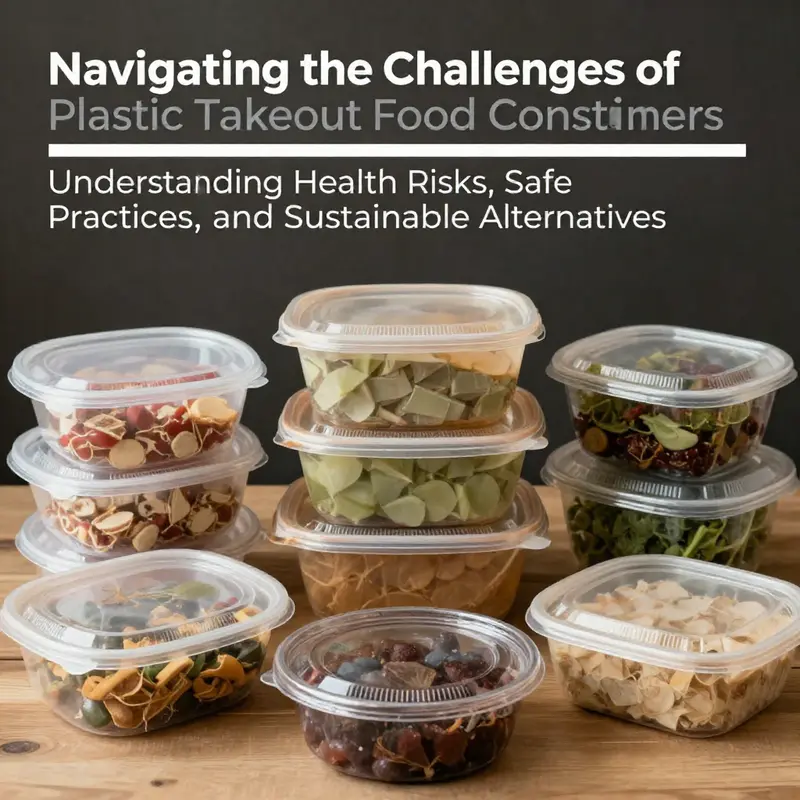
Plastic takeout food containers have become integral to our dining experiences, especially for bubble tea shops, restaurants, and catering services. While they offer convenience, increasing research highlights potential risks to health and the environment. From microplastic shedding in food and drinks to the longevity of materials in reusable settings, it’s crucial to not only understand the implications of using these containers but also to explore better options. This comprehensive look will examine the health risks posed by microplastics, safety and reuse practices, and the environmental impact of plastic containers. Together, we can navigate the challenges posed by these ubiquitous items and discover sustainable alternatives for our businesses.
Between the Lid and the Lunch: Microplastics, Heat, and the Hidden Health Costs of Takeout Packaging
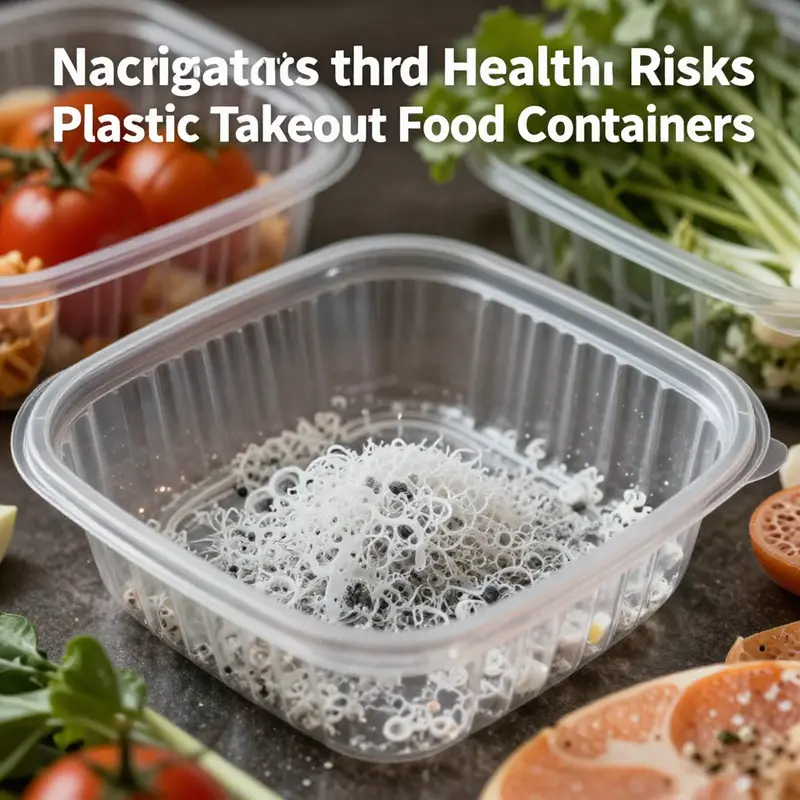
Plastic takeout containers have become a familiar backdrop to modern eating, a silent carrier of meals that arrives hot, ready to eat, or neatly stored for later. They symbolize convenience, yet beneath their slick surfaces lies a more complex truth: microplastics and chemical remnants can migrate from the package into the food we rely on, especially when the containers are reused, stressed by handling, or exposed to heat. The chapter that follows weaves together the evolving science, human health considerations, and the environmental realities of takeout packaging. It does not hinge on a single study or a single material but instead presents a mosaic of findings that together illuminate both risk and pathways toward safer practice. The story is less about demonizing plastic and more about understanding where vulnerability arises, how it manifests, and what practical steps can be taken by individuals, retailers, and policymakers to reduce exposure without sacrificing the efficiency that modern food service depends on.
First, it is essential to recognize that microplastics are not confined to a single plastic type or to a single moment in the life of a takeout container. A growing body of research indicates that common takeaway containers made from polypropylene (PP), polystyrene (PS), polyethylene (PE), and polyethylene terephthalate (PET) can shed microplastic particles into their contents during routine use. In a 2020 investigation conducted by researchers from East China Normal University and published in a prominent hazardous materials journal, the release occurred even without heating. This finding challenges the assumption that the only time microplastics enter our food is when containers are microwaved or subjected to high temperatures. What the researchers found was that surface characteristics mattered as much as the presence of heat. PS containers, which often have a rougher inner surface, were particularly prone to shedding microplastics when subjected to even light mechanical stress such as rinsing, wiping, or gentle handling. The study quantified that microplastic abundance could range from a few particles to dozens per container depending on the polymer and the surface finish, with PS showing the highest levels. When this data is translated into everyday behavior, it implies that people who order takeout multiple times a week may be exposed to a significant stream of microplastics simply by the act of consuming food that has been packaged in plastic.
Even more striking is the implication for habitual takeout consumers. If a person eats takeout four to seven times weekly, the arithmetic of exposure suggests a potential ingestion of 12 to 203 microplastic particles per week from the container alone, assuming similar conditions across meals. Those numbers, while not a verdict on health risk by themselves, highlight a consistent and cumulative exposure pathway that warrants careful consideration. The takeaway is not that plastics are inherently dangerous in every use, but that the design and aging of packaging, coupled with handling and storage conditions, can create a steady trickle of microplastics into meals that would otherwise be safe and nourishing.
The health implications of microplastic exposure are still being clarified, but several lines of evidence point toward plausible pathways of concern. In vitro toxicity experiments using human intestinal cells have demonstrated that leachates from plastic containers—mixtures containing microplastics and organic additives—can disrupt cellular integrity. Effects observed include reduced cell viability, membrane disruption, elevated reactive oxygen species, and impaired mitochondrial function. While such assays cannot capture the full complexity of a living system, they offer a critical warning: microplastics may contribute to inflammation, oxidative stress, and damage to the gastrointestinal tract when ingested in meaningful quantities over time. More troubling is the growing detection of microplastics in human tissues and compartments beyond the gut, including blood, placenta, and lung tissue, which signals systemic absorption and distribution. The prospect of occasional ingestion turning into cumulative exposure over years becomes a fundamental public health question, especially for children and pregnant people, who may be more susceptible to adverse outcomes or sensitive to potential additives or sorbed contaminants.
A key nuance in the safety conversation is the interpretation of “microwave-safe” and “reusable” labels on containers. Many containers that carry such labels are designed for single-use and may degrade with repeated use, heat, or harsh cleaning. The idea that heat dramatically accelerates microplastic release is supported by some recent work but is not uniformly applicable to all containers or all conditions. For instance, a 2022 study published in Environmental Science & Technology reported that heating food in plastic containers can increase microplastic release, sometimes by substantial orders of magnitude, depending on temperature, duration, acidity of the contents, and surface integrity. This finding aligns with a broader sense that the chemical and physical stability of plastics under thermal stress governs how much material may migrate into food. However, not every heating scenario yields identical results. The combined evidence suggests that while heat can be a catalyst for both microplastic shedding and the leaching of additives, the base level of shedding can occur even without heating, particularly for rough or aged inner surfaces. The implication for everyday use is clear: heating in plastic containers should be minimized or avoided when possible, and if heating is necessary, choosing materials known for better thermal stability and using protective barriers or alternative packaging can reduce exposure.
This interplay between material type, surface texture, and use conditions helps explain why certain polymers pose greater concerns than others. PET, often found in clear clamshells and common beverage bottles, degrades relatively quickly when repeatedly stressed, making it a poor candidate for reuse. PS, widely used in foam takeout containers, is particularly worrisome due to the potential release of styrene, a substance categorized as a possible human carcinogen in some assessments. PP, widely used in microwave-safe boxes, is more heat-resistant and, when used correctly, is considered safer for limited reuse, provided it is thoroughly cleaned and not exposed to extreme temperatures or prolonged contact with acidic foods. HDPE and LDPE offer moderate stability but should still be approached with caution regarding repeated heating or exposure to acidic or fatty foods. The overarching thread is that the safety calculus depends not just on the polymer identity but on how the container ages, how it is handled, and the conditions under which it is used.
Beyond the health dimension, environmental considerations loom large. Plastic takeout containers contribute to a global plastics problem, largely because most are designed for single-use and are not readily biodegradable. Even when a brand markets a container as microwave-safe or reusable, the narrative often masks an underlying reality: repeated use, improper cleaning, and routine disposal in waste streams can accelerate microplastic shedding and chemical leaching. The environmental footprint is not solely about the microplastics released into food; it includes the broader lifecycle of the packaging, from fossil-fuel–based resin production to end-of-life disposal and potential mismanagement in recycling streams. In many contexts, the dominant packaging remains fossil-fuel–based, with limited integration of truly sustainable materials at scale. This reality has spurred interest in safer, more sustainable options such as paperboard packaging with biopolymer coatings, or even more robust shifts toward reusable glass or metal containers that minimize both microplastic contamination and plastic pollution. Yet the transition is not uniform, and the market continues to balance consumer demand, food safety requirements, and logistical considerations that make plastic packaging deeply entrenched in the current system.
From a consumer behavior perspective, the takeout habit is shaped by convenience, cost, and routine. On one hand, the immediacy and portability of plastic containers fit a fast-paced, urban lifestyle. On the other hand, the cumulative exposure to microplastics—especially for high-frequency consumers—adds a layer of long-term health uncertainty that extends beyond the plate. This tension invites a practical pivot: minimize reliance on plastic packaging for repeat meals, err on the side of safer options for reheating and storage, and seek packaging solutions designed to reduce migration of particles and additives. When reuse is considered, it should be grounded in a material that is known to resist degradation under repeated washing and heating, and it should be accompanied by clear cleaning protocols and careful attention to the food’s acidity, fat content, and storage duration.
In this context, ongoing research is crucial, not only to quantify the extent of microplastic shedding but also to identify which variables most strongly modulate release. Atmospheric deposition, surface roughness, and the microstructural aging of the inner lining all contribute to the particle load encountered by a consumer. The data point that containers with rough inner surfaces tend to shed more particles underscores the material science dimension of the problem. It also suggests a practical pathway for manufacturers: engineering smoother, more stable inner surfaces could reduce shedding, at least for containers intended for multi-use and for foods not strongly interacting with the container material. Meanwhile, the marketing of “microwave-safe” should come with more explicit guidance about reuse and the potential for cumulative exposure, rather than implying indefinite safety in all contexts.
From a policy and industry perspective, the chapter’s thread is clear: encourage safer design, improve end-of-life options, and provide consumers with transparent choices. While the ideal would be a world where all takeout packaging is non-leaching, non-shedding, and fully recyclable or compostable without unintended environmental trade-offs, the intermediate step—advancing safer single-use materials and more durable reusables—can still meaningfully reduce risk. In the meantime, consumers can adopt a precautionary approach: favor packaging that is explicitly designed for safety under the anticipated use conditions, avoid heating food in plastic containers when possible, and consider swapping to safer, reusable alternatives like glass or stainless steel for frequent use. Where reuse is impractical, choosing paper-based or biopolymer-coated packaging that offers grease resistance and improved stability can be a valuable transition strategy. The broader implication is not to vilify plastic outright but to cultivate a more nuanced understanding of which packaging choices best align with health and environmental goals given real-world usage.
For readers who want a concrete path toward safer options without sacrificing convenience, one practical move is to explore packaging that is designed with both safety and sustainability in mind. While no packaging solution is perfectly risk-free, the shift toward materials with reduced migration potential and clearer end-of-life pathways can meaningfully lower exposure and environmental impact over time. Consumers can also advocate for clearer labeling and better consumer guidance from retailers, including explicit warnings about reuse, heating, and storage. Retailers, in turn, can invest in packaging innovations that balance performance with safety. The connective tissue between health, environment, and daily habit is strong here: decisions made at the point of packaging have downstream consequences for the meals that travel to our tables and the broader ecosystems that support our food systems.
To connect the discussion to practical resources, consider exploring safer packaging options that still meet the logistical demands of takeout service. For example, there are eco-friendly takeout boxes for food packaging that emphasize paper-based construction with coatings designed for leak resistance and microwave tolerance. While these solutions are not a panacea, they represent meaningful steps toward reducing plastic exposure while preserving the convenience required by modern dining. eco-friendly takeout boxes for food packaging offers a glimpse into how packaging can evolve to meet both health and sustainability goals without sacrificing function. Integrating safer packaging choices into daily routines—such as using inert, reusable containers for reheating leftovers or opting for paper-based options when feasible—can create a cumulative shift that benefits individuals and communities over time.
Ultimately, the science of microplastics in takeout containers is evolving, and the conversation must balance caution with practicality. The best-informed path for individuals today is to minimize unnecessary exposure, particularly for those who rely on takeout regularly, by reducing heating in plastic containers, limiting reuse to materials proven to hold up under repeated use, and seeking safer alternatives when possible. For those within the food-service ecosystem, the message is twofold: invest in packaging that reduces plastic shedding and enables safe reuse, and pursue packaging innovations that minimize environmental impact while keeping food safe and appetizing. The convergence of public health, materials science, and environmental stewardship calls for a shared commitment to safer design, clearer guidance, and continuous improvement across the lifecycle of takeout packaging.
External resource for deeper exploration: Microplastics in take-out food containers (ScienceDirect). https://www.sciencedirect.com/science/article/pii/S030438942030555X
When Safe Meets Convenient: Reconsidering Safety, Reuse, and the Hidden Costs of Plastic Takeout Containers
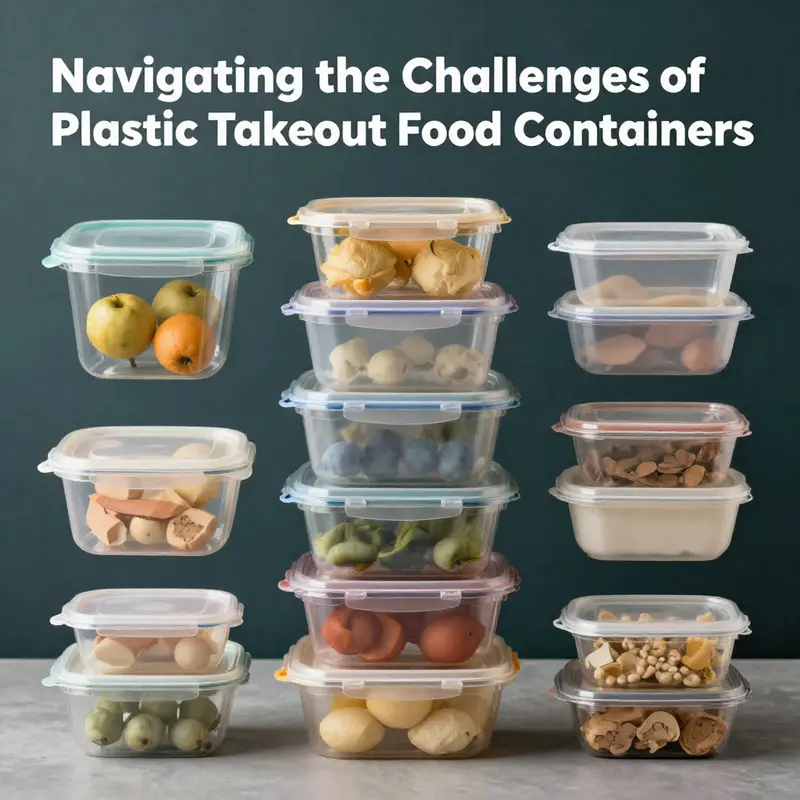
Takeout has become a daily ritual for millions, a seamless bridge between appetite and busy schedules. Plastic takeout containers sit at the center of that ritual, quietly shouldering the daily load of meals delivered or stored, week after week. Their ubiquity is not an accident but a carefully choreographed system built on speed, cost, and the promise that plastic can do everything from keep soup hot to hold delicate desserts, all while being lightweight enough to be stacked, shipped, and discarded with minimal fuss. Yet beneath that glossy promise lies a complex set of questions about health and planet health that the last decade has pressed into sharper focus. A comprehensive 2026 study that sampled common polymers from five Chinese cities exposes a troubling pattern: microplastics are present in every tested takeout container, regardless of whether the material is PP, PS, PE, or PET. In other words, the microplastic problem is not confined to a single material but is a feature of the takeout ecosystem itself. The study found microplastic abundance ranging from roughly 3 to 29 particles per container, with PS containers showing the highest counts, especially those with rough inner surfaces. This pattern points to two likely sources: atmospheric fallout that deposits microplastics onto container surfaces over time, and the gradual degradation and flaking of the inner surface under ordinary use. Importantly, the researchers noted that heating the container with hot water did not increase microplastic release, suggesting that the majority of shedding arises from long-term degradation rather than thermal stress alone. For a person who orders takeout four to seven times a week, that translates into a potential intake of 12 to 203 microplastic particles per year from containers alone. While these numbers do not prove a direct health effect, they color the conversation about long-term exposure and potential cumulative risks, especially when combined with other dietary and environmental sources of microplastics.
The health dimension is not the only one worth weighing. The safety profile of plastic containers is intimately linked to the polymer type and the specific conditions of use. The material safety codes that accompany takeout packaging are more than mere numbers; they signal a spectrum of risk that diners should understand. Polypropylene, labeled as #5 PP, emerges in this framework as one of the safer options for food contact. It has a high melting point, roughly 167°C, which supports hot foods and microwave use in many contexts. But even this seemingly safer option is not a free pass. Lids and components may be composed of different plastics or coated with films that do not share the same heat resistance. The broader message is one of cautious reuse rather than uncritical trust in convenience. PET, marked #1, commonly appears in clear clamshells and beverage bottles; it should be reserved for cold or room-temperature use and not heated above about 65°C due to risks of leaching substances such as antimony trioxide into food. Polystyrene, the workhorse of foam and rigid containers, carries greater concern. It is not heat resistant beyond roughly 70°C, and when exposed to hot or oily foods it can release styrene, a chemical classified as a possible human carcinogen. Then there is polycarbonate, coded as #7 PC, which has raised alarms because of the potential for BPA leaching; many households and food service operations have shifted away from PC in favor of BPA-free plastics or alternative packaging. These weekly reminders—of safety codes, heat thresholds, and leaching potential—highlight a broader reality: even when a container is labeled microwave safe, this label does not guarantee its suitability for repeated use or extended storage.
The cautionary notes about reuse extend beyond the chemistry of plastics to concerns about microbial safety and physical integrity. Reusing single-use containers is a practice that many people fall into for convenience or cost savings, but it is rarely the safest option over the long term. Repeated heating, washing, and drying can create microcracks and scratches that harbor bacteria, yet these tiny imperfections are invisible to the naked eye. Cracks also introduce a direct path for leakage of food contents and for the ingress of air or moisture that accelerates chemical degradation. Even when a container seems clean, the surface chemistry of plastics changes with repeated contact with food fats, acids, and heat. This can alter how the material interacts with food, potentially changing the migration behavior of additives or breakdown products. The practical upshot is that reuse should be approached with a clear-eyed assessment of risk, a rigorous cleaning routine, and a willingness to replace containers before visible wear develops. In this context the guidance from multiple health and consumer sources converges: never place any plastic container in the microwave unless its labeling explicitly declares it microwave-safe, and avoid extended storage of acidic or fatty foods in plastic. The caution from reputable outlets is consistent and pragmatic: microwave safety labels are not universal guarantees of long-term safety, and the wear and tear of daily life can undermine even the best intentioned reuse.
From the health lens we pivot to the environmental horizon, which frames the choosing of containers not only as a personal health decision but as an act of collective stewardship. A great majority of plastic takeout containers are designed for single use, and despite their potential recyclability, recycling rates for takeout packaging remain dishearteningly low in many regions. A recent report highlighted that in China only about five percent of takeout containers are successfully recycled, marred by grease and food residue, mixed materials, and the economics of processing thin, low-grade plastics. When recyclability is compromised, the end-of-life path often leads to landfills or incineration, with downstream effects on soil, air, and water quality. The environmental calculus also includes the embedded energy and fossil fuel footprint of these containers, from polymer synthesis to manufacturing to distribution. Some manufacturers attempt to pivot toward eco-friendly options such as paperboard with biopolymer coatings or compostable materials, yet the majority of current packaging still relies on fossil-based feedstocks and complex supply chains. The net effect is a resource-intensive system whose benefits in terms of convenience must be weighed against the environmental costs that accumulate not just in one container but across millions of meals daily.
Against this backdrop, consumer behavior and restaurant practices come into sharper relief. The microplastic findings do not exist in isolation; they form part of a broader narrative about how we prepare, store, and consume meals on the go. People who rethink reuse and heating habits can influence the demand signals that drive packaging choices. If a person chooses to transfer food promptly into glass or metal containers when possible, the microplastic exposure from the original container is effectively reduced, and the user also gains flexibility to reheat or store food using containers designed for repeated use. This is not a call to abandon convenience but a call to align it with safer, smarter options. The practical path includes several interlocking moves: prioritizing container materials with proven heat resistance and chemical stability, adopting routine to transfer contents to safer vessels soon after delivery, and supporting packaging designs that minimize surface degradation and microplastic shedding over time.
A key element in this shifting landscape is the recognition that microplastics in takeout containers arise not only from the inherent properties of the polymer but also from the stressors of daily use. Atmospheric deposition adds a background level of microplastics, but the more immediate culprit is the container itself as it ages. Small periods of mechanical stress from stacking, squeezing, or scraping can cause surface abrasion, creating tiny fragments that can migrate into the food. The cold truth is that a container may be perfectly adequate for a first use, yet the cumulative effect of repeated cycles of heating, washing, and handling may gradually degrade the inner surface and release microplastics over time. In this sense, the problem is both material and process driven, a reminder that the design of packaging must account for end-life behavior as well as performance in the heat of a meal.
Beyond individual choices, policy and industry shifts can tilt the balance in favorable directions. Consumers can push for better labeling on microwave safety that clearly communicates heat thresholds for each component, not just the container as a whole. Restaurants can adopt packaging that favors safer materials, supports easier recycling, and minimizes surface roughness that accelerates wear. Public attention to the environmental waste problem has seeded innovations in compostable or recyclable alternatives that do not rely on a fossil fuel backbone. In practice, this means experimenting with paper-based systems that use grease-resistant coatings derived from renewable sources, or with reusable glass or metal vessels designed for takeout and for consumer reuse. The broader aim is not simply to replace one polymer with another, but to redesign the takeout ecosystem so that the path from delivery to disposal aligns with health preservation and environmental responsibility.
For readers seeking a practical bridge between science and everyday action, several guiding principles emerge with clarity. First, prioritize safety by selecting containers that truly meet the intended use. The number labeling scheme is a helpful shorthand, yet it is not a universal guarantee of safety across all contexts. Recognizing this nuance can empower diners to make better choices: when heating is required, opt for containers clearly labeled as safe for the intended duration and temperature; when in doubt, transfer the meal to a safer vessel before reheating. Second, reduce reuse cycles to scenarios where the risk profile is acceptable. If you do reuse, establish a strict cleaning regimen that minimizes scratches and reduces the likelihood of microbial growth, while avoiding high heat that degrades surface integrity. Third, minimize the environmental footprint by supporting takeout packaging options that optimize recyclability and reduce contamination. This might involve favoring suppliers that use paper-based boxes with certified grease barriers instead of multi-material, hard-to-separate laminates; it might also involve bringing reusable containers to the restaurant or selecting venues that commit to reusable system pilots. In short, a safer takeout culture rests on a matrix of informed choices—about materials, about reuse, about end-of-life disposal—combined with deliberate consumer pressure on the supply chain to innovate responsibly.
The narrative is not merely about avoiding harm; it is about reimagining the act of taking out food as a relationship with materials, with the food itself, and with the ecosystems that support our meals. The internal debate about safety and reuse must be balanced by a practical appetite for change. The idea that microplastics found in all tested containers might be mitigated by better design does not rest on wishful thinking. It rests on measurable improvements in surface quality, stabilization of additives, and an avoidance of materials that degrade rapidly under heat and mechanical stress. The same study that documents the microplastic presence also implicitly invites designers and manufacturers to rethink how inner surfaces are treated and how coatings or lamination contribute to long-term stability. When the packaging system evolves, it does so not only to protect food during transit but to protect the consumer during repeated use and to guard the environment against downstream pollution. It is a tall order, but the convergence of consumer awareness, scientific insight, and packaging innovation makes it achievable.
In the meantime, the growing consumer demand for safer and more sustainable packaging translates into tangible options in the market. And that brings us to a practical pivot that many households are beginning to adopt. An option gaining traction is the shift toward eco-friendly takeout packaging that harmonizes safety with sustainability. The internal ecosystem of packaging suppliers has begun to reflect this shift, with more offerings that emphasize grease resistance, microwave practicality, and end-of-life disposability in a way that is compatible with recycling or composting streams. The path forward is not about a single silver bullet but about layering safer choices across the meal lifecycle: from ordering to storage to reheating to disposal. For readers who want to explore concrete choices, a good starting point is to look for packaging that makes a clear, honest claim about its material composition and expected use. In addition, when possible, support vendors who demonstrate responsible practices, such as using recyclable or compostable packaging or offering a takeback program for containers that can be cleaned and reused within a system.
To illustrate how this translates into everyday action, consider the following practical move: when you receive a takeout order, separate the food from the container promptly and move it into a glass or stainless steel vessel for storage. This reduces the exposure of both food and user to questionable plastics during reheating and storage and makes it easier to monitor the container for signs of wear. If you cannot transfer immediately, at least avoid using containers that show visible wear, cracks, or warping, and avoid heating in containers that are not explicitly labeled for such use. In households where a reusable system is feasible, consider investing in a durable glass or metal set that is dishwasher-safe and well-suited to frequent reheating. Using a science-informed approach to packaging choices becomes a daily habit rather than a theoretical discussion, transforming the way we eat and how we think about the integrity of what carries our meals.
The final thread in this narrative is a nod to the broader cultural shift toward responsible consumption. The packaging industry is not static; it is a field of continuous refinement. The consumer voice matters because it signals the need for packaging that respects both the body that consumes the food and the air and water that sustains the planet. The real win comes when safer materials, intelligent design, and thoughtful reuse contribute to a cycle that reduces harm without sacrificing the convenience that modern life expects. In the end, the question is not simply whether plastic takeout containers are good or bad; it is whether we can preserve the advantage of quick, reliable meals while simultaneously building a packaging system that protects health and honors environmental limits. The answer lies in the sum of smaller choices: choosing safer materials, supporting reusable and recyclable packaging, transferring foods to better containers, and insisting on transparency from the supply chain. When these actions accumulate, they reshape the takeout landscape into one that serves both appetite and longevity, both the individual and the community.
For readers who want to explore safer packaging options while keeping the convenience of takeout, one practical route is to consider eco-friendly alternatives that are designed with both safety and recyclability in mind. These options include paper-based boxes with grease-resistant coatings, compostable liners, and containers that are explicitly labeled for multiple uses or designed to be returned for cleaning and reuse in a closed-loop system. Such packaging choices, when adopted at scale, can reduce the microplastic footprint and curb long-term environmental contamination while maintaining the quick, dependable service that customers value. The shift requires collaboration among diners, restaurants, and packaging manufacturers, but it is a shift that can begin in a small, everyday decision: ask for safer packaging, support venues that embrace responsible packaging practices, and consider bringing your own reusable container for takeout whenever feasible. The cumulative effect of these choices has the potential to change not only the habits of individuals but the trajectory of packaging design and waste management in the years ahead.
In closing, the science is clear enough to guide action: microplastics are a pervasive issue linked to the takeout container lifecycle, and heat and reuse complicate risk profiles in meaningful ways. The best path forward blends personal caution with collective action. Prioritize materials with stronger heat resistance and lower leaching potential, minimize reliance on single-use plastics for hot meals, and champion packaging solutions that are easier to recycle or reuse. The journey toward safer, more sustainable takeout packaging is iterative, requiring patience and persistence, but the destination—a healthier consumer, a cleaner environment, and a resilient food system—owes its first steps to informed choices made at the kitchen counter and at the restaurant counter alike. The small acts of today set the stage for safer meals tomorrow, and that is a future worth pursuing with intention and care.
References to further exploration are embedded in the broader discussion of packaging safety and consumer guidance. For readers interested in a more concrete, journalism-based examination of safe takeout containers beyond the lab, see the discussion in the New York Times article on choosing safe takeout containers. That resource reinforces the practical message that labeling, context, and use matter as much as the material itself, and it echoes the caution that safety is a living standard that evolves with new evidence and new packaging innovations. As this chapter shows, the path forward is not a single policy or product change but a continuum of improvements that align health, convenience, and environmental stewardship in the daily act of dining on the go.
External resource: https://www.nytimes.com/2024/03/18/well/eating/safe-takeout-plastic-containers.html
Internal link for further exploration of safer packaging options: eco-friendly takeout boxes for food packaging
From Boxes to Blue Skies: The Environmental Toll of Takeout Containers and Pathways to Sustainable Packaging
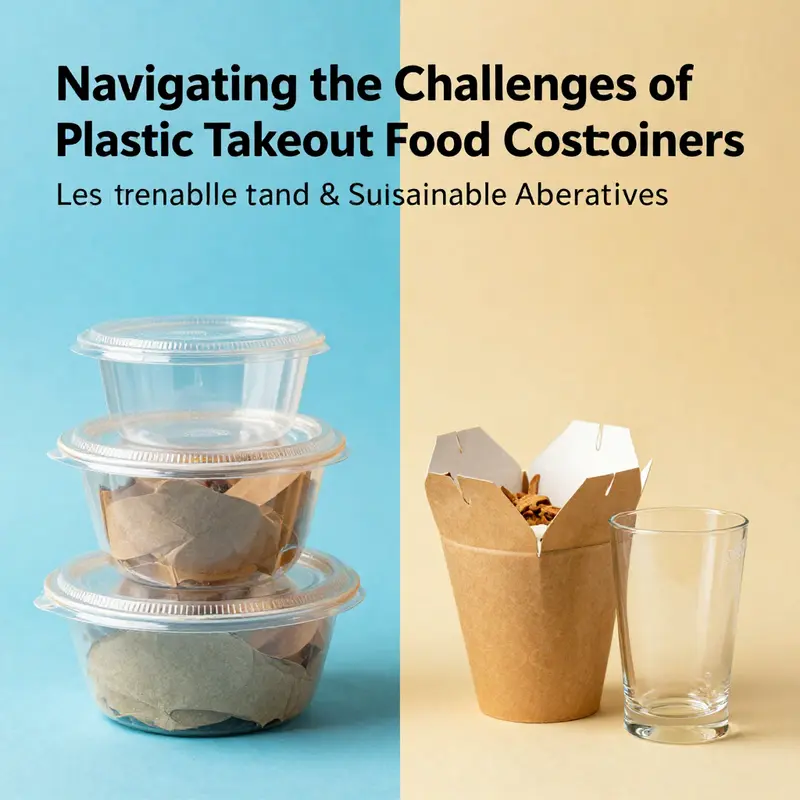
The takeout container has become an ordinary feature of daily life, a simple conduit that connects hunger to convenience, often without demanding a second thought. Yet every box, clamshell, or foam sleeve carries a hidden story—a life cycle that begins with raw materials, moves through manufacturing and distribution, and ends in a waste stream that cycles or stagnates in landfills, oceans, or incinerators. When we talk about the environmental footprint of plastic takeout containers, we are tracing a chain of impact that stretches beyond the obvious litter problem. It is a chain that binds fossil fuel use, greenhouse gas emissions, resource depletion, and the emergence of microplastics into ecosystems large and small. In recent years, researchers have begun to quantify these burdens with greater rigor, underscoring the need to rethink packaging choices at both the design and consumer levels. The environmental dimension is not simply a future concern; it is a present constraint that shapes the viability of the modern takeout economy as it continues to expand in urban centers and suburban belts alike.
A foundational frame for understanding this footprint is the life cycle of the materials most commonly found in takeout packaging. The three material families that dominate the category—polypropylene, polystyrene, and extrusion-based polystyrene foams; along with other polymers such as polyethylene variants and PET in some clamshells or drink containers—are not created equal when evaluated across environmental impacts. A 2019 study published in the Journal of Cleaner Production brought this into sharp relief by comparing aluminium, polypropylene (PP), and extruded polystyrene (EPS) across a suite of twelve environmental categories. The results were striking: single-use PP containers often performed the worst in seven of those twelve categories, particularly in global warming potential. The heavy burden traced back to fossil-fuel feedstocks and the limited circularity of PP in typical municipal systems. EPS, too, showed significant burdens, especially in resource depletion and climate-change related indicators. These findings do not simply critique PP or EPS in isolation; they illuminate a structural flaw in the current packaging paradigm that relies heavily on single-use plastics with limited end-of-life pathways. If the aim is to reduce life-cycle impacts, material choice must be coupled with improvements in recycling infrastructure, redesign for durability, and a shift toward less carbon-intensive materials.
How one evaluates a container’s environmental cost also depends on what happens after the meal is enjoyed. The production stage—the cradle of most emissions if the feedstock is fossil-based—sets the baseline for the chain. Transportation adds further miles and fuel burn; energy-intensive manufacturing stages contribute to the carbon footprint while emitting pollutants that sometimes escape notice in consumer conversations about packaging. Then there is end-of-life management: recycling rates, landfill space, incineration practices, and the presence or absence of infrastructure to separate, sort, and reprocess plastics. In many urban and peri-urban contexts, recycling streams are imperfect, and contamination from grease, food waste, and other packaging residues undermines material recovery. In short, the environmental signals we receive from takeout packaging are the sum of design decisions, supply chain realities, and municipal capabilities. When one container displaces a less environmental alternative, the savings or losses multiply across thousands or millions of orders in a city over a year. This broader perspective helps explain why a seemingly small change can ripple into meaningful environmental benefits or costs.
Within this broader life-cycle view, the specific properties of each polymer determine its comparability with alternatives. PP is lauded for heat resistance and microwave compatibility, enabling convenient reheating for many meals. Yet its life-cycle profile often lags behind other options because of feedstock choices, energy intensity, and challenges in achieving high recycling rates at scale. EPS, while offering excellent insulation for hot foods, incurs substantial burdens in resource use and climate change impacts, especially when manufactured as foam and disposed of in ways that limit recovery. PET, HDPE, and LDPE exhibit variable performances depending on the product form and end-of-life fate. PET may offer clarity and barrier properties desirable for certain foods and beverages, but its reuse potential is constrained by rapid degradation under repeated washing and heating, and its recycling is not as universal as hoped in many places. HDPE and LDPE, while relatively robust in some uses, face the same hurdles of heat-driven leaching concerns and limited recyclability in single-use contexts. The practical upshot is not a simple hierarchy of materials but a matrix in which durability, recyclability, energy intensity, and emission profiles intersect with consumer behavior, regulatory frameworks, and local waste-management capabilities.
Beyond the life cycle, a parallel line of inquiry has sharpened attention on what happens to the containers during normal use. Microplastics have emerged as a critical dimension of concern, linking packaging choices to environmental contamination and potential human exposure. A 2026 study analyzed microplastic release from commonly used takeout containers made from PP, PS, PE, and PET, sourced from five Chinese cities. The researchers found microplastics in all tested containers, with abundances ranging from a few particles to several dozen per container. Notably, PS containers exhibited the highest microplastic levels, particularly those with rough inner surfaces. The likely sources pointed to atmospheric fallout and surface degradation, with microplastics flaking from the container interior under even modest mechanical stress. Importantly, the study indicated that exposing containers to hot water did not significantly increase microplastic release, suggesting that the primary driver is ongoing degradation of the container material itself over time rather than the heating event. When scaled to common consumer patterns—ordering takeout four to seven times per week—these microplastics accumulate in a way that raises concerns about long-term exposure. Estimates suggested ingestion of between 12 and 203 microplastic particles annually through containers alone, a figure that fits alongside broader concerns about cumulative exposure from multiple packaging sources and environmental reservoirs. The takeaway is not that any single container is an instant hazard but that repeated use, aging, and improper disposal contribute to a background of microplastic presence in the food system that deserves sustained attention from researchers, policymakers, and manufacturers alike.
These microplastic questions dovetail with questions about reuse. For PET, reuse is generally discouraged because the polymer degrades quickly with repeated washing and exposure to heat, undermining its structural integrity and raising concerns about leaching. PS—especially in foam form—raises particular caution due to styrene exposure, a substance that appears in higher concentrations when containers experience heat and rough handling. PP offers relatively stronger performance for limited reuse, particularly in microwave-ready boxes, but only when cleaning is thorough and temperatures stay within reasonable bounds. HDPE and LDPE provide some resilience but remain vulnerable to the same cautions around repeated heating and contact with acidic or fatty foods, which can accelerate chemical migration and surface wear. Across these material distinctions, one consistent message emerges: many containers marketed as microwave-safe are, in practice, designed for single use. The implication for consumers and for the delivery ecosystem is that the safest practice—if reuse is considered at all—requires careful adherence to temperature guidelines, meticulous cleaning, and an awareness that aging packaging can alter both performance and risk.
The environmental argument for reducing reliance on single-use plastics aligns with the microplastic concerns in a reinforcing way. If the environmental and health costs accumulate because containers shed microplastics over time, the incentive to pivot toward more sustainable options grows sharper. Paperboard-based containers, often lined or coated with plant-based polymers or waxes, present a compelling option for many dry or semi-greasy foods. They typically offer better end-of-life outcomes due to biodegradability and higher recyclability, though their grease resistance and moisture control remain tricky for certain menu items. The coatings used to confer grease resistance, water resistance, or heat stability can themselves complicate compostability or recycling, highlighting that the move away from plastic requires not only material substitution but thoughtful packaging architecture. For foods with heavier sauces or moisture loads, some designers are pairing paperboard with biopolymer coatings or with barrier films chosen for their relatively lower environmental burden, balancing performance with lifecycle considerations. When packaging is designed for a single-use format, these choices may still be suboptimal; when designed with the end-of-life system in mind, they can shift the balance toward improved outcomes across the full cycle.
A promising direction for reducing both environmental impact and microplastic risk lies in reimagining the packaging system itself. Reusable containers made from durable materials such as PP or aluminum offer a path to a circular model when integrated with a reliable cleaning and redistribution workflow. In such an ecosystem, a restaurant or delivery hub would collect, sanitize, and reallocate containers rather than sending them to waste streams after a single use. The success of such systems hinges on efficient logistics, standardization of container formats, and user engagement that makes returning and refilling convenient rather than burdensome. The potential benefits are substantial: reduced virgin-material demand, lower greenhouse gas emissions per served meal, and a clear decrease in plastic waste leakage into the environment. Yet achieving this vision requires alignment across multiple actors—food-service operators, packaging suppliers, waste-management entities, and municipal policymakers—each of whom bears responsibility for enabling the necessary infrastructure and behavioral shifts. The transition is not merely technical but cultural, demanding changes in how we value packaging and how we measure the costs and benefits of reuse versus single-use strategies.
From a design perspective, the engineering challenge is to create packaging that is lighter, more heat-resistant, and easier to recycle or reuse, all while avoiding the heavy carbon footprints associated with fossil-based feedstocks. Innovations in material science point toward bioplastics and recycled-content formulations that can offer lower cradle-to-grave emissions, improved end-of-life options, and compatibility with microwaves or other reheating methods. However, the story cannot rest on material choice alone. True sustainability emerges when materials, processes, and consumer behavior converge toward circularity. That means better labeling to guide recycling streams, standardized packaging formats that simplify sorting, and a governance framework that incentivizes manufacturers and users to close the loop rather than push waste downstream. It also means recognizing the trade-offs that accompany green design. A paperboard box coated with a biopolymer may be more biodegradable, but if its production relies on nonrenewable energy or if the coating complicates recycling streams, the net environmental benefit may be smaller than anticipated. Conversely, a reusable container made of durable polymer might reduce waste but require energy-intensive cleaning and logistics. The calculus becomes more favorable only when all pieces—production, use, and end-of-life management—are optimized in concert.
Consumers, too, play a pivotal role in shaping outcomes. Every choice to reuse, recycle, or opt for a more sustainable alternative compounds the effect of the packaging system. Simple acts, such as avoiding heating food in plastic containers, rinsing packages before disposal, or choosing paper-based alternatives for appropriate items, can reduce exposure to microplastics and minimize environmental leakage. The challenge is to translate knowledge into everyday practice. Public guidance must be clear, practical, and framed within the realities of busy lives. Businesses can support this shift by offering clearly labeled packaging options, transparent information about end-of-life pathways, and incentives for customers who participate in reusable or recyclable systems. Regulators can advance this transition by setting material performance standards that emphasize safety, recyclability, and low-carbon production. The net effect—when all actors cooperate—could be a packaging landscape that protects both the environment and public health without sacrificing the convenience that the takeout economy has made so central to urban life.
A consolidated takeaway from the current state of knowledge is that the problem is multifaceted and resistive to quick fixes. The environmental burden of plastic takeout containers is not reducible to a single material or a single phase of the life cycle. Instead, it rests on a confluence of choices: the material mix used in containers, the frequency and manner of use, the robustness of recycling and composting systems, and the consumer and business willingness to adopt reusable or compostable alternatives where feasible. In some contexts, the best path may be to improve the performance and end-of-life handling of existing plastics while accelerating a broader transition to paper-based or reusable options. In others, the most impactful moves involve systemic changes that promote circularity and reduce the total demand for single-use packaging. The common thread through these strategies is a shift from unstable, fossil-fuel-dependent supply chains to materials and systems that can be recovered, remanufactured, or composted with minimal ecological cost.
For practitioners and researchers, the implications are clear. The evidence supports a dual approach: advance safer, more sustainable materials and redesign packaging for longer life and higher recyclability, while simultaneously building and funding the infrastructure and consumer habits necessary to realize a circular economy. This is not a call to abandon the convenience of takeout packaging; it is a call to ensure that convenience does not come at the expense of the environment or the slow, cumulative risks to human health. In the near term, this means embracing more sustainable options for certain food categories, increasing transparency about end-of-life pathways, and supporting policies that reduce reliance on single-use plastics without compromising food safety or accessibility.
The practical navigation toward these goals includes exploring alternatives that align with local waste streams and consumer needs. Paper-based options, when properly coated or treated to resist grease and moisture, can offer a viable route for many dry or semi-dry meals. Reusable packaging, when managed through a robust return and sanitation system, can dramatically lower per-meal material input and emissions. In locales where recycling systems are strong and composting is accessible for bioplastics, more innovative solutions can flourish, weaving together performance, safety, and environmental responsibility. As designers and engineers push the boundaries of material science, the real challenge remains translating lab success into scalable, everyday packaging. The best solutions will be those that balance cost, performance, and environmental benefits in a way that is intelligible to consumers and feasible for businesses to implement at the scale demanded by a fast-moving takeout economy.
In the end, the environmental narrative of plastic takeout containers is not a single verdict but a spectrum of possibilities. Some days bring cautious optimism as new materials and reuse models demonstrate real gains. Other days remind us of the stubborn realities of waste streams, recycling hurdles, and microplastic persistence in ecosystems. Yet progress is possible when stakeholders align around shared goals: lower life-cycle emissions, safer consumer environments, and packaging that is fit for purpose across its entire life span. The path forward is neither purely technocratic nor solely consumer-driven. It is a collaborative evolution wherein design, policy, business models, and everyday habits co-create packaging that protects both the planet and the people who rely on takeout food as a convenient part of a busy life.
As a practical, near-term step, readers can consider engaging with packaging options that explicitly emphasize end-of-life performance and reduced environmental burden. For instance, when the menu and logistics permit, opting for grease-resistant paperboard containers can offer a more sustainable path compared with conventional plastics in many contexts. If a reusable system is available, participating in it can yield meaningful reductions in material use and emissions over time. And when single-use options are unavoidable, selecting designs that maximize recyclability in local systems and avoid coatings that hinder recovery can help preserve material value in the waste stream. The cumulative effect of these decisions across restaurants, delivery platforms, and households is a measurable shift in the packaging landscape toward calmer environmental footprints and safer, more responsible consumer practices. More information on the broader life-cycle impacts of takeaway packaging can be found in the foundational research that synthesizes these dynamics across production, use, and disposal, including analyses that compare different packaging forms and their cradle-to-grave consequences. External resources, such as the Journal of Cleaner Production study cited earlier, provide a deeper, data-driven view of how material choices ripple through global environmental indicators, and they offer a solid evidence base for policy and design decisions that prioritize sustainability over convenience alone. See https://doi.org/10.1016/j.jclepro.2018.11.275 for a comprehensive synthesis of life-cycle impacts and the rationale for shifting toward lower-impact packaging solutions.
To close this thread, consider the packaging ecosystem as a living system that requires ongoing attention and thoughtful redesign. The questions we ask about takeout containers—What materials are used, and why? How is end-of-life handled, and who pays for it? What incentives exist for reuse or recycling, and how effective are they in practice? How do microplastics enter the food chain, and what mitigation strategies prove most reliable? Each answer nudges the system toward a different equilibrium between convenience, health, and environmental integrity. The choices we make as consumers, businesses, and policymakers today will echo through future meals, future air and water quality, and future options for sustainable living. In that sense, the container is not just a vessel for food; it is a lens through which we can examine the compatibility of modern consumption with a planet that can sustain it over the long term.
Internal link note: for a discussion of eco-friendly takeout packaging options that emphasize recyclability and grease resistance in practice, see the long-form product page on eco-friendly takeout boxes that highlights craft paper and microwave-ready designs. eco-friendly-takeout-boxes-for-food-packaging-stylish-food-containers-safe-microwave-craft-paper-lunch-boxes-leak-grease-resistant.
This integrated view of environmental impact and sustainable alternatives reinforces a central message for this chapter and the broader article: the future of takeout packaging hinges on a deliberate convergence of science, policy, and everyday practice that reduces environmental harm, minimizes health risks from microplastics, and preserves the convenience that makes takeout food possible in the first place. As research continues to evolve, stakeholders must translate insights into action—redesign packaging, invest in better waste management, and foster consumer choices that favor resilience over disposability. The journey is ongoing, but each redesigned container, each avoided plastic-use event, and each shift toward reuse represents progress toward a packaging system that serves both people and the planet more effectively.
Final thoughts
As we navigate the complexities of food service, understanding the implications of using plastic takeout containers is vital not only for health but also for sustainability. The risks associated with microplastics and the safety of reusable containers must guide our purchasing decisions. Transitioning to eco-friendly alternatives will not only protect our customers’ health but also contribute to reducing plastic waste. By prioritizing sustainable practices, food businesses can demonstrate leadership in their communities and enhance their brand reputation. It’s time to take meaningful steps towards a healthier planet and a safer dining experience for everyone.