
Recent studies have unveiled alarming levels of industrial plastic chemicals, such as phthalates, lurking in fast food items across the United States. These harmful substances not only pose serious health risks but also contribute to environmental degradation. As companies across various sectors, including bubble tea shops, beverage chains, restaurants, food trucks, and event planners, become increasingly committed to health and sustainability, understanding the intricacies of this issue is crucial. This article explores the health risks associated with plastics in fast food, examines their environmental impact, and highlights the growing consumer awareness that demands safer practices across the food industry.
null
null
Plastic Footprints in the Fast-Food Ecosystem: Packaging, Production, and the Environmental Toll
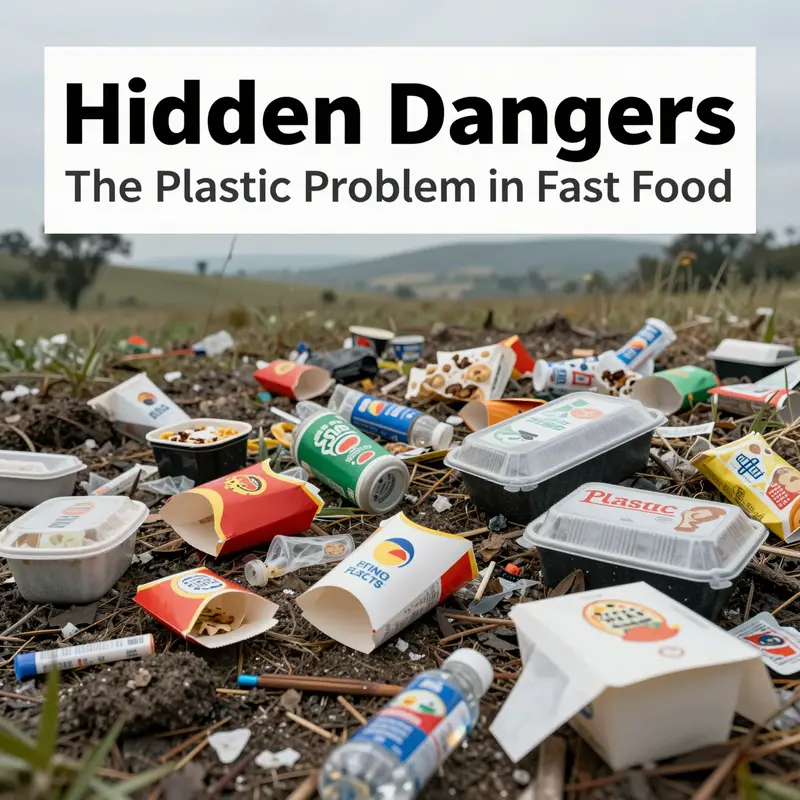
Plastic is deeply embedded in the fast food system, from wrappers and cups to gloves and kitchen surfaces. The environmental footprint is not only about litter on streets or in oceans; it begins well before a customer sees a bag and continues long after the meal is finished. A full view follows the life cycle of packaging from feedstock to end of life and reveals how choices at scale shape air, water and soil quality around the world. The story is not simply about waste but about momentum in production, use, and disposal that can persist for decades.
Most of these plastics are derived from petroleum feedstocks and require energy for extraction, processing and transport. Each stage adds to emissions and alters landscapes through pipeline routes, refineries and trucking networks. Once in the hands of consumers, the path splits into reuse, recycling, composting or disposal. In practice, high volume fast food packaging faces challenges in keeping materials clean enough for recovery, and contamination or multi layer laminates complicate sorting. When materials end up in landfills or are incinerated, emissions and potential leachates enter the environment unless modern controls are in place.
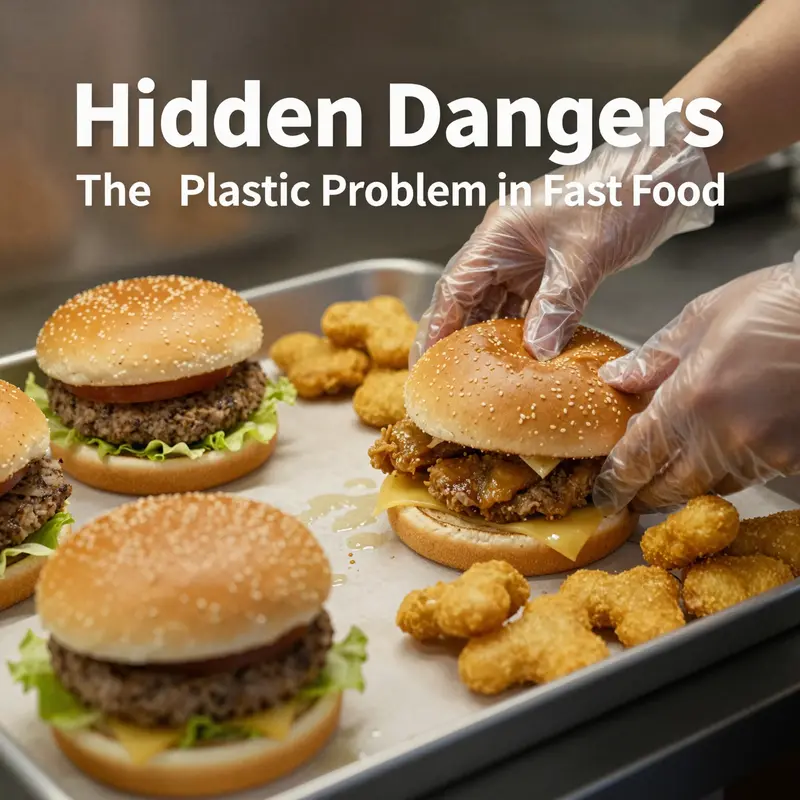
An environmental lens also highlights chemical exposures. Plasticizers and related additives can migrate from packaging into food, especially under heat or fatty conditions. Studies point to substances that appear across a wide range of items and chains, with potential effects on health that require careful risk management along with improvements in material science. Gloves and other contact surfaces can carry residues, suggesting that contamination pathways span packaging, handling, and preparation areas.
The overall impact is a systemic pressure: energy use, greenhouse gas emissions, resource extraction, and the persistence of plastics as microplastics in soils and waterways. Efforts to mitigate often focus on design changes to reduce material use, improve recyclability, or substitute safer materials. Yet success depends on coordinated action among producers, waste managers, policymakers and consumers. Without robust collection systems and clear labeling, even well intentioned options can falter.
Promising directions include lightweighting to reduce material mass, designing for end of life with straightforward recycling streams, and exploring bio based or biodegradable alternatives that perform under real world conditions. However, biodegradable materials require appropriate infrastructure to realize benefits and must not shift risk to land or waterways. Extended producer responsibility schemes can align incentives to invest in recycling and to fund public education. Reuse models, deposit return schemes, and standardized packaging can also help shift momentum toward a circular economy.
At the consumer level, routine actions and better labeling can improve disposal outcomes. At the corporate level, public reporting on packaging materials and diversion rates builds accountability and enables benchmarking. Municipalities can incentivize sorting, provide accessible drop off points, and invest in upgraded recycling facilities. The cumulative effect of these changes is to narrow the gap between the way packaging is designed and how it is recovered after use.
As fast food continues to feed millions of people, the challenge is to align convenience with planetary health. The environmental chapter of fast food plastics is not a condemnation of a single material but a call for systemic redesign that values safety, efficiency, and recoverability. The path forward requires integration of material science, supply chain logistics, consumer behavior and policy, plus transparent reporting so communities can track progress and hold actors accountable.
Readers seeking practical resources will find advances in eco friendly takeout packaging and case studies in municipal recycling programs. Publicly available life cycle assessments and peer reviewed analyses help illuminate tradeoffs between performance, cost and environmental burden. The ultimate goal is to move toward packaging that protects food integrity while maximizing recovery and minimizing harm to ecosystems and public health.
null
null
Final thoughts
The prevalence of plastic contamination in fast food items presents pressing health and environmental challenges. By understanding the risks associated with these hazardous substances, businesses in the food sector can take proactive steps to mitigate their impact. With growing consumer awareness, implementing safer practices not only fosters public trust but can also enhance brand reputation. As we move towards a more health-conscious and environmentally-aware society, it’s imperative for industries to adapt and respond effectively to these changing demands for the betterment of public health and our planet.