
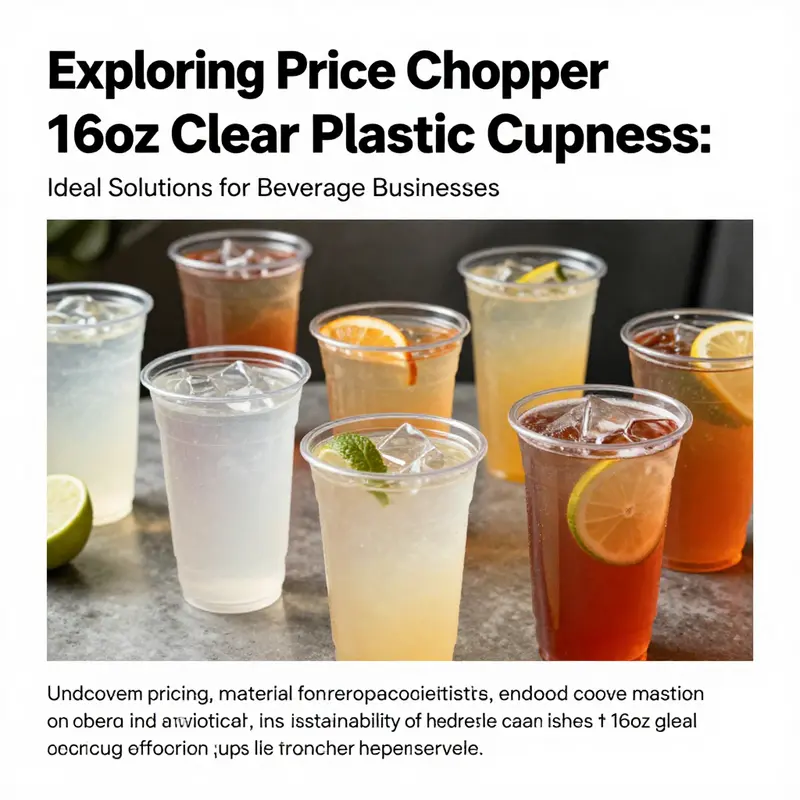
In the competitive food and beverage landscape, selecting the right packaging is vital. Price Chopper 16oz clear plastic cups present versatile options for beverage chains, food trucks, and event planners. These cups provide the convenience and aesthetic appeal demanded by customers, making them an essential part of any professional service. This article investigates the market pricing and specifications, delves into various material characteristics, and addresses sustainability concerns associated with these products, ultimately guiding businesses in making well-informed decisions.
Market Dynamics and Specification Trends for 16oz Clear Plastic Cups in Grocery Chains
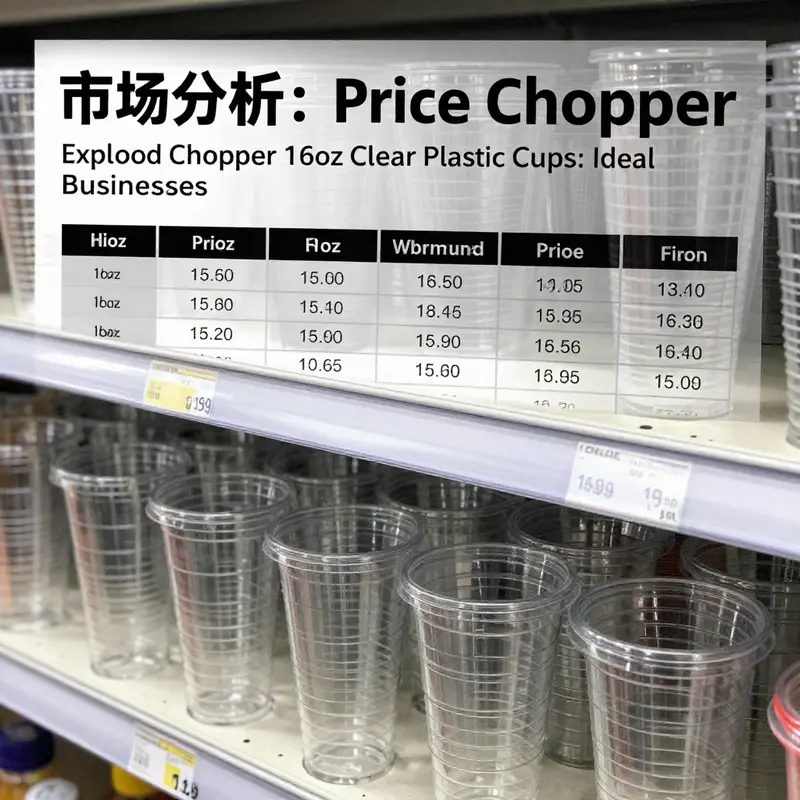
A 16-ounce clear plastic cup sits at a curious crossroads in modern retail. It is a vessel that must perform in the brisk tempo of grocery floors, in the controlled environment of beverage counters, and in the promotional spaces where brands try to catch a shopper’s eye without shouting. The absence of a single, dominant brand attached publicly to a specific retailer does not erase the importance of understanding how these cups are priced, what they can do, and how a well‑stocked grocer can balance cost, quality, and sustainability. In many large supermarket chains, the choice of cup material, the presence or absence of lids, the potential for customization, and the minimum order quantities are not mere technical details. They are the levers that shape choice at the point of sale, influence customer satisfaction, and ultimately impact the bottom line. What follows is a cohesive look at the price and specification landscape for 16-ounce clear plastic cups, with a focus on how a major grocery retailer—without naming brands explicitly—navigates supply, demand, and the tradeoffs inherent in this everyday packaging item.
For buyers and category managers, the first question is often about scale. Sixteen ounces is a traditional benchmark in the beverage segment, roughly equivalent to 473 milliliters, a capacity that suits iced tea, lemonade, cold brew, and a wide range of promotional samples. The size is large enough to convey a recognizable beverage experience, yet compact enough to keep storage and handling efficient in a distribution center. In a family-friendly grocery setting, the same cup may also double as a dessert cup or a sampling vessel during in-store demonstrations. Because the use cases span hot and cold beverages, cold tastings, and even merchandising displays, the material and structural design of the cup matter as much as the mere volume. The marketplace therefore treats 16-ounce clear cups as a category with nuanced options—options that can be traded against price, reliability, and the store’s sustainability commitments.
Material choice sits at the heart of this decision. The most common options are polystyrene (PS), polyethylene terephthalate (PET), and polylactic acid (PLA), each carrying distinct cost and performance profiles. PS remains a cost-effective baseline. It offers crisp clarity, good rigidity, and straightforward manufacturing at scale, which is attractive for high-volume promotions and price-driven programs. Yet PS is increasingly scrutinized for environmental concerns. Its recyclability varies by local streams, and consumer demand for more sustainable packaging has pushed some buyers to examine alternatives even for single-use contexts. PET, on the other hand, provides excellent clarity and strength, making it a favored material for premium, custom-printed cups that must withstand handling with care and resist cracking under stress. PET’s processing and resin cost can be higher than PS, but its reputational value—especially when paired with branded, transparent labeling—can justify the premium in certain GTM (go-to-market) strategies. PLA introduces a more eco-conscious narrative: a biobased, compostable option that aligns with sustainability goals in some markets. However, PLA requires separate composting streams to deliver the environmental benefits claimed, and processing costs may be higher while supply consistency can vary, particularly for bulk, non-branded cups. The price differentials among these materials are not merely academic; they translate into per-unit costs that shrink as order size increases but can also hinge on the presence of customization and packaging requirements.
The cost structure for 16-ounce clear cups is a study in tiered pricing. Wholesale marketplaces and bulk suppliers highlight how minimum order quantities (MOQs) and features drive price. A typical double-layer or insulated design—a cup engineered to minimize condensation and improve grip—commands a premium relative to a standard one-piece cup. In one common pricing scenario for a PS-based, double-layer design, the unit cost may rest around a modest per-piece price when the order meets a low MOF (minimum order quantity). For example, a model with a double-wall construction and a straw-friendly lid could price around ¥5.70 per cup at the lowest MOQs on wholesale platforms. That figure illustrates how the structure and function of the cup influence the unit price even before shipping or duties are considered. It also invites a practical reflection: for a grocer, how many times would such a cup be used across a season? The answer drives whether investing in a higher-cost option makes strategic sense for the store’s beverage counters, samples program, or promotional activities.
PLA-based cups, particularly with large-volume MOQs, demonstrate a different price trajectory. The same 16-ounce size, when sourced as a biodegradable or compostable option, can exhibit substantial unit savings only at very high MOQs, and the unit price can be quoted as a fraction of a dollar—sometimes as low as 0.02 to 0.04 USD per piece for large-scale orders. In Chinese wholesale ecosystems, this translates to roughly 0.14 to 0.28 yuan per cup, a striking illustration of how the economics shift when sustainability claims align with mass production and carrier costs are amortized across tens of thousands or hundreds of thousands of units. Yet the caveat is clear: such a low price is contingent on the supplier’s capacity to meet half-a-million-unit run rates and on the consumer perception and regulatory acceptance of compostable plastics in the store’s operating region. Stores that value sustainability often pair these PLA streams with dedicated composting partnerships, which adds another layer of logistics and cost that must be weighed against the environmental narrative they want to present to shoppers.
Custom printed PET cups sit at the other end of the spectrum. The ability to imprint a store’s logo, a promotional campaign, or seasonal messaging introduces an additional cost layer—though it can also unlock a marketing advantage that resonates with brand-conscious shoppers. An example from wholesale channels shows PET cups with custom printing having MOQs around 300 units, with per-unit pricing in the neighborhood of $0.17 to $0.20. In local currencies this might translate to roughly 1.20 to 1.40 yuan per cup, depending on the complexity of the print, color count, and the equipment used to apply the branding. The value proposition here is not just about price; it is about a distinct retail experience. A customized cup can become a walking advertisement inside the store and in take-home moments, extending a campaign beyond the checkout and into the consumer’s daily life.
Beyond the raw material and printing, other design choices influence price and practical performance. A lid or cap, for instance, can be a small but meaningful addition. A basic, clear cup with no lid is cheaper and simpler to stock, but the in-store experience changes when a customer can take a drink to-go without compromising the beverage’s integrity. A lid with a straw slot or a sipping lid adds a modest overhead, and if the cappuccino bar or smoothie counter requires tight spill protection, the combination of cup plus lid becomes a system rather than a standalone item. In some configurations, the cup is paired with a vented lid, which can further increase protection against spills and help with stacking in display cases but might add marginally to the unit cost. For the grocer, choosing the right combination is a balancing act between cost control, customer experience, and operational efficiency at the beverage bar or grab-and-go counter.
Where the market becomes genuinely intricate is in the way procurement channels map to store requirements. Wholesale platforms, including B2B marketplaces, typically present a broad spectrum of options that retailers must sift through to align with their category strategy. The price ranges cited in these channels emphasize a broader truth: bottom-line cost for a 16-ounce cup is not static. It shifts with the material, the presence of features like double-wall or molded grip textures, the ability to print branding, the MOQs, and the supplier’s capacity to meet seasonal demand spikes. In a retail environment that relies on predictable supply parity across hundreds of stores, the ability to source consistently is as critical as the per-unit price. A supplier who can guarantee on-time deliveries, maintain a stable resin or paper stock, and offer flexible MOQs can become an essential partner, even if their per-unit price is marginally higher than a low-quantity alternative.
From the grocer’s perspective, it is also essential to understand the broader competitive landscape. The sector often compares standard, non-custom cups against specialty options that emphasize sustainability, user experience, or promotional value. A plain, clear cup that relies on the product’s color and clarity may suffice for routine beverages, but a store planning promotions—such as seasonal beverages, loyalty programs, or in-store sampling events—could derive disproportionate value from a customized cup or a design that enhances the display aesthetics. In practice, that means procurement decisions are not purely about the cheapest cup on the shelf; they hinge on the store’s marketing calendar, the mix of beverage offerings, and the degree to which the cup itself supports the retailer’s brand story or community engagement goals.
All of this unfolds within a broader context of consumer expectations and regulatory frameworks. In many markets, consumer sentiment increasingly favors recyclable or compostable packaging, and shoppers increasingly scrutinize what the cup is made of and how it ends up after use. The PLA option, praised for its compostability, must be evaluated against the local waste management infrastructure. Some municipalities discourage compostable plastics if there is no industrial composting facility, effectively negating the environmental advantage. In other locales, customers actively seek packaging that can be recycled in curbside streams, making PET a more favorable choice for clear visibility, recyclability, and compatibility with existing municipal programs. The channel’s sustainability narrative then interacts with the store’s private-label or marketing strategy, and the cup becomes part of a larger conversation about waste, recycling, and the lifecycle of single-use plastics in the consumer economy.
A practical way to interpret the price and specification dynamics is to translate the numbers into procurement scenarios. Consider a grocer planning a summer beverage promotion that anticipates high foot traffic and wants to maintain a clean, consistent customer experience across dozens of locations. If the chain opts for a double-wall PS cup with no customization, the unit cost might be driven by MOQs that align with a regional distribution center’s needs. If the same chain is placing a high-volume order for a cross-country campaign with its own branding, the choice might swing toward a PET cup with printed logos, which, while more expensive per unit, may yield a more visually compelling display and a more cohesive brand message. If the retailer’s environmental objectives are prioritized, a PLA-based cup with compostable claims becomes an attractive option, but only if the local waste ecosystem can realize those claims in practice, and only if the incremental cost is justified by the campaign’s scale and the store’s sustainability commitments. The interdependencies are many: supply reliability, material behavior under refrigeration and ice, customer perception, and the downstream implications for recycling or composting streams all intersect with price.
In this context, the absence of a publicly cited Price Chopper–linked cup does not undermine the practical need to analyze price and specification. The market for 16-ounce clear plastic cups is a tapestry of options that a well-informed grocer can navigate by mapping demand, supply capacity, material properties, and the marketing objectives of each program. The procurement team’s job is to translate a shopper’s moment of choice into a packaging decision that minimizes cost but maximizes value—whether that value is measured in lower unit price, higher brand impact, improved customer experience, or a more favorable sustainability profile. That does not require a single, branded cup; it requires a coherent sourcing strategy that aligns with the retailer’s operational model and its customers’ expectations.
From a consumer’s vantage point, the difference between options might appear subtle but can accumulate into a meaningful experience. A cup with a sturdier base and a tighter lid reduces mess during in-store demonstrations or while a shopper navigates the store with a beverage in hand. A cup with a high-clarity PET resin presents a more appealing beverage color and can enhance the perceived quality of the drink, which may influence a customer’s willingness to purchase, sample, or linger in the beverage area. A PLA cup can strengthen the sustainability narrative, which resonates with a segment of shoppers who prioritize eco-friendly choices. Even the seemingly small decision about whether to offer a straw in the cup or to encourage lids with vent holes can influence the customer’s daily interaction with the product and, by extension, the retailer’s overall customer satisfaction metrics.
In the end, the market for 16-ounce clear plastic cups is less about a single price tag and more about a spectrum of choices that retailers can assemble into a coherent category strategy. The numbers from wholesale sources—such as per-unit price ranges for PS, PET, and PLA cups—provide a baseline. But the real value comes from the store’s ability to translate those baselines into predictable supply, reliable performance, and a customer experience that aligns with the brand’s promises. A grocer without a branded cup at the public level can still cultivate a strong association between quality, reliability, and sustainability by selecting the right mix of materials, optimizing MOQs to minimize excess inventory, and ensuring that the packaging supports the promotional and operational needs across store formats. The result is a price-and-specification profile that is less about chasing the absolute lowest unit cost and more about optimizing the combination of price, performance, and perception across the retailer’s entire beverage ecosystem.
For readers who want a tangible sense of the varieties available beyond the abstract pricing and materials, a practical reference is available through a catalog of disposable clear plastic cup options that highlights the breadth of designs, sizes, and configurations. This resource provides a concrete sense of how the market segments these cups by use case, whether it is general-purpose drinking cups, stemware-like disposables, or specialized cups designed for events and catering. The catalog demonstrates how even within a single size category, every feature—wall thickness, lip profile, bottom geometry, stacking height, and print-area flexibility—creates different value propositions for retailers and their customers. As the market continues to evolve, retailers will increasingly rely on data-driven sourcing that couples price transparency with performance metrics, so they can blend affordability with a compelling shopper experience.
From a strategic perspective, the key takeaway is that price and specification are inseparable in this domain. A grocer’s category team should approach the 16-ounce clear cup not as a simple SKU but as a platform for executing promotions, maintaining a clean store environment, and delivering on sustainability commitments. The right cup can reduce waste by minimizing spill risk and improving transport efficiency, while the right price tier can smooth cash-flow challenges during peak seasons. The balance is delicate and dynamic, changing with supplier capacity, regional waste policies, and evolving consumer preferences. What remains constant is the fundamental role of the cup as both a product and a signal—signaling value, reliability, and a shopper-centric approach to packaging that aligns with broader retail objectives.
For procurement teams seeking practical next steps, the analysis suggests several actions. First, map MOQs against forecasted demand windows to avoid overhang while preserving flexibility for promos. Second, test a tiered cup strategy that pairs a cost-effective baseline cup with a premium, branded PET option for high-visibility campaigns. Third, evaluate local waste streams to determine whether compostable options truly deliver a net environmental benefit in practice, rather than simply in theory. Fourth, consider the merchandising implications of cup design—how the bottom, wall, and lip interact with displays, sampling stations, and the store’s overall aesthetic. Fifth, maintain a rolling supplier scorecard that captures performance metrics such as on-time delivery, quality consistency, and the ability to support seasonal spikes. Taken together, these steps turn a straightforward packaging item into a strategic lever—one that can help a grocery chain meet price targets, deliver consistent customer experiences, and meaningfully address sustainability commitments in a way that resonates with today’s shoppers.
Internal link reference: for a practical overview of the different disposable clear plastic cup options that retailers may encounter when sourcing, see the catalog entry at this link: disposable-clear-plastic-cup-outdoor-picnic-pet-cup-drinking-cup-for-parties-birthdays-weddings-camping-utensils.
External context can be broadened through a general exploration of packaging materials and their lifecycle, which helps frame why these cups matter beyond price alone. For a comprehensive overview, refer to an external resource on plastic packaging: https://en.wikipedia.org/wiki/Plastic_packaging
材料研究:Price Chopper 16oz清晰塑料杯的材料特性与现实抉择
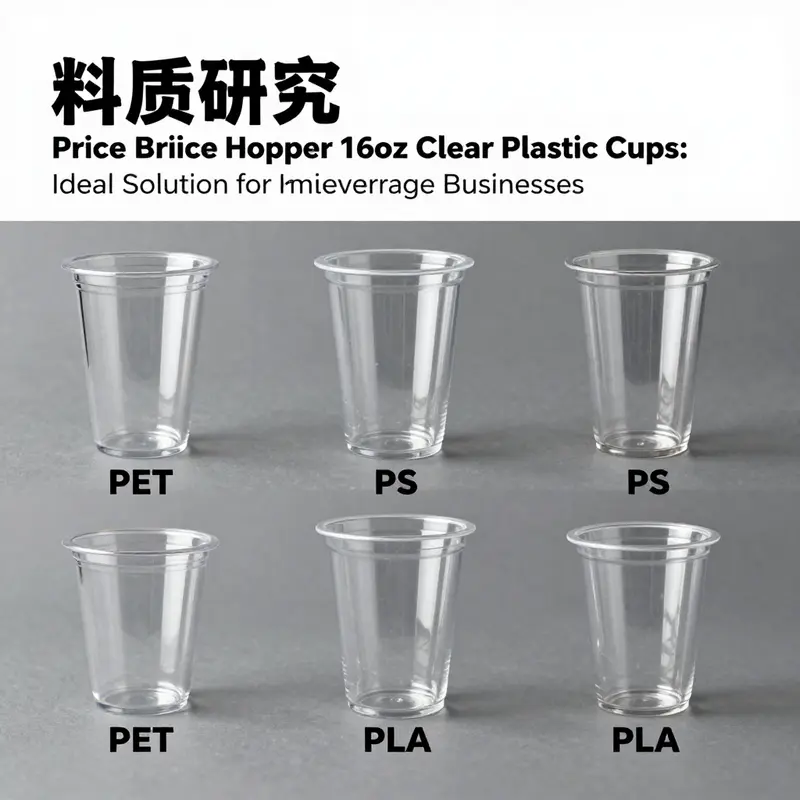
在日常零售与餐饮场景中,16oz 透明杯的材料选择往往比外观更重要。
两类最常见的材料是聚丙烯(PP)与 Tritan 共聚酯。
PP 以成本低、加工性好和食品安全性为优势,耐热性足以应对热饮场景,且回收网络成熟度在多数地区较好。
然而在极端光照条件下,PP 的透明度与长久清晰度可能略显不足,且高端场景对抗冲击与耐化学性要求较高时,PP 的边际优势会变弱。
Tritan 的卖点在于高透明度、优良的耐冲击性与 BPA-free 标签,耐热性通常高于普通 PP,适合高频使用与冷热混合场景,但成本与回收复杂度也相对更高。
除了 PP 与 Tritan,PET、PLA 等材料在特定市场也扮演角色,但在常规的一次性杯与可重复使用杯之间,常见的权衡仍围绕成本、耐久性、回收性与视觉表现。
此外,杯体的几何设计(如杯口圆润度、壁厚均匀性、涂层处理)会显著影响使用体验与寿命,因此在采购时应将材料属性与加工工艺、供应链稳定性共同评估。
最后,生命周期成本与环境影响成为越来越多品牌考虑的核心:选择具明确回收路径、可追溯的材料,并与供应商建立稳定的批次管理与合规信息。
透明杯背后的回收难题与可持续选择:一次性16盎司透明杯在现代零售中的环境代价
章节导入与背景定位
在繁忙的零售环境中,16盎司的透明杯几乎成了冷饮、茶饮与果汁摊位的标配。它们以清晰、轻便、成本低的特性被广泛采用,成为即时满足消费者需求的工具。然而,支撑这类杯子普及的并非只有直观的便利,还有一个复杂且往往被忽视的环境议题:它们在生产、使用与处置过程中的环境足迹。要理解这一点,必须把杯子视作完整生命周期的一环——从原材料开采、制造、运输、使用、回收或处置,到最终对土地、水体和大气的长期影响。这个章节将把焦点聚焦在透明杯的环境代价上,同时探讨在不同情境下可行的替代路径与改进思路。对于消费者与零售端而言,理解这一链条不仅是责任所在,也是实现真正可持续的关键步骤。
生命周期的三个维度:材质、回收系统与使用模式
透明杯的核心往往是聚丙烯(PP)或聚对苯二甲酸乙二醇酯(PET),在某些地区也可能出现聚苯乙烯(PS)等材质的变体。这些材料在理论上具备回收潜力,但现实中的回收率与回收体系的覆盖度往往难以对等。许多城市的回收网络并不能高效处理PET或PP杯,甚至对PS等材料的接纳度更低。这造成理论可回收、实际难以回收的矛盾,形成了大量杯子进入垃圾填埋场或被焚烧的命运。塑料杯的清晰外观让人们误以为其降解和再利用都相对简单,然而现实是,回收流程需要分拣、清洗、运输和再加工等多道环节,每一个环节都可能因成本、设施缺口或市场需求而被放大或削弱。
当我们把目光从杯身本身移到它所处的系统时,可以看见材料选择对整个供应链的影響并非孤立事件。PET杯在回收后能再造出高质量的材料,用于新的塑料制品,但需要高效的回收网络来维持经济性与环境效益。PP杯通常在回收端表现更灵活,但不同地区的回收分拣技术、市场对再生材料的需求以及运输成本,都会影响整条链条的环境收益。与此同时,部分杯子也被设计为生物降解或可堆肥材质,如PLA等替代材料。这里也要强调一个常见误解:即便是生物基材料,在没有合适的堆肥设施或回收机制时,其环境优势可能并未实现,甚至在某些情境下还可能带来额外的资源消耗或污染风险。
一次性使用的设计与消费行为的耦合效应
从设计层面看,透明杯通常以轻盈、成本低廉、对热食饮品的密封性和防渗性有一定要求为目标。这些需求在短期内为商家带来利润空间和顾客体验的一致性,但也放大了资源消耗与废弃物产生的规模。一次性使用的理念在社会层面形成一种消费习惯:用过即丢,方便与快速成为评估好用的核心标准,而非可持续的长期考量。消费者行为在很大程度上决定了杯子在回收体系中的命运。如果在餐厅或零售店内没有明确的回收指引,或者回收箱与教育不足,杯子更容易被误投到垃圾箱,进入焚烧或填埋环节,从而放大碳足迹与环境风险。
环境代价的多维度评估
从全球视角看,塑料杯的生产需要能源、原材料与化学添加剂。开采原油、清洗、溶剂和成型过程都伴随二氧化碳排放、水资源消耗和化学污染的可能性。进入市场后,杯子若未能有效回收,其生命周期的最后阶段也会对环境造成长期压力。海洋生态系统正承受着大量来自塑料垃圾的污染与误食风险,这不仅危及海洋生物,还通过食物链潜在影响人类健康。许多研究指出,塑料垃圾在环境中可能分解成微塑料,长期存在并扩散到土壤、水体甚至大气中。
尽管一些杯子被标榜为环保或可堆肥,现实是,只有当回收或堆肥基础设施足够完善,才可能实现真实的环境收益。在没有广泛覆盖的前提下,环保杯更像是一种标签,而非普遍适用的解决方案。对零售商而言,采购决策直接影响杯子在供应链中的分布与最终处理方式。若以低成本、低起订量为导向,可能会加剧一次性杯在店内外的广泛使用,进而增加废弃物处理的压力。反之,若将环保诉求贯穿采购策略,结合回收友好设计、可再生材料替代和更高效的回收通道,便能在同等经济条件下提升环境绩效。
可替代路径:从替换材料到改变量级
替代路径需要综合考虑材质、功能、成本和回收可行性。在材质层面,生物基和可降解材料看起来是直观的替代选择,但它们的实际环境效益取决于后端的处置能力。例如,PLA杯在工业堆肥条件下表现较好,却往往无法在普通城市堆肥系统中被有效处理;在缺乏相应堆肥网络的地区,PLA 的环境收益可能抵消于额外的生产和运输成本。因此,单纯更换材料并不能自动带来综合环境收益,必须与本地回收与堆肥基础设施的现实情况相匹配。
从使用模式上讲,降低一次性杯的使用量是直接而有效的策略。鼓励携带可重复使用杯、在店内提供可重复使用杯清洗与更换服务、设置杯具回收区以及在餐饮服务中引入杯杯共用或可重复使用杯方案,都是降低废弃物产出、提升资源利用效率的手段。为实现这一目标,零售商和餐饮业者需要在设计阶段就考量杯-盖-托盘-包装整合系统,确保回收通道清晰、回收成本可控、且在消费者教育方面投入必要的资源。
此外,监管与行业标准也在这一领域发挥关键作用。政府对塑料制品的设计、回收责任、回收材料的质量标准以及垃圾分类的要求,都会在产业链中形成激励或约束。一些地区的政策工具,如生产者责任延伸(EPR)或买家承担部分回收成本的机制,可能促使企业重新评估杯具的设计与供应链配置,推动更高效的回收与再利用体系。对于零售商而言,理解并运用这些制度工具,有助于在同等市场竞争中实现更高的环境绩效,同时也传递出对消费者和社区负责的企业形象。
案例视角:从采购到教育的整合思考
在具体操作层面,零售网络若希望实现更可持续的杯具管理,需要建立跨部门协作的采购、物流、店面运营和市场教育机制。采购团队应评估杯子的总成本生命周期,而非仅仅关注单位成本。物流与仓储部门需要分析运输距离、重量差异以及包装优化带来的节省。店面运营则可以通过设置清晰的回收站、开展带杯出门激励、以及提供二次使用杯的优惠,来改变消费者的使用行为。市场教育则承担着传递正确回收信息、引导消费行为的职责。所有这些环节如同一张复杂的网,只有网的每一根线都足够坚韧、彼此协作,环境收益才能在长周期内显现。
内部与外部资源的互补性
为了支撑这类转型,企业需要与回收企业、材料供应商、以及研究机构建立长期合作关系。通过数据驱动的评估,可以准确衡量不同杯具方案的环境绩效,并据此优化产品组合、改进包装设计、提升回收率。与此同时,公众教育与透明披露也显得尤为重要。企业应公开其包装策略、回收率目标与进展,增强消费者信任,促使社会层面的行为改变与政策支持。
在这场关于环境可持续性的对话中,某些显性成本往往被低估,而潜在收益则需要更长的时间来显现。短期内,使用成本降低、流程简化是企业关注的重点;长期而言,提升资源利用效率、降低碳足迹、保护水土与海洋生态,才是企业竞争力与社会责任的综合体现。对于消费者而言,选择更高回收率、易于回收的杯具、以及参与本地的回收或重复使用计划,都是对地球负责的日常行动。
整合性结论与未来展望
透明杯在现代零售中的广泛使用反映出消费文化与供应链设计之间的互相塑造关系。若仅从成本或便利性出发去改变现状,往往难以实现长期的环境收益。真正的改变需要在材料选择、回收体系、使用行为、政策激励与企业社会责任之间形成协同。通过优先考虑回收友好设计、促进再生材料的市场需求、推动可替代性产品的研发,以及在店内外建立明确、可操作的回收与再利用机制,才能逐步降低这类杯具在全球环境中的累积影响。消费者在这一过程中的参与同样关键——明晰的回收信息、可触达的替代方案与对可持续行为的奖励,能够将短期便利性转化为长期环境收益。
以下资源提供了进一步的理论与实务参考,帮助读者从宏观与微观两个层面理解这一议题的复杂性与可能的解决路径。 disposable-clear-plastic-cup-outdoor-picnic-pet-cup-drinking-cup-for-parties-birthdays-weddings-camping-utensils 这类页面虽以具体产品为入口,但其背后反映的设计选择、制造成本与回收挑战,正是本文讨论的核心要素之一。外部参考也强调,塑料污染和废弃物问题需要全球范围的共同努力与持续改进,来自世界卫生组织的相关信息提供了对环境污染、健康风险及治理策略的权威视角。你可以参考 https://www.who.int/news-room/fact-sheets/detail/plastic-pollution 以获取更广泛的背景信息。
Final thoughts
Understanding the nuances of Price Chopper 16oz clear plastic cups, from pricing to material attributes, empowers businesses to make better choices in their packaging decisions. By considering environmental implications, service providers can elevate their brand reputation and meet customer expectations. Opting for the right cup fosters not only customer satisfaction but also supports a more sustainable future in beverage service.