
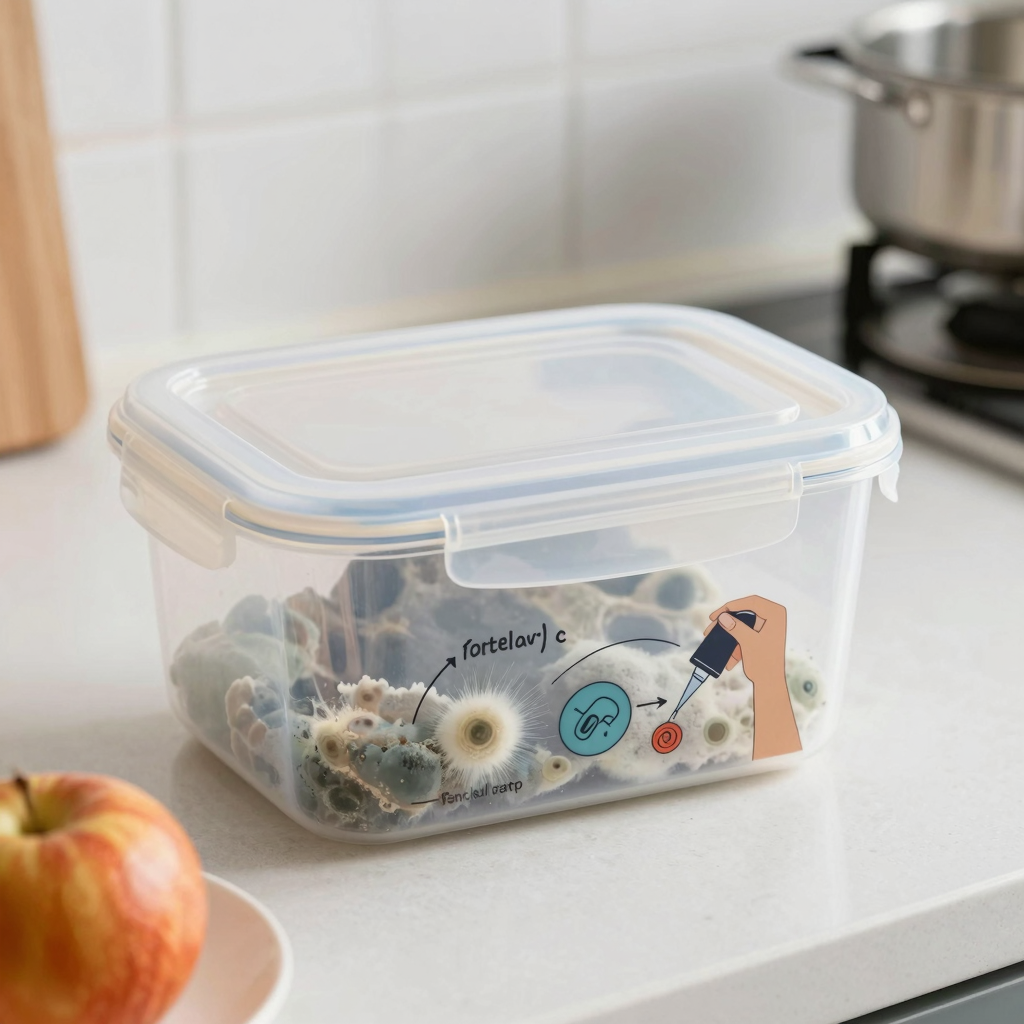
The Importance of Removing Mold from Plastic Food Containers
Maintaining food safety and hygiene in any food-related business is paramount, especially in environments like bubble tea shops, restaurants, food trucks, and catering services. Mold removal from plastic food containers is a critical task that ensures the safety of the food you serve. Mold not only compromises the integrity of food but can also pose serious health risks, including foodborne illnesses, to customers and staff alike. For businesses that prioritize cleanliness, understanding effective mold removal techniques is essential.
Using methods such as soaking containers in a vinegar solution or scrubbing with baking soda can help eliminate mold effectively. It’s vital to regularly inspect plastic containers for signs of mold and to ensure they are thoroughly dried before storage. Learn more about safe practices for plastic food containers on our blog. By taking these steps, food businesses can enhance hygiene and trust among their clientele, thereby fostering a safer dining experience for all.
Common Causes of Mold Growth in Plastic Food Containers
Mold growth in plastic food containers can be a significant issue, especially in kitchens that deal with a variety of foods. Here are the key reasons why mold can develop:
-
Food Residue: Leftover food particles and residue can provide a food source for mold. Scraps from things like rice, dairy, or juices create ideal conditions for growth.
-
Storage Conditions: Containers stored in warm or humid areas without proper airflow can trap moisture, enabling mold to flourish.
-
Humidity: High indoor humidity can lead to condensation inside sealed containers, creating a moist environment for mold spores to thrive.
To learn more about how to prevent mold in plastic containers, check out these tips!
Tips for Preventing Mold in Plastic Food Containers
Preventing mold in your plastic food containers is essential for maintaining food safety and quality in your establishment. Here are some practical tips to keep your containers mold-free:
1. Clean and Dry Promptly
- Wash Immediately: Clean your containers right after use with warm, soapy water to prevent any food residue from hardening
- Rinse Thoroughly: Ensure that all soap is rinsed away.
- Dry Completely: Air dry the containers upside down in a well-ventilated area to eliminate moisture-a key factor for mold growth.
2. Use Appropriate Storage Practices
- Avoid Keeping Food Too Long: Never leave food in containers for more than 2 hours at room temperature.
- Moisture Control: Consider using food-safe desiccants in storage to absorb humidity and prevent mold from developing.
- Store Openly: Keep containers slightly ajar to allow for airflow, rather than sealing them shut while they’re still damp.
3. Regular Maintenance
- Check for Damage: Replace any containers that show cracks or scratches, as these can harbor mold.
- Sanitize Weekly: Sanitize your containers weekly using vinegar or a mild bleach solution to kill any lingering spores.
4. Opt for Quality Materials
- Use Food-Grade Plastic: Ensure you’re using BPA-free plastic such as PP or HDPE, which are less prone to degradation and mold growth.
For further insights into maintaining your plastic food containers, check our guide on plastic containers in the food industry. Regular cleaning and proper storage practices will ensure a mold-free environment, enhancing your business’s food safety standards.
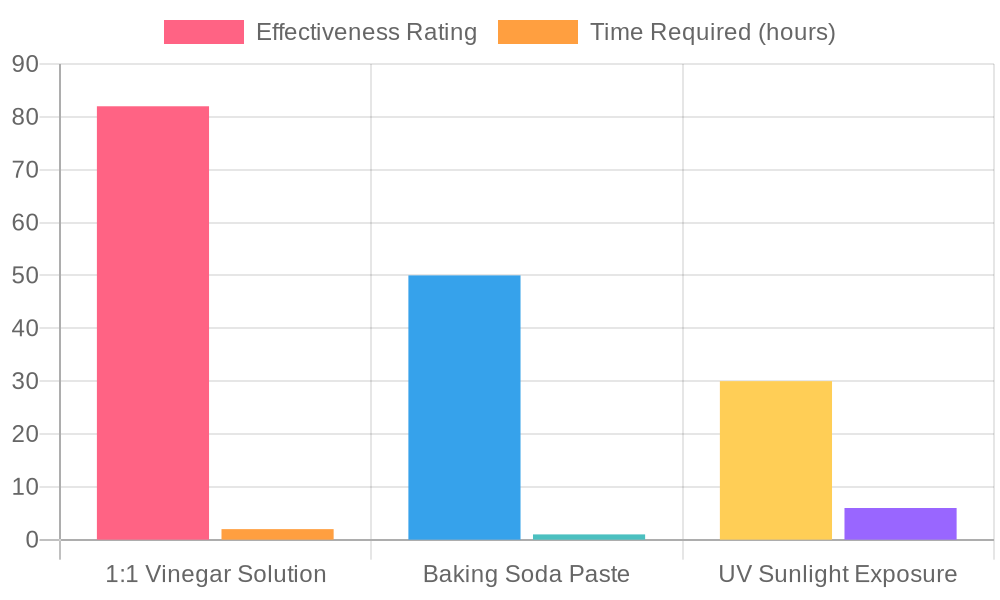
| Cleaning Method | Effectiveness (vs. mold) | Time Required | Required Materials |
|---|---|---|---|
| 1:1 Vinegar Solution | High – Effective against 82% of mold species, including Aspergillus | 1-2 hours (including soaking and rinsing) | White distilled vinegar (5% acetic acid), water, soft brush or cloth |
| Baking Soda Paste | Moderate – Good for surface-level mold and deodorizing | 30 minutes to 1 hour | Baking soda, water, non-abrasive brush or sponge, towel |
| UV Sunlight Exposure | Low to Moderate – Can inhibit mold growth by damaging DNA in spores | 4-6 hours (continuous direct sunlight exposure) | Access to strong direct sunlight, clean surface to place container |
Sources:
Mold growth poses significant risks to food safety, making it a critical topic for various food service sectors. According to the FDA, approximately 25% of the global food supply is lost each year due to spoilage, with mold being a leading culprit. In the United States alone, mold contamination costs the economy about $2 billion annually, particularly affecting food items such as bread, cheese, fruits, and nuts. Mold can produce mycotoxins-harmful compounds that can lead to serious health issues including liver damage and immune suppression. Moreover, a 2023 WHO report indicates that mold affects over 10% of major food crops globally, particularly in regions with inadequate storage conditions. This situation is alarming, as chronic exposure to mycotoxins is associated with heightened risks of serious health conditions, including liver cancer and developmental issues in children. Furthermore, a CDC analysis found that nearly 15% of American adults reported consuming moldy food within a year, underscoring the prevalence of mold-related incidents. Adequate food storage practices and frequent cleaning of food containers can help mitigate these risks. For more on how to maintain food safety through proper storage, learn more about plastic containers in the food industry.
Emergency Mold Removal Solutions for Plastic Containers
Mold can quickly become a nuisance for businesses, especially eateries like bubble tea shops, restaurants, and catering services where food safety is paramount. When it comes to removing mold from plastic food containers swiftly, here are some effective emergency solutions that can help maintain hygiene while ensuring your operations run smoothly.
Quick Solutions
-
Baking Soda Soak: One of the simplest yet effective methods is to soak the affected plastic container in a mixture of one tablespoon of baking soda and one quart of hot water. Let it sit for about 30 minutes, then scrub gently with a non-abrasive sponge. This not only removes the mold but also neutralizes any odors.
-
White Vinegar Rinse: For those stubborn mold spots, a diluted white vinegar solution works wonders. Mix equal parts of vinegar and water, pour it into the container, and let it rest for 1-2 hours before scrubbing. Vinegar is a natural antifungal and can eliminate mold effectively
learn more about kitchen mold prevention. -
Bleach Sanitization: In scenarios where mold is pervasive, or the containers are heavily scratched, a bleach solution can be a last resort. The FDA recommends rinsing your container thoroughly in hot water, followed by washing it with soap. Then, prepare a sanitizing rinse of one teaspoon of bleach per gallon of water, ensuring the container is thoroughly air-dried afterward
view FDA guidelines on mold contamination.
Important Considerations
- Discard Damaged Containers: If the container shows any deep scratches or physical damage, it’s crucial to replace it to prevent the risk of mold spores settling back in.
- Regular Maintenance: Keeping containers clean and dry is essential to prevent mold growth. Consider implementing regular checks in your cleaning schedules to maintain a mold-free environment.
Keeping your food packaging spotless is key to serving safe and delicious food. Implement these emergency solutions next time you spot mold on your plastic containers, and ensure your customers enjoy their experience!
“You cannot rely on cutting away the mouldy portion to make food safe. Even if you remove the visible mould, microscopic filaments and mycotoxins may remain. When in doubt, throw it out.”
- Food Safety Expert
For more information on food container safety, check this guide on food-grade plastic storage.
Conclusion and Call to Action
In conclusion, ensuring that your plastic food containers are properly cleaned and free of mold is crucial for maintaining food safety. As discussed, effective cleaning techniques not only remove visible residues but also protect against harmful pathogens such as Salmonella and E. coli, which can thrive in unclean environments. This is especially important for businesses in the food service industry, from bubble tea shops to catering services, where customer safety is paramount.
To maintain these high standards of hygiene, it’s essential to implement systematic cleaning routines that include effective detergents and sanitizers. Regular training for staff on proper cleaning procedures is also vital.
As you consider the best practices for maintaining cleanliness, don’t forget the importance of choosing reliable disposable tableware and packaging solutions that meet safety standards. Explore our range of disposable products to find the perfect solution for your business needs.
Frequently Asked Questions About Mold in Food Containers
1. What causes mold to grow in food containers?
Mold thrives in warm, moist environments, making food containers ideal locations if they aren’t cleaned properly. Leftover food and moisture can create a breeding ground for mold spores, especially in dark and humid storage areas.
2. How can I prevent mold from forming in my food containers?
To prevent mold growth, follow these best practices:
- Clean Thoroughly: Wash containers with hot, soapy water after each use and ensure they are completely dry before storing food.
- Choose the Right Materials: Opt for glass or BPA-free plastic containers with airtight seals to limit air and moisture exposure.
- Maintain Proper Storage: Avoid placing food containers near humid areas, like sinks or dishwashers. Additionally, consider using silica gel packets in storage areas to absorb excess moisture.
- Check Food Regularly: Frequently inspect stored items for signs of mold, and discard any contaminated food immediately to prevent cross-contamination.
3. Can I still use a moldy container?
It’s best to err on the side of caution. If a container shows signs of mold growth, clean it thoroughly, but if persistent odors or stains remain even after proper cleaning, it may be best to replace it. For detailed cleaning guidelines, refer to our article on plastic containers in the food industry.
4. How often should I replace my food containers?
If your containers show signs of wear and tear, like scratches, these can harbor mold and bacteria. Consider replacing them regularly, especially if they are old or damaged.
5. What factors accelerate mold growth?
Some key factors include:
- Temperature: Higher temperatures can encourage mold growth.
- Moisture: Storing wet or even slightly damp containers can promote mold spores.
- Type of Food: Certain foods are more prone to spoilage and may accelerate mold growth in shared containers.
For more tips on ensuring food safety at your business, don’t miss our guide on preventing mold growth in kitchen storage containers.