
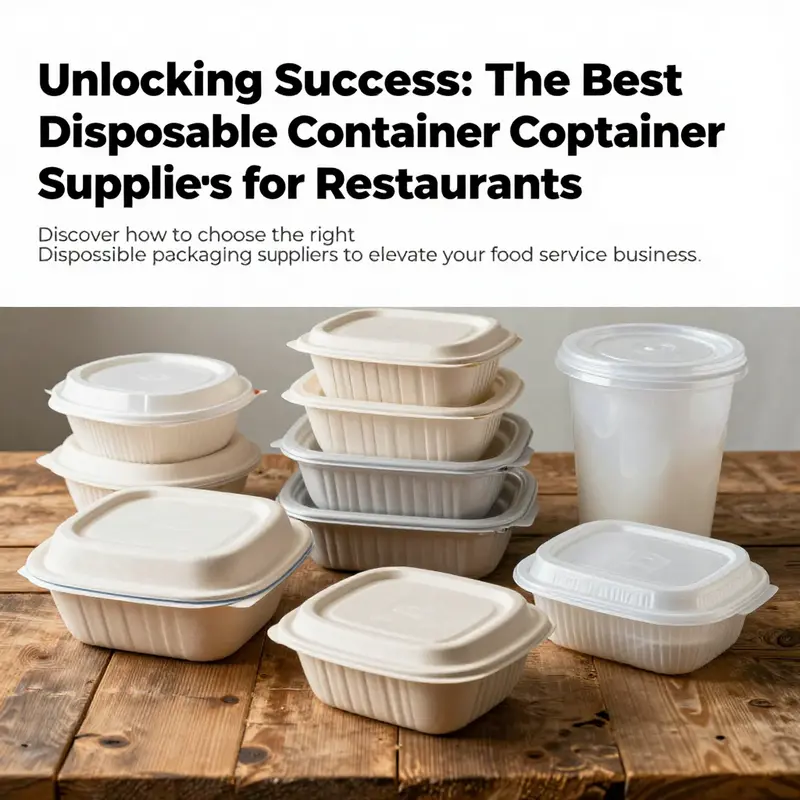
Choosing the right disposable container suppliers is not just about cost-effectiveness; it’s also about ensuring quality, safety, and sustainability. With the ever-increasing demand for takeout and delivery services, understanding the competitive landscape of disposable packaging suppliers is essential for businesses such as bubble tea shops, food trucks, and catering services. This exploration begins with Guangdong Province, known as a manufacturing powerhouse for plastic containers, followed by Zhejiang Province’s commitment to sustainability through innovative paper-based packaging. Finally, we’ll uncover strategies to effectively search for reliable suppliers on platforms like Alibaba, helping businesses find the best options that align with their needs.
Guangdong’s Manufacturing Core: How the Province Powers the Global Supply of Restaurant Disposable Containers
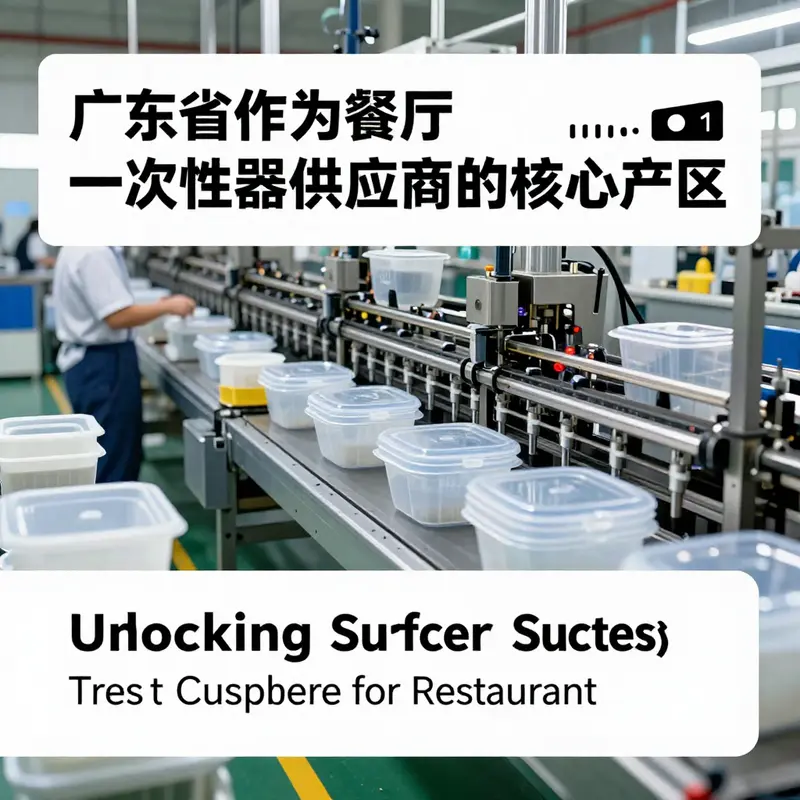
Guangdong Province stands as a manufacturing engine for restaurant disposable containers, a position earned through the convergence of scale, automation, logistics, and a forward-looking policy environment. In practice, the province’s core advantage rests on a dense network of factories, a mature ecosystem of suppliers, and proximity to major international shipping hubs. The Pearl River Delta, with its stable electricity supply, skilled labor, and a long history of precision manufacturing, creates a pipeline that moves everything from raw materials to finished containers with remarkable efficiency. When a restaurant brand evaluates sourcing options, Guangdong’s footprint is hard to ignore. The factories here can turn around large, multi-million unit runs with tight tolerances for consistency, and they can do so while maintaining price competitiveness that supports high-volume restaurant concepts. The geographic concentration near Shenzhen and Dongguan translates into highly optimized freight and handling costs, which to many operators translates into measurable savings on landed cost. In some scenarios, this logistical edge has been quoted as reducing export-related expenses by as much as twenty percent compared with inland supply routes, a figure that speaks to the practical impact of geography on procurement for restaurant packaging.
At the heart of Guangdong’s strength is a sophisticated, end-to-end industrial chain. The upstream materials base includes a family of bio-based and recycled-content options that have moved from niche experimentation to routine production. In this ecosystem, a number of local leaders pursue development in plant-based fibers and biodegradable formulations, harnessing sources such as sugarcane bagasse and bamboo pulp. The engineering challenges of turning these fibers into robust, moisture-resistant containers are addressed through high-temperature, high-pressure forming processes and barrier coatings that preserve product integrity under grease, steam, and microwaves. The results are containers that perform well in the kitchen and can stand up to the rigors of commercial dishwashing and extended shelf life in delivery scenarios. Importantly, many of these facilities maintain strict compliance with international food-contact standards, enabling their products to enter the European and North American markets with relative ease. That export capability underscores a broader truth: Guangdong-based suppliers do not merely serve domestic diners; they participate in a global supply network that treats packaging as a strategic lever for brand safety and consumer experience.
The region’s manufacturing prowess is complemented by a second, equally important dimension: the sheer scale and automation of production. Guangdong’s modern facilities typically combine high-speed thermoforming with multi-cavity injection molding, enabling rapid conversion of plastics into a wide range of container formats. The equipment mix supports both standard, widely used designs and customized shapes, lids, and dividers that improve stackability, reduce leakage, and enhance user convenience. In practical terms, this means a kitchen can order a full spectrum of takeaway solutions—from grease-resistant boxes and sealable lids to compartmentalized containers for meals and salads—and expect consistent performance across large batches. For operators launching new menu concepts or testing limited-time offerings, the ability to introduce new packaging formats quickly reduces time to market and minimizes seasonal promotion risk. The capacity to pivot between materials—plastic, laminated films, and, increasingly, plant-based composites—helps restaurants manage cost volatility while maintaining a coherent brand presentation.
A critical feature of Guangdong’s value proposition is its integrated logistics network. The presence of coastal hubs and well-timed cross-docking facilities makes just-in-time ordering more than a buzzword—it is a working capability. When a restaurant brand adjusts forecast volumes or responds to a sudden spike in takeout demand, the Guangdong supply base can scale accordingly without compromising lead times. The proximity to international ports means that exporters can optimize shipments to multiple regions, ensuring that distributors and chains receive replenishment precisely when they need it. This logistical maturity is especially valuable for operators who manage nationwide footprints or multi-brand portfolios where simultaneous replenishment across dozens or hundreds of locations is routine.
Alongside plastic-based packaging, Guangdong has emerged as a focal point for sustainable alternatives that align with the evolving expectations of regulators and consumers. A segment of the province’s producers has devoted significant resources to plant-based and fiber-based disposable tableware. These products leverage natural fibers such as bagasse and bamboo to deliver boxes and bowls with moisture management and heat tolerance comparable to traditional disposables. The environmental narrative here is not limited to end-of-life advantages; it extends to the sourcing, processing, and manufacturing practices that reduce the embodied carbon of packaging. In the current policy landscape, Guangdong manufacturers are navigating a dual track: continue to provide best-in-class plastic packaging for the high-volume segments while expanding scalable solutions in earth-friendly materials for brands that aim to communicate a clear sustainability message on menus, in stores, and in digital channels. This dual capability is particularly relevant for chains seeking to blend speed and sustainability in their packaging portfolios, offering a practical way to manage regulatory risk and meet evolving consumer preferences.
Policy dynamics in Guangdong reinforce the region’s competitive edge without stifling innovation. The provincial framework supports a transition from traditional “plastic-reduction” approaches to a more holistic model that emphasizes source reduction, circular economy principles, and standardized end-of-life management. The policy direction encourages manufacturers to embed reuse, recycling, and composting considerations into product design, while maintaining the ability to supply high-volume needs with reliability. Restaurants, in turn, benefit from a stable supply of compliant packaging that meets both safety and decorative standards at scale. Certification requirements—ranging from food-contact safety to environmental management systems—become a differentiator in a market where buyers increasingly insist on traceability and accountability. Guangdong manufacturers often pursue certifications that verify responsibly sourced materials, verified supply chains, and transparent stewardship of waste streams. For brands, this translates into a reduced risk profile when expanding into new markets or resizing portions for different market channels while preserving brand promise.
The ecosystem’s depth is also evident in the regional specialization that complements Guangdong’s plastic production. Zhejiang Province, with its strong paper-based and fiber-based capabilities, provides a complementary set of options for buyers who want to diversify away from plastics while maintaining the economies of scale associated with bulk procurement. This cross-provincial dynamic creates a one-stop map for buyers who need a cohesive packaging strategy across formats and materials. Guangdong’s plastic-expertise and Zhejiang’s green-material leadership together offer a comprehensive solution set, enabling customers to optimize total cost of ownership. The cross-border collaboration is not just about materials; it is about aligning design, manufacturing, and logistics to achieve consistent quality, predictable lead times, and a cohesive brand experience across delivery formats and dine-in applications.
For procurement professionals, acknowledging Guangdong’s breadth means moving beyond price alone. The province’s core strengths are expressed in capacity, automation, and consistency. A factory with state-of-the-art lines can deliver millions of units monthly with tight spec control, while a laboratory-like facility in the same campus or industrial park can support accelerated testing of new materials and formats. The ability to test in conditions that mimic real kitchens—grease exposure, heat stability, moisture transport, and stacking pressure—translates into packaging that can withstand the daily rigors of busy restaurant operations. Suppliers in Guangdong also offer end-to-end engagement: material selection, container design, prototype testing, and in-market performance feedback. This integrated approach reduces development timelines, shortens the distance from concept to shelf, and improves the probability that new packaging formats will be adopted across multiple outlets and markets.
In this landscape, the operational model is as important as the product. The most effective Guangdong partners provide more than containers; they offer packaging ecosystems. Lids, dividers, and vented features are designed to work together with the base box to deliver a predictable consumer experience, from the moment a box is opened to the moment a plate is presented at the curbside. The ecosystem approach also reduces the risk of incompatibilities across SKUs, minimizing waste and returns due to mismatched lids or poor seal integrity. This is particularly valuable for multi-brand operators who must manage a broad portfolio of products with consistent packaging performance. The net effect is a more predictable and resilient supply chain, one that can absorb demand fluctuations, weather-induced delays, or global supply shocks with less disruption to restaurant service.
Having a reliable Guangdong supplier base often means more flexible negotiation on design and customization. For brands pursuing a cohesive look across menus and packaging, the possibility of OEM or ODM collaborations allows for brand-specific shapes, sizes, and finish options. The practical implication is reduction in supplier fragmentation. When a single partner can handle design refinements, material selection, and production, restaurants save time in approvals, reduce the risk of quality drift, and maintain tighter control of branding. That control becomes crucial in a landscape where packaging is increasingly used as a storytelling element—communicating safety, sustainability, and convenience in one glance.
To illustrate how Guangdong’s packaging choices manifest in real-world decision-making, consider the broad spectrum of container formats used by modern restaurants. In many cases, a typical portfolio includes plastic boxes for hot dishes, paper-based options for lighter or greener offerings, and fiber-based alternatives for display-worthy or premium lines. The choice among these formats is influenced by factors such as the menu mix, delivery method, storage requirements, and the brand’s environmental commitments. A cluster with strong performance in plastic packaging can meet high-volume demand with stable unit costs, while fiber-based or bagasse solutions can be used to signal sustainability and to align with evolving regulatory expectations in specific export markets. For operators that run a mix of quick-service and casual-dining concepts, Guangdong’s suppliers provide a practical way to synchronize packaging across channels, offering a unified look that remains robust under delivery and takeout conditions.
Beyond the factory floor, Guangdong’s story is reinforced by field practices. Field assessments—factory tours, material sampling, and in-kitchen testing—are essential steps in validating supplier capability. A disciplined procurement approach looks at on-time delivery, defect rates, and responsiveness to changes in order quantities. It also considers the supplier’s flexibility to collaborate on product development and the speed with which they can validate new designs under real-world conditions. Certification status and the supplier’s capacity to support continuous improvement initiatives become critical inputs in the supplier evaluation process. The Guangdong module thus represents not only a capability to produce containers at scale but a willingness to engage in ongoing optimization with its customers.
In sum, Guangdong’s core position arises from a synthesis of manufacturing intensity, material innovation, policy alignment, and logistical sophistication. The province does not merely produce containers; it ensures a reliable, scalable, and adaptable packaging backbone for a vast restaurant ecosystem that operates across borders and market channels. For buyers, this means access to a dense, capable supply base capable of supporting rapid menu changes, seasonal promotions, and shifting consumer expectations around convenience and sustainability. The Guangdong story is one of operational maturity married to strategic flexibility, a combination that yields both dependable supply and meaningful progress toward environmental objectives. This is not only about boxes and lids; it is about the reliability of service, the clarity of brand presentation, and the confidence to focus on what restaurants do best—delighting guests with great food and memorable experiences.
For readers seeking a tangible glimpse into the breadth of packaging formats available in this ecosystem, minor design variations can have outsized effects on usability and performance. A practical example to explore variety is a catalog of take-away packaging options that demonstrates the spectrum of sizes and formats in common use. Consider the five-and-a-half-inch cake takeaway boxes designed for bakery items and desserts; such formats illustrate how a single container family can be adapted with different windows, lids, and inserts to support a range of display needs. To view a representative example of this design family, please explore this product page: 5.5-inch cake takeaway boxes.
The Guangdong cluster’s trajectory is not an isolated feat. It sits within a larger national context in which producers in Zhejiang provide complementary strengths in sustainable materials, and both provinces together enable a comprehensive sourcing map for global buyers. This arrangement gives brands the option to optimize their packaging strategy across materials and formats, reducing risk while preserving the flexibility to adjust to regulatory changes or shifting consumer preferences. In practice, smart procurement involves choosing suppliers that can deliver end-to-end value—from material selection and prototype testing to certification support and on-time delivery within a coherent logistics plan. It also means recognizing that the path to sustainable procurement is not a single material choice but a coordinated approach to design, production, and end-of-life management. Guangdong’s manufacturing core, with its breadth of capabilities and its willingness to engage in joint development, stands as a reliable anchor in this approach, enabling restaurants to pair high-volume efficiency with thoughtful material science and responsible stewardship.
External resource for further reading: https://www.sino-eco.com
绿色脉动:浙江省在可持续餐厅一次性容器供应链中的领导力与创新
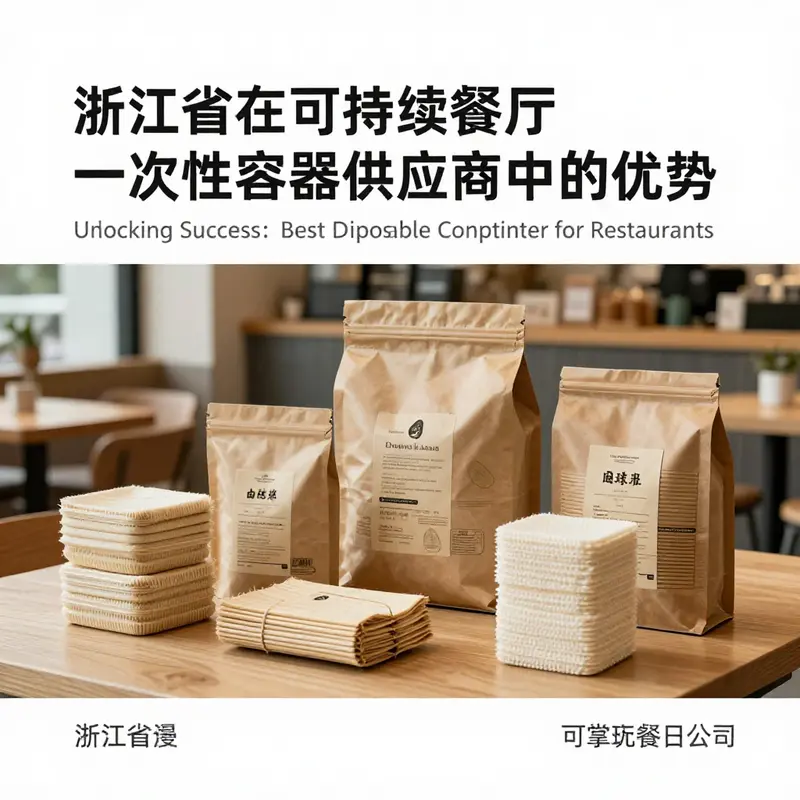
浙江省在可持续餐厅一次性容器供应链中的实践呈现区域协同、材料创新与数字化管理的连锁效应。以区域集群为驱动,头部企业通过可降解材料、低碳工艺和高效物流提升环境友好性与交付速度;从原材料采购到成品包装的全流程数字化实现了快速响应与规模化生产的平衡,同时通过透明认证、供应商考察与第三方检测提升可信度。区域协作还强化了供应链韧性,能够应对价格波动与国际贸易的不确定性,推动本地与全球市场共同向绿色包装转型。
从阿里巴巴到全球供应链:寻找餐厅一次性容器供应商的策略与洞见
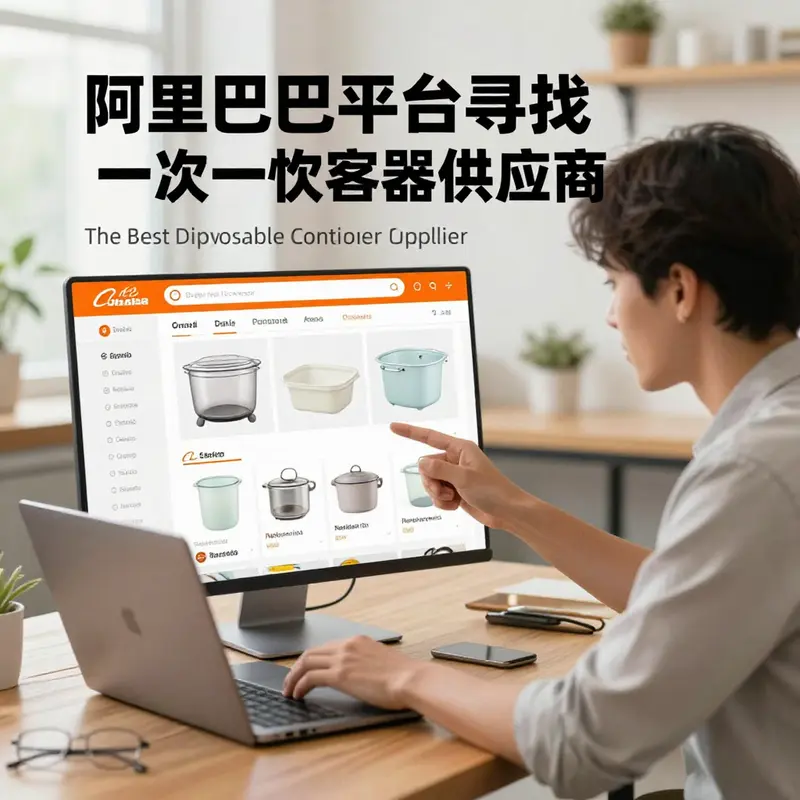
在全球餐饮行业的供应链里,一次性容器的采购已不再是简单的下单与收货过程,而是对品牌形象、成本控制、合规之路以及供应稳定性的综合考量。对于希望在竞争中保持高效运营和可持续发展的餐饮品牌来说,掌握在阿里巴巴国际站等平台上筛选餐厅一次性容器供应商的策略,既有现实性也具前瞻性。要真正理解这一过程,需要把平台的搜索机制、供应商认证体系、生产与物流能力,以及质量与合规性等多维度因素放在同一张坐标系中进行系统性评估。只有在此基础上,才能实现从试单到大规模采购的平滑过渡,并在长期合作中获得稳定的供货节奏和优良的服务体验。下面的叙述尝试以一个整合的视角,呈现一个贯通全链条的采购策略,而非仅仅列出若干技巧。整段叙述将围绕核心需求界定、供应商筛选逻辑、质量与合规验证、平台工具的高效利用、以及长期伙伴关系的建立展开,并在文末提供一个具体的执行入口,以便在实际操作中落地。文中不以具体品牌或型号为中心,而是强调方法论、评估维度以及透明化的采购流程,这也是餐饮品牌在跨境采购中普遍追求的共通目标。要点并非孤立存在,而是互相支撑、共同推动采购效率与风险控制的系统性框架。若你正在寻求结构清晰、可执行的行动路径,本文提供的框架将帮助你在浩瀚的商贸信息中快速定位到最具性价比、最具稳定性的合作伙伴,同时保留对供应链弹性与可持续性的清醒认知。为了使路径更具落地性,文中还将嵌入一个可操作的示例入口,方便你在实际采购前进行快速的对比与试验。你也可以将其中的洞察与自己的采购流程相结合,形成独属于自家品牌的采购手册,确保在任何市场波动中都能保持稳健的供给。为了更好地服务于品牌故事与用户体验,在合适的阶段可以考虑引入OEM/ODM能力,这样不仅能实现统一的外观设计和包装语言,还能在扩张阶段提升供应链的可控性。对注重环保与合规的买家而言,材料选择与认证资质将是谈判桌上不可回避的重要议题。通过对材料类型、耐温、耐腐蚀、是否可微波、是否可生物降解等维度的清晰界定,可以避免在后续大量采购中因为不匹配而产生的退货、换货与二次检验等成本。与此同时,物流环节的设计也应并行优化,尤其是在出口或跨区域供货时,清关与运输时效将直接影响到餐厅的日常运营节奏及顾客体验。对供应商的筛选与评估,关键并非单一指标,而是通过一组互补的标尺来构建一个“信任矩阵”。这包括产业链清晰度、产能与自动化水平、质量控制体系、环境与食品安全认证、以及对小批量试单的友好程度等。善用平台提供的认证标签与交易保障,将采购风险降到最低。与此同时,优质供应商往往具备较强的客户服务能力、灵活的供货策略以及对定制化需求的响应速度,这些要素在餐饮品牌的成长阶段尤其 critical,因为它们直接关系到新菜单上线、活动促销以及门店扩张的执行效率。为帮助品牌在复杂的市场环境中保持清晰的判断力,以下内容将从需求聚焦、供应商筛选、质量与合规、平台工具、长期协作五个方面,构建一个可执行的采购路线图。文中将尽量以可操作的语言呈现,以避免过多理论化的空谈。与此同时,本文还将在一个具体实例入口处给出一个可直接执行的操作点,便于读者在实际场景中快速落地。需要强调的是,尽管平台的功能日新月异,但采购的核心原则始终未变:透明、可追溯、可控与可预期。透明意味着对材料、工艺、认证、成本结构的清晰披露;可追溯强调供应商对生产环节、合规记录和检验报告的可访问性;可控则要求在价格、交期、质量等关键变量上有明确的服务承诺;可预期则意味拥有稳定的供货节奏、明确的应急方案以及可扩展的产能规划。基于这一框架,品牌方可以更自信地在阿里巴巴国际站等平台进行筛选与谈判,最终实现从试单到规模化采购的无缝对接。接下来,将把框架落到具体的操作层面,以便在实际工作中快速应用。首先,明确核心需求是整个过程的起点,也是后续筛选和谈判的灯塔。你的需求越清晰,筛选结果越精准。你可以把需求分解为以下几个方面:材料类型、用途场景、是否可微波、是否带盖、卫生与安全标准、包装规格、数量区间、交货地点、预算区间等。把这些要素转化为可筛选的关键词,能显著提高搜索效率,避免在海量结果中消耗不必要的时间。为了便于理解,以下的筛选思路会被嵌入一个具体的执行路径中:你可以在搜索框中输入“可微波 塑料餐盒 带盖 透明 室温耐用”等组合,并结合属性筛选功能,逐步筛选出符合核心需求的候选项。通过大致的产地偏好与认证标签,可以把范围进一步收缩到具备稳定产能的地区。接下来的步骤,是对候选供应商进行资格过滤。阿里巴巴国际站等平台对供应商进行认证,有“Gold Supplier”(金牌认证)、“Verified Supplier”(认证供应商)以及“Trade Assurance”(交易保障)等标识。这些标识并非绝对保证,但它们确实反映了供应商在平台上的经营历史、信誉度与交易保障水平。在进行初步筛选时,尽量优先考虑具备上述标识的商家,同时结合他们的工厂信息、加工能力、以及对OEM/ODM的支持情况进行综合判断。对于初步筛选出的供应商,下一步是更深度地评估其生产与交付能力。这包括厂房规模、设备现代化水平、现有员工数量、是否具备分拣、包装、贴标等全链条能力,以及他们在不同批量级别下的交货周期。需要关注的关键指标包括:MOQ(最小起订量)、批量单位的运输成本、批次稳定性、以及是否具备分批发货的能力。特别是在跨境采购场景中,供应商是否具备稳定的出口能力、清关经验和海运或空运的协同能力,也是决定项目成败的重要因素。对需要定制化设计的品牌而言,定制能力尤为关键。你应与供应商确认能否提供定制印刷、专属包装语言、LOGO嵌入、特殊夹盖设计、以及对不同容器形态(如分格、密封性、密封盖结构等)的定制化服务。要点在于,定制并非单纯的外观改造,而是对功能性和用户体验的全面提升。一个可落地的判断标准是:对方是否具备设计沟通的通道、是否提供成品样品、是否能在合理的周期内给出设计样本和确认版本,以及是否在成本、时间、质量之间给出可观的权衡。与此同时,质量与安全是最直接影响消费者信任的环节。要确保产品符合食品安全标准,需关注材料的食品级认证、耐高温性能、耐化学腐蚀性、是否可微波、以及是否可生物降解等属性。你可以要求供应商提供材料成分清单、检测报告、以及第三方认证证书的副本,必要时请求样品做实际测试。テ码的合规性不仅影响现货采购的安全性,也关系到品牌在不同市场的合规合规性。通过对供应商提供的报告、实验室检测数据和现场生产情况的交叉核验,可以建立一个可追溯的信任体系。你可能会发现某些供应商能提供快速的样品测试服务,这对于初创品牌或试点项目尤为重要。申请样品不仅仅是为测试容器本身的物理性能,更是一次对供应商响应速度、沟通效率、以及售后服务能力的综合检验。一个高效的样品测试流程通常包含:快速送样、明确的测试指标、可对照的测试模板、以及在样品基础上进行的小批量试单验证。通过这种“先试用、再大单”的路径,可以显著降低早期批量采购的风险。平台工具的有效使用,则是提升采购效率的重要手段。Trade Assurance等交易保障机制,能在商品未按约定交付或质量出现问题时提供全额退款的保障,这种机制的存在为跨境采购增加了信心。你还可以关注“经常一起购买的商品”功能,这对连锁品牌而言,意味着你可以在同一时段组合采购餐盒、杯盖、吸管等相关配件,降低物流复杂度与单位成本。对环保与可持续趋势敏感的买家,还应留意平台上“热销定制”与“环保趋势”产品的出现,以及对回收、可降解材料的认证路径。此时,品牌方不仅是在采购成本与时效之间权衡,更是在建立品牌形象与合规性之间寻找平衡点。对于稳定且持续的需求,建立长期合作关系是实现可控供应的关键。你需要评估供应商的回头率、售后响应、以及持续改进的能力。高回头率通常意味着他们愿意投入资源来提高客户体验、缩短再订货周期,并在生产端实现更高效的排产。要建立持久的合作,沟通必须成为常态。定期回访、测试新材料、评估新包装形态,以及共同制定应急方案,都是降低库存风险、提升供应稳定性的有效做法。你还可以在合同层面设定明确的关键绩效指标(KPI),如交货准时率、合格品率、响应时效、以及售后处理的时效性。通过持续的绩效评估,双方的协同效率会逐步提升,最终形成一个自我强化的供应生态。对于希望在采购过程中实现成本控制和采购灵活性的品牌,可以采用分阶段的采购策略。初期以小批量试单为主,验证材料、封口设计、密封性及耐热性等关键性能;中期转向更稳定的供应商组合,形成主力供货渠道;后期在确保质量与供应稳定的前提下,增加自有包装设计或定制服务的深度合作,以提升品牌一致性和客户体验。正是通过这样渐进式的策略,品牌能够在扩张阶段避免由单一供应源带来的风险,并在不同市场、不同门店之间实现更高的协同效应。关于内部落地的具体入口,可以通过一个可操作的执行点来帮助团队快速行动:在阿里巴巴国际站的筛选页面,将核心需求转化为一组可复用的过滤条件,并结合供应商的工厂信息、认证标签、以及历史交付数据,生成一个短名单。在短名单基础上,发送统一的试样请求,要求对方提供材料说明、测试方案、以及三周内的样品交付安排。待样品到手后,进行对比测试,记录密封性、耐温、耐污性、可微波性以及清洁难易度等指标;同时对交货周期、MOQ、价格结构、售后条款进行对比。在此过程中,结合因地制宜的运输方案,评估不同承运人和清关路径对最终成本的影响。若品牌对包装设计与视觉呈现有更高要求,可在合同中明确自有设计的定制能力、对印刷、颜色匹配与材料来源的要求,并确保设计变更的成本与周期被清晰列出。通过上述流程,你不仅能高效完成供应商筛选与初步验证,更能建立一个可复制的采购音符,为企业的跨境采购提供稳定的节拍。为了帮助你与团队在实际执行中保持方向的一致,本文在最后提供一个入口性的资源,以便你在第一轮筛选后快速对齐内部需求、沟通设计与成本边界。请参考以下入口链接,了解更多关于定制化外卖包装与一次性餐具协同设计的内容: custom-takeaway-packaging-supplies-disposable-tableware-for-theme-party。这一路径将帮助你在不牺牲质量与合规的前提下,实现品牌外观的一致性与消费者体验的提升。最后,若你希望进一步扩展对法规与标准的理解,建议参考官方的食品安全框架与监管资源,以确保采购决策在全球市场中的合规性与可持续性。外部参考资源: https://www.fda.gov/food-safety
Final thoughts
Navigating the world of disposable container suppliers can be a daunting task, yet understanding the unique advantages of regions like Guangdong and Zhejiang, as well as utilizing platforms like Alibaba, can lead to informed decisions that enhance your business operations. By prioritizing quality, sustainability, and reliable logistics, bubble tea shops, catering services, and restaurants can streamline their supply chain and elevate the consumer experience. Investing in the right disposable packaging not only benefits your bottom line but also aligns with the growing demand for environmentally friendly practices. Taking the time to research and select suppliers wisely will set you on the path to success.