
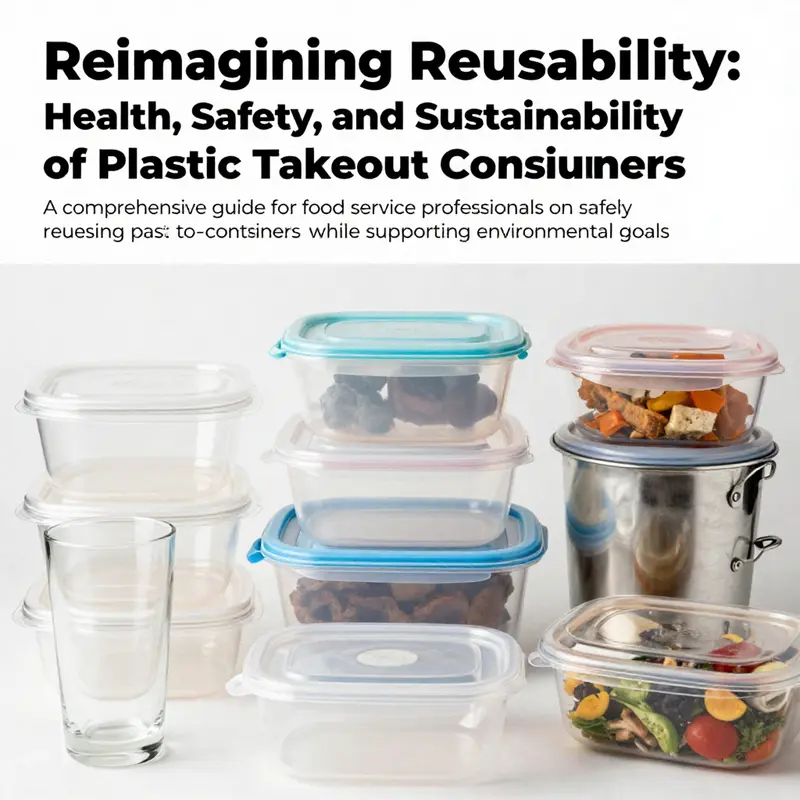
As sustainability becomes more critical in the food service industry, many businesses are keen to find ways to reduce waste and promote eco-friendly practices. One significant area of focus is the reuse of plastic to-go containers. However, reusing these containers is not as straightforward as it may seem—there are essential health and safety considerations, various types of plastics to be aware of, and growing environmental impacts tied to this practice. This guide will navigate through crucial aspects of what it means to reuse plastic to-go containers, highlighting health and safety considerations, identifying which plastics are safe for reuse, assessing their environmental impact, and analyzing global trends that reflect a shift in societal attitudes. By understanding these key points, professionals from bubble tea shops, restaurants, food trucks, catering services, event planners, and procurement teams can make informed decisions that align with both safety standards and sustainability goals.
Rethinking Reuse: Navigating Safety, Materials, and Habits in Reusable Takeout Containers
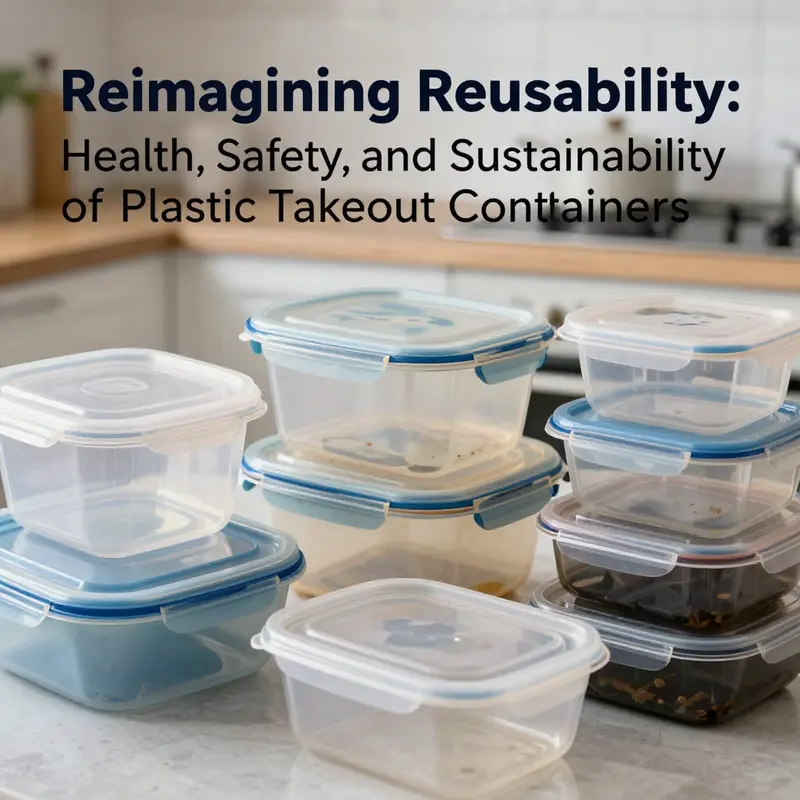
Reuse of plastic takeout containers is a common, practical response to waste and clutter in busy kitchens. The impulse is straightforward: rinse, reuse, and reduce. Yet the decision to reuse hinges on a web of safety considerations that vary with the plastic itself, how it is used, and how long it has been part of the daily routine. Understanding these variables isn’t about paralysis by analysis; it’s about informed pragmatism that protects health without throwing out the environmental value of reuse. Central to this conversation is the resin identification code—the number inside the triangle on the container. It is a shorthand for material type and, more often than not, for the risk profile you should apply to reuse. The current science ranks two resins as generally safer for reuse under typical household conditions. High-density polyethylene, or #2 HDPE, and polypropylene, or #5 PP, stand out for their chemical stability, resistance to heat, and relatively inert performance over multiple cycles. HDPE is commonly found in yogurt tubs and certain rigid takeout containers, while PP shows up in microwave-safe takeout boxes and other heat-tolerant designs. These plastics tend to hold up better under repeated washing and everyday handling, making them the more tolerable options when reuse is desired in the short term. Yet even these materials are not a free pass. The landscape shifts dramatically when you consider usage patterns, such as heating food, storing acidic or fatty foods, or exposing containers to repeated cycles of washing. The detective work is not about labeling alone but about interpreting what those labels imply under real-world conditions. The risk calculus grows more nuanced when you encounter the other common resins. Polyethylene terephthalate, or #1 PET, is frequently used in clear clamshells and drink bottles. It is not recommended for reuse, particularly when undergoing heat exposure or repeated washing. PET can degrade with time, which can increase the likelihood of chemical leaching and mechanical failure. Then there are the plastics that consistently raise concern: #3 PVC, #6 PS, and some #7 formulations, especially those with BPA or related bisphenols. PVC can contain phthalates—endocrine disruptors that may interfere with hormonal systems. PS, or polystyrene, can shed styrene, a compound that researchers have flagged as a possible carcinogen, especially when heated. BPA-containing #7 plastics have drawn attention for hormonal disruption and developmental effects. In practice, these materials should be avoided for high-heat or long-term reuse, and ideally kept out of frequent contact with hot or acidic foods. Alongside the chemical risk, the physical integrity of a container matters as much as the resin type. Even a container that starts its life as a safer material may become a risk factor if it wears down. Signs of wear—cloudiness, discoloration, scratches, warping, or persistent odors—signal breakdown of the polymer matrix. These changes are not merely cosmetic: they can harbor bacteria in micro-scratches, trap odors that cross-contaminate new contents, and gradually release microplastics or chemical residues into food. The practical implication is simple but often overlooked. Reuse should be limited, especially for containers that show wear, and higher-risk uses should be avoided altogether. This is not a hardline prohibition against reuse; it is a call to apply careful judgment to each reuse decision. A cautious approach starts with selecting the right containers for reuse. Where possible, aim to reuse #2 HDPE or #5 PP containers for cold foods and non-acidic ingredients, paying close attention to the condition of the container before each use. If a container has any cloudiness, scratches, or odor retention, replace it. For hot foods or for reheating, the risks rise sharply. Heating a plastic container can accelerate leaching of additives, regardless of its resin type. The microwave is a common culprit, and even containers labeled microwave-safe may not remain inert after multiple cycles of high-heat exposure. This insight comes from recent research that emphasizes a gap between labeling conventions and the reality of polymer aging under domestic use. A 2026 study published in Environmental Science & Technology found measurable leaching of BPA and other additives after repeated high-heat washing, even from containers marketed as microwave-safe. The study used a rigorous protocol to simulate household reuse across several cycles and highlighted a reality that many consumers may not anticipate: safety labels are not a guarantee of long-term safety when plastic is used in aggressive or repetitive ways. The implication for home practice is clear. Limit the use of plastic containers for hot or lengthy reheating, and be mindful of the cumulative effect of cycles. The same study also drew attention to the broader context of plastic safety, reinforcing the point that while plastics can offer convenience, their reuse is bounded by the chemistry of aging, the realities of heat exposure, and the possibility of cross-contamination through microplastics or degraded residues. Microplastic shedding adds another layer of concern. Repeated washing, scratching, or exposure to temperature extremes can cause tiny fragments to detach from container surfaces. These microplastics can migrate into food, with health implications that are still actively studied. While the science is not yet settled on exact health outcomes from microplastic ingestion in every scenario, the precautionary principle argues for minimizing exposure, especially for vulnerable populations such as children, the elderly, or individuals with sensitivities. In tandem with chemical leaching and microplastic concerns, bacterial buildup poses a practical risk. The micro-crevices formed by scratches and cracks can shelter microbes even after cleaning. Lids that warp, seals that weaken, or containers that lose their structural integrity compromise the protective barrier that keeps food safe from air exposure and spills. The cumulative effect of wear and tear is not merely a matter of aesthetics; it is a real safety risk that can manifest as cross-contamination, foodborne illness, or faster food spoilage. Given these risks, the path to safer reuse is shaped by both material choices and hygiene practices. The practical advice is practical because it respects everyday life. Begin with the simplest guardrail: never reuse a container for hot foods if it is not known to tolerate heat without degradation. Even for #2 HDPE or #5 PP, heating increases leaching risk, so avoid microwaving or reheating in plastic unless the container is explicitly labeled as microwave-safe and remains in excellent condition. After each use, wash containers with warm, soapy water, rinse thoroughly, and allow them to dry completely before stacking or storing. The drying step is not trivial; residual moisture can create a hospitable environment for microbial growth in some textured or scratched surfaces. When possible, dry containers on a rack with good air circulation rather than stacking them while damp. Inspect the container for signs of wear before reuse. Cloudiness, discoloration, cracks, or lingering odors are red flags that the polymer is breaking down and bacteria or chemical residues may be trapped within. If any of these signs appear, replace the container rather than risk cross-contamination or leaching in future uses. In the long view, safer storage and reheating decisions align with a broader shift toward non-toxic, durable materials for repeated use. Glass and stainless steel offer substantial advantages over plastic in terms of chemical inertness, odor resistance, and ease of sanitation. Glass, in particular, does not leach additives and resists odor absorption, while stainless steel provides durability and heat tolerance without the same chemical leaching concerns. A growing body of reviews and syntheses supports this preference for reusable non-plastic options for meal prep and storage, especially when higher-frequency use or higher heat is involved. The choice between convenience and safety is not absolute; it is situational. If you must reuse plastic containers, err on the side of conservatism: limit reuse to containers in good condition, favor #2 or #5 resins for cold or room-temperature storage, minimize heat exposure, and replace damaged or worn items promptly. A thoughtful approach also means seeking designs that emphasize durability and cleanability, including smooth surfaces and reliable seals that resist microplaque buildup. To help people navigate these choices, consider how containers are labeled and marketed. Some manufacturers emphasize eco-friendly or microwave-safe features; others highlight leak resistance or durable construction. Reading labels with a critical eye—recognizing that a label is a guide, not a guarantee—can help shoppers make safer decisions about reuse. For households seeking to reduce waste while staying within safer reuse boundaries, disconnecting from the cycle of perpetual reuse and integrating better storage choices can be a prudent strategy. Alternating between small amounts of plastic reuse for cold items and using glass or stainless steel for longer-term storage or reheating can balance convenience with health considerations. This is not a compromise that dismisses reuse; it is a calibrated system that aligns materials science with everyday life. The cumulative message from the research is not a prohibition but a call for wiser reuse. It acknowledges that plastic containers can contribute to a sustainable ethos when used within limits and replaced when wear becomes evident. It also foregrounds the value of design and material choice in shaping safer reuse practices. In practical terms, a household can adopt a routine that minimizes risk while preserving the benefits of reuse. Before reuse, inspect for wear, clean thoroughly, and avoid heating unless the container is proven to be heat-tolerant. Prefer glass or stainless steel when possible for reheating or long-term storage, and keep a small supply of clean, food-grade plastic containers reserved for cold storage only. The habit then becomes a balanced practice rather than a reflexive reuse that ignores material realities. An informed consumer stance also extends to communities and schools, where educational programs can emphasize how to read resin codes, recognize wear patterns, and distinguish between safe long-term reuse and the necessity of replacement. It is this combination of material awareness, practical hygiene, and lifestyle adaptation that makes reuse safer and more sustainable. For readers who want to explore the science more deeply, a recent external resource provides a rigorous examination of how chemical leaching and microplastic release evolve with repeated washing cycles. External resource: https://pubs.acs.org/doi/10.1021/es2345678. Finally, for readers seeking practical examples of safer packaging options and design-forward solutions, one can look to the broader ecosystem of eco-conscious takeout packaging that emphasizes durability, non-toxic materials, and easy cleaning. In this context, consider containers designed with non-porous surfaces and resilient seals that minimize micro-scratching and make sanitation straightforward, thereby supporting safer reuse over a reasonable time horizon. For users who want tactile, everyday reminders, a simple rule-of-thumb helps: if a container can be wiped clean easily, shows no signs of aging, and has been stored away from heat, it can be reused a few more times for cold foods; if any doubt remains, transition to glass or stainless steel and reserve the plastic for short-term, cold storage only. Within this framework, the choice to reuse becomes a deliberate practice rather than a default expectation, a shift that harmonizes waste reduction with the health considerations that science continues to refine. To learn more about safer packaging designs and practical reuse guidelines, readers can explore deeper resources that align with this approach and consider how the right container choices can support both personal health and environmental goals. eco-friendly takeout boxes for packaging can offer a starting point for thinking about how materials and design influence safe reuse. In sum, reusing plastic containers can be part of a thoughtful, waste-conscious kitchen, but it requires attention to material type, caution with heat, vigilance for wear, and readiness to switch to safer, non-plastic options when needed. This balanced approach aligns practical everyday habits with the evolving science of plastics, leaping beyond simple reuse to safer, smarter storage and handling. External resource: https://pubs.acs.org/doi/10.1021/es2345678.
Reading the Triangle: Safely Reusing To-Go Containers by Understanding Plastic Types
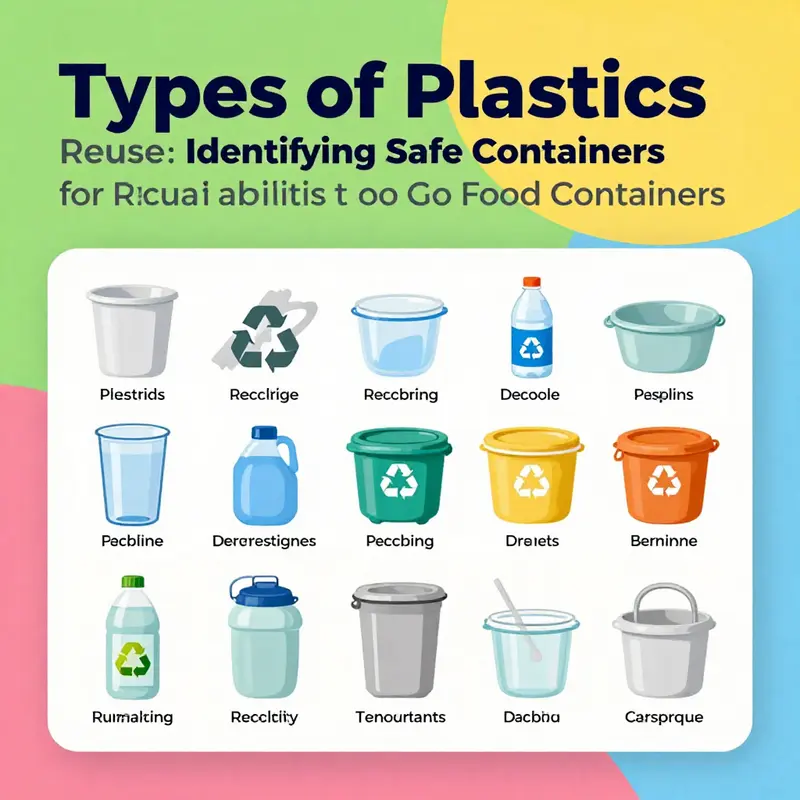
Reusing plastic to-go containers is a habit that many people cultivate to cut waste and keep costs down. It can be a practical choice, especially in households that batch meals, pack lunches, or shop for leftovers. But when the same container racks up multiple uses, the conversation shifts from “how” to “how safely.” The core of that safety is a compact, almost universal symbol: the resin identification code, the number inside the little triangle on the bottom of the container. That number tells you, in general terms, what resin the container is made from and, by extension, how it behaves when subjected to repeated washing, heat, and contact with different foods. The science isn’t a single verdict but a spectrum of risk and resilience, and understanding where a container sits on that spectrum helps consumers make smarter choices without abandoning reuse altogether.
Begin with the basics. PET, the number 1 plastic, is ubiquitous in single-use beverage bottles and some clamshells. It is known to perform well under one-time use, but safety risks increase with heat, repeated washing, or exposure to acidic or oil-rich foods. In practical terms, that means a PET clamshell or bottle that’s been used beyond a single cycle, especially if warmed or stored hot foods, is not a reliable candidate for long-term reuse. The literature notes a tendency for PET to degrade under such conditions, with chemical migration becoming more likely as the plastic’s structure breaks down. For anyone who routinely stores oils, citrusy dressings, or hot foods in PET containers, the risk profile rises further. The form factor of a container matters as much as the plastic itself; a PET lid or a PET-based component can behave differently from the body of the container, and heating a PET container with a tight seal increases the potential for leaching.
HDPE, which bears the number 2, occupies a more favorable position in the reuse landscape. Milk jugs and many rigid food containers are made of HDPE, drawn partly from its reputation for chemical stability and resistance to heat and degradation. In practice, this stability translates into a higher tolerance for repeated washing and normal fridge or pantry temperatures. Yet HDPE is not entirely risk-free. Some studies have identified traces of endocrine-disrupting compounds under certain conditions, particularly when the plastic is exposed to UV light for extended periods or subjected to aggressive cleaners. The texture of HDPE can also complicate cleaning; tiny pores, micro-scratches, or a rough surface can harbor residues and microflora if not thoroughly cleaned. When you reuse HDPE, the emphasis shifts from “can I reuse this?” to “can I reuse this safely for the intended purpose and duration?” In other words, HDPE is safer for reuse, but it still demands mindful handling and proper cleaning.
Among the common plastics, LDPE, identified by the number 4, often occupies a middle ground. It is widely used in bags, some wraps, and light-duty containers. LDPE is generally more stable than many other plastics and can withstand modest temperatures. The caveat is that LDPE isn’t designed for high-heat applications, and prolonged storage of fatty or oily foods can promote migration of substances. In practical terms, if you’re recycling LDPE tubs or using LDPE-labeled lids, avoid repurposing them for hot soups or fried foods. The stability of LDPE helps justify reuse in lower-temperature contexts but does not grant a blanket green light for all reheating or long-term storage.
Polypropylene, the number 5, is widely considered the best option for repeated food use. PP shines in two respects: it is highly heat resistant and chemically robust. Containers made of PP can tolerate temperatures up to roughly 130°C (266°F), which makes them suitable for microwaving—provided you remove the lid and follow any manufacturer guidance. PP’s resistance to acids and bases further reduces the likelihood of chemical migration during typical food storage. The practical takeaway is clear: if you must reuse a plastic container for reheating or storage, a PP container with a properly labeled “food-safe” designation offers the strongest safety profile. However, there is a practical nuance worth noting: the container body and its lid are not always made from the same material. A PP body paired with a PET lid, for example, can create a mismatch in heat tolerance. In those cases, you should remove the lid before microwaving and avoid heating with the lid on. This nuance underscores a broader point about reuse: match the use to the material, and when in doubt, opt for a different container for high-heat tasks.
Polystyrene, the number 6, sits on the higher-risk side of the spectrum for reuse. Foam takeout boxes and many disposable cups fall into this category. Styrene, a constituent of PS, can migrate into food when the container is heated or stored for extended periods, and the risk increases with oily or acidic foods. PS’s brittleness and fragility also make it more likely to crack or crumble under repeated use, creating crevices that harbor bacteria. For this reason, PS is generally not recommended for reuse, especially in microwave contexts. The same caution intensifies for containers that resemble foam takeout packaging, which often have microscopic pores that can trap residues and microplastics even after washing.
Polycarbonate, the number 7 category, has its own set of concerns. Historically used for some reusable items, PC is known to leach bisphenol A (BPA) when heated or damaged. BPA’s endocrine-disrupting potential has led many manufacturers to replace PC with BPA-free alternatives, and many consumers now seek out BPA-free labeling. Even with BPA-free variants, the broader lesson remains: not all #7 plastics deliver a clean safety profile for repeated contact with hot foods, particularly when the container’s integrity is compromised by scratches, cloudiness, or warping.
This framework—reading the resin code and watching for signs of wear—gets practical only when you translate it into everyday actions. As a container becomes cloudy, discolored, scratched, warped, or retains odors after washing, its barrier properties deteriorate. Bacteria can hide in micro-scratches and residues can migrate during contact with food, moisture, and heat. It’s a reminder that safety isn’t about a single moment of use but about the cumulative effect of multiple reuse cycles. The simplest rule of thumb is: if a container shows visible wear or odor retention, it’s time to retire it, even if it’s a safer plastic type. In the long run, the goal is to balance the convenience and waste-reduction benefits of reuse with the practical safeguards that keep food safe.
Cleaning also plays a central role. After each use, thoroughly wash containers with warm, soapy water and rinse well. Avoid placing containers in the microwave unless the manufacturer explicitly states they are microwave-safe, and even then only in the manner recommended—often with lids removed or vented. For containers labeled “food-safe” but constructed from plastics with lower heat tolerance, it is prudent to reserve them for cold or room-temperature foods. If a container feels tacky, shows a persistent odor, or loses its clarity after washing, those are red flags that the material’s integrity is diminishing. In such cases, replacing the container is the safer option, even if the plastic type would otherwise be considered acceptable for reuse.
With all these considerations in mind, many people ask about practical substitutes that maintain the benefits of reuse without the same level of risk. If you’re seeking safer, reuse-friendly options, consider eco-friendly takeout boxes that are designed for durable reuse and reheating safety eco-friendly takeout boxes for food packaging. The appeal of such alternatives lies not only in the materials themselves but also in their construction and design, which prioritize cleanable surfaces, uniform walls, and safer lid systems. These design considerations reduce the risk of residue traps and promote more thorough cleaning between uses. The broader takeaway is that safer reuse isn’t a matter of a single miracle product; it’s a combination of material science, thoughtful design, and disciplined consumer habits. By choosing containers with proven heat tolerance, cleanable surfaces, and robust labeling, you can extend the life of useful containers while keeping food safety front and center.
When this knowledge is integrated into daily choices, the practice of reusing plastic containers can be framed as a continuum rather than a one-off risk. It is about knowing which plastics are most amenable to reuse, recognizing warning signs of degradation, and substituting higher-risk options with safer, more durable designs when possible. It is also about acknowledging the limits of reuse for high-heat applications and fatty foods, where even a sturdy PP container might not fully mitigate risk if the container is not maintained properly. The end goal remains consistent: minimize waste without compromising health. For many households, that means reserving high-heat tasks for glass or stainless-steel options and using safer plastics for cold storage and cold meals, with an eye toward timely replacement once wear becomes apparent. In other words, reuse should be intentional, informed, and paired with healthy boundary conditions around heat, cleaning, and inspection—an approach that respects both the environment and the body.
External resource: https://www.fda.gov/food/packaging-food-contact-materials
null
null
null
null
Final thoughts
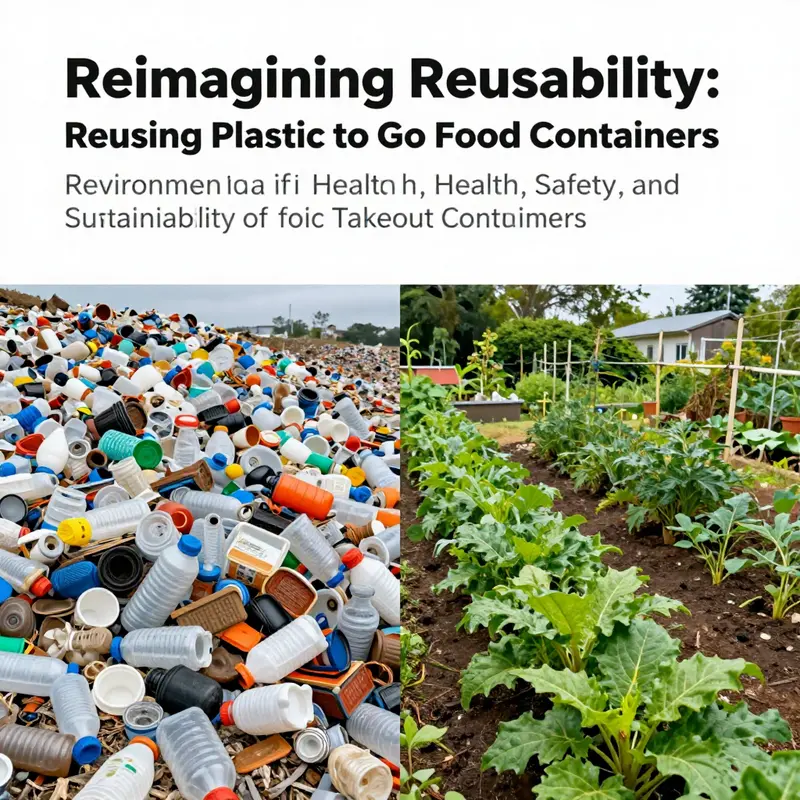
In navigating the complexities surrounding the reuse of plastic to-go containers, it becomes evident that industry professionals must prioritize both health and environmental sustainability. Recognizing safe plastics, understanding their health implications, and being aware of broader societal trends can equip food service providers to make responsible choices. By embracing safe reusability practices, businesses not only comply with health standards but also contribute positively toward environmental stewardship. As this industry evolves, adopting sustainable practices like these will define future success and responsibility.