
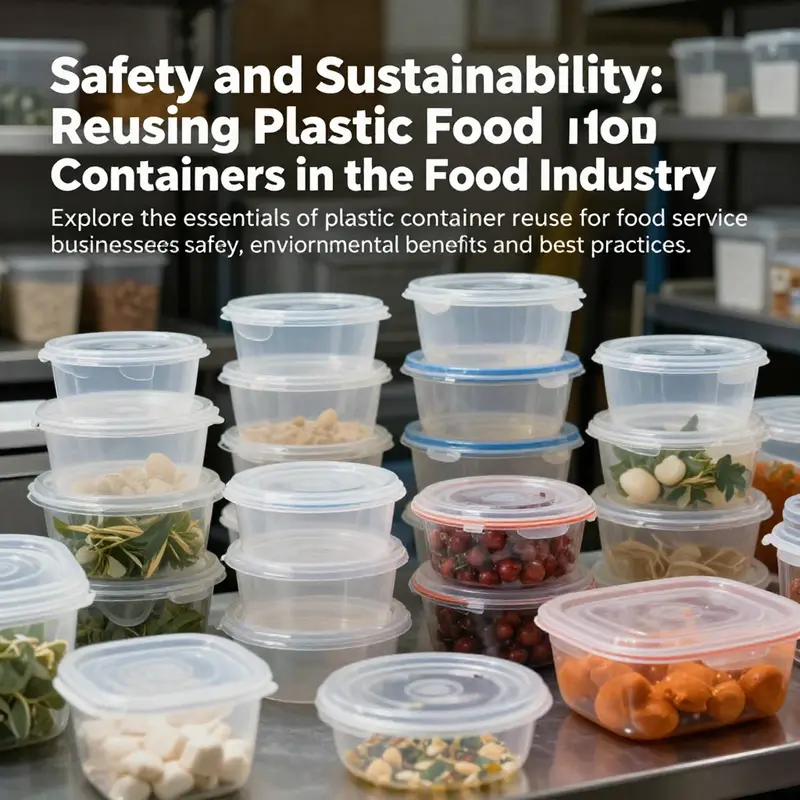
As our world leans towards sustainability, reusing plastic food containers has become a pressing topic for food service industries like bubble tea shops, restaurants, food trucks, and catering services. Understanding the safety protocols and environmental impacts of these containers can enhance your brand’s reputation while keeping your consumers safe. This exploration will dive into the safety of reusing plastic, breakdown the different types available, reveal the environmental implications, and share best practices for effectively and safely incorporating them into your business operations.
Rethinking Reuse: Safety, Materials, and Stewardship in Plastic Food Containers
Reusing plastic food containers is a practice that sits at the intersection of everyday frugality, household efficiency, and public health. It seems simple: wash, refill, and avoid waste. Yet the practice hides a web of material science, consumer habits, and safety thresholds that can shift with time, temperature, and the kind of food you store. When you peel back the surface, the question becomes not just whether a container can be reused, but under what conditions it remains a safe vessel for food across multiple uses. The answer depends on understanding the resin identification codes stamped on the bottom, recognizing the signs of wear, and adopting a cautious mindset about heat, acidity, and material combinations. In the language of the science and regulatory guidance, reuse is not a universal permission slip. It is a set of conditions that, if met, can make reuse feasible and relatively low risk; if not, the risk to health and the integrity of the food can rise with each passing cycle of washing, heating, and handling.
The starting point is a material map. Plastics labeled with numbers inside the triangle—codes 1 through 7—identify the resin type, not a blanket statement about how many times the item can be reused. This distinction is easy to miss but crucial. PET, or code 1, is ubiquitous in single-use beverage bottles. It is lightweight and has good clarity, but it is designed for one-time use and, with repeated washing or exposure to heat, can begin to break down. The risk is not simply structural wear; it includes the potential for migration of additives into food, particularly when containers are heated or hold fatty or acidic substances. HDPE, code 2, and PP, code 5, are the codes most commonly associated with safe reuse. They tend to be chemically stable, resist cracking, and tolerate moderate heat and mechanical stress without degrading quickly. These are the plastics often found in yogurt tubs and takeout containers that people reuse with some regularity. In contrast, PVC (code 3) and PS (code 6) carry greater concerns because of their composition and migration behavior. PVC can release plasticizers and other additives, while polystyrene is more prone to fracture and leach under heat and with certain foods. The most debated and somewhat murky category is code 7, the “other” category, which can include BPA-containing materials or other polymers whose safety profiles may not be fully understood for repeated food contact use. The key takeaway is simple: the resin code is a guide to reuse potential, not a universal endorsement of ongoing safety.
Even when a container is made of a material considered relatively safe for reuse, the conditions of use matter deeply. Heat is the most potent catalyst for chemical migration. When you pour hot soup into a cold-plastic vessel or microwave a container not labeled microwave-safe, you increase the likelihood that additives will migrate into the food. Fats and acids amplify this risk. Oils, tomato sauce, vinegar, and lemon juice create a chemical milieu that can loosen additives from the plastic matrix. It is not just about the container’s material; it is about the meal you put inside it and the temperatures it encounters along the way. The distinction between a container that is safe when used cold or at room temperature and one that remains safe when heated is often the difference between a redeemed container and a hazardous one.
The degradation process is as much about wear as it is about chemistry. Repeated washing—whether by hand or in a dishwasher—gradually roughens surfaces and creates micro-scratches. These tiny imperfections are more than cosmetic; they harbor bacteria and make thorough cleaning more difficult. Cloudiness and warping are more than signs of age; they signal that the container’s barrier properties may be compromised. When the interior coating or the plastic itself is degraded, tiny fissures can become corridors for microbial intrusion. Even if you clean diligently, the combination of heat, scratches, and time may allow residues and microbes to persist in places that are hard to reach with a sponge or a brush.
Another subtle danger emerges from the sometimes imperfect material design of everyday containers. Some products combine materials in ways that seem seamless but actually create unsafe environments for reuse. A steel or glass body with a plastic lid, for instance, can be a potentially problematic pairing if the plastic liner or seal remains the part exposed to heat and acidic foods. The metal might endure heating while the plastic component wears down or leaches compounds into the food, creating a mismatch where one part remains robust and another becomes a source of chemical exposure. The core idea is to ensure that all components that contact food, including lids, seals, and liners, are appropriate for repeated use and for the temperatures and foods they will encounter.
In the backdrop of these material and exposure realities lies a common misconception: the recycling symbol alone signals safety for reuse. The triangle with a number tells you the resin type, but it does not quantify how many times the container can be reused, nor how well it will perform under heat or acidic conditions after multiple wash cycles. Take a #1 PET bottle. It is typically not designed for repeated use in contact with hot liquids or oils, and it can degrade with time, increasing the risk of chemical migration. A #5 PP container, though, is widely repurposed for multiple uses and is often microwave-safe, provided the label confirms it. A #7 container may house BPA or other substances, depending on the specific polymer and additives; thus, its reuse is more complex and riskier to assume.
So what should you actually do with the plastic containers you reach for again and again? The guidance flows from a precautionary mindset, balanced by a recognition that reuse can be both practical and environmentally beneficial when done with care. Start with hygiene and material awareness. Before each reuse, inspect the container for any cracks, cloudiness, warping, or lingering odors. A damaged container should be retired, as its integrity and barrier properties may be compromised. When in doubt, err on the side of caution and replace rather than risk contamination. Cleaning matters as much as choice of material. Use mild detergents and avoid abrasive scrubbers that can create new micro-scratches. A gentle wash reduces the risk of accelerating material degradation during the next cycle.
Consider the foods you store. Reuse is safer when you avoid long-term storage of highly reactive substances such as oils, vinegars, and alcohols in vulnerable plastics. If you regularly store hot liquids, fats, or acidic foods, consider switching to materials that have proven stability under those conditions, such as glass or stainless steel, for the portions you heat and reuse most often. This does not require abandoning plastic entirely; rather, it invites a thoughtful allocation of plastic use to cakes, dry snacks, and cold desserts while reserving safer materials for hot or acidic storage.
In making these choices, you can still retain the convenience of reuse. One practical approach is to curate a set of containers that are explicitly designed for repeated food storage and heating. For example, some containers labeled for multiple uses and safe for heating can be a good option, provided you verify the maker’s guidelines and ensure the item is in good condition. When the aim is to minimize waste without compromising safety, spread your risk: designate specific containers for specific kinds of foods and temperatures. A cold-storage set can be kept separate from a heating-ready set, so the hot-and-acid-prone items do not repeatedly cycle through the same plastic surfaces.
The environmental logic behind reuse—reducing plastic waste and conserving resources—remains compelling. Reusing containers can cut down on the volume of single-use plastics that end up in landfills or incineration streams. Yet the health dimension cannot be ignored. The safest path balances environmental stewardship with a clear-eyed view of material properties, the temperature and acidity of foods, and the physical condition of the containers themselves. When conditions are uncertain, alternatives such as glass or stainless steel offer greater peace of mind for households that reuse containers frequently or store hot foods. In this sense, reuse becomes not a blanket rule but a decision guided by material literacy and practical testing of what your kitchen actually does with each container cycle. To help anchor these decisions in a reliable framework, consult authoritative guidance on plastic safety and food contact materials. The U.S. Food and Drug Administration provides a comprehensive overview of resin types, safe usage, and the risks associated with chemical migration, which can help shape your daily habits and your pantry’s labeling practices. For authoritative guidance, see the FDA resource linked here.
To connect these ideas with everyday choices, consider the idea of selecting containers that are explicitly designed for multiple uses and are clearly labeled for food storage. If you decide to keep a broader set of containers, create a quick reference routine: before you reuse a container, run through the checklist of (1) material type, (2) intended reuse, (3) heat exposure, and (4) cleanliness. In practice, this means looking closely at the bottom code, inspecting for wear, confirming microwave-safety claims, and honoring any manufacturer cautions about contact with hot foods or oils. If you are unsure about a particular container’s safety in a given application, it is wise to switch to a safer option. One robust path is to lean toward glass or stainless steel for hot foods and frequent heating. This approach may require a shift in how you organize your kitchen, but it yields a more predictable safety profile across repeated uses.
In short, reusing plastic containers is not a binary yes-or-no proposition. It is a spectrum defined by resin type, condition, food type, and temperature. By developing a habit of checking the resin code, protecting against heat and acids, acknowledging signs of wear, and balancing practicality with safety, you can reuse with confidence, while reducing waste and protecting health. For households that value both sustainability and safety, the repertoire includes thoughtful material choices, careful maintenance, and, when necessary, a transition to non-plastic storage solutions for the moments that demand it. If you want a streamlined path toward safer storage, you can explore containers designed specifically for durable reuse and microwave-safe performance. For a concrete example aligned with these principles, you can refer to the broader category of eco-friendly takeout boxes that emphasize durability and safer materials in everyday packaging. eco-friendly takeout boxes
As you navigate these choices, the question of safety remains paramount but increasingly manageable. The clear takeaways are that not all plastics are equally good for reuse, heat changes everything, and physical wear changes everything else. Treat the container as a living part of your kitchen system, one that evolves with each wash, each heating cycle, and each meal. When in doubt, favor materials proven for repeated contact with food and heat, or keep the use case simple and short—cold storage, short-term storage, and non-heated meals—until you can verify the container’s safety profile. The science supports a balanced approach: reuse where the chemistry is favorable, retire when signs of wear or heat exposure appear, and lean on non-plastic storage when the context calls for the strongest barrier against chemical migration. This balanced practice makes reuse a responsible habit rather than a careless shortcut, aligning everyday convenience with long-term health and environmental stewardship.
For readers seeking a reliable, regulatory-backed reference, the FDA’s guidance on plastic food contact materials offers an authoritative backbone for these recommendations. It explains how different resins behave under various conditions and clarifies common misconceptions about recycling symbols and reuse limits. This framework helps readers decode their own kitchen practices and establish a safer routine for storing and reheating foods. While the landscape of materials continues to evolve, the core principle remains constant: knowledge of the container, awareness of usage conditions, and careful attention to wear and temperature together define the safety of reuse. In this way, the habit of reusing plastic containers can be both practical and prudent, contributing to waste reduction without compromising health.
External resource for further reading: https://www.fda.gov/food/food-contact-materials-labeling/food-contact-materials-questions-and-answers
Guardians of Reusability: Navigating Plastic Types for Safe, Reusable Food Containers
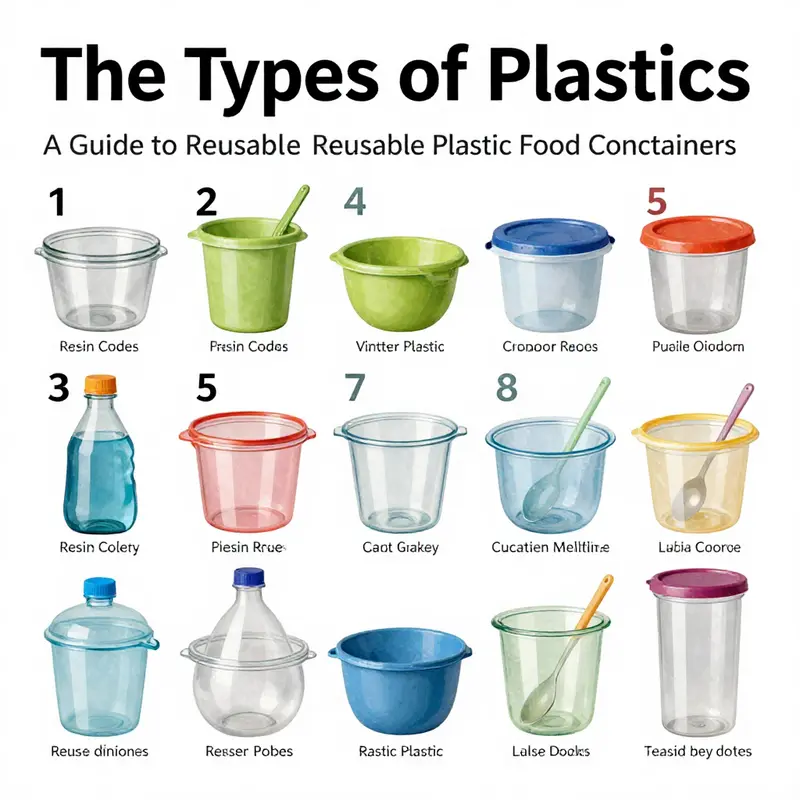
Choosing to reuse plastic food containers is a practical step toward reducing waste, but it demands a careful reading of the materials and the signs a container shows over time. The appeal is simple: you wash, you store, you reuse. Yet plastics are not a single material; they are a family with distinct traits that determine how many times they can be used, what kinds of foods they can safely hold, and how they respond to heat, cold, and wear. At the heart of practical reuse is an identification system that most containers carry—numbers inside a triangle of arrows on the bottom, the resin identification codes. These numbers tell a story about the polymer and, more importantly for daily life, about safety and durability when the container is used repeatedly. Of all the codes, three stand out for households seeking reliable, reusable options: HDPE, PP, and PET, corresponding to codes 2, 5, and 1 respectively. The other plastics, especially PS and certain polycarbonate variants, deserve caution or avoidance for regular food contact. Understanding these codes is not about science trivia; it is about everyday decisions that affect what ends up in your meals and how your kitchen uses its resources over time.
PET, code 1, is renowned for clarity and resilience to impact and chemicals in many single-use applications. In classrooms or kitchens, it often appears as clear bottles and jars that look clean and inviting. But for repeated reuse, PET has limits. It can endure a handful of cycles, yet it is less stable under repeated washing and, crucially, heat. Reheating, microwaving, or keeping PET containers in warm environments can encourage gradual degradation. When PET degrades, microscopic changes in the polymer can create pathways for substances to leach into food, especially if the container is reused again and again or exposed to high-acid foods. For this reason, PET is best kept for cold or room-temperature use and is generally not recommended for long-term reuse or high-heat applications. This liminal position makes PET a convenient one-time or short-term option rather than a workhorse for the kitchen, where daily meals often involve warm or hot components.
HDPE, or code 2, represents a different family of durability. This plastic is valued for its toughness and chemical resistance. HDPE containers can be cleaned and reused with relatively little risk of surface cracking, clouding, or material breakdown. In practical terms, HDPE is often found in yogurt tubs, certain takeout containers, and sturdy storage boxes designed for freezer and microwave use, though microwave suitability should always be verified on the product labeling. Because HDPE is chemically stable and resists many conventional cleaners, it is frequently marketed as a safer option for repeated use. Importantly, many HDPE containers are labeled BPA-free and dishwasher-safe, which helps reduce the cognitive load of daily reuse decisions. Still, even HDPE is not perfectly inert. Over time, scratches and warping can creep in, and those marks can harbor bacteria if the container is not properly cleaned and dried. Any sign of wear deserves a reassessment of whether the container remains a safe choice for food storage, especially when reusing it for hot foods or liquids.
Polypropylene, code 5, often sits at the sweet spot between durability and heat tolerance. PP is notably lightweight, flexible, and capable of withstanding repeated heating cycles, which makes it a natural fit for microwave-safe and dishwasher-safe uses. Containers made from PP are common in lunch boxes, meal-prep storage, and other goods designed for frequent reheating. The heat resistance of PP is a practical advantage: it can withstand repeated cycles of microwaving and cooling without the polymer matrix breaking down in the way some other plastics might. As with HDPE, many PP products are BPA-free, aligning with consumer expectations for safer food contact. Nevertheless, PP is not invincible. When PP containers accrue deep scratches, become cloudy, or warp, their integrity can be compromised. The seal between lid and base may loosen, and micro-scratches can accumulate bacteria, especially in containers used for sauces or grains. Regular inspection is essential. If you notice distortion, cracks, or a dull surface, set that container aside for shorter-term storage or consider upgrading to a more durable option.
Beyond these three, other plastics demand more caution. PET and HDPE may share some crossovers in terms of reuse potential, but the bigger concerns lie with PS (code 6) and the broader family of polycarbonates and certain #7 plastics. PS, commonly found in foam clamshells and some disposable containers, is designed for one-time use. Repeated washing and exposure to heat can cause degradation that increases the risk of leaching, and while it may seem robust enough, the structural and chemical changes may compromise safety over time. The #7 category is a catchall for a variety of plastics, and some may contain bisphenol A (BPA) or related compounds. BPA and certain phthalates are endocrine disruptors linked to hormonal disruption and developmental issues. While many manufacturers now offer BPA-free options, it remains prudent to recognize that not all #7 plastics are created equal, and reuse decisions should be guided by labeling, heat exposure, and the container’s condition.
The practical implications of these differences extend into the kitchen habits that people develop around food storage. A key guideline is to avoid exposing plastic containers to high heat or acidic foods unless the product is explicitly labeled as microwave-safe or acid-resistant. Tomato sauce, vinegar, citrus, and other acidic substances can, over time, increase leaching, particularly in plastics that have degraded from prior cycles or scratches. If in doubt, err on the side of caution. For hot foods, or for containers that have reached a threshold of wear, switching to glass or stainless steel can provide peace of mind and longer service life. These materials are generally inert to heat and acid and do not harbor the same micro-abrasions that can shelter bacteria in plastic.
The wear tells a story. A container that has developed scratches, cloudiness, or warping is signaling its days are numbered for safe reuse. Scratches create micro-niches that can trap food and harbor bacteria even after washing. Cloudiness can indicate chemical changes in the polymer, while warping reflects thermal fatigue from heating and cooling cycles. In such cases, the container’s structural and chemical integrity is compromised, and continuing to reuse it for food storage may not be prudent. The recommendation is straightforward: retire worn containers from food contact use and replace them with objects that have a fresh surface and a reliable seal. Where to store hot foods or liquids in bulk, or where frequent reheating is part of daily meal routines, suggests a preference for glass or stainless steel, whose inert properties and robust performance over time offer a more predictable return on investment for families trying to minimize risk.
A framework for making these decisions rests on labeling and the confidence you can place in the container’s markings. Look for clear indicators that a container is designed for repeated use, such as BPA-free labeling coupled with dishwasher-safe and microwave-safe indications. HDPE and PP products are often marketed with such assurances, and the safer end of the spectrum frequently pairs these materials with a robust design that can endure cycling from freezer to microwave. Yet even with BPA-free and dishwasher-safe assurances, the ultimate test remains the physical condition of the container. If a container shows wear or if you notice unusual odors or changes in texture after washing, it is time to retire it from use for food storage, especially for hot or fatty foods that accelerate chemical migration. The practical upshot is simple: reuse with intention, respect the signs of degradation, and when in doubt, swap to a more stable material.
Choosing a container to reuse is, at its core, a decision about risk management and resource stewardship. It involves a mental model of how plastics behave under the stress of daily life—wash cycles, temperature swings, and frequent handling. The choice of material matters, but so does the care you give to washing and drying, the types of foods you store, and how long you store them. For many households, HDPE and PP offer a reliable balance of durability, heat tolerance, and ease of cleaning, making them the workhorses of the daily reuse routine. PET can play a role for cold storage and non-heat applications, but it should not be pushed into long-term reuse or reheating beyond what its labeling permits. PS and other more problematic plastics warrant cautious use or avoidance for food contact entirely, especially when ongoing reuse is part of the plan.
To summarize in practical terms: when selecting containers for reuse, prioritize those labeled BPA-free, and verify that they are dishwasher-safe and microwave-safe if you intend to reuse them in both cold and warm contexts. Inspect containers regularly for scratches, cloudiness, and warping, and retire any item that shows signs of material fatigue. For hot foods or liquids and for frequent, repeated use, consider glass or stainless steel as a long-term solution. In daily routines, a simple habit—washing after each use, avoiding overly aggressive abrasives, and allowing containers to dry completely before stacking—extends the life of your reusable set and reduces the likelihood of contamination.
For readers seeking more detailed design and material guidance, the topic of plastic types and their applications in reusable containers is discussed in depth through industry packaging guides. See the practical overview here: eco-friendly-disposable-3-compartment-food-grade-packaging-box-for-fast-food-high-quality-takeout-boxes-for-fried-chicken-french-fries-packaging. This example points toward how packaging designs can emphasize durability and safety, even as most households adapt to a growing array of reuse options. While the example focuses on a disposable context, the design principles—stability, cleanability, and resistance to heat and wear—translate meaningfully to the long-term reuse of plastic containers, underscoring the shared aim of safer storage and reduced waste.
The conversation around plastic reuse is not merely about avoiding waste; it is about cultivating trust in the materials that hold our meals. Clear labeling, honest performance claims, and consistent care in handling create a reliable baseline for households to extend the life of their containers. Doing so responsibly means respecting the limits of each material, listening to the signs of wear, and embracing glass or metal when heat and reuse demands exceed what plastic can safely endure. In a broader sense, it is about aligning daily routines with a philosophy of safety and stewardship—one that recognizes the real costs of our storage choices while striving for practical, durable solutions that keep our food safe and our planet a little less burdened by waste.
External resource for broader context and safety considerations: https://www.alibaba.com/product-detail/Chinese-Cosmetic-Packaging-Guide-Performance_1601487253691.html?spm=a2700.19128389.0.0.7d6b3e5fQcLlYt
null
null
Smart Reuse, Safe Storage: Navigating the Best Practices for Plastic Food Containers
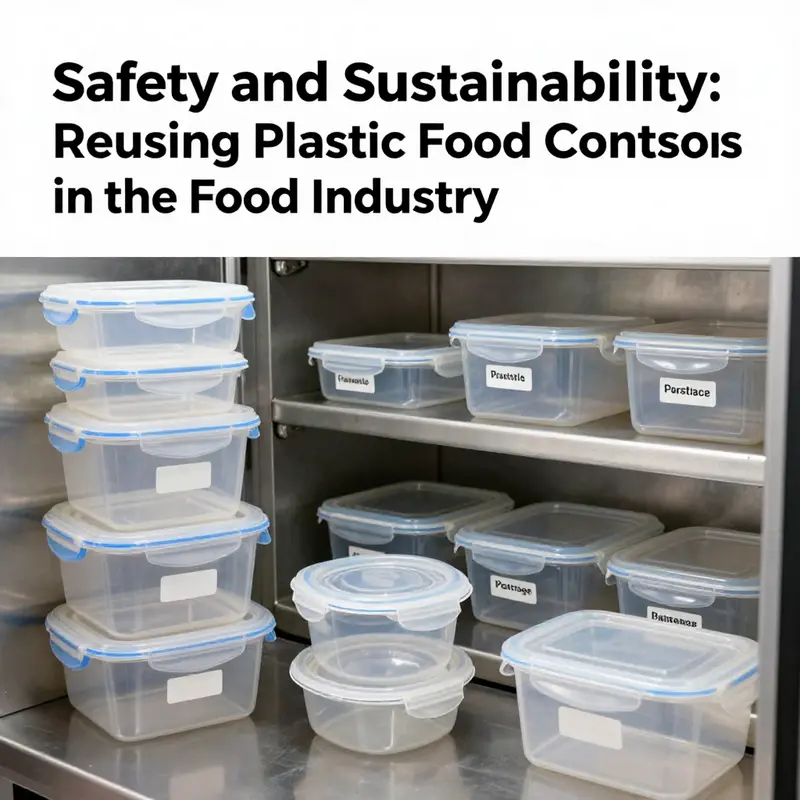
Reusing plastic food containers is a common and commendable step toward reducing waste, but it is not a practice to be adopted casually. The safety of reusing these containers hinges on a nuanced mix of the material type, how the container is used over time, and the signs of wear or damage that accumulate with everyday life in the kitchen. The conversation around reuse is not simply about whether a container can hold leftovers once more; it is about understanding the science behind different plastics, recognizing when a container has outlived its usefulness, and knowing how daily habits can either safeguard or undermine food safety. At the heart of this discussion lies the resin identification code that appears as a small number inside a recycling triangle on the bottom of many plastic containers. This code is a quick shorthand for the chemistry of the container, and reading it correctly can steer households toward safer reuse. Among the codes, two stand out as the most reliable for repeated washing and reuse: HDPE, coded as #2, and PP, coded as #5. These materials are known for chemical stability and resilience. They resist cracking, withstand moderate heat, and tolerate the mechanical wear that comes with routine dishwashing and everyday handling. The containers most often found in households as reusable storage, yogurt tubs, and takeout boxes frequently fall into these categories. In contrast, others—PET, PVC, PS, and particularly the so‑called other category marked #7—have a less forgiving track record for long-term reuse. PET, common in single‑use beverage bottles, and PS, a foam-based material used in clamshell packaging, are designed to be used once and then disposed of. Repeated washing or exposure to heat can cause these plastics to break down, increasing the chance that chemicals seep into food. Some of this concern centers on substances such as BPA and phthalates, which have been linked to hormonal disruptions in certain contexts. It is worth noting, however, that not all #7 plastics are identical, and modern regulations in many places have reduced or eliminated BPA in a broad range of food-contact products. Nevertheless, the general caution remains: the tougher the plastic, the longer it may endure repeated use, but even the toughest containers can degrade with time, especially under misuse. A practical rule of thumb is to treat HDPE and PP containers as the safest options for reuse, while treating others with increased vigilance and a willingness to retire the container when signs of wear appear. The daily reality of a busy kitchen is that wear accumulates in visible and invisible ways. Scratches, cloudiness, or warping are not merely cosmetic issues; they can create tiny crevices that harbor bacteria and micro-scratches that accelerate material breakdown. These marks also alter how evenly heat and cleaning agents interact with the container’s surface, potentially allowing more rapid leaching of any residual additives. Even when a container seems perfectly serviceable, these cues should elevate concern about long-term safety. The same logic applies to temperature: heat is a catalyst for chemical change in plastics, and the misuse of heat accelerates any deterioration. Microwaving a plastic container should only be done if the product explicitly carries a microwave-safe label, and even then the container’s condition matters. Worn edges, cracks, or cloudiness should disqualify it from heating or holding hot foods for extended periods. The advice is clear: when in doubt, avoid applying heat. The habit of storing hot leftovers directly in plastic can raise potential hazards, as hot foods can drive greater chemical migration into the container, particularly if the plastic is worn or not designed for heat exposure. These cautions grow more acute when the container houses acidic or fatty foods. Tomato sauce, citrus juice, vinegar, and rich oils can interact more aggressively with plastics than milder foods. In such cases, even a previously safe container can become a risk factor over time. The prudent approach is to use glass or stainless steel for long-term storage of acidic or fatty dishes, or for containers that will hold these foods repeatedly. It is not just about a single meal; it is about how repeatedly the container is used with certain foods and whether the container’s surface has remained intact enough to resist leaching. Cleaning emerges as a critical anchor point in this safety framework. After every use, containers should be washed with warm, soapy water to remove any food residue that could harbor bacteria or contribute to odors. Abrasive sponges or harsh detergents can abrade the surface, creating micro-scratches where bacteria can hide and where micro-cracks can deepen over time. If a dishwasher is used, placing containers on the top rack minimizes high heat and helps reduce warping; air drying completely before storing completes the cycle of safe reuse. These care steps are not merely about aesthetics or odor control; they part from a broader safety logic. A container that smells persistent or that develops a stubborn discoloration or cloudy appearance is signaling that the plastic is breaking down. In such cases, discarding the container is the sensible choice. Waiting too long to retire a compromised container increases the risk that it will interact with food in unsafe ways, no matter how carefully it is cleaned and reused. The act of deciding when to retire a container can feel like a micro-drama of household management, but it is grounded in tangible indicators. Signatures of wear—a persistent odor, discoloration, cloudiness, or brittle texture—are not merely minor flaws; they are warnings that the container has reached the end of its safe life cycle. This approach does not call for perfection or an obsessive standard, but it does require a consistent, mindful routine. The practical challenge for most households is to balance sustainability with safety. Reuse obviously reduces waste and saves resources, yet safety should never be the casualty of frugality. A pragmatic path is to merge reuse with a conscious material plan: favor HDPE and PP for containers expected to endure multiple uses, but reserve glass or stainless steel for hot foods, acidic or fatty sauces, and frequent heating. The question then becomes how to implement a reliable reuse system in a kitchen that is both busy and mindful. One way is to build a simple labeling practice. When you wash and dry a container, you can add a tiny note on a piece of masking tape indicating the date of the last wash or the type of food most recently stored inside. This tiny habit fosters accountability: it helps you track how long a container has been in circulation and whether it has endured enough cycles to remain safe for continued use. It also offers a quick reference if you notice anything unusual about the container’s surface or odor. Another practical element is the adoption of a rotation system that aligns with typical meal-prep patterns. Use a few containers for fresh batches, a separate set for refrigerating leftovers, and a clear, dedicated space for those containers that will return to the refrigerator after a single use. Such organization minimizes the chance that a worn container will be reused in a high-risk scenario, like hot food storage or heating. Alongside these micro-habits, it is beneficial to stay anchored to established guidance. The U.S. Food and Drug Administration maintains authoritative resources on plastic food contact materials, and their guidance helps translate the science into everyday practice. For readers who want a concise, official reference, the FDA’s food contact materials page provides a comprehensive overview of what is considered food safe and what practices to avoid. This information is especially helpful when families expand their reusable toolkit beyond basic storage and begin to introduce more complex packaging or larger volumes of leftovers. The practical value of this knowledge is not merely precautionary; it is a blueprint for a more resilient, efficient kitchen that prioritizes safety alongside sustainability. Readers who draw a direct line from policy to daily behavior may find that a few deliberate changes—choosing safer resin codes, inspecting containers for wear, avoiding heat exposure, handling acidic and fatty foods with care, and maintaining rigorous cleaning and disposal practices—collectively yield a meaningful reduction in risk while still reaping the benefits of reuse. In sum, reusing plastic containers is not about a blanket rejection of all plastics or a blind celebration of reuse. It is about making informed choices tailored to the material’s chemistry, the container’s condition, and the food’s properties. It is about treating each container as a living part of a safe, efficient kitchen ecosystem rather than a disposable item. To deepen practical understanding, consider this practical snapshot: if a container is marked with the safer codes #2 or #5, has no visible damage, and is used primarily for cold, nonacidic foods, it can be part of a responsible reuse practice with careful cleaning and proper drying. If a container carries codes like #1, #3, #6, or the ambiguous #7, or if it shows any wear or signs of degradation, it is wise to retire it and transition to safer storage options. And when heat is involved, keep the container off limits unless it is explicitly labeled microwave-safe and in good condition. If you frequently stored hot meals or acidic sauces, consider a nonplastic backup—such as glass or stainless steel—for those applications to minimize risk and maximize longevity. The overarching aim is not a one-size-fits-all rule but a dynamic awareness of how materials, usage, and wear interact with the realities of food storage. For a deeper dive into the nuances of plastic safety and reuse, you can explore authoritative guidance on plastic safety and reuse at the FDA’s official resources: https://www.fda.gov/food/food-contact-materials/food-contact-materials-questions-and-answers. And for a practical take on packaging options that emphasize safer reuse in everyday life, see this resource linked within the broader context of sustainable food packaging: eco-friendly-disposable-3-compartment-food-grade-packaging-box-for-fast-food-high-quality-takeout-boxes-for-fried-chicken-french-fries-packaging. By weaving together material knowledge, observational skills, and disciplined routines, households can enact a reuse ethic that is both environmentally meaningful and safety-centered. This approach respects the science behind plastic materials while acknowledging the realities of daily life in kitchens, meal prep, and shared spaces. The goal is not perfection but a steady, informed progression toward safer storage and more thoughtful consumption of leftovers, which in turn reduces waste without compromising health. The path is practical, not prescriptive, and it starts with a simple, everyday habit: look, assess, and decide with care before you reuse. External resources and official guidance remain crucial touchstones as new materials enter the market and as regulations evolve, ensuring that the practice of reusing plastic containers stays aligned with current science and policy. For those who want to explore further, the FDA’s official guidance remains a reliable anchor in the conversation about plastic food contact materials and safe reuse practices. This ongoing alignment between everyday kitchen behavior and science-based recommendations helps households maintain a sustainable approach to food storage without sacrificing safety. External resource: https://www.fda.gov/food/food-contact-materials/food-contact-materials-questions-and-answers
Final thoughts
Incorporating reusing plastic food containers into your operation not only adheres to safety standards but also contributes positively to your environmental efforts. By educating your team about the different types of plastics and implementing best practices, your business can enjoy the dual benefits of cost savings and enhanced community goodwill. Embrace this sustainable practice to secure a healthier future for both your customers and the planet.