
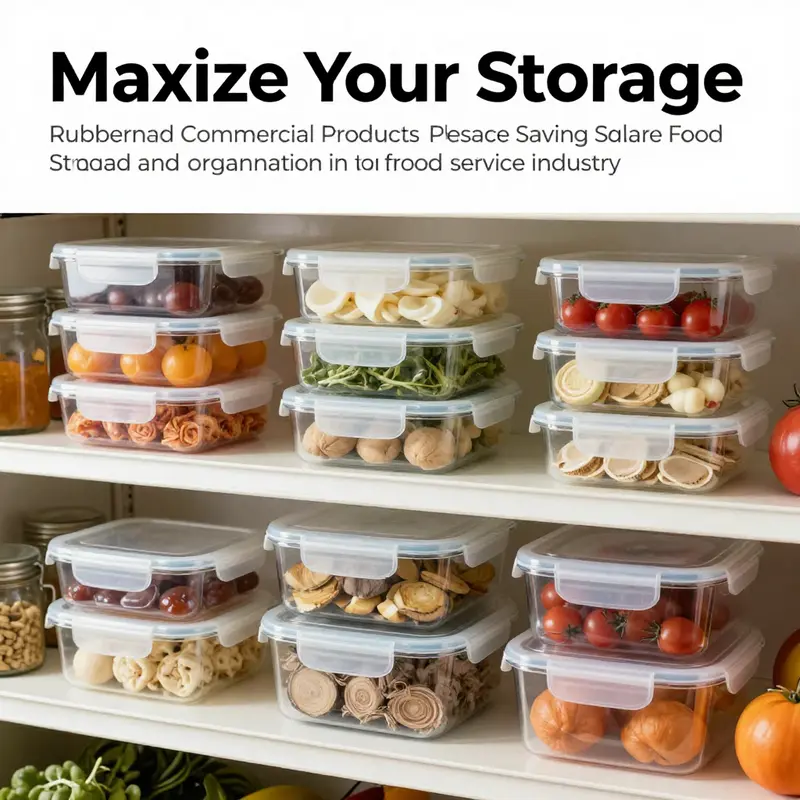
In the food service industry, efficient food storage is essential for maximizing space and maintaining organization. The Rubbermaid Commercial Products Plastic Space Saving Square Food Storage Container stands out as a game-changer, designed specifically for businesses like bubble tea shops, restaurants, food trucks, and catering services. This article delves into the container’s innovative design and functionality, safety materials, temperature range for versatile uses, storage efficiency when compared to round containers, and its significant market impact. Each chapter provides a holistic understanding of how this container can revolutionize food storage practices in your operations.
Squared Space, Clear Sight: The Design and Functionality of a Space-Saving Plastic Food Storage Container
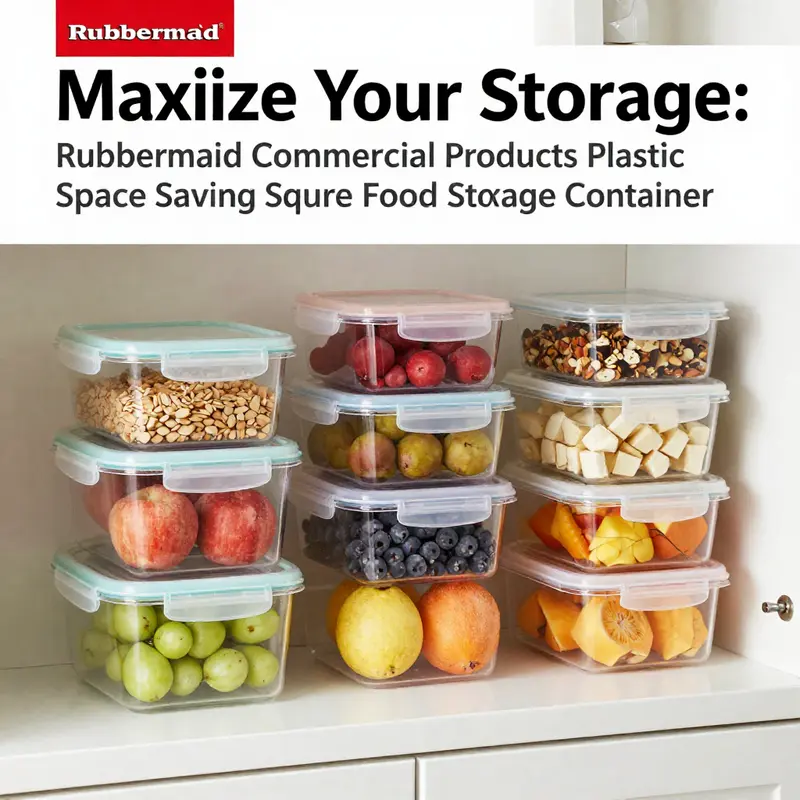
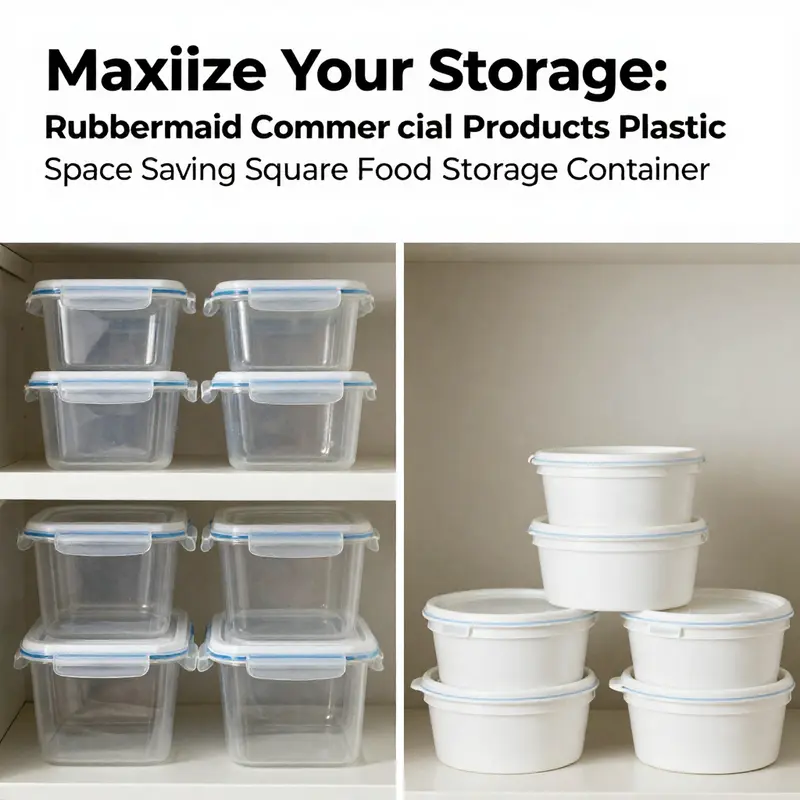
Space in a kitchen is a non-renewable commodity, and a single design decision—the shape of a container—can alter the rhythm of daily work. A space-saving square plastic food storage container does not merely hold leftovers; it reshapes how a kitchen, whether in a bustling cafe or a family home, approaches organization, retrieval, and cleanliness. The square footprint meets the eye first. On shelves, in drawers, or inside a refrigerator, its corners align with the edges of other boxes, allowing a stackable, grid-like arrangement that turns wasted gaps into usable space. This simple geometry translates into measurable efficiency: researchers and designers often note that square shapes can store up to twenty-five percent more on a shelf than round counterparts. That is not just math; it is a practical promise—the chance to fit more ingredients, prepped meals, and portions into the same footprint. The container’s material choice reinforces that promise. Built from a durable, break-resistant polycarbonate, the base resists daily wear, drops, and the knocks of fast-paced service. Polycarbonate shines with a clarity that far surpasses many other plastics; you can see at a glance what sits inside, from pre-measured sauces to bulk vegetables. This visibility is more than convenience. It reduces the number of times staff or home cooks need to open containers and expose contents to warmth, air, or moisture, thereby extending freshness and simplifying rotation. The material’s safety is assured by its FDA compliance for food contact, a baseline requirement in both home kitchens and professional environments. That compliance carries a practical implication: the container can be used across diverse settings without fear of leaching or off flavors, making it a versatile tool in menus, meal-prep routines, and cold storage systems. Temperature flexibility rounds out the design’s practical appeal. The container claims a broad operating range from -40°F to 212°F, which covers everything from deep-freezing storage to hot-processing scenarios. In a home kitchen, this means containers can transition from the fridge to a heated dish for quick reheats, all without a hazard of deformation. In a commercial kitchen, it supports multi-stage workflows where ingredients move from cold storage through preparation, and occasionally into hot service. Some chefs and managers even imagine creative uses in sous vide workflows, where temperature tolerance allows the container to endure water bath environments for extended periods. In every case, safety and reliability underlie the function. Cleaning and maintenance are often overlooked in knife-edge spec sheets, yet they are essential to daily practice. The square container is fully dishwasher safe, simplifying sanitation in busy kitchens and large households alike. No complicated handwashing ritual or fragile parts to replace after every run. This makes it easier to keep multiple containers clean and ready, reducing downtime between tasks. The lid, while an accessory, is also part of the cleaning loop. It is designed to fit multiple-size bases, a thoughtful feature that reduces the inventory of lids and simplifies matching the correct cover to different container sizes. In practice, that means fewer misfits, fewer wasted seconds searching for the right lid, and less clutter in drying racks. Beyond material and construction, the container’s geometry brings another layer of practical performance: the base’s clarity combined with a designed access profile supports quick identification and easy handling. The clear, super-clear base invites the eye to scan contents rapidly, which matters when you are running a busy kitchen line or when you are managing a pantry at home. The absence of fogging or cloudiness during repeated cycling between cold and warm environments is not merely a cosmetic benefit; it is a functional one. When you know what is inside without opening, you cut down on temperature fluctuations inside the refrigerator and reduce the risk of spoiling sensitive items. That quick visibility is a small but meaningful reduction in waste, which, in high-output settings, translates into real savings. If the container’s design reveals the what, the lid’s approach reveals the how. The lid’s ability to accommodate various base sizes threads into everyday use in a way that matters more in a professional setting than many shoppers realize. In a commercial kitchen with cold-storage rooms jam-packed with containers, a single lid that can cover more than one base reduces the pile of mismatched caps at the bottom of a cabinet. It also encourages a uniform stacking strategy. When bases nest, lids stack neatly on shelves instead of becoming part of a cluttered jumbled heap. The nesting and stacking capabilities are not just about order; they are about speed and safety. When staff can reach for a prepped component, retrieve it quickly, and return it to its origin without fuss, service flow improves and the risk of cross-contamination decreases. This design logic—space efficiency, safety, and ease of use—echoes across end-to-end workflows. The container serves as a modular building block in organized systems for batch cooking, distribution, and inventory. In a pantry, the clear base helps staff see what remains and what needs replenishing. In a refrigerator or freezer, the square shape aligns with shelf dividers, enabling a predictable, scalable layout rather than a comet-like scattering of irregular boxes. In a kitchen that replaces guesswork with data, consistent container sizes become a common language for inventory tracking, labeling, and rotation. The combination of robustness, clarity, and modular compatibility makes a square container a practical anchor in any storage ecosystem. Consider the broader implications for sustainability and cost. Space optimization reduces the total number of containers needed to store the same volume of ingredients, which in turn lowers purchase frequency and the burden of waste in the supply chain. Stacking efficiency means fewer shelves or cooler space are required to house the same inventory, which can translate into energy savings over time when refrigerators are used more efficiently. The dishwasher-safe feature supports repeated cleansing without specialized tools or extra labor. And because the base remains transparent, workers can confirm contents at a glance, supporting better stock control and less over-purchasing. In environments where compliance, traceability, and hygiene are paramount, these little design choices accumulate into tangible performance gains. The narrative of this container’s design is not simply about a single product line; it is about a philosophy of intelligent, pragmatic design. It reflects how form and function can harmonize to reduce friction in daily tasks while expanding the capabilities of the storage system. The square footprint is more than a geometry. It is a response to the reality of crowded shelves, cramped refrigerators, and the constant demand for speed without compromising safety or quality. It invites a workflow where staff can quickly locate ingredients, repackage portions for service, or stage components for prep without constant reshuffling of containers. It suggests a culture of cleanliness and order that, in professional settings, matters as much as flavor or texture. For readers who want to explore related packaging options that share the same ethos of space efficiency and visibility, a related reference point can be found in square, lid-compatible boxes designed for quick access and clear content identification. These products demonstrate how the same design principles can cross medium—moving from rigid plastic to cardboard or composite materials—while preserving the core benefits: compact footprint, reliable sealing, and straightforward cleaning. To understand a real-world example of how a square, lid-compatible container can streamline operations in a kitchen or home pantry, you can refer to this related product page: square food box with transparent lid. This link illustrates how designers translate the square efficiency principle into practical packaging solutions, reinforcing the idea that geometry can outpace volume. External resource: https://www.rubbermaid.com
Guardians of Space: Materials, Safety, and the Craft of a Square Plastic Food Storage Container
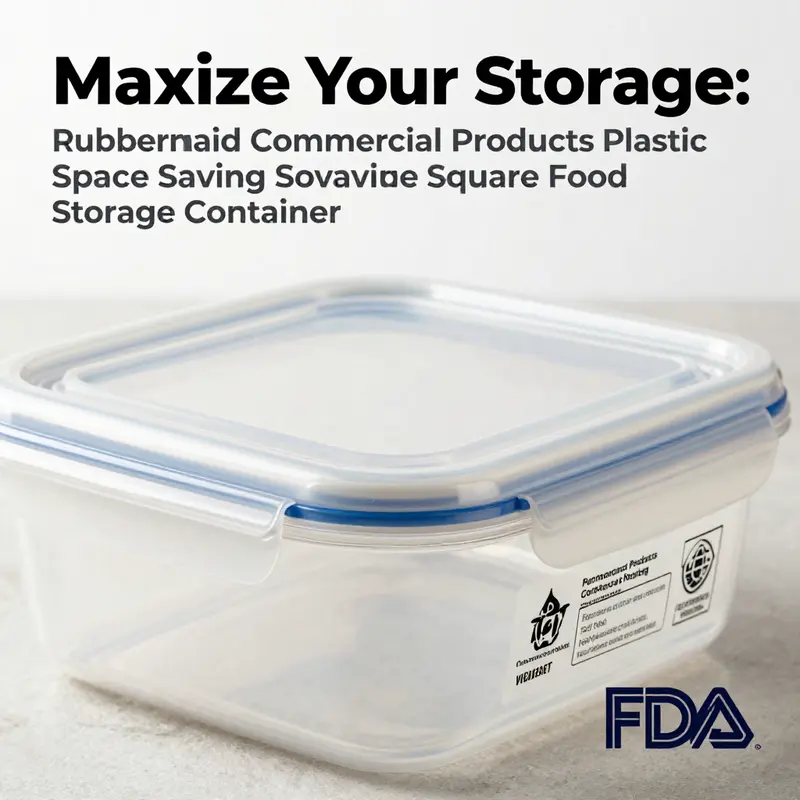
In modern commercial kitchens, the relentless drive to maximize efficiency is as much about how we store food as what we cook. The space-saving promise of a square plastic container—its straight edges, compact footprint, and clear, readable body—speaks directly to that demand. A square shape, when designed with the right tolerances and materials, can nudge a kitchen toward a more orderly workflow, allowing shelves and drawers to align with minimal wasted space. In practice, it means a cabinet labeled with consistent, uniform containers that slide neatly into stacks, nest within one another when not in use, and offer quick visual access to their contents. The architecture of storage is seldom glamorous, but it is foundational. The goal is not merely to hold food but to control the rhythm of a busy service line, to reduce the distance between a cook and the ingredients they need, and to do so with a form that makes the best use of every inch of refrigerated or pantry real estate. The square silhouette, paired with a transparent body, becomes a practical instrument in this ongoing optimization choreography. It supports faster decisions, fewer misreads about what’s inside, and less time spent rummaging through a crowded shelf. In this way, a simple design choice begins to influence the operational tempo of an entire kitchen team, aligning physical space with procedural flow and reducing the likelihood of waste due to forgotten or mislabeled contents. The container’s success rests on more than appearance; it rests on material choices, safety assurances, and a design that withstands the rigors of daily professional use in refrigerators, freezers, microwaves (with caution around heat buildup), and high-temperature cleaning cycles in commercial dishwashers.
The material at the heart of this space-saving solution is a robust, break-resistant plastic that is commonly used in professional food storage. Its primary attributes—strength, impact resistance, and clarity—work together to support a durable workhorse in the kitchen. The ability to resist cracking or shattering when bumped, dropped, or slid across a stainless-steel table matters greatly in high-volume environments where equipment and containers face repeated handling throughout a shift. Clarity, too, is essential. A transparent or translucent body minimizes the cognitive load on staff, enabling quick recognition of items without opening each container. This readability reduces unnecessary door openings and helps maintain cold-chain integrity by limiting exposure to ambient air. The material’s suitability for repeated cycles of loading, unloading, washing, and compact storage is not merely a convenience; it is a safety and efficiency imperative. In practice, this means the container can be used repeatedly without the brittle failures that might compromise a seal, a lid, or the container’s structural integrity over time.
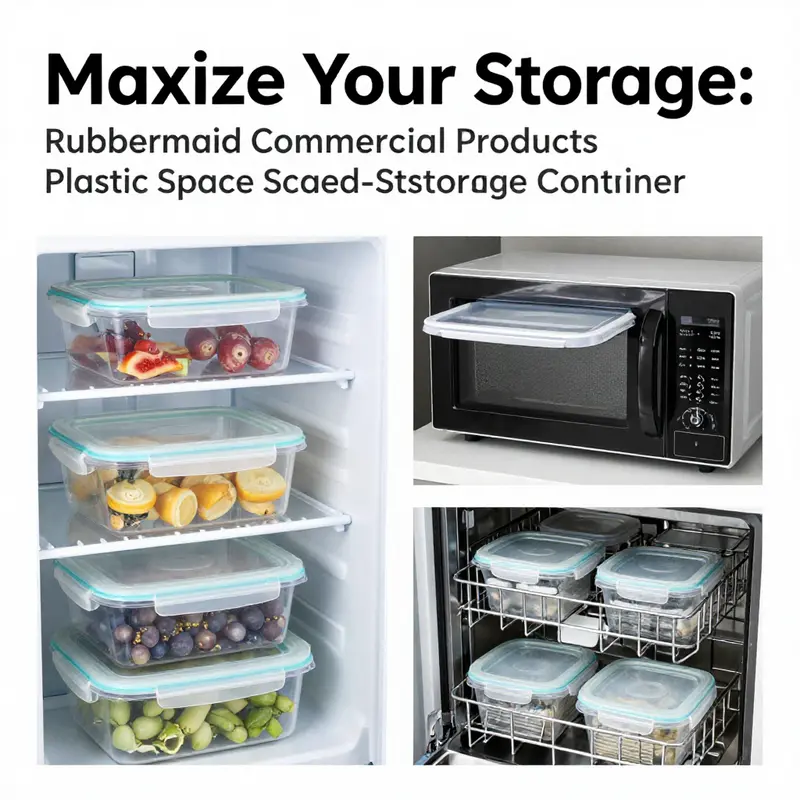
From a safety perspective, the container is designed with food-contact safety in mind. While the explicit certifications are most often documented by the manufacturer, the material in question is widely recognized in professional kitchens as compatible with food contact under typical regulatory expectations. This alignment translates into confidence for operators that the container will not introduce substances into foods during routine use. The practical implication is a greater willingness to use the same container across multiple stages of preparation, storage, and service, rather than rotating in lower-grade alternatives that might require more frequent replacement or more stringent handling precautions. The broad approval implied by food-contact safety standards is complemented by the container’s resistance to the temperature spectrum common to kitchen workflows. The design anticipates refrigeration and freezing, with the ability to resist thermal stresses encountered during cold storage. It also contemplates heat tolerance in scenarios such as reheating or hot holding, provided steps are taken to avoid excessive heat—such as removing the lid when microwaving. This thermal versatility is not just about expanding use cases; it is about enabling consistent, repeatable processes that help maintain food quality, reduce spoilage, and support compliance with food safety practices.
Another key element of safety lies in the container’s compatibility with cleaning and sanitation regimes that characterize professional environments. The same material that yields durability and clarity also behaves predictably under intensive cleaning. It is designed to withstand the cycles of commercial dishwashers that use high-temperature cleaning and aggressive detergents. This resilience supports a robust sanitation routine, a core pillar of food safety programs in kitchens that execute dozens or hundreds of cycles weekly. The capacity to endure repeated washing without degrading—without losing clarity, without developing cracks at stress points, and without releasing residues—helps maintain a reliable barrier against contamination. While manufacturers may publish specific safety certifications or regulatory disclosures in technical documentation or SDS sheets, the essence is that the material and its processing are aligned with established expectations for food-contact plastics, enabling operators to meet hygiene standards with consistent results. Acknowledging that precise compliance details like REACH or Prop 65 require official documentation, the overarching takeaway remains: the container’s material choice supports safe, practical, and repeatable cleaning and reuse in demanding environments.
The practical design of the container goes beyond the raw material to its behavioral traits in a busy kitchen. The clear body makes sorting and inventory management more intuitive, facilitating a quick check of contents without breaking the workflow. This visibility translates into fewer secondary handling steps, which in turn reduces the risk of cross-contamination from misidentified ingredients. The user experience is further enhanced by features that support space efficiency: a confident stack when full, and a neat nest when empty, minimizing clutter while preserving readiness for the next wave of food prep. In many kitchens, the combination of visibility, durability, and space-conscious geometry is what turns a storage container from a simple receptacle into a reliable partner in day-to-day operations. The lid, designed to complement the body, is part of the system that keeps contents secure, minimizes leaks, and contributes to the overall efficiency of stacking and retrieval. However, the application discipline remains critical: even the most robust material cannot compensate for improper use. Operators must be mindful of temperature guidelines, avoid overheating in microwaves with the lid in place, and ensure that containers entering dishwashing cycles are properly arranged to withstand mechanical action within the machine.
In the broader landscape of professional food storage, the interplay between material science, safety standards, and ergonomic design shapes how a container lives in a workspace. The choice of polycarbonate or similar break-resistant plastics balances clarity with durability, creating a product that can perform across the lifecycle of a commercial kitchen—from the brisk activity of prep lines to the controlled environment of cold storage and the rigorous demands of sanitation. This balance is not incidental; it is the outcome of deliberate engineering that recognizes not only the immediate need to save space but also the downstream realities of inventory management, workforce turnover, and the imperative to deliver safe, appetizing results day after day. The square form factor, in particular, embodies a philosophy of efficiency: it asks not for more space, but for smarter arrangement of space, enabling teams to align physical storage with operational rhythms.
For readers who want to explore related packaging options that emphasize efficient design and portability in similar contexts, a representative example of square, lid-equipped containers and their accessories can be found in a related product category. This resource offers a concrete glimpse into how a square geometry can pair with clear materials and sturdy construction to support a range of take-home, prep, and service scenarios, reinforcing the idea that form and function can be harmonized in service of safer, more efficient operations. Paper Sandwich Box: Square Food Box with Transparent Lid
To close the circle, the conversation about materials and safety standards for this kind of space-saving container is not a one-off verification but an ongoing commitment. It requires keeping pace with evolving safety expectations, continually validating that the materials chosen will withstand the conditions they encounter, and recognizing that the everyday choices—shape, transparency, and resilience—play a larger role in protecting both food quality and the people who handle it. The ideal storage solution supports a kitchen’s workflow, defends against contamination, and helps teams maintain consistent results under pressure. When this trio of considerations—durable, food-safe material; safe compatibility with common kitchen temperatures and cleaning regimes; and a design that maximizes space without compromising accessibility—comes together, the resulting container becomes more than a storage box. It becomes a trusted partner in the daily choreography of cooking, assembling, cooling, and serving.
External resource: Manufacturer safety and materials information
Beyond the Box: How a Durable, Space-Saving Square Plastic Container Reframes Food Storage for Kitchens Big and Small
External resource: https://www.rubbermaid.com
null
null
Squared for Space: How Space-Saving Square Food Containers Reshape Kitchen Efficiency in Homes and commercial Settings

In modern kitchens, efficiency is a posture as much as a result. The quest is not merely to store more food, but to store it in a way that makes everyday routines smoother, faster, and less prone to disorder. Space-saving square plastic food containers sit squarely at that intersection of form and function. They embody a design philosophy that treats the kitchen as a compact workspace where every inch counts, every moment matters, and visibility of contents translates into better planning and less waste. The core appeal is tactile: a container that sits neatly beside its neighbors, stacks predictably, and can be found at a glance when a recipe calls for measured portions. The advantages extend beyond mere aesthetics. When the container is square, it typically makes more efficient use of shelf space than a round alternative, enabling more storied organization in fridges, pantries, and prep rooms. This is not just about saving space; it is about enabling a flow in which food management feels intuitive rather than overwhelming, and that feeling often circles back to reliability and repeatable practice.
At the heart of these containers lies a practical commitment to safe, adaptable storage. Constructed from durable, food-safe plastic, they are designed for routine handling in busy environments. The material integrity and FDA-compliant status provide a baseline of trust that matters when staff or families handle food daily. The wide temperature range—capable of withstanding freezing and heating cycles—extends their usefulness beyond mere short-term storage. In real-world terms, that means a single container can transition from freezer to thawed meal prep, from refrigerator to microwave (with the lid removed), and back into the dishwasher for easy cleanup. This versatility matters in both kitchens with tight turnaround times and households juggling diverse schedules, because it reduces the need to swap containers for different phases of a meal cycle. When a single system adapts to multiple tasks, the cognitive load of storage management diminishes, and the practice of organizing becomes a sustainable habit rather than a series of ad hoc adaptations.
Visibility is another critical virtue. The transparent design of these containers makes contents legible at a glance, cutting down on the time spent labeling, opening, and double-checking what’s inside. This is especially valuable in shared spaces—office break rooms, culinary classrooms, or restaurant prep lines—where several hands may touch the same storage system. The combination of clarity and square geometry creates a robust, scalable solution: you can see what you have, at what stage it is in the food cycle, and how much space remains for the next item. The utility of these containers grows as their stackability and nestability are put to work. When items stack securely, shelves stay compact and tidy; when they nest, the same footprints collapse into even smaller configurations for dry storage when containers are not in use. In high-demand settings, such operational savings compound over days, weeks, and months, contributing to a measurable uptick in efficiency that staff can feel in their workflows.
Design choices extend beyond physical form to address the realities of busy users. The square footprint is not just a matter of geometry; it reflects an understanding of how people move through kitchens. Square containers align with standard shelf modules, reducing gaps that waste space. For organizers who repeatedly sort, portion, and label food, this alignment translates into fewer awkward placements and easier stacking. The lid system, often designed to interlock or nest with the base, supports a cohesive storage ecosystem where lids are found quickly and returned consistently. In practical terms, that means less time spent hunting for the right lid, less misalignment when stacking, and fewer instances of air exposure that can compromise freshness. The cumulative effect of these design choices is a storage system that feels predictable, which in turn encourages users to adopt and consistently apply organizational routines rather than revert to less efficient habits during peak moments.
While direct, model-specific market data for a square, space-saving container might not be published in comprehensive form, patterns emerge when examining the broader Rubbermaid Commercial Products portfolio and similar lines that emphasize space efficiency, durability, and professional-grade utility. For example, products in the same family have highlighted space-saving designs as a core selling point. Those innovations foster stronger user adoption by aligning with the everyday needs of kitchens that must operate with reliable throughput and clear organization. In practice, this translates into wider acceptance within professional settings such as cafeterias, catering operations, and institutional kitchens, where the cost of disorganization translates into time lost and potential waste. When staff can locate the right container quickly and know it will perform consistently across cycles of freezing, reheating, and washing, they perceive more value in a cohesive system rather than a scattered collection of mismatched tools.
Promo activity and price signals in related lines illuminate how the market receptive to space-conscious design can translate into broader adoption. For instance, promotions of professional-grade, durable containment systems with features such as self-draining lids or secure, leak-resistant designs have demonstrated meaningful sales momentum on major retail platforms. While these examples do not map perfectly onto a single square container model, they reveal a consumer and commercial preference for storage solutions that deliver on three fronts: space efficiency, reliability, and ease of maintenance. When a square container meets these criteria, it resonates strongly with both kitchen staff and home users who value neatness, speed, and control over portions. The implication for a square, space-saving plastic container designed for food storage is clear: its market potential locations at the intersection of practical need, organizational psychology, and operational efficiency. It is a product category that promises to reduce friction at every stage of the food lifecycle—from procurement and portioning to storage and cleanup.
The narrative around user adoption also benefits from looking at how professionals interact with container systems in real life. In restaurant or facility settings, the ability to standardize storage across units is more than a convenience; it is a determinant of safety, quality control, and staff morale. When containers are easy to identify, easy to clean, and resilient under heavy use, teams are more likely to keep to standardized procedures, which reduces the risk of cross-contamination and improves traceability of ingredients. In households, the same logic manifests as consistent cleanup routines, fewer spilled leftovers, and better long-term food planning. The more predictable the storage experience, the more likely users are to rely on a unified system rather than a patchwork of containers that complicate daily routines. A well-adopted square, space-saving solution thus has the power to reshape how people think about organization, turning a practical tool into a dependable partner in daily life.
From a broader perspective, the conversation around market impact is not about a single container but about an ecosystem in which durable materials, thoughtful geometry, and adaptable features co-create user value. A design that prioritizes space efficiency does more than compress storage; it reinforces a mental model in which neatness is feasible and sustainable. When users perceive that a system makes their environment more controllable and their tasks more predictable, they are more likely to integrate it into routines, train others to use it, and extend its use across different domains—refrigeration, pantry management, and even food-prep workflows. The potential for a square plastic container to gain traction lies in its capacity to deliver consistent performance across contexts and to align with the evolving expectations of both commercial operators and home cooks who prize organization as a strategic advantage, not merely a cosmetic improvement.
In practice, practical experimentation with square, space-saving designs tends to validate the intuition that a well-executed solution can become a standard in both kitchens and workspaces. A user who sees a container that is easy to stack, clearly labeled, and robust enough to withstand routine freezing and washing will naturally integrate it into daily practice. The result is not only a storage system that saves space but also a discipline—one that makes it simpler to maintain order, manage inventory, and reduce waste through better control of portions and timing. As organizations and households alike navigate increasingly complex schedules and larger, more diverse food repertoires, the appeal of reliable, space-conscious containers grows deeper. The trajectory suggests that a square container that earns trust through durability, versatility, and thoughtful design could become a staple in both professional and domestic kitchens, bridging the gap between the realities of busy workflows and the ideal of orderly, efficient storage.
For readers exploring these concepts and seeking tangible examples of square, efficient packaging in related contexts, consider a reference to a square take-out style packaging option with a transparent lid as a touchstone for what makes square geometries effective in compact spaces. This example underscores how a simple change in shape can ripple through the user experience, shaping how people interact with food storage on a daily basis. square food box with transparent lid. In sum, the market signals and user responses discussed here point toward a robust, persuasive case for space-saving square containers: they align with the practicalities of modern kitchens, support efficient workflows, and invite broad adoption across both professional and home settings.
External reference: For a corroborating example of professional-grade, space-conscious design in commercial storage systems, see this supplier listing: https://www.wayfair.com/office-furniture/pdp/rubbermaid-commercial-brute-self-draining-flat-top-lids-rbtlid100.html
Final thoughts
The Rubbermaid Commercial Products Plastic Space Saving Square Food Storage Container is not just a storage solution but a significant asset for food service businesses. Its innovative design, safety compliance, temperature versatility, and superior storage efficiency make it a preferred choice for various establishments. By understanding and leveraging these advantages, businesses can enhance their operations, reduce waste, and organize their kitchens more effectively. Investing in Rubbermaid containers means investing in a more efficient, streamlined, and successful food service operation.