
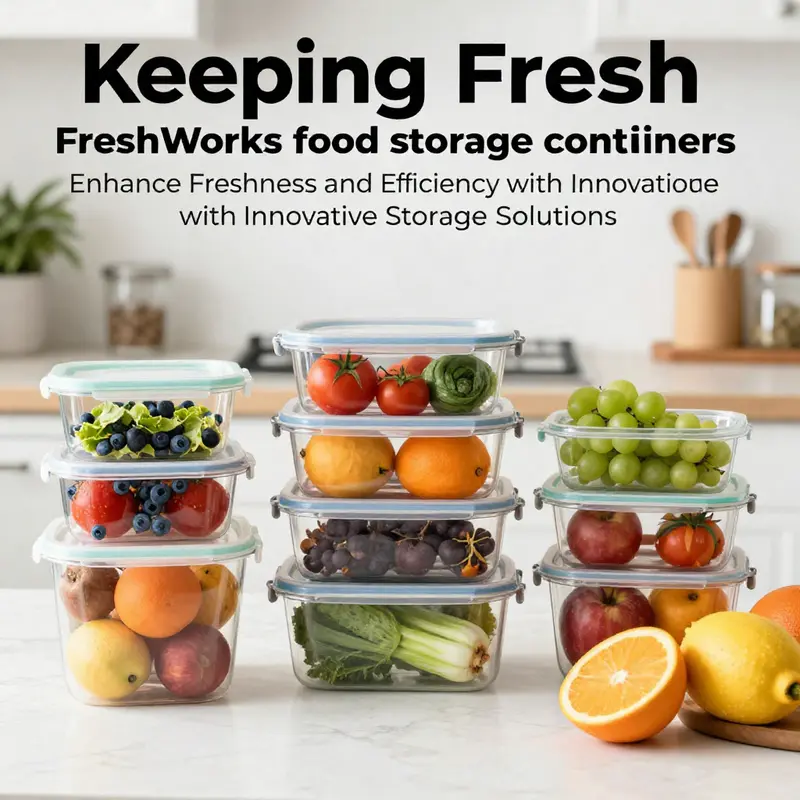
In today’s culinary landscape, where freshness directly impacts quality, Rubbermaid FreshWorks food storage containers emerge as a crucial asset for bubble tea shops, restaurants, food trucks, and catering services. With the unique FreshVent technology, these containers not only preserve the freshness of fruits and vegetables but also streamline your food preparation processes. This article will explore the three main features of Rubbermaid FreshWorks containers: the FreshVent technology that regulates airflow to keep produce fresh, the safety and easy maintenance of the materials used, and the modular design that maximizes kitchen efficiency. Each chapter will delve deeper into how these attributes can benefit food-related businesses and enhance their operations.
Breathing Freshness: Airflow-Informed Produce Storage in Modern Containers
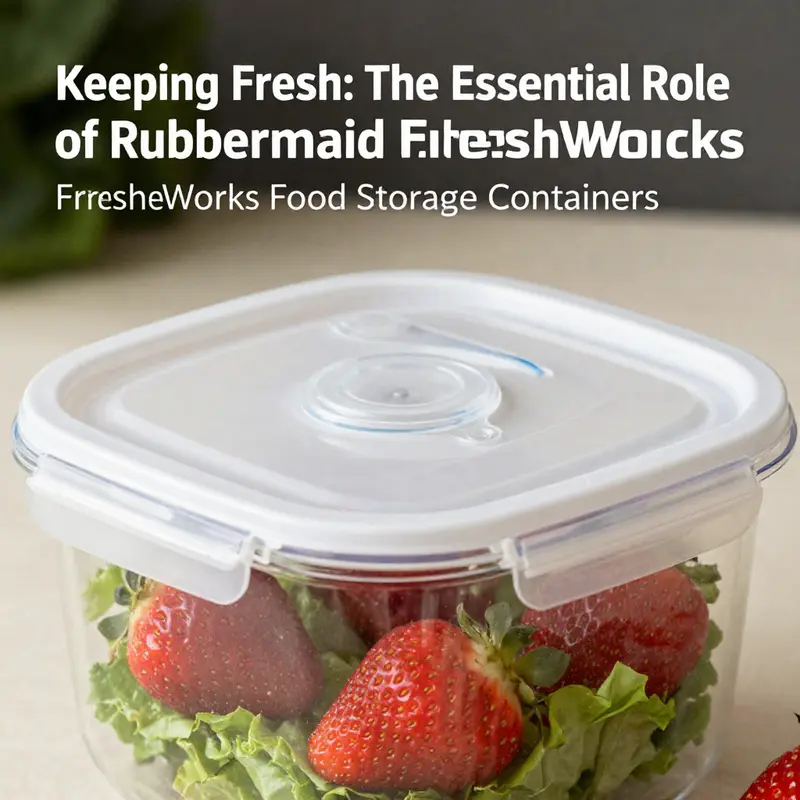
Inside the refrigerator, the journey of fruit and greens hinges on something invisible: the air around them. Modern storage systems manage a quiet exchange of gases and moisture to slow spoilage, treating produce as living matter with its own rhythms. An integrated ventilation concept guides oxygen and carbon dioxide flow, using a built-in filter that lasts with the container rather than requiring periodic replacement. The goal is not to sterilize air but to maintain a balanced microclimate that slows aging while preserving flavor and texture.
An elevated base keeps moisture away from the produce and creates space for air to circulate. A permeable platform reduces puddling, helping leafy greens stay crisp and berries to stay plump. The materials are chosen for safety and durability and are dishwasher-safe for everyday hygiene. The result is a system that feels simple in use but powerful in effect: less waste, easier meal planning, and vegetables that stay closer to their prime longer.
Guardians of Freshness: Material Safety and Care in FreshVent Produce Storage Solutions
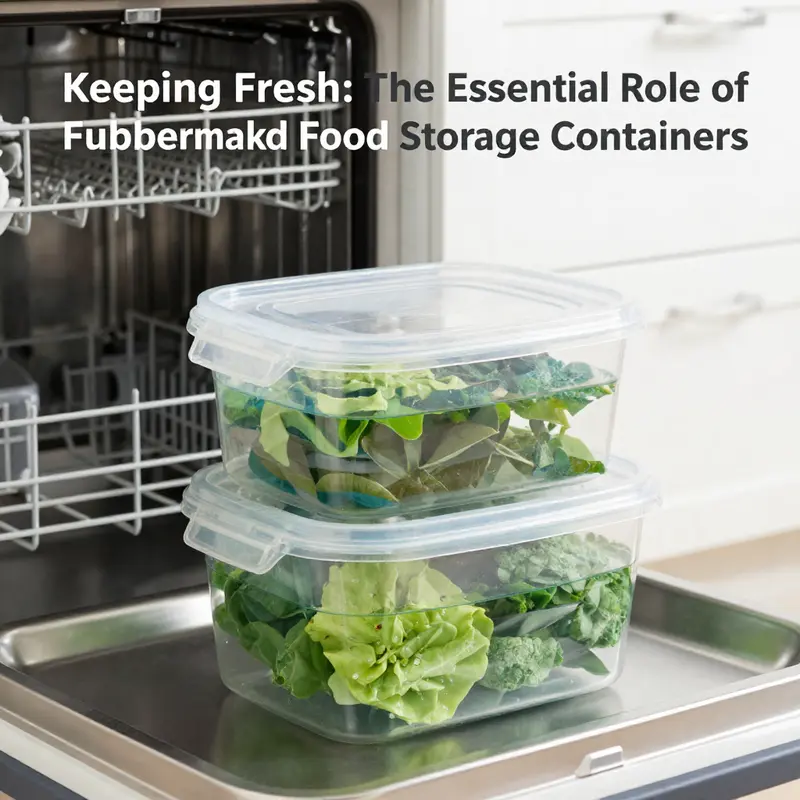
In kitchens around the world, the difference between fresh produce and wilted leftovers often comes down to storage choices. Modern containers emphasize safety, easy cleaning, and intelligent airflow to extend freshness. At the heart of this shift are designs that regulate the internal atmosphere to support a longer, more natural life for fruits and vegetables. The material and the way it is cared for matter as much as the items it holds.
Material safety is first. Containers meant for food contact should avoid substances that can migrate into food during temperature changes, from fridge chill to dishwasher heat. BPA-free construction is a common feature for good reason. BPA, used in some plastics, has drawn scrutiny for potential endocrine effects. Choosing BPA-free plastics signals a boundary that protects consumers during storage and cleaning. The resin choice also affects durability and performance; a well-chosen polymer can stay clear, resist staining, and endure repeated air and moisture cycles as produce breathes inside the container.
Dishwasher safety and freezer compatibility follow safety. A dishwasher-safe design offers practical convenience and reduces the risk of sanitation gaps. Top-rack washing at high temperatures minimizes warping and degradation. Freezer-safe plastics tolerate cold without becoming brittle or developing micro-fractures that could harbor bacteria or degrade over time. This compatibility widens how you can plan meals, batch prep, and long-term storage with confidence.
Design features matter too. An elevated base keeps produce off any residual bottom moisture, improving airflow and reducing rot. The FreshVent filtration system regulates oxygen and carbon dioxide to slow spoilage without harsh drying of delicate items. The built-in filter is designed to last with the product, removing the need for ongoing replacements and lowering maintenance friction.
Maintenance and modularity make long-term use feasible. Many containers nest for compact storage, and a lid that fits multiple base sizes reduces clutter and simplifies inventory. Materials stay durable after repeated dishwashing and freezing, contributing to a consistent user experience and less waste.
Usage guidance helps maximize benefits. If you store only one type of produce per container, you minimize cross-effects from gases and respiration rates. Regular cleaning—top rack washing, scrubbing crevices, and thorough drying—preserves hygiene and keeps airflow pathways clear. A simple routine supports reliable performance over weeks and months.
Beyond the kitchen, these containers contribute to sustainability. Safe materials, easy care, and reusability reduce waste and encourage thoughtful shopping and meal planning. When safety and convenience align, freshness lasts longer and everyday cooking becomes more predictable.
In summary, the convergence of BPA-free plastics, dishwasher and freezer compatibility, an elevated base, and the FreshVent air system creates a practical approach to keeping fruits and vegetables vibrant longer. Clean design, predictable performance, and careful maintenance empower households to waste less and enjoy better meals.
Space-Smart Freshness: The Hidden Architecture of Modular, Ventilated Plastic Kitchen Storage
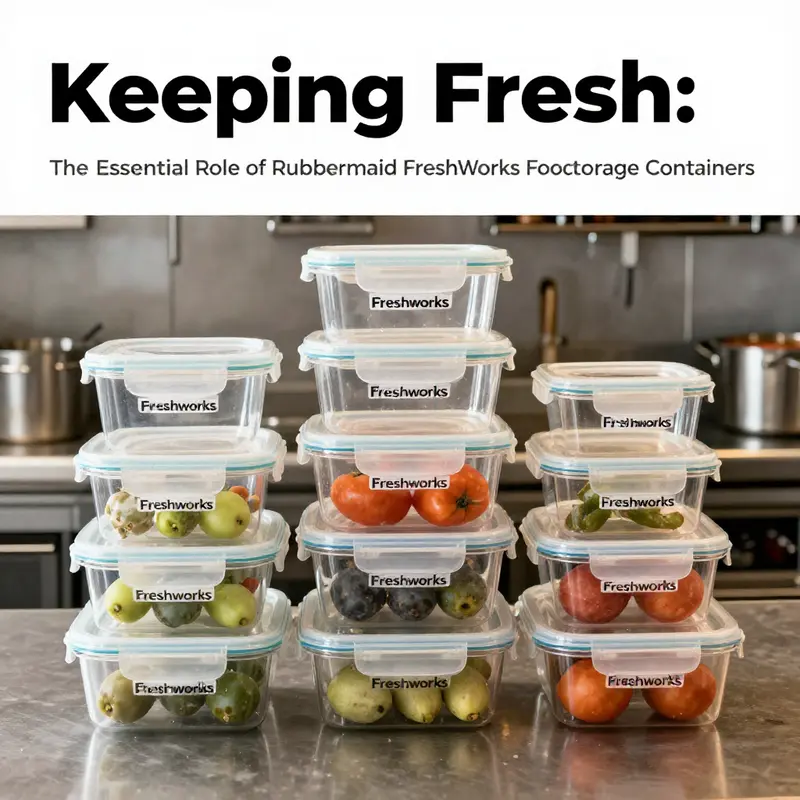
In the quiet rhythm of a well-used kitchen, a set of containers sits at the heart of a daily ritual: the art of turning a pile of imperfectly stored produce into something reliable, edible, and waste-conscious. The containers in this narrative are not just boxes with lids; they are a compact system designed to honor two essential kitchen truths. First, freshness is more than a momentary sensation of crispness. It is a managed environment, a controlled exchange that slows the march of spoilage without resorting to excess packaging or chemical shortcuts. Second, organization is not a luxury but a practical craft. Space, particularly in a crowded refrigerator or a small pantry, is a resource that shapes behavior. When containers are designed to nest, stack, and share lids, they invite a disciplined, almost ritual approach to storage. The design philosophy behind this line of vented, modular plastic storage is an invitation to reimagine both how we store food and how we think about the choreography of a kitchen’s most routine tasks. What appears at first glance to be a simple system of boxes and lids unfolds into a careful architecture that harmonizes form, function, and a broader commitment to reducing waste and simplifying daily life.
At the core of this architecture is modularity that goes beyond convenience. The bases of the containers are shaped to nest inside one another when not in use, a feature that quietly revolutionizes cabinet and drawer real estate. In a kitchen where every inch of space has to earn its keep, the ability to collapse the footprint of several bases into a single, compact stack translates directly into fewer rummaging moments and more mental bandwidth for actual cooking. The nesting capability is more than a clever trick; it is a practical response to the realities of modern kitchens, where storage is often as precious as the contents themselves. When you open a cabinet and see a compact, organized tower of containers rather than a chaotic assortment of mismatched pieces, you feel the relief of efficiency in a very tangible way. This is not merely tidiness for tidiness’s sake. It is a functional strategy that reduces the friction of everyday tasks, encouraging you to store produce in a manner that makes it easier to see and reach what you need.
The lid system, in particular, embodies a philosophy of simplification. A single lid can fit multiple base sizes—small, medium, and large—meaning the inventory required to keep produce fresh is leaner and easier to manage. In practical terms, this reduces the number of loose lids that can accumulate on a shelf, slip out of sight, or get misplaced at the worst possible moment. The impact of this simplification extends beyond the kitchen counter. It reduces waste from decaying or forgotten items that never make it onto the weekly shopping list because they were hidden in a tangle of mismatched containers. The compatibility of lids across sizes also enables crews with varied storage needs—families, roommates, or persons who cook in batches—to mix and match bases with a single lid, creating a dependable set that morphs according to the day’s task. The result is an environment in which planning translates directly into fewer trips to the pantry or the grocery store to replace lost components. In short, the modular design converts potential clutter into a coherent storage grammar that makes the kitchen feel calmer, more navigable, and more under control.
An elevated base is another thoughtful feature that speaks to practical kitchen physics. Produce often rides in a shallow pool of condensation when stored in flat-bottomed containers, especially after washing or when the fridge is chilly and damp. That standing water can become a catalyst for rot, off-flavors, and the kind of soggy textures that ruin the pleasant bite of a crisp apple or the delicate leaves of a green. A raised base changes that dynamic by promoting air circulation beneath the produce, so moisture does not linger and everything breathes a little more freely. This is not a cosmetic fix. It is a design response to a real problem: water sitting on produce not only accelerates spoilage but also muffles those subtle signals that tell us what needs to be consumed soon. A base that elevates the produce creates a microclimate in which air can circulate more naturally, allowing the oxygen and the carbon dioxide emitted by fresh fruit and vegetables to move with less obstruction. In turn, this gentle, regulated exchange helps to slow the deterioration that undermines flavor, texture, and nutritional value. The organic matter at the heart of these containers thus benefits from a microenvironment that respects its biology, rather than dictating it through aggressive, energy-intensive preservation tactics.
BPA-free plastic is the quiet assurance that underpins this system’s everyday use. The choice to avoid particular chemical components is not a political stand alone; it is a practical health precaution that continues to gain traction as households seek simple, durable solutions for food storage. BPA-free plastic is designed to withstand routine dishwasher cycles and the inevitable handling that accompanies daily life. The dishwasher-safe attribute matters because it encourages people to maintain a clean, hygienic storage regime without adding labor or risk. The more straightforward the maintenance process, the more consistently people will adhere to a routine that supports freshness. A single, reliable cleaning method becomes a hinge on which the rest of the system can rotate smoothly. Laundry-day routines become less about scrubbing and more about restocking the shelves with confidence, knowing that the containers can be cleaned thoroughly without compromising their structural integrity or safety.
The technology that regulates airflow is an essential, though often invisible, partner to modular design. Rather than presenting a blunt, indiscriminate seal, the system implements a calibrated approach to aeration that balances oxygen and carbon dioxide in a way that supports the vitality of most common produce varieties. With the right combination of vents, microfilters, and controlled pathways, the container creates a microclimate that slows spoilage without altering the natural respiration of fruits and vegetables. This balance matters because it acknowledges that produce is not static. It continues to breathe, emit moisture, and exchange gases with its surroundings. The design recognizes this reality and responds with a passively engineered solution that maintains the integrity of the contents without requiring ongoing intervention. The feel of the system is one of quiet intelligence: it works behind the scenes so you can concentrate on what you want to cook, plate, and share with others.
From a consumer perspective, the outcome is not only longer-lasting freshness but also a more intuitive interaction with storage. The modularity invites a “just right” approach to housing produce. For smaller quantities or odd-shaped items, you can opt for a compact base that nests easily with its siblings. For larger families or batch-cooking days, you can pull out the larger bases, confident that the lid you reach for will fit without rummaging through a stash of mismatched pieces. The ability to adapt the same lid to different sizes reduces decision fatigue and invites more deliberate planning around grocery runs and weekly menus. In a kitchen where planning can easily fragment into spur-of-the-m moment decisions, any feature that cultivates intention—whether it is choosing produce with a plan in mind, or aligning storage with the arc of a week’s meals—contributes to less food waste, lower expenses, and a more enjoyable cooking experience.
The practical benefits of this design extend beyond mere storage logistics. Food preservation, in its most meaningful sense, is about maintaining the sensory and nutritional attributes that make produce appealing: color, aroma, texture, and taste. The integrated airflow management works in concert with the modular construction to create a storage solution that supports this aim. By slowing moisture accumulation and enabling better gas exchange, the system helps fruits and vegetables retain their firmness and brightness longer. Berries stay plump and juicy rather than shriveling into a mushy, unappealing state; leafy greens stay crisp rather than wilting in a damp pocket; peppers retain snap instead of turning soft at the edges. The effect is not a dramatic, overnight transformation but a gradual, measurable improvement in the way produce ages inside the fridge. This matters because the groceries you buy often represent a significant portion of household budgets, and the more your produce stays fresh, the more you can maximize each purchase. The nested bases and compatible lids become practical tools in a broader strategy to reduce waste, save time, and make daily cooking more predictable and enjoyable.
As with any well-considered product family, the modular approach has implications for how people organize the rest of the kitchen. The space-saving aspect invites more deliberate pantry planning, which in turn supports a more efficient shopping trip. When containers nest and lids share across sizes, the cabinet feels more like a curated display of purpose rather than a jumble of knickknacks that you eventually locate while muttering a curse under your breath. This emotional benefit is important because a kitchen that feels organized reduces the cognitive load associated with meal preparation. It calms the mind enough to allow more experimentation, more weekend cooking, and more confidence in improvisation. It becomes easier to map out a week’s meals, to batch-cook produce, or to designate specific containers for prepped ingredients. The result is not merely physical organization but a positive feedback loop: a more orderly kitchen encourages more mindful consumption, which in turn sustains the integrity of stored foods and preserves their flavors for longer periods of time.
The sophistication of modular design is not about removing complexity from cooking; it is about making essential complexity manageable. Food storage, after all, sits at the interface between the raw abundance of a kitchen and the discipline required to keep that abundance usable and safe. The design choices that optimize space, simplify inventory, and regulate airflow converge here to produce a better everyday workflow. They reduce the friction of routine tasks, such as locating the right container for a particular item, finding a lid that actually fits, or deciding whether a small batch of greens should be kept fresh for a couple of days or used immediately. When these small friction points are resolved, what remains is a more resilient habit: a kitchen that adapts to the rhythm of life rather than forcing people to bend to a rigid system. The modular storage set, with its elevated bases and cross-sized lid compatibility, becomes not just a storage solution but a practical partner in the daily act of nourishing oneself and others.
From a broader perspective, the value of this approach extends beyond the individual kitchen. The design encourages a more thoughtful relationship with food. When households observe that produce can be kept fresher for longer, they gain a clearer sense of how food ages and how to plan around it. This awareness supports better consumption choices and reduces the urge to overbuy or discard items due to misplacement or neglect. The result is a more sustainable practice that aligns with broader concerns about food waste, resource efficiency, and environmental impact. In this light, modular, ventilated plastic storage becomes part of a larger conversation about how everyday objects can be designed to harmonize with human habits and ecological considerations. It is not a revolutionary invention, but a thoughtful refinement that acknowledges how people actually live in kitchens today and how design can respond with grace, reliability, and hygiene.
For readers who want to explore the practical nuances of applying this storage philosophy in real kitchens, there is value in considering how different produce types interact with the system. Small fruits, such as strawberries or blueberries, respond particularly well to the combination of airflow regulation and elevated bases. Their delicate structure benefits from controlled environments that protect shape and moisture balance. Leafy greens, from romaine to spinach, gain from the system’s ability to prevent contact with pooled condensation and to promote air movement around loose leaves that often carpet the bottom of a shallow container. Bulkier vegetables, like bell peppers or cucumbers, can be stored in larger bases with corresponding lids to maintain a stable microenvironment without crowding. And when you’re organizing a week’s worth of meals, the nesting capability allows you to pre-plan containers for different days or dishes, reducing the cognitive load of meal prep and enabling a more deliberate use of ingredients as they age.
The design is also remarkably forgiving. If you reorganize the fridge or need to switch from a single large base to several smaller ones, the system accommodates with ease. The lifecycles of the containers and their airflow mechanism are synchronized with everyday kitchen routines, not at odds with them. The goal is not to impose an unfamiliar ritual but to elevate what people already do: wash, store, and retrieve produce in a way that preserves quality and reduces waste. In practice, this translates to fewer spoiled berries in the bottom of the crisper, fewer limp greens slipping toward the deli drawer, and a general sense that freshness is a manageable, sustainable outcome rather than a fragile, fleeting possibility. The combination of modularity and airflow regulation—without heavy-handed maintenance—transforms a simple act of storage into a reliable extension of the life of fresh foods. It makes possible a kitchen where planning, efficiency, and care reinforce each other rather than collide.
This chapter has traced how the architecture of a modular, ventilated plastic storage set intersects with the broader aim of better kitchen management. The interplay of nestable bases, shared lids, elevated bases, and a built-in, maintenance-free airflow system creates an integrated toolkit for preserving freshness while keeping the space around it orderly and accessible. It is a design approach that respects the realities of modern life: busy weeks, fluctuating grocery needs, and the enduring desire to waste less and enjoy more of what is purchased. In the end, the appeal of such a system lies not in any single feature but in how features work together to shape behavior and outcomes. It is about turning clever engineering into everyday practicality, turning a kitchen into a space that supports healthier choices, better planning, and a calmer sense of control over the food you share with family and friends.
For readers seeking related considerations on sustainable packaging and storage approaches, a related exploration of eco-friendly packaging options can be found here: eco-friendly disposable 3-compartment food packaging box.
External resource: https://www.amazon.com/Rubbermaid-FreshWorks-Saver-Storage-Containers/dp/B07YQV6J9H
Final thoughts
Rubbermaid FreshWorks food storage containers represent an essential component in the toolkit of food service professionals seeking to maintain the freshness of their ingredients while maximizing efficiency in the kitchen. With their unique FreshVent technology, you can effortlessly control the airflow for optimal storage conditions, ensuring that your produce remains vibrant and flavorful. The BPA-free materials cater to safety and easy cleaning requirements, making them a reliable choice for busy environments. Finally, the modular design promotes organization and convenience, allowing easy nesting and storage of multiple sizes. As you consider your food storage options, let Rubbermaid FreshWorks be your partner in delivering quality and freshness to your customers.