
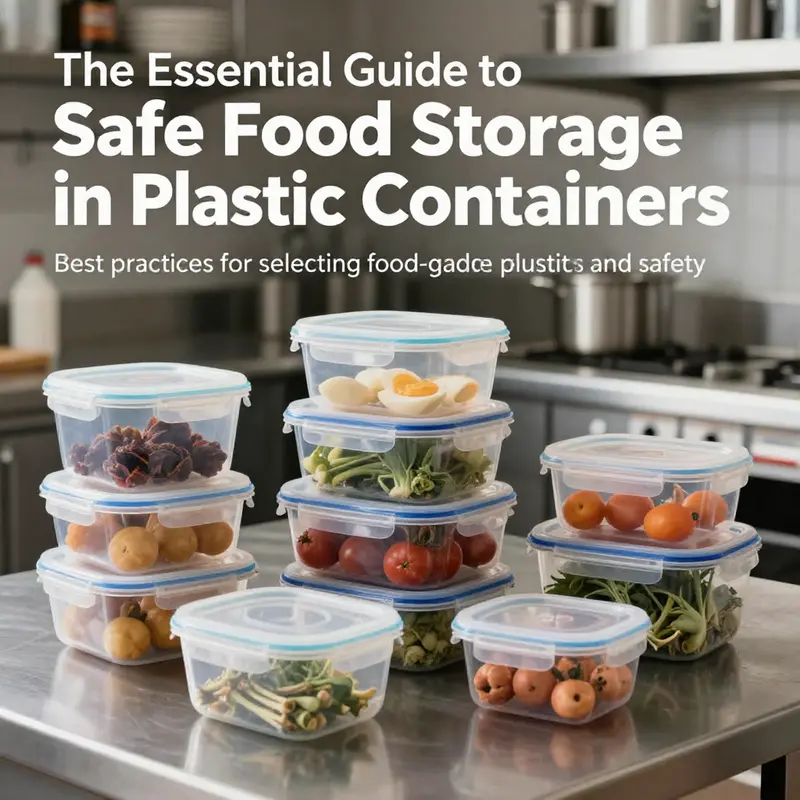
In today’s food service landscape, choosing the right plastic materials for storage is essential for maintaining product quality, ensuring safety, and supporting efficient operations. This guide highlights food-grade plastics commonly used in packaging and their safe usage to help restaurants, cafes, food trucks, and catering teams store ingredients and prepared foods with confidence.
Polypropylene at the Core: A Thorough Look at PP as a Safe, Everyday Carrier for Food in Plastic Containers
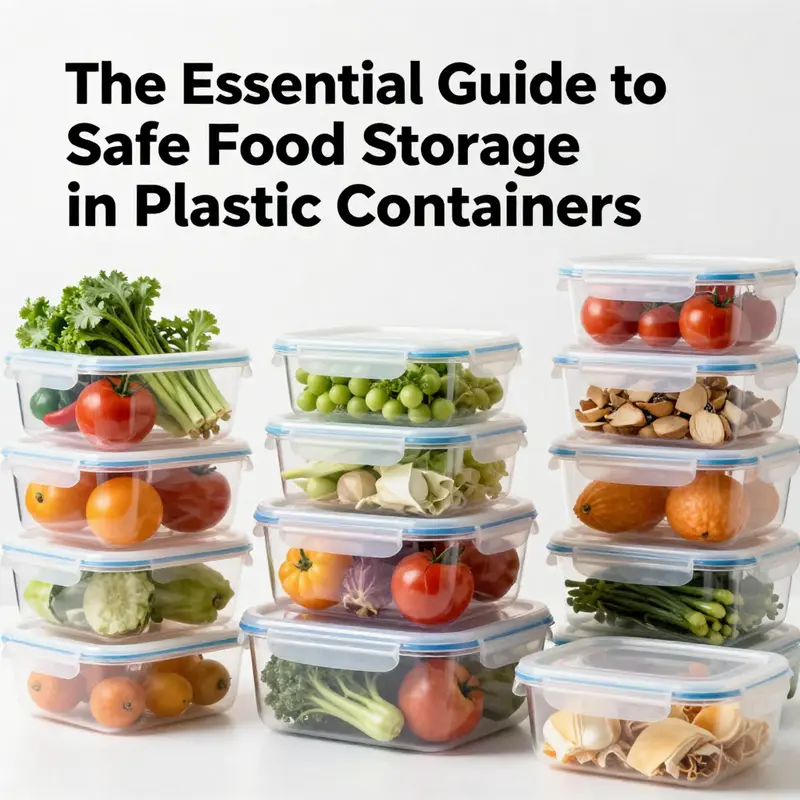
Polypropylene (PP) long ago earned a reputation as a dependable workhorse for food storage, and the weight of evidence supports that view. When we talk about safety, the focus is not just on the material itself but on how it behaves under real-world conditions: varied temperatures, contact with acidic or fatty foods, repeated washing, and even the occasional misstep in handling. PP stands out because it offers a combination of chemical resistance, thermal stability, and a low propensity for migrating substances into food. It is the backbone of many reusable containers, yogurt cups, and microwave-safe meal boxes. The practical implication is meaningful: when a container is labeled explicitly as food grade and meets recognized safety standards, PP can be a reliable ally for both everyday meals and longer-term storage needs. This reliability hinges on both the intrinsic properties of PP and the way it is manufactured, inspected, and regulated across different jurisdictions.
The material itself benefits from a dense, stable molecular structure that resists many of the agents that can cause leaching. PP’s glass transition and melting points are high enough to tolerate typical handling in kitchens and consumer appliances, including microwaves and dishwashers. Unlike some other plastics, PP tends to maintain its integrity with repeated use and cleaning, provided the container is designed for reuse and labeled accordingly. This resilience does not mean PP is universal or without caveats. It means that when used correctly, PP is among the safest plastic options for food contact. The key is recognizing that safety hinges on labeling, quality control, and adherence to food-contact standards rather than on the material alone. In practice, this means looking for terms such as “Food Grade” and “Microwave Safe” on the container, and confirming that the product complies with the relevant regulatory framework.
A growing thread in food-contact safety is not just the material but the purity and provenance of recycled inputs. Recent regulatory discussions, such as those from the South Korea MFDS, emphasize high-purity, food-grade polypropylene when recycled PP enters food packaging streams. The proposed revisions aim to ensure that recycled PP originates only from clean, food-contact waste streams within closed-loop systems, undergoes thorough cleaning, and meets stringent quality controls. This approach acknowledges a nuanced shift: recycled PP can be safe for certain food-contact applications if it comes from controlled, well-managed streams and passes rigorous testing for compatibility and migration. The outcome is not a blanket endorsement of recycled PP in every context but a carefully circumscribed path for expanding safe, sustainable use without compromising health protections. For readers seeking the source of these proposals, the MFDS maintains a public draft that lays out the criteria for physical recycling, cleaning, and quality assurance in food-contact PP.
In parallel with regulatory developments, industry- and university-led safety assessments continue to validate PP’s performance in real-world scenarios. A notable example is the safety evaluation of self-heating food containers made predominantly from PP. Such assessments examine how PP behaves when exposed to heat generated within the container itself, as well as the stresses of repeated heating and cooling cycles. The upshot of these evaluations is reassuring: the material tends to perform with low migration under varied conditions, provided the containers are properly labeled and used as intended. This body of evidence strengthens the case that PP remains a practical choice for households seeking durable, microwave-safe food storage options. It also highlights the broader principle that safety is a function of both material science and compliance with established standards, rather than a single property such as heat resistance alone.
For consumers, the practical takeaway is straightforward yet nuanced. PP is well-suited for many storage needs, but not all plastics are interchangeable. The safest approach starts with the labeling on the product. A container marked as “Food Grade” and “Microwave Safe” for PP gives a strong signal about its intended use. Labels such as “BPA-free” are commonly associated with polycarbonate and other materials, but for PP specifically, the emphasis should be on food-grade integrity and the container’s compatibility with heat and acidic or fatty foods. It is important to remember that heat amplifies the risk of migration in some plastics, and acidic or fatty foods can interact with certain polymers over time. Even with PP, the best practice is to avoid heating or storing highly acidic or fatty foods for extended periods in containers that are not explicitly designed for such use, and to opt for glass or ceramic alternatives when dealing with highly acidic or fatty substances.
The guidance around storage temperature is practical and conservative. High temperatures, whether from hot foods or hot liquids, can drive unwanted migration in some plastics. Therefore, letting hot food cool to room temperature before transferring it to plastic is a prudent habit. This approach helps limit any instantaneous thermal stress that could promote migration of trace additives or residual monomers. It also aligns with general food safety principles that prioritize minimizing thermal shocks to packaging materials when contact with food is involved. In everyday practice, this means letting sauces and stews settle briefly, then transferring them into PP containers that are clearly labeled for hot contents. When the heat source is intense, such as in dishwashers with hot cycles or in microwaves, ensuring that the container is rated for those conditions reduces risk and extends the container’s usable life.
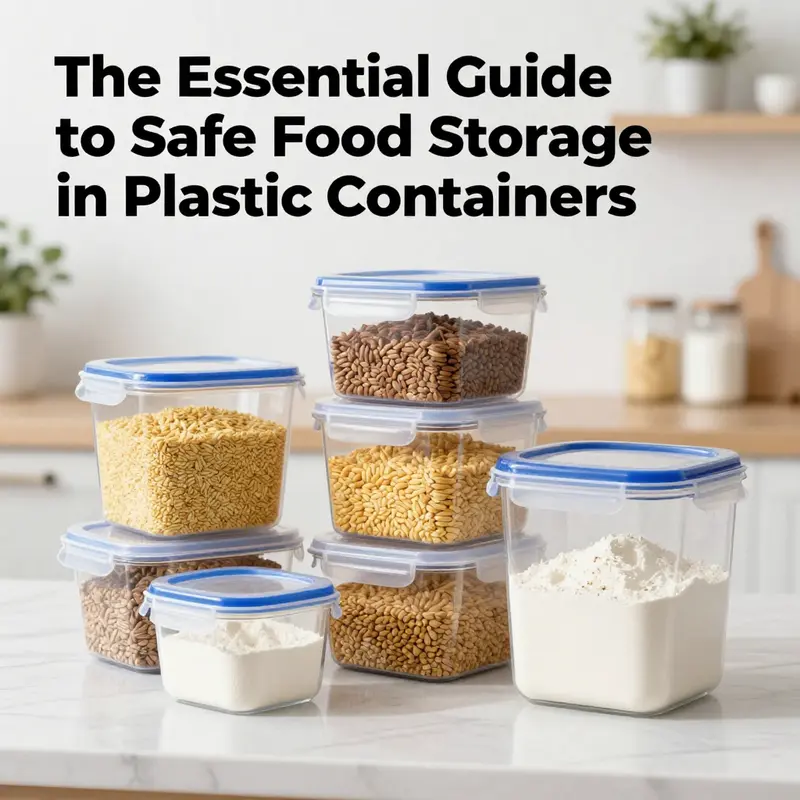
Another dimension worth noting is the status of LDPE and HDPE as alternatives in certain contexts. High-density polyethylene (HDPE, recycle code #2) offers excellent chemical resistance and stiffness, making it a solid option for long-term storage of dry goods like grains, flour, sugar, and even shelf-stable liquids such as olive oil or vinegar. The molecular structure of HDPE resists migration effectively, which complements PP in the family of safe, food-contact plastics. Low-density polyethylene (LDPE, recycle code #4) is often found in flexible packaging and film. It is chemically stable and suitable for short-term food storage, particularly for dry foods, but it lacks the heat resistance of PP and should not be used for hot foods or in the microwave. In practice, the choice among these materials should reflect the specific storage scenario: dry, inert foods may do well in HDPE; for reusable containers that require heat tolerance and repeated washing, PP is typically the better option; for flexible wraps and packaging that do not involve heating or prolonged contact with hot foods, LDPE remains appropriate.
The environmental dimension also factors into everyday decisions. Recycled PP is an attractive path for reducing waste, provided the quality controls are robust and the closed-loop system effectively blocks contamination. Consumers can contribute by selecting products with clear recycling codes and by using PP containers within the intended lifecycle and cleaning parameters. A nuanced caveat is that not all recycled materials are suitable for all food-contact uses. Recycled PP can be appropriate for certain non-fatty, non-acidic applications and where the supplier can demonstrate cleaning efficacy and compliance. This alignment between recycled input streams and food-contact safety is precisely what some regulatory bodies seek to optimize through transparent, well-documented processes. The overall message remains that PP is a safe option for many needs, but its safety is maximized when users and manufacturers follow labeling, cleaning, and usage guidelines with discipline.
Putting these insights into daily practice, consider the following constructive steps. First, always check for the right labels: “Food Grade,” “Microwave Safe,” and, when relevant, “BPA-free.” Second, avoid using PET for long-term storage or repetitive use when possible. PET bottles and containers are typically designed for single-use and can degrade with heat or prolonged contact with acidic substances, increasing the risk of undesired migration. Third, reserve plastic for what it does best: dry goods, non-acidic or non-fatty items, and moderate-temperature storage. For hot, acidic, or fatty foods, glass or ceramic alternatives are often the safer choice. Fourth, use PP containers that are stamped with a recycle code #5 and that come from reputable sources with visible quality-control assurances and clear cleaning instructions. Fifth, when considering recycled inputs, prefer products that originate from closed-loop, clean waste streams and that have undergone thorough cleaning and validation testing. This careful approach helps ensure that the practical safety advantages of PP are realized in everyday use, without compromising health protections.
To bridge practical use with broader regulatory context, there is value in recognizing how policy signals influence product design and consumer choices. The ongoing MFDS revisions, while specific to recycled PP, embody a broader commitment to monitoring material safety as the packaging ecosystem evolves. They illustrate how high-purity inputs, rigorous cleaning, and strict quality controls can enable safe reuse of polypropylene in food contact applications. In sum, PP remains a trustworthy option for many households and food-service settings when used with attention to labeling, heat exposure, and the nature of the food being stored. For readers who want a concrete example of a packaging family that embraces safe, microwave-ready materials while exploring sustainable options, consider sources such as eco-friendly takeout boxes for food packaging. This link provides context for how packaging design can balance safety, usability, and sustainability in real-world products.
For those seeking a fuller regulatory vantage point, the South Korean MFDS page provides the official framing of these standards and the draft amendments under discussion. The MFDS continues to emphasize that recycled PP must come from clean, food-contact streams and pass strict cleaning and quality checks before entering food packaging streams. See the MFDS portal for the public draft and related materials. External resource: https://www.mfds.go.kr/
null
null
LDPE in Food Storage: Flexibility, Safety, and Real-World Use in Plastic Containers
LDPE in Food Storage: Flexibility, Safety, and Real-World Use in Plastic Containers
LDPE often sits in the middle of the conversation about safe food storage plastics. It is a flexible, tough material that can be manufactured into a range of packaging forms without sacrificing safety. In the broader question of what plastic containers are best for keeping food safe, LDPE offers a distinct set of strengths and caveats that are worth unpacking in full. After all, the decision about which plastic to store your food in should be guided by how the container will be used, what foods you store, and how you heat or transport them. When you balance these factors, LDPE emerges as an option that is reliable for certain roles while reminding us that other plastics can be better suited to others, depending on temperature, acidity, and fat content.
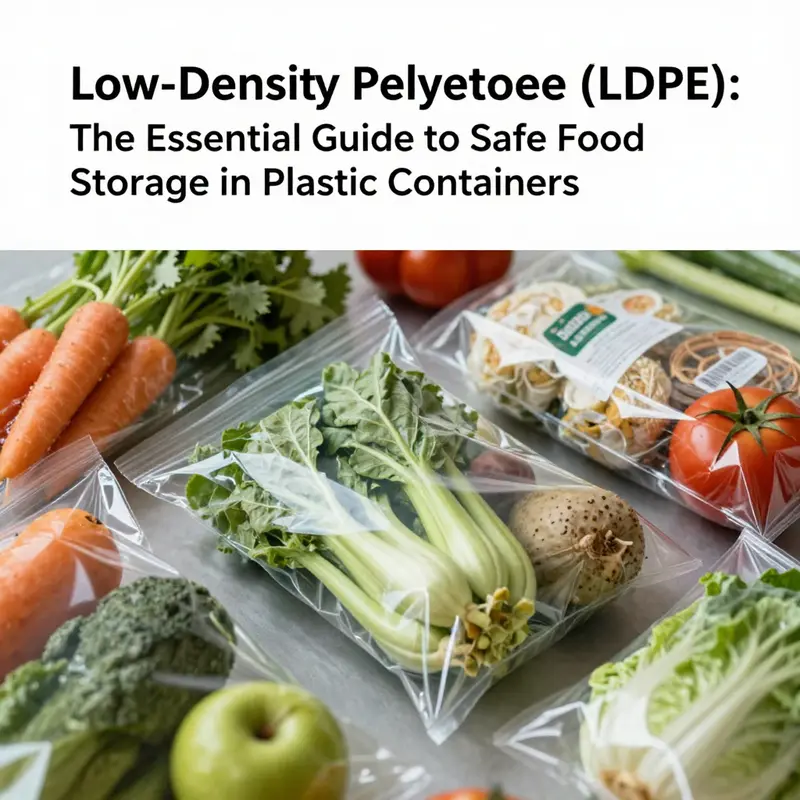
In food storage, LDPE is widely used for bags, wraps, and some bottles. The material’s inherent clarity is a practical advantage: you can see what’s inside without opening the package. Flexibility and toughness also help protect contents during freezing or stacking, reducing the risk of cracking or puncture. In kitchens and markets, LDPE-based flexible packaging is common for frozen foods, baked goods, and pre-packaged meals where a light barrier is sufficient and where the product’s form does not require a rigid container. For households that want to minimize waste, LDPE film and bags can be used for tasks like portioning dry goods, covering bowls, or wrapping produce. The same material that forms sturdy bags and cling films can be produced in edible films or thin films that line trays, allowing for an efficient barrier against moisture and some contaminants.
From a safety standpoint, LDPE is generally recognized as safe for food contact by major regulatory authorities. FDA approvals for LDPE packaging materials rest on extensive toxicology testing and migration studies. The core finding is that LDPE, when used as intended, tends to be inert toward most common foods and does not leach harmful substances in typical conditions of use. This makes LDPE a dependable choice for many everyday tasks, especially when the container does not involve high heat or long-term storage under challenging conditions. The resins used for food packaging come in formulations designed for cleanliness, stability, and predictability of taste and odor, ensuring that the packaging itself does not impart off flavors or odors to the food. But as with any plastic, the details matter. The food-grade label on LDPE products is a signal that the material meets migration limits and organoleptic standards, but those standards are contingent on proper processing and correct application. The tendency for LDPE to perform well in contact with many acids and bases—while still maintaining barrier properties against moisture—contributes to its versatility as a wrapper material for many foods.
However, there is a caveat that must be acknowledged plainly: heat changes the calculus. LDPE has lower heat resistance than polypropylene, the latter known for its higher temperature tolerance and boiling-point resilience. While LDPE can withstand some warmth, it is generally not recommended for hot foods or for microwave use unless the packaging explicitly states microwave safety and can tolerate temperatures that exceed room temperature. The risk is not only deformation of the container but potentially increased migration of additives into the food when heat accelerates molecular movement. That is why the guidance for safe storage of hot foods often points to alternatives like glass or ceramic containers. If you ever need to transfer hot contents to LDPE, you should let the food cool to a more moderate temperature first, and ensure the container is rated for hot contact if you plan to reuse it. It is a simple rule with meaningful consequences: do not treat LDPE like a microwave-safe vessel unless the label certifies it for that purpose.
Acidic and fatty foods add another layer of complexity. The literature on plastics for food contact consistently warns that long-term contact with highly acidic substances, such as tomato sauce or citrus, or high-fat foods, can promote chemical migration. For LDPE, while the material displays strong resistance to acids and many solvents, prolonged exposure to particularly challenging foods or repeated heating can increase the risk of migration to some degree. In practice, this means LDPE is well-suited for dry goods, for short-term storage of certain liquids, and for light barriers in wrap films. It is less ideal for storing hot or simmering dishes, for acidic sauces stored for long durations, or for fatty oils in high quantities. Those scenarios are exactly where a more inert, rigid container—such as glass or ceramic—offers a safer and more stable alternative. When you choose LDPE for these tasks, you are choosing practicality and cost-efficiency over maximum inertness under strenuous conditions.
The regulatory and standards picture reinforces that LDPE resins come in medical- and food-grade formulations, engineered to meet strict safety standards. The migration limits are carefully set to ensure food quality and safety, maintaining the organoleptic properties of foods. This is not a vague promise but a result of ongoing testing and adherence to established guidelines. For home use, the practical implication is straightforward: verify that the LDPE product is explicitly labeled as food-grade and confirm that it is appropriate for the intended use—whether that is a brief refrigeration, a short-term freezer shelf, or a wrap for fresh produce. The specifications should also be clear about whether the packaging is compatible with freezing, microwaving, or heating in any form. In many households, LDPE is chosen for its cost-effectiveness and flexibility, along with a reasonable barrier to moisture. In professional settings, LDPE packaging supports a broader set of tasks—from film wraps to flexible pouches that seal in freshness and protect against contamination during transport.
To navigate these considerations, a practical mindset involves aligning the material with the use case. For instance, if you need a bag to store dry grains or flour in the pantry, LDPE offers a straightforward option with good chemical stability and low risk of odor transfer. It is, however, prudent to avoid long-term storage of acidic sauces in LDPE containers or repeated exposure to very hot temperatures. When you require a see-through, flexible wrap around a ready-to-use tray or bowl, LDPE film provides both visibility and a barrier against moisture. The same material used for bags and wraps can be formulated into bottles for certain liquids, though a consumer should always verify the product is explicitly labeled for food contact and that any additives are approved for contact with the specific food category. The story of LDPE is not a simple ranking versus PP or HDPE; it is a story of context. In some contexts, LDPE’s flexibility and barrier properties deliver the right balance of performance and cost, while in others, it falls short of the higher heat tolerance or rigidity preferred by cooks and manufacturers.
For households seeking to optimize safety while reducing waste, it is valuable to know how LDPE fits within the broader landscape of food-storage plastics. Polypropylene (PP) remains the top choice when temperature is a primary concern, thanks to higher heat resistance and excellent safety margins. HDPE offers robust chemical resistance and is well-suited for long-term storage of dry goods. LDPE fills the niche for flexible packaging, wraps, and certain bottle applications where ease of use, cost, and mechanical resilience are paramount. This triad—PP for heat, HDPE for durability and homogeneous barrier, LDPE for flexibility—maps the practical decision matrix many households use when choosing containers for different foods. It is not a matter of finding a single universal container, but of selecting the right tool for the job, paying attention to labels that read food-grade, microwave-safe, and, when relevant, BPA-free assurances. The labeling itself is a signal that the material has been tested for safety in contact with food and that the product designer has anticipated typical usage scenarios.
In applying this knowledge, you’ll often encounter a spectrum of LDPE-based products, from simple bags to more complex packaging films and pouches. A small but meaningful takeaway is to inspect the product’s intended uses. If the packaging is designed for frozen foods, the LDPE film likely provides a durable moisture barrier, but it might not be suitable for heating. If it is a bag meant to be used in a chill or cold storage environment, it is likely appropriate for short-term storage of dry goods or ingredients. For the consumer seeking to minimize risk, the recommended approach is to pair LDPE with glass or ceramic containers for acidic sauces or hot meals, and to reserve LDPE for cold or room-temperature uses. The practical applications of LDPE will vary by the exact resin formulation, and some manufacturers produce LDPE resins with enhanced barrier properties that support longer shelf-life for certain products. The bottom line is straightforward: know the product’s label, understand the intended use, and avoid assumptions about heat or acidity tolerance. When used appropriately, LDPE can be a safe, economical option for many everyday tasks.
As a final note, the material science behind LDPE reveals why this plastic remains relevant. The molecular structure of LDPE, with its branched chains, gives the material its characteristic softness and clarity, along with good moisture resistance. These properties translate into practical advantages for storage: a tear-resistant barrier and a pliable form that can seal around a container or line a tray. The same properties also explain why LDPE can migrate for certain substances under heat or prolonged exposure. Packaging engineers work to minimize such migration through additives, stabilizers, and careful processing, which is why the labeling is critical. The interplay between safety, performance, and convenience is not a rigid prescription but a set of guidelines that demand attention to the specifics of use—the food type, the temperature, the duration, and the packaging’s intended life cycle. In this sense, LDPE is not simply a fallback; it is a deliberate choice when the scenario calls for a flexible, cost-effective, and reasonably inert packaging solution that does not demand the higher heat tolerance of PP or the rigid strength of HDPE.
To enrich your understanding with a concrete example from the supply chain, consider LDPE-based packaging used for general takeout or meal kits where the emphasis is on quick sealing, barrier to moisture, and ease of disposal. The range of possibilities extends from simple wrap films to multi-layer laminates where LDPE forms one layer among others to optimize barrier performance. In practice, such packaging can perform well in a refrigeration or freezing context, protecting food from moisture while preserving texture. Yet the same packaging is rarely suited for hot meals. That is not a criticism of LDPE, but a reflection of the physics of plastics and the realities of food safety. The consumer who grasps this nuance can more confidently select containers that align with the type of food being stored, how long it will be stored, and whether reheating is involved. And in the everyday act of choosing packaging for the kitchen, a little knowledge reduces risk and supports efforts to minimize waste without compromising safety.
If you want to explore a real-world example of LDPE packaging in action, you can examine options that emphasize food-grade safety and flexible design in the realm of takeout and home storage. For more context, see this example of an LDPE-based, food-grade packaging option: eco-friendly-disposable-3-compartment-food-grade-packaging-box-for-fast-food-high-quality-takeout-boxes-for-fried-chicken-french-fries-packaging/. It illustrates how LDPE-based designs can offer compartmentalized storage while maintaining flexibility and a barrier to moisture. The caution that applies here—to avoid long exposure to heat or acidic or fatty foods—remains relevant. Packaging designers and consumers alike must respect these boundaries to keep food safe and taste unaltered.
For readers who want a deeper dive into the science and regulation behind LDPE and food contact, an authoritative external resource provides current standards and migration data, helping to translate general guidance into specific choices: https://www.dow.com/en-us/industries/polyethylene-solutions/ldpe-resins-food-packaging/
Beyond the Label: Navigating the Hazards of Non-Food-Grade Plastics in Food Storage
Choosing the right container for food storage is more than a matter of convenience; it is a decision about health, regulation, and practical risk management. When we stock our kitchens with plastic containers that are not explicitly certified for contact with food, we invite a layer of risk that is easily overlooked in everyday shopping. Non-food-grade plastics may harbor additives and industrial chemicals that are not intended for human consumption. These substances can migrate into food, particularly when the container is heated, holds fatty or acidic contents, or is used repeatedly over time. The consequences are not always immediate, but the cumulative exposure from recurring meals and snacks can be meaningful, especially for vulnerable populations such as children, pregnant individuals, and people with sensitive hormonal systems. The risk is not merely theoretical. Scientific and regulatory bodies have documented how certain chemicals move from plastic into food when the conditions are right, and the patterns are instructive for anyone who wants to build a kitchen routine that minimizes exposure.
To understand why this happens, it helps to picture what a plastic container is made for. Some plastics are engineered to withstand frequent contact with hot, wet, and oily foods. Others are designed for one-time use, or for packaging that is not intended to bear food at all. The difference lies in the materials themselves and the additives they contain. Phthalates, once common as plasticizers, and bisphenol A (BPA) are among the chemicals that have drawn attention for potential hormonal effects and other health concerns. Even though modern packaging often touts “BPA-free” formulations, the broader landscape of additives means that safety is not guaranteed by a single label alone. The safest approach is to seek materials that are explicitly designed for repeated food contact and that have passed rigorous testing for safety under realistic conditions, including heating, cooling, and prolonged storage.
Among the most consistently recommended options are certain polymers that are known for both stability and safety when used with food. Polypropylene, often labeled as PP and recognized by the recycle code #5, sits at the top of many lists for reusable food containers. Its chemical structure is relatively resistant to leaching, and it performs well under heat. For households that routinely reheat leftovers in the container or sanitize containers in the dishwasher, PP’s high heat tolerance can be particularly valuable. The label guidance is important here: look for explicit indications that the container is food-grade or microwave-safe. Those designations signal that the product has undergone specific testing and clearance for contact with food under typical household conditions. A close companion in the safer end of the spectrum is high-density polyethylene, or HDPE (recycle code #2). HDPE brings durability, chemical resistance, and a denser molecular arrangement that helps limit the migration of substances into foods, especially dry goods and items like oils and vinegars that are stored for longer periods. When longevity and stability are important, HDPE often proves a reliable choice.
A more flexible option, though not as heat-tolerant as PP or as rigid as HDPE, is low-density polyethylene (LDPE, recycle code #4). LDPE is commonly found in bags and wrap—areas where it can be safe for short-term storage of dry foods. However, its limitations in heat and repeated contact mean it is generally not suitable for hot foods or for lengthy storage where fats and oils are involved. The overarching message is clear: not all plastics are created equal for food storage, and the distinction between food-grade and non-food-grade is not a mere label but a meaningful difference in performance and safety.
Guidance from food safety experts emphasizes a handful of critical practices that help reduce exposure risk. First, avoid PET, commonly used in single-use beverage bottles, for long-term food storage or repeated use. PET is designed for one-time use, and though it can seem convenient, its safety profile changes when it is subjected to heat, sunlight, or contact with acidic or fatty foods. The result can be subtle, but it is a risk that should inform our daily choices. Second, never heat food in a plastic container that is not explicitly labeled as microwave-safe for food contact. Heat accelerates the migration of chemicals from plastic into food, especially when fats and oils are involved. Allow hot dishes to cool to room temperature before transferring them to any plastic storage option, and when possible, choose containers that can be heated in a controlled, microwave-safe environment rather than improvised reheating in non-certified plastics.
The ecological and practical implications of these choices are intertwined. For many of us, the kitchen doubles as a laboratory for daily habits, and the safety of the containers we use is part of the recipe for healthy eating. A strategic approach is to maintain a core set of containers that are clearly labeled as food-grade and microwave-safe, reserve glass or ceramic for highly acidic or fatty foods, and keep flexible LDPE for short-term storage of dry goods in wrap or bags only. The goal is not to fear every plastic product but to curate a set of options that align with the way we cook, store, and reheat our meals. This approach also helps reduce the mental load of decision-making during busy days, when the wrong container could lead to impatient choices that compromise safety.
To translate these principles into everyday practice, consider the patterns you use most in your kitchen. If you routinely plan ahead, you may find it helpful to designate a shelf or a drawer specifically for food-grade containers, keeping them separate from non-food-use plastics and from household items that may have coatings or residues incompatible with food. When shopping, seek out containers that specifically declare themselves food-grade and microwave-safe, and verify the material code when possible. PP (#5) is a reliable default for most refrigerated and reheated leftovers, while HDPE (#2) is well-suited for long-term storage of dry staples like grains, flours, and sugars, as well as compatible liquids such as olive oil and vinegar in moderate quantities. LDPE (#4) can cover some flexible storage needs, especially where space is tight, but its heat resistance is limited, so it should not be used for hot foods. These practical distinctions matter at every meal, turning a safety guideline into a routine that protects health without complicating life.
Every storage decision is also a matter of compatibility with the type of food you’re preserving. Highly acidic foods—like tomatoes, citrus, and vinegar-based sauces—have a reputation for interacting with certain plastics over time. Similarly, fatty foods—oils, butter, and high-fat dairy—present a greater risk of additive migration when stored in plastics that are not explicitly tested for such conditions. When in doubt, glass or ceramic containers provide a stable alternative, especially for acidic sauces and hot preparations. The goal is not to demonize plastic but to balance convenience with rigorous attention to safety, ensuring that the containers you reach for in a rush are truly suited for the job.
Another layer of this discussion concerns the testing and regulation that underpin the labels we rely on. The phrase “food-grade” implies more than a marketing claim. It signals that the container has undergone testing for food contact safety, including assessments of chemical migration under realistic use conditions. In the United States, the FDA oversees the safety of food-contact materials, and in Europe, EFSA and related bodies provide similar oversight. When a product carries a food-grade designation, it is not a guarantee that nothing will migrate under any circumstance, but it does offer a defensible baseline that researchers and regulators have scrutinized. This is why the presence of a “food-grade” or “microwave-safe” label, combined with the absence of suspected hazardous additives, is a practical signal that you are choosing a safer option. It also helps distinguish containers that are suitable for repeated use from those that are meant for single-use or for non-food applications.
The concept of safety in food storage is not a one-size-fits-all proposition. It requires attention to how a container is used, what it holds, and how it is heated or cooled. In a kitchen where leftovers are a daily norm, the cumulative effect of safe materials becomes evident. A PP-based container can handle reheating and dishwashing with less risk of leaching, while HDPE provides reliable storage for dry goods and low-moisture items. When planning meals, it may be worth reserving glass or ceramic for items that are highly acidic or high in fat, as these foods can challenge certain plastics over time. This approach does not demand perfection, but it does require intentional choices that reflect both the science behind food-contact safety and the practical realities of a busy family kitchen.
For readers seeking a direct, practical starting point, consider the container options that prioritize food safety and everyday usability. It is possible to strike a balance between convenience, cost, and safety by building a small, trusted set of containers that you use consistently. In doing so, you reduce the likelihood of repurposing non-food-use plastics for food storage and you reinforce habits that minimize exposure to potentially hazardous additives. The overarching message remains simple: rely on containers explicitly labeled as food-safe, minimize heating in plastics not designed for that purpose, and prefer glass or ceramic when dealing with highly acidic or fatty foods. In practice, this translates into a kitchen routine that is safer, more predictable, and easier to maintain over time.
For further reading on the science and regulatory context behind safe food-contact materials, you may consult comprehensive sources that synthesize research and policy in this area. A reliable external overview offers detailed explanations of how migration occurs, why certain materials are favored for food storage, and how labeling schemes align with safety standards across jurisdictions. This broader perspective can help readers translate general guidelines into concrete habits that fit their households. Plastic Food Container Safety – PMC.
In addition to such resources, practical considerations can also be reinforced by thoughtful sourcing. When selecting containers, you might seek out options that emphasize not only safety but also sustainability and practicality. For example, containers designed for reuse with clear, durable labeling tend to maintain their integrity over more cycles, reducing the likelihood of microplastic release or chemical migration. Even within the realm of safe plastics, the durability and care requirements of different materials can influence long-term safety—so adopting gentle cleaning practices and avoiding abrasive cycles in dishwashers helps preserve the barrier properties that keep food safe. The result is a kitchen that embodies a cautious, informed approach to food storage, one that respects the nuances of material science while honoring the everyday needs of cooking, warming, and sharing meals with loved ones.
To connect this with everyday procurement, consider a practical anchor: containers that meet the highest standards for safety and usability. For many households, starting with polypropylene-based options for reheating and storing leftovers can cover most common needs. When you need to keep dry staples or shelf-stable items, high-density polyethylene offers an additional layer of reliability. For tasks that require flexibility or space efficiency, LDPE-based packaging may be appropriate for short-term storage, but always with careful attention to the heat and duration of contact. By weaving these choices into a coherent storage strategy, you can minimize risk without sacrificing convenience, and you can keep your meals both safe and enjoyable from fridge to table.
If you’d like to explore packaging options that align with these safety principles while also reflecting practical considerations like leak resistance and microwave usability, you can learn more about options designed for safe, reusable food storage here: eco-friendly takeout boxes for safe microwave storage.
Choosing Safe Plastic Containers for Food: A Practical Guide
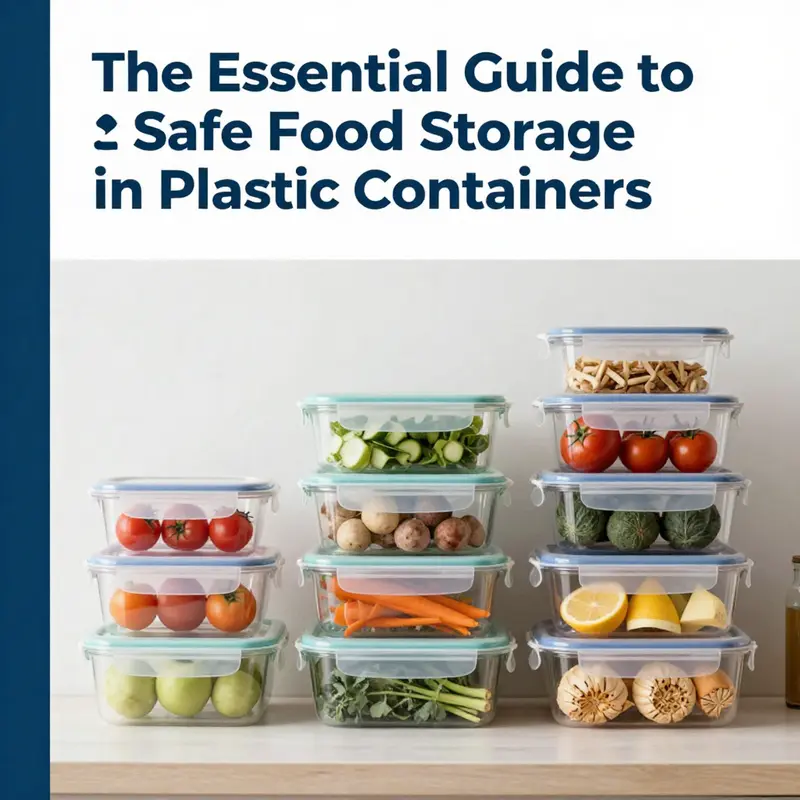
Selecting plastic containers for food storage is a practical daily decision with safety implications. Understanding how heat, acidity, and wear affect container safety helps keep meals fresh without exposing you or your family to unnecessary chemicals. With mindful use, plastic can remain convenient while staying aligned with safe storage practices.
To start, plastics used for food contact are categorized by resin codes. The most reliable for reheating and repeated use are polypropylene, coded as number 5, and high-density polyethylene, coded as number 2. PP offers good heat resistance and is often non porous and resistant to many acids and bases, making it a solid default for reusable containers. HDPE is sturdy for dry storage and bulk items, though its performance can decline if containers show wear.
Other common codes carry more cautions. LDPE (code 4) appears in wraps and flexible packaging and is generally fine for short term storage but should not be relied on for hot foods or microwaving. PET (code 1) is common in single use bottles and some packaging but is not ideal for hot foods or long term storage. PVC (code 3) can release additives when heated, so it is best avoided for heating. PS (code 6) can leach styrene when heated, so heating PS containers is not advised. The category labeled Other, code 7, includes various blends and often contains BPA historically; many products are now BPA free, but it is prudent to check labeling and avoid heating these materials whenever possible.
Practical guidelines emerge from these basics. Only use containers explicitly labeled microwave safe and made from PP for reheating hot foods. For hot leftovers, allow cooling first before transferring to a plastic vessel. Be mindful of acidity and fat, as highly acidic foods and fatty substances can interact with plastics; cooler or glass containers may be safer for long term or high heat storage. Inspect containers for scratches, clouding, cracks, or warping and replace damaged items promptly. Look for clear labels such as Food Grade and Microwave Safe, and prefer PP or HDPE for frequent reuse.
A simple shopping flow helps implement these ideas: default to PP for reusable storage and reheating; choose HDPE for dry storage; reserve LDPE for wraps and non heating tasks; avoid PET, PVC, PS, and Other plastics for heated or long term storage. When in doubt, opt for glass or ceramic for hot or highly acidic items. Practicing mindful labeling and proper cleaning also reinforces safe habits over time.
For further guidance, consult reputable food safety resources and manufacturer labeling. Keeping up to date with guidelines helps adjust to new research and regulatory recommendations while preserving the practical benefits of plastic storage.
Final thoughts
Selecting the right food-grade plastics and following safe usage guidelines is essential to preserve quality, prevent contamination, and protect customer health. Polypropylene, HDPE, and LDPE offer versatile options for various storage needs, while avoiding non-food-grade plastics helps maintain high safety standards for your operation.