
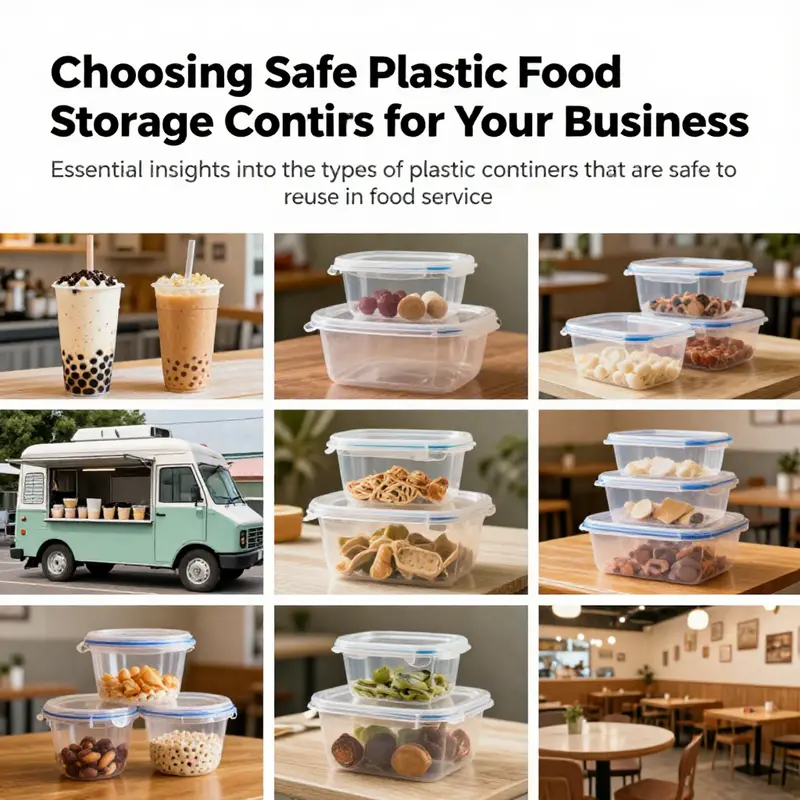
Maintaining food safety is crucial for businesses like bubble tea shops, restaurants, and food trucks, where the quality of service directly affects customer satisfaction. One critical aspect of this is selecting safe plastic food storage containers. With various types of plastics used in food storage, it is vital to understand which ones can be reused without compromising safety. This article delves into the key types of plastics, emphasizing their safety for repeated use, which is essential for your operations. Each chapter will explore different plastic types, offer safety guidelines, and equip you with the knowledge to make informed choices in your food service venture.
Navigating the World of Reusable Plastic Containers: Safe Choices and Practical Guidelines
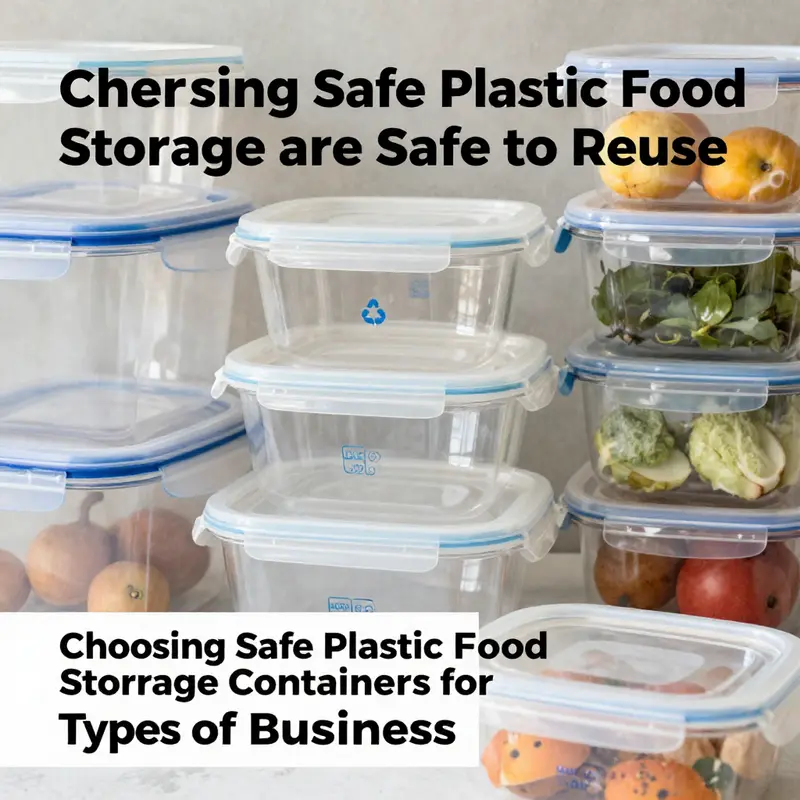
When deciding which plastic food storage containers are safe to reuse, it is essential to navigate not only the different types of plastics available but also the specific conditions under which they can be safely utilized. In this discussion, we explore how resin identification codes serve as a guide to choosing containers that pose minimal health risks, particularly when they are subjected to repeated use, heat, or the storage of acidic foods. Understanding and recognizing these symbols on the bottom of plastic items empowers consumers to make informed decisions that align with both safety and sustainability.
Perhaps the most well-known and recommended type for reusable food storage is that of polypropylene, known by the number 5 stamp. Polypropylene (PP) has gained popularity among manufacturers and consumers alike because of its ability to withstand higher temperatures without compromising the integrity of the container. This property makes PP an ideal candidate for microwave-safe use, offering a practical solution for reheating meals without worry. When using PP containers, a simple check of the recycling symbol with the number 5 reassures users that they are opting for one of the safest plastic options available for reuse. In addition to its thermal resilience, PP does not leach chemicals into food under normal use, making it a preferred choice for households that regularly heat food.
Another plastic type that has been widely recognized as safe for reuse is high-density polyethylene, abbreviated as HDPE and marked as number 2. HDPE is commonly used in items such as milk jugs and yogurt tubs due to its robust structure and resistance to fracturing. Its excellent durability ensures that it can handle repeated washing and typical day-to-day usage without significant degradation. Furthermore, products made with HDPE are less prone to chemical leaching even with repeated exposure to various food types. The confidence in using HDPE stems largely from its hard-wearing nature and its ability to withstand cold or warm conditions without substantial damage, which is imperative for maintaining food safety and overall hygiene.
Despite the safety attributed to PP and HDPE, not all plastics share these reassuring characteristics. Plastics such as polyethylene terephthalate (PET), marked with the number 1, are designed primarily for single-use applications such as water and soda bottles. PET containers are not engineered to handle repeated washing or prolonged exposure to heat, and over time, there is a risk that they break down and potentially leach chemicals like antimony, a heavy metal, or phthalates that may disrupt endocrine function. Consumers are best advised to avoid maximizing the use of PET containers beyond their intended lifespan, especially when they come into contact with high temperatures or aggressive cleaning agents.
Polystyrene (PS), identifiable with the number 6, represents another category of plastics that should be utilized with caution and never be reused beyond their early dispensable purpose. Found often in the form of foam takeout containers or plastic cutlery, PS’s composition makes it vulnerable to physical damage such as cracking and warping. The fragility of PS is significant because, when damaged or exposed to heat, even minor disintegration can accelerate the release of styrene, a component suspected to act as a potential carcinogen. Thus, once polystyrene shows any sign of wear or is subjected to repetitive use, it becomes an unsuitable choice not only for storage but also for exposure to heat.
In a similar vein, the group of plastics encompassed under the number 7 classification is the “other” category that brings together a variety of materials, some of which include bisphenol A (BPA) and its analogues. These plastics can be found in certain reusable containers; however, adding caution to the mix is the fact that BPA is known for its ability to mimic estrogen and disrupt endocrine functions. Even BPA-free items under number 7 might contain other chemicals that have yet to be thoroughly vetted for long-term safety. Consequently, the recommendation for the cautious consumer is to opt for plastics that are clearly identified as either PP or HDPE when looking for containers that are safe to reuse.
In practical terms, there are additional observations that one should consider when assessing whether a container remains safe. Physical indicators of plastic degradation include cloudiness, scratches, cracks, discoloration, warping, and persistent odors. These signs do not only suggest that the container’s aesthetic appeal has diminished; they represent clear markers of structural and chemical deterioration. When a plastic container exhibits any of these symptoms, it is time to dispose of it. The underlying plastic is breaking down and may begin to release microplastics along with potentially hazardous chemicals that can interact with the food stored inside. This deterioration is often accelerated when plastics are exposed to high temperatures or acidic environments. Therefore, it is best to inspect containers regularly and discard any that no longer exhibit the integrity expected from safe food contact materials.
While using plastic containers for food storage is a common practice, safety guidelines also recommend that when possible, especially if reheating is involved, alternatives such as glass or stainless steel should be considered. These materials do not have the same risks associated with the degradation of plastics and can often be a safer alternative when storing hot or acidic foods. Nonetheless, for many everyday uses, especially in a busy household, the convenience and practicality of plastic cannot be discounted, provided that the right types are chosen and regularly inspected for signs of wear.
It is also paramount for consumers to be mindful of the age of their containers. Plastics manufactured prior to more stringent safety regulations, particularly those produced before 2010, might contain substances that are no longer approved for food contact, including BPA. Advances in production have meant that more recent containers typically adhere to higher safety standards. As a result, efforts to identify and discard older plastics can further minimize any potential risks associated with chemical leaching. By focusing on designs explicitly crafted with modern health and safety considerations in mind, users can enjoy the practicality of reusable plastic containers while mitigating potential hazards associated with older materials.
Another important aspect of using plastic containers safely lies in the proper use of heat. Even containers designated as safe, such as those made from PP, require cautious handling. Although PP is rated as microwave-safe when used appropriately, it is critical that users avoid disturbing the container’s integrity by subjecting it to sudden or extreme temperature changes. A gradual warming process is preferable to avoid the formation of cracks or warping. Furthermore, when placing food that is highly acidic or oily into any plastic, extra caution should be exercised to preclude the gradual breakdown of the container. This calls for thorough labeling—often the container itself is marked with care instructions or microwave-safe symbols—to ensure the best possible outcome in terms of both food safety and the longevity of the plastic.
The journey of selecting the right container often involves a careful balancing act between practicality and risk management. While plastics like PP and HDPE offer compelling advantages due to their strength and ability to endure repeated heating cycles, vigilance remains necessary. For instance, users should adopt the habit of regularly checking for physical damage that could render even the most robust container unsafe. This practice is especially important since prolonged use, even with safe plastics, may eventually lead to micro-fractures that compromise the safety of stored food.
Moreover, the modern consumer also has the option to explore external resources to complement their understanding of safe food contact materials. For those looking to delve deeper into the technical standards and regulatory guidelines associated with plastics in food storage, the U.S. Food and Drug Administration provides extensive documentation on the subject. This resource offers detailed insights into the various types of plastics and their respective applications, serving as a useful reference for ensuring that all household food storage practices align with current safety recommendations. You can read more about these government-led standards by visiting the FDA’s guidance on food contact materials at this official page.
Similarly, while many consumers lean on convenience when selecting containers, there is merit in exploring options that adhere to eco-friendly practices. For example, there are suppliers that offer products designed specifically to be safe for repeated use and microwaving. In one instance, eco-friendly takeout packaging boxes are meticulously designed to be leak-resistant and safe for exposure to heat, ensuring that the food inside remains uncontaminated by chemical residues. Such products illustrate that, while plastic has often been portrayed in a negative light due to its long-lasting presence in landfills, modern production techniques have allowed for the safe reuse of many items—provided that they are correctly chosen and maintained.
In conclusion, understanding which plastic food storage containers are safe enough for reuse is a matter of both educated selection and diligent care. By becoming familiar with resin identification codes and adhering to clear guidelines regarding physical degradation and proper heat usage, consumers can substantially reduce health risks associated with repeated use. The modern plastic food storage landscape is varied, offering safe options like PP and HDPE that consistently perform under strict usage conditions. Through informed choices and regular container inspections, individuals can continue to enjoy the convenience of plastic storage while safeguarding their health and preserving food quality over time.
Final thoughts
In the dynamic landscape of food service, understanding the types of plastic food storage containers that are safe to reuse is paramount for ensuring food safety and maintaining customer trust. By prioritizing plastics marked with number 5 and acknowledging the safety of number 2 and 4, you can streamline your operations while safeguarding public health. Make informed decisions and elevate your service with the right storage options, allowing your establishment to thrive.