
Freezing food in plastic containers has become a common practice among restaurants, food trucks, and catering services. However, ensuring the safety and quality of the food during this process is paramount. This article delves into critical material considerations, best practices for using plastic containers, and alternative storage solutions that guarantee food integrity. As you read on, you’ll discover how to choose the right materials, optimize freezing techniques, and explore eco-friendly alternatives that cater to both health and environmental standards.
Choosing the Right Plastics: Material Rules and Practical Tips for Freezing Food Safely
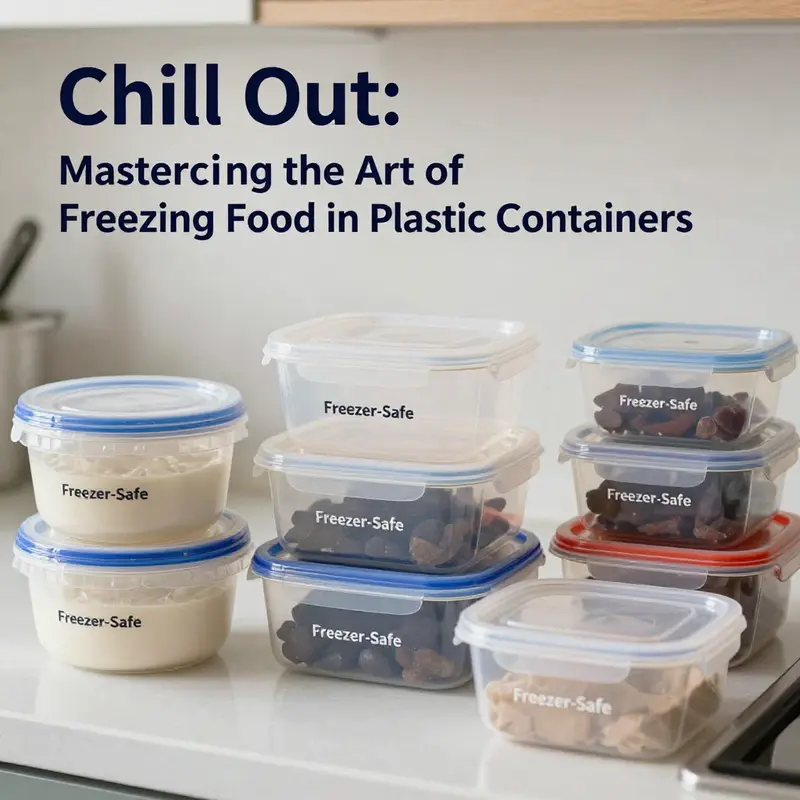
When you consider freezing food in plastic containers, material choice must drive every decision. Not all plastics behave the same at low temperatures. Some maintain structure and chemical stability. Others become brittle, crack, or release unwanted compounds. Understanding which polymers are suitable, how they react to cold, and how to use them correctly reduces health risks and preserves food quality.
Polypropylene (PP) and certain forms of polyethylene (PE) are the most reliable plastics for freezing. Food-grade PP stands out for its resistance to cold and chemical stability. It typically handles temperatures well below typical domestic freezer levels. Containers made of PP retain their shape and rarely crack under normal freezing stress. Look for the recycling code #5 stamped on the bottom of the container. That symbol often indicates polypropylene, but you still must confirm the manufacturer labeled the item as food-safe or freezer-safe. The recycling code alone is not sufficient as proof of food-contact certification.
High-density polyethylene (HDPE) and linear low-density polyethylene (LLDPE) are common in bags and flexible containers. These materials remain pliable at low temperatures. They are widely used for freezer bags and larger food-storage sacks. When manufactured to food-grade standards, HDPE and LLDPE perform well. The important factor is certification. Choose products explicitly marketed as food-grade and freezer-safe. Avoid repurposing non-food or general-purpose plastic bags. Some grocery and retailer bags contain dyes, plasticizers, or other additives. Those compounds can migrate into food, especially fatty items, during long storage.
Certain plastics must be avoided for freezing. PVC is one such material. PVC can contain plasticizers and additives that may leach into food under stress. Exposure to varying temperatures increases that risk. Polystyrene, often used for disposable plates and cups, becomes dangerously brittle when frozen. It can fracture and contaminate stored food. Mixed or recycled plastics that lack clear identification present an unknown risk. Without a marked composition, you cannot ensure compatibility with low temperatures or food safety standards.
Labels matter. A container labeled freezer-safe and designed for food contact reduces uncertainty. Such labeling usually means the manufacturer tested the product for cold shock, structural integrity, and absence of harmful migration at low temperatures. Additional regulatory compliance statements are useful. Indications of conformity with national food-contact regulations or recognized authorities add confidence. If you see a claim of compliance with U.S. or European standards, verify it. Packaging that cites regulatory approval or testing suggests a higher level of scrutiny in production.
Beyond material selection, how you prepare food for freezing affects outcomes. One practical rule is to leave headspace between the food and the lid. Water-rich foods expand when frozen. Allow at least one to two centimeters of space for expansion in rigid containers. For liquids and soups, leave a larger margin. Overfilling rigid plastic containers risks lid pop-off or cracking. Flexible bags are more forgiving, but you still should avoid overpacking.
Sealing is equally critical. A tight seal limits air exchange and slows moisture loss. Air exposure causes freezer burn and textural changes in food. Use containers with well-fitting lids designed to snap or lock into place. For bags, remove as much air as possible before sealing. Vacuum sealing provides the best barrier against freezer burn. When vacuum sealing, use materials made for food use and low temperatures.
Consider the type of food. Fatty and acidic foods demand extra caution. Fatty foods encourage migration of lipophilic contaminants into plastics over time. Acidic foods can sometimes interact with additives in inferior plastics. For those reasons, store fatty or highly acidic foods in containers tested for long-term food contact. Alternatively, use glass or high-quality silicone for such foods when possible.
Temperature cycles matter. Repeated freezing and thawing stresses plastic. Each cycle can accelerate degradation and increase the chance of cracks or microfractures. Avoid taking containers from freezer to hot water or microwave unless they are designed for rapid temperature change. Containers not rated for reheating should not be used for that purpose, even if they survived freezing. If you anticipate frequent thaw-and-refreeze cycles, choose materials built for durability, or switch to glass or silicone.
For long-term storage, many experts recommend avoiding plastic when feasible. Glass containers, tempered for freezer use, do not absorb odors. They do not leach chemicals into food. Food-grade silicone also offers a flexible, durable option. Both alternatives withstand wide temperature ranges and repeated temperature cycling. They can be particularly useful for portions intended to remain frozen for months.
If plastic is your chosen route, inspect containers regularly. Look for signs of brittleness, hairline cracks, distorted lids, and stress whitening. These are indicators of material fatigue. Discard containers that show damage. Do not assume a cracked container remains safe, even if its integrity seems minor. Microcracks can harbor bacteria and allow migration of chemicals.
Avoid reheating frozen food in the same plastic container unless the container is designed for microwaving or oven use. The heating step can mobilize any additives that might have migrated slowly during freezing. Transfer to a microwave- or oven-safe dish if you need to reheat. This practice reduces exposure to unknown compounds and prevents warping or melting.
Labeling and rotation are practical habits that preserve food quality. Mark containers with contents and date of freezing. Use FIFO—first in, first out. Rotate stored food to consume older items first. This reduces the time any one item spends in contact with plastic, lowering long-term migration risk. It also curbs nutrient loss and flavor degradation that come with long storage.
For liquid storage, consider partial freezing techniques. Fill flexible bags or containers only three-quarters full. Lay bags flat in the freezer to create thin, evenly frozen layers. This speeds freezing and thawing, reduces the chance of uneven cold-induced stress in the container, and saves space. For rigid containers, opt for shapes that distribute internal pressure evenly. Avoid very tall, narrow containers for liquids. They concentrate expansion forces and make lids more likely to pop.
Fatty sauces, stocks, and soups deserve special attention. Use robust, labeled food-grade plastics for these items. Fat can carry contaminants into plastic more readily than water-based foods. If you store fats frequently, consider designated glass jars or silicone molds for those items. Glass jars with generous headspace, and lids rated for freezing, provide the best balance of safety and convenience for fats and oils.
When buying plastic containers for the freezer, seek longevity and certification rather than low cost. Durable containers may cost more upfront, but they resist cracking and chemical changes. Food-safety certifications and compliance statements justify higher prices. Check product documentation and manufacturer guidance for explicit freezer use instructions. Pay attention to hinge and seal design. Weak seals fail first in repeated cold cycles.
For households where environmental impact matters, weigh the trade-offs. Single-use plastic bags produce waste, but they limit cross-contamination and often reduce freezer burn in the short term. Durable plastic tubs reduce waste over many uses. Glass and silicone drive environmental performance further, though they require more energy to produce and ship. Consider lifecycle impacts alongside health concerns to make a balanced choice.
Storage geometry and packing strategy matter too. Freezer organization reduces the time freezer doors stay open. Shorter exposure to warmer air prevents partial thawing and refreezing. Store like items together and label clearly. Use flat, stackable containers to maximize cold distribution. This approach reduces pressure on individual containers and minimizes damage from accidental drops.
Sanitation and cleaning are part of material care. Clean containers promptly before refreezing. Food residues can promote bacterial growth during thaw cycles. Use detergents intended for food contact. Avoid solvent-based cleaners that can damage plastics. Dry containers completely before sealing for freezing. Moisture left inside can form large ice crystals, which accelerate freezer burn.
If you are unsure about an older container, err on the side of caution. Older plastics may have been made with additives now deemed unsafe. Modern food-contact regulations have evolved. Containers produced decades ago may not meet current safety expectations. When in doubt, replace old storageware with items labeled for food use and freezing.
For portion control and meal prep, consider using dedicated freezer containers. Assign a set of containers exclusively for frozen storage. This prevents cross-contamination with items used for hot foods or non-food storage. Dedicated containers build a reliable routine. They also help you observe signs of wear that indicate replacement time.
Vacuum sealing is one of the most effective ways to protect frozen food. It reduces air exposure, slows oxidation, and limits freezer burn. Use vacuum bags certified for food contact and suitable for freezing. When vacuum sealing, follow manufacturer guidance on maximum freezing times. Even vacuum-sealed plastic can undergo slow changes over long durations.
Finally, balance risk and convenience. Freezing food in plastic containers that are properly specified and used correctly is generally safe. Short-term freezing in certified PP or PE containers poses low risk. Long-term storage increases the chance of subtle material changes. For storage measured in months rather than weeks, consider glass or high-quality silicone whenever practical.
For an alternative to rigid or flexible plastic, you can explore eco-friendly disposable boxes intended for takeout. These often use coated papers and are designed for food contact. They are especially useful when reheating is not required. For example, consider exploring options like eco-friendly takeout boxes for food packaging when you want a short-term, convenient solution that reduces long-term plastic use.
Regulatory guidance provides an extra layer of reassurance. Recognized food-contact authorities publish criteria and test methods for materials. Consult these resources when choosing containers for repeated or prolonged freezing. The U.S. Food and Drug Administration offers detailed material guidelines for food-contact use, which help clarify safe practices and acceptable polymers: https://www.fda.gov/food/food-contact-materials/food-contact-materials-and-products
Use these material rules as part of a practical routine. Select certified PP or PE when plastic work is necessary. Reserve glass and silicone for long-term or high-risk foods. Leave expansion space, seal tightly, and rotate stock regularly. Inspect containers for degradation. These steps keep frozen food safe and maintain flavor, texture, and nutritional quality over time.
Freezing with Confidence: Practical Rules for Using Plastic Containers Safely
Practical Guidelines and Better Choices for Freezing
Freezing food in plastic containers can be safe and convenient when done correctly. The key is choosing the right materials and following a small set of practices that protect food quality and reduce any chance of contamination. This chapter explains what to look for in containers, how to prepare and pack food for freezing, how to avoid common pitfalls like freezer burn or cracked lids, and when to choose a sturdier alternative such as glass or silicone. Read as a single, practical narrative you can follow each time you freeze food.
Start with the container itself. Not all plastics are equal. Look for the words freezer-safe or for materials known to tolerate cold and repeated temperature change. Plastics with resin identification numbers 2 (HDPE) and 5 (PP) are typically more durable for freezing. They resist cracking and perform well during freeze–thaw cycles. By contrast, plastics like PET (1) and PS (6) are often designed for single use. Repeated freezing and thawing can make them brittle and increase the chance of leaks, breaks, or chemical migration. The recycling symbol and its number describe the resin, not safety for freezing or food contact. Always confirm that the container itself is labeled for freezer use.
Think about shape and thickness. Rigid, heavy-duty containers maintain their shape in the deep freeze and protect food from pressure and stacking. Thin takeout containers and flimsy bags can crack or puncture, letting air touch food and causing freezer burn. If you do use resealable bags, choose those specified for freezer storage and double-bag liquids or fatty foods to prevent leaks. For small portions and sauces, small rigid cups with tight-fitting lids are handy; you can use transparent sauce containers with lids to portion dressings or condiments before freezing. These small containers reduce wasted thawed portions and keep flavors separate.
Cooling food before it hits the freezer is essential. Freezing traps whatever temperature and bacteria exist at the moment you freeze. Allow cooked or hot food to cool quickly to near refrigerator temperature before transferring it into the freezer. Divide large batches into shallow containers to speed cooling. This reduces the time food spends in the temperature danger zone and preserves texture and flavor. Never leave perishable food sitting at room temperature beyond the recommended safe windows: two hours maximum, or one hour if environmental temperatures exceed 90°F. Quick cooling also helps avoid long freezer cycles that can negatively affect overall freezer temperature.
When transferring cooled food into containers, always leave headspace. Liquids and dense foods expand as they freeze. Leave about one inch of headspace in rigid containers to accommodate expansion. If you overfill, lids can pop or the container may crack. For glass jars, leave more headspace and consider loosening the lid slightly until the contents are fully frozen; once frozen, tighten the lid to maintain an airtight seal. For flexible bags, remove as much air as possible before sealing. But do not fill bags until solidly full without allowing for expansion; instead, lay filled bags flat to freeze, which also saves space.
Seal tightly. Air exposure is the primary cause of freezer burn, a drying of the food surface that ruins texture and flavor. Use airtight lids or purpose-made freezer seals and press out excess air from bags. If your container has a gasket or screw-top, ensure it closes evenly and fully. Check lids for warping or cracks before use. A container that once closed securely may no longer be leakproof after many cycles. Replace lids or containers that no longer seal well.
Label and date each container. Freezers can quickly become a jumble of similar-looking packages. Mark the container with the content and freeze date. This helps you rotate stock using first-in, first-out logic and reduces needless long-term storage. For long-term items, note the intended use-by period on the label. Refer to authoritative guidance for suggested storage durations to keep quality and safety high.
Understand the limitations of plastics over time. Even freezer-safe plastics can show wear. Repeated heating and freezing stresses the polymer chains. Microscopic cracks, surface scratches, and chemical degradation can increase the risk that compounds may transfer into food, especially with fatty or acidic items. To minimize risk, avoid using slightly worn or heavily scratched containers for long-term storage of oily or highly acidic foods. Replace containers that are cracked, deeply scratched, discolored, or have an odor that won’t wash away.
Avoid extreme temperature shocks. Moving a container directly from hot to cold or from freezer to high heat increases the chance of cracking. Let hot food cool first; defrost frozen food safely before putting containers in a hot oven or microwave unless the container is specifically rated for both freezing and high heat. Many plastics are labeled microwave-safe or not; do not assume freezer-safe plastics are microwave-safe. If you plan to cook or reheat in the same container, use containers explicitly labeled for both uses. Otherwise, transfer food to a safe reheating vessel.
Portioning smartly saves time and reduces waste. Freeze food in meal-sized portions so you thaw only what you need. For soups, stews, and sauces, consider freezing in shallow, individual-serving containers or in resealable freezer bags laid flat. Flat bags freeze and thaw faster than thick lumps. For baked items, wrap tightly, then place inside a rigid container if possible. For fruits and vegetables, blanching and drying before freezing improves quality; place them on a tray to flash-freeze, then transfer to freezer-safe containers when solid.
Take extra care with certain foods. Dairy-based sauces and custards may separate and change texture after freezing. Creamy soups and delicate emulsions often lose their silky mouthfeel. Fried foods can become soggy upon thaw and reheat. Raw meats and poultry freeze well when fresh and wrapped tightly. For raw fish, wrap within a day of purchase and freeze promptly. Marinated items should be frozen in durable containers or appropriate bags to avoid leaks and to keep flavors intact. For highly acidic or salty foods, glass may be the safer choice for long-term storage, as acid can interact slightly with some plastics over extended periods.
Organize your freezer for safety and access. Keep a dedicated area for raw meats on the lowest shelf or in the bottom drawer to prevent cross-contamination if a package leaks. Store ready-to-eat foods separately. Avoid overpacking; air must circulate for consistent temperature. If your freezer becomes inefficient when packed tightly, food can experience slow freeze cycles, which degrade quality and safety. Keep a running inventory on a magnetic list or a small notebook. Regularly rotate items and discard anything that is past its storage recommendation or shows signs of freezer burn.
Care for containers properly. Wash freezer containers before first use with warm, soapy water. For repeated use items, many labeled freezer-safe containers are also dishwasher-safe on the top rack. Avoid harsh abrasives that scratch the surface. Scratches can harbor bacteria and promote faster material degradation. Dry containers thoroughly before freezing to avoid accidental ice crystals forming inside lids, which can compromise seals.
When thawing, follow safe methods. The safest way is in the refrigerator, where temperature remains low and consistent. For faster thawing, place sealed containers in cold water, changing the water every 30 minutes until thawed. If you use the microwave to defrost, plan to cook the food immediately afterwards. Never thaw at room temperature, where the surface warms long before the center, allowing bacteria to grow. Do not refreeze food that has been thawed unless it has been cooked after thawing.
Know when to choose a non-plastic alternative. If you plan to store a batch for many months, or the food is acidic, fatty, or oily, prefer glass or high-quality silicone. Glass jars and tempered glass containers resist staining, do not absorb odors, and preserve taste better over long storage. They may be heavier but often last longer and avoid concerns about long-term plastic degradation. Silicone bags and molds are flexible, easy to clean, and stand up well to repeated use. Stainless steel works well for many dry goods but is not transparent and is harder to seal for liquid storage.
Be mindful of environmental and health trade-offs. Single-use plastics create waste. Reusable freezer-safe plastic containers can reduce waste, but they eventually wear out. Glass and silicone are more durable, recyclable, or long-lasting alternatives. When you must use disposable plastic, select items designed for the freezer and recycle them according to local guidelines when they are no longer usable.
Practical examples put these guidelines into action. Suppose you made a large pot of tomato sauce. Cool it quickly by portioning into shallow containers. Use rigid polypropylene containers with one inch of headspace. Seal tightly, label with the date, then stack neatly. For a smaller portion of sauce or dressing, portion into small, lidded cups and freeze. For a soup intended for long-term storage, consider freezing in tempered glass jars, leaving adequate headspace and loosening the lid until fully frozen. For a batch of berries, spread them on a tray to flash-freeze, then pack them into freezer bags or rigid containers to avoid clumping.
Finally, develop a simple checklist you can use before placing any container in the freezer. Confirm the container is labeled freezer-safe. Ensure food is cooled. Leave about one inch of headspace for liquids. Seal airtight. Label with contents and date. Place the container in a spot that allows air to circulate and keeps raw items separated from ready-to-eat foods.
Following these principles lets you use plastic containers safely, maintain food quality, and minimize waste. Temper your choices with how long you plan to store the food. For short-term storage and frequent reuse, quality freezer-safe plastic works well. For long-term storage, acidic foods, or repeated heating and reheating, lean toward glass or silicone. If you need small portion control and tidy organization, consider clear small containers. For an example of a practical small container option, see the selection of transparent sauce containers with lids for portioning and freezing condiments.
For official guidance on freezing times, safe handling, and additional recommendations, consult the U.S. Department of Agriculture’s guidance on freezing food: https://www.fsis.usda.gov/food-safety/safe-food-handling-and-preparation-fores/food-safety-basics/freezing-food
Use these practices every time you freeze food. They will protect taste, texture, and safety while helping you choose the best storage material for each situation. With the right container, careful cooling, sensible sealing, and proper thawing, freezing becomes a reliable way to preserve food without unnecessary risk.
Beyond the Freezer: Safer, Smarter Ways to Store Frozen Food Without Plastic
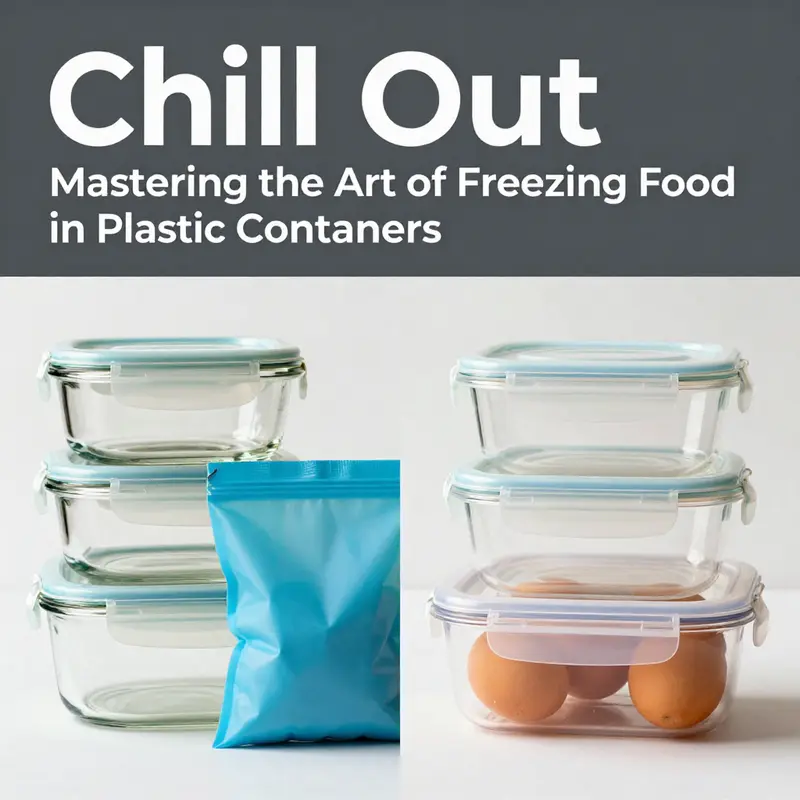
Freezing food in plastic containers remains a common habit for home cooks, but it is not a universal, risk-free solution. The safety and quality of frozen foods depend on more than a single act of sealing. It hinges on choosing the right material, understanding how temperature and expansion interact with that material, and applying disciplined handling practices. The core idea is simple: not all plastics are created equal when it comes to freezing, and even the best choices require careful use. A good starting point is recognizing that only certain plastics are explicitly labeled for freezing or are built from materials known for their stability in subzero environments. A frequent shorthand in kitchens and knowledge bases is the designation of polypropylene, designated by the recycling code #5. Polypropylene has a track record of chemical stability and a favorable balance of heat resistance and low-temperature performance. Yet even with PP, the critical step is to confirm the label says freezer-safe or freezer-ready. Textbook caution accompanies this: aim for containers that are specifically marketed for freezing and carried by reputable, food-grade assurances. The bottom line is that safety is not a property of the material alone; it is the result of a combination of material choice, correct labeling, proper usage, and diligent maintenance.
The alternative is not a panicked replacement but a practiced optimization. Many households discover that ordinary, non-food-grade plastics, or containers without freezer-safe labeling, behave unpredictably when the temperature dives. They can become brittle, crack, or deform under the pressures of freezing liquids or expanding contents. In some cases, when these containers fail, there is a real risk of contaminating food with bits of plastic or, worse, creating an opening for freezer odors and flavors to mingle with other items in the freezer. That negative outcome is not merely cosmetic; it can compromise safety, especially for stored foods that require longer periods of time in the cold. The safety calculus is reinforced by authorities and experts who emphasize that containers marked as freezer-safe, and built from food-grade plastics, are the only ones that can reasonably be trusted for long-term use in the freezer. The lesson is simple but essential: checking the bottom label and confirming the label’s meaning is a step that should become second nature in any kitchen routine.
Beyond labeling, there is the practical matter of how to use these containers once they are chosen. The freezing environment is not merely a cooler; it is a place where liquids tend to expand, sometimes with more force than expected. The initial guidance often suggests leaving enough headspace to accommodate this expansion safely. In practice, this means reserving about 1 to 2 centimeters of space for many typical plastic containers when storing foods that shank the boundary between solid and liquid. However, when liquids or foods that release gases upon freezing are involved, or when using thicker, less flexible plastics, a larger headspace—closer to 2 to 3 centimeters—offers a more robust buffer. The reason is straightforward: as water turns to ice, its volume expands by roughly 9 percent. If there is no room for that expansion, pressure can build, risking cracks, leakage, or distortions that compromise the seal and allow air to creep in. A tight seal matters for another reason: freezer burn. When air sneaks into the container, the surface dries and dehydrates, focusing the risk of texture and flavor losses on the exposed portions of the food. The seal’s integrity, therefore, is a central part of food quality, one that is inseparable from safety. It is no accident that many experts insist on testing the integrity of lids before each use and on choosing containers whose lids offer a snug, durable fit. A good seal is not a cosmetic feature; it is a line of defense against moisture loss, odor transfer, and cross-contamination between frozen items.
Even with a properly chosen freezer-safe plastic, there is another layer of complexity: the potential for chemical leaching, particularly in long-term storage or when plastics are repeatedly washed and re-used. While modern food-grade plastics undergo stringent testing, the reality is that some materials can, under certain temperature fluctuations or chemical exposures, release trace amounts of additives. In practical terms, the risk is mitigated by selecting clearly labeled freezer-safe, food-grade plastic containers and by avoiding containers that have endured repeated rough handling, deep scratches, or visible wear. For extended storage, the recommendation that echoes through safety literature—plus many environmental and health-conscious circles—is to consider glass or high-quality silicone as safer, more inert alternatives when budget and space permit. The argument extends beyond chemistry: glass and silicone tend to maintain their integrity across many cycles of freezing and reheating, while plastics can degrade or impart flavors when repeatedly stressed by the rigors of a freezing cycle. In this context, long-term storage considerations become a balance between convenience, safety, and environmental impact.
The narrative of safety around plastics is not merely about avoiding risk; it is also about making informed, practical choices. If you remain within the plastic family, you must locate containers that meet two essential criteria: first, an explicit freezer-safe or freezer-ready designation; second, a clear indication that the container is food-grade. The third criterion is not optional—it is the daily practice of leaving sufficient headspace and ensuring a robust seal. Read the container’s bottom labels, confirm the material, and respect the manufacturer’s guidance on whether the container can withstand freezing temperatures and microwave reheating. The fourth criterion concerns temperature history. Freezers are not uniform; some operate at slightly different setpoints, and the rate at which content freezes can produce different pressures within sealed containers. A practical approach is to cool foods to room temperature before freezing, or to use rapid-freezing methods that minimize the duration in which the food expands inside the container. These steps reduce thermal shock to the container and help preserve texture, color, and overall quality of the food.
The broader conversation about safety increasingly invites a reflection on sustainability and long-term environmental impact. The initial framework—recognizing that not all plastics are appropriate for freezing and that only clearly labeled freezer-safe plastics should be used—remains valid. Yet many experts urge a cautious, forward-thinking stance. Even when conditions allow for freezing in plastic, long-term storage can eventually affect any plastic container through microcracking, gradual weakening, or subtle chemical shifts. Consequently, if storage needs are measured in months rather than weeks, the case for glass or even high-quality silicone becomes more compelling. Glass, with its inert, non-porous surface, does not leach chemicals into food. It resists repeated cycles of freezing and reheating, and it tolerates a variety of food types, including acidic foods, with less risk of interaction. Metal containers, particularly those made from stainless steel, offer another robust option. They are resilient in freezing temperatures, do not release harmful chemicals, and can be reused for years if cared for properly. The caveat here is practical: metal can react with acidic or salty foods, so use liners or avoid these foods if your metal choice presents corrosion risks. These insights converge into a practical philosophy: for casual, short-term storage, properly labeled freezer-safe plastics may suffice; for long-term storage, consider glass or metal as safer, more durable alternatives that mitigate potential chemical interactions and degradation especially after repeated freezing cycles.
The narrative would be incomplete without acknowledging the role of wrapping materials and packaging if one steps outside rigid containers. Aluminum foil offers sturdy moisture and air resistance, forming a protective barrier around the block of frozen food when used as a first line of defense. It is important to note that foil can tear under the stress of expansion, so a second layer of protection—paper or parchment—helps prevent punctures and maintains barrier integrity. For items that benefit from more breathable packaging, parchment paper wraps or wax-coated boxes—think butcher’s paper, waxed cardboard, or similar materials—provide a biodegradable alternative that reduces the risk of chemical leaching. Reusable options also exist, including wax-coated cartons or sturdy, food-grade silicone pouches that can be safely used in freezers and microwaves. Paper-based packaging, particularly unbleached kraft or waxed variants, works well for dry goods or short-term refrigeration but should be used with care for long-term freezing. The logic is simple: each material has a distinct strength profile—foil for moisture and air resistance, parchment for biodegradability and safe barrier properties, and reusable pouches for convenience and resilience. When used judiciously, these wrapping materials reduce the need to rely solely on plastic containers and help lower the environmental footprint of freezing practices.
In the end, the most robust approach to freezing food safely emerges as a layered strategy that respects both safety and sustainability. If you must rely on plastic, target freezer-safe, food-grade containers and observe strict headspace guidelines. If you aim to minimize plastic altogether, glass or metal storage systems deserve serious consideration for long-term storage, supported by appropriate lids and silicone seals to preserve moisture and prevent odor transfer. Wrapping materials can bridge the gap, offering barrier protection and, in some cases, a reliable way to portion or portion-control. Sandwiched between convenience and caution, a practical conclusion emerges: the freezer is not a wilderness to be conquered with a single tool but a landscape to be navigated with a toolkit that includes careful material choice, mindful headspace, sturdy sealing, and a readiness to adopt safer, more durable alternatives when the storage horizon extends toward months rather than weeks.
To connect these principles with real-world decisions, it helps to think about the lifecycle and the context of your freezer use. If you are freezing small portions for quick meals, a freezer-safe plastic container can be efficient and effective, provided you confirm the labeling and maintain proper headspace. If you are freezing large batches for weekly meals, you may quickly reach the limits of what a plastic container can withstand, and the case for glass or metal storage strengthens. In these scenarios, glass dishes with tight-fitting lids, or sealed metal tins and bottles, provide strong performance with fewer concerns about chemical leaching, even after multiple cycles of thawing and refreezing. When your priority shifts toward eco-friendliness and long-term reliability, the case for alternatives becomes especially compelling. The careful reader will notice a recurring theme: the balance of safety, practicality, and environmental stewardship. You do not have to abandon plastic completely to reap safer freezing results; you simply need to pair the right container with disciplined use, and you should consider greener options whenever possible.
For readers seeking a practical sentiment in this ongoing conversation, a closer look at the broader packaging ecosystem can be illuminating. If you are curious about safer, greener ways to store frozen foods without relying solely on plastic, there are options worth exploring that combine durability, reusability, and minimal chemical risk. A useful entry point in this space discusses choosing among glass, metal, and wrap-based solutions while acknowledging the realities of kitchen space and budget. It is a helpful reminder that the science of freezing is not static; it adapts as materials science advances, as consumer expectations shift toward sustainability, and as households seek safer, more convenient means to preserve the integrity of their meals. eco-friendly disposable packaging options serves as a practical touchstone for families weighing the benefits of recyclable or reusable alternatives in everyday use. This resource, among others, highlights packaging strategies that reduce plastic dependence while maintaining food quality, a balance that aligns with the evolving priorities of modern households.
Incorporating these insights into daily routines requires a calm, methodical approach. Start with a quick audit of your current freezer inventory: which items are frozen in labeled freezer-safe plastics, which in your view could benefit from glass or metal storage, and which would be better reorganized under wraps to minimize exposure. For any given batch, consider the type of food, its acidity, and its expected storage duration. Tomato sauces and citrus-based dishes, for instance, sometimes interact more with certain metals over long periods, so a glass or silicone-lidded option may be safer than a metal container. On the other hand, non-acidic staples and prepared meals with visibly thick consistency can often ride out repeated cycles in high-quality plastic if you are disciplined about labeling, headspace, and seal integrity. It is also worth noting that liquids and sauces demand particular attention to headspace and freezing technique because their expansion is more pronounced. When freezing soups or broths, a practical habit is to freeze them in two-stage increments within the same container or to use a vessel designed to maximize expansion tolerance. In all cases, the goal is to prevent container deformation and preserve the texture and flavor of the food.
The conversation about safety and sustainability in freezing is not a static argument; it is a continuous, evolving practice. As more households reassess not only the safety of their food but the environmental cost of their packaging choices, flexible, informed strategies become invaluable. The approach outlined here—prioritize freezer-safe, food-grade plastics when necessary; pursue glass or metal for long-term storage; supplement containers with protective wrappings and smart headspace—offers a coherent path forward. It recognizes the practical realities of kitchen life while honoring commitments to safety and environmental stewardship. In pursuing these strategies, you create a freezer that not only preserves meals but also protects health and the planet. The goal is not perfection but a series of prudent, achievable decisions that improve food safety, quality, and sustainability over time.
External reference: The Guardian guide
Final thoughts
Selecting the appropriate materials for freezing food in plastic containers can significantly impact food safety and quality. By adhering to best practices and considering alternatives when necessary, your business can maintain a high standard of food preparation and storage. Prioritizing safety not only safeguards your customers but also enhances your reputation in the food industry. Always ensure to use ‘Freezer-Safe’ labeled products and explore eco-friendly options to meet the growing demand for sustainable practices.