
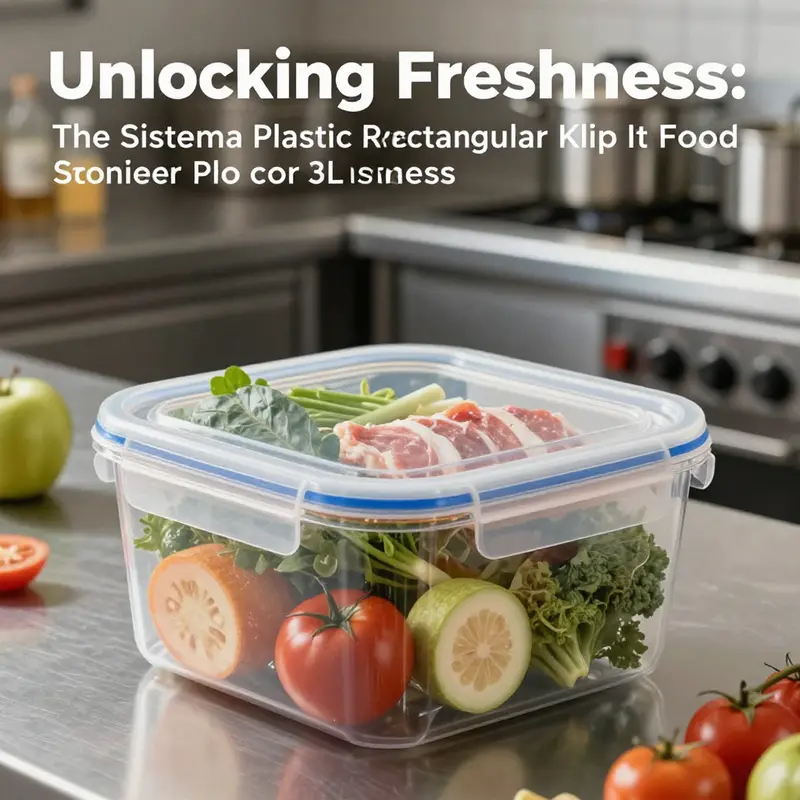
In the bustling world of food and beverage service, maintaining food quality and efficiency cannot be overstated. The Sistema Plasctic Rectangular Klip It Food Container 3L stands out as an essential tool for businesses such as bubble tea shops, restaurants, food trucks, and event planners. Its thoughtful design combines durability, versatility, and functionality, making it ideal for food storage needs. Each chapter will delve into its remarkable features, the myriad benefits it brings to food service operations, and real-world scenarios showcasing its effectiveness in enhancing food management practices.
null
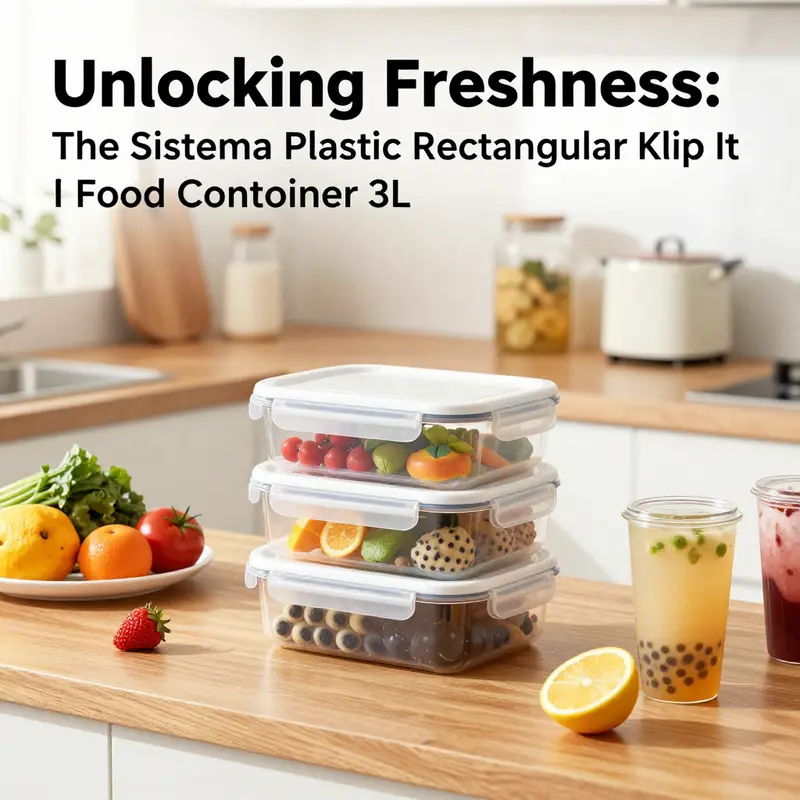
null
Locking In Freshness: The 3-Liter Rectangular Plastic Storage Solution That Changes Everyday Meal Prep
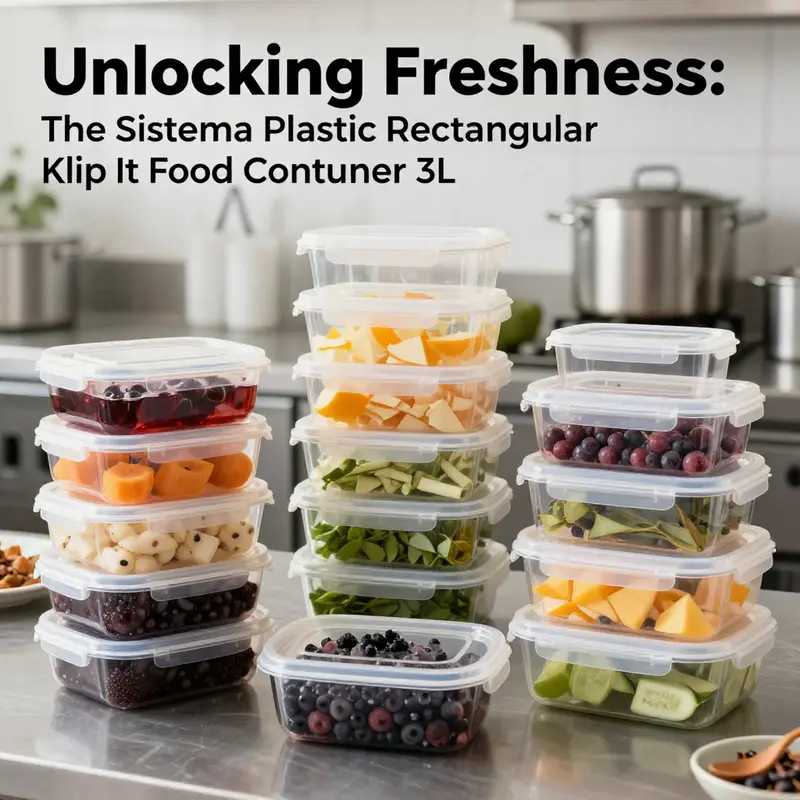
In kitchens around the world, the rhythm of daily life hinges on what sits in the fridge and pantry. Leftovers, bulk ingredients, and midday snacks all compete for precious real estate, and the way we store them can either streamline or complicate a week of meals. A 3-liter rectangular plastic storage container, designed with a secure locking lid and an airtight seal, serves as a quiet workhorse in this choreography. It is not just about holding food; it is about preserving it, reducing waste, and enabling a smoother flow from grocery run to supper plate. The essence of such a container lies in its ability to marry simplicity with reliability. Its capacity—roughly three liters, about twelve cups—fits a common range of everyday needs. It is large enough to store a batch of cooked pasta or a portioned set of roasted vegetables, yet compact enough to tuck neatly into a shelf, a fridge door, or a freezer drawer. The rectangular footprint matters as much as the capacity. This shape optimizes space, allowing several containers to align side by side and slide into tight fridge alcoves or stacked in a cupboard without wasting precious inches. When a family or a single cook approaches meal planning, the geometry of storage often guides choice as much as the contents themselves. The container’s architecture is intentionally designed to make that geometry work in real life. The lid, secured by easy-locking clips, is more than a convenience; it is a barrier against the air and moisture that hasten spoilage. Those clips, working in concert with a rubberized gasket, create an airtight seal that reduces the rate at which odors migrate and moisture migrates out of the container. This isn’t merely about keeping smells contained; it is about preserving the integrity of flavors, textures, and colors. Food that might otherwise dry out, become soggy, or lose its brightness stays closer to its fresh state longer. That is the practical payoff of a thoughtfully engineered seal: less food wasted, more faithful leftovers, and fewer trips to the recycle bin for spoiled items. In a practical sense, airtightness translates into predictable outcomes. A batch of cooked rice, stored in the right container, remains fluffy; pasta stored with a careful seal resists the dreaded refrigerator sweatshirt—where the edges stiffen but the center remains tender. Even fruits and vegetables, when kept in a non-reactive, sealed environment, can retain firmness and sweetness longer than they would in a partially exposed bowl. The concept of an airtight barrier becomes more tangible when one considers the daily routines of a busy household. Weeknights demand speed and reliability: reheating a portion for a quick dinner, or pulling a pre-portioned ingredient from the fridge for a fast assembly. The design accommodates these rhythms. The 3-liter capacity is generous enough to hold a substantial portion for a family or to separate out several different leftovers when multiple meals are planned across the week. It invites a modular approach to meal planning: a single container can store a portion of roasted chicken today, a serving of chickpeas tomorrow, and a small mixed salad on another day, each with its own airtight lid to prevent cross-flavor transfer. Beyond leftovers, the container excels as a vessel for dry goods. Dry staples—pasta, rice, cereals, and grains—benefit from a tight seal that protects against moisture ingress and pantry pests. The rectangular form again proves its worth here, allowing multiple containers to line shelves in a compact, uniform array. This creates a visually orderly pantry that translates into faster cooking and less rummaging through clutter. The same logic extends to snacks and fruits. When stored with care, nuts, dried fruit, and fruit slices maintain texture and moisture balance, turning a mid-afternoon craving into a quick, satisfying snack rather than a trip to the store for fresh purchases. The versatility is a core strength. The container is equally at home in a refrigerator, a freezer, or a dry cabinet. In the freezer, a well-sealed, rigid container becomes a practical solution for batch-cooked meals and bulk ingredients. Portioning becomes simple; freeze one portion, pull another, and you have consistent meal sizes for the week. In the fridge, upright stacking keeps items visible and accessible, a small but meaningful improvement to daily routines. The lid’s locking mechanism is designed for durability under repeated use. Easy-locking clips provide a tactile, reassuring action—users can hear and feel the lid engage, a concrete cue that the seal is active. This feedback matters because it reduces second-guessing. When the kitchen is busy, certainty about whether a container is truly closed eliminates surprises in the middle of the dinner rush. The materials chosen for such a container are part of a broader conversation about kitchen health and sustainability. BPA-free plastic has become a standard in many households, reflecting a cautious stance toward potential leachables. A food-grade, BPA-free composition emphasizes safety and consumer confidence, particularly for items stored for extended periods or heated in the microwave. The microwave-safety, dishwasher-safety, and freezer-safety triad adds to the container’s practicality. Being dishwasher-safe means cleanup is straightforward after a week of batch-prepped meals; it saves time and reduces the possibility of residual food particles causing odors or stains. Freezer-safe use ensures that ingredients can be stored at the coldest settings without cracking or weakening the container’s structure. Microwave safety offers convenience for reheating portions quickly, turning a prepped meal into a ready-to-eat option without multiple steps or separate cookware. The interplay of these features creates a storage system that is as much about routine as it is about the object itself. It removes friction from everyday cooking, turning planning into action rather than a hurdle. When a cook stands in front of the fridge, the eye rests on the clean, uniform lines of the rectangular containers; the aroma and texture of the stored food remain intact because the seal has done its work. The practical benefits ripple beyond freshness. The tight seal and robust construct translate into cost efficiency over time. Food waste decreases when leftovers stay appealing longer. The container’s durability means fewer replacements; a well-made, reusable option like this becomes a long-term part of the kitchen toolkit. That durability also aligns with a broader environmental stance. Reusability lowers the cumulative environmental impact compared to single-use alternatives. At the same time, responsible disposal remains important; the container is designed for repair and careful retirement, ideally with recycling pathways for plastics that are safe and compatible with local programs. In this sense, the container does more than contain food. It underpins a consumer habit: plan ahead, store with restraint, reheat with intention, and reuse with a mindset of minimizing waste. The capacity—three liters—implicates a balance between bulk storage and kitchen agility. It is large enough to reduce the number of separate containers you might need for meal-prep portions, yet not so large that it becomes unwieldy or difficult to maneuver in a crowded fridge. The shape’s efficiency is a quiet virtue. It minimizes wasted space and encourages a grid-like organization that makes sense at a glance. When a family schedules meals around school and work, that clarity matters: it means faster decisions, less impulse buying, and a steadier rhythm of healthy eating. In considering alternatives, one might explore packaging options that emphasize safety and ease of use beyond rigid plastics. For packaging solutions that still prioritize safety and convenience, there is a growing family of options described in industry resources under the umbrella of eco-friendly takeout boxes for food packaging. These alternatives illustrate how design priorities—safety, ease of cleaning, and space efficiency—translate across contexts, from home storage to takeout packaging. See how the principles of secure closure and moisture control appear across different formats by visiting resources such as the eco-friendly takeout boxes for food packaging page. eco-friendly takeout boxes for food packaging.
The kitchen is a space of many small decisions, and the choice of a container with a thoughtful design is a decision that compounds over time. It reduces misgivings about leftovers, simplifies the process of batch cooking, and supports a philosophy of mindful consumption. It is not a flashy gadget but a patient enabler—one that quietly multiplies the value of every meal prepared, every ingredient purchased, and every plan made for a week ahead. The chapter that follows will continue to explore how such containers intersect with broader practices of kitchen organization, meal planning, and sustainable living, while recognizing that the small, reliable tool in the fridge often holds the power to sustain healthier routines and less waste. External resources can provide a broader lens on related packaging technologies and consumer storage designs, offering perspectives on materials, safety, and usability beyond the home kitchen. For those seeking a more specific reference, an external product page provides a snapshot of how different markets package similar storage needs. External resource: https://www.ebay.com/itm/1234567890
From Prep to Plate: How a 3-Liter Klip It Rectangular Container Shapes Everyday Storage, Meal Prep, and On-the-Go Convenience
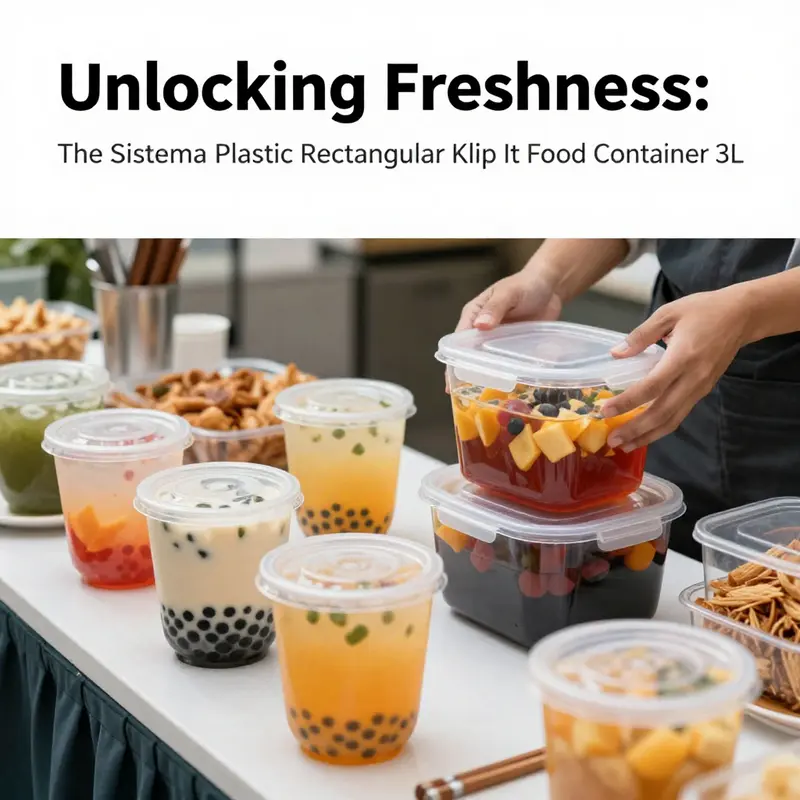
A single container can never be the whole story of a kitchen, but a well-made one often tells a dozen. The 3-liter rectangular Klip It container, with its BPA-free plastic and a secure locking lid that clips into place, embodies a design philosophy that turns everyday food storage from a chore into a strategy. It is more than a vessel for leftovers or a receptacle for bulk staples. It is a small, durable system that honors the realities of modern life: we cook in bursts, we portion for busy days, we stash ingredients for future meals, and we need storage that travels, survives the freezer, and resolutely stays fresh. In that sense, this particular rectangle becomes a microcosm of how household storage can support both routine and spontaneity, turning a simple lunchbox into a portable kitchen ally and a pantry into a cultivated space that makes sense of chaos rather than compounding it.
The container’s core strengths rest on a few carefully considered features. The durable plastic is BPA-free, a choice that speaks to long-term health and peace of mind. The extended flexible seal around the lid forms an airtight barrier, minimizing air exposure that can accelerate staling and moisture loss. The locking clips are not mere hardware; they are the practical guarantee that whatever lives inside — whether it’s a bowl of grains, a sauce, or a chunk of marinated vegetables — stays put. The combination of a leak-proof seal and secure locking clips matters as much for a midday workday as for a weekend road trip. In that sense, the container becomes the kind of everyday product you notice only when it’s doing something you rely on, like keeping a hot broth contained during a commute or preserving the crispness of roasted vegetables in a back-of-fridge scenario.
Yet utility only begins to describe its appeal. The 3-liter capacity translates into a generous 12 cups, a size that invites a broader approach to meal organization. It is large enough to hold a complete batch of a grain-forward dish, a hearty pasta bake, or a robust bean-and-vegetable mix, yet compact enough to fit in a standard refrigerator shelf without dominating the space. This balance is essential for the kitchen’s rhythm: you want containers that can hold substantial portions for batch cooking and still slot neatly into the daily routine of grabbing a lunch bag or swapping out contents for the next day. That capability aligns closely with how many households approach meal planning: a Sunday or midweek prep session yields a spectrum of ready-to-heat meals, each portion carefully measured so a week’s worth of lunches can be assembled with little fuss.
One of the most compelling ways this container earns its keep is through meal prepping and portion control. Picture a chef in home-style terms, not a professional kitchen, who wants to create balanced meals for weekdays. The 3-liter rectangle is an ideal vessel for cooked grains like quinoa or brown rice, or for a base dish such as a roasted vegetable medley with a protein cousin on the side. The generous volume accommodates a full serving that can later be portioned into smaller dishes or kept intact for a single, heartier meal. The flexibility is key: you can store one type of food per container or divide components across smaller containers that sit within the same storage system. If you own other Klip It family members, you may end up with a modular array: one container for protein, another for grains, and a third for vegetables or sauces. This approach reduces the time spent at the fridge door, limits the number of containers you need to wash after a week, and brings a sense of order to what otherwise feels like kitchen chaos.
In practice, the container halves the friction of weeknight cooking. You can design a “two-night” base dish, such as a hearty grain bowl, and then reuse the same container for the next two nights with slight modifications—perhaps a different sauce, a different protein, or a fresh topping. The airtight seal preserves the flavors and textures that might otherwise degrade when left exposed. And because the container is dishwasher-safe, you can easily reload it after a thorough cleanup, maintaining clean, consistent storage without a complicated care routine. The practical workflow of planning, cooking, storing, and reheating becomes a smoother loop rather than a series of discrete tasks. It is this smooth loop that makes the 3-liter Klip It rectangle more than just a container; it becomes a participant in a system of efficient kitchen work.
A feature often undersold in everyday storage is how well a rectangular form respects space, particularly in crowded refrigerators and pantry shelves. The straight edges align with the way shelves are built, creating a neat grid that maximizes container density without turning the space into a tetris challenge. Stackability matters, because vertical real estate is as valuable as horizontal, especially in smaller kitchens. The container’s shape combines with a flat lid and uniform dimensions to enable predictable stacking. This matters when you’re filling a pantry with dry goods like flour, sugar, or cereal, or when you’re organizing a refrigerator’s crisper and shelves so items are easy to scan and reach. When space is at a premium, every inch counts, and the rectangular geometry works with human habits of search-and-retrieve rather than fighting against them.
A transparent body adds another layer of practicality. You don’t need to label the container every time you rotate food; a quick glance lets you see what’s inside. This is a subtle but genuinely helpful usability feature. In a kitchen where hundreds of decisions are made daily, the ability to identify the contents at a glance reduces the cognitive load and speeds up routine decisions. It also helps in meal planning, because you can easily track what’s currently stored, what’s running low, and what needs to be used up before spoilage. The combined effect of visibility, secure seals, and portion-friendly capacity creates a storage solution that supports both proactive planning and reactive decision-making.
From a mobility perspective, the container proves resilient and travel-ready. Its leak-proof nature makes it suitable for transporting soups, sauces, or salads without fear of a spill in a backpack or tote. This isn’t about lugging a fancy lunchbox to a formal setting; it’s about the everyday reality of commuting with meals or packing snacks for a long trip. The ability to travel light, secure, and clean is part of what makes a kitchen system work in a world that moves with speed and variability. The design anticipates that life doesn’t pause for the kitchen; it travels with you, and the packaging should travel well, too. In this sense, the Klip It rectangle becomes a practical link between kitchen routines and life beyond the kitchen door.
An often overlooked dimension to a sturdy storage container is its compatibility with freezer care. Freezing expands the container’s utility, enabling you to prepare ahead for busy periods, seasonal menus, or dietary plans that rely on portioned, freeze-friendly meals. The material resists cracking at low temperatures, reducing the anxiety around freezing glass-like dishes or relying on fragile packaging. This is not just about safety; it’s about quality maintenance. A well-sealed container helps preserve flavor and texture when you reheat later, a small but meaningful factor in keeping leftovers appealing rather than wasteful. When you plan meals in advance, you reduce the temptation to order takeout or resort to less healthy, last-minute options. A robust freezing strategy begins with reliable containers that can clasp onto the future as effectively as they clasp onto the present.
This brings us naturally to the on-the-go reality that frames much of modern eating. The 3-liter Klip It rectangle is not merely a kitchen feature; it is a portable extension of the home pantry. For someone who eats at work, school, or out of a gym bag, the container is sturdy enough to bear daily handling while offering leak protection for soups, salads, or layered meals. Its lid-clips hold fast even during quick commutes or bus rides, while the lid’s absence during reheating is a small, practical concession to convenience. Reheating without the lid is deliberate: it prevents pressure buildup while the food is hot and steam is released safely, a detail that thoughtful design often touts, yet rarely highlights in product briefs. The ability to reheat in a microwave or oven without sacrificing the container’s integrity expands the daily use cases, reducing the time between cooking and eating. In this way, the container becomes a reliable ally for those who need real, practical solutions rather than fancy but untested promises.
For those who love multi-component meals or bento-style lunches, the 3-liter rectangle also supports a modular approach to meal planning. It can serve as a primary container for a substantial dish, while smaller, split containers from the same Klip It family can hold sauces, toppings, or separate protein portions. The modular potential is not accidental; it reflects a broader philosophy of keeping meals organized through separation rather than improvisation. When you can compartmentalize, you can preserve textures and flavors, prevent sogginess from sauces seeping into grains, and customize meals to suit changing appetites and dietary needs. This is particularly valuable for families with varied preferences or for individuals who want to switch up a weekly menu without buying new storage gear every time.
The design ethos behind a container like this also invites a broader approach to pantry and refrigerator organization. Its rectangular footprint and stackability make it a natural partner for a labeled labeling system, which helps keep dry goods and prepared foods clearly categorized. A simple labeling scheme can transform the way you navigate a crowded shelf: you know what’s in the container at a glance, you know when to rotate stock, and you reduce the risk of double-buying or misplacing items. Organization is not a cosmetic concern; it can cut waste, save time, and support healthier choices simply by making the right options visible and accessible. The 3-liter Klip It rectangle thus earns its keep not only by keeping food fresh but by organizing the kitchen in a way that reduces decision fatigue and encourages deliberate eating patterns.
In a broader sense, the container embodies a small but meaningful shift in how households view storage. It invites a thinking pattern that treats containers as part of a larger system rather than as disposable tools. This aligns with the idea of a flexible, adaptable kitchen that can respond to different cooking styles, family sizes, and daily rhythms. If you’re building a kitchen ecosystem, you can assemble a complete set that covers multiple uses: bulk storage for grains, single-dish meals for quick lunches, sauces and dressings for flavor variety, and frozen components for long-term planning. The 3-liter rectangle then becomes a central hub—a reliable, repeatable component around which other storage decisions orbit. Its value lies less in flash and more in consistency, durability, and the quiet confidence that your food will be prepared, stored, and enjoyed as planned.
To connect these observations to a broader world of packaging and kitchen ideas, consider the way other storage solutions approach versatility. In homes and small businesses alike, the same logic applies: a modular approach to packaging can simplify inventory, reduce waste, and support a range of creative uses. For example, smaller containers from the same family pair well with larger ones, enabling you to design a cohesive system for batch cooking, gift packaging, or take-home servings for guests. If you’re exploring the creative side of kitchen storage, a related example shows how containers designed for baked goods can echo the same principles of visibility, airtight sealing, and easy transport. The concept is simple yet powerful: when you extend the same design language across products, you create a kitchen landscape that feels coherent, dependable, and adaptable to your life’s unfolding needs. The beauty of such a system lies not in any single feature but in how the features interplay to support everyday tasks—from the moment you plan a meal to the moment you sit down to eat.
In the end, what makes the 3-liter Klip It rectangle a reliable everyday tool is its alignment with real-life routines. It respects the practicalities of busy households: a big enough volume to cover a week’s worth of meals but compact enough to fit into standard storage spaces; a design that protects flavor and texture; and a construction that accepts the messiness of daily life while returning a reassuring clarity when you open the fridge. It is the kind of product that reveals its value not through novelty, but through consistency, durability, and thoughtful usability over time. As you plan your cooking, your shopping, and your weekly routine, this container offers more than storage; it offers reliability, a small daily edge that compounds into a calmer, more organized kitchen experience.
For readers who are curious about how such versatile packaging concepts cross-pollinate with other storage and packaging ideas, there is a broader ecosystem of options that demonstrate similar principles. You can explore related packaging innovations that emphasize accessibility, modular design, and sustainability, such as foldable carry options and containers designed for multi-purpose use. These broader applications echo the same core ideas: clarity of contents, ease of use, and dependable performance under different conditions. If you want to see a concrete example of how packaging can be adapted to various needs without losing its core strengths, explore foldable, windowed bakery boxes that showcase how visibility and portability can coexist in a single design philosophy. This kind of cross-pollination underscores a simple truth: when you build with modularity and reliability in mind, you create tools that stay relevant across seasons, meals, and life’s changing demands. To learn more about related packaging concepts and to see how different formats can complement each other, you can explore a selection of related packaging options that illustrate this broader design approach.
For more information and product details, visit the official Sistema Store. This resource provides authentic insights into the design priorities and durability you expect from a trusted line of food storage solutions. In the meantime, the 3-liter Klip It rectangle invites you to rethink how you approach leftovers, meal prep, and everyday meals, turning storage into a functional, resilient part of your weekly routine. As you incorporate it into your kitchen life, you may notice not merely a reduction in waste or a simplification of your routine, but an enhanced sense of control over your food and your time. The container becomes a practical reminder that good design is often quietly efficient, letting you focus on what matters most: nourishing yourself and those you feed with greater ease, clarity, and intention.
Internal link note: A related concept in packaging design—modular, multi-use containers that emphasize visibility and secure transport—appears in other practical storage solutions. For a broader look at how foldable packaging can complement rigid storage systems, you can read about foldable cake boxes with window packaging here: https://ecocupbowl.com/product/pure-color-foldable-cake-boxes-with-window-bakery-boxes-pastry-box-for-cake-chocolates-cupcakes-gift-packaging-paper-boxes/ This kind of cross-application illustrates how the same design principles animate both home kitchen storage and retail packaging, reinforcing a cohesive approach to everyday use.
External resource: https://www.sistemastore.com
Final thoughts
Elevating food storage solutions not only preserves the quality of ingredients but also enhances the efficiency of service in the food and beverage industry. The Sistema Plastic Rectangular Klip It Food Container 3L is a valuable asset for any beverage business, catering service, or restaurant. Understanding its features, benefits, and versatile applications empowers businesses to improve their food management practices, ensuring freshness and quality in every offering. Adopting reliable storage solutions is a step towards enhancing customer satisfaction and operational efficiency.