
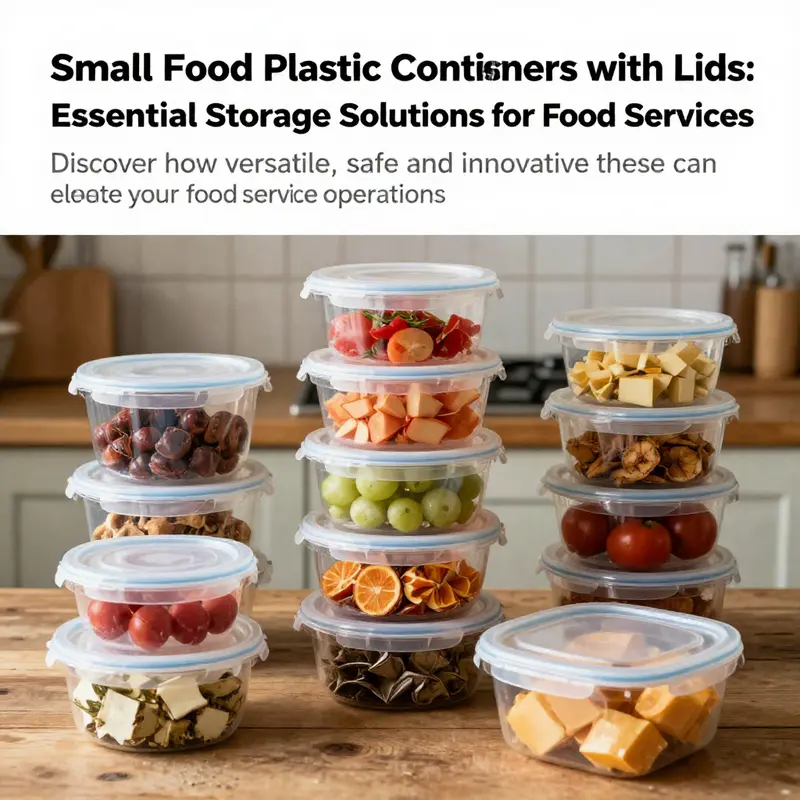
In the bustling world of food service, efficient storage and organization are paramount. Small food plastic containers with lids have emerged as a critical component for bubble tea shops, restaurants, food trucks, and catering services. Their convenience, durability, and hygienic properties make them indispensable for anyone in the food and beverage industry. This article will explore the versatility of these containers, the stringent safety standards they must meet, and the latest market trends and innovations that are shaping their evolution. By understanding these aspects, businesses can make informed decisions that enhance service quality, improve food safety, and ultimately please their customers.
Mastering Kitchen Efficiency: The Multifaceted Benefits of Small Food Plastic Containers with Lids
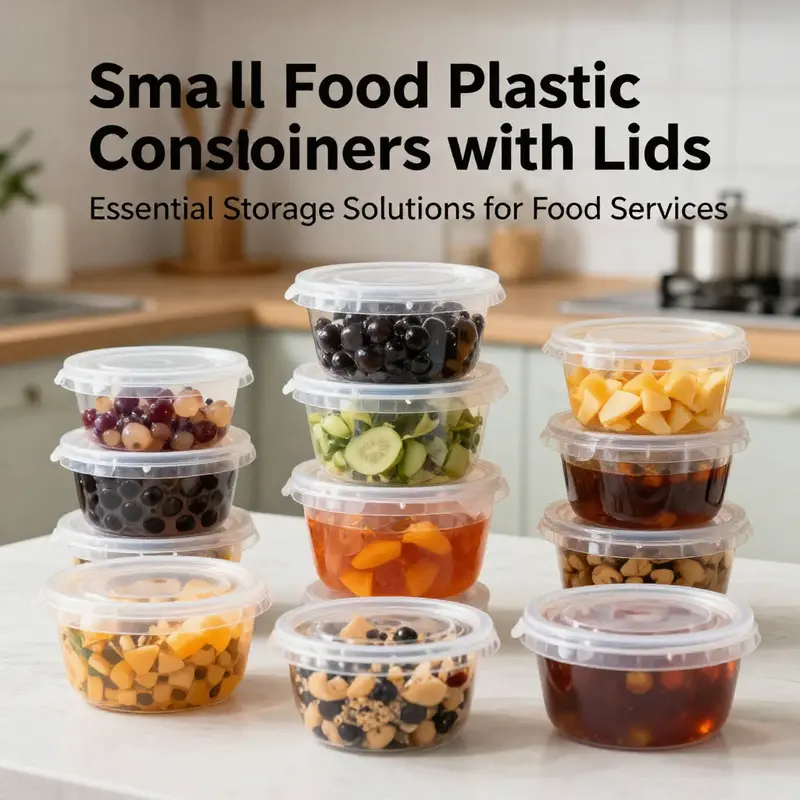
Small food plastic containers with lids have quietly transformed the ways we store, transport, and enjoy our meals, becoming an indispensable ally in both domestic and commercial kitchens. These containers are not merely storage vessels; they embody a convergence of thoughtful engineering, modern material science, and practicality that elevates everyday routines. Over the years, innovations in food-grade plastics have empowered consumers and professionals alike to maintain food safety and freshness with minimal hassle, providing a solution that is both versatile and economical. Whether used for organizing leftovers, packing lunches for busy workdays, or transporting culinary creations to a catered event, these containers have established themselves as a cornerstone of modern food management.
At the heart of their widespread appeal lies the remarkable durability and resilience of the materials used in their production. Typically fashioned from food-grade polypropylene (PP), these containers stand up to temperature fluctuations with ease, allowing them to transition seamlessly from the refrigerator to the microwave, or even directly into the dishwasher for a quick cleanup. The inherent qualities of polypropylene include resistance to chemicals and high-heat endurance, making it a reliable choice for repeated use without compromising the safety or integrity of the food stored within. This dependable performance is further enhanced by design features that cater to the nuances of kitchen use: secure, leak-proof lids ensure that liquids and sauces are contained without risk of spills, while stackable designs optimize available space – a particularly valuable trait in compact kitchens or busy food service environments. By integrating these advanced materials and thoughtful design elements, manufacturers have created containers that are as resilient as they are convenient.
In addition to their material robustness, the design of these containers exemplifies attention to detail and user-centric innovation. The lids, often engineered with airtight and leak-resistant properties, guarantee that even liquid contents remain safely enclosed during transport. This is especially beneficial for those who prepare meals on the go or for culinary professionals managing large-scale food operations. Beyond simple storage, the containers’ varied sizes – ranging from modest 60ml vessels to spacious 32 oz offerings – allow them to accommodate an impressive array of food types. They meet diverse needs such as holding a delicate portion of a sauce or managing a hearty serving of soup. In certain iterations, the lids feature integrated vents that facilitate pressure regulation during temperature changes, protecting both the container and its contents from potential damage. These innovations not only underscore the commitment to functionality but also illustrate how every design decision is predicated on enhancing the user experience.
Practicality extends far beyond everyday use in a home setting. In commercial kitchens, where efficiency and hygiene are paramount, small food plastic containers with lids serve a multitude of roles. For instance, in busy cafeterias and catering services, these containers streamline the process of meal preparation and delivery, ensuring that food items are stored correctly and can be transported without disruption. Their ability to securely hold volatile components like salad dressings or broth-based dishes, without the risk of spillage, underscores their significant value in hectic settings. This reliability is further magnified by safety features that protect against bacterial contamination and ensure long-term durability. When coupled with specialized internal compartments, these containers even facilitate the separation of different food items, preserving both taste and texture until the moment of consumption. Reflecting the high standards demanded by professional kitchens, manufacturers rigorously test these products to comply with food safety regulations, giving chefs and food service operators peace of mind that their ingredients remain uncontaminated and fresh.
The widespread applications of these containers are mirrored in their capacity to enhance organizational efficiency in home kitchens. The modern household often grapples with limited storage space and the need to keep various food elements segregated yet accessible. The containers’ stackable design addresses this challenge head-on by maximizing storage in tight refrigerators or crowded pantries. With their transparent construction or strategically placed windows, users can quickly identify the contents without the need to open each container, thus saving time during meal preparation or while hosting gatherings. Many households have discovered that these containers provide the ideal solution for portion control and meal planning, allowing them to pre-prepare balanced meals for the week ahead. The ease of cleaning and the robustness against stains and odors further reinforce their suitability for daily use, making them a practical and trusted companion in the busy rhythm of family life.
Beyond the confines of residential kitchens, the culinary landscape continues to embrace these containers in diverse and imaginative ways. Small food plastic containers with lids are now a common sight in the world of food packaging and takeout services. They have revolutionized packing methods for an array of cuisines by offering secure, hygienic packaging that can be customized to meet the specific demands of different food items. This utility is particularly noticeable in scenarios where presentation is as critical as functionality – from upscale catering events to quick-service restaurants that deliver quality with every order. For many establishments, investing in containers that promise both durability and aesthetic appeal has become a strategic move that enhances brand reputation and customer satisfaction. Moreover, innovative brands are using these containers as canvases for creative marketing, with some offering high-quality, visually appealing designs that elevate the overall dining experience. In this way, they serve not only as practical tools but also as integral components of contemporary food presentation and branding strategies. For those interested in enhancing their takeout packaging, detailed insights can be found in this article on Custom Takeaway Packaging Supplies, which explores the evolving trends in food packaging technology.
The environmental implications of plastic use in everyday life cannot be overlooked, and small food plastic containers with lids are at the forefront of a broader shift towards sustainability. Manufacturers are increasingly prioritizing eco-conscious production methods, opting for BPA-free materials and emphasizing recyclability and reusability in product design. The evolution of biodegradable plastics has played an instrumental role in mitigating the environmental impact traditionally associated with single-use plastics. Many companies now adhere to strict environmental standards, ensuring that each container not only meets food safety regulations but is also produced with a view towards reducing waste and conserving resources. This commitment to sustainability is evident not only in the materials but also in packaging practices, with bulk shipping and minimalistic packaging trends fostering a circular economy. These efforts resonate with consumers who seek products that align with their eco-friendly values while still delivering uncompromised performance.
Innovation in the design of small food plastic containers is a continual process, driven by evolving consumer needs and rapid advancements in material technologies. The trend towards multi-functionality is a major driver in current product development, as designers strive to create containers that can seamlessly transition between storage, heating, and serving functions. Modern iterations often incorporate ergonomic features, such as easy-grip handles and textured surfaces, making them both safe and comfortable to use. The integration of thoughtful design practices with cutting-edge technology means that today’s containers can endure repeated cycles of use, washing, and temperature fluctuations without showing signs of wear. Additionally, manufacturers have paid close attention to the aesthetics of these containers, understanding that style is an important consideration for many users. Subtle color variations, neat finishes, and modern silhouettes contribute to a product that feels contemporary and reliable. Ultimately, these design advances offer tangible benefits such as improved stacking efficiency, which not only saves space but also supports a cleaner, more organized environment in both commercial and private kitchens.
Cleaning and maintenance are also key considerations that have shaped the evolution of these containers. In busy households and bustling restaurant kitchens, ease of cleaning is paramount, and the smooth surfaces of food-grade plastics are designed to be quickly rinsed and scrubbed without retaining stubborn stains or odors. The resistance to both heat and chemicals ensures that these containers stand up well to regular dishwasher cycles and can be sanitized to meet stringent hygiene standards. Moreover, the structural integrity of these plastics means that even after numerous cleaning cycles, the containers retain their original shape, color, and functionality, thus extending their useful life significantly. This longevity not only translates into long-term cost savings but also reduces the frequency of replacement, thereby lessening the overall environmental footprint. The commitment to durability and ease of care is one of the many reasons why these containers have become a mainstay in kitchens around the globe.
Looking forward, the future of small food plastic containers with lids appears both dynamic and promising. Ongoing research into innovative polymers and recycling techniques hints at even more environmentally friendly solutions in the near future. As consumer demand for sustainable products continues to rise, manufacturers are investing heavily in R&D to produce containers that are not only efficient and affordable but also minimize environmental impact. The integration of smart technologies, such as temperature indicators or sensors that monitor freshness, is also on the horizon, promising to further enhance the functionality of these everyday products. This forward-thinking approach ensures that small food plastic containers will continue to serve as a pivotal tool in the evolution of food storage and packaging, adapting to new challenges and consumer expectations over time.
In summary, small food plastic containers with lids exemplify the perfect blend of practicality, durability, and innovative design. Their versatility, from household kitchens to commercial food service operations, demonstrates how a simple product can have a profound effect on food management practices across different domains. Thoughtfully engineered from food-grade materials, these containers are built to withstand the rigors of daily use without compromising food safety or quality. Their leak-proof, stackable, and easy-to-clean properties simplify food storage, empower efficient meal prepping, and help maintain organized spaces, which is especially paramount in today’s fast-evolving lifestyle demands. As manufacturers continue to refine and enhance these products, the multifaceted benefits offered by these containers are only set to expand further.
For anyone seeking to improve organizational flow in their kitchen or elevate operational efficiency in a commercial setting, embracing the potential of these small food plastic containers with lids is a step in the right direction. Their carefully considered designs not only secure the freshness and quality of food items but also contribute to broader environmental sustainability goals. In a world that values both innovation and eco-responsibility, these containers shine as a testament to how everyday products can be reimagined to reduce waste, save energy, and improve functionality simultaneously. When every detail—from the secure latch of the lid to the sleek, stackable form of the container—is engineered with purpose, the result is a product that truly stands as a paragon of modern kitchen efficiency.
For further insights on how these innovations are shaping not only our kitchens but the overall approach to modern food storage, readers are encouraged to explore more about sustainable and efficiency-driven practices at Huangpinhui Green Giant.
Ensuring Safety and Structural Integrity in Small Food Plastic Containers: A Comprehensive Analysis
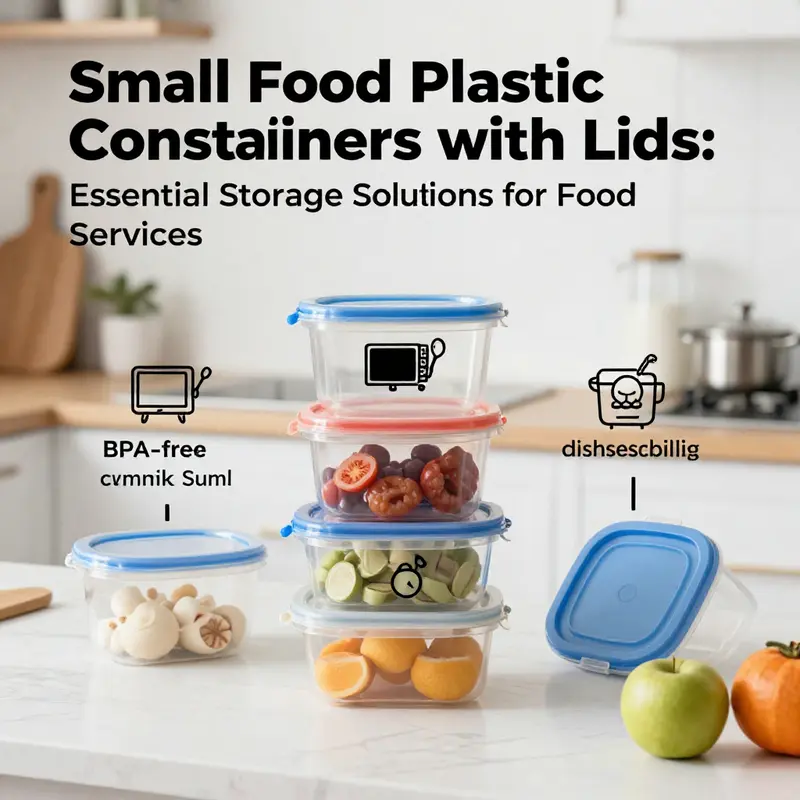
Small food plastic containers with lids are far more than simple kitchen storage vessels; they represent a marriage of intricate engineering and uncompromising safety standards designed to protect the food we consume every day. Every aspect of these containers – from the raw materials selected to the rigorous performance tests they undergo – is meticulously scrutinized to ensure that they can safely store, transport, and preserve food while withstanding the rigors of daily use. In an era when convenience and hygiene are paramount, consumers depend on these containers to keep their food fresh and uncontaminated. As such, manufacturers and regulatory bodies have developed and refined international and national standards that govern both the chemical and physical properties of these containers, ensuring that risks of chemical migration and structural failure are minimized or eliminated entirely.
The cornerstone of the safety framework for these food storage solutions is found in the careful selection of materials and stringent chemical testing. For factories manufacturing these containers, starting with the raw materials is of the utmost importance. For instance, under the GB 4806.7-2023 standard in China, every container must be produced using food-grade virgin plastics. This means that the use of recycled or reclaimed materials is strictly prohibited to minimize the risk of contamination. Manufacturers are required to adhere to strict migration limits – the total migration of substances from the plastic into the food must not exceed 10 mg/dm². Specific migration limits further define the allowable concentration of hazardous substances such as lead, cadmium, mercury, and particular additives including phthalates and bisphenols. In practice, these standards ensure that when a container is subjected to normal handling and storage conditions, harmful substances will not migrate into the food, thus protecting consumers from potential health risks. Detailed specifications also require manufacturers to exercise tight control over every additive, such as colorants and stabilizers, by following guidelines like those set by GB 9685. These regulations not only demand safety in the chemical composition but also insist on transparency by mandating that products be clearly marked with their material type and the maximum recommended temperature for safe use.
Internationally, similar stringent requirements are seen in other key regulations such as the EU No 10/2011 and the FDA CFR §177 in the United States. In the European Union, only substances on an explicitly approved list can be used in the production of food contact materials. The EU regulation specifies positive lists of authorized substances and enforces very low specific migration limits. For example, bisphenol A (BPA), a chemical that has raised ongoing concerns regarding its health implications, is restricted to minute quantities, ensuring that even trace exposures remain well below thresholds that could pose a risk. Meanwhile, in the United States, the FDA’s CFR Title 21 offers a framework that provides detailed specifications for each type of polymer and resin, such as polypropylene or polyethylene, and outlines conditions for their safe use. The food-grade certifications required under these regulations ensure that the plastics used in containers have been rigorously tested, and only those that pass stringent migration tests and chemical safety evaluations may enter the market. These international standards work synergistically to build consumer trust, ensuring that regardless of where a container is manufactured or used, it meets fundamentally similar safety criteria.
One cannot overstate the importance of the physical performance and structural integrity of these containers. While chemical safety is critical, the container’s ability to maintain its form and function under various stress conditions is just as important. Manufacturers routinely subject containers to drop tests, which are designed to replicate the rigors of everyday handling. By repeatedly dropping a container—often filled with a simulated liquid—from prescribed heights onto hard surfaces in different orientations, engineers assess whether the container can endure impacts without cracking, leaking, or deforming. These drop tests, detailed in standards such as GB/T 24610 and QB/T 2897, simulate real-world scenarios that range from accidental falls to frequent handling, ensuring the container remains robust and safe even in less than ideal conditions.
Alongside drop resistance, the sealing performance of containers and their lids is critically important. An airtight, leak-resistant seal is essential not only to maintain the freshness of the contents but also to prevent spills that could lead to contamination or physical hazards. Testing the seal involves subjecting the container to conditions such as pressure changes or vacuum environments to verify that the lid remains securely attached. This process also extends to measuring the lid retention strength—the force required to remove the lid should be sufficient to prevent inadvertent opening during transport, yet not so strong as to create difficulties when deliberately opening the container. Additionally, these containers are subjected to heat and cold resistance tests to ensure that they maintain their shape and continue to offer a reliable seal even when exposed to extreme temperatures. Whether a container is used to store piping hot meals or chilled leftovers, the integrity of both the container and its lid must not compromise, which is why materials like polypropylene are favored. Their excellent resistance to heat and temperature fluctuations makes them ideal for use in a variety of applications.
Integrating chemical safety with physical performance is a challenge embraced by engineers and quality assurance teams alike. Every time a new formulation of plastic is considered or a new design for a lid is tested, it is done with an eye toward ensuring seamless compatibility with stringent safety standards. For example, even though a container might pass all chemical tests by being composed entirely of approved food-grade materials, if its lid does not form a reliable seal or if its structure weakens under the stress of repeated drops and temperature shifts, the container is deemed unsafe. In a single, comprehensive design philosophy, every element—from the material composition to the final product assembly—is interdependent. Engineers must factor in the possibility that micro-deformations or scanner-induced microscopic cracks in the container walls could accelerate chemical migration under prolonged storage conditions. Consequently, every test, whether it focuses on chemical purity or on mechanical durability, is critical not just in isolation but also for the harmony of the final product.
Manufacturers invest significant resources into research and development to ensure that their products exceed not only existing standards but also the evolving expectations of consumers. Investment in R&D enables improvements in manufacturing processes, such as advances in extrusion and molding techniques, which in turn result in products with superior uniformity and reduced risk of defects. A constant pursuit of higher quality and increased safety is evident in the adoption of new testing methodologies that simulate prolonged real-world use. Rigorous laboratory tests mimic the daily stresses containers endure in both household and commercial kitchens. The conscientious design of these containers takes into account the frequency of washing, repeated temperature exposure, and the rigors of transport logistics, ensuring that whether a container is used in a domestic setting or a bustling commercial kitchen, its performance remains reliable.
Another dimension to consider is the critical role of labeling and clear communication of safety guidelines to consumers. By mandating that each product is clearly marked with details such as the type of plastic used and the maximum recommended temperature, standards empower consumers to make informed decisions about their usage. This transparency enables better consumer practices: for example, a container marked as safe for microwave use offers reassurance that reheating meals will not cause harmful substances to leach into the food. Moreover, this labeling often includes explicit warnings against the use of recycled plastics or prolonged exposure to high temperatures, thereby providing practical guidance that helps to avoid misuse. An informed consumer not only benefits from the container’s intrinsic safety features but also contributes to the longevity and sustained performance of the container by following prescribed handling and maintenance instructions.
Central to the reputation and reliability of these containers is the uncompromising regulatory oversight from both national and international agencies. Manufacturers that comply with standards like GB 4806.7-2023, EU No 10/2011, and FDA CFR §177 are subject to periodic audits and tests that ensure the quality remains consistent over time. These standards serve as benchmarks, and regulatory agencies carry out independent assessments through sampling and testing programs to verify that products in the market continue to meet the highest safety criteria. This continuous oversight not only helps to protect public health but also encourages manufacturers to relentlessly improve their processes and product designs. When producers make these scientifically informed choices – from material selection to performance testing – they create products that are not only innovative but also resilient under a wide range of conditions.
Beyond the direct impact on consumer safety, the thorough testing and quality assurance protocols seen in modern small food plastic containers set a precedent for environmental responsibility and sustainability within the manufacturing sector. Although these containers are primarily designed for repeated use, ensuring they withstand multiple washing cycles and the fluctuations of daily kitchen use, their production processes are increasingly being designed to minimize harmful emissions and reduce energy consumption. High standards for product safety push manufacturers to explore alternative production methods that lower environmental impact while still upholding rigorous quality control measures. In tandem with this, the drive toward safe, BPA-free, and phthalate-free plastics reflects a broader industry trend emphasizing human health and environmental stewardship. As global regulatory pressures mount and consumer awareness of environmental issues grows, the evolution of these safety standards continues to play a pivotal role in the development of more sustainable food storage solutions.
A practical example of safety integrated into design can be seen in the performance of leak-resistant lids on specialty containers used in various food applications. Consider a scenario where a container designed specifically for sauces and dressings—a product that balances ease of use with the need for a secure, leak-proof seal—undergoes rigorous tests to determine its suitability for everyday use. In this design, the precise engineering of the locking mechanism and the specific curvature of the lid work together to create an almost impenetrable barrier against moisture and air ingress. This type of container, which can be explored further through resources on the latest advances in packaging design such as the comprehensive insights available in a well-known sauce container with lids, serves as a prime example of how innovation is driven by a necessity to enhance safety without compromising convenience. Here, every functional aspect of the container directly contributes to a higher assurance that food remains uncontaminated and fresh until it is ready to be consumed.
In bridging the gap between laboratory-grade testing and the unpredictable nature of real-world application, the manufacturers consistently emphasize not only initial quality but also long-term reliability. A container may perform flawlessly when new, but its integrity over repeated cycles of use is paramount. Multiple rounds of testing—involving extended exposure to washing agents, variable temperatures, and even simulated accidental impacts—highlight the durability of these containers. Engineers scrutinize how small adjustments in the formulation of plastics or the design of the lid alteration circuitry can yield significant improvements in the product’s lifespan. Such iterative enhancements are based on both laboratory findings and feedback from end users who rely on these containers in environments ranging from home refrigerators to commercial kitchens. This dynamic process ensures that as consumer expectations evolve, so too does the standard for safety and reliability, moving the industry closer to perfection in everyday utility.
What emerges from these rigorous procedures is a suite of safety measures that legitimately inspires consumer confidence and offers tangible benefits in daily life. Consumers rarely consider the elaborate processes involved in creating something as seemingly simple as a plastic container, but it is precisely these unseen safeguards that enable the safe storage and transport of food without worry. The dual emphasis on chemical purity and physical resilience ensures that these containers remain unyielding barriers against contamination, even in the face of repeated use and everyday mishaps. From the precise control of migration limits to the robust design features that ensure a tight, durable seal, every step of the manufacturing process is designed with user safety as the top priority.
It is also vital to recognize that the adherence to safety standards is an ongoing commitment, one that does not end once a product leaves the production facility. Regulatory bodies continue to evolve these guidelines in response to new scientific findings and technological innovations. This dynamic regulatory environment pushes manufacturers to stay ahead of potential risks by continuously updating their processes and materials. As research in the field of food-grade plastics advances, newer polymers that offer even greater resistance to chemical leaching or improved durability under stress are being developed and tested. This forward-thinking approach not only addresses current safety concerns but also anticipates future challenges, ensuring that consumer protection remains robust and responsive to the latest research trends.
Furthermore, the clear and consistent labeling of these products plays a significant role in consumer empowerment. When a container is marked with its material type and usage guidelines, it becomes easier for users to select the right product for their specific needs. Whether a container is best suited for refrigeration, microwave heating, or extended storage, accurate labeling minimizes the risk of misuse. The emphasis on transparency in product information helps prevent scenarios where a container might be inadvertently exposed to conditions that could compromise its integrity. For instance, consumers are advised to heed warnings against using containers in environments beyond their designated temperature range, a precaution that directly results from rigorous testing for heat and cold resistance. In this way, labeling is not merely a regulatory formality; it is a practical tool for ensuring everyday safety.
The integration of chemical and physical safety standards in small food plastic containers with lids is a testament to what can be achieved when science, engineering, and industry regulation come together for a common purpose. Every step in the design, manufacturing, and testing process is imbued with a commitment to excellence that prioritizes the well-being of the end user without sacrificing convenience or functionality. Consumers can rely on these products not only because they adhere to stringent legal standards but also because they have been crafted through a process that values innovation, safety, and sustainability equally.
At the heart of this advanced safety architecture lies an implicit trust between producers and consumers—a trust that is continually reinforced by ongoing research, strict adherence to protocols, and the constant pursuit of better, more resilient products. This trust is crucial in a world where even small oversights can have significant repercussions for health and well-being. By embedding rigorous testing and quality assurance into every phase of production, manufacturers ensure that each container delivers on its promise of safety and reliability, whether it is being used at home or in hostile commercial environments.
As we consider the evolution of these safety measures over time, it becomes clear that the future of food storage technology is poised to become even more sophisticated and user-friendly. With continuous improvements in plastic technology, innovations in testing methodologies, and an ever-deepening body of regulatory guidelines, the next generation of small food plastic containers with lids is likely to offer enhanced features that further mitigate risks associated with chemical migration and physical wear. Consumers will eventually benefit from containers that not only meet the existing standards but exceed them, providing unprecedented levels of protection even under the most demanding conditions. In this context, the emphasis on robust physical performance and uncompromised chemical purity will only intensify, ensuring that safety remains at the forefront of product design and development.
For those interested in delving deeper into the topics of regulatory oversight and safety standards for food contact materials, comprehensive information is available through respected agencies such as the FDA. Additional insights into food packaging safety and the rigorous testing protocols employed can be found by consulting resources like the FDA Food Packaging Materials page at https://www.fda.gov/food/food-ingredients-packaging/packaging-materials. This external resource offers further details on how safety standards are crafted and enforced, complementing the robust internal processes described here.
In summary, the safety of small food plastic containers with lids is the result of a harmonious blend of chemical safety and physical performance standards meticulously developed to protect the consumer. From rigorous tests for chemical migration to exhaustive real-world simulations assessing drop resistance and sealing performance, every measure is designed to safeguard food quality and prevent contamination. As consumers use these containers with confidence in kitchens around the world, they benefit from decades of research, regulatory diligence, and technological innovation. This deep commitment to safety and quality not only reinforces trust but also drives a continuous cycle of improvement. As technology and regulatory insights evolve, the containers of tomorrow will offer even greater assurance, setting new benchmarks for reliability and user safety in food storage solutions.
Revolutionizing Storage: Market Trends and Innovative Trajectories in Small Food Plastic Container Solutions
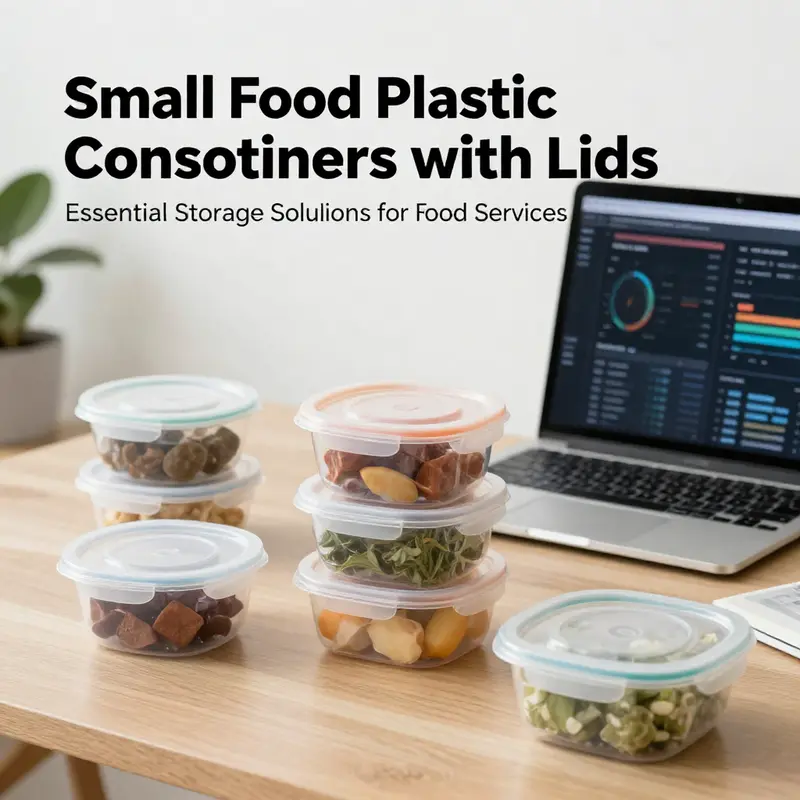
In the modern landscape of kitchen storage and food management, small food plastic containers with lids have evolved from simple storage units to sophisticated packaging solutions that embody both innovation and environmental responsibility. As consumer preferences shift towards sustainability and stricter regulations alter every facet of production and design, the market for these containers has experienced unprecedented dynamism. With enhanced sealing mechanisms, compelling designs, and smart technology integration, these containers are not merely vessels for preserving food—they are representative of a broader commitment to quality, reliability, and eco-conscious living.
The journey of these containers begins with an emphasis on environmental sustainability. Today’s consumers are more informed and concerned about their ecological footprint than ever before. As a result, manufacturers have increasingly embraced the use of recyclable, biodegradable, and compostable materials. Polylactic acid (PLA) and starch-based plastics, for example, are gaining significant market traction. These materials, derived from renewable resources, offer a promising alternative to traditional petroleum-based plastics, reducing reliance on nonrenewable feedstocks and lessening the long-term environmental burden. This shift has been accelerated by global policies aimed at curbing the use of single-use plastics, an initiative that both governments and ecological advocates have championed. Moreover, consumers now expect the products they use daily to align with broader environmental goals, making sustainability a central pillar in the design and production of small food plastic containers.
At the heart of innovation lies a relentless drive to enhance functionality. Modern containers have evolved to incorporate a range of features that address everyday practical needs while also introducing state-of-the-art technological integration. Chief among these features is the improvement in the sealing mechanism. Airtight and leak-resistant lids are now commonplace, ensuring that foods are preserved in optimal conditions while preventing accidental spills. This advancement is vital not only for home kitchens but also in professional settings where the transportation and storage of food must meet strict hygiene and safety standards. The improved designs have also extended to ensuring that these containers are microwave-safe and freezer-compatible, adapting them to a broader range of culinary requirements. The stackability of these containers further adds to their appeal, allowing both consumers and businesses to maximize storage efficiency in confined spaces such as refrigerator shelves and pantry cabinets.
Interestingly, the market has also witnessed considerable innovations aimed at incorporating digital technology. QR codes, for example, are increasingly being integrated into container designs as a tool for product traceability. This small but significant addition allows consumers to access details about the materials used, care instructions, and even expiration dates, all through a simple scan of a smartphone. Furthermore, smart packaging technologies are beginning to emerge, featuring sensors that can monitor the freshness of the food contained within. This digital shift is particularly appealing to tech-savvy consumers who value real-time information and enhanced oversight of their food storage practices. Such developments not only underscore a commitment to quality but also highlight the potential of digital technology to transform everyday objects into smart, interactive devices.
Regulatory pressures continue to shape the landscape dramatically. Governments around the world have introduced stricter safety and environmental guidelines that dictate not just the materials used but also the production processes. Manufacturers are now under increasing pressure to ensure that every step of production—from material sourcing to the final assembly—is compliant with global safety standards and environmental regulations. While this regulatory environment poses challenges, it also drives the industry towards continuous improvement and innovation. By adhering strictly to these regulations, manufacturers not only ensure that their products are safe to use but also gain consumer trust by demonstrating a proactive approach to health and environmental concerns. This, in turn, reinforces the product’s market position and opens up new opportunities for both domestic and international expansion.
Customization represents another transformative trend in the market. Consumers and businesses alike are seeking packaging solutions that can be tailored to meet specific needs. Brands are now offering customizable container options that allow for variations in size, shape, color, and even branding. Such customization is particularly relevant for businesses looking to enhance their brand identity through unique packaging that resonates with their consumer base. The ability to personalize containers fosters a stronger connection between the product and the user, thereby driving customer engagement and loyalty. For example, in the catering and food service sectors, customized containers can serve as a subtle yet effective marketing tool, conveying a brand’s emphasis on quality and attention to detail.
Behind the vibrant market trends and consumer demand lies a landscape of significant supply-side innovations. Manufacturers are increasingly adopting smarter production processes that incorporate automated systems and precision molding techniques. These technological advancements ensure not only higher efficiency in production but also improved consistency in quality and reduced levels of waste. Precision engineering allows for the creation of containers that meet exact specifications, which is critical when designing products that must perform reliably under a range of temperature conditions and usage scenarios. The integration of cutting-edge machinery and digital quality control systems guarantees that each container adheres strictly to predetermined standards, thereby consolidating trust and reliability in an ever-competitive market.
The application of these small food plastic containers stretches far beyond home use. In commercial kitchens, restaurants, and catering services, these containers play an essential role in organizing, transporting, and preserving food. Their portability and durability mean that they are suited for a vast array of environments, from busy urban restaurants to large-scale industrial kitchens. Even areas that demand high sanitation standards, such as healthcare facilities and laboratories, benefit from the reliability and ease of cleaning offered by these containers. In many cases, the same properties that make these containers ideal for everyday food storage—tight sealing, stackability, and resistance to temperature fluctuations—are equally valuable in more demanding professional contexts.
Moreover, the market is witnessing a convergence of traditional packaging with modern digital trends. One notable innovation involves the integration of interactive elements within packaging design. For instance, certain manufacturers are embedding QR codes on the lids of containers, providing consumers with instant access to information about the product’s composition, recycling instructions, and even recipes. This melding of physical and digital information not only enhances the user experience but also positions these containers as an integral part of the broader digital ecosystem that many modern kitchens now embody. For those interested in innovative packaging formats, exploring the realm of innovative sauce container solutions offers a glimpse into how even small modifications can lead to significant improvements in functionality and consumer engagement.
Innovation in production extends to the realm of supply logistics, where automation and improved quality control assure that these containers are produced to exacting standards. Automated systems in the manufacturing lines perform high-speed molding and precise quality checks that were once achievable only through intensive manual labor. This new era of manufacturing not only secures a consistent output of defect-free products but also significantly reduces production costs—an advantage that can be passed on to the consumer. As global raw material prices fluctuate, having efficient and reliable production techniques becomes paramount in maintaining market competitiveness. Manufacturers have invested heavily in research and development to fine-tune these processes, ensuring that every container produced meets both strict regulatory guidelines and the high expectations of modern consumers.
At the same time, challenges persist that threaten to impede progress. One of the most pressing issues in the market is the volatility of raw material prices. Fluctuations in the cost of plastics, compounded by the global demand for eco-friendly alternatives, pose a persistent challenge to maintaining a stable price point for consumers. Additionally, as regulations tighten further, manufacturers must continuously adapt their production processes to meet new standards—often requiring significant capital investment and strategic shifts in sourcing and design. However, these challenges are also a double-edged sword; while they introduce short-term obstacles, they serve as a catalyst for long-term innovation and industry resilience. The continuous pressure to innovate and reduce waste ultimately drives improvements that benefit both producers and consumers in the long run.
Looking to the future, the market for small food plastic containers with lids is set to benefit from a confluence of digital integration, sustainability initiatives, and technological advancement. As the trend towards smart packaging gains momentum, we expect to see more products that not only serve as storage solutions but also act as interactive devices. Advances in sensor technology could soon allow these containers to alert users when food is nearing its expiration date or when a container might be compromised due to a broken seal. Such innovations would represent a significant leap forward in the realm of food safety and efficiency, particularly for large-scale food service operations and households alike.
The evolution of container design is not solely focused on function; aesthetics also play a crucial role. In a market where brands are competing not just on product performance but also on design language, the appearance of storage containers has become an important consideration. Sleek, modern designs that integrate seamlessly into contemporary kitchen decor are increasingly preferred over utilitarian aesthetics. Manufacturers understand that a container’s visual appeal can enhance the perception of quality and lead to greater consumer satisfaction. Thus, the fusion of form and function drives design philosophies that elevate these everyday items into objects of design. The improved aesthetics contribute to better organization and a more pleasant user experience, thereby reinforcing the product’s overall market value.
The consolidation of market trends, regulatory standards, and technological breakthroughs also positions small food plastic containers as key players in the emerging concepts of circular economy and resource efficiency. By designing containers with reuse and recycling in mind, manufacturers support the broader movement towards reducing waste and promoting sustainable consumption. These products are now often issued with clear guidance on recycling protocols and are designed to withstand multiple cycles of use without significant degradation in performance. This emphasis on durability and reusability is fundamental in an era when consumers and businesses alike are increasingly skeptical of disposable products. Rigid adherence to sustainability not only has environmental benefits but also builds long-term consumer trust, which is indispensable in today’s competitive market.
Reflecting on the supply side of the market, one can observe that intelligent production practices are rapidly becoming the norm. Manufacturers harness the power of data analytics and automated quality control systems to streamline production, optimize material use, and minimize waste. In this context, advancements in production technology act as both enablers and protectors: they ensure that products meet the expected quality benchmarks while also reducing the environmental impact of manufacturing processes. The reverberations of these innovations extend well beyond the immediate production line, impacting global supply chains and reinforcing the importance of efficiency and sustainability in every stage of a product’s lifecycle.
Navigating such a complex and evolving market requires vision and adaptability. Both established players and emerging innovators must continually reassess their strategies to balance consumer expectations with environmental and regulatory requirements. The multifaceted nature of the market means that companies cannot afford to focus solely on one aspect of production or design. Instead, integrated approaches that marry sustainable practices with cutting-edge technology, aesthetic innovation, and operational efficiency are essential. This ecosystem of continuous improvement is what drives the market forward and ensures that small food plastic containers remain a vital and versatile component of modern food storage solutions.
As the narrative of innovation in food storage continues to unfold, one overarching theme remains consistent: the pursuit of efficiency without compromising quality or sustainability. The interplay between consumer demand, regulatory frameworks, and technological advancements has set the stage for an era characterized by smart, durable, and environmentally friendly packaging solutions. For example, the emergence of containers that are not only functionally superior but also aesthetically pleasing represents a shift in consumer expectations. In this context, the industry is challenged to deliver products that resonate on multiple levels—meeting practical needs, aligning with eco-conscious values, and embracing the digital age.
In conclusion, the current market trends and supply-side innovations in small food plastic containers with lids illustrate a robust and resilient industry. A commitment to sustainability, along with significant investments in digital technology and automation, has fundamentally transformed these ordinary kitchen items into sophisticated products that address modern consumer challenges. From enhanced sealing and stackability to smart packaging that interacts with digital devices, the innovations discussed herein are redefining what consumers can expect from their storage solutions. As external influences such as raw material price fluctuations and stricter regulations continue to shape the industry, the market stands as a testament to the power of innovation and adaptability. For further insights into the evolving capabilities of packaging innovation, one might explore the Statista Global Plastic Containers Market Report to grasp the broader industry’s dynamics.
This new era of customizable, environmentally responsible, and smart food storage is helping shape not only kitchens but entire food supply chains. It signals a positive outlook where sustainability and technology converge to create practical, versatile, and aesthetically appealing storage solutions. As consumer habits evolve and regulatory standards heighten, the evolution of these small food plastic containers with lids remains a dynamic and fertile ground for innovation—a testament to the steadfast commitment of manufacturers and innovators in meeting the demands of a rapidly changing world.
Final thoughts
The versatility, safety, and innovative designs of small food plastic containers with lids present significant benefits for food service businesses. By adopting these containers, bubble tea shops, restaurants, food trucks, and catering services can ensure efficient storage and enhanced customer satisfaction. As consumer preferences evolve, staying informed about safety standards and market trends will empower businesses to make choices that not only comply with regulations but also embrace sustainable practices. Ultimately, choosing the right food storage solutions contributes to operational success and a positive experience for both staff and customers alike.