
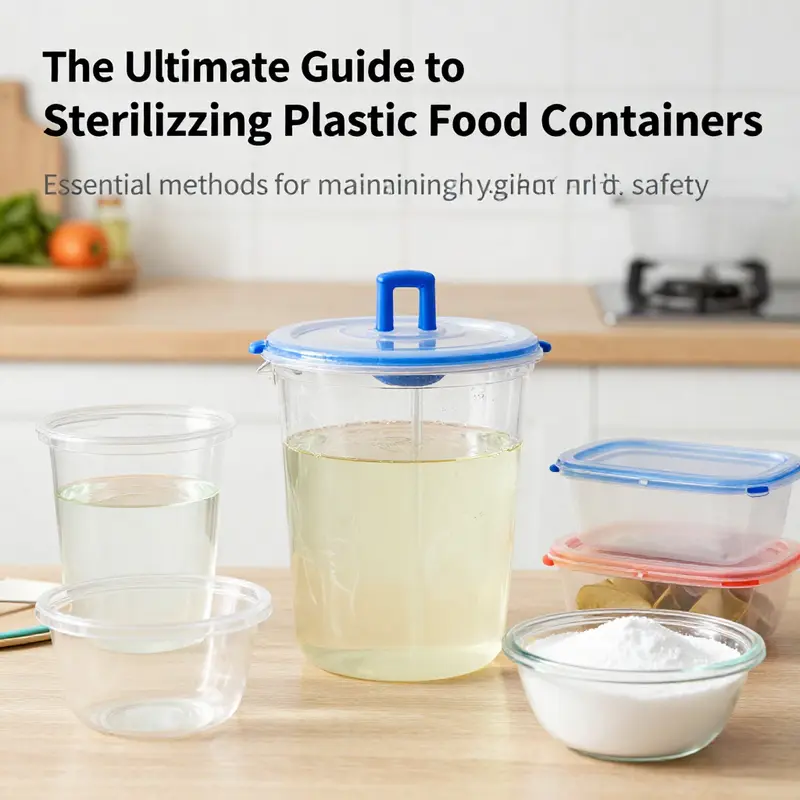
Maintaining hygiene in food services is essential, especially when it comes to the containers used for or serving beverages and food. Plastic food containers are widely utilized across bubble tea shops, restaurants, food trucks, and catering services due to their convenience and lightweight nature. However, without proper sterilization, these containers can harbor bacteria and odors that compromise food safety and taste. This guide will delve into effective sterilization methods tailored to your needs. You’ll discover how boiling water can effectively sanitize heat-resistant plastics, how vinegar offers a natural antibacterial solution, and the power of baking soda for deep cleaning. We will also explore harnessing sunlight for UV disinfection and selecting food-safe cleaning agents, creating a comprehensive approach to maintaining safe and hygienic plastic food containers. Understanding these methods can not only improve your service quality but also enhance customer satisfaction.
Harnessing High-Temperature Sterilization: Boiling Water as a Safe Method for Heat-Resistant Plastic Food Containers
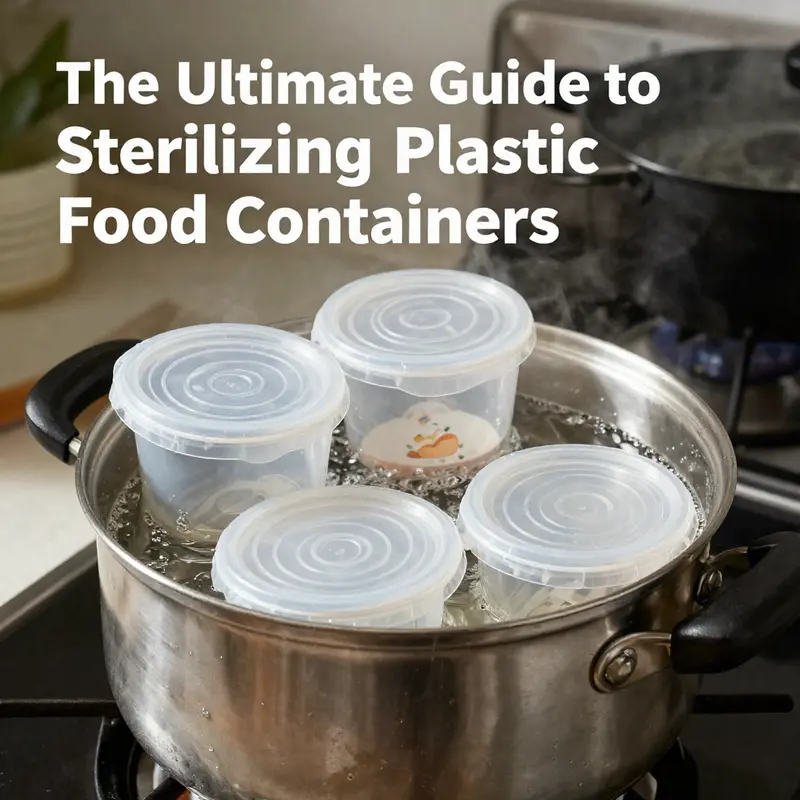
Boiling water sterilization has long been recognized as one of the most efficient methods for eliminating bacteria and other pathogens from kitchenware. When it comes to plastic food containers, this method offers a reliable solution—provided that careful attention is paid to the type of plastic used and the process followed. In kitchens around the world, many have turned to boiling water not only for cooking but also to ensure that the containers holding food remain hygienic and safe for reuse.
The fundamental principle behind boiling water sterilization is straightforward. By raising water temperature to its boiling point, typically 100°C (212°F) at sea level, it creates an environment that is inhospitable for most microorganisms. The intense heat denatures proteins and disrupts the cell structure of bacteria, rendering them inactive. However, not all plastics are created equal when it comes to heat resistance. Containers made from materials such as polypropylene (PP) have demonstrated the ability to withstand these high temperatures, often safely enduring immersion in boiling water for several minutes without losing integrity. It is critical, therefore, to confirm that a container is explicitly marked as “boil-safe” or “heat-resistant,” or that it carries the appropriate recycling code (typically #5 for PP) before attempting this sterilization process.
The procedure itself is both simple and effective. One begins by filling a pot with water and bringing it to a vigorous boil. Once the water reaches a rolling boil, the heat-resistant plastic container—along with any detachable components like lids or seals—can be carefully immersed using tongs or another appropriate utensil. The container should remain in the boiling water for approximately three to five minutes. This exposure time is generally sufficient to eliminate most harmful bacteria and pathogens. The boiling process capitalizes on the natural disinfectant properties of water at these high temperatures, ensuring that the container is sanitized without the need for chemical additives.
It is important to note that while boiling water sterilization is highly effective chemically and microbiologically, its safety is contingent upon proper material selection. For instance, polypropylene (PP) has been widely tested and shown to tolerate short periods of boiling without significant degradation. Consumer experiences, such as those shared on various online platforms, detail how PP jars and containers managed to remain intact and hygienic even after being subjected to boiling water for ten minutes. In contrast, plastics like polyethylene terephthalate (PET), polystyrene (PS), and polyvinyl chloride (PVC) are not designed for high-temperature exposure. These materials can deform, lose structural integrity, or release harmful substances when exposed to boiling, making them unsuitable for sterilization by this method.
The engineering behind many modern food containers further illustrates how boiling can be safely applied. High-temperature retort pouches, for example, are specifically designed to endure boiling water sterilization. These pouches incorporate multilayered materials capable of withstanding temperatures significantly beyond that of boiling water. Similarly, thermoplastic polymers used in many “boil-safe” plastic bags are manufactured to tolerate short bursts of high heat. In both cases, manufacturers conduct rigorous testing under controlled conditions to ensure that the containers remain safe for food use, even after exposure to extreme temperatures.
A robust understanding of the material properties and manufacturer guidelines is essential to achieving successful sterilization. Always check for the recycling codes imprinted on the bottom of plastic containers. Codes such as #2 (HDPE), #4 (LDPE), and #5 (PP) indicate materials with a known resilience to heat exposure, making them ideal candidates for boiling. Conversely, containers bearing codes like #1 (PET), #3 (PVC), #6 (PS), and #7 (other/unknown) should never be immersed in boiling water. Using the wrong type of plastic not only undermines the sterilization effort but also poses significant health risks, as the chemicals that can be released from heated plastics may contaminate food.
In addition to the fundamental process, practical tips ensure both safety and maximum efficacy. Prior to sterilization, disassemble the container as much as possible. Separating the lid, gasket, and any compartments ensures that every surface is adequately exposed to the boiling water. This is particularly important for containers with multiple components, where crevices and seams can harbor bacteria if not properly cleaned. Once the boiling process is complete, it is equally important to allow the container to cool completely before handling. The cooling phase not only safeguards against burns but also prevents the rapid temperature change which might otherwise cause additional stress or deformation in the plastic.
Beyond the basic steps, the method of boiling water sterilization has broader implications for environmental sustainability. Reusing containers that are effectively sanitized reduces the need for disposable packaging, contributing to reduced waste. Moreover, when integrated with other natural cleaning techniques—such as a vinegar soak or a baking soda paste—boiling water forms part of a comprehensive strategy for safe, eco-friendly food storage. Vinegar, for instance, serves as a natural deodorizer and mild disinfectant. A soak in a solution of white vinegar and water can help remove lingering odors and provide additional bacterial control, while baking soda offers gentle abrasive properties to lift stubborn stains without scratching the plastic.
It is important to understand that boiling water is just one component of a holistic approach to food container sterilization. While the method is effective as a physical means to kill microorganisms, it does not address all potential contaminants. In some instances, a combination of methods may offer a superior solution. For example, if a container has become heavily soiled, it is advisable to first clean it with a food-safe cleaning agent, then follow up with boiling water, and conclude with a thorough drying process. The drying is an important step, as moisture left within or on the container often serves as a breeding ground for bacteria if stored before completely dry.
For those who regularly handle food-grade packaging for takeout or catering purposes, ensuring that containers remain in optimal condition is paramount. Manufacturers have even developed specialized containers that can be sterilized with boiling water while maintaining their structural integrity over repeated use. Such products highlight the convergence of industrial innovation and the everyday need for safe food storage. In fact, if you are in search of containers that are engineered for high-temperature sterilization and robust enough for repeated cleaning cycles, you may want to explore options like the eco-friendly disposable 3-compartment food-grade packaging boxes available through various suppliers. This approach not only enhances safety but also supports the principles of sustainability and waste reduction.
The practice of boiling water sterilization also underscores the importance of proper handling and routine maintenance. After the sterilization process, every container should be completely dried. Even a minute of residual moisture can lead to microbial growth over time, thereby negating the benefits of the sterilization process. It is advisable to invert the container to allow any remaining water to drain away, followed by an additional wipe-down with a clean cloth should any condensation remain. This extra step is crucial in ensuring that the container remains free from mold and other forms of bacterial contamination during storage.
In practical kitchen scenarios, the simplicity and accessibility of boiling water as a sterilization tool are unmatched. Most households already have the necessary equipment, and the method requires no special ingredients or chemicals. This makes it particularly attractive for everyday use, both in domestic kitchens and in professional settings where cleanliness is a top priority. However, users must always exercise caution and adhere strictly to the guidelines provided by the container manufacturers. Overexposure to boiling water or inconsistent maintenance could lead to inadvertent damage to the containers, compromising their ability to store food safely over time.
Furthermore, the benefits of using boiling water extend beyond mere sterilization. In instances where a container becomes used frequently, repeated sterilization can also help maintain the overall appearance and performance of the container. Over time, the accumulation of residues such as food particles and grease can be effectively removed, ensuring that the container retains its clarity and structural strength. This proactive approach to container hygiene ultimately results in a more reliable and long-lasting product that continues to serve its purpose without risking contamination.
The cautionary notes regarding container selection had better never be overlooked. Each step of the sterilization process, from reading the recycling codes to the final drying phase, plays a crucial role in ensuring that the food stored within remains safe for consumption. Without these precautions, the very act of sterilization could inadvertently result in contamination—a risk that has no place in the realm of food safety. Therefore, a blend of careful material selection, precise execution of boiling, and supplementary cleaning measures creates a robust framework for maintaining clean and safe food storage solutions.
In summary, boiling water sterilization is a trusted method for ensuring that plastic food containers, especially those made of heat-resistant materials like polypropylene, remain free from harmful bacteria. The process not only serves as an effective disinfectant but also reinforces the importance of using products that are designed to withstand such high temperatures. By adhering to strict guidelines—such as verifying recycling codes, disassembling complex containers, and ensuring complete drying after boiling—users can achieve optimum hygiene and safety. Moreover, integrating this method with additional techniques like vinegar soaking and baking soda cleaning can further enhance the overall cleanliness of food storage containers.
For anyone looking to deepen their understanding of sterilization practices and ensure the safety of plastic food containers, the insights provided here serve as a comprehensive guide. Each step of the process is critical to not only achieving a high level of sanitation but also extending the usefulness of the container in everyday use. The combined emphasis on safety, compliance with manufacturer instructions, and practical tips for routine maintenance embodies an approach that balances efficiency with health and environmental considerations.
For further exploration of boiling water sterilization and its applications, please refer to the detailed analysis available on this external resource: Does boiling water sterilize plastic? – Smart.DHgate.
Harnessing the Power of Vinegar: A Natural and Safe Approach to Sterilizing Plastic Food Containers
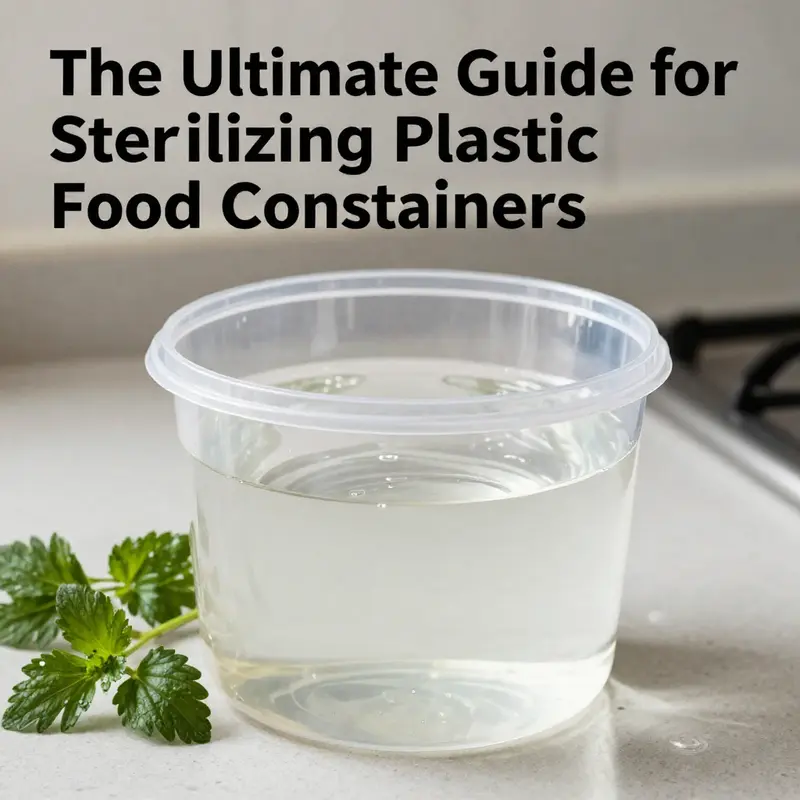
When it comes to maintaining the hygiene of plastic food containers, vinegar emerges as a natural and effective disinfectant. Vinegar, particularly white vinegar containing 5-8% acetic acid, has been used for generations not only as a seasoning for food but also as a cleaning agent to neutralize odors and kill a range of bacteria and molds. This chapter explains how vinegar can be harnessed to sterilize plastic food containers safely, preserving their longevity while ensuring they remain safe for storing food. The natural acidic properties of vinegar make it a compelling option, especially for households seeking alternatives to harsh chemical cleaners.
The process starts with understanding the nature of your plastic containers. It is vital to know which type of plastic you have before choosing a sterilization method. Vinegar is particularly suited to plastics like polypropylene (PP) and polyethylene (PE), which tend not to be adversely affected by mild acids. These types of plastics are often marked with recycling codes such as #2, #4, or #5. Before you begin, inspect your containers for these symbols so you can be confident that the vinegar treatment will not cause any damage. This careful approach minimizes the risk of degrading the container’s surface or compromising its structural integrity.
The preparation for using vinegar involves creating a well-diluted solution that is powerful enough to clean, yet gentle enough not to harm the plastic. A commonly recommended mixture is to combine white vinegar and water in a 1:1 ratio. This dilution balances the acetic acid’s disinfecting power with the safety needs of plastic containers—ensuring that the material retains its form while benefitting from the cleaning effect. In some cases, certain containers may require a slightly adjusted concentration based on the intensity of odors or the level of residue present. Regardless, the general rule is to avoid overly concentrated solutions that could result in etching or weakening of the plastic structure.
Once the solution is prepared, the next step is to fill the plastic container with the vinegar solution. Pour the mixture inside so that it coats every surface, making certain that hidden corners, seals, and even the hinges of container lids are fully saturated. Allowing the container to soak ensures that the acidic mixture penetrates any crevices where food residues may have accumulated. In practical terms, it is advisable to let the container sit with the solution for a duration that can range from 30 minutes to up to two hours. For containers plagued by stubborn mold or persistent odors, an overnight soak can be particularly beneficial. During the soaking period, the acetic acid begins to break down food particles and biofilms that harbor bacteria and other microorganisms.
After the soaking period, the container needs to be given a gentle scrub to remove any residual grime. Using a soft sponge or brush, carefully work over the entire surface. Avoid using abrasive materials that could scratch the plastic. It’s in these small details that vinegar’s power truly shines; even a light mechanical action can enhance the effect of the acid by dislodging particles that cling to rough surfaces. Once you have thoroughly scrubbed the container, the next essential step is to rinse it repeatedly under warm running water. This ensures that all traces of vinegar are washed away, preventing any residual acid from impacting the flavor of future stored foods or causing irritation for sensitive individuals.
After completing the cleaning and rinsing steps, it is crucial to allow the container to air dry completely. Placing the container in a well-ventilated area, away from direct sunlight, helps prevent the warping of plastic. Air drying also reduces the risk of mold developing on any residual moisture that might be present. In the meantime, it’s worth noting that additional natural cleaning measures can sometimes be incorporated to enhance hygiene further. In some instances, combining the vinegar method with other safe cleaning agents designed for food containers can boost overall sanitation. For example, you might consider using a food-safe cleaning agent that is non-toxic and biodegradable, ensuring that no harmful chemicals remain behind.
An important consideration during this process is safety. Vinegar should never be mixed with bleach or chlorine-based cleaners. When these chemicals mix, they can create potentially dangerous chlorine gas that poses a significant health risk. Taking care to use vinegar as a standalone cleaning solution is essential for preserving both the container and the well-being of those who may be exposed to residual chemicals. Furthermore, careful handling is advised when using any cleaning solution to ensure that the container has not been compromised prior to use. If a plastic container shows signs of wear such as scratches or cracks, extra caution is recommended because such imperfections can harbor bacteria in deeper crevices.
The vinegar method is part of a broader suite of techniques that can be employed to ensure that plastic food containers remain hygienic. While methods such as boiling water are effective for sterilizing heat-resistant plastics like PP, vinegar offers a non-thermal alternative that is less likely to cause deformation or chemical leaching. This method is especially appealing for those who are cautious of the impact of high temperatures on plastic materials, which might otherwise lead to the release of potentially harmful substances. Additionally, vinegar’s natural deodorizing properties help to neutralize any unpleasant odors that may have developed over time. These benefits underscore why vinegar remains a favored choice among those seeking non-toxic, food-safe cleaning procedures.
Beyond following the step-by-step process, it is valuable to understand how vinegar works on a molecular level. The acetic acid in vinegar disrupts cell membranes, destabilizes enzymes, and denatures proteins found in microorganisms. This disruption is what makes vinegar effective, even if its potency is not as strong as that of chemical disinfectants. Because vinegar is a natural compound, its widespread use over time has provided a kind of eldership in home cleaning methods that modern science continues to validate. This approach is not only environmentally friendly but also cost-effective, as vinegar is inexpensive and readily available in most households. Its versatility extends beyond just cleaning plastic containers, making it a multifunctional asset in an eco-friendly cleaning kit.
It is also worthwhile to discuss practical tips for integrating vinegar sterilization into a routine cleaning regimen. Instead of waiting for a container to appear unsanitary, regular maintenance by periodic soakings or quick rinses with a diluted vinegar solution can preempt the build-up of harmful residues. For instance, after each use, containers can be given a quick rinse with water mixed with a splash of vinegar to inhibit bacterial growth. Such routine methods complement more thorough cleaning sessions and ensure that the food containers remain in optimal condition throughout their lifecycle. By adopting these practices, not only does the container remain hygienic, but its lifespan is often extended, reducing the need for frequent replacements and lowering overall costs.
For households that use food storage containers regularly, the vinegar method provides an accessible, low-impact solution to a common challenge. Maintaining food-grade containers is imperative for preventing cross-contamination and foodborne illnesses. Careful attention to cleaning protocols, such as those described here, can contribute significantly to household food safety. Those interested in ensuring that their containers are maintained correctly might further explore related practices in maintaining food safe packaging items. For more on sustainable and hygienic practices in food container maintenance, you might consider reading about effective cleaning strategies on a range of plastic products such as those discussed in this excellent guide on food container maintenance.
Integrating vinegar into your cleaning regime is not merely a matter of following a recipe—it involves an understanding of the underlying principles of hygiene, safety, and material science. In many ways, using vinegar for sterilizing food containers represents an intersection of tradition and modern science. The simplicity and practicality of this method make it appealing to a broad range of users, from busy families to environmentally conscious individuals seeking to avoid the harsh chemicals found in many commercial cleaning products. Moreover, the vinegar method prescribes a way to balance everyday practicality with precaution, ensuring that while your containers receive deep cleaning, their physical properties remain intact and uncompromised.
Ultimately, the vinegar method for sterilizing plastic food containers is an accessible, low-cost, and eco-friendly approach to food safety. Homeowners can confidently adopt this method as part of their regular cleaning routines, assured by both empirical evidence and longstanding tradition. Its distinct advantages, including deodorizing properties, ease of use, and compatibility with many types of plastic, offer a practical solution for addressing common household hygiene challenges. The careful use of vinegar allows for a non-invasive cleaning protocol that respects the material properties of plastic, thereby safeguarding both the container’s integrity and your family’s health.
In closing, managing plastic food containers with methods that preserve both functionality and safety is paramount, and the vinegar method is exemplary in this respect. Whether dealing with everyday cleaning or more rigorous sterilization after heavy use, vinegar has proven to be a trustworthy component in the world of household maintenance. For further insights into safe food contact materials and best practices for sterilization, it is advisable to consult established resources like the guidelines available at the FDA, which provide comprehensive information on food safety and material handling. More information can be found at this external resource.
By adopting and perfecting these practices, you contribute to a safer and more sustainable approach to managing household cleanliness. In essence, vinegar is more than a kitchen staple; it is a multi-faceted tool that offers tremendous benefits in the realm of food container maintenance. The process described here underscores that the effective sterilization of plastic food containers not only protects food quality but also ensures the ongoing usability of the containers, merging practicality with the pursuit of a healthier, environmentally friendly living space.
Revitalize Your Plastic Containers: Master the Art of Baking Soda Deep Cleaning
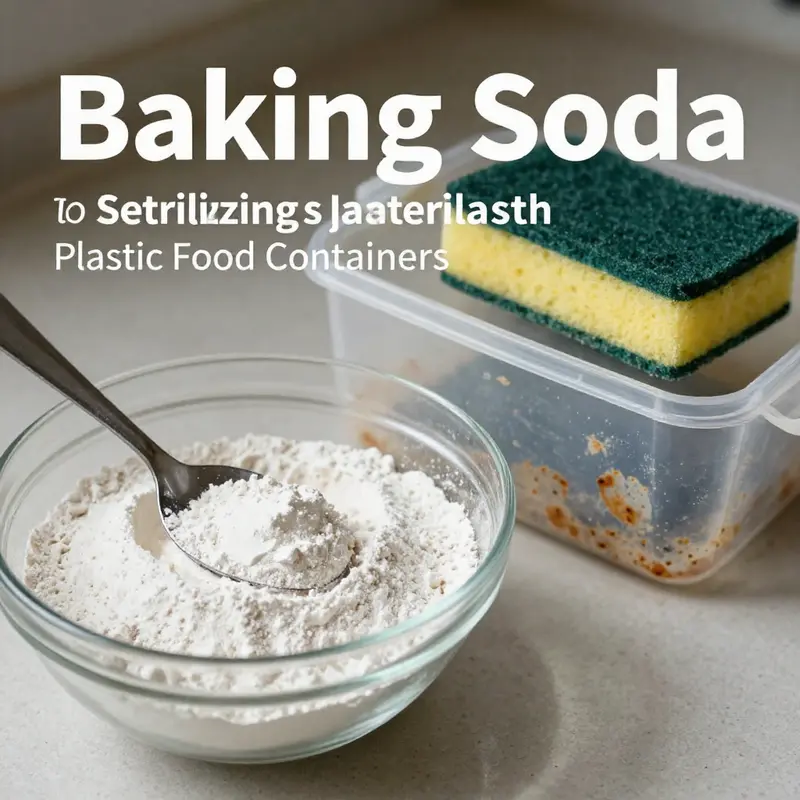
Plastic food containers often become clouded and stained over time, and while routine washing helps, a more intensive method is sometimes required to restore their original clarity and ensure they remain safe for food storage. One highly effective, naturally derived cleaning method is using baking soda, a versatile compound that not only removes stains and odors but also deep cleans by gently abrading the surface of the plastic without causing further damage. In this chapter, we explore how baking soda acts as a deep cleaning agent, its underlying scientific principles, and the step‐by‐step process of transforming your plastic food containers back to their pristine state.
Baking soda, or sodium bicarbonate, has long been recognized for its mild abrasive properties. When combined with water to form a paste, it creates a cleaning solution that can penetrate the microscopic crevices and surface imperfections that harbor stubborn residue and discoloration. This paste, when carefully applied to cloudy or stained areas, works by physically lifting away accumulated grease, residual organic materials, and even ingrained food particles. Unlike harsh chemicals, baking soda is gentle on plastics, meaning that it can clean deeply yet safely, preserving the container’s integrity for long-term repeated use. The science behind this method rests on the compound’s dual action: its alkaline nature neutralizes acidic compounds often responsible for lingering odors or residues, while its fine granules provide a light scrubbing effect that removes microscopic buildup.
Before beginning the process, it is essential to choose the correct ratio to create the ideal paste. A common and effective mixture is three parts baking soda to one part water. The resulting consistency should be thick enough to adhere to the surface without dripping, yet pliable enough to spread evenly over the container’s imperfections. Once you have the paste prepared, gently apply it using a soft cloth or sponge, taking care to cover all discolored or stubborn regions. Allowing the paste to sit on the container for 15 to 30 minutes is critical. During this period, the baking soda works to break down the residues that have penetrated deep into the surface. Patience during this step is key, as it ensures that the cleaning action has sufficient time to transform the container’s appearance without needing excessive scrubbing, which might otherwise compromise the plastic’s surface.
After the waiting period, it is imperative to thoroughly rinse the container with clean, warm water. Rinsing removes not only the dissolved residues and loosened stains but also any remnants of the baking soda paste that, if left behind, could affect the taste or quality of foods stored later. For those containers facing extreme cloudiness or persistent stains, the process may need to be repeated. In some cases, an alternative method that involves preparing a bowl of hot water mixed with a generous amount of baking soda and soaking the container for about an hour can further help to break down deeply embedded deposits. The extended soaking method is particularly useful for containers that have seen prolonged use and have endured a build-up of residues that standard application on the surface might not entirely eliminate.
When employing this deep cleaning method, it is important to exercise caution and adhere to safety guidelines to preserve both your containers and your health. Always use soft cleaning tools, such as a non-abrasive sponge or cloth, to discourage the development of additional surface scratches. These scratches can exacerbate the problem by creating new niches for bacteria and food particles to lodge, leading to re-contamination after cleaning. Additionally, confirm that the plastic container in question is indeed food-grade and safe to undergo such chemical cleaning. Some plastics can become compromised when exposed to prolonged contact with alkaline substances or when subjected to abrasive cleaning methods. Always review the manufacturer’s guidelines or any labels on the container before proceeding with a deep cleaning regimen.
It is also worth noting that while baking soda is excellent for removing residues and light stains, it is best used as part of an integrated maintenance procedure for your plastic food containers. Regular cleaning with mild detergent after each use can prevent the accumulation of food particles and oils that can result in stubborn cloudiness over time. When used routinely, baking soda treatments can be an occasional, yet highly effective, deep cleaning solution that maintains your containers in optimal condition. This preventative approach not only extends the life of your plastic containers but also upholds hygiene standards crucial for food safety. In addition to regular mild washing, allowing containers to dry thoroughly before storing is another critical step in preventing bacterial growth and further discoloration, a practice that complements the deep cleaning method beautifully.
Baking soda’s chemical properties also work to neutralize lingering odors. Many plastic containers develop unpleasant scents after repeated use, especially when storing strongly flavored foods. The mild abrasiveness of baking soda, combined with its ability to neutralize acidic and oily residues, helps to restore the natural state of the plastic. This dual action removes both visual blemishes and unwanted smells. The clarity that emerges after a successful deep clean is often striking; once dull or stained surfaces regain a clean, bright appearance, it provides a satisfying visual reminder of the container’s original quality. In this sense, baking soda functions not only as a cleaning agent but also as a restorative treatment, renewing the appearance and safety of food storage solutions.
An additional benefit of using baking soda lies in its eco-friendly nature. Unlike many chemical cleaning agents that may leave harmful residues or emit volatile compounds, baking soda is safe for both the environment and human health. This makes it an attractive option for households looking to reduce their use of synthetic chemicals in everyday cleaning routines. By opting for a natural ingredient like baking soda, you are not only ensuring that your plastic food containers are free of harmful contaminants but also contributing to a more sustainable and environmentally responsible home. This environmentally safe method harmonizes with broader practices in maintaining kitchen hygiene without compromising on the efficacy of the cleaning process.
For those interested in further exploring sustainable kitchen practices, consider learning more about innovative solutions in food container design and cleaning technology. For example, some websites offer insights into eco-friendly disposable food-grade packaging, a topic that dovetails nicely with the benefits of safe, non-toxic cleaning methods. One such resource is available in detailed discussions on eco-friendly food container options, which can provide additional context on the materials and safety standards to look for when selecting food storage options.
Beyond its primary use for deep cleaning, baking soda also plays an essential role in preventive maintenance. Integrating a simple regimen that includes periodic baking soda treatments can help delay the onset of permanent cloudiness and staining. This practice is especially beneficial for containers that are frequently subjected to varying temperatures, as repeated exposure can sometimes exacerbate discoloration. In these instances, the gentle corrective properties of baking soda not only clean but also protect the plastic by smoothing over microscopic abrasions that might otherwise accumulate dirt over time. The result is a cost-effective method that maximizes the lifespan of containers while ensuring that they remain safe and visually appealing for daily use.
Efficient cleaning practices eventually build confidence in the safety and hygiene of reused food containers. By adopting methods that marry practical cleaning steps with natural ingredients, such as baking soda, households can maintain a high standard of cleanliness without relying on harsh chemicals. The baking soda method illustrates how simple ingredients can lead to impressive outcomes when applied with care and precision. Every time you prepare a batch of the cleaning paste, you are not only cleaning your containers but also investing in the health and longevity of your kitchen tools. The interplay between science and simplicity in this method makes it both accessible to the average person and sufficiently robust for tackling stubborn grime and odors.
Carefully following these deep cleaning steps transforms used containers into safe, visually appealing vessels ready for renewed use. When done correctly, this process mitigates the risk of bacterial growth by effectively removing organic matter that microorganisms could exploit. The method’s reliance on non-toxic materials, like baking soda, enhances its suitability for households with children or those sensitive to harsh chemicals. Importantly, this non-toxic approach exemplifies the broader commitment to safe and sustainable kitchen practices that underpin effective sterilization techniques. For readers who wish to combine this method with other sterilization practices, such as boiling water sterilization for heat-resistant plastics, remember that proper matching of methods with the correct plastic type is essential to avoid deformation or chemical leaching.
Baking soda deep cleaning stands out as a particularly appealing option when chemical safety is paramount and when environmental considerations are at the forefront of your cleaning strategy. As an ingredient that is readily available in most households, baking soda offers both convenience and peace of mind compared to other cleaning agents that may be less accessible or more harmful. Its use demonstrates that effective deep cleaning does not have to come at a high price, whether financially or in terms of personal health. Furthermore, the process is simple enough to be incorporated into a regular cleaning routine, reinforcing everyday habits that eventually translate into significantly prolonged container life and improved overall hygiene.
For those seeking to understand the full scientific perspective behind these cleaning methods, further reading is available at an external resource that delves into the effectiveness of baking soda for cleaning cloudy plastic containers. This resource, available at Clean My Home, provides additional insights and detailed experiments that underscore the reliability and safety of baking soda in food container maintenance.
In conclusion, the use of baking soda as a deep cleaning method for plastic food containers is a practical, eco-friendly, and highly effective solution. Its ability to restore clarity, eliminate odors, and maintain hygiene makes it an indispensable tool for anyone looking to ensure that their food storage solutions are both safe and visually appealing. By following a simple procedure, from preparing the paste to patiently allowing it to work on tough stains and then rinsing the container thoroughly, you can achieve professional-level cleaning results in the comfort of your home. The result is a well-maintained, hygienic container that renews the appeal of your kitchen supplies and promotes safer food storage practices throughout your household.
Harnessing the Sun’s Power: A Natural Disinfection Method for Plastic Food Containers
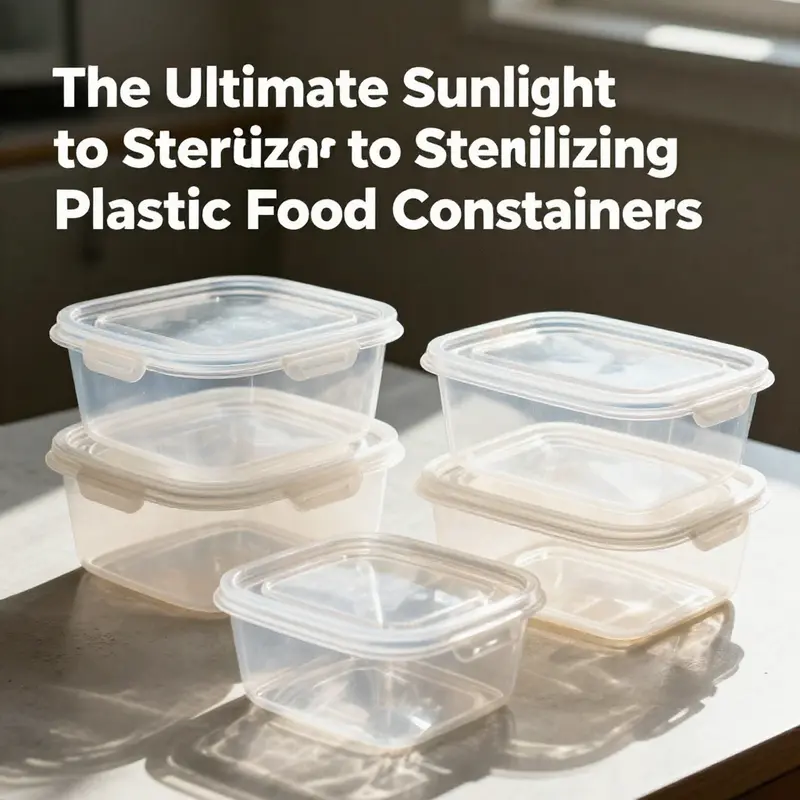
The use of sunlight as a natural disinfectant invites a cost-effective and eco-friendly approach to sanitizing plastic food containers. When combined with thorough pre-cleaning and careful post-treatment procedures, sunlight exposure not only eliminates bacteria and pathogens but also helps remove residual odors that may linger from previous uses. In an era where sustainable practices matter as much as household hygiene, relying on the natural ultraviolet (UV) radiation from the sun offers an accessible solution that aligns with the broader goal of safely reusing food containers without compromising the quality of stored foods.
Before beginning the sunlight disinfection process, it is imperative to ensure that containers have been properly cleaned. A clean container, free of food residues and stains, allows UV light to reach the surfaces directly without interference from organic matter. A simple hand wash with warm water and a mild dish detergent is usually sufficient to rid the container of visible impurities. Special care should be taken while cleaning the corners, grooves, and the seals of the container, as these areas may harbor residual detergent or food particles which can shield harmful microbes from the sun’s rays. With the plastic surface immaculate, the container is now ready for the next step in the sterilization process.
The science behind using sunlight for disinfection is rooted in the germicidal properties of ultraviolet light. UV light, particularly the UV-C spectrum, has the ability to damage the DNA or RNA of bacteria, viruses, and molds, rendering them unable to replicate. Although most of the sun’s spectrum reaching the Earth’s surface is within the UV-A and UV-B ranges, these wavelengths still contribute to a reduction in microbial load when they interact with contaminants on plastic surfaces. In practice, the effectiveness of sunlight as a disinfectant depends largely on several variables such as the intensity of the sun, the duration of exposure, and the physical properties of the plastic itself.
It is recommended that clean, dry, and appropriately labeled heat-resistant plastic containers be placed in direct sunlight for an extended period. For best results, positioning the container where it receives sustained sunlight, typically during the peak hours of 10 a.m. to 3 p.m., can maximize the germicidal benefits of the natural UV rays. Experts suggest an initial exposure period of approximately four to six hours. This duration allows sufficient exposure for reducing microbial counts, although practical results may vary depending on local weather conditions and the ambient temperature. While the sun’s rays are doing their work, gentle and periodic rotation of the container is advised to ensure that all surfaces, including the underside and areas that might be cast in shadow, are exposed uniformly.
It is imperative to consider the type and quality of the plastic container when opting for sun disinfection. Light-colored plastics typically fare better under prolonged sunlight exposure than darker shades. Dark or colored containers can absorb more heat, which might lead to a gradual warping or weakening of the plastic structure. Additionally, certain types of plastics, such as polycarbonate, are particularly sensitive to UV radiation and may become brittle or discolored if exposed to direct sunlight over extended periods. On the other hand, plastics like polypropylene (PP) and polyethylene (PE) have a higher degree of UV tolerance, which makes them more suitable candidates for this type of natural sterilization. Always refer to any manufacturer guidelines regarding UV resistance and recommended usage to avoid inadvertent damage to your containers.
Attention to detail remains crucial during both the pre-treatment and post-treatment phases of sun disinfection. Once the containers are free of food debris and have been thoroughly washed, allowing them to dry completely is essential before exposing them to sunlight. Moisture can serve as an additional medium for bacteria to thrive, and any residual dampness may impair the disinfection process. After the allotted exposure time, and once the container has cooled down to room temperature, inspect it for any subtle signs of stress or damage. Even though natural UV disinfection is a relatively gentle process, prolonged exposure in high UV environments can lead to gradual degradation over repeated cycles. It is best to balance the benefits of sun cleaning with the physical limitations of the container material in order to maintain both hygiene and durability.
In many households and small-scale food operations, the sunlight method has proven particularly beneficial in tackling stubborn odors that are often difficult to remove using traditional cleaning methods alone. For example, containers that once housed strong-smelling foods like fish or curry can develop a persistent odor that lingers despite multiple water washes. When these containers are exposed to the sun, the combined effects of UV radiation and heat assist in neutralizing these odors. The sun’s natural energy helps volatilize and dissipate the odor-causing compounds, leaving behind a fresher, more neutral smell. While sunlight does not physically remove the residues that may have been responsible for the odor, it does chemically alter the compounds to a state where they are less perceptible, helping to restore the container’s usability for storing a variety of foods.
The process also underscores an important aspect of eco-friendly domestic practices. In a world increasingly burdened by chemical waste and energy-consuming sterilization processes, using natural resources to achieve cleanliness is both prudent and sustainable. The absence of chemical residues in this process ensures that no harmful substances are inadvertently introduced into foods stored in these containers, thus elevating the value of sunlight disinfection as a safe and green alternative. This method is particularly beneficial for households that frequently use their containers for hot or cold meals, as there is no need to worry about chemical interactions or adverse effects on food quality. Moreover, the method serves as a practical adjunct for those who are already employing other sterilization techniques, such as boiling or vinegar soaking, as part of a multi-step cleaning protocol.
For those who manage food-related businesses or practice meal prepping at home on a regular basis, the benefits of sunlight exposure extend beyond basic disinfection. Relying on an environmentally driven process can help reduce reliance on commercial cleaning agents that might have coding for disposal, especially as regulations around food-grade plastics become more stringent. For instance, small business owners who deal with catered takeout and disposable packaging might find that integrating a sun disinfection step into their cleaning routines not only saves time but also reduces the need for harsh chemicals that could compromise the integrity of plastic materials over repeated cycles. In this regard, exploring options such as the use of eco-friendly disposable food-grade packaging can serve as a complementary practice, harmonizing cleanliness with sustainability. For more detailed examples of sustainable packaging practices linked to hygiene, one may explore information available on eco-friendly disposable food-grade packaging boxes.
Despite the numerous advantages, there are certain limitations to consider. Sunlight disinfection is largely dependent on weather, and during cloudy or rainy seasons, achieving sufficient UV exposure may be difficult. Hence, while sunlight provides an excellent option during long, sunny days, it might not offer a reliable stand-alone solution in regions where sunlight is scarce or seasons are dominated by overcast skies. Under such circumstances, relying solely on sunlight might result in incomplete sterilization. It is therefore beneficial to have alternative sterilization methods. For instance, boiling water for heat-resistant plastics or using mild natural disinfectants like vinegar and baking soda can serve as excellent backups, ensuring that sanitation standards are maintained regardless of the weather.
It is also important not to overuse sunlight disinfection as excessive exposure may lead to the unintended weakening of the container material. Over time, UV radiation not only kills harmful microbes but also progressively degrades the polymer chains in plastics. This degradation, even if subtle, can reduce the structural integrity of the container, making it more prone to cracks or splits. Thus, it is wise to assess the condition of plastic containers periodically to ensure that they remain structurally sound. Regular visual inspections can detect early signs of photo-degradation, prompting timely replacement before any hazards arise.
In balancing the advantages and limitations of using sunlight for sterilization, one must consider both the immediate benefits and the long-term maintenance of plastic food containers. The method thrives on simplicity and sustainability while simultaneously requiring awareness of its potential drawbacks. There is an inherent trade-off between natural disinfection and material longevity that can be effectively managed by integrating periodic assessments and supplementary cleaning methods. By adopting a holistic approach—combining pre-cleaning, cautious exposure, and post-treatment inspection—users can maximize the disinfecting impact of sunlight while preserving the durability of their plastic containers.
Moreover, a comprehensive strategy for plastic container sanitation may also incorporate rotational practices. Instead of relying on one container for multiple cycles of chemical and thermal exposure, alternating between multiple containers can reduce the cumulative exposure each experiences. This rotation extends the useful lifespan of each container, ensuring that even those that undergo frequent sun disinfection remain in good condition over time. Integrating such practices into a broader cleaning regimen not only optimizes sanitation but also supports sustainable usage, reducing the frequency of replacements and thereby contributing to waste reduction.
Lastly, while the use of sunlight for sterilization provides a clear and practical approach for maintaining food safety in plastic containers, it rests on the understanding that no single method is infallible. Sun disinfection functions best as one component of an integrated suite of sanitizing techniques that together ensure the safety, odor neutrality, and durability of food storage containers. For anyone seeking a natural, low-cost way to incorporate eco-friendly practices into everyday health and sanitation routines, harnessing the sun’s power represents a viable and effective option. The underlying principles not only elevate the practice of food safety but also underscore the broader commitment to sustainability—a pressing need in today’s environmentally conscious society.
For those interested in further scientific validation of the germicidal effects of UV radiation, the research available at the National Center for Biotechnology Information (NCBI) provides a comprehensive review of how sunlight can inactivate pathogens on various surfaces, including plastic materials.
Navigating the World of Food-Safe Cleaning Agents for Pristine Plastic Containers
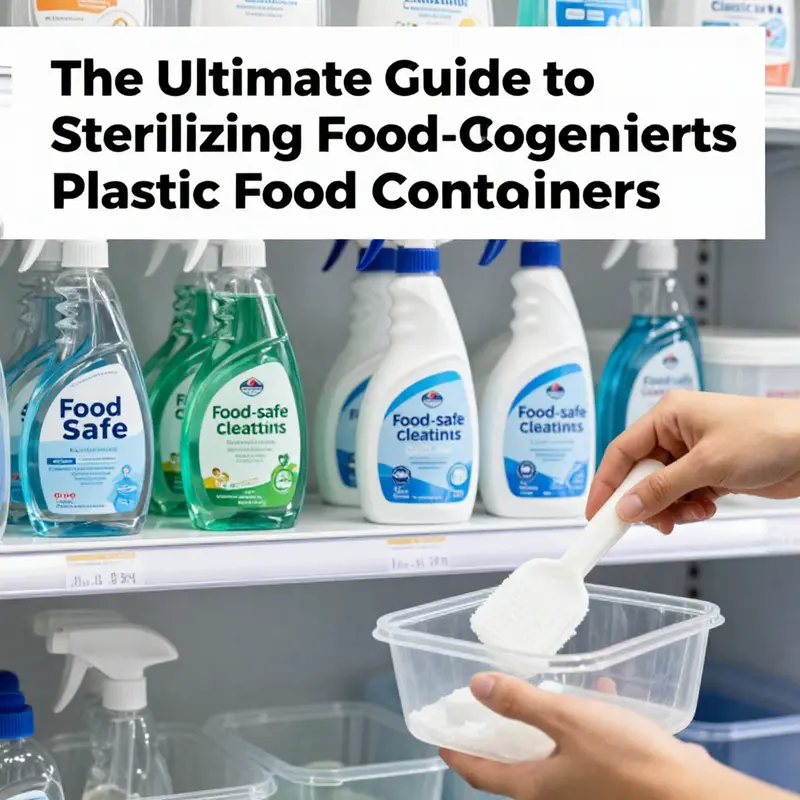
The process of sterilizing plastic food containers goes far beyond simply washing away remnants from previous use. At its core lies the careful selection of food-safe cleaning agents, an essential practice that ensures your containers remain free from harmful contaminants while preserving the integrity of the plastic. The journey begins with a thoughtful choice of products that have been rigorously tested for food contact safety. Harsh chemicals can compromise a container’s structure and lead to the leaching of hazardous substances, so it is imperative to choose cleaners that are mild yet effective.
In many households and food-service environments alike, the recommendation is to use cleaning agents that have earned labels such as non-toxic, food-safe, and biodegradable. These descriptors are not merely marketing terms; they reflect extensive testing and adherence to strict guidelines prioritized by food safety organizations, such as the Food Safety Centre. The Centre’s guidelines remind us that even a slight deviation from recommended cleaning practices, like the inadvertent use of bleach or chlorine-based solutions, can degrade plastics, eventually resulting in pores that can harbor bacteria. Such vulnerabilities necessitate a thoughtful approach to cleaning agents.
A particularly compelling aspect is the relationship between the plastic’s composition and the cleaning agent used. Plastics often carry recycling codes that indicate their chemical composition, and these codes serve as a guide for what temperatures and chemicals each material can safely withstand. For example, containers made from Polypropylene (PP, marked as #5) or those labeled explicitly as heat-resistant are more likely to be compatible with higher temperature sterilization methods when used in conjunction with the right cleaning agents. However, even these robust plastics require cleaning solutions that do not affect their molecular structure. Care must be taken not to use solvents or abrasives that can create micro-scratches where bacteria might hide. Instead, a gentle cleaning agent or even a homemade alternative such as a diluted solution of a mild detergent may be used, followed by a thorough rinse to remove any residue. This emphasis on safe chemical use resonates with the core message of preventing contamination through well-established best practices.
Moreover, understanding the chemical properties of both the plastic and the cleaning agent is crucial. Food-safe detergents are formulated such that they break down organic residues and left-over particles without initiating any adverse chemical reactions with the plastic material. A common practice among food safety enthusiasts is to opt for dedicated plastic cleaners that are designed with these protective properties in mind. When these specialized cleaning agents are paired with the appropriate physical sterilization methods—such as a brief boil for heat-resistant containers and subsequent air drying—the result is a multi-layered sanitation protocol that minimizes risks yet guarantees cleanliness.
The focus on food-safe cleaning agents also extends to the selection of materials used for scrubbing or soaking. Abrasive scrubbers might seem effective for removing stubborn residues, but they often scratch the surface of plastic containers, leading to future challenges. In contrast, soft cloths and non-abrasive sponges, when used in tandem with gentle cleaning agents, have proven to be effective without causing long-term damage. This balance is critical; the goal is to maintain a pristine container that not only looks clean but is also safe for storing consumable items.
A practical example of aligning with safe practices is the use of a vinegar solution, a natural deodorizer and mild disinfectant. When mixed with water in a ratio of one part vinegar to three parts water, the solution serves to neutralize odors and reduce bacterial load effectively. However, once the cleaning process is complete, it is important to thoroughly rinse the container. Residual vinegar, though mild, could affect the taste of foods in subsequent uses if not properly removed. This meticulous attention to both the cleaning process and the subsequent rinsing underscores the need to balance efficacy with safety—a principle that resonates throughout the broader discussion on food-safe agents.
The importance of these practices becomes even more evident when considering applications outside of the domestic setting. In commercial food preparation and packaging, the stakes are considerably higher, and the margin for error is exceedingly slim. Here, the choice of cleaning agents and methods can directly impact customer health and brand reputation. A failure to comply with established guidelines can result in the propagation of pathogens or the exposure of harmful chemicals. Practices endorsed by regulatory bodies, such as those highlighted on the Food Safety Centre’s official webpage Food Safety Centre Guidelines, reinforce the message that safe cleaning is as critical as the food preparation process itself.
Ensuring that plastic food containers are well-sanitized is a multifaceted task, where the selection of cleaning agents plays an integral role. For sterilization, the process must account for the container’s material properties, intended use, and potential interactions with cleaning chemicals. A comprehensive approach might include a sequence where the container is first washed with a mild, food-grade detergent, properly rinsed, and then subjected to a sterilization process tailored to its type. For instance, heat-resistant containers can benefit from brief exposure to boiling water, while those that are less resilient might be better cleaned using alternative methods such as a vinegar soak or a baking soda paste. Each step in this process is guided by the principle of retaining food safety and quality.
In environments where containers are reused frequently, maintaining a high standard of cleanliness is paramount. Not only does the physical appearance of the container matter, but so does its microbiological safety. In a setting where reusing containers is necessary both for cost efficiency and environmental reasons, using cleaning agents that can achieve WHO-recommended hygiene standards without causing chemical contamination is the ideal outcome. Consistency in these practices is key to achieving a safe storage environment. For those who regularly use these containers, investing in a food-safe cleaning regimen is not merely a recommendation but an essential practice that can prevent unintended health risks.
Another significant factor in preserving container safety is the understanding and compliance with safety tips regarding chemical exposure. For example, while chlorine-based products might be effective at disinfection, their use on plastic containers is contraindicated because of the risk they pose to both the plastic’s integrity and to human health if traces remain. Instead, methods that use natural ingredients, such as vinegar or baking soda, are preferred. These ingredients are not only effective but also pose minimal risk if residues linger. This careful consideration of product compatibility, cleanliness, and food safety creates a robust framework that underlies successful sterilization practices.
It is also worth mentioning how emerging cleaning products continue to draw on extensive research to offer innovative solutions that address both cleanliness and ecological concerns. Many of these products are designed to be environmentally friendly, a factor which increasingly matters to consumers and businesses aiming to reduce their ecological footprint. In this vein, the development of new cleaning agents that can efficiently sanitize while remaining gentle on both the user and the plastic is a growing area of focus. These advancements underscore the broader commitment within the industry to promote sustainability alongside food safety.
For example, when choosing a cleaning agent, one should consider how it performs under various conditions. The ideal product will effectively remove grease, food particles, and microbial contaminants while not reacting adversely with the chemicals that make up the plastic. This is particularly important in scenarios where containers encounter high temperatures—either during the sterilization process or when holding hot food items. In addition to performance, the ease of use and the assurance that the agent does not leave harmful residues are also crucial. This comprehensive evaluation, when paired with practical on-the-ground experience, allows users to confidently select a cleaning product that aligns with the strictest safety standards.
As consumers seek further assurance, many turn to additional sources of information for guidance on their cleaning practices. For those interested in exploring a range of products designed with food safety in mind, there are diverse selections available. For instance, more comprehensive discussions related to food-grade containers and cleaning practices can be found when exploring options such as those presented in the series of food-safe plastic container supplies. Detailed product descriptions and usage guidelines can offer insight into maintaining maximum hygiene standards, particularly when the container’s material is put to use in both domestic and professional settings. One can examine various food-grade plastic container options here to understand how safe cleaning and high-quality materials come together to enhance food safety.
It is through this integrative approach—combining scientific understanding with practical cleaning protocols—that the goal of safe, pristine plastic containers can be reached. The selection of food-safe cleaning agents is not merely an aspect of routine maintenance but a critical step that safeguards public health. By carefully verifying that the cleaning agents are compatible with the type of plastic and free from harmful chemical additives, one is not only investing in longevity for the container but also reinforcing a broader culture of safety in food handling and presentation.
Ultimately, the meticulous selection and use of food-safe cleaning agents ensure that when plastic food containers are reintroduced into a cycle of use, they maintain their protective barrier against contamination. The underlying science of how cleaning agents interact with synthetic materials calls for continued vigilance and adherence to best practices. With evolving research and increasing insights from food safety authorities, individuals and commercial entities alike are now better equipped than ever to adopt cleaning protocols that defend against both microbial and chemical threats. The ever-growing guidance from organizations like the Food Safety Centre amplifies the message, ensuring that every container that comes into contact with food is cleaned with utmost precision and care.
Final thoughts
The importance of sterilizing plastic food containers cannot be overstated for those in the beverage and food service industry. From bubble tea shops to catering services, maintaining hygiene is key to ensuring the safety and satisfaction of your customers. By implementing methods such as boiling, using vinegar and baking soda, harnessing sunlight, and selecting food-safe cleaning agents, you can achieve a high level of cleanliness for your plastic containers. Following these tips not only protects health but also enhances the overall quality of the products you serve. Embrace these practices and elevate your service to meet the expectations of your patrons.