
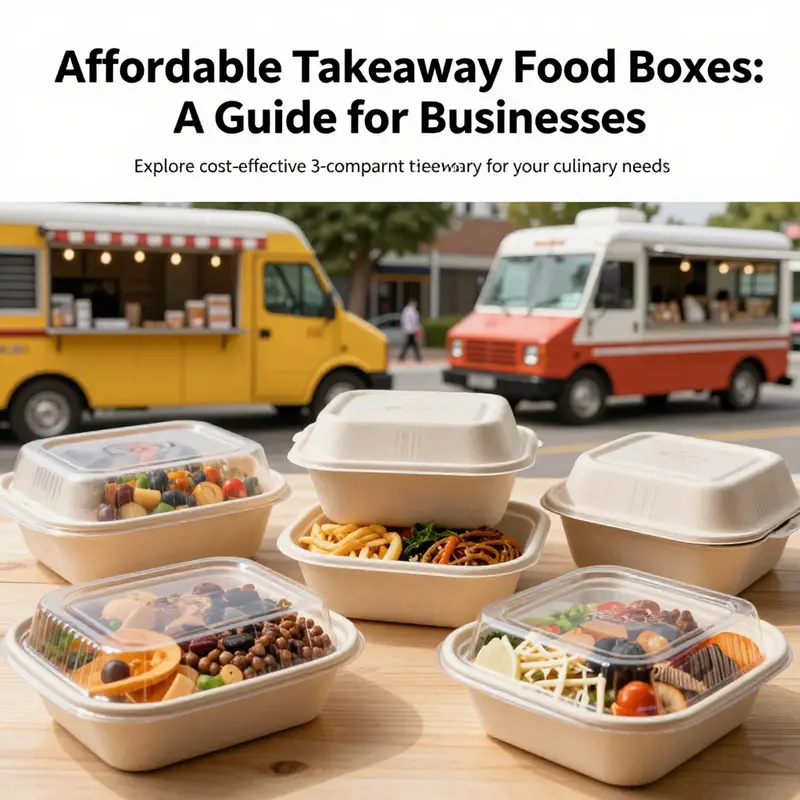
In a competitive culinary market, the ability to offer quality food packaging is essential. Catering to diverse businesses like bubble tea shops, restaurants, food trucks, and catering services necessitates not only flavorful offerings but also efficient packaging solutions. This guide sheds light on the 3-division takeaway food boxes, emphasizing their significance in food service, the cost analysis for sourcing them, understanding manufacturing processes, and customization options, while examining the emerging market trends driving their demand.
Tracing the Quiet Power of Cheap 3-Compartment Takeaway Boxes: A Cohesive Path from Factory Floor to Hungry Customers
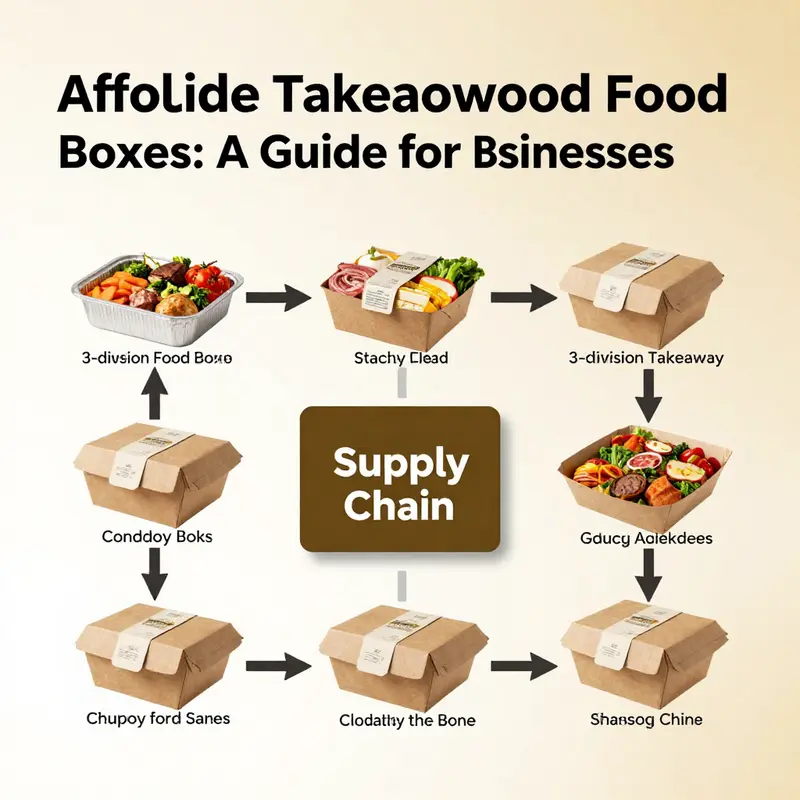
Three-compartment takeaway boxes do more than hold food. They organize meals, preserve flavors, and shape the economics of a fast-moving food economy. When buyers seek budget-friendly options, the appeal lies not just in a unit’s price, but in how reliably that unit can be produced at scale, meet safety standards, and ship quickly to satisfy demand cycles that run on tight margins. The chapter that follows threads together the tangible mechanics of such packaging without losing sight of the larger system that makes affordable, dependable boxes possible. In this ecosystem, cost discipline, material choice, and process efficiency are not isolated decisions; they are the levers that determine how swiftly a restaurant can translate a menu into a consistent customer experience, how a distributor can maintain margins while expanding reach, and how a producer can balance automation with quality to deliver on-time fulfillment.
A geographically concentrated manufacturing landscape underpins this capacity for affordability. The supply chain for cheap three-compartment boxes is deeply embedded in China, where regional clusters specialize in different parts of the production journey. In the south, a region renowned for packaging innovation shapes the frontier of high-volume output and automation. Here, robotic thermoforming lines, precision in mold engineering, and tightly integrated printing capabilities converge with near-term logistics advantages. The proximity to major international ports ensures fast, reliable movement of finished boxes to markets across North America, Europe, and Southeast Asia. This strategic positioning is not incidental; it is the fruit of a deliberate industrial design that makes large orders feasible and consistent. When a buyer orders tens or hundreds of thousands of units, the ability to complete lead times within a 20 to 35 day window after approval becomes a competitive edge that translates into more predictable inventory planning, fewer stockouts, and lower carrying costs for the customer.
Beyond Guangdong’s dynamic export engines, other provinces contribute essential pieces to the overall cost structure. Shandong stands out for its price sensitivity. Its ecosystem benefits from lower labor costs and ready access to raw materials used in the production of lightweight, sturdy containers. Large bulk orders commonly pass through facilities that emphasize efficiency without sacrificing the baseline integrity of the product. The result is a suite of options that fit the budgetary constraints of volume purchasers, from small couriers to larger food-service platforms that prioritize price stability alongside reasonable quality. Fujian, meanwhile, enters the narrative with strength in sustainable and food-safe packaging solutions. Customarily, this region emphasizes materials like sturdy PP and environmentally responsible options, including coatings and barrier films that retain food quality while aligning with growing demands for sustainability. The confluence of these regional strengths—automation and scale on the coast, cost-conscious bulk production inland, and a rising emphasis on safety and sustainability in Fujian—forms what one might call a tightly woven ecosystem. Each stage, from raw material sourcing through final logistics, is connected in ways that shorten the time from concept to consumer and reduce the risk of disruptions that can ripple through the supply chain.
Raw materials themselves reveal the balancing act at the heart of cheap, reliable packaging. Polypropylene (PP) remains a cornerstone for many three-compartment designs due to its rigidity, heat resistance, and moisture barrier properties. PLA, bagasse fibers, and aluminum foil appear as complementary choices to address specific needs. PLA and bagasse offer a more sustainable footprint, appealing to brands pursuing eco-conscious narratives, while aluminum foil can provide enhanced barrier performance for certain food types. The decision between these materials is rarely about a single factor; it is a negotiation among cost, performance, regulatory compliance, and the intended use case. The role of materials is not just to withstand transport; it is to safeguard the food’s integrity in an environment of variable temperatures, moisture exposure, and possible handling by multiple hands over several days of distribution. In this sense, the most cost-effective box is not the lightest or the cheapest per unit; it is the one that consistently delivers performance within defined safety margins while minimizing waste and return rates.
A key driver of efficiency lies in the vertical integration that many Chinese manufacturers maintain. Factories that manage the full pipeline—from raw material ingress to mold tooling, to high-speed forming or injection processes, to digital printing, and finally to packaging and logistics—offer a predictable rhythm for buyers. Integrated supply chains mean faster turnarounds, lower transit times, and the ability to nudge production to align with sudden demand spikes. For three-compartment boxes, where the geometric integrity of the separation is essential to prevent cross-contact and keep sauces contained, reliability is non-negotiable. A supplier capable of printing a consistent logo or label with a tight color tolerance and applying precise sealants across millions of units earns a premium on reliability that translates into fewer defects and returns. The broader lesson here is that price is inseparable from the supply chain’s capacity to manage complexity. A seemingly small variance in mold precision or a minor delay in a single component can cascade into larger cost increases that defeat the purpose of a cheap box.
From a procurement perspective, evaluating suppliers requires looking beyond the sticker price. The most cost-effective options over the life of a contract are those that deliver a predictable total cost of ownership. Material compliance and food safety are non-negotiable. Buyers should insist on verifiable certifications that confirm adherence to international standards for direct food contact. Operational reliability matters as well. On-time delivery rates, ideally above 97 percent, and robust reorder frequencies provide tangible signals of a supplier’s capability to sustain a client’s needs. A multi-tiered supplier evaluation framework helps manage risk. Technical capability, operational security, and transactional reliability must be weighed together with pricing. In practice, this means not only requesting product samples and conducting lab tests, but also examining a supplier’s process controls, traceability, and contingency plans for disruptions in raw material supply or transportation routes.
The fleeting nature of demand in the food sector makes push-pull planning essential. Buyers who leverage the combined strengths of Guangdong’s rapid production cycles, Shandong’s cost discipline, and Fujian’s sustainability options can tailor packages to different market segments. For quick-service concepts that prioritize speed, the emphasis may be on minimizing lead times and ensuring bulk availability, while for premium fast-c Casual menus that highlight environmental responsibility, the focus shifts toward certified sustainable materials and transparent labeling. In either case, the ability to customize—whether through dimensional tolerances, print options, or barrier properties—becomes a decisive factor in securing long-term supplier relationships. The integrated ecosystem supports this versatility by facilitating rapid changes in tooling and color, while maintaining the same overall footprint and process discipline that keep costs in check.
To illustrate how buyers navigate this landscape in practice, imagine a chain planning a large rollout of three-compartment boxes to support a new meal concept. The procurement team begins by outlining required materials and performance targets: the container must resist grease, handle cold and warm servings, and keep separated compartments from mixing sauces. They then map the supply chain’s critical nodes: raw material suppliers for PP or PLA, mold tooling partners, thermoforming or injection lines, printers, and logistics providers capable of handling high-volume shipments. Each node is evaluated not in isolation but by its contribution to risk-adjusted cost and delivery certainty. A reliable supplier profile emerges not only from cost data but from demonstrated performance—on-time deliveries, consistent quality, and a track record of meeting safety certifications. In this approach, cost savings achieved through bulk purchases are augmented by operational stability, enabling the buyer to plan production calendars with confidence and to negotiate pricing that reflects not just per-unit savings but the value of dependable fulfillment.
Even as regional clusters push down price points, buyers must maintain a vigilant eye on regulatory and safety standards. Direct contact with food requires compliance with stringent guidelines, and the suppliers who can document their conformity to these standards are often the same suppliers who can offer more stable, repeatable output. The integration of testing, certification, and traceability across the supply chain reduces the risk of recalls or quality incidents that can erode savings over time. As the market evolves, so too do consumer expectations around sustainability and transparency. A growing subset of buyers seeks packaging that aligns with environmental commitments, favoring materials and designs that reduce waste, enable easier recycling, or incorporate renewable feedstocks. The Chinese manufacturing network, with Fujian’s emphasis on sustainable options and Guangdong’s capacity for scale, is well positioned to respond to these shifts, provided buyers continue to prize both price and performance in equal measure.
For readers seeking a practical starting point in this vast landscape, consider this nearby lens into an industry resource that focuses on supplier verification and pricing transparency for three-compartment boxes. It points toward a directory of manufacturers and offers a glimpse into the pricing dynamics that often drive negotiations in bulk purchases. This kind of resource can illuminate how a buyer transitions from concept to container, from quote to confirmed schedule, and from a prototype to a consistent, optimized packaging solution. The emphasis remains clear: the cheapest option is not simply the lowest unit price, but the combination of cost, reliability, and compliance that sustains a consistent, scalable supply over time. When a business understands this balance, it can secure affordable, high-quality packaging that keeps food safe, intact, and visually appealing from kitchen to customer.
For a closer look at eco-friendly options within this space, see this supplier profile focused on 3-compartment, food-grade packaging. It captures how modern facilities package sustainability alongside affordability, reflecting a broader industry trend toward responsible packaging without sacrificing cost controls. eco-friendly disposable 3-compartment food-grade packaging box
In sum, the supply chain behind cheap three-compartment takeaway boxes is not a single factory floor but a distributed, highly coordinated system. It thrives on regional specialization, integrated production lines, and disciplined logistics. It rewards buyers who view price as the outcome of a holistic process: materials chosen for a balance of cost and performance, tooling and molding that ensure consistency, and partnerships built on trust and measurable reliability. When these elements align, a business can source affordable, high-quality boxes that meet both safety expectations and customer satisfaction, while maintaining the flexibility to adapt to shifting consumer preferences and regulatory landscapes. The result is a resilient packaging solution that quietly underpins a vast segment of the food-offering economy.
External resource for broader context: Industry guides that discuss supplier verification, pricing transparency, and regional dynamics provide useful frameworks for evaluating options in this space. See the external reference for further reading: https://www.alibaba.com/guide/3-compartment-takeaway-food-box-suppliers-china-2025.html
The Real Cost of Cheap 3-Compartment Takeaway Boxes: Value Beyond the Unit Price

When a takeout business scales, the box that travels with the meal becomes more than packaging – it becomes a cost lever. True cost isn’t only the unit price; it includes lead times, reliability, material performance, and how well the container scales with demand. A practical purchasing approach balances volume, logistics, and supplier capability to deliver predictable costs over time. Economies of scale matter: large, well-equipped factories can spread fixed setup costs across more units, lowering the unit price for bulk orders. Proximity to export hubs and efficient logistics further reduce days in transit and carrying costs, helping to shrink total cost of ownership for a three-compartment box program. Material choice also matters: PP and PET options usually offer strong performance at competitive prices, while bio-based variants may command a premium but can be justified if sustainability goals and brand positioning are critical. MOQs should align with forecasted demand to avoid tying up capital or risking stockouts. A disciplined procurement plan – phased procurement, accurate demand signaling, and supplier collaboration – lets buyers capture bulk economics without overinvesting upfront. Risk management and certification play a critical role: verified compliance, consistent quality, and robust testing reduce the risk of recalls or regulatory issues that can wipe out unit savings. In practice, the best value comes from partners who provide stable pricing, transparent lead times, and scalable capacity, not just the lowest quote. Finally, treat packaging as part of value delivery: it protects product quality, reinforces branding, and influences customer satisfaction and repeat business. When price is evaluated alongside reliability and lifecycle value, the true cost advantage emerges: a sustainable packaging program that supports growth across channels and markets.
From Mold to Menu: Scalable Manufacturing of Affordable 3-Compartment Takeaway Boxes
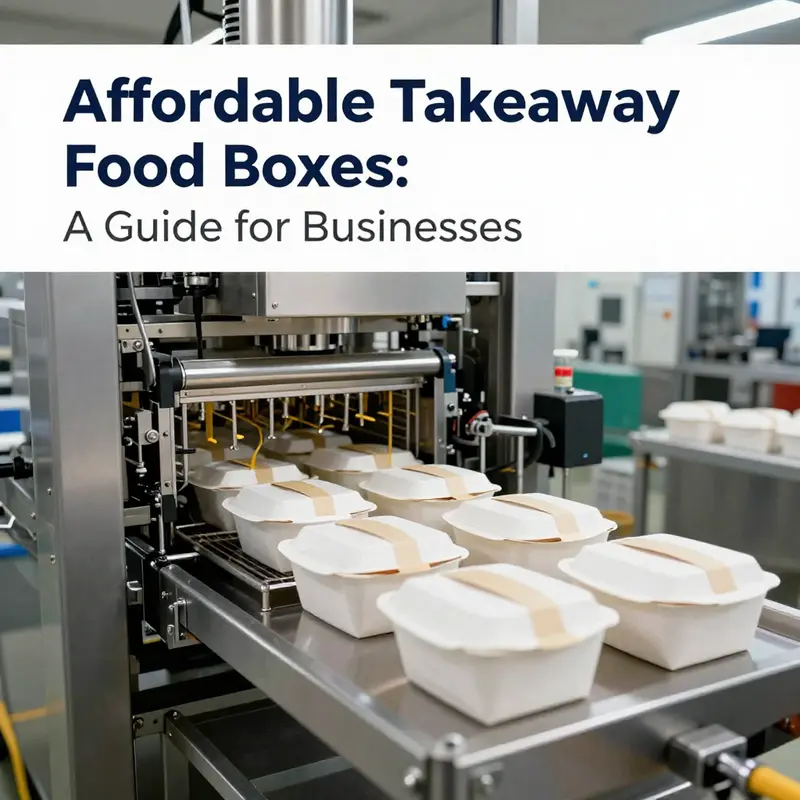
The path from idea to inventory begins long before a customer places an order. It starts on the factory floor where design constraints meet material realities, and where every decision about a 3-compartment takeaway box echoes across margins, supply chains, and the end user’s experience. In markets that prize low unit costs, the most effective route is not a single clever trick but a tightly choreographed sequence of choices—raw materials, forming technology, drying efficiency, and a quality discipline that keeps the process predictable at scale. Within this landscape, the Shandong region stands out for buyers seeking budget-friendly, high-volume solutions. Its cost advantages are well understood: competitive labor rates, abundant access to input materials, and a manufacturing ecosystem that favors automation and continuous throughput. The result is a capacity to turn simple sheets into rigid, multi-compartment containers with quick turnarounds and a degree of customization that many buyers once thought incompatible with low prices. The emphasis is not merely on price but on a disciplined appreciation of how the pieces fit together to deliver durable packaging that remains safe for direct food contact, even under the stress of hot contents and brisk service.
Material selection lies at the heart of affordability. The primary material for 3-compartment boxes is a paperboard that balances stiffness with foldability. Often, a white cardstock around 250gsm provides the right blend of rigidity and workability. It is chosen for reasons that extend beyond cost: predictability in forming, compatibility with printing, and a favorable profile for recycling. In many cases, moisture resistance is achieved not through a heavy coating but through a thin surface treatment—sometimes a wax layer or a biodegradable film—so that the final product remains affordable while still offering a barrier that accommodates typical food moisture. The decision to coat or not to coat is a cost-distribution exercise, weighed against the intended shelf life, the type of meals being packaged, and the regulatory expectations for contact materials. For standard, uncoated paperboard used in many takeaway designs, the emphasis is on hygiene compliance and safe handling rather than glossy aesthetics; a choice that helps keep unit costs down while preserving safety.
A core advantage of paperboard molding is its compatibility with high-speed forming presses. The process begins with feeding sheets into a hydraulic or pneumatic press that houses a metal mold precisely carved to the intended 3-compartment geometry. The mold creates not only the separate compartments but also the lid or fold-over section that ensures secure closure during transit. Under controlled heat and pressure, the paperboard yields a rigid structure capable of supporting hot items and containing sauces without immediate deformation. This method leverages the material’s natural versatility, enabling rapid cycle times that are essential for bulk production. The forming stage benefits from automation that reduces human intervention, further lowering per-unit labor costs and enabling consistent output even as volumes climb.
Once the shapes are formed, the pieces must dry and cure so they hold their geometry under the stresses of actual use. The drying stage is not simply a matter of removing residual moisture; it is about ensuring dimensional stability, ensuring the corners remain sharp, and that any fold lines do not weaken with repeated handling. An optimized heat profile helps prevent warping and ensures that the finished boxes retain their shape during bundling, stacking, and distribution. The curing environment also plays a role in controlling surface finish, which, in turn, influences printing fidelity and the ease with which ink adheres to the surface without flaking under heat or humidity.
The finishing and quality control phase is where cost-conscious but quality-focused buyers often discover the largest potential gains. After forming and drying, trimming removes excess material and improves dimensional tolerances, which are typically kept tight to maintain reliable stacking and accurate lid alignment. The industry standard tolerances of around ±5 mm speak to a balance between practicality and precision; tighter tolerances can drive costs, while looser tolerances risk fit issues in busy service environments. Hygiene checks are integral at this stage, including validations that the product meets basic GMP expectations for food contact packaging. Brand identity might be added through printing, and here the choice of inks matters as much as the printing technology. Eco-friendly inks, water-based or soy-based, reduce the environmental footprint and align with a growing segment of buyers who seek responsible packaging options. When printing logos or identifiers, manufacturers often integrate the design early in the process to avoid rework, a move that translates into faster, more predictable lead times and lower waste.
Packaging and distribution bring the chain full circle. The finished boxes are stacked into standardized formats designed to maximize warehouse space and minimize transportation costs. In an integrated supply chain, the workflow extends beyond the factory gate to raw material sourcing, printing, die-cutting, and logistics coordination. This is where the Shandong region’s strengths really shine: a network of suppliers and carriers, a culture of process optimization, and an emphasis on scalable automation allow for a smoother handoff from production to delivery. For buyers, the most compelling advantage is not just the unit price but the speed with which orders can be fulfilled. Large orders, with consistent quality, can be turned around quickly, enabling businesses to respond to demand fluctuations and seasonal peaks without accumulating costly inventory or sacrificing service levels. The ability to customize—whether it’s alternate lid designs, different compartment dimensions, or branding—can be achieved within the same line, thanks to modular tooling and flexible workflow planning, a capability that follows the industry’s shift toward configurable mass production rather than rigid, single-design runs.
From the perspective of the buyer, the decision to source through a region famed for cost efficiency is not merely about price per unit. It is about the broader value proposition: stable supply, predictable quality, and the ability to scale quickly. High-volume producers in such regions invest in automation that reduces human variability and enhances repeatability. They operate with strong safety protocols and traceability measures that reassure buyers about compliance and hygiene. They also maintain robust supplier relations across the chain—from raw paperboard suppliers and coatings to printing partners and logistics providers—so a change in demand does not disrupt supply. The economic logic is straightforward: lower labor costs, combined with advanced automation and large-scale capacity, yield unit costs that are difficult to match in lower-volume settings. When a buyer needs tens or hundreds of thousands of boxes, the advantage compounds. The same production lines can adjust the mix of cabinet-like compartments or tweak the finish without sacrificing throughput, enabling a breadth of design options while maintaining a favorable price-per-unit.
To illustrate how this theory translates into practice, consider the broader ecosystem that supports these boxes. Integrated production lines and supplier networks in certain regions are capable of coordinating everything from raw-material sourcing to printing and distribution. This coordination streamlines operations and reduces cycle times, a critical factor for food-service businesses that require dependable, rapid replenishment. The resulting capability is not simply a function of low wages; it is an outcome of scale, automation, standardized processes, and a shared commitment to quality and hygiene. The emphasis is on durable, safe packaging that remains affordable across large runs, while still accommodating branding and functional requirements that matter to restaurants and takeaway venues.
For readers seeking a concrete example of how such packaging can look in practice, consider the broader family of products designed for fast-food contexts. A representative resource that showcases the category and its variations across manufacturers can be found here: eco-friendly disposable 3-compartment packaging box for fast food. This reference underscores the practical balance between cost, performance, and environmental considerations that define the contemporary approach to affordable takeaway packaging. While the precise design details may vary, the core manufacturing logic remains consistent: a thoughtful selection of paperboard, precise forming, efficient drying, careful finishing, and a disciplined commitment to quality and safety—all conducted at scale to meet demand with consistent pricing and reliable delivery.
Buyers should also remain mindful of the regulatory framework that governs food-contact packaging. The technical standards that guide these products provide essential guardrails for material compatibility, structural integrity, and consumer safety. In particular, the official Chinese national standard outlines the requirements for paperboard and paper-based food containers, offering a reference point for manufacturers and buyers alike. Accessing these standards helps ensure that scale does not come at the expense of compliance, and that the packaging chosen can confidently accompany meals from kitchen to table without compromising safety or quality. For those seeking a deeper regulatory reference, the standard documentation is available at the official repository: GB/T 3561-89. This framework supports the practical, cost-conscious manufacturing narrative described above, anchoring it in verifiable criteria and emphasizing the enduring importance of hygiene, performance, and sustainability as the industry continues to evolve.
In the end, the allure of affordable 3-compartment takeaway boxes rests in a carefully engineered balance. It is the balance between material cost and performance, between high-speed formation and precision finishing, between scalable automation and reliable quality control, and between regional cost advantages and the security of a well-integrated supply chain. When all these elements align, buyers secure not merely a low price per unit, but a dependable source of packaging that can grow with a business’s needs, adapt to changing menus, and support a consistent customer experience across countless takeout orders. The chapter’s throughline remains clear: cost-effective, compliant, and customizable packaging is achievable at scale through a synergistic blend of material science, process engineering, and supply-chain orchestration that the Shandong manufacturing ecosystem is well positioned to provide. This is the practical, actionable path that underpins the broader objective of sourcing cheap yet reliable 3-division takeaway boxes for bulk operations. External standards and technical references anchor this approach, ensuring that rapid production does not outpace safety and quality considerations. For readers who want to explore the standards further, see the official guidelines referenced above. https://std.samr.gov.cn/gb/search/gbDetailed?id=7A9F8C0E7B4A45DAA09F9D35797777DD
Economy by Design: Crafting and Sourcing 3-Compartment Takeaway Boxes for Bulk, Brand-Ready Deliveries

Three-compartment takeaway boxes have become a quiet backbone of modern delivery kitchens. They offer a practical way to separate sauces, grains, proteins, and sides without forcing customers to juggle multiple containers. For operators seeking to balance price and performance, the path to scale runs through a specific class of suppliers clustered in China’s hard-to-ignore manufacturing hubs. In particular, Shandong province sits at the intersection of cost discipline and reliable throughput. The region’s factories leverage competitive labor costs and ample access to raw materials to push unit costs down, while advanced automation and tightly choreographed supply chains keep quality and speed high. Buyers who frame procurement as a design and logistics problem, not merely a purchase, tend to unlock the strongest economics. They understand cheap boxes must still meet food-safety standards and transport to preserve both flavor and integrity, while also reflecting a brand story through color and print.
Design options extend far beyond a simple split inside a lid. Size and capacity can be dialed to fit different portion targets, with examples like a 23.5 x 13.5 x 4.4 cm form carrying around 850 ml. Other configurations exist for salads, rice bowls, or multi-item entrees, letting a kitchen craft balanced meals rather than cluttering the bag with mismatched containers. Material choice becomes a strategic lever, influencing cost and environmental performance. Common options include polypropylene (PP) for standard durability; polylactic acid (PLA) for compostable profiles; bagasse, the sugarcane fiber that yields compostable packaging; and aluminum foil options for heat retention. Each material carries its own trade-offs in microwave safety, rigidity, grease resistance, and end-of-life behavior. The decision is rarely about the cheapest material alone; it’s about aligning performance with sustainability goals and consumer expectations, as buyers increasingly demand packaging that holds up in transit and fits into recycling or compost streams.
Printing and color are no longer afterthoughts. Modern producers offer full customization of exterior surfaces so that a single box can carry a brand’s logo, palette, nutritional icons, or promotional messages. The result is packaging that doubles as marketing, helping a single hardware piece translate into stronger brand recall. When a design team speaks of a ‘custom pattern,’ they describe the ability to reproduce specific brand identity on the box’s surface, a capability delivered through the scale and efficiency of modern factories. The lid design adds another layer of nuance. Locking mechanisms secure transport on busy routes, while some designs deploy a double-lock system to prevent leaks. A die-cut window on the top or side panel lets customers glimpse the contents without opening the package, enhancing perceived freshness and driving impulse purchases.
Packaging configuration matters as well. The number of units per carton is a variable that can be tuned to optimize shipping costs and warehouse handling. Common practice is 20 sets per carton, but manufacturers can adjust according to client space, carrier constraints, and regional logistics. From a buyer’s perspective, these operational details translate into real-world savings. A carton that fits neatly into a standard pallet reduces risk of damage and lowers freight costs. Conversely, misaligned packing can clog a truck and slow receiving. The design flexibility thus becomes a direct contributor to bottom-line efficiency, especially when orders scale from dozens to tens of thousands. In turn, buyers begin to see that the economics of packaging are inseparable from distribution and inventory planning.
Beyond the unit price, the broader supply chain offers additional ways to save. Large Chinese manufacturers in Guangdong and Shandong can manage end-to-end processes—from raw material sourcing to high-precision printing to final logistics. This integrated approach minimizes handoffs and stockouts, shortening lead times and enabling faster ramp-ups to meet fluctuating demand. For a business planning repeat orders, the ability to secure regular shipments with predictable lead times matters as much as the price per unit. A typical cycle might include a few rounds of samples in five to seven days and a full-scale delivery within about a month, assuming production capacity aligns with order size. This reliability becomes a core part of the business case for choosing a supplier that can grow with a brand rather than merely fill a one-off order.
Credentials are not cosmetic add-ons; they are risk controls. Reputable suppliers in these manufacturing ecosystems can point to third-party audits, clear import/export rights, and robust repeat-buyer rates, indicating a track record of quality and compliance. Such credentials reduce the chance of quality drift as volumes rise and customizations multiply. The result is a supply partner that will withstand the pressure of a holiday rush or a sudden shift in menu mix without compromising integrity. For buyers, this means more confidence and less time spent overseeing production milestones, allowing more focus on menu design, pricing strategy, and guest experience.
Branding becomes a strategic asset when managers treat the box as a storefront extension. Color matching, print quality, and even the ability to weave promotional messages into the box’s surface support a narrative of value and consistency. The multi-compartment design is both practical and elegant: it frees a kitchen from the constraints of separate containers while preserving the integrity of each dish’s flavor and texture. A curry with rice and a side of yogurt, a salad with dressing on the side, or a dessert in a separate pocket all benefit from this thoughtful separation. The modular approach also supports seasonal promotions where colors, logos, and messages shift with campaigns, yet the underlying box remains a cost-efficient constant. In this space, the cost advantage is not only the unit price; it is the speed of deployment, the predictability of procurement, and the ability to scale branding across menus without retooling packaging lines.
Environmental and regulatory considerations shape the long-run value of these boxes as much as any price tag. Biodegradable and compostable options, such as bagasse and PLA, are gaining traction with consumers who demand responsible packaging. But the ecological math depends on end-of-life reality: composting infrastructure, local regulations, and consumer behavior all influence whether a given material earns a green rating in practice. For operators, a careful assessment of life cycle is essential. It is not enough to offer a ‘green’ box; the entire system—collection, sorting, and processing—must be factored into the decision. This is where the regional manufacturing ecosystem shines. The scale and automation in places like Shandong enable more competitive pricing for eco-conscious materials, allowing brands to experiment with different sustainability narratives without compromising budget ceilings.
Putting theory into practice, choosing a 3-compartment box is an act of design and logistics optimization. Portion control, heat retention, leak prevention, and visual appeal must align with price discipline and supply reliability. A supplier who can demonstrate stable pricing across seasons, together with clear communication about material safety and production timelines, becomes not just a vendor but a partner in menu engineering. The decision to pursue a particular material—PP for durability and microwave tolerance, PLA for compostability, bagasse for disposal in compost streams, or aluminum for heat retention—should be anchored in a broader business case that weighs cost against customer satisfaction and sustainability. For a growing chain or independent operation, the advantages of a scalable, customize-ready supply chain in Shandong and neighboring provinces are a decisive factor. It is here that the economics of bulk procurement truly reveal themselves: higher volumes deliver lower unit costs, and same-day or next-day quotes become a practical expectation rather than a pleasant surprise.
To connect design with distribution, buyers increasingly treat packaging as a multi-stop process, not a single purchase. The design team may envision a tray that stacks securely in transit, a lid that locks with a simple twist, and a window that entices a customer without sacrificing sanitation. The manufacturing floor translates that vision into a reliable, repeatable production line. The logistics network ensures that raw materials flow in, pallets depart, and finished boxes arrive on time to stock shelves or fill a fleet of delivery vehicles. In this ecosystem, ordering becomes a routine rhythm, with the same supplier able to adjust to new menu items or seasonal promotions while maintaining the price floor. The result is not just a cheaper box; it is a partner that helps a business tell a story through packaging, a story that resonates in the hands of a rider and in the eye of a diner.
Internal link note: For those exploring eco-conscious packaging variants, a line of eco-friendly 3-compartment packaging is widely available and can be customized to reflect a brand’s identity while keeping costs low. See here: eco-friendly disposable 3-compartment packaging. This option demonstrates how design choices can harmonize cost control with sustainability messaging, a balance that today’s delivery operators increasingly demand.
External resource: https://www.alibaba.com/product-detail/High-Quality-Disposable-3-Compartment-Food-Box1600448397558.html?spm=a2700.shopinproductlist_1.2.6c6a3c3dFQKpS3&productId=1600448397558
Riding the Currents: Market Forces Driving the Quest for Affordable 3-Compartment Takeaway Boxes

The demand for cheap 3-compartment takeaway boxes arises from a confluence of market forces that shape an affordable, scalable packaging ecosystem. The rapid expansion of food delivery makes packaging a logistical necessity and a lever for customer experience. As more meals travel from kitchens to doorsteps, standardized boxes enable speed, predictability, and cost control. The opportunity grows as delivery becomes common across more cities and regions, pushing demand for standardized, low-cost packaging.
A major driver is the growth of delivery platforms. Each new market tests packaging efficiency, and standardized designs help maintain food integrity and quick turnaround. Economies of scale rise when regional suppliers operate with mature automation and tight sourcing, lowering unit costs and waste through optimized processes.
Convenience and hygiene drive value beyond price. A three-compartment design supports separation, reducing cross-flavor mingling and protecting presentation during transit. Operators value reliability, leak resistance, and heat retention, which strengthens the case for affordable packaging that still performs.
Sustainability and regulatory pressure push brands toward lighter, recyclable, or compostable materials where feasible. Mass production and streamlined supply chains help narrow cost differentials, making greener options affordable at scale. Packaging innovation focuses on grease resistance, moisture management, and end-of-life practicality without sacrificing price competitiveness.
Competition among suppliers reinforces pricing discipline while rewarding reliability and speed. Integrated manufacturing ecosystems that control sourcing, printing, forming, and logistics offer predictable lead times and lower costs, enabling affordable, high-volume options.
In sum, the cheapest option remains viable when it performs consistently, complies with regulations, and fits into scalable, traceable supply chains. Buyers seek cost-effective packaging that supports hygiene, sustainability, and delivery velocity, and the market continues to push toward standardized three-compartment designs that meet these criteria.
Final thoughts
Understanding the dynamics surrounding 3-division takeaway food boxes is crucial for businesses aiming to optimize their packaging solutions. From comprehending the supply chain, evaluating cost implications, learning about manufacturing processes to exploring customization, every facet plays a pivotal role in selecting the right packaging. As demand continues to rise for these essential items, leveraging insights from this guide will empower businesses to make informed decisions that align with their operational goals.