
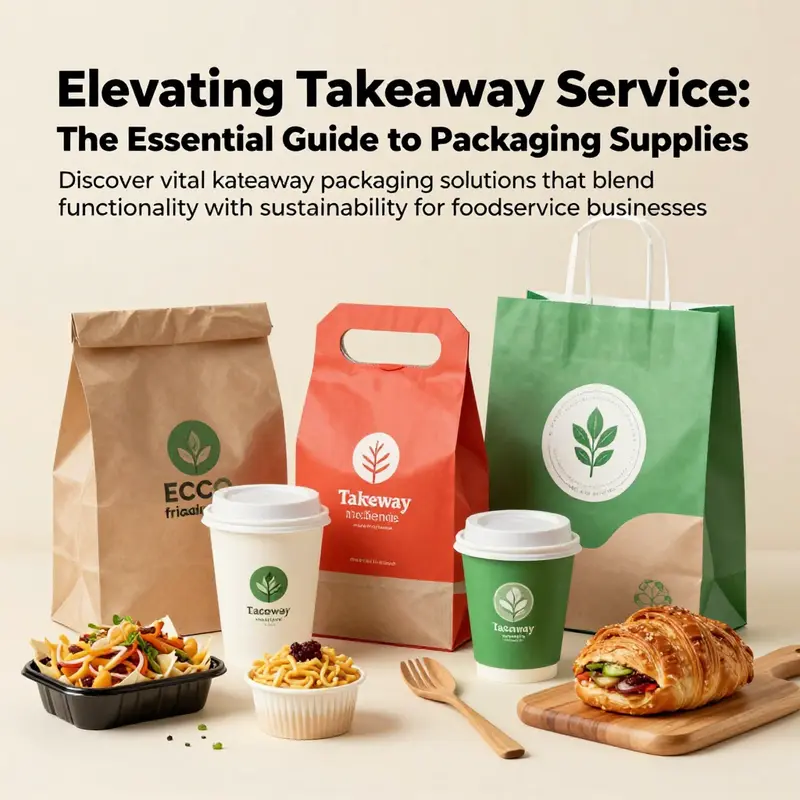
In today’s dynamic foodservice landscape, takeaway packaging supplies play a crucial role in maintaining the quality and appeal of meals as they transition from the kitchen to the customer. Whether you operate a vibrant bubble tea shop, a food truck, or cater corporate events, understanding the variety of packaging materials and designs available will enhance your business’s efficiency and customer satisfaction. This article will walk you through the different types of takeaway packaging supplies, highlight the latest sustainability trends, and explore the current supplier landscape, enabling you to make informed choices for your foodservice venture.
Materials in Motion: Designing Takeaway Packaging that Preserves, Persuades, and Protects
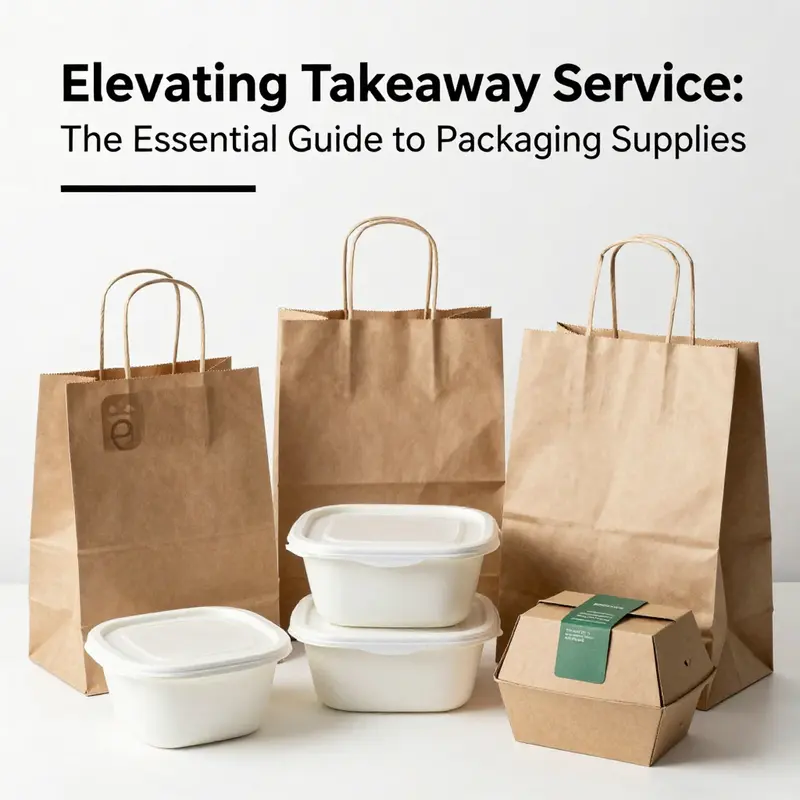
Takeaway packaging does more than hold food. It preserves warmth and texture, communicates a brand’s values, and guides end-of-life choices. This chapter traces how material choice, form, and barrier science shape the journey from kitchen to curbside. A well designed package balances performance and sustainability, delivering a meal that feels cared for and aligned with a brand promise.
Materials begin with the core substrates. Kraft paper remains a common choice for dry items and simple meals, prized for strength and recyclability when coated with food safe layers like PLA or wax. Coatings add moisture resistance and grease control, but the challenge is to ensure end-of-life streams can process the packaging in your region. The coating, not the paper, often determines the barrier performance and recyclability.
Plastic containers—PET, PP, and PS—offer durability and heat resistance for soups, curries, and bowls. They support tight sealing and leak control but raise questions about recycling and reuse. The design response is smarter plastics: clearer labeling, compatible lids, and opportunities for reuse or recyclable formats where infrastructure exists.
Aluminum trays provide excellent heat conduction and structure for reheating. They travel light and resist oxidation, yet their recyclability depends on local collection systems. When aligned with consumer end-of-life options, aluminum can complement a reusable or recyclable packaging strategy.
Molded pulp and other biodegradable options are attractive for circularity, crafted from recycled or agricultural fibers. They perform well cold and room temperature, but heat and oil can challenge barrier properties, which motivates ongoing advances in coatings and barrier layers.
Bioplastics such as PLA offer renewable inputs and industrial compostability. They can reduce fossil footprint but may require controlled conditions and careful temperature pairing with hot foods. PLA films and blends extend moisture control when paired with paper or molded pulp.
Beyond materials, design features like compartments, seals, and vents matter. Multi component meals benefit from partitioned boxes that minimize flavor bleed and sogginess. Lids, tamper-evident closures, and moisture barriers keep items secure and presentable from kitchen to curbside. Window cutouts can showcase the product when paired with compatible films that resist tearing.
Branding and labeling amplify the consumer experience. Consistent color, legible symbols for end-of-life options, and durable printing reinforce quality and responsibility without distracting from the food.
Eco friendly and minimalist design can reduce material use while preserving performance. Transparent end-of-life labeling helps customers choose the right disposal path and reduces contamination in recycling streams.
Global supply chains influence speed and choice. Major manufacturing hubs and ports enable rapid prototyping, scalable production, and predictable pricing, but regulatory compliance and traceability remain critical.
From procurement to plate, packaging decisions should align with the menu and region. Choose materials that work with your dish temperatures and moisture, simplify assembly in busy kitchens, and clearly communicate end-of-life options. Build supplier partnerships that support experimentation, measurement of waste diversion, and total cost of ownership.
A practical example considers a multi component lunch with a warm grain dish, protein, side, and dessert in a partitioned paperboard box. A moisture resistant inner lining, a separate sauce cup, and a secure beverage cup with a sleeve illustrate how performance, protection, and user experience interact. If sustainability is a goal, design the entire set for compatible recycling or composting in the target market and include clear consumer guidance.
In sum, take away packaging is a strategic asset when materials, form, and end-of-life options are designed in concert with the menu, brand story, and local waste streams. A thoughtful packaging program supports flavor, safety, and the planet, turning everyday packaging into a tangible expression of care.
Rethinking Takeaway Packaging: Sustainability-Driven Design in Food Service, 2026
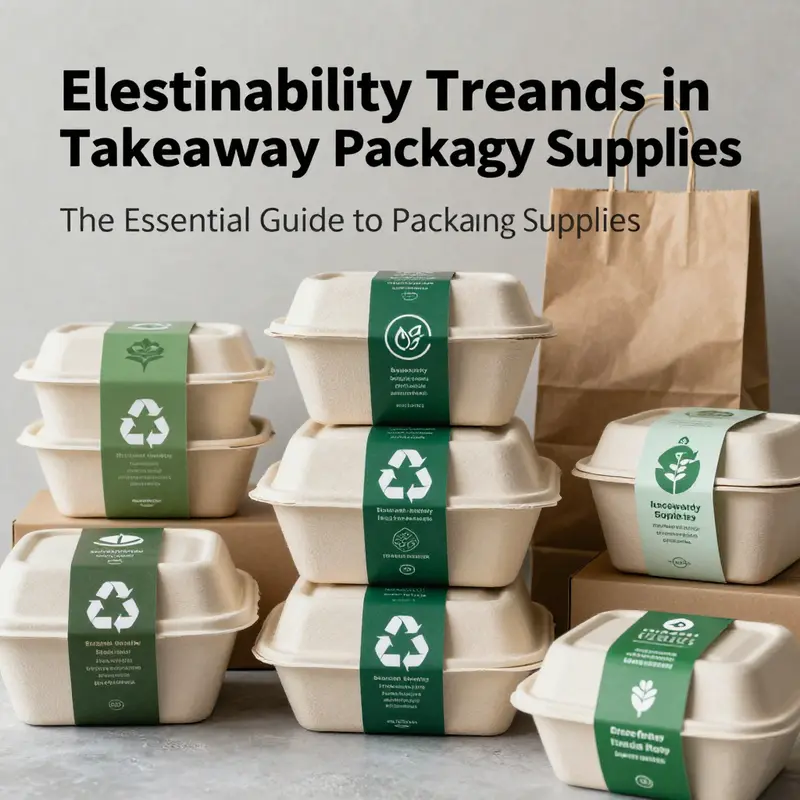
Packaging has moved from a passive vessel to a strategic component of a restaurant’s identity and a measured environmental commitment. In 2026, takeaway packaging supplies are not only about protecting a meal en route; they are about signaling care for the planet, supporting consistent food safety, and enabling efficient operations across multiple channels. The most consequential shifts—driven by environmental concerns, regulatory momentum, and a discerning customer base—are reshaping materials, systems, and the very ecosystems that govern how meals travel from kitchen to table. What follows is a synthesis of the trends redefining how foodservice businesses choose, use, and reimagine packaging, framed by the overarching goal of delivering fresh, appetizing meals while minimizing waste and ecological impact.
At the core of this evolution is material science that leans away from single-use fossil-fuel–based plastics toward alternatives that balance performance with end-of-life outcomes. Next-generation materials, including biodegradable polylactic acid (PLA), compostable cellulose-based films, and renewable plant-based polymers, are becoming part of mainstream practice rather than niche experiments. These materials reduce reliance on nonrenewable feedstocks and cut long-term plastic accumulation in landfills and the natural environment. Yet the transition is nuanced. Not all compostable or biodegradable options behave the same under real-world conditions. Some require industrial facilities with specific temperature and moisture regimes to break down efficiently; others deliver excellent barrier properties but struggle with heat resistance in hot meals. Forward-thinking operators weigh these tradeoffs with the same rigor they bring to flavor profiles and shelf life. In many cases, the decision hinges on the local waste infrastructure and consumer participation—factors that determine whether a compostable noodle box or a heat-stable wrap will fulfill its promises on the curbside or in the municipal compost stream.
A parallel thread running through 2026 sustainability discourse is circularity. The idea that packaging can simply be discarded after single use is giving way to a system where containers are designed to be durable, easily cleaned, and returned for reuse. Circular strategies are most visible in delivery platforms and multi-unit restaurant groups experimenting with durable, returnable containers that can withstand repeated cycles of washing and refilling. The lifecycle emissions of these systems depend on robust logistics and sanitation protocols, clear incentives for customers, and scalable processing facilities. When carefully implemented, reusable packaging can dramatically lower the total material input per meal and compress the overall environmental footprint. The challenge is to align the economics of collection, cleaning, and redistribution with the operational realities of busy kitchens and decentralized customer bases. Even so, pilots and early programs show that when drawn into a brand’s operating playbook, circular systems can improve consistency, control, and customer trust—especially for higher-volume venues and meal-prep services that operate in predictable geographic footprints.
Technology is not merely a convenience in this shift; it is a structural enabler. Smart packaging—embodied in QR codes, temperature-sensitive indicators, and digital branding—offers a twofold benefit. It enhances safety and traceability, helping operators verify provenance, monitor storage conditions, and demonstrate compliance with food safety requirements. It also transforms the consumer experience by providing clear disposal or recycling guidance and by offering opportunities to reinforce sustainability messages through dynamic, design-forward branding. Temperature indicators, for instance, can flag compromised conditions before a consumer opens a package, reducing the risk of spoilage and foodborne concerns. The integration of digital features with packaging does not have to erode recyclability; it can coexist with minimalistic labels and recyclable substrates, provided design and material choices are coordinated from the outset.
Lightweighting emerges as a practical carbon-reduction strategy without sacrificing performance. Reducing material thickness, optimizing geometry, and selecting high-strength, lightweight substrates can slash weight across distribution networks. The gains extend beyond raw materials; lighter packages translate into lower fuel consumption in transit and more efficient warehouse handling. Designers are increasingly applying structural engineering principles to package walls, corners, and lids, enabling the same protective function with less material. This approach requires careful testing to preserve leak resistance, heat containment, and stackability, particularly for multi-component meals that demand reliable compartmentalization. When executed with a systems view—considering suppliers, transport, and end-of-life disposal—lightweighting becomes a lever for a broader sustainability program rather than a standalone optimization.
Beyond materials and weights, consumer-driven design has reshaped expectations around transparency and responsibility. Modern customers want to understand what a package is made from, how to recycle or compost it, and why specific choices were made. Brands that communicate clearly about material composition, sourcing, and disposal instructions can cultivate loyalty and differentiate themselves in crowded markets. Clear recycling icons, simple language about compostability, and visible certifications help reduce confusion at the point of disposal. This transparency must be balanced with aesthetic considerations; packaging must still catch the eye, communicate brand values, and preserve the meticulous presentation that makes takeout appealing. The most successful designs integrate sustainability as a core element of the brand story rather than an afterthought or a compliance checkbox.
From a manufacturing perspective, China remains a central hub in the global takeaway packaging supply chain, with established ecosystems in regions like Guangdong, Hebei, and Jiangxi. These areas bring together access to sustainable raw materials, such as FSC-certified papers and responsibly sourced pulp, with advanced converting technologies that enable cost-effective mass production. Guangdong, in particular, supports high-speed digital printing and customized plastic extrusion, which helps brands realize visually compelling packaging at scale. Hebei’s strength lies in laminated paper totes and water-based varnish applications that minimize solvent use, while Jiangxi’s integrated networks support efficient supply chains and rapid prototyping. For procurement teams, this geography translates into a structured opportunity: evaluate suppliers not only on price and lead times but on technical capabilities, environmental certifications, and responsiveness to evolving sustainability mandates. The emphasis on end-to-end capabilities—from material sourcing to print quality to extrusion and lamination—gives brands a realistic path to launching sustainable, on-brand packaging within tight product launch windows. In practice, this means a shift from single-sourcing convenience to collaborative supplier partnerships that prioritize lifecycle metrics, ongoing innovation, and compliance with international standards.
To navigate this evolving landscape, many operators adopt a structured evaluation framework that considers several interconnected dimensions. First is supplier capability, which encompasses manufacturing maturity, flexibility to scale, and the ability to prototype quickly. Second is standards and compliance, including adherence to FDA requirements for food-contact materials, FSC certification for fiber sourcing, and related regulatory cues such as CE, BV, and ISO. Third is technical infrastructure, which covers the precision of printing, the consistency of lamination, and the reliability of die-cutting and packaging assembly lines. Fourth is sustainability performance, including recycled content, post-consumer recyclability, and the verifiable reduction in lifecycle emissions. Finally, supplier responsiveness matters—how swiftly a partner can iterate, test, and deliver new designs that align with a brand’s environmental commitments. This holistic approach helps procurement teams avoid the common pitfall of trading off environmental goals for short-term cost or speed, since the trade-off tends to accumulate across the lifecycle of the product—from raw material extraction to end-of-life disposal.
The broader environmental context cannot be ignored. The literature on reusable packaging and lifecycle assessments provides a critical lens through which to view these shifts. A comprehensive review of the sustainability of reusable packaging highlights both its potential and its challenges, emphasizing that benefits accrue most clearly when systems are designed to enable reliable cleaning, return, and reuse. In practice, this means investing in equipment and processes that maintain hygiene, establishing logistics networks capable of collecting and redistributing containers efficiently, and building customer incentives that encourage participation. Such an approach does not absolve brands of responsibility for waste; rather, it distributes accountability across stakeholders and creates a structure in which packaging can be treated as a shared resource rather than a one-off disposable input. For teams exploring the frontier of packaging, the reusable paradigm remains compelling, provided the supporting infrastructure and consumer engagement are thoughtfully developed.
As the sector moves forward, the pragmatic path often lies in blending these trends into a coherent packaging program rather than pursuing a single silver bullet. A successful strategy might combine a renewable or compostable primary material for dry items and hot meals, a modular design that allows component interchangeability to extend lifecycle, and a smart labeling system that guides disposal and reinforces brand storytelling. The emphasis is on interoperability: the chosen materials must work together across the supply chain, from the kitchens and prep lines to the loading docks and curbside bins. Alignment across suppliers, brands, and end users ensures that innovations do not stagnate in a lab but translate into real-world improvements in waste reduction, energy use, and overall environmental impact.
Ultimately, this fusion of material science, circular thinking, and digital engagement reflects a broader evolution in how foodservice businesses perceive packaging. It is no longer enough to keep food intact and presentable; packaging must support a more sustainable, transparent, and resilient system for moving meals. The 2026 landscape is characterized by choices that are increasingly data-driven, policy-informed, and customer-informed. Leaders in this space treat packaging as a strategic asset—one that can reinforce safety, brand promise, and environmental stewardship all at once. For teams charting a course, the question is not only what to buy, but how to design downstream processes that recover, reuse, or responsibly dispose of every container. In a world where resources remain finite, the capacity to choose materials wisely, design for reuse, and communicate clearly about end-of-life options may well determine the long-term viability of a foodservice operation as much as taste, price, or speed of service.
For readers seeking a deeper dive into the latest thinking on reusable and sustainable packaging, a comprehensive review offers a broader context and data-driven perspectives on environmental impact, system boundaries, and policy implications. This external resource helps frame decisions within the current body of knowledge and highlights areas where further innovation and standardization are needed to realize scalable benefits across diverse foodservice settings. https://www.mdpi.com/2306-5729/11/1/18
From Factories to Front Doors: Navigating the Supplier Landscape and Seizing Opportunities in Takeaway Packaging

The takeaway packaging ecosystem sits at a crossroads of scale, speed, and responsibility. For brands delivering hot noodles, crispy pastries, or chilled bowls, the supplier landscape is not a simple data sheet of price per unit and lead times. It is a living network where factory floors, logistics arteries, environmental standards, and consumer expectations intertwine. This chapter threads these strands into a practical framework: how dominant manufacturing geographies shape options, how a rigorous yet pragmatic evaluation framework separates good suppliers from great partners, and where the market is heading as regenerative materials and circular economy goals move from trend to requirement.
In this ecosystem, success hinges on more than the ability to source a container or a cup; it rests on selecting partners who can deliver consistent quality at scale while upholding the values that govern consumer choice and regulatory mandates. The modern buyer balances verifiable compliance, repeatable quality, and measurable sustainability over time.
The supplier landscape for takeaway packaging is dominated by large, vertically integrated manufacturers rooted in Asia, with China playing a pivotal role. These factories leverage integrated networks that connect pulp, resin, and paperboard inputs with converting lines, coating stations, and printing presses. The proximity to raw materials gives these suppliers competitive advantages on cost and lead times. Port cities such as Guangzhou and Shanghai serve as crucial hubs, not only for access to shipping lanes but also for the ability to consolidate orders from multiple sub-suppliers into a single production run. This vertical integration translates into rapid turnaround, tighter tolerances, and capacity to absorb deltas in demand without sacrificing sequence.
Beyond scale, the most fluent suppliers articulate a robust compliance story. Environmental standards have moved to verifiable requirements in export markets and procurement policies. A growing share of offerings is compostable, PFAS-free, and food-grade certified, driven by tightening regulation and consumer expectations. Buyers should demand traceable documentation: certifications such as ASTM D6400 for compostability and ISO 22000 for food safety must be demonstrable through batch records, supplier audits, and ongoing third-party verification. While compostable PLA-based containers can decompose in commercial facilities, infrastructure gaps exist, and some regions rely on recycling rather than composting. A prudent approach pairs compostable options with an explicit end-of-life plan, including partner facilities and disposal guidelines for customers.
To navigate this landscape, a three-pillar framework proves practical: compliance, quality consistency, and sustainability credentials. Compliance means clear declarations of material content, barrier properties, heat resistance, and seal integrity, plus on-time delivery across multiple runs. For hot foods, heat tolerance and steam resistance are essential; for cold dishes, moisture management and barrier performance matter. Quality consistency asks whether a supplier can translate a successful trial into repeatable production, via track-and-trace, controlled tolerances, inline leak testing, and robust quality control cycles. Sustainability credentials assess material mix, end-of-life outcomes, and alignment with municipal programs for composting or recycling, complemented by governance disclosures and third-party verifications.
A practical illustration: market opportunities on a global scale. The plastics takeaway container market remains large, but momentum is shifting toward sustainable alternatives. Compostable packaging, recycled paperboard, and high-strength molded pulp are gaining traction where composting ecosystems exist and among sustainability-focused brands. Aluminum containers occupy a niche for oven-ready meals that benefit from heat conduction and reusability. For buyers, the landscape offers a mix of mature plastics options and growing sustainable families that meet regulatory demands and brand promises simultaneously.
As the market expands, sourcing platforms and procurement partnerships play a bigger role. Buyers seek a holistic view of supplier capability, capacity, and compliance, and platforms with verified directories connected to industry associations or procurement specialists can streamline supplier selection. The emphasis is on certifications, minimum orders, capacity, and geography. In other words, strategic sourcing becomes a collaborative process: align on price, but more importantly, on quality, safety, and sustainability to minimize cost of change when conditions shift.
Brand experience and risk management also matter. Packaging is a brand touchpoint, and consumers expect consistent performance with transparent cost structures. Dual-sourcing for critical items can balance premium compostable formats with standard recyclable options, guarding against disruption while enabling portfolio pivots toward more sustainable formats. Proactive capacity planning, clear stock communications, and contingency plans help operators navigate spikes in demand without sacrificing quality.
Closing thought: true partnership emerges when a supplier offers guidance on design, shelf life, and end-of-life management, not just a container. The best partners provide a credible sustainability narrative backed by data—energy intensity, water use, waste management, and supply chain governance—so brands can deliver on promises about freshness, food safety, and environmental stewardship.
For practitioners, decisions should rest on objective criteria: traceability, performance across production cycles, and evidence of on-time delivery. Sustainability moves from marketing to governance, and the supply base expands to include material palettes from molded pulp and paperboard to compostable films and specialized coatings, each with trade-offs in cost and end-of-life practicality. The opportunity set remains robust: compostable packaging, recycled-content options, and innovative formats that align with end-of-life infrastructure in target markets. Sourcing platforms that filter for certifications, capacity, and logistics help ensure scalable, responsible supply chains rather than a purely transactional relationship.
Final thoughts
Understanding the essentials of takeaway packaging supplies equips foodservice businesses with the tools necessary to maintain the quality and appeal of their offerings. As consumer preferences shift towards sustainability and convenience, staying updated on packaging innovations is crucial. By considering the types of materials available, embracing sustainable packaging trends, and recognizing reliable suppliers, your business can effectively meet customer expectations, enhance branding, and support environmental initiatives. The right packaging not only protects your food but also reinforces your commitment to quality and sustainability.