
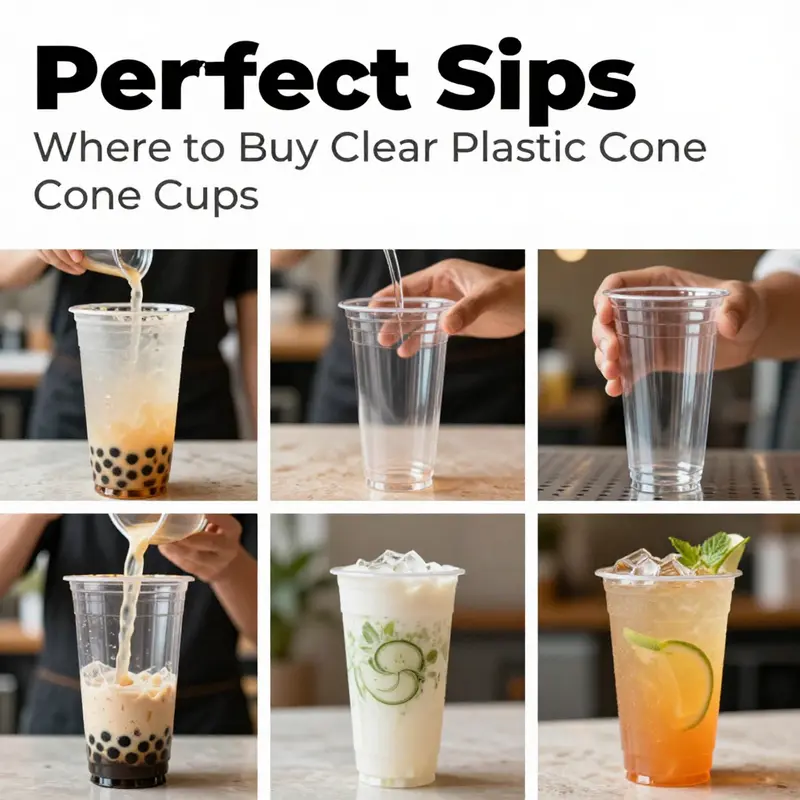
Clear plastic cone cups have become an essential choice for beverage businesses such as bubble tea shops, food trucks, and event planners. In this space, finding the right suppliers and whether customization options are available can significantly influence your operation. This guide is designed to equip you with comprehensive knowledge on where to purchase clear plastic cone cups, explore reliable wholesale suppliers, and understand the customization and material choices that align perfectly with your brand’s vision. Each chapter will address a crucial aspect of sourcing these cups, empowering your business to thrive with effective solutions.
Beyond the Shelf: Navigating Alibaba’s Clear Plastic Cone Cups for Flavor, Function, and Brand
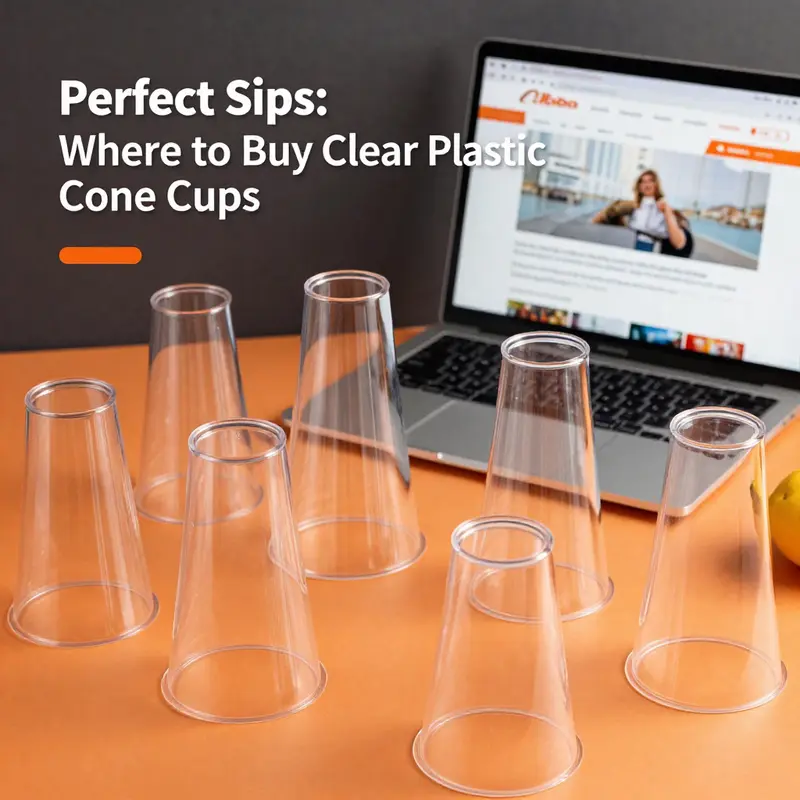
A marketplace like Alibaba can feel like a vast, open sea of possibilities when you are selecting clear plastic cone cups for a beverage program. The cone cup is not just a vessel; it is a first impression, a practical tool for service, and, increasingly, a canvas for branding and sustainability. In this chapter we move through the landscape of options with the aim of turning a broad catalog into a focused buying plan. The goal is to pair the right material, the right design, and the right supplier with the needs of your menu, your customers, and your operational realities. The choices you make about material, durability, temperature tolerance, and customization will ripple through your costs, your waste streams, and the way your drinks are perceived in your space. Understanding what is available on Alibaba, and how those options align with different beverage formats—from smoothies to bubble tea to cold brews—helps you make smarter, more intentional procurement decisions without sacrificing speed or quality.
One of the clearest starting points is material. PET plastic cups with clear transparency dominate the field for cold beverages because they present a clean, crisp view of the drink and resist shattering under typical service conditions. PET’s food-grade status and certifications, when clearly stated by a supplier, provide a reliable baseline for safety and hygiene across a wide range of beverages, including smoothies, fruit juices, and milk-based drinks. You will frequently encounter specifications that reference FDA 21 CFR 177.1630 or EU standards, underscoring that the cups meet defined regulatory expectations for contact with consumables. In many listings you will also see references to biodegradability or compostability, often in the context of certified programs like BPI. These certifications can be a deciding factor for venues aiming to meet sustainability goals or for brands that want to communicate their environmental commitments to customers. When you pair PET with an exacting sealable lid, the combination becomes a reliable, transport-friendly option for catering, kiosks, and street-food setups where spill resistance matters as much as presentation.
Acrylic is the other material thread worth following, especially when your priorities include insulation and durability. Double-wall acrylic cones are designed to preserve temperature, which makes them attractive for hot or cold drinks, depending on the design. These cups tend to be shatter-resistant and exceptionally clear, preserving the visual appeal of layered beverages and vibrant colors. The trade-off is typically a higher price point and a slightly bulkier profile, which can influence storage and intra-venue handling. If your service model involves a tasting flight, a dessert-style presentation, or a venue that handles beverages with temperature fluctuations, the acrylic option can offer a premium experience while still delivering the clarity customers expect. In the end, the material choice translates into the experience your customers have from the moment they pick up the cup to the last sip they take.
Beyond material, the design language of clear cone cups on Alibaba emphasizes function as much as form. Lids are a critical component in maintaining freshness and avoiding spills during transport, whether customers are grabbing a drink to go or moving through a busy service line. Several lid configurations are common, with dome-shaped lids that provide space for whipped toppings, foams, or fruit embellishments, paired with a flat top that can accommodate branding or simple label work. Some listings showcase integrated straw options, which can support hands-free drinking and reduce the risk of straw loss in transit. For operators who need to offer drinks with boba pearls, frothy toppings, or other visually engaging ingredients, there are specialized shapes and openings that help manage liquid containment and bite-sized inclusions. The result is a spectrum of designs that allow you to tailor the experience to the drink format and the venue’s service rhythm, from quick-service shops to event catering.
An important, sometimes overlooked, part of the design conversation is the shape and size. Clear cone cups range from compact 8-ounce forms up to 24-ounce giants, with 12, 14, and 16-ounce options occupying a sweet spot for many operators. The 16-ounce size is especially versatile, working well for coffee-based beverages, smoothies, energy drinks, and fruit-forward cold drinks. The larger 24-ounce options are attractive for bulk orders and for venues that want to reduce the frequency of refills, especially during events or busy weekend shifts. The 8-ounce and 12-ounce variants, while smaller, can be ideal for samples, flight dishes, or children’s beverage programs where portion control and visual appeal matter. When choosing size, you are balancing the perceived value of the drink, the practical realities of your service flow, and the way your staff will handle portioning and display. On Alibaba, you will encounter price bands that reflect volume, with lower per-unit costs as orders scale up, alongside minimum order quantities that can push procurement decisions toward longer planning cycles. Knowledge of these dynamics helps prevent surprises in budgeting and inventory planning, especially for venues experiencing seasonal peaks.
Customization and branding are where the Alibaba ecosystem often shines the brightest. For many operators, the ability to add logos, brand colors, or promotional text to cups and lids translates directly into in-store identity and off-premise recall. OEM and ODM services are a common feature in many listings, enabling you to print logos or text for corporate events, weddings, or themed promotions. Customization can extend to colors for lids and straw components, enabling coordinated branding across the entire beverage experience. There are also opportunities to coordinate cup design with bag, napkin, or sleeve branding, enabling a cohesive brand presentation from counter to customer handoff. The practical implications of customization extend to lead times, MOQs, and production schedules. Suppliers may require larger minimum orders to absorb the setup costs associated with printing or engraving, but the payoff is a tangible, brand-building asset that travels with the drink and reinforces memory long after the exchange has happened. When budgeting for customization, consider not just the upfront cost, but the ongoing impact on marketing efficacy, order cadence, and customer perception.
Bulk pricing on these clear cones tends to reflect the scale of the order and the degree of customization. Listings frequently present wholesale ranges that start in the low cent-per-unit territory for very large orders and basic configurations, with incremental costs for features such as special shapes, custom logos, or premium materials. It is not unusual to see per-unit prices that hover around a few cents for standard, unbranded PET cups in moderate quantities, with a step up when covered by a domed lid, a sturdier material, or a thermal sleeve. For operators planning to run high-volume programs, the economics can be favorable, particularly when you factor in the reduced labor and the economy of scale that a bulk order provides. The key is to quantify your true needs: the expected daily volume, the typical drink lineup, and the duration of a promotional campaign. When you map these elements against a supplier’s MOQs and shipping profiles, you gain a clearer picture of the total landed cost per cup, including the freight-to-dock considerations that influence a project’s viability.
From a procurement perspective, Alibaba’s listings are more than product catalogs; they are signals of how a program can scale. The best suppliers present comprehensive specifications, clear certifications, and transparent bulk pricing, along with references to sample availability, production lead times, and flexible packaging options. For beverage programs that operate across multiple venues or regions, the ability to source consistently from a single supplier line reduces variance in cup color, clarity, lid fit, and dispense experience. It also simplifies quality control and returns, because the visual and tactile cues of the product remain consistent across shipments. When assessing suppliers, look for those that provide documentation such as COAs or material safety data, proof of compliance with food-contact regulations, and a track record of on-time shipments to international clients. A robust supplier relationship is as much about communication and reliability as it is about price per unit.
As you begin to assemble your purchasing strategy, it helps to anchor your decisions to practical dimensions of your operation. Are you primarily serving beverages to-go in a fast-cue environment, where leakage and spillage are frequent pain points? If so, a leakproof lid design and a sturdy material such as PET with a tight seal will be essential. If your service emphasizes presentation—say, a boutique café or a tasting room—then clarity, optical quality, and the option for branding become more important than sheer volume. For events and catering, the ability to customize with your corporate logo or message can elevate the guest experience. For bubble tea or specialty drinks with pearls or heavy froth, a shaped opening or a conical version that minimizes spillage becomes a practical feature. Each scenario tilts the balance toward different combinations of material, lid design, and volume. The Alibaba ecosystem supports these varied needs by offering a spectrum of configurations, from simple, cost-efficient PET cups to more specialized, high-clarity acrylic models.
Another essential lens through which to view these options is sustainability and regulatory compliance. In today’s marketplace, many operators want to demonstrate environmental responsibility, even as they meet the demands of a fast-paced beverage service. Recyclability is a common attribute in PET cups, and some listings highlight compostable or bio-based materials as part of a broader environmental narrative. The trade-offs here usually involve durability, barrier properties, and temperature tolerance. Compostable cups may require industrial facilities to break down effectively and can sometimes be less robust under heavy handling, while reusable or longer-lived materials demand different cleaning and sanitation protocols. When sustainability is a priority, pair your material choice with waste management practices and supplier commitments to certifications. In addition, ensure that the selected cups and lids are appropriate for the beverage temperatures you serve. A hot coffee served in a cone designed for cold drinks, or a delicate cold foam beverage in a cup not optimized for froth, can lead to customer dissatisfaction or risk. The right match between beverage type, cup material, and lid design keeps the experience coherent from first glance to final sip.
As with any major procurement decision, samples matter. Before committing to a large order, request sample cups to evaluate clarity, weight, fit with lids, and overall user experience. A physical sample helps you verify the fit of the dome lid, the suction or compression of a straw slot if provided, and the ease with which the cup can be sealed and reopened. It also allows you to test the cup’s performance with the drinks you plan to serve, including any carbonation or viscosity considerations that could affect leakage or foam rise. If a supplier provides customization on the sample, you can gauge the feasibility of your branding concept and the quality of the print or engraving on a small scale. The results of this sampling phase should feed directly into your cost model, enabling you to convert a promising SKU into a reliable staple in your beverage operation.
In practice, the buying journey on Alibaba is a balancing act between quality, price, and speed. You weigh the security of certifications and the clarity of product specifications against the practical realities of your business, such as lead times, storage capacity, and the seasonal rhythm of demand. For a business planning for growth, building a relationship with a dependable supplier who can handle volumes, adjust to your seasonal needs, and accommodate standard customization requests becomes almost as important as the price per cup. A thoughtful approach considers not only the immediate needs of an upcoming promotional period but also the longer arc of your brand’s growth and the role that packaging plays in shaping customer perception. In that sense, the cone cup is more than a disposable item; it is a point of contact between your product, your service, and your brand story.
For readers seeking concrete, current details on specific listings, including exact sizes, available materials, and wholesale terms, the following external resource provides a representative example of the options discussed here. It offers a snapshot of how a typical 16-ounce clear plastic cup with a lid is described, with notes on food-grade certification, customization, and pricing in bulk. This reference is intended to complement the broader overview and should be consulted in tandem with direct supplier inquiries to verify up-to-date specifications and terms. Access the listing here: https://www.alibaba.com/product-detail/16-oz-Clear-Plastic-Cups-with-Lids-for-all1600613714819.html?src=shop&scm=1007.18271.132495.0&searchType=product&spm=a2700.shoprecommended.0.0.1a4d1a4bYfUyXv
In sum, Alibaba’s ecosystem for clear plastic cone cups offers a spectrum of materials, shapes, and services designed to align with the diverse realities of beverage service. PET cups deliver a baseline of safety, clarity, and cost-effectiveness that suits most cold drinks. Acrylic options bring durability and insulating performance for a higher-end experience. Lids, straws, and specialized openings expand the functional envelope, enabling you to manage spills, maintain freshness, and support on-the-go consumption. Sizes from 8 to 24 ounces give you the flexibility to tailor portions to your menu and desired customer experience. Customization and bulk ordering further extend the scope for branding and event-specific campaigns, while sustainability considerations invite thoughtful choices that balance environmental responsibility with performance. The central task is to connect the concrete attributes of each cup with the realities of your beverage lineup, service model, and brand ambitions. When you do that, the journey from marketplace listing to plate-glass clarity becomes a coherent path rather than a series of disjointed decisions.
External resource:
Cone-Cup Sourcing at Scale: Navigating Global Wholesale Networks for Clear Plastic Cone Cups
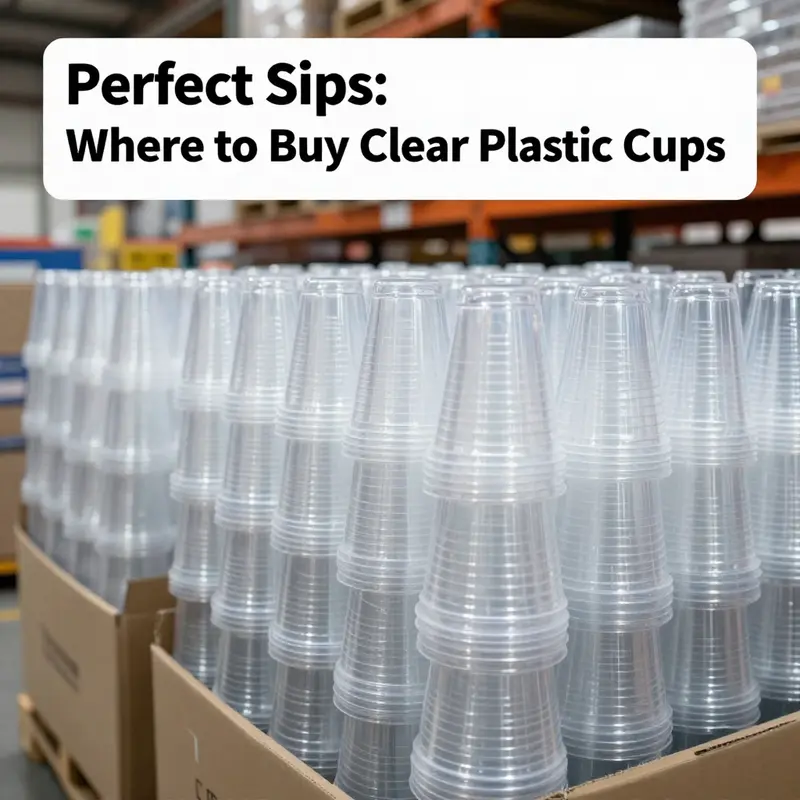
The journey from concept to stocked shelves is a practical study in logistics, materials, and supplier collaboration. For event planners, cafes, and outdoor vendors, choosing the right wholesale path matters as much as selecting lids and sleeves. Clear plastic cone cups can be sourced through global marketplaces that consolidate multiple manufacturers and traders, offering visibility into specs, MOQs, lead times, and price bands. Materials vary: PET for high clarity, PP for flexibility and heat resistance, and PLA for compostable options. Each material brings pros and trade-offs in performance and sustainability, and selection should align with the beverage and waste-management strategy. Customization options, from branding to color accents, can add value but may raise MOQs and lead times. The best approach balances branding impact with production practicality, ensuring what is ordered can be delivered reliably on schedule. In practice, a well-structured procurement plan sets clear specifications (cone geometry, top and bottom diameters, wall thickness, and maximum beverage temperature) and aligns them with a tiered supplier strategy that includes primary, secondary, and contingency partners. Alongside price and lead time, buyers should verify safety certifications, packaging requirements, and compatibility with lids and sleeves to ensure leak resistance and a consistent user experience. Finally, consider shipping realities, incoterms, and clear returns or replacements processes to manage risk at scale. By anchoring decisions to a precise specification and a resilient supplier network, wholesale sourcing for clear cone cups becomes a capability that supports reliable service delivery and brand consistency.
Clear Pathways: Material Choices and Branding for Clear Cone Cups
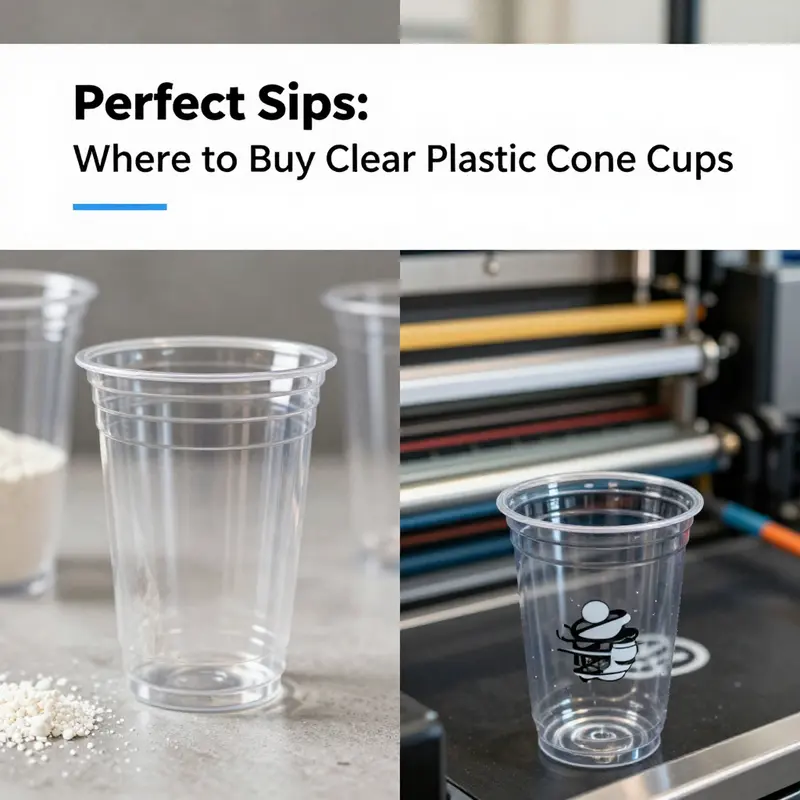
Clear plastic cone cups sit at the intersection of practicality and presentation. They are small stage props for beverages that demand visibility, yet they must stand up to daily use, shipping, and a range of environmental and regulatory expectations. The journey to choosing the right clear cone cup goes beyond price or appearance. It is a negotiation among clarity, strength, sustainability, and the branding story you want to tell. In settings from busy cafes and pop up tastings to corporate events and promotions, the cone cup becomes a canvas and a conduit for performance, sanitary assurances, and environmental commitments. To navigate this decision well, start with the material, then move through the ways brands imprint personality onto the cup, and finally consider the practical realities of sourcing at scale.\n\nThe default material many buyers encounter first is polypropylene, or PP. This thermoplastic polymer is food grade and BPA free, and it holds up well against a wide range of beverages. PP is known for its clarity, which translates into a clean window for the drink inside. The transparency matters in promotions, where a strawberry smoothie or a layered juice can be part of the advertisement itself. Beyond looks, PP offers resilience: it resists heat better than many other plastics, which means it can tolerate hot beverages, handle occasional contact with hot carts or steam, and still maintain a degree of rigidity that prevents collapse when held or stacked for transport. This combination of clarity, safety, and heat tolerance makes PP a versatile baseline for cone cups used for both everyday consumption and promotional moments.\n\nYet not every use case fits PP, and this is where PLA and PET enter the conversation. PLA, or polylactic acid, is a plant based plastic designed with the environment in mind. It is biodegradable under industrial composting conditions and marketed to brands seeking a more eco friendly footprint. For events with strong green branding or campaigns around sustainability, PLA cone cups offer a compelling narrative: a disposable cup that aligns with environmental values. However there is a trade off. PLA generally has lower heat resistance than PP, and in a scenario where a cone cup might hold a hot beverage briefly or be kept in warmer distribution environments, the risk of deformation grows. For cold beverages, desserts, or campaigns that emphasize compostability in the right facilities, PLA can be a good fit, especially when the messaging leans on the eco friendly angle.\n\nPET, or polyethylene terephthalate, is another option for clear cups. PET is prized for its high clarity and rigidity, which helps beverages look appealing through a glass like surface. It is a solid choice for cold drinks and showcase experiences, where the goal is to preserve the beverage color and glow during tasting moments. PET’s strength lies in its stiffness, which supports a sturdy handling and the option of a snug lid or an open sip. The trade off with PET concerns temperature tolerance and reuse. While PET performs well with cold drinks, it is less suited for hot beverages and for applications that expect repeated use or longer exposure to warmth. For brands emphasizing a clean, premium presentation without the environmental tradeoffs of single use plastics, PET offers a middle ground, especially in settings like cold service stations and display setups where the product appearance carries the message.\n\nFor those seeking the ultimate in durability and reusability, there is another class of cone vessels: stainless steel insulated options that echo the cone shape while delivering resistance to heat, impact, and repeated use that plastics cannot match. These metal variants are typically aimed at outdoor events, fitness settings, or venues where longer service life and robust handling matter more than one time convenience. They shift the focus from disposability to durability, from promotion to sustained use, and from surface appearance alone to thermal performance and long term cost per serving. While they diverge from the single use cone cup, their existence shows how the cone form can be adapted to align with a brands broader expectations around reuse, value, and the customer experience in different environments.\n\nCustomization becomes a way to close the loop between material choice and messaging. The most common customization methods, screen printing, laser engraving, and hot stamping, allow brands to imprint logos, taglines, or event identifiers directly onto the cup surface. In the transparent world of clear cone cups, these techniques must be precise enough not to affect clarity, yet bold enough to ensure visibility from a distance. Screen printing on a clear surface can achieve vibrant branding while leaving white space for the drink to show through. Laser engraving offers a subtle, premium feel, producing a frosted effect that communicates sophistication. Hot stamping, with color accents or metallic foils, can elevate the cup value, especially for upscale events. Some manufacturers also push the envelope with 3d printing and holographic effects on transparent cups, turning a simple vessel into a dynamic centerpiece for a brand story.\n\nThe question of size follows material and design decisions. Cone cups come in a range of volumes for different drinking contexts. A 12 ounce option suits quick service environments, a 16 ounce size supports a broader lineup, and a 20 ounce format may be preferred for promotional settings. The size interacts with the shape and lid design. A tapered cone helps with stackability and stability, while a conical form with a slightly flared top can showcase the drink color and foam. Lids add to the experience by reducing spill risk during transport and allowing for a sealing or sip through function. The combinations of size, shape, and caps offer a matrix of possibilities that a brand can align with the event type, beverage category, and promotion intensity.
Final thoughts
Navigating the purchasing landscape for clear plastic cone cups can uncover myriad options tailored to meet the demands of your beverage business. From exploring reliable suppliers on platforms like Alibaba to understanding the importance of customization and eco-friendly materials, each decision can impact your brand’s identity and performance. By harnessing this knowledge, bubble tea shops, restaurants, and event planners can acquire the right supplies that align not only with operational needs but also with market expectations. Embrace the opportunity to innovate and elevate your service with quality clear plastic cone cups.