
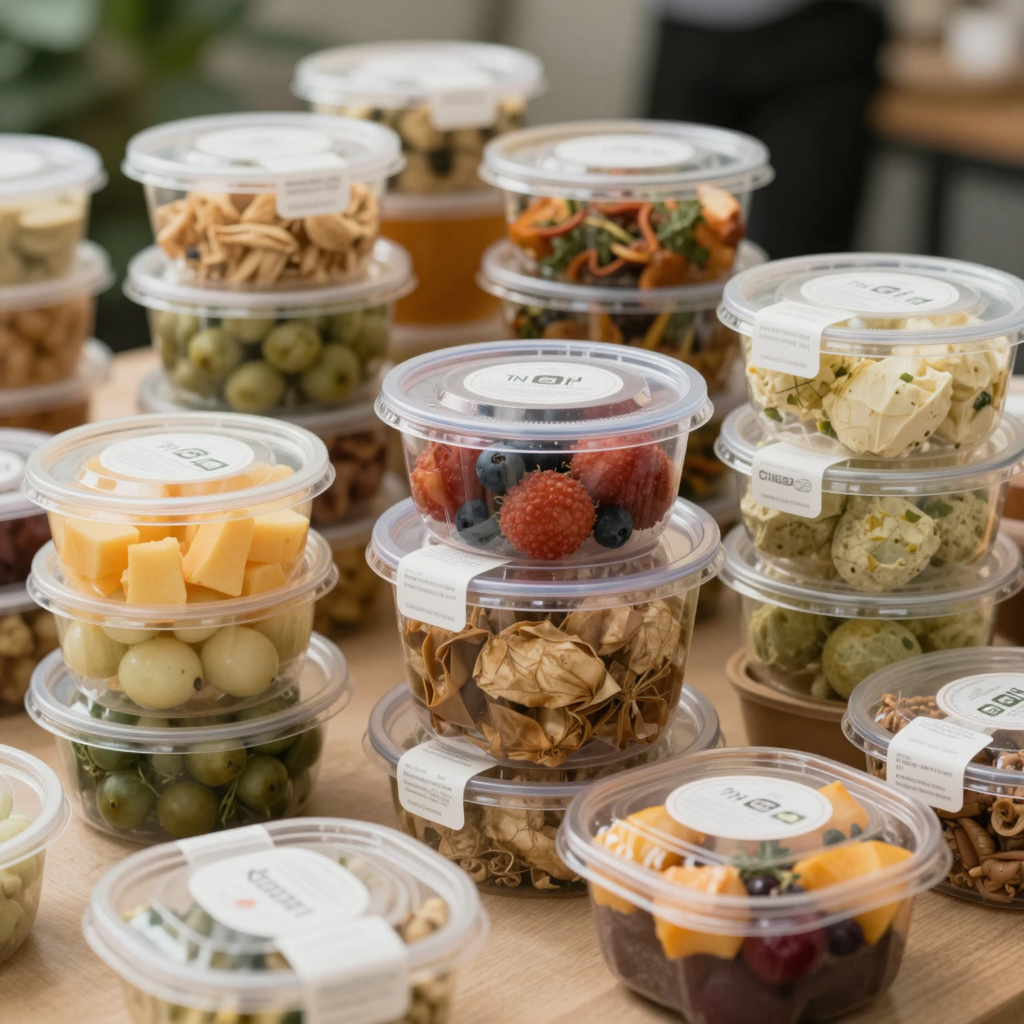
The Importance of Quality Plastic Containers for Whole Foods
In the fast-paced world of beverage-related businesses, from bubble tea shops to catering services, the quality of packaging plays a crucial role in both presentation and functionality. Using durable plastic containers for whole foods is not just about keeping things fresh; it’s about ensuring the safety and satisfaction of your customers. High-quality containers can withstand the rigors of daily use, preventing leaks and spills that could tarnish your brand’s reputation.
Moreover, many of today’s plastic containers are designed with eco-friendliness in mind. They are recyclable and many manufacturers are working diligently to create sustainable options that reduce waste and promote a healthier planet. Incorporating these containers into your business model can enhance your brand’s commitment to the environment, appealing to eco-conscious consumers who prioritize sustainability in their purchasing decisions.
By investing in quality plastic containers, you’re choosing durability, safety, and responsible environmental practices, all of which contribute positively to your brand’s image and customer loyalty. If you’re looking to elevate your packaging solutions, check out our range of options for takeaway boxes and cups.
Key Features of Whole Foods Plastic Containers
When it comes to convenience and safety in food storage, Whole Foods plastic containers stand out with a range of outstanding features tailored for any culinary environment, particularly for businesses like bubble tea shops, restaurants, and food trucks. Here’s what to expect from these versatile containers:
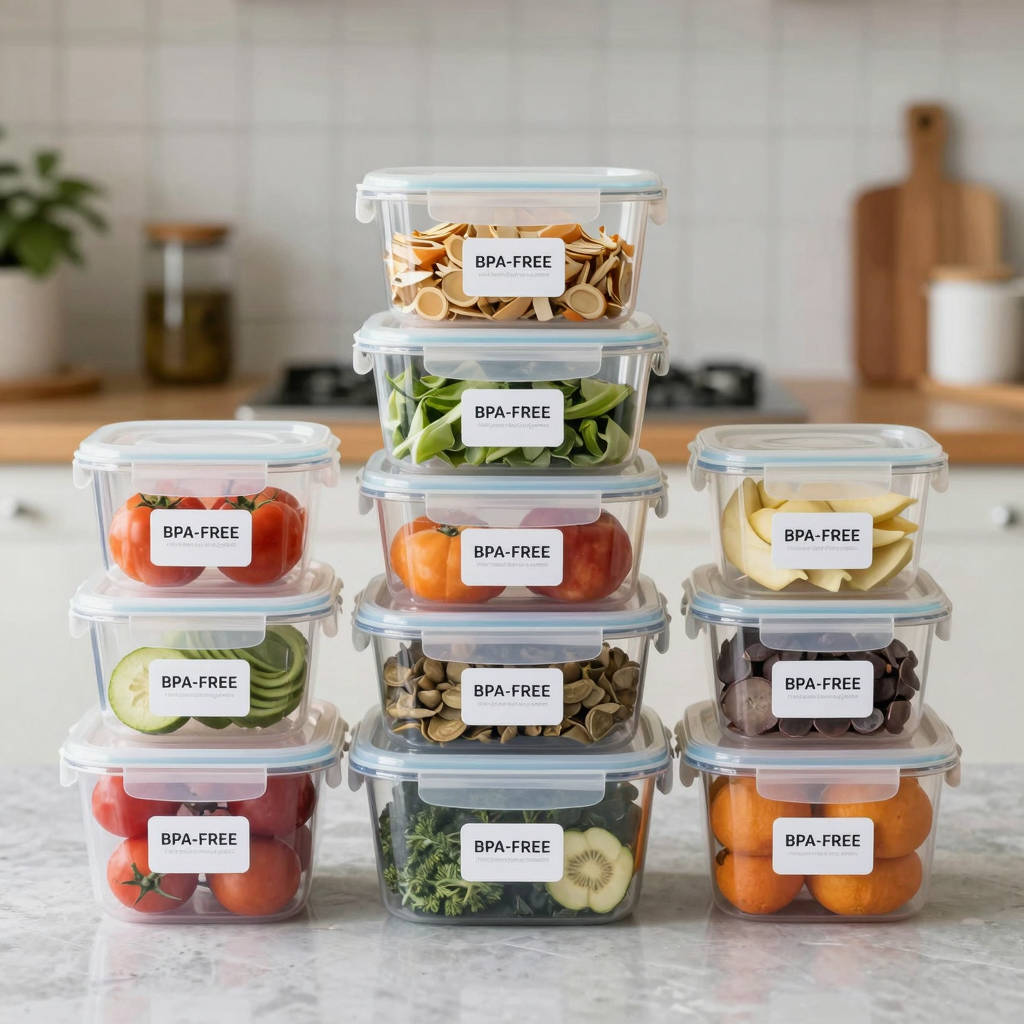
1. BPA-Free Materials
A top priority for many consumers and businesses is food safety. Whole Foods plastic containers are crafted from high-quality BPA-free materials. Bisphenol A (BPA) is a chemical often found in plastics that can seep into food and beverages, potentially causing health issues. By using BPA-free materials, these containers eliminate the risk of harmful chemicals leaching into meals, making them a safer choice for storing and reheating food. This feature is especially beneficial for those storing acidic or heated foods, ensuring safety for both customers and staff. Learn more about the benefits of BPA-free plastics here.
2. Leak-Proof Design
Another fantastic aspect of Whole Foods plastic containers is their innovative leak-proof design. These containers are engineered with secure locking mechanisms that prevent spills and leaks, making them ideal for on-the-go food storage and transportation. This feature is particularly useful for catering services and food trucks, where maintaining food integrity during transit is crucial. Whether it’s a hearty meal or a refreshing bubble tea, these containers ensure that the contents stay intact, providing peace of mind to food providers.
3. Microwave-Safe Options
Many Whole Foods plastic containers are microwave-safe, allowing for the easy reheating of meals right in their storage container. This functionality is a game-changer for businesses that serve prepared meals or takeout, as it reduces the need for additional dishes and simplifies meal service. Using microwave-safe containers means that food can be easily reheated without transferring to different dishes, conserving both time and effort.
4. Variety of Sizes and Styles
Whole Foods plastic containers come in an array of sizes and styles, catering to different food storage needs. Whether you’re packing small portion snacks or large meal prep items, there’s a suitable container for every requirement. The stackable designs optimize storage space, which is particularly beneficial for busy establishments needing to maximize efficiency.
5. Durable and Reusable
Designed for durability, these containers withstand regular use, making them an excellent sustainable option. Restaurants can wash and reuse them multiple times, reducing waste and benefiting the environment. By investing in reusable containers, businesses also save money in the long run.
In summary, Whole Foods plastic containers offer a compelling combination of safety, convenience, and durability, making them an ideal choice for anyone in the food service industry. As you consider options for your establishment, these features ensure that you can maintain quality and satisfaction in your food offerings. For a variety of plastic containers for your business, explore our selection today!
| Type | Material (Recycling Code) | Size Range | Price Range (per unit) | Eco-Friendliness Rating (1-5, 5=Most Sustainable) | Key Notes |
|---|---|---|---|---|---|
| PET Food Container | Polyethylene Terephthalate (#1) | 200ml – 1L | $0.018 – $0.025 | 2 | Commonly used for single-use water and beverage bottles; recyclable but not ideal for repeated heating or high-fat foods due to potential chemical leaching. Not recommended for microwave use. |
| HDPE Food Container | High-Density Polyethylene (#2) | 300ml – 4L | $0.049 – $0.072 | 3 | Widely used in milk jugs and storage containers; more durable than PET; resistant to chemicals and moisture; recyclable but less commonly reused for food storage. |
| Polypropylene (PP) Food Container | Polypropylene (#5) | 250ml – 1.5L | $0.049 – $0.135 | 4 | Highly heat-resistant (up to 160°C); safe for microwave, dishwasher, and freezer use; widely used in reusable meal prep boxes and takeout containers; considered one of the safest plastics for food contact. |
| LDPE Food Container | Low-Density Polyethylene (#4) | 200ml – 1L | $0.060 – $0.080 | 2 | Flexible and commonly used in plastic wraps and bags; not typically used for rigid food containers; limited recycling infrastructure; prone to microplastic shedding. |
| PS Food Container | Polystyrene (#6) | 150ml – 600ml | $0.018 – $0.024 | 1 | Often found in disposable foam takeout containers; breaks down at high temperatures; can release styrene (a possible carcinogen) when heated; poorly recyclable and environmentally persistent. |
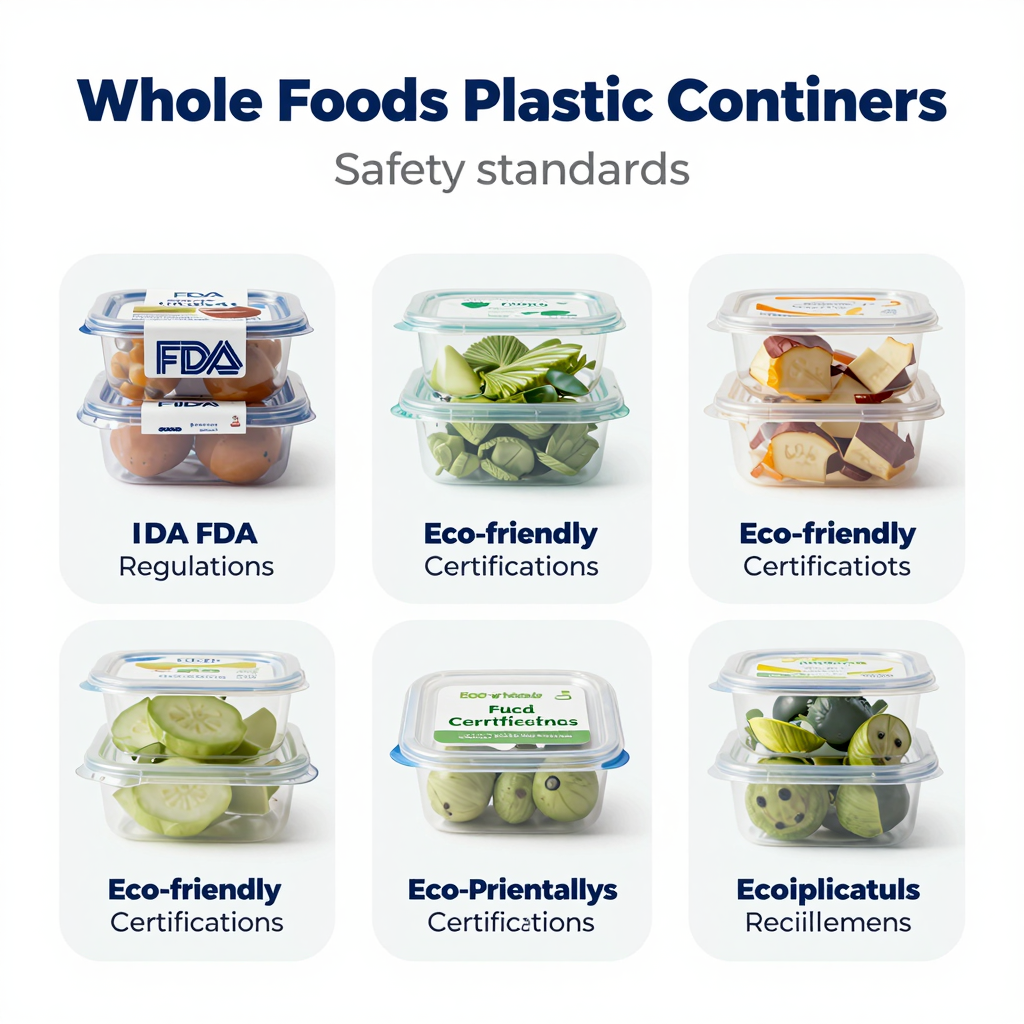
When it comes to whole foods plastic containers, safety is paramount. These containers must comply with stringent safety standards set forth by regulatory bodies such as the U.S. Food and Drug Administration (FDA). Under regulations outlined in 21 CFR Part 177, plastics used for food contact must undergo a series of safety assessments to ensure they do not leach harmful substances into food. For example, materials such as high-density polyethylene (HDPE), low-density polyethylene (LDPE), and polypropylene (PP) are often preferred because they are stable and have low migration rates. Furthermore, all plastic food containers must meet specific maximum limits for migrants-substances that could migrate from the container to food-ensuring safety during daily use.
In addition to FDA regulations, eco-friendly certifications like those from the Biodegradable Products Institute (BPI) or Green Seal are increasingly important for consumers and businesses alike. These certifications guarantee that the materials are sourced sustainably and will break down naturally, minimizing environmental impact. Adopting containers that hold both safety and eco-friendliness in high regard not only fulfills legal requirements but also aligns with consumer preferences for sustainable products. As the market evolves, staying informed about compliance measures and eco-standards is crucial for businesses in the food and beverage sector, ensuring both safety and sustainability in their operations.
For a closer look at compliant products, check out these options and eco-friendly container choices.
Benefits of Using Quality Containers
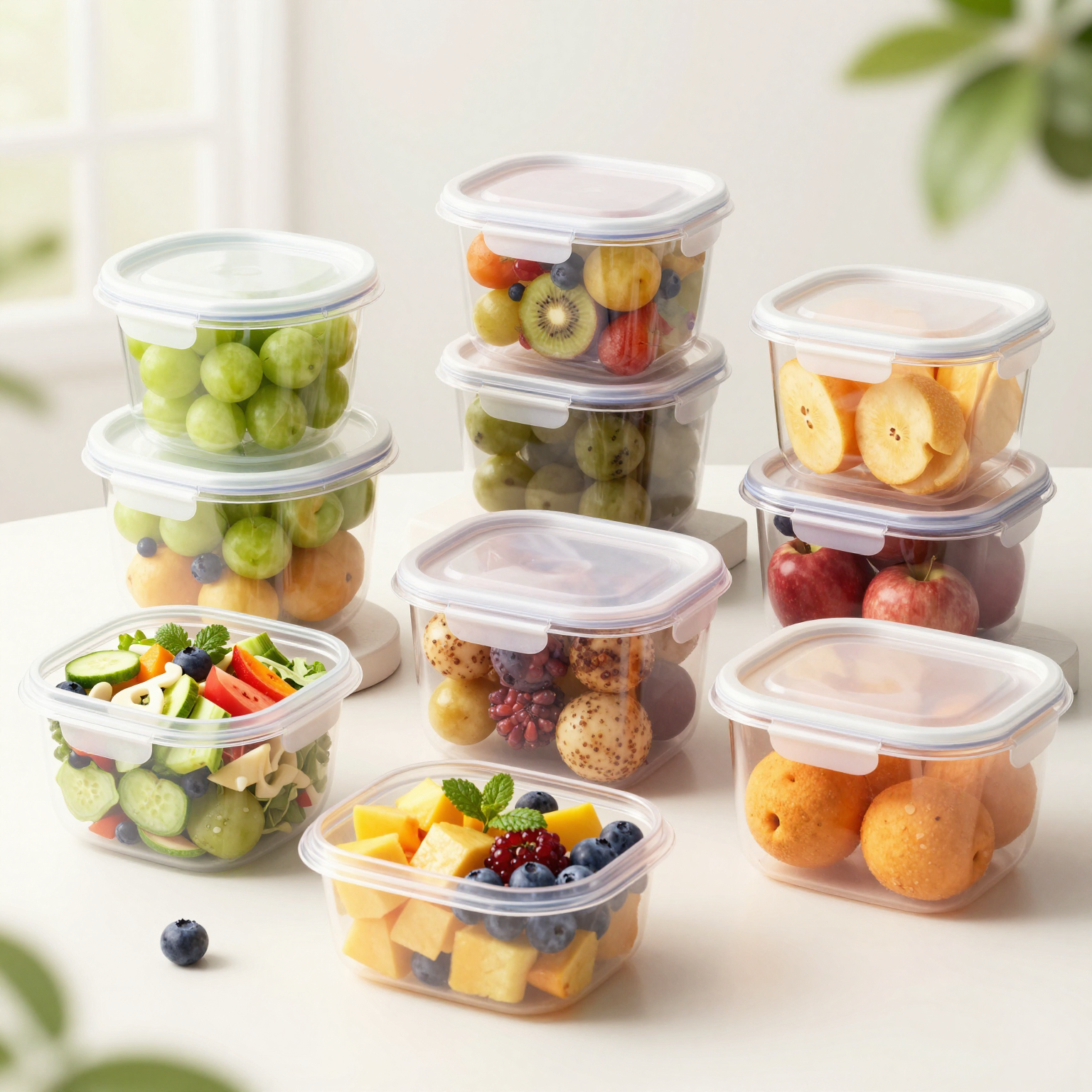
When it comes to running a bubble tea shop or any food-related business, the choice of containers can significantly impact operations and customer satisfaction. Here are the key benefits of using high-quality whole foods plastic containers:
- Food Safety: High-quality containers prevent contamination from microorganisms, ensuring safer food handling and storage, as they effectively isolate air and moisture.
- Durability: These containers are designed to last longer, reducing the frequency of replacements and associated costs.
- Enhanced Freshness: Quality containers maintain the integrity and freshness of food and beverages, resulting in better taste and quality.
- Sustainability: Many high-quality options are made from recyclable materials, helping businesses meet environmental goals.
- Cost Efficiency: Investing in durable containers can lead to lower long-term costs by minimizing waste and spoilage.
For more insights, learn more about our container options. Additionally, you can explore our takeaway boxes for various uses.
Customer Testimonials
At EcoCupBowl, we take immense pride in the quality of our whole foods plastic containers and the exceptional service we provide to our clients. Don’t just take our word for it – here’s what our customers are saying:
“I recently started using EcoCupBowl’s containers for my bubble tea shop, and I couldn’t be happier! The quality is top-notch; I love how the containers keep everything fresh and intact during transport. Plus, their service is prompt and reliable!”
- Maya, Owner of Bubble Tea Bliss
“As a caterer, presentation is everything. The whole foods plastic containers from EcoCupBowl look elegant and help elevate our brand. Our clients appreciate the leak-proof design that ensures their meals arrive perfectly. It’s a game changer!”
- Mark, Event Planner at Gourmet Events
“I appreciate EcoCupBowl’s focus on sustainability while maintaining high-quality products. Their containers are reusable and environmentally friendly, which resonates with my customers. I recommend them to anyone in the food industry!”
- Linda, Owner of Green Platter
These testimonials reflect our dedication to providing exceptional products that meet the needs of our diverse clients, from restaurants to food trucks and catering services. To explore our offerings, visit our takeaway boxes collection or check out our wide range of different containers today!
Pricing Overview for Whole Foods Plastic Containers
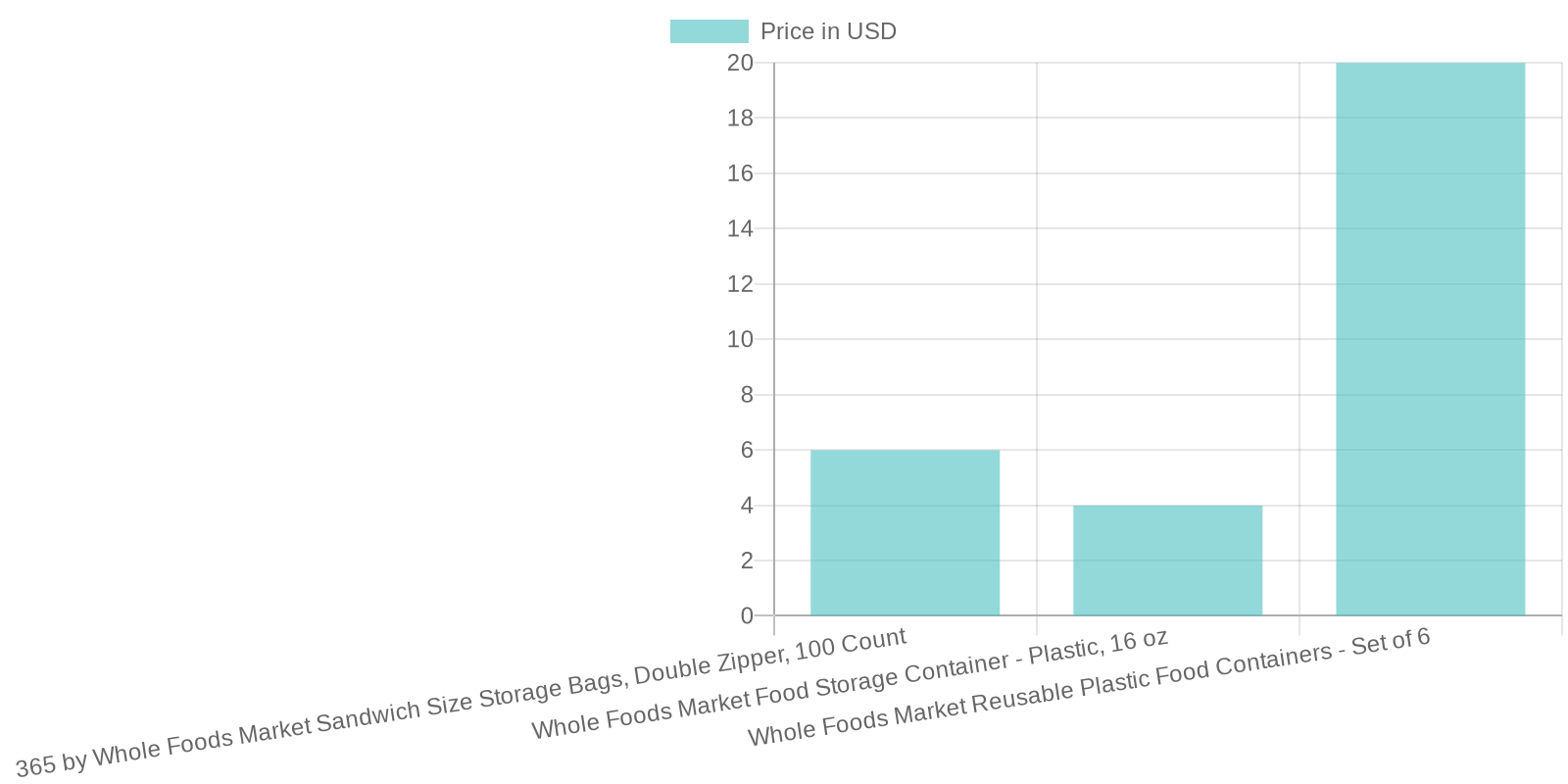
Here is a chart showcasing the competitive pricing of various whole foods plastic containers:
| Product Description | Price (USD) |
|---|---|
| 365 by Whole Foods Market Sandwich Size Storage Bags, Double Zipper, 100 Count | $5.99 |
| Whole Foods Market Food Storage Container – Plastic, 16oz | $3.99 |
| Whole Foods Market Reusable Plastic Food Containers – Set of 6 | $19.99 |
Explore more options for disposable containers and takeaway boxes!
In conclusion, the benefits of choosing disposable tableware and packaging solutions are manifold. From enhancing operational efficiency and reducing cleaning costs to ensuring food safety and hygiene, these products meet the evolving needs of the food service industry. Particularly during periods of heightened health awareness, such as the COVID-19 pandemic, ensuring a sanitized and convenient dining experience has become paramount for businesses. Moreover, the rise of sustainable materials, like biodegradable and compostable options, allows companies to align with environmentally conscious consumer values.
By integrating high-quality disposable solutions from EcoCup into your operations, you can not only streamline your service delivery but also enhance customer satisfaction and faith in your brand. Whether you’re operating a bubble tea shop, a restaurant, food truck, or planning events, our products are tailored to suit your diverse needs.
Visit our website to explore an extensive range of eco-friendly packaging options that can elevate your food service. Choose EcoCup’s disposable tableware and packaging solutions today for a sustainable and efficient tomorrow!
1. What are Whole Foods plastic containers made from?
Whole Foods plastic containers are primarily made of #5 polypropylene (PP), which is widely recognized as a safe material for food storage. These containers are designed to meet FDA safety standards and are free from harmful chemicals like BPA and phthalates. For more detailed information about the material used, visit Whole Foods Market’s FAQs.
2. Are Whole Foods plastic containers safe for food storage?
Yes, Whole Foods plastic containers are safe for food storage when used properly. They are approved by health authorities and are suitable for refrigeration and microwave reheating at medium power. However, it’s recommended not to expose them to extreme heat such as in an oven or on high heat settings. Additionally, if any container shows signs of wear or damage, it should be replaced to ensure safety. For more information, check the FDA guidelines on plastic food containers.
3. How should I care for my plastic containers?
To extend the life of your Whole Foods plastic containers:
- Avoid using them to heat food at high temperatures.
- Do not store acidic foods (like tomato sauce) for extended periods, as this may lead to chemical migration into the food.
- Always clean them according to the manufacturer’s instructions to avoid degradation over time.
4. How can I order Whole Foods plastic containers?
Ordering Whole Foods plastic containers is easy and can be done through the official website ECOCUP BOWL where you can find a variety of options available for different needs. They often offer bulk purchasing options which may benefit businesses like restaurants and food trucks in streamlining their supply.
5. Can I customize my orders for plastic containers?
Yes, many suppliers, including those linked on EccoCup Bowl, offer customization options for plastic containers, such as printing your brand’s logo or designing specific sizes according to your needs. Consider exploring options in our takeaway boxes collection for tailored solutions.
Conclusion
Whether you’re managing a bubble tea shop, running a restaurant, or planning an event, understanding the usage and safety of your Whole Foods plastic containers is vital. Always remember to choose high-quality, safe materials for your food storage needs. If you have more questions, feel free to reach out or explore our collection further!