
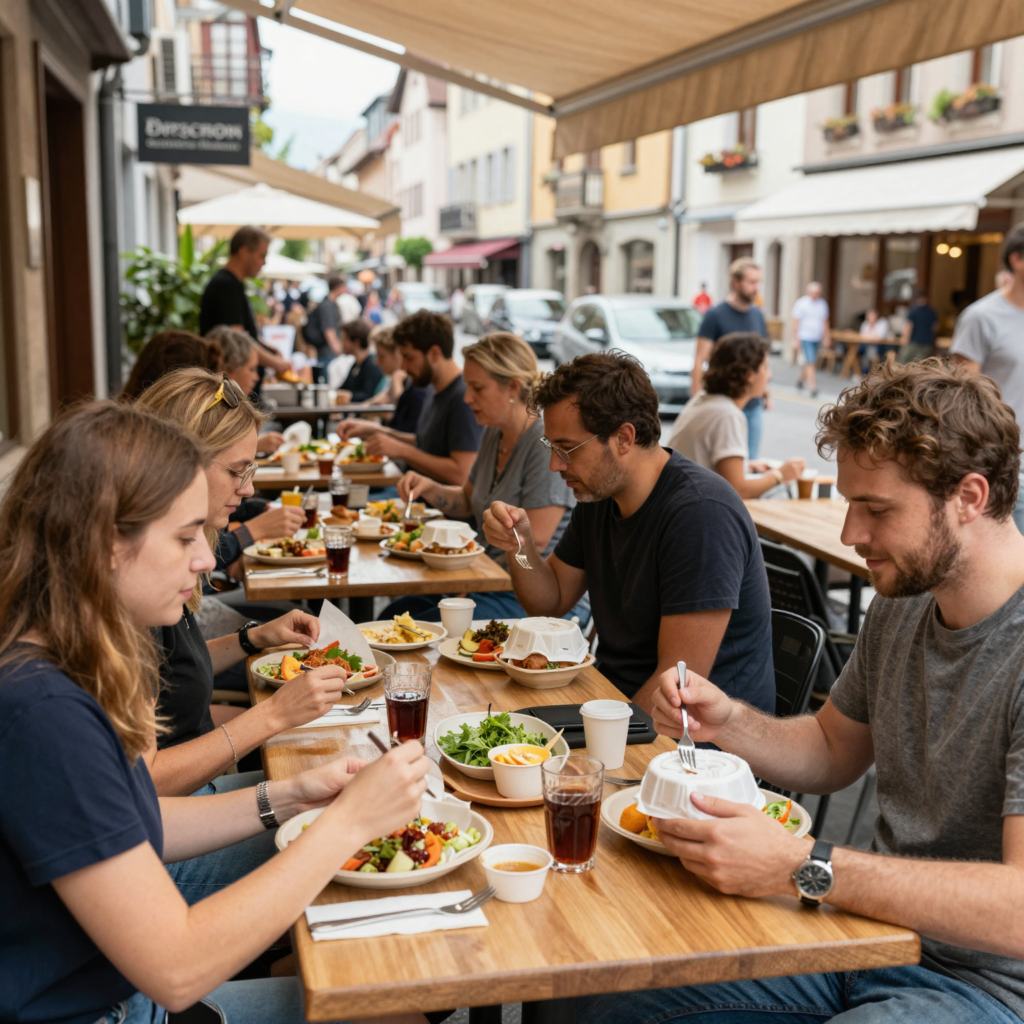
In the picturesque town of Allauch, France, the demand for reliable and eco-friendly plastic packaging food containers is on the rise, particularly among bubble tea shops, beverage chains, and local restaurants. As consumer preference shifts towards sustainable practices, it has become crucial for food businesses to adopt packaging solutions that not only protect their products but also enhance their brand image. With the increasing popularity of takeout and delivery services, the right plastic packaging can make a significant difference in customer satisfaction and retention. Vendors are now seeking versatile, durable, and environmentally responsible options to meet the needs of their clientele. This trend is not just a passing phase; it’s a commitment to a greener future that resonates with consumers and businesses alike. If you’re looking to explore options that combine quality and sustainability, take a look at our selection of eco-friendly packaging solutions that can elevate your service.
The Importance of Packaging in the Food Industry
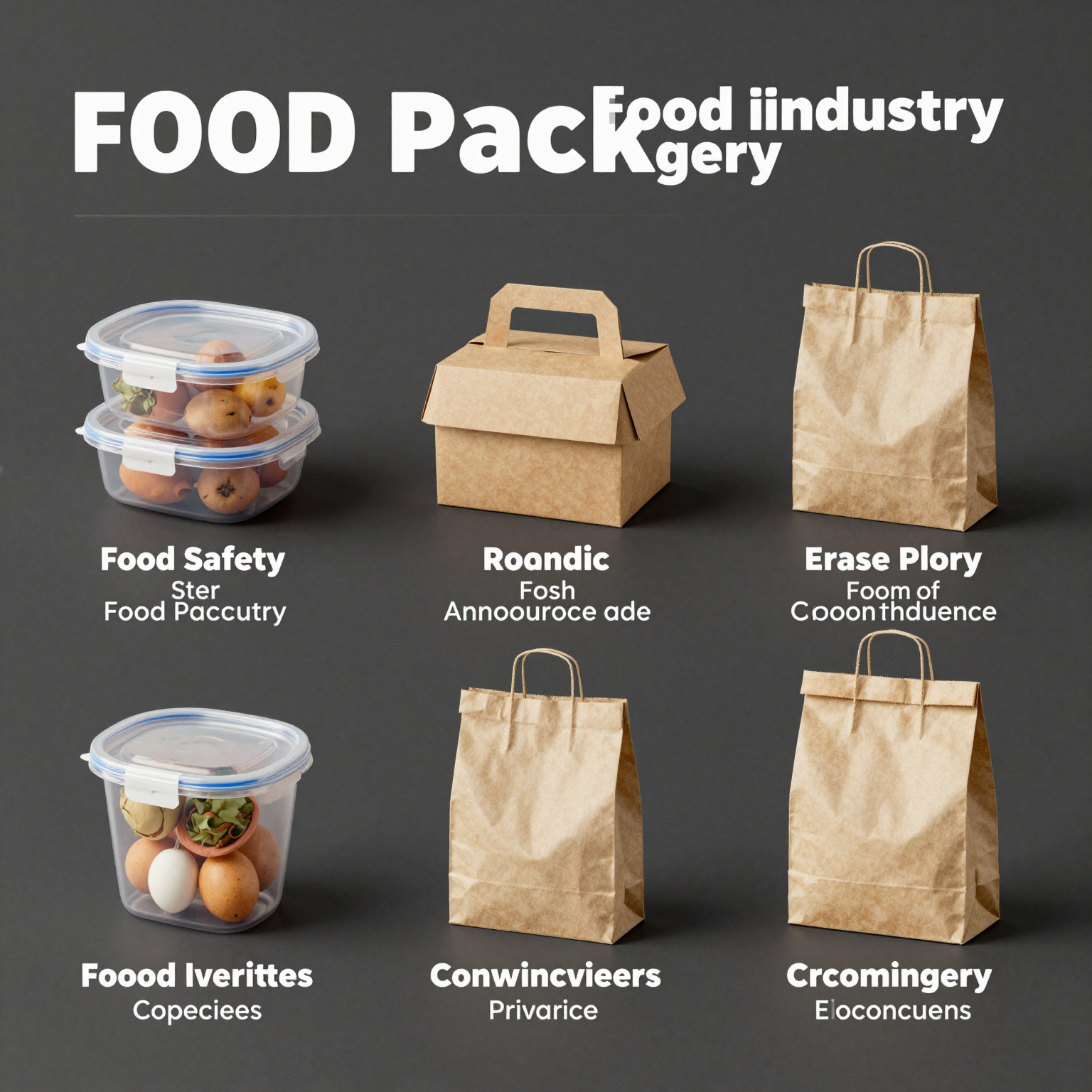
Packaging plays a pivotal role in the food industry, particularly in Allauch, where restaurants, bubble tea shops, food trucks, and catering services thrive. The significance of food packaging, especially plastic food containers, can be broadly categorized into three essential elements: food safety, presentation, and convenience.
Food Safety
One of the primary functions of packaging is to ensure food safety. Effective packaging serves as a protective barrier against contaminants, including dust, moisture, and harmful microbes. Modern packaging techniques, such as vacuum sealing and modified atmosphere packaging (MAP), extend the shelf life of products by minimizing spoilage and preventing potential health hazards. For instance, consumers are increasingly aware of food safety standards and often look for packaging that showcases tamper-evident seals and clear expiration dates. This transparency fosters trust and encourages informed purchasing decisions. Learn more about food packaging trends.
Presentation
The presentation of food packaging is another critical factor that influences consumer choices. Attractive packaging not only catches the eye but also conveys brand identity. Brilliant colors, compelling designs, and clear labeling can significantly enhance a product’s marketability. According to a 2023 trends report, packaging that effectively communicates nutritional information and quality signals can transform consumer perception and encourage purchases. Customers tend to favor products that look appealing and well-packaged, linking quality and safety with attractive presentation.
Convenience for Customers
In today’s fast-paced world, convenience is key. Packaging that facilitates easy handling, portion control, and portability can significantly enhance customer satisfaction. Features like resealable packs, easy-open designs, and transport-friendly containers enable consumers to enjoy food on-the-go without sacrificing quality or freshness. Furthermore, innovative packaging solutions that provide easy access while minimizing waste are in high demand, particularly among younger consumers looking for hassle-free meal options.
As we see, effective food packaging in Allauch, France doesn’t just preserve food; it plays an integral role in enhancing food safety, improving product presentation, and providing convenience to customers. Explore our range of takeaway food containers to find the perfect solution for your business!
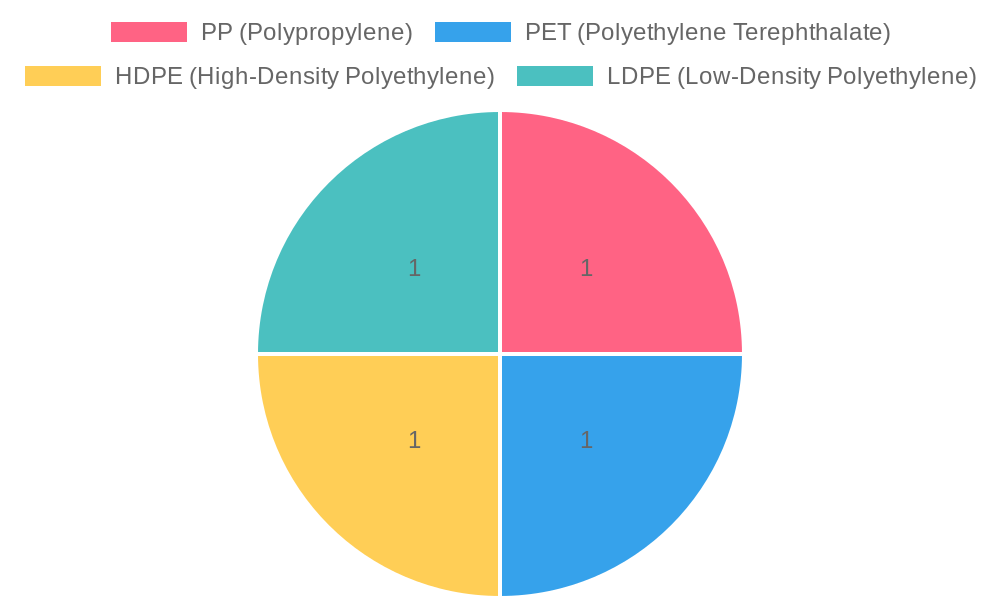
Comparison of Different Types of Plastic Food Containers
This table compares various types of plastic food containers commonly used in the food industry, focusing on their durability, eco-friendliness, and suitability for different food temperatures.
| Type | Durability | Eco-Friendliness | Suitability for Hot/Cold Food | Example Use Cases |
|---|---|---|---|---|
| PP (Polypropylene) | High – strong, heat-resistant, reusable | Moderate – recyclable (#5), can be made from renewable resources with additives for faster degradation | Suitable for both hot and cold food; microwave-safe up to 200°C (392°F) | Microwavable lunch containers, food storage boxes, meal prep containers, fast food packaging |
| PET (Polyethylene Terephthalate) | Moderate – lightweight but brittle when heated | Low – widely recycled (#1), but not suitable for repeated use or high heat | Not suitable for hot food; ideal for cold beverages and short-term storage | Single-use water bottles, soda bottles, cold drink containers, salad clamshells |
| HDPE (High-Density Polyethylene) | High – durable, impact-resistant, resistant to chemicals | Moderate – recyclable (#2), commonly reused in recycling programs | Suitable for cold and room-temperature foods; not recommended for microwave use | Milk jugs, detergent bottles, juice containers, grocery bags |
| LDPE (Low-Density Polyethylene) | Low – flexible, less rigid, prone to tearing under stress | Low – recyclable (#4) but often not accepted in curbside programs; commonly used for single-use items | Suitable only for cold food; not safe for heating or hot liquids | Plastic wrap, sandwich bags, produce bags, flexible food packaging |
For more on eco-friendly food container options, explore our selection of eco-friendly packaging.
Eco-Friendliness of Plastic Packaging
As consumers become more environmentally conscious, the demand for eco-friendly plastic packaging continues to rise. Plastic packaging, often viewed negatively, has made significant strides toward sustainability through innovative practices and materials that cater to the needs of businesses and consumers alike.
Recyclable Options
Recyclable plastics have become a staple in the movement toward sustainable packaging. Many manufacturers are now producing containers and packaging materials that can be easily recycled. For instance, the recycling symbol is often displayed prominently on eco-friendly plastic containers, helping consumers easily identify which products they can recycle. Materials like polyethylene (PET) and high-density polyethylene (HDPE) are widely used in food containers, as they are some of the most recycled plastics and can be processed into high-quality recycled materials.
Recent initiatives from various regulators indicate a shift toward comprehensive recycling practices. For example, there is a target set by the EU for all packaging to be fully recyclable by 2030, encouraging industries to provide clearer signage on recycling practices and increase the use of recyclable materials in consumer products. This is especially vital for business operations in food and beverage sectors, such as bubble tea shops and food trucks, which can make impactful changes with recyclable packaging options. You can explore eco-friendly box options that align with these sustainability goals.
Innovations in Biodegradable Plastics
Innovations in biodegradable plastics are transforming the packaging landscape. These materials, often derived from renewable resources like plant starches and vegetable fats, are designed to break down more quickly than traditional plastics when exposed to specific conditions. Examples include biodegradable plastics made from polylactic acid (PLA), which can decompose in industrial composting facilities and are gaining popularity for food packaging purposes.
A notable trend in this area is the development of materials that not only meet the functional requirements of packaging but also integrate seamlessly into the natural environment. For instance, new technologies are being employed to create biodegradable films from seaweed and agricultural waste, which can effectively reduce plastic pollution while providing valuable safeguarding for food products.
Companies that adopt these biodegradable solutions not only fulfill a growing market demand but also enhance their brand’s reputation among eco-conscious consumers. Engaging in practices that prioritize sustainability can provide businesses with a competitive edge in today’s eco-aware marketplace. Brands can discover a range of sustainable food packaging solutions, including biodegradable and compostable packing options that reflect their commitment to the environment.
Conclusion
The shift toward eco-friendly practices in plastic packaging is not just a trend, but a vital evolution in the way businesses interact with the environment. By investing in recyclable options and embracing innovations in biodegradable plastics, restaurants, food trucks, and catering services can significantly reduce their carbon footprint while appealing to a customer base increasingly concerned with sustainability.
Overview of Food Packaging Regulations in France
As the need for food safety and environmental protection continues to rise, France has established rigorous regulations governing food packaging. These regulations aim to ensure that all packaging materials are safe for food contact, environmentally friendly, and compliant with both EU and national standards. Below is a summary of the key regulations affecting restaurants and catering services, emphasizing their responsibility towards safe packaging practices.
Key Regulations
-
Core Regulatory Framework
The principal framework governing food packaging in France is based on EU Regulation (EC) No 1935/2004, which stipulates that materials intended to come into contact with food must not transfer harmful substances to food substances. Any materials used must also maintain the quality of the food. -
Safety Standards
Businesses must ensure that all food packaging materials comply with stringent safety standards, which include: -
Good Manufacturing Practice (GMP) that ensures no contaminants are introduced during production.
-
Prohibited use of hazardous materials like lead, which is restricted to limits of less than 0.01 mg/kg.
-
Specific chemical compounds, such as bisphenol A (BPA) and phthalates, are strictly regulated.
-
Updated Environmentally Friendly Guidelines
The French government has incorporated sustainability practices into its packaging laws, encouraging the use of recyclable or reusable materials. This was reinforced by the new Extended Producer Responsibility (EPR) system implemented in 2023, requiring businesses to report and finance the recycling of their packaging.
Compliance for Restaurants and Catering Services
Restaurants and catering services must navigate these regulations carefully. Key compliance aspects include:
-
Registration Under EPR: Establishments utilizing over 20,000 packaging units per year must register with the relevant environmental authorities, declaring the type and volume of packaging used, with fees applied based on the material’s recyclability. Small operators still pay annual fees of 80 EUR.
-
Documentation Required: Food service businesses must keep technical files containing suppliers’ declarations of conformity, migration test results, and certifications that demonstrate compliance with EU regulations.
-
Labeling Requirements: Packaging must be appropriately labeled in French, providing crucial information such as ingredients and allergens, as mandated by the EU Directive 2000/13/EC. Misleading labels (e.g., claiming ‘natural’ without basis) are also prohibited.
Environmental Considerations
With the implementation of the Leko registration in 2023, every food service provider is now encouraged to choose packaging that reduces environmental impact. The legislation promotes alternatives to plastic, like compostable materials, reflecting a broader societal move towards sustainability. Non-compliance can lead to penalties including fines, product recalls, or complete business suspension.
Conclusion
For restaurants and catering services in France, adherence to food packaging regulations is not just a legal requirement but a commitment to ensuring food safety while supporting environmental sustainability. As regulations evolve, it remains crucial for food service providers to stay informed and compliant. For quality packaging options, check out our biodegradable containers and takeaway boxes that align with these regulations to help meet both safety and sustainability standards.
The Importance of Quality Packaging in the Food Industry
Quality packaging solutions play a crucial role in the food industry, ensuring product safety and enhancing customer satisfaction. According to Dr. Elena Rodriguez, a food science expert at the University of California:
“A well-designed package protects the product from contamination, extends shelf life, and communicates value to the consumer. In today’s competitive market, packaging is often the first point of contact with your brand.”
This emphasizes the multifaceted benefits that good packaging brings to businesses. Not only does it help in preserving the food’s integrity, but it also serves as a critical marketing tool that can significantly influence purchasing decisions.
Moreover, an industry report by Mintel found that 72% of consumers are more likely to purchase a food product if the packaging is visually appealing and informative. This insight reveals that the impact of packaging goes beyond usability-it’s about crafting an attractive presentation that resonates with consumers.
As bubble tea shops, restaurants, and catering services navigate through a dynamic food landscape, leveraging high-quality packaging solutions from trusted suppliers such as Ecocup can greatly enhance brand value and customer satisfaction.
How to Choose the Right Packaging for Your Business
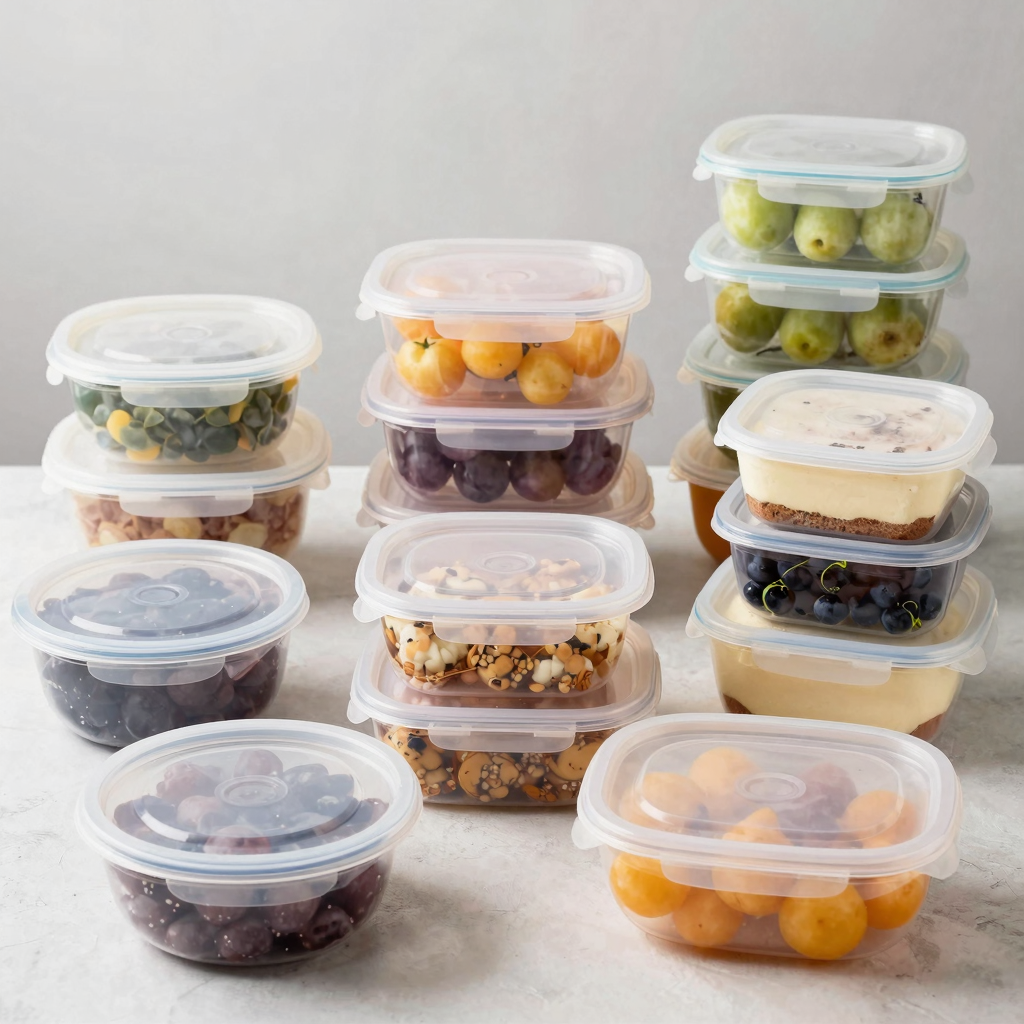
Choosing the right plastic packaging food containers is crucial for any food-related business. Whether you run a bubble tea shop, a restaurant, or a food truck, the packaging you select impacts product integrity, customer satisfaction, and regulatory compliance. This guide will walk you through essential factors to consider when selecting packaging for your food service needs.
1. Size Matters
When it comes to food packaging size, it’s essential to strike a balance. Containers should be appropriately sized for the products you serve:
- Volume: Ensure the container can hold the amount of food or liquid without spillage. Oversized containers can lead to unnecessary expenses, while undersized options might compromise food quality by compressing ingredients or preventing full portion servings.
- Storage and Transport: The size of the packaging also affects storage efficiency and ease of transport. Choose containers that stack and store easily, minimizing wasted space.
2. Material Selection
The choice of material for your packaging is equally important. Here are some popular options:
- Polyethylene Terephthalate (PET): Great for beverages, as it provides excellent clarity and barrier properties.
- High-Density Polyethylene (HDPE): Best suited for liquids like milk due to its chemical resistance.
- Polypropylene (PP): Ideal for hot-fill products, like soups and sauces.
It’s vital to ensure that your material choice complies with food safety regulations. For example, the FDA has strict requirements for materials that contact food to prevent harmful migration into the contents (check regulations like Regulation (EU) 2022/1616).
3. Compliance with Regulations
Food safety regulations are imperative when selecting packaging. Be sure to verify that your chosen materials meet local and international food safety standards. This might include:
- FDA Regulations: Materials must comply with safety and health protocols.
- ISO Certification: Look for packaging companies that have ISO 9001 certification, which ensures quality management and safety standards are met.
For instance, in Europe, new rules for the use of recycled plastics in food packaging require clear guidelines on safety standards and chemical migration limits (Source).
4. Environmental Considerations
The trend towards sustainability is shaping packaging choices today. Consider using eco-friendly materials and recycled products to appeal to environmentally conscious consumers. Companies like EcoCupBowl offer a variety of sustainable options if you’re looking to diversify your packaging strategy.
- Recyclable Materials: Ensure your packaging can be recycled and that customers are informed about proper disposal methods.
- Bamboo, Paper, and Bio-based Plastics: Explore alternatives that have a reduced environmental footprint.
5. Aesthetic Appeal and Branding
Lastly, don’t overlook the visual aspect of your packaging. Eye-catching designs can enhance your brand identity and attract customers.
- Color and Design: Use colors and styles that resonate with your branding while also making products look appealing.
- Labels and Logos: Clear labeling is essential for compliance and helps in marketing your product effectively.
Choosing the right plastic packaging food containers is integral to your business’s success in the food industry. Consider the size, material, regulatory compliance, environmental impact, and brand appeal. With careful selection, not only can you boost sales, but you also ensure that the products you serve remain fresh, safe, and delightful for your customers. For more options, take a look at our selection of food containers!
Preferred Packaging Suppliers in Allauch
For businesses in Allauch looking to source quality plastic food containers, the following preferred packaging suppliers provide excellent options:
-
Faerch – Packaging that cares
A leading sustainable food packaging supplier, Faerch specializes in reusable thermoformed food packaging with integrated recycling capabilities. Though headquartered in Denmark, they operate a comprehensive distribution network across Europe, including Allauch, making them a reliable partner for food manufacturers and retailers. -
Système de Conditionnement – Emballages Alimentaires
Based near Marseille, just 30 km from Allauch, Système de Conditionnement is well-known in the food packaging industry. They offer customized disposable and reusable food containers, including thermoformed plastic boxes and deli trays, responding quickly to local demands, making them a trusted regional supplier. -
Cepa France – Emballages alimentaires en plastique
As a key player in the French food packaging market, Cepa France focuses on PET and PP thermoformed food containers, offering a wide range of sizes from 100ml to 2000ml. Their modern production lines support custom branding and small orders, catering efficiently to clients in Allauch and surrounding areas.
Conclusion and Call to Action
In conclusion, choosing high-quality disposable tableware and packaging solutions not only enhances your operational efficiency but also safeguards food safety and aligns with eco-friendly practices. Reliable products reduce labor costs associated with cleaning and sanitization, allowing your staff to focus on what truly matters: creating an exceptional experience for your customers. Moreover, opting for sustainable materials reflects positively on your brand and meets the demands of an increasingly environmentally conscious consumer base. By investing in quality disposable solutions, you can improve customer satisfaction while supporting a greener planet.
We invite you to contact our team today for tailored quotes and expert support designed to meet the unique needs of your business. Let’s work together to elevate your brand through reliable, efficient, and sustainable packaging solutions!