
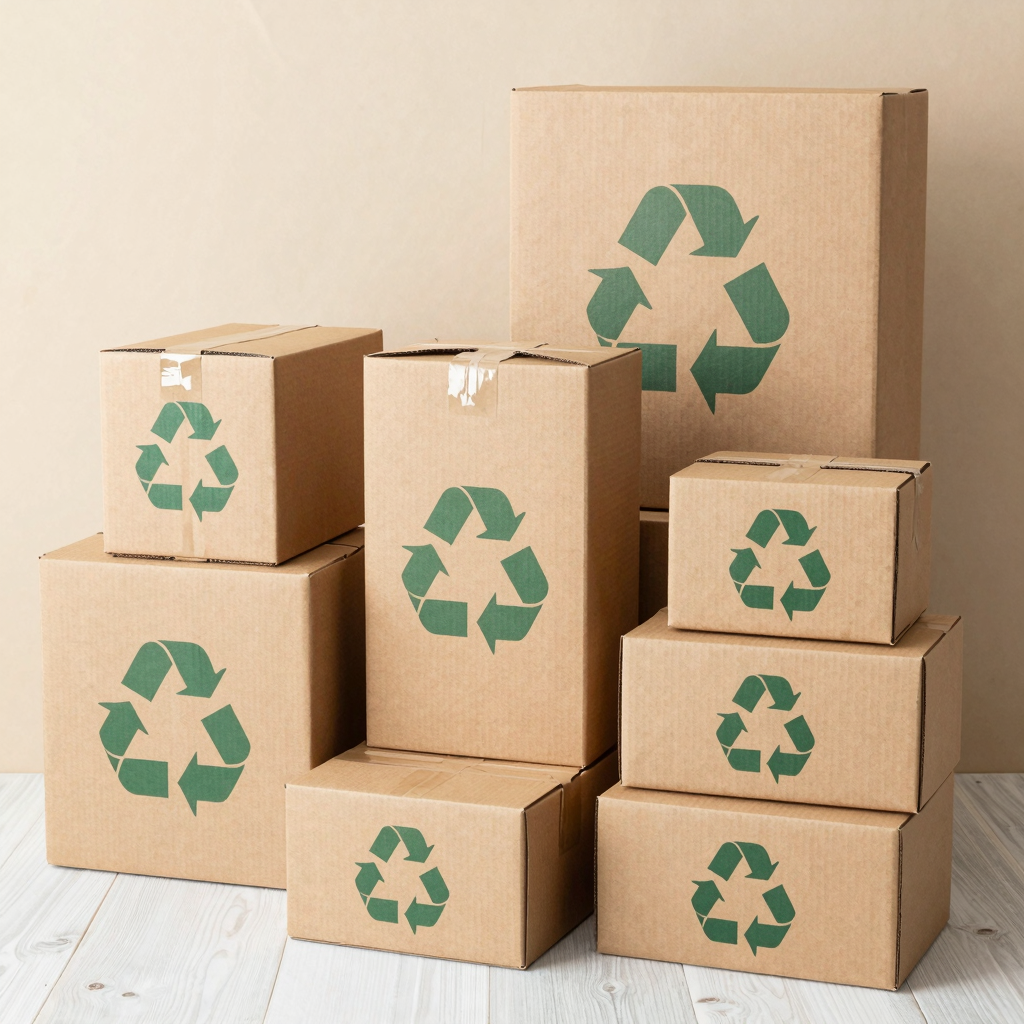
In today’s eco-conscious marketplace, sustainable packaging solutions are not merely an option but a necessity for businesses in the food and beverage industry. For Bubble Tea Shops, Restaurants, Food Trucks, and Catering Services, recyclable shipping paper boxes stand out as a vital tool in promoting an environmentally friendly brand image. These boxes not only serve as a functional means for transporting delectable items but also reflect a commitment to quality and care for the planet. With an increase in consumers seeking companies that prioritize sustainability, adopting environmentally responsible packaging can significantly elevate a business’s reputation. It shows potential customers that a brand values not just their products, but also the impact they have on the environment.
Moreover, utilizing recyclable materials minimizes waste and contributes to a circular economy, where packaging can be reused or recycled again. Such actions can resonate with a growing demographic of environmentally aware consumers who align their purchasing decisions with their values. By transitioning to eco-friendly packaging like recyclable shipping paper boxes, businesses can not only enhance their market appeal but also contribute to a more sustainable future. To learn more about how eco-friendly packaging can transform your business, check out this article on non-plastic disposable food containers and kraft paper box packaging.
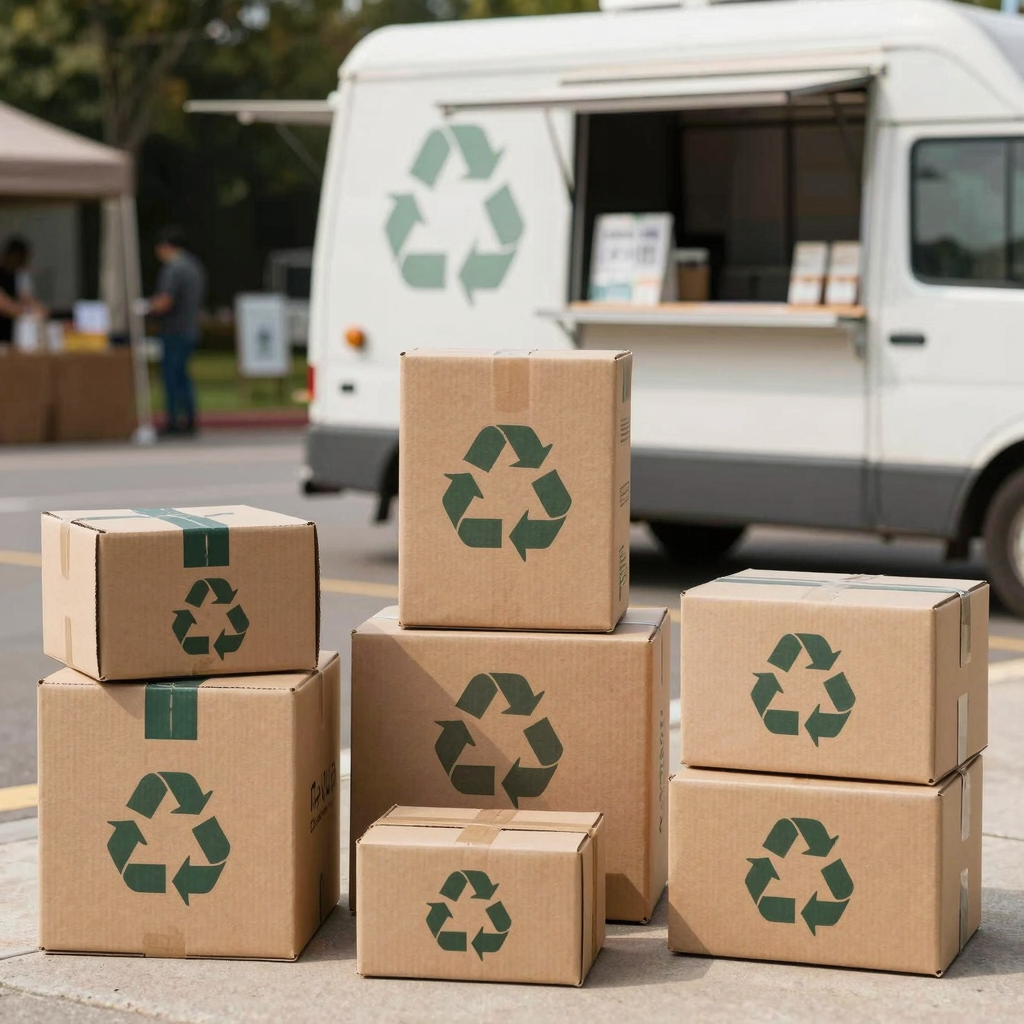
Benefits of Using Recyclable Shipping Boxes
Using recyclable shipping boxes provides numerous advantages for businesses, especially those in the food and beverage industry. Here are some key benefits:
-
Promoting Sustainability:
Contributing to environmental conservation is one of the most significant advantages of recyclable boxes. By reducing landfill waste and using materials that are either recycled or easily recyclable, you minimize the carbon footprint of your shipping processes. Switching to recyclable packaging can reduce greenhouse gas emissions by up to 25% compared to non-recyclable alternatives, according to the EPA. -
Improving Brand Image:
Customers today are increasingly environmentally conscious. By choosing recyclable packaging, your brand demonstrates a commitment to sustainability, which can enhance your image and attract eco-aware consumers. This positive perception can lead to increased customer loyalty and support for your products. As highlighted by Green Business Certification Inc., businesses that adopt environmentally friendly practices can strengthen their connection with these consumers. -
Meeting Customer Expectations:
More and more customers expect brands to provide sustainable options. Offering products in recyclable packaging is no longer a trend but a necessity to meet market demands. Packaging that aligns with consumer values can result in higher customer satisfaction and retention. -
Cost-Effectiveness:
Many recyclable shipping boxes are designed to be lightweight yet durable. This not only lowers shipping costs but also reduces fuel consumption during transport. Being cost-efficient while maintaining sustainability is a winning combination for many businesses. -
Enhanced Performance and Safety:
Recyclable shipping boxes can maintain excellent structural integrity, protecting their contents during transit. This makes them suitable for packaging a variety of products, including food and fragile items, ensuring they arrive safely at their destination.
In summary, adopting recyclable shipping boxes supports sustainability, boosts brand image, meets customer expectations, and offers cost advantages-all essential for modern businesses.
Comparing Recyclable Shipping Paper Boxes
If you’re considering eco-friendly packaging for your business, recyclable shipping paper boxes are a great choice. Below is a comparison of various recyclable shipping paper boxes that can help you make an informed decision for your bubble tea shop, restaurant, food truck, or catering service.
| Product Feature | Shanghai Factory Custom Recyclable Paper Mailer Box | Dongguan Hongxu Eco-Friendly Corrugated Mailer Box | Sustainable Foldable Kraft Paper Gift Box | Eco-Conscious Green Corrugated Shipping Carton | 5″ x 5″ Recyclable Kraft Paper Box (Alibaba) |
|---|---|---|---|---|---|
| Size | Customized (e.g., square, round) | Medium-sized, custom dimensions | Small, rectangular | Medium-sized, custom dimensions | 5 in × 5 in × 5 in |
| Weight Capacity | Not specified | Not specified | <0.5 kg | Not specified | Suitable for items up to 5 inches |
| Material | Corrugated board (paper) | Five layers of corrugated paper (BC flute) | Recycled kraft paper | Corrugated paper (BC flute) | Kraft paper with multi-wall corrugated structure |
| Thickness | Not specified | 5 mm | Not specified | 4.5-5 mm | Not specified |
| Print Options | CMYK, Pantone/PMS, Flexo, Offset | Offset printing, Pantone color | Offset printing | Flexo/Offset/Digital printing | Matte lamination, UV coating, embossing |
| Customization | Available (logo, size, color) | Available (customer’s logo) | Available (with logo) | Available (customer’s logo) | Fully customizable |
| MOQ (Minimum Order Quantity) | 500 pieces | 500 pieces | Not specified | Not specified | Not specified |
| Sample Lead Time | 2 days (US$2/piece for samples) | 5-7 days | 7-10 days | Not specified | Not specified |
| Production Capacity | 10,000/day | 10,000/day | Not specified | 10,000/day | Not specified |
| Certifications | FSC, BSCI, ISO 9001/14001 | Not specified | Not specified | Not specified | Recyclable material (certification requires confirmation) |
| Cost (per unit) | $0.19+ (for 10,000+ pieces) | Not specified | Not specified | Not specified | Not specified |
| Shipping & Delivery | Contact supplier for freight and delivery time | Sea, air, or express delivery | Bulk lead time: 15-20 days | Not specified | Not specified |
| Source URL | Made-in-China.com | Made-in-China.com | Made-in-China.com | Made-in-China.com | Alibaba.com |
Note: Pricing and specifications are based on real-time data from manufacturer listings as of April 2026. Actual costs may vary based on volume, customization, and shipping terms.
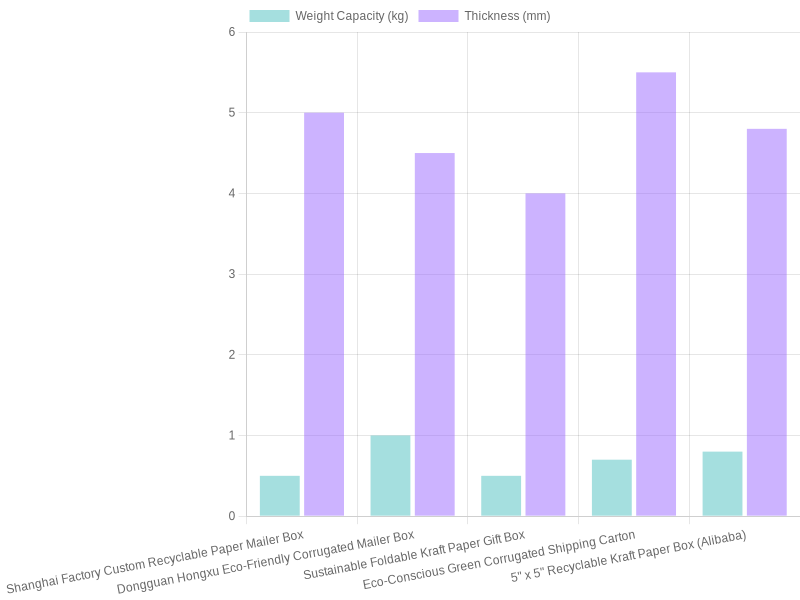
This chart visually represents some key features of the recyclable shipping boxes for quicker reference.
Impact of Eco-Friendly Packaging on Customer Preferences
In recent years, the trend towards sustainability has taken center stage in consumer decision-making, particularly in the food and beverage industry. Studies have consistently shown that customers exhibit a strong preference for businesses that utilize eco-friendly packaging. Research indicates that 85% of consumers are willing to pay a premium of 10%-20% for sustainable packaging solutions. This number reflects a significant shift in consumer attitudes, underscoring the importance of sustainability in purchasing decisions.
In a recent survey conducted by Pro Carton, 76% of respondents indicated that they consider the environmental impact of packaging when making purchase decisions. Among these, 60% believe that paper is the most sustainable material, while 81% favor packaging that can be easily recycled or composted. The findings suggest a tangible correlation between eco-conscious packaging and customer loyalty.
Moreover, a case study of Coca-Cola revealed that eco-friendly packaging significantly enhances consumer purchase intentions, particularly among younger customers and those with higher education levels. This demographic prioritizes companies that demonstrate social responsibility and environmental stewardship in their operations.
In summary, businesses, including bubble tea shops, restaurants, and catering services, can leverage eco-friendly packaging not just as a marketing tool but as a vital strategy to align with consumer values. As evidenced in various studies and surveys, adopting sustainable practices resonates well with customer preferences, ultimately driving sales and fostering brand loyalty. For more insights on sustainable packaging trends, be sure to check out our blog on non-plastic disposable food containers and Kraft paper box packaging options.
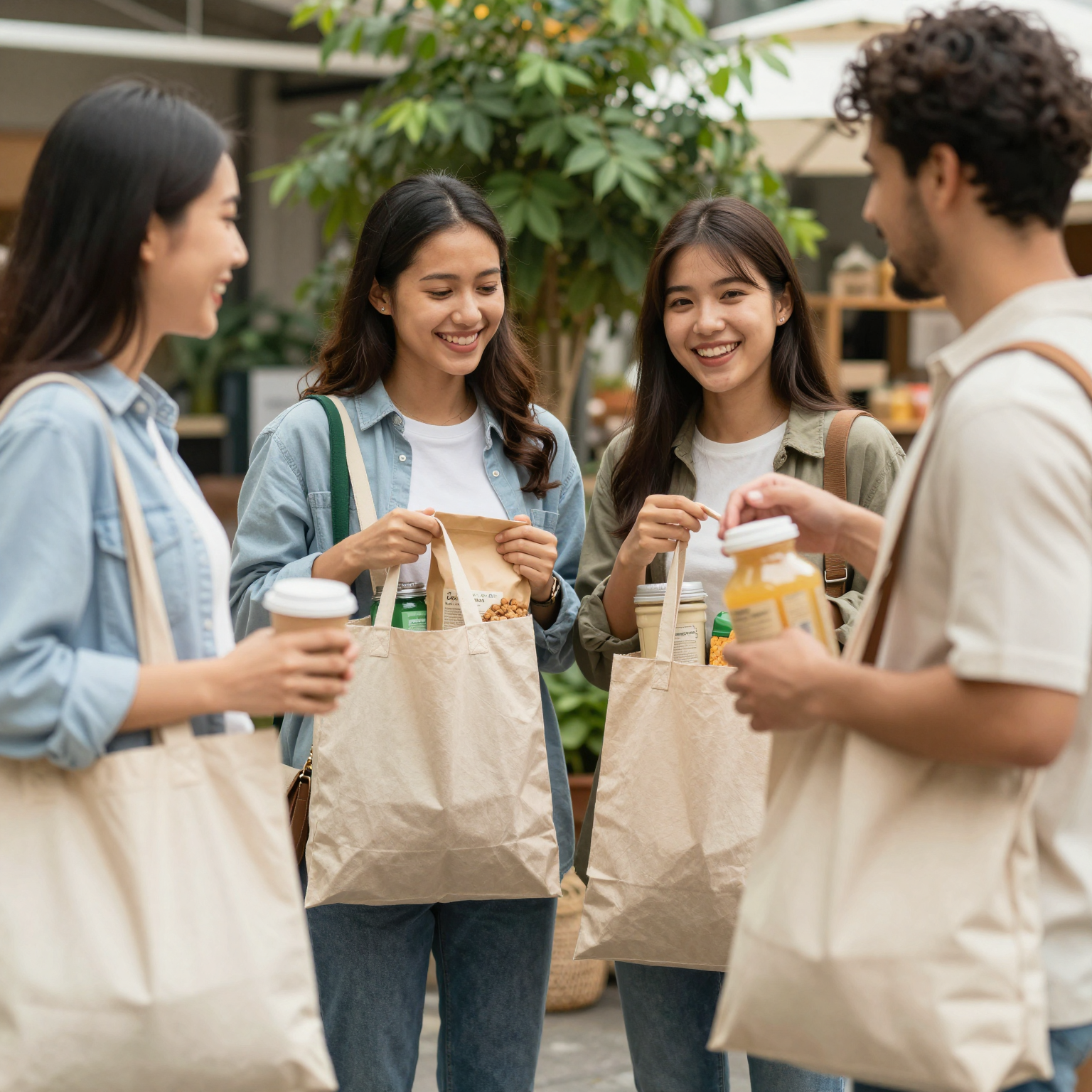
Case Study: Eco Eats Food Truck
Company Overview
Eco Eats is a sustainable food truck operating in urban areas, serving organic and locally sourced dishes. Their commitment to environmental responsibility led them to implement recyclable shipping boxes for their takeout orders.
Challenges Faced
Initially, Eco Eats faced several challenges when switching to recyclable shipping boxes:
- Cost: The transition from traditional packaging to recyclable shipping containers was more expensive and strained their budget.
- Supplier Relationships: Finding reliable suppliers who could provide high-quality recyclable boxes proved difficult.
- Customer Awareness: Many customers were accustomed to plastic packaging and needed to be educated about the benefits of recyclable materials.
Strategies Implemented
To overcome these challenges, Eco Eats adopted the following strategies:
- Creating Awareness: The food truck launched a marketing campaign emphasizing the environmental benefits of their recyclable packaging. They shared success stories about reducing waste and encouraged customers to recycle.
- Collaborating with Suppliers: They partnered with eco-friendly packaging suppliers to secure high-quality, recyclable boxes at a reduced cost.
- Incentivizing Recycling: Eco Eats introduced a reward program where customers could receive discounts for returning empty boxes for reuse.
Results Achieved
The results of these strategies have been significant:
- Increased Customer Loyalty: Eco Eats saw a 25% increase in repeat customers due to their sustainable practices.
- Waste Reduction: The food truck reduced its packaging waste by over 50%, showcasing its commitment to sustainability.
- Positive Publicity: Eco Eats gained media attention for their eco-friendly approach, leading to an increase in new customers.
This case study highlights the importance of sustainable practices in the food industry. For more insights on eco-friendly packaging solutions, learn more about our recyclable options.
Sustainability Experts’ Perspective
Using recyclable materials in packaging is not just a trend; it’s a crucial step toward creating a sustainable future. As one sustainability expert noted:
“Using recyclable materials and ensuring packaging is easy to separate and recycle is a key step in achieving a circular economy. This not only significantly increases material recovery rates but also reduces reliance on virgin resources, thereby minimizing carbon emissions and environmental pollution at the source.”
As bubble tea shops, food trucks, and catering services look for ways to enhance their environmental responsibility, adopting recyclable shipping paper boxes can contribute to a broader commitment to sustainability and eco-friendly practices.
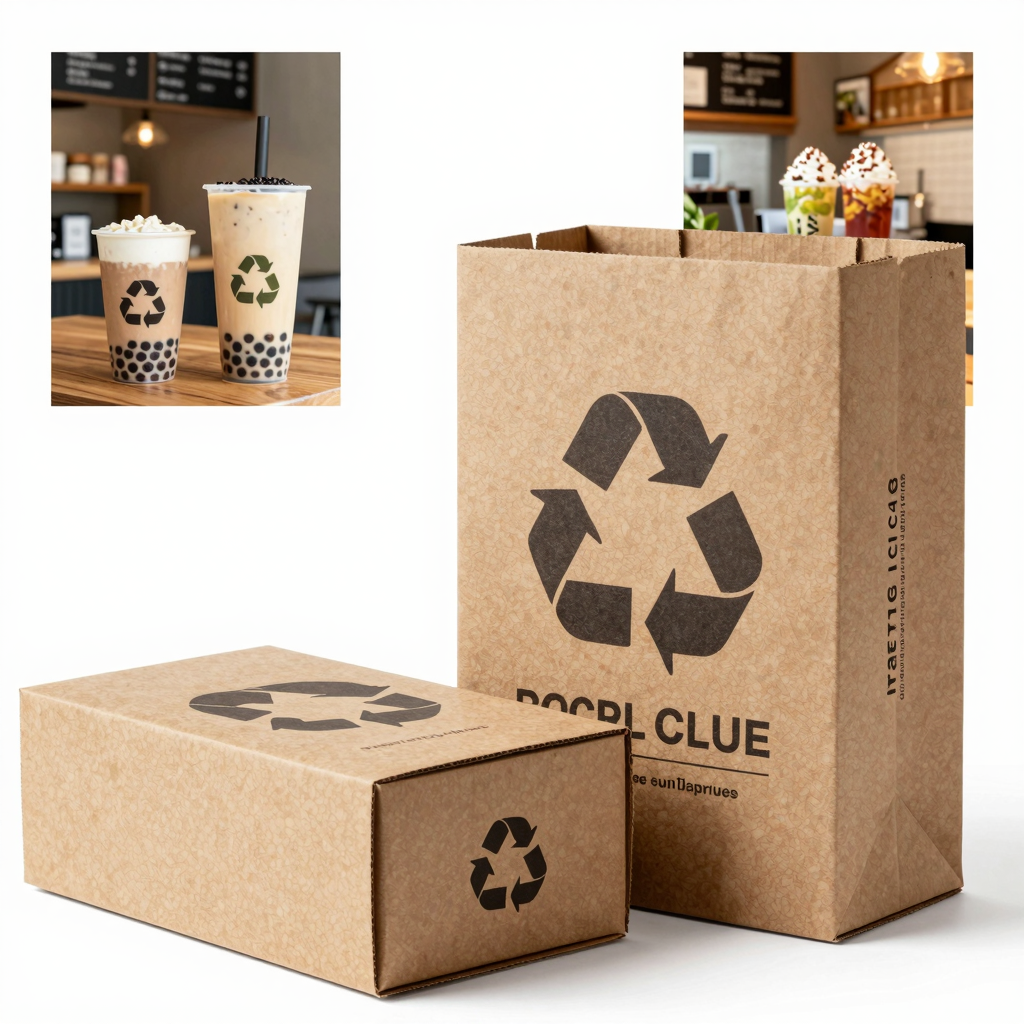
Tips for a Smooth Transition to Recyclable Packaging
Transitioning to recyclable packaging can be a significant step for businesses looking to improve their sustainability efforts and meet consumer demands. Here are some actionable tips to ensure a smooth and effective transition:
1. Evaluate Current Packaging
Assess the current packaging materials you use and identify which are recyclable. Key questions to consider include:
- What materials are currently being utilized?
- Are they recyclable or compostable?
- How can they be replaced with more eco-friendly options?
2. Research Recyclable Materials
Familiarize yourself with the various recyclable materials available, such as cardboard, certain plastics, and biodegradable options. Choosing materials like kraft paper can be beneficial.
Make sure to consider the end-of-life of your packaging materials as well.
3. Engage Suppliers Early
Work closely with your packaging suppliers to discuss your transition plans. They can provide insights on sustainable packaging options and help you with cost analysis.
- Look for suppliers who specialize in sustainable packaging and offer a variety of recyclable options.
4. Educate Your Team
Inform your team about the importance of recyclable packaging and how the transition impacts operations. Tips include:
- Conduct training sessions on useful practices and expectations around new recyclable materials.
- Encourage team feedback on the changes.
5. Communicate with Customers
Let your customers know about your commitment to sustainability. Use marketing campaigns to highlight the transition:
- Explain how your products will now come in recyclable packaging.
- Emphasize the environmental benefits, which can enhance brand loyalty.
6. Implement Changes Gradually
Introduce your new packaging solutions in phases to minimize disruptions. Monitor reactions, collect feedback, and make adjustments as necessary.
This gradual approach helps in adapting operations smoothly, ensuring staff and customers are on board with the changes.
7. Monitor and Measure Impact
After implementing your recyclable packaging, assess its impact on cost, customer satisfaction, and supply chain processes. Track metrics such as:
- Reduction in waste production
- Customer feedback and sales performance
This data can help refine your packaging strategy over time.
Transitioning to recyclable packaging not only meets legal compliance but also attracts eco-conscious consumers. According to a study, 85% of consumers are influenced by sustainable packaging in their purchasing decisions. Therefore, a transparent transition will be beneficial in strengthening your brand’s identity. By implementing these tips, your business will be well-positioned to embrace a greener future!
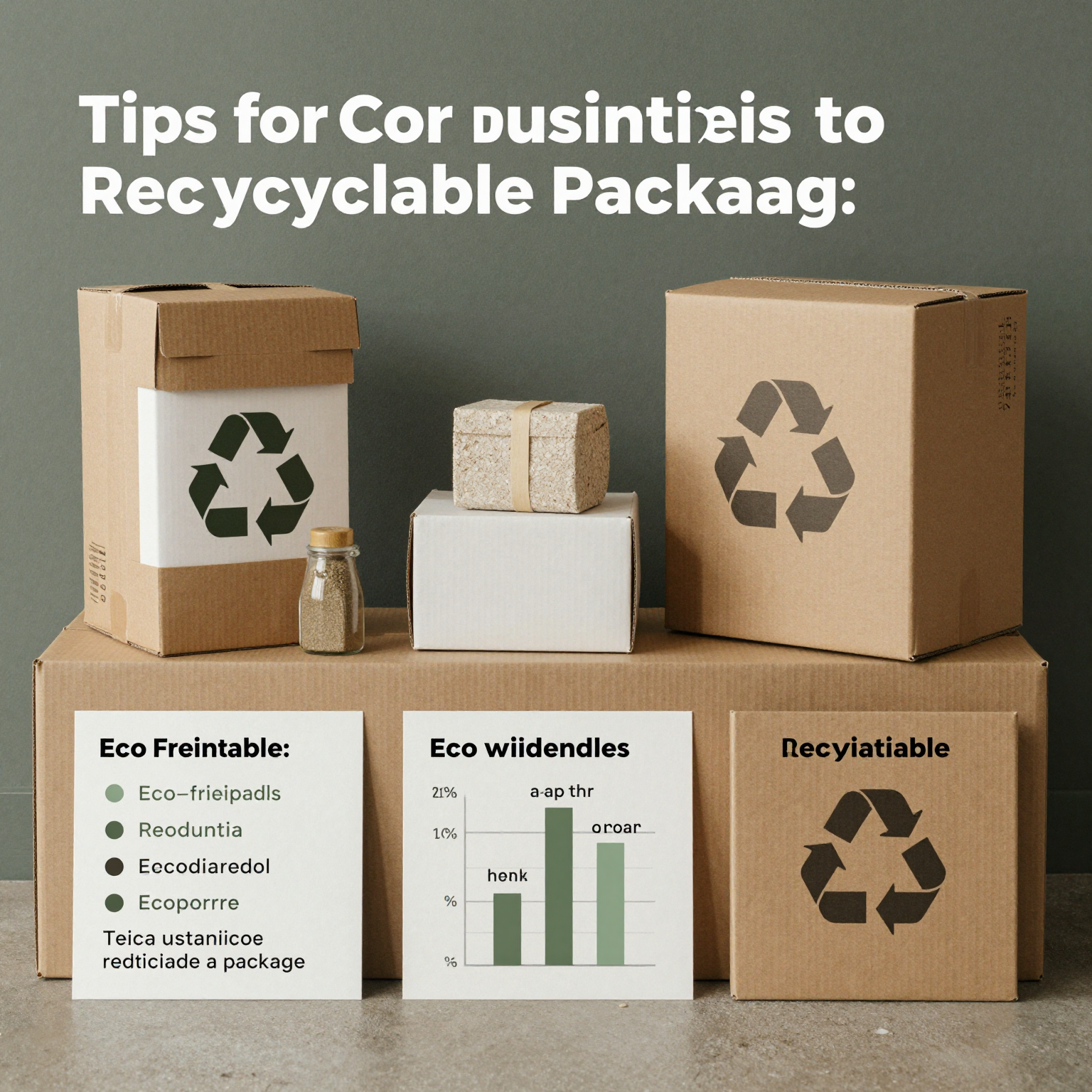
Explore more to learn about plastic-free containers, and how they can impact your business positively!
In conclusion, as the world increasingly moves towards sustainability, it is essential for food and beverage businesses-ranging from bubble tea shops to large restaurants-to utilize recyclable shipping paper boxes and disposable tableware. These eco-friendly packaging options not only show your commitment to environmental responsibility but also enhance the aesthetic appeal of your product presentations. With advantages such as reduced carbon footprints, compliance with regulations, and the ability to cater to environmentally conscious customers, choosing recyclable materials is an investment in your brand’s future.
Moreover, the importance of responsive customer service in the disposable packaging industry cannot be overstated. Effective customer support ensures that you can navigate the complexities of selecting the right packaging materials, resolve potential issues swiftly, and build a trustworthy relationship with your supplier. A strong foundation of customer service fosters brand loyalty, making it a key factor for retaining clients in an increasingly competitive market. Studies indicate that 78% of buyers prioritize suppliers with robust customer support when making their purchasing decisions, such as in cases for disposable food packaging or food storage solutions.
We’re here to help you make the transition to sustainable packaging. Choose our high-quality, recyclable disposable tableware and packaging solutions for your business. Partner with us and experience unparalleled customer service and expert guidance that will set your brand apart.