
The demand for convenient and hygienic packaging is on the rise, especially in food service industries such as bubble tea shops, restaurants, and catering services. As these businesses look to streamline operations and enhance customer experience, wholesale disposable food storage containers have emerged as a vital solution. This guide delves into market dynamics, eco-friendly innovations, various container types, supplier evaluations, and bulk purchasing trends—equipping you with the knowledge to make informed decisions for your business needs.
From Factory Floors to Market Demands: The Dynamic Rise of Wholesale Disposable Food Storage Containers
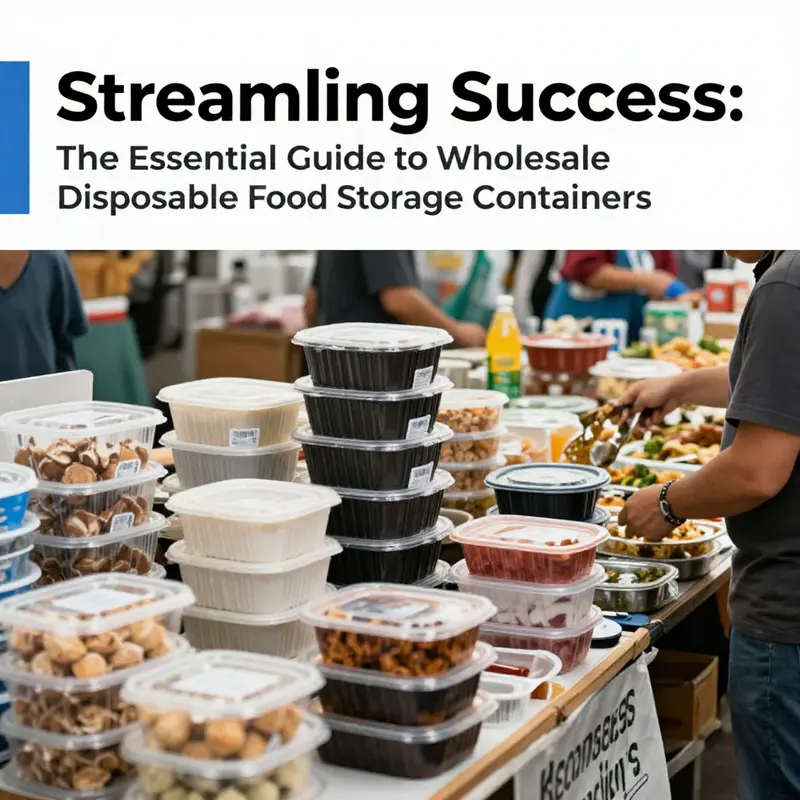
The market for wholesale disposable food storage containers is moving in step with a world that prizes speed, hygiene, and increasingly responsible stewardship of resources. As urban life becomes more compact and service ecosystems more complex, the demand for ready-to-use packaging that protects food, speeds service, and reduces cleanup has grown from a niche convenience into a standard operating assumption across food service, retail, and home-meal preparation. This chapter follows that trajectory not as a simple tale of more units sold, but as a narrative about how needs evolve, how supply chains adapt, and how materials technology reshapes what counts as a responsible packaging choice today and tomorrow. In practical terms, the expansion is visible in the rise of meal kit businesses, cloud kitchens, and on-the-go dining models where disposables are not just convenient, but integral to the overall service model. The containers chosen for these contexts must endure transit, hold diverse foods without leakage, and align with brands that want to project reliability and care for the environment. These are not merely packaging decisions; they are decisions that influence menu design, delivery latency, and customer perceptions of quality and safety.
A core driver behind this growth is food safety and hygiene. Disposable containers reduce cross-contamination risks that can accompany reusable systems. In environments like large kitchens, takeout operations, and school cafeterias, where the volume and turnover are high, the assurance that each serving travels in a clean, dedicated vessel becomes a practical assurance for operators and a confidence signal to customers. The emphasis on hygiene intersects with regulatory expectations in many markets. Buyers frequently look for certifications that attest to food-contact safety and compliance with regional standards, and suppliers have responded by aligning their portfolios with FDA or CE/EU guidelines as appropriate. Those certifications are not mere paperwork; they constitute a critical filter through which buyers evaluate capacity, consistency, and long-term viability of supply relationships. In a market that emphasizes rapid, reliable delivery, such compliance is a non-negotiable gatekeeper for participation in global distribution networks.
Alongside safety, the push toward sustainability in disposable packaging has become a defining force. Public and regulatory attention has shifted toward materials that can reduce environmental impact while retaining performance. This has accelerated the development and commercialization of plant-based plastics such as polylactic acid (PLA), and naturally sourced fibers like sugarcane bagasse, as well as responsibly sourced paper options and recycled-content plastics. The practical effect is that brands can deploy containers that look and function like traditional disposables but carry a sustainability story that resonates with consumers and with procurement teams contending with tighter waste-management rules. The availability of certified products made from these materials has broadened the appeal of disposables to eco-conscious operators, enabling them to offer compostable or biodegradable alternatives in contexts where composting infrastructure is accessible. In many markets, regulations are tightening or evolving, nudging manufacturers to pivot from conventional plastics to more sustainable formulations without sacrificing performance in cold-chain, reheating, or microwave contexts.
The scale and geography of manufacturing also shape the market’s dynamics. In regional terms, China remains a dominant hub for the production of wholesale disposable containers, thanks to a mature injection molding and thermoforming ecosystem, robust logistics, and price competitiveness that sustain large-scale orders. Guangdong and Zhejiang, in particular, host a dense network of producers capable of handling millions of units per month and delivering on relatively short lead times—commonly 15 to 25 days for standard orders. This level of throughput is essential for businesses that require both volume and flexibility, enabling rapid response to seasonal demand swings, promotional campaigns, or supply disruptions elsewhere. The operational scale behind these capabilities matters as much as the price per unit, because it sustains a pricing dynamic that makes disposables attractive to a broad spectrum of operators, from quick-service restaurants to institutional cafeterias and even DIY meal-prep ventures.
At the heart of the production story is the capacity to offer customization without compromising efficiency. Modern suppliers increasingly provide OEM/ODM pathways, enabling clients to shape molds, define formats, and imprint brands onto containers. This level of customization is a keystone for differentiation in a crowded market. A brand that wants to carry a distinctive wave of color, shape, or labeling can align its packaging with its identity, reinforcing recognition and perceived quality as customers handle the container. The practical implication is that packaging decisions become part of a brand’s value proposition rather than a background cost—not unlike how the design of a takeout box communicates care, reliability, and a premium customer experience. The ability to adapt molds based on sketches, photos, or physical samples makes the relationship between buyer and supplier more collaborative and iterative, reducing the risk of misalignment as orders scale.
In this ecosystem, price and timing are inseparable from capability. Market forecasts across adjacent segments emphasize the integration of packaging into a broader supply-chain framework. While the figure cited in related research points to a separate market—secure multiparty computation—involving digital security infrastructure, the underlying lesson for packaging is the same: transparency and traceability are increasingly embedded into the physical goods themselves through digital means. When buyers can track batch histories, verify material certifications, and confirm the authenticity of packaging through secure data exchanges, the entire procurement cycle becomes more resilient. This trend translates into tangible benefits: fewer quality incidents, faster recall readiness, improved forecasting accuracy, and more stable supplier relationships even as demand grows and product formats diversify.
With performance and risk management in view, buyers frequently weigh production capacity, lead times, and the ability to accommodate large or urgent orders against price. A realistic snapshot from the broader market places flexible units in contexts such as three-compartment plastic lunch boxes and simple sushi-style or compact rectangular boxes. The cost dynamics are instructive: bulk price points can be notably favorable when volumes exceed tens of millions of units, while even mid-scale orders can secure competitive pricing through long-run production planning and standardized processes. For instance, some disposable containers designed for multi-compartment use have been reported in industry sources at prices around the low tens of US cents per unit for very large orders, with sushi-box formats and equivalent sets achieving sub-five-cent ranges for volumes exceeding half a million units. While those figures illustrate the market possibility, actual pricing depends on a matrix of factors, including material choice, printing or branding, lid design, and the precise dimensions required to fit a client’s menu or service workflow. In practice, a buyer may balance slightly higher unit costs against stronger brand differentiation and better waste-management outcomes, especially when sustainability credentials are valued by customers or required by procurement policies.
Against this backdrop, the buyer’s due-diligence process has grown more sophisticated. In addition to assessing price and lead time, purchaser teams increasingly evaluate production capacity to determine whether a supplier can scale up during peak periods without compromising quality or delivery performance. Environmental compliance documentation, food-safety certifications, and the reliability of the supplier’s payment and contract protections are all part of the decision calculus. The traditional emphasis on price per unit has given way to a more holistic assessment that foregrounds supply chain resilience, material performance, and the ability to deliver consistent quality across thousands or millions of units. The result is a more professional, project-like engagement between buyers and suppliers, with formal lines of communication, contingency plans, and quality-control protocols that help ensure outcomes align with expectations.
For readers navigating this landscape, the practical steps are straightforward, though not simplistic. Start with a clear specification: the container capacity, the preferred material family, the sealing integrity, and the regulatory requirements in the target markets. Then map supplier capabilities against that specification, paying attention to production capacity, lead-time commitments, and the range of customization options. Do not overlook the importance of certification and audits. Request proof of compliance and factory audit summaries; verify that the supplier can provide traceability data for batches and that the payment and ordering platform supports secure, encrypted transactions. The ability to obtain samples or trial batches is another critical milestone. A low-cost trial, possibly in the form of a sample program, helps validate fit, seal integrity, and compatibility with existing packing lines and storage conditions before large commitments are made. The existence of sample programs—and the flexibility to adjust designs in early iterations—often correlates with a supplier’s readiness to partner for long-term scale.
In discussing the broader market, it helps to acknowledge the link between efficiency, cost, and environmental responsibility. Efficiency arises not only from automated processes on the shop floor but from the end-to-end efficiency of the packaging ecosystem. When packaging is designed to minimize waste in transit, optimize stackability, and reduce storage space, the total cost of ownership declines. The environmental aspect, meanwhile, is increasingly part of a brand’s value equation. Companies that can offer compostable or recyclable solutions while maintaining performance in hot and cold conditions stand to capture a larger share of menus and services that seek sustainable differentiation. In this sense, the wholesale disposable container market is not just about the box itself; it is about the way the box enables a responsible, efficient, and customer-centric dining experience.
For those seeking a pathway to evidence-based sourcing, it is worth exploring the online marketplaces that host verified suppliers, with attention to credentials and security features. On platforms that host bulk disposable packaging manufacturers, buyers can often access verified credentials, gold member status, and secure trading services that mitigate risk for large orders. For a practical glimpse into industry dynamics, consider exploring a representative catalog that highlights how a supplier can deliver multiple sizes and shapes—ranging from compact, 300 ml formats to larger 800 ml options—in custom configurations and with branding opportunities. The breadth of options reflects how the market has evolved to support a wide range of service models, from compact grab-and-go meals to multi-course takeout experiences. The ongoing diversification of materials and formats means operators can tailor packaging strategies to the specific needs of their menus, customer expectations, and waste-management capabilities in their regions.
As this market continues to mature, the convergence of convenience, safety, and sustainability will define competitive advantage. The future of wholesale disposable food storage containers will hinge on how well manufacturers can balance cost with performance, accommodate rapid shifts in consumer preferences, and maintain robust, traceable supply chains that withstand disruptions. The integration of digital tools into packaging procurement—ranging from advanced ERP integration to visibility through secure data exchanges—will further enhance accountability and responsiveness. In this context, the packaging choice becomes a strategic move rather than a routine supply decision, enabling operators to deliver reliable service while meeting evolving environmental and regulatory expectations. The result is a marketplace that rewards those who invest in scalable capacity, material science, and collaborative supplier relationships, while still offering attainable options for businesses at all levels of scale.
To illustrate a concrete example of a sustainability-forward packaging option within the broader ecosystem, readers can explore an internal resource that highlights eco-friendly, multi-compartment disposable packaging designed for fast-food and takeout contexts. Such offerings demonstrate how eco-conscious materials, combined with reliable sealing and branding potential, can meet both environmental goals and operational needs. This linkage helps anchor the narrative in practical choices available to buyers who are building supplier relationships and shaping their own product narratives.
External resource: for a broader view of supplier capabilities and market offerings, see the following external source. https://www.made-in-china.com/products-detail/404257935712/Disposable-Food-Lunch-Container-Airtight-Food-Storage-Containers.html
Internal resource note: for a concrete example of eco-friendly packaging options within the marketplace, you can reference the following internal link. eco-friendly disposable 3-compartment packaging box
Redefining Convenience and Sustainability: Eco‑Friendly Innovations in Wholesale Disposable Food Storage Containers
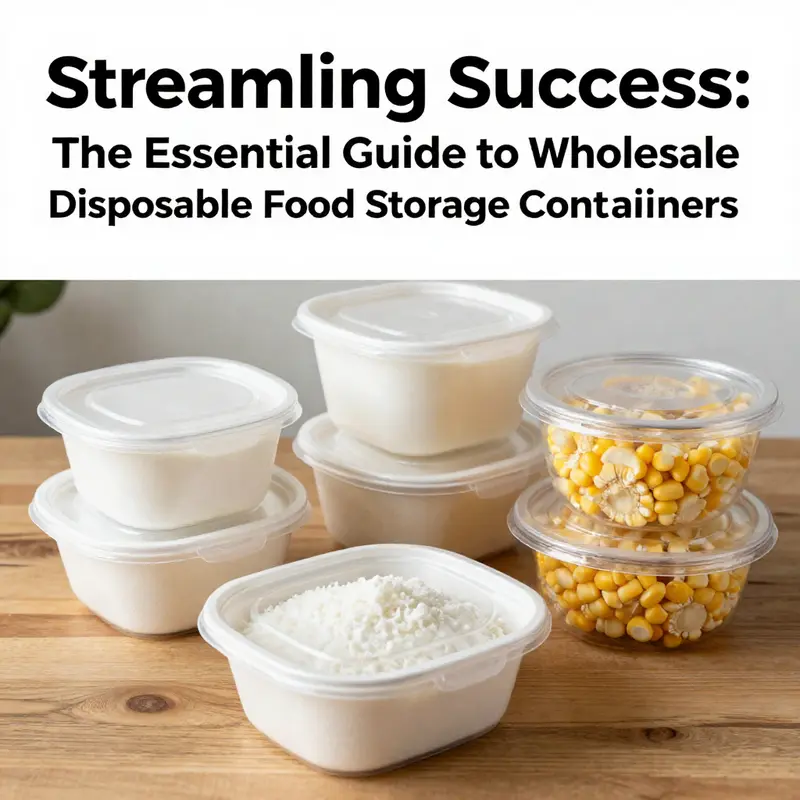
The demand for sustainable packaging in the wholesale disposable food storage container market has moved from a niche consideration to a central business driver. In the span of a few years, buyers across food service, retail, and meal-prep channels have shifted expectations from merely functional to verifiably responsible. The shift is not just about compliance or appeasing regulators; it is about enabling brands to deliver consistent, hygienic storage while actively reducing environmental footprints. The market is responding with rapid experimentation in materials, in design, and in ways to close the loop between use and disposal. Although manufacturing remains deeply anchored in regions with mature injection-molding ecosystems, such as parts of Asia, the ripple effects of eco-conscious design are changing how those factories think about every stage of a container’s life. When a buyer sources wholesale quantities, the choice is no longer simply about price per unit; it is about total impact, reliability, and the ability to scale with sustainability at the core of the product’s value proposition.
At the heart of these innovations is material evolution. Plant-based and compostable formulations are no longer experimental add-ons but mainstream options that seek to match or exceed the performance of conventional plastics. Sugarcane bagasse, bamboo fiber, and cornstarch-based PLA are now commonly explored for a wide range of container formats—ranging from compact salad cups to larger meal-prep trays. The practical appeal is twofold: they reduce reliance on fossil fuels and they offer end-of-life pathways that align with industrial composting protocols in many markets. The science behind compostability matters as much as the science behind strength and heat resistance. Containers must hold up under cold storage, withstand freezing, or perform reliably when hot liquids are involved. In many cases, the new materials balance these demanding requirements with a thinner, more efficient geometry that lowers material usage without sacrificing seal integrity. This is where the design discipline truly shines.
Industry observers have begun to quantify the environmental upside with independent lifecycle data. A growing consensus is that higher uptake of compostable packaging can divert a meaningful share of single-use waste from landfills, particularly when adoption occurs across a network of suppliers, distributors, and retailers. A recent 2025 assessment highlights that even modest shifts toward compostable, renewable-resource materials can shift the waste profile of the food-service sector as a whole. The potential impact becomes more tangible when brands commit to end-to-end sustainability—the product itself, its labeling, and the disposal instructions. In practice, suppliers now certify food-contact safety and align with regional regulations while offering packaging that is clearly traceable through digital records. This transparency is not just a marketing hook; it supports ESG reporting and supplier qualification processes that many retailers and chains now require.
One striking outcome of this eco‑driven push is a move toward modularity and lighter weights. Modern wholesale containers increasingly feature detachable lids and interlocking stacking systems designed to minimize plastic use while preserving durability and ease of use for staff. Consider a wide-mouth container intended for hot sauces or dense soups: a design that uses 20 percent less material without compromising leak resistance can significantly cut the unit’s embodied energy. The same logic scales up to larger formats used in catering and bulk takeout, where modular lids and clever nesting reduce the volume and weight of shipments. The practical benefit is obvious for kitchens and distribution centers that move millions of units monthly: fewer plastics per unit translates into lower transportation costs, reduced fuel consumption, and lighter pallets that fit more efficiently on trucks and in warehouses. In this way, design efficiency and materials science converge to deliver a double dividend: better performance for end users and a smaller carbon footprint for the supply chain.
Digital traceability has grown from a value-add to a baseline expectation. Buyers increasingly demand visibility into sourcing origins, manufacturing emissions, and end-of-life disposal options. QR codes and digital twins now accompany many eco-friendly containers, linking purchasers to lifecycle data, safety certifications, and recycling or composting instructions. This level of transparency helps organizations meet internal sustainability targets and external reporting obligations. Certifications such as those ensuring food-contact safety and environmental compliance provide the assurance that eco-friendly choices do not come at the expense of hygiene or safety. When products are backed by credible documentation and clear disposal guidance, retailers can communicate with confidence to customers who are trying to make responsible choices. The integration of digital traceability thus strengthens trust along the entire value chain, from raw material suppliers to end consumers.
A parallel shift is toward zero-waste packaging concepts. The field is expanding beyond single-use to explore returnable and refillable systems, with wholesalers bundling containers with incentives that encourage reuse. The economic and environmental calculus becomes more favorable as returnable loops mature: containers can be collected, cleaned, and reissued several times, reducing waste and extending the useful life of high-performance designs. Wholesalers and retailers alike are experimenting with programs that reward repeat usage, aiming to convert environmental responsibility into consumer loyalty and market differentiation. As consumer sentiment increasingly favors circular economy models, this approach aligns operational efficiency with brand value, reinforcing a broader industry movement toward sustainable, reusable packaging where feasible. The potential is not purely environmental; it also invites innovation in logistics, inventory management, and customer engagement strategies that emphasize stewardship and responsibility.
The sourcing landscape remains complex and highly conditioned by regulation and market dynamics. Buyers evaluating suppliers must go beyond the sticker price per unit. Critical considerations include compliance certifications like food-safety approvals, environmental standards, and any region-specific requirements. Production capacity is essential for wholesale orders that run into the millions of units monthly; flexibility in lead times and capacity buffers becomes a competitive advantage in the face of fluctuating demand or urgent campaigns. Customization options—such as branding through printing and color options, as well as printed disposal guidance—are frequently non-negotiable for brands seeking consistency across thousands of restaurant partners, kiosks, and school cafeterias. Secure payment arrangements and transparent contracting practices help mitigate risk when committing to large-scale procurement. In practice, buyers often test the waters with small trial runs before committing to tens of millions of units, taking advantage of low-cost sample programs that let them assess fit, strength, and compatibility with their food safety protocols. The economics of scale is powerful: bulk pricing for multi‑million-unit orders can translate into substantial per-unit savings, and the incremental savings scale with volume, sometimes in the range of fractions of a cent per unit at very high volumes. Yet these savings must be weighed against the requirements of corralling supply, ensuring consistent material quality, and maintaining the ethical standards that define a brand’s sustainability ethos.
To fetch the most relevant examples of these innovations in practice, buyers often turn to established B2B platforms that curate verified suppliers and facilitate large-scale deals. For readers seeking a concrete reference to current eco-friendly takeout solutions, a catalog of such containers demonstrates how material choices, labeling, and smart design come together to deliver performance and sustainability in equal measure. For additional context and a tangible example of how design and material selection translate into real-world packaging options, explore this example catalog of eco-friendly takeout boxes. It provides insight into how modern containers balance heat resistance, leak prevention, and compostability while remaining adaptable to varied menu formats and service environments. This reference illustrates how the concepts described here translate into practical products that buyers can evaluate for their own operations.
For a practical look at how these concepts transfer to the field, consider this example of an eco-friendly takeout box catalog, which highlights how material choices and smart design coalesce to meet the demands of resilient food-service packaging. eco-friendly-takeout-boxes-for-food-packaging-stylish-food-containers-safe-microwave-craft-paper-lunch-boxes-leak-grease-resistant. This link serves as a touchpoint for readers to visualize how real products embody the balance between performance, safety, and environmental responsibility that underpins wholesale procurement decisions. The broader context of this evolution is supported by external research that continues to emphasize the environmental dimension of packaging decisions. A key external reference is the United States Environmental Protection Agency’s overview of plastics waste, which discusses what happens to plastic at end of life and why compostable and recyclable options matter in reducing environmental impact. https://www.epa.gov/plastics/what-happens-plastic-waste
As the market continues to evolve, it is essential to remain attentive to emerging materials research, supply-chain resilience, and policy developments that shape what is feasible at scale. The push toward plant-based materials will likely be complemented by advances in barrier technologies that preserve freshness and prevent leaks, enabling even heavier sauces and more complex meals to be stored without compromising safety. Innovations in light weighting and precision molding will continue to drive material efficiency, while digital traceability will deepen accountability for end-of-life outcomes. In an environment where regulations tighten in North America and Europe, the drive toward certified, compostable, and recyclable options will accelerate. The wholesale sector, with its emphasis on large orders and consistent performance, will be a primary conduit for these technologies, ensuring that eco-friendly choices do not come at the cost of reliability or affordability.
Ultimately, the chapter on eco-friendly innovations in wholesale disposable food storage containers reveals a landscape where sustainability and practicality no longer compete but reinforce one another. The strongest solutions emerge from a careful blend of renewable materials, clever design that reduces waste and weight, transparent certification and traceability, and business models that encourage reuse and circular economy principles. For buyers, the payoffs are clearer than ever: a path to regulatory compliance, a demonstrable reduction in environmental impact, and a reliable supply chain capable of meeting vast demand with integrity. In this environment, wholesale procurement becomes not merely a procurement function but a strategic stewardship activity that aligns operational efficiency with the pressing responsibilities of a sustainable food system.
Sizing Up the Shelf: A Unified View of Types and Applications in Wholesale Disposable Food Storage Containers
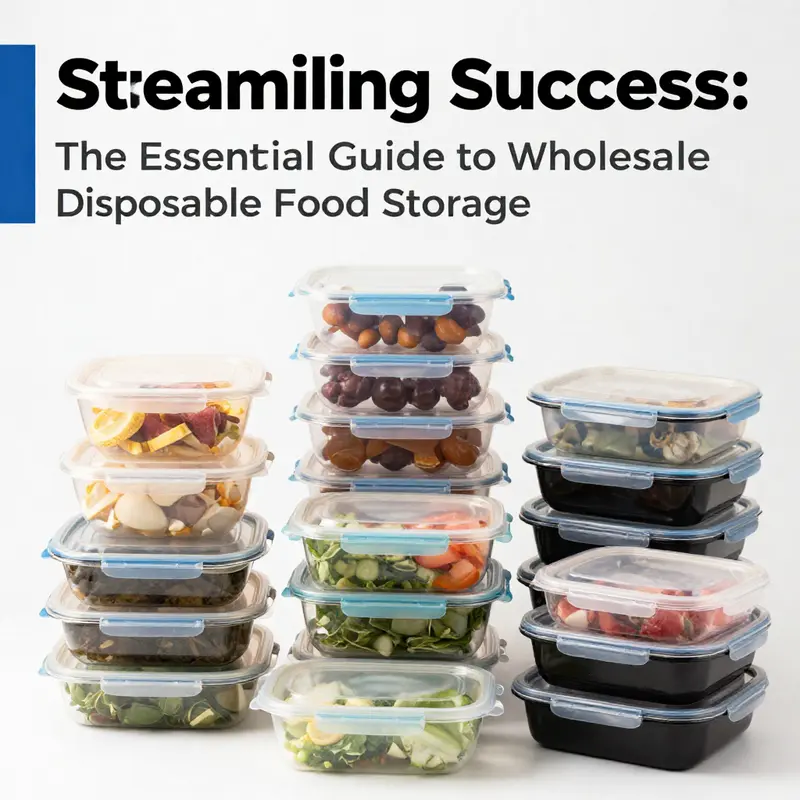
Wholesale disposable food storage containers are more than mere vessels; they are a strategic tool that shapes speed, hygiene, portion control, and sustainability across the foodservice ecosystem. When a business moves from small-batch purchases to wholesale orders, the choice of container material, design, and finish becomes a decision about operational resilience, customer experience, and environmental responsibility. In today’s landscape, understanding the spectrum of container types and their most effective applications is essential for any operator aiming to optimize turnover, reduce waste, and maintain consistent branding at scale. The market’s breadth is a direct reflection of the diverse needs of food service, catering, retail, and institutional settings, where a single takeout pack might travel through multiple hands before reaching the consumer. The ability to source at scale from regions with mature manufacturing ecosystems—most notably in parts of East Asia—has driven both the volume and the variety of options available to buyers. In particular, the capacity to produce millions of units per month with lead times that range roughly from two to five weeks creates a reliable backbone for seasonal spikes, large events, and multi-site rollouts. Yet volume alone does not determine the right choice; compatibility with temperature demands, handling conditions, and the end-of-life story of the packaging matters just as much. The following examination of container types and their practical applications traces how operators navigate these choices in a way that aligns with business goals and evolving policy landscapes described in industry analyses and supplier profiles. A trunk line running through this discussion is the tension between performance and sustainability, a balance that increasingly guides procurement decisions for restaurants, schools, healthcare facilities, and catering operations alike. Consumer expectations are shifting toward packaging that is not only functional but responsible, and that shift has made the lifecycle of a container—from production to disposal or composting—part of the value proposition. Fueling this change are material innovations that expand the toolkit beyond traditional plastics. Biodegradable and compostable options, made from bagasse, sugarcane pulp, PLA, and other bio-based inputs, have moved from niche offerings to scalable alternatives, especially in markets where waste and packaging regulations constrain the use of conventional plastics. These solutions are often industrially compostable and designed to perform in the same temperature ranges and handling conditions as their petrochemical counterparts, with the added benefit of a reduced plastic footprint. For operators contemplating a transition, the calculus includes not only the upfront cost but the longer-term savings in waste handling, potential regulatory relief, and alignment with corporate sustainability goals. The shape of the market also reflects a practical distribution network. Southern and eastern China, with hubs in provinces known for injection molding precision and logistics efficiency, continues to be a production heartbeat for wholesale orders. Manufacturers in these regions have refined automated production lines that deliver consistent quality at scale, supporting both standard shapes—rectangular, round, and square trays—and a growing variety of sizes. The lead times for standard orders, typically in the two-to-five-week window, provide a predictable cadence that supports planners tasked with fulfilling high-volume meal programs, seasonal promotions, or rapid deployments across multiple locations. Beyond raw capacity, the supplier landscape emphasizes reliability, compliance, and a readiness to customize. Buyers are encouraged to evaluate suppliers on a broader set of criteria than price alone. Certifications for food safety and contact compliance—examples include FDA and CE/EU marks—signal credible claims about material safety for consumer use. Production capacity and the ability to scale orders without compromising consistency are equally important, especially for customers pursuing regional or national rollouts. Customization options such as printing, branding, and finishes can turn a standard container into a mobile billboard for a brand and a tactile reminder of quality for the diner. In markets where brand differentiation is critical, a well-managed customization program can convert packaging into marketing, encouraging repeat business and facilitating product recall if needed. The procurement path for wholesale containers typically unfolds through established B2B channels that vet suppliers for credibility and security. Platforms that host verified suppliers with gold membership status and trading protections reduce risk when placing bulk orders. They also offer value-added services like sample programs that let buyers test fit, performance, and aesthetics before committing to large commitments. In practice, a low-cost sample—sometimes as accessible as a few cents per piece—can be the difference between a successful rollout and a mismatch that disrupts a launch. The realities of pricing in high-volume orders underscore the economies of scale at work. For instance, three-compartment plastic bento-style boxes can enter the procurement mix at fractions of a cent per piece for very large volumes, while specialized items such as multi-compartment sushi-style boxes can dip toward similar levels once volumes exceed several hundred thousand units. While these benchmarks illustrate the potential for favorable pricing, they also reflect a careful alignment of product performance with cost, ensuring that the chosen containers withstand the rigors of delivery, refrigeration, freezing, or oven-to-table use without compromising food safety or user experience. The decision tree for selecting a container tends to follow a practical sequence: first, identify the application and temperature profile, then evaluate the material family for durability and recyclability, and finally consider the environmental goals and regulatory context of the business. In many cases, a hybrid approach becomes meaningful. A restaurant group might standardize on a core family of PP containers for hot meals and soups, while employing bagasse-based or PLA-coated options for salad boxes and dessert packaging when events or promotional campaigns demand a stronger sustainability signal. Such a strategy enables operational simplicity while presenting customers with a consistent yet versatile packaging narrative. The paper and aluminum families offer complementary strengths as well. Aluminum foil containers provide robust heat resistance and oven-to-table usability, making them valuable for catering and bulk meal solutions that require reliable heat retention and stackability. Paper-based containers, especially those lined with PLA or wax, excel in dry foods and items where branding and a lighter environmental footprint are desired. The trade-off is moisture or grease resistance, which must be matched to the intended contents. In practice, decisions often hinge on the interplay between function, cost, and valorization of waste streams. Biodegradable and compostable options, though frequently priced higher than conventional plastics, are increasingly viewed as strategic assets in markets with stringent waste directives. For operators, this translates into a broader adoption in cafeterias, schools, and event catering where corporate social responsibility and regulatory alignment carry measurable weight. The sourcing narrative also emphasizes the importance of reliable logistics for scale. The ability to meet truncated lead times or to pivot quickly when demand surges is closely tied to the strength of supplier networks and the efficiency of the supply chain. Buyers who partner with suppliers capable of maintaining quality across millions of units per month—and who can deliver within two to five weeks—often gain a competitive edge in menu planning, event management, and franchise expansion. For those exploring the world of wholesale disposables with an eye toward sustainable futures, a practical approach is to view materials not as a single winner but as a portfolio. A well-balanced portfolio can deliver the best combination of performance, cost, and end-of-life outcomes for different product lines. The portfolio mindset also aligns with the notion of supplier diversification. While a dominant manufacturing region can meet bulk demand, spreading risk by working with multiple vetted suppliers helps accommodate regional preferences, regulatory variations, and shifting consumer expectations. For those who want to explore the breadth of options with a sense of practical guidance, it can be useful to consider how a single well-designed container must perform across several touchpoints: in the kitchen, during transit, on the counter, and in the consumer’s hands. The container must resist leaking, perform under varying temperatures, and maintain a neat, brand-consistent appearance. It must also support efficient disposal or composting, aligning with the environmental policies of the business and the jurisdictions in which it operates. These are not theoretical concerns. They translate into tangible outcomes such as reduced food waste, improved adherence to safety standards, and enhanced customer trust. If a company seeks to optimize cost without sacrificing performance, it might adopt a tiered packaging strategy—core products in stable, recyclable plastics for everyday use, and specialty lines in biodegradable or compostable materials for initiatives tied to sustainability campaigns or events. The practical implications extend beyond the kitchen. Retail and grocery channels increasingly rely on ready-to-eat and pre-packaged foods where the packaging is part of the shopping experience. A well-chosen container communicates quality, supports branding, and helps ensure the product arrives in a form that preserves freshness and appeal. In this context, the path to informed decision-making is guided by a combination of material science, regulatory awareness, and supply-chain discipline. For buyers researching options, robust supplier evaluation remains indispensable. Beyond price per unit, consider certifications, production capacity, customization options, and payment security. A reliable supplier should offer transparency about the material composition, food-contact compliance, and end-of-life handling. They should also demonstrate the ability to scale, provide robust samples, and offer clear terms that protect large-scale buyers. The conversation about types and applications is not merely about choosing a single container. It is about building a packaging architecture that supports growth, sustainability, and resilience in an industry where margins can be tight and expectations high. For brands seeking to expand or modernize their packaging footprint, there is value in exploring the breadth of options through a curated set of suppliers, while also keeping an eye on emerging materials that promise improved compostability, reduced weight, or easier manufacturing integration. If you’re curious about the range of customization available for theme-driven packaging and want to see practical examples of how branding can integrate with function, you can explore a portfolio that highlights tailored takeaway packaging supplies for theme parties. This internal resource demonstrates how design, material choice, and logistical considerations come together to deliver a cohesive consumer experience. As your organization maps its path through the landscape of wholesale disposables, remember that the right container choices empower faster service, safer handling, and a more sustainable footprint. The story of these containers is a story about scale translated into everyday meal moments—where operational efficiency meets responsible packaging and brands communicate care through every box and tray. For additional industry insights into biodegradable and compostable options, see external resources here: https://www.alibaba.com/product-detail/Wholesale-Disposable-Food-Containers-Biodegradable1600547982897.html?spm=a2700.productdetail.0.0.1a7c3b7eZfPdEY
Raising the Standard: A Strategic Vetting Guide for Wholesale Disposable Food Storage Container Suppliers
When businesses scale up their food storage needs, the supplier relationship becomes as decisive as the product itself. Wholesale disposable food storage containers sit at the intersection of cost efficiency, food safety, brand alignment, and sustainability. A robust sourcing approach cannot rest on the lowest unit price alone. It must balance five pillars that together create a resilient, scalable, and responsible supply chain. In markets that rely on high-volume, predictable deliveries—whether in quick-service restaurants, catering operations, or meal-prep services—this chapter offers a cohesive framework to evaluate suppliers, rooted in the data and dynamics shaping the industry today.
At the heart of supplier selection lies compliance and certification. The containers you deploy hinge on standards that govern what touches food, how materials behave under heat and cold, and how packaging degrades or remains stable during use. The non-negotiable foundations include proof of safety and environmental compliance for target markets. For North America and Europe, this translates into FDA food-contact compliance and, where applicable, LFGB and REACH considerations. Eco-friendly options—whether sugarcane bagasse, PLA-lined paper, or recycled plastics—demand certifications that confirm their biodegradability or compostability, such as TÜV OK Compost or ASTM D6400. These certifications are not cosmetic; they are operational risk controls that signal a supplier’s ability to navigate diverse regulatory landscapes while offering sustainable choices. In practice, a buyer should request copies of these certifications, verify their scope, and corroborate them with independent testing where needed. The trend toward greener materials is not merely regulatory pressure; it is market demand. Restaurants, schools, and takeout services increasingly expect packaging that reduces environmental impact without compromising performance. In this sense, certifications become a bridge between compliance, performance, and sustainability, guiding decisions about whether to partner with a supplier who specializes in bagasse or PLA alternatives or who can certify recycled-content plastics for food contact.
The second pillar, manufacturing capability and capacity, is the engine behind reliable service. Modern injection molding and thermoforming lines enable the high-volume, repeatable production that large orders require. In major manufacturing hubs—especially in regions such as Shanghai, Zhejiang, and Shandong—the option to produce millions of units per month is common, with flexible capacity to respond to urgent needs. A well-structured supplier will disclose their monthly output, cycle times, and the specific lines dedicated to different container families. Lead times of 15–25 days for standard orders are typical benchmarks, but a thorough evaluation will verify whether the supplier can accommodate smaller trial batches, custom runs, or private-label programs with the same reliability. Beyond sheer capacity, it is essential to assess a facility’s automation level, equipment maintenance regimes, and contingency planning for disruptions. For buyers with evolving formats—more compartments, tighter seals, microwave-safe labeling, or unique shapes—this pillar ensures the supplier can translate design intent into scalable production without compromising timelines.
Quality control and consistency form the third pillar. Consumers rely on food-contact containers to perform consistently across dozens of cycles, in varying temperatures, and under the stress of transport. A supplier’s internal QC framework should cover raw-material inspection, in-process checks, and final product testing. Request documentation of supplier QC standards, acceptance criteria, and calibration schedules for equipment. The best practice is to obtain samples and, where possible, conduct independent lab testing to verify migration limits, sealing integrity, and durability under simulated handling. A consistent quality story protects brand reputation and reduces the cost of returns, complaints, or recalls. In the context of quality, it is prudent to observe how a supplier handles deviations or non-conformities. Do they have a formal corrective-action process? How quickly are non-conforming lots quarantined and traceable? The reliability of QC directly affects the predictability of your supply chain and the integrity of your brand promise.
Customization and design flexibility constitute the fourth pillar, and this is where the value proposition of wholesale suppliers truly differentiates itself. Many buyers require more than off-the-shelf boxes. They seek full customization—printing, branding, sizes, shapes, and features like airtight seals or microwave-safe labeling. The ability to tailor containers to specific branding guidelines, with consistent color, logos, and tolerances, enables a menu of private-label options that reinforce brand recognition. Platforms that connect buyers to manufacturers often reflect this customization capability, offering design collaboration tools, CAD previews, and streamlined change-management processes. For teams pursuing distinctive packaging ecosystems, it is crucial to confirm the supplier’s capability to support private-label runs, ensure color-matching accuracy, and provide scalable printing or embossing services. In this context, platforms like Made-in-China.com and Alibaba.com often serve as pathways to partners who can deliver full customization, supported by detailed negotiation on specifications, mold costs, and tooling timelines.
Reliability and communication comprise the fifth pillar, the glue that binds all other elements into a cohesive supplier relationship. A dependable partner is not just technically competent; they are responsive, transparent, and proactive in sharing updates about capacity constraints, raw-material fluctuations, or regulatory changes. Early-stage due diligence should include a review of customer references, case studies, and documented performance metrics. The best suppliers offer buyer-protection mechanisms, secure payment options, and clear terms that minimize the risk of miscommunication or payment disputes. In practice, this means evaluating how quickly a supplier acknowledges inquiries, how accurately they provide lead times, and how they escalate issues when plans shift. A reliable partner not only meets commitments but also offers proactive solutions—alternative materials, backup production lines, or adjusted lead times to accommodate shifts in demand. The operational health of a supplier, maintained through consistent communication, is often the difference between a smooth scale-up and a costly bottleneck.
Putting these five pillars into practice requires a disciplined, yet practical, approach. Start with a structured information request that surfaces certifications, production capacity, and a transparent bill of materials. Assess the supplier’s ability to demonstrate compliance across markets you serve, and verify that eco-friendly materials are not just marketed as green but are supported by credible certifications. Request production schematics, facility tour details, and access to process-control documentation that can be reviewed by your quality team. When it comes to customization, request a mock-up or 3D rendering before committing to tooling or mold changes; confirm tolerances for printable areas and the feasibility of color-matching against brand guidelines. For reliability, insist on a clear communication protocol: a dedicated account manager, a defined escalation path, and a schedule of regular status updates during a pilot phase or private-label run.
A practical example helps ground these concepts. For a buyer ordering multi-compartment plastic bento boxes at large volumes, a supplier that can deliver over a million units per month while maintaining tight tolerances on lid fit, seal integrity, and microwavability represents a strong partner. The pricing landscape often reflects volume, with bulk discounts and scale efficiencies. In some cases, three-compartment sets can be selected at aggressive per-piece prices when volumes exceed tens of millions of units. For trial batches, the option to obtain low-cost samples—priced as low as a few fractions of a cent per piece—reduces the risk of launching a new design. When the project expands into eco-friendly formats, such as bagasse or PLA-lined paper, the same framework applies, with added emphasis on biodegradability certifications and compostability test results. These materials expand the “green” spectrum of packaging but require extra diligence to ensure performance parity with traditional plastics in terms of moisture resistance, leak prevention, and stacking stability in transit.
Within this framework, the choice of partners often aligns with geographic strengths and regulatory readiness. Chinese manufacturers remain a dominant force, thanks to mature injection-molding ecosystems, deep supplier networks, and cost-effective production capabilities. Guangdong and Zhejiang, in particular, are well known for their scale and responsiveness. For buyers, this translated into supplier options that can mobilize large volumes with surprisingly fast turnaround times—typical lead times of 15 to 25 days for standard orders, with the capacity to accommodate urgent demands through fleet scheduling or expedited production lines. The ability to test concepts with small run quantities before committing to long-term private-label arrangements further reinforces confidence in the relationship. As the market shifts toward more sustainable materials, the same hubs are adapting, with an increasing number of suppliers offering certified compostable or biodegradable alternatives alongside conventional plastics.
In the search for the right partner, one practical step is to examine the supplier ecosystem on reputable B2B platforms. These platforms can provide verified credentials, secure trading services, and buyer protection. They also facilitate access to sample programs, which are essential for evaluating fit in your specific use case. For instance, if your brand prioritizes eco-friendly packaging, you might explore suppliers who can demonstrate performance equivalence with standard containers while delivering certified compostable options. This is where the combination of standard compliance checks and sustainability credentials becomes decisive. The process often includes a trial batch, a sample evaluation, and a private-label negotiation, all supported by a transparent platform that tracks orders, payments, and shipments. The result is a supply chain that not only meets current demand but is prepared to scale responsibly as environmental expectations evolve.
For teams seeking practical, on-the-ground direction, consider exploring eco-friendly options that illustrate how customization and sustainability can converge. For example, there are suppliers offering dedicated eco-friendly, multi-compartment takeaway packaging designed to support brand storytelling while meeting stringent safety standards. A representative example of this category is a 3-compartment, food-grade packaging box designed for fast-food applications, which demonstrates how eco-conscious materials can be engineered for performance in high-usage environments. eco-friendly-disposable-3-compartment-food-grade-packaging-box-for-fast-food-high-quality-takeout-boxes-for-fried-chicken-french-fries-packaging. This reference highlights how brands balance sustainability, brand differentiation, and reliable performance in a single package. It also signals the practical feasibility of integrating such options into a scaled procurement program without sacrificing efficiency or cost discipline.
As you assemble your supplier evaluation, remember that the five-pillars framework is the connective tissue that ties sourcing decisions to long-term business goals. Compliance prevents regulatory headaches and reputational risk. Manufacturing capability and capacity ensure you can meet demand during peak seasons. Quality control keeps your brand’s promise intact, even as volumes rise. Customization unlocks brand differentiation and customer loyalty. Reliability and communication transform a supplier from a vendor into a true partner. When these elements cohere, a procurement team can move beyond price per unit and toward a value proposition that encompasses risk management, sustainability, and strategic growth.
For those seeking further reading on strategic supplier sourcing in this category, a detailed guide on B2B supplier evaluation and risk mitigation offers additional context and practical checklists. External resource: https://www.alibaba.com/product-detail/Strategic-Sourcing-of-Disposable-Food-Containers_1600589757894.html?spm=a2700.details.detail.1.3f7a5d8bKtTmJx&albq=612237485888&scm=1007.13204.103001.1600589757894
From Unit Costs to Bulk Advantage: Navigating Pricing Trends in Wholesale Disposable Food Storage Containers
Pricing for wholesale disposable food storage containers is driven by material costs, manufacturing scale, and regulatory considerations, with the bulk market emphasizing value over single-unit pricing. In practice, the unit economics hinge on weight, material composition, and the degree of customization. PP-based containers remain the cost backbone for routine, non-eco options, delivering predictable performance for refrigerated, frozen, and ambient storage. When buyers explore alternative materials such as sugarcane bagasse, PLA, or recycled-content plastics, the premium usually reflects higher raw material prices, more specialized processing, and extended testing for safety and compostability. The result is a tiered pricing structure where the base price per unit covers material and tooling, while add-ons like private-label branding, special lids, or certifications appear as separate line items.
Volume matters: bulk orders unlock economies of scale. In typical scenarios, suppliers price sets based on fixed costs being distributed across larger production runs. For example, orders ranging from 100,000 up to about 2.5 million sets can yield unit costs in the few-tenths of a US dollar per set range, while larger volumes often push the per-set price lower still. Turnaround time is closely coupled to capacity and logistics; standard cycles from order to shipment often run in the 15–25 day window, but high-volume engagements can compress lead times as plants run at full capacity and shipments coordinate with freight schedules. Small trials or pilot runs tend to incur higher per-unit costs and longer lead times, underscoring the value of scalable supply agreements for buyers with seasonal demand.
Material strategy and sustainability drive differentiations in pricing. A pure PP solution is typically the most economical while delivering robust performance. Eco-friendly alternatives—bagasse, PLA, or recycled-content plastics—support sustainability targets but can carry a price premium and additional certification needs. The market increasingly rewards packaging that aligns with waste streams and end-of-life goals, so buyers should factor in testing costs for migration, microwave compatibility, and compostability as relevant. The total cost of ownership becomes a useful lens: beyond the sticker price, consider waste disposal compatibility, return on brand value, and the potential for regulatory incentives or green procurement programs.
Private-label and customization add another layer of pricing. When brands seek distinctive shapes, colors, or branding on a container, tooling and mold changes can increase upfront costs but may reduce customer-acquisition expenses and improve channel loyalty over time. Shorter initial runs may be priced higher per unit, while longer contracts can amortize these investments. A disciplined sourcing approach should quantify the base material and manufacturing costs, the value of branding and certifications, and the expected savings from volume and predictability in lead times.
Supplier relationships and risk management matter at scale. The most effective buyers cultivate long-term partnerships that secure priority production slots, more reliable lead times, and access to new eco-friendly formats as standards evolve. Regions with mature molding ecosystems—notably major manufacturing hubs—tend to offer the most favorable price bands when supported by end-to-end supply chain visibility and quality assurance. When evaluating suppliers, buyers should seek credible certifications (FDA, CE, or EU conformity as applicable), capacity commitments, transparent pricing that discloses material composition, and clear terms for samples, staged payments, and private-label development.
For practical procurement planning, build a structured cost model that captures: base material costs, tooling amortization, labor and overhead, packaging design, testing and certification, and the incremental costs of eco-friendly materials or private-label services. Then model volume-based savings from higher utilization of equipment and longer production runs, and assess lead-time implications for stockouts and seasonal demand. The takeaway is to view price per kilogram as a dynamic input within a broader value equation that also includes reliability, sustainability, and brand alignment.
Finally, stay connected to the market through supplier evaluations, trade platforms, and benchmarking data. Use samples to validate fit, stacking stability, seal integrity, and compatibility with standard lids. Where possible, negotiate bundled terms that cover base pricing, private-label rights, and performance guarantees. With the right mix of material strategy, supplier partnership, and volume discipline, wholesale buyers can access stable pricing bands and predictable delivery while supporting sustainability goals.
Final thoughts
Navigating the world of wholesale disposable food storage containers involves understanding market dynamics, embracing eco-friendly solutions, and evaluating supplier capabilities. By focusing on quality and sustainability, your business can enhance efficiency and meet customer demands effectively. Whether you’re a bubble tea shop, restaurant, or caterer, investing in the right disposable containers can elevate your service and contribute to a greener future.