
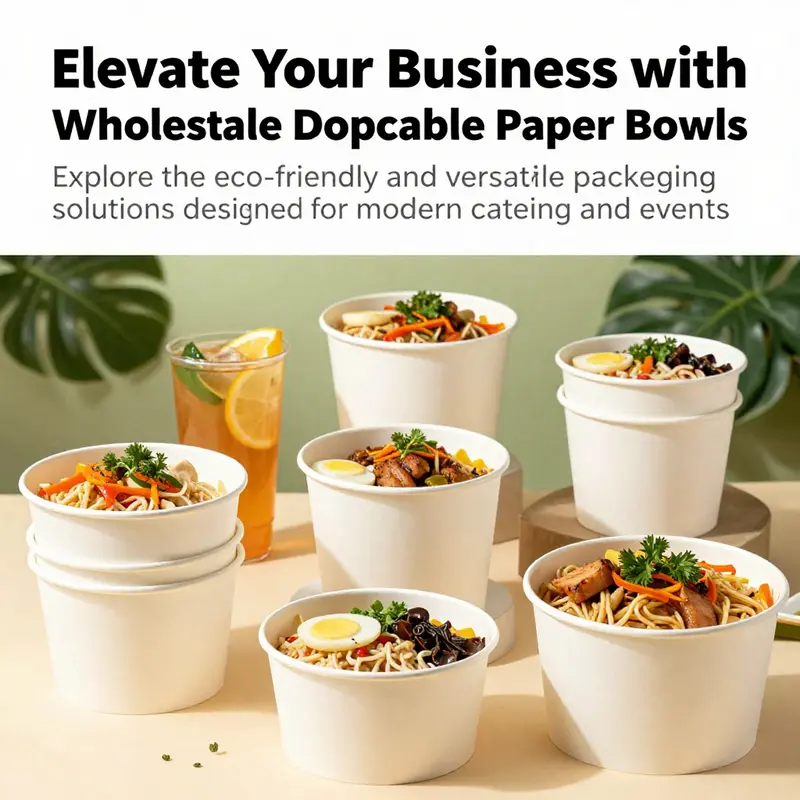
Wholesale disposable paper bowls are becoming an essential part of the food service industry, particularly in sectors like bubble tea shops, beverage chains, restaurants, food trucks, catering services, event planning, and corporate procurement. These bowls not only meet the rising demand for convenient and hygienic packaging but also cater to eco-conscious consumers. In the chapters that follow, we will delve into the various types of paper bowls available and their suitable applications, the sustainable materials and production processes behind them, the market pricing and procurement methods, customization options to promote your brand, and the logistics and after-sales service that ensure a seamless purchasing experience.
A World of Wholesale Paper Bowls: Types, Materials, and Real-World Uses
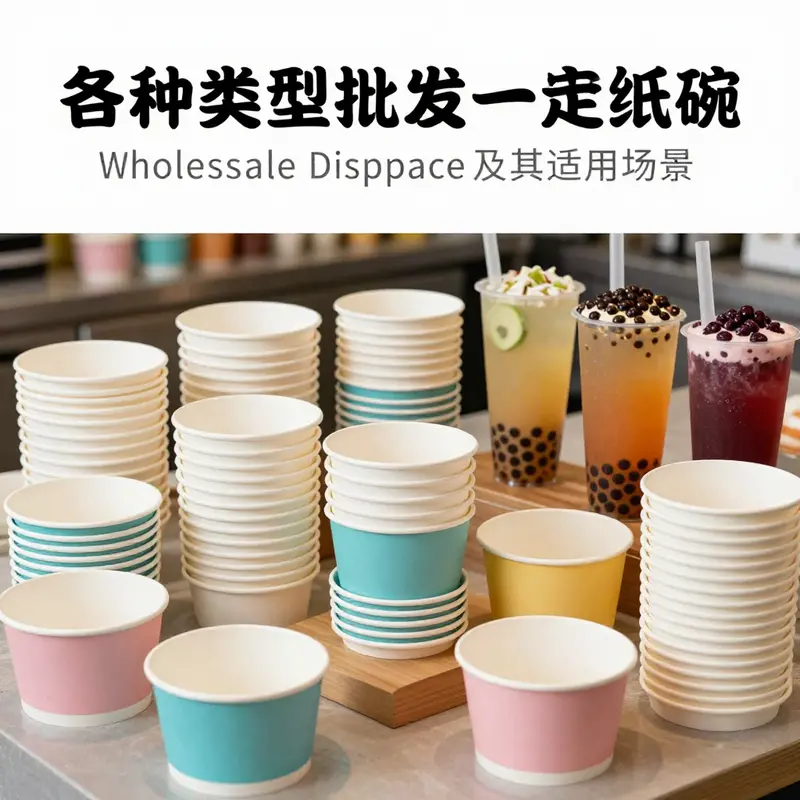
Wholesale disposable paper bowls sit at the crossroads of practicality, sustainability, and branding for a modern food-and-event economy. They are not just vessels for holding food; they are tools that shape a brand’s reliability, a venue’s efficiency, and a consumer’s daily routines. When a planner or restaurateur surveys the landscape of available options, they encounter a spectrum that stretches beyond mere capacity. The choices encompass material science, design philosophy, and the logistics of large-scale procurement. In practice, the decision becomes less about selecting a single item and more about orchestrating a family of vessels that can adapt from a casual weekday takeaway to a carefully staged festive banquet. The wholesale market is organized around a handful of core principles: variation in size, a spectrum of materials, functional features that reduce spillage and ease handling, and pathways for customization that translate a bowl into a mobile storefront for a brand. This reality makes wholesale disposable paper bowls an essential pillar of modern food service, catering, and even large-scale hospitality events.
From the outset, the most visible division in this market is size. Yet size alone does not determine suitability; it is the relationship between capacity and form that indicates whether a bowl will perform well in a given setting. A basic line of bowls typically covers a range from compact 300–450 milliliters up to 750–850 milliliters, and then into larger bowls that edge toward 1000 milliliters or more. These buckets of volume map directly to menu items and handling scenarios. A small bowl may be ideal for steamed rice, soups, or a light salad at a quick-service counter, while a larger vessel becomes the natural home for hearty bowls, noodle dishes, or food flights at a casual gathering. For caterers or event coordinators, the availability of multiple sizes in a consistent line reduces the friction of packing, transport, and service. The ability to standardize on a family of bowls with shared lids, coatings, and printing schemes translates into efficiencies that ripple through every stage of operation, from kitchen prep to handoff to customers.
Beyond size, material choice is the most consequential axis of differentiation. A great deal of wholesale supply for disposable bowls is still anchored in food-grade kraft paper, a sturdy, recyclable, and relatively economical option. Kraft paper bowls often feature a water- and oil-resistant coating on the inside, designed to resist moisture and grease without compromising the integrity of the paper. This interior protection is essential when serving dishes with sauces or broths, helping to prevent leak-through and preserving the user experience. In recent years, there has been growing demand for more sustainable and compostable alternatives. Some bowls are produced from plant-based fibers such as bagasse (sugarcane residue), rice hulls, or corn starch blends. These eco-friendly options appeal to venues that emphasize green practices or who seek to align with consumer expectations around waste reduction. They also carry practical advantages in the areas of odor control and heat tolerance, with many of these materials lending themselves to microwave reheating (often with the caveat that only the upper portion is microwave-safe) and to safe freezer storage. The tradeoffs, of course, center on price, stiffness, heat resistance, and the degree of biodegradability that consumers will accept in different contexts.
A related dimension of material is the transfer of technology from the factory floor to the dining table. The best bowls in the wholesale market are designed with robust leak resistance and reliable heat handling. A well-made vessel resists seepage for soups and stews, yet remains thin enough to be cost-effective for bulk orders. Some offerings provide an optional sealable lid system, a feature that dramatically improves transportability for delivery, catering, and takeout. The lid not only arrests leaks but also preserves temperature and reduces odor migration, making the eating experience more predictable for customers and easier to manage for service staff. A subset of bowls is also engineered to withstand micro and cold environments, with a temperature tolerance spanning from well below freezing to moderately hot serving temperatures. This versatility makes a single product line adaptable to both cold salads and hot dishes, a useful attribute for markets that span seasons or offer a rotating menu.
The functional toolkit of these bowls extends into smarter design choices that improve workflow. Some bowls feature built-in dividers or segmentation options that let a single container carry elements that would otherwise require separate smaller bowls. This is particularly valuable for dishes that pair main courses with sauces, dressings, or side ingredients. In other cases, designers have pursued stackability and nesting to save space in storage and reduce the chance of damage during transport. The physical form—whether round, squared, or with a rectangular profile—also influences stacking behavior, ease of packing into catering crates, and customer perception at the point of purchase. The subtlety of these design choices often determines whether a bowl is treated as a disposable one-time use item or as a practical, everyday packaging tool that a business can rely on for weeks and months on end.
The question of branding and customization inevitably arises in wholesale procurement. Businesses see an opportunity to turn eating vessels into marketing real estate by adding logos, color schemes, or seasonal motifs. The customization process can cover multiple dimensions: material color or finish, printed artwork on the exterior, internal text or messaging, and even the inclusion of branded lids and seals when applicable. Large-volume orders make customization economically sensible, enabling a cohesive look across a restaurant’s takeout packaging, party supplies for events, and promotional campaigns for products or services. The ability to tailor bowls to a particular event or brand message means these vessels can function as a small but potent touchpoint for brand recall.
In practice, buyers approach procurement with a prudent balance of cost, quality, and reliability. The wholesale model rewards volume, with price breaks tied to order size and lead times that scale with quantity. A typical large order may unlock a markedly lower per-unit price, but it also requires longer planning windows and precise forecasting to avoid overstock or stockouts. Payment and purchase protection are important as well. Many platforms that facilitate wholesale transactions offer escrow-like protections, secure payment methods, and dispute resolution channels. These safeguards help buyers feel confident that materials will arrive as described, on time, and within the agreed budget. In addition, robust returns and refund policies provide a safety net in cases of shipment mishaps, quality concerns, or failures to meet essential specifications. For buyers, the combination of price transparency, predictable lead times, and strong after-sales support forms the backbone of a successful wholesale relationship.
Where the chain moves from purchase to practical use, the story of a bowl truly unfolds. Logistics play a decisive role in ensuring that orders arrive intact and ready for service. The most effective wholesalers supply not only product but also knowledge about packaging, labeling, and compliance. They can guide clients through options for sample testing, which allows a business to verify coating compatibility with a given menu and assess heat tolerance under actual serving conditions. Some suppliers advertise sample programs at minimal cost to help clients gauge quality before committing to large-scale purchases. For teams coordinating corporate events or seasonal campaigns, this early validation can prevent costly misfires and mismatches between the brand and its serving ware.
A well-designed bowl program also integrates with other packaging assets. Consider a partner who can offer a coordinated lineup that includes both bowls and related packaging items such as takeout containers, snack cups, and lids that fit a common family of products. When a brand can rely on a single supplier for multiple packaging needs, the procurement process becomes simpler, pricing becomes more transparent, and the consistency across items reinforces brand recognition during a dining experience. To explore practical patterns of integration and customization in this space, teams often look to suppliers who emphasize flexible configurations, material choices, and the capacity to print or emboss branding elements on large runs. The goal is not just to fill an order but to synchronize visuals, materials, and performance across the entire packaging ecosystem.
For teams that want to translate design goals into action, the option to choose a dedicated packaging partner can be crucial. A thoughtful supplier will listen to the specific demands of a restaurant concept, a catering menu, or an event theme and then translate those needs into a coherent line of bowls with matching lids, dividers, and color accents. The result is not merely a collection of disposable items; it is a packaged experience that customers associate with a brand’s values. In this regard, the market’s breadth becomes a strategic asset. The same line of bowls that serves a casual bowl-and-salad concept can also support upscale gatherings when paired with appropriate finishes, lids, and printed motifs. The underlying materials, coatings, and structural integrity remain constant, ensuring a reliable platform for both everyday use and extraordinary occasions.
For buyers who want to link this discussion to actionable pathways, consider how a brand’s next event or season could be supported by a tailored bowl program. A well-chosen combination of basic, eco-friendly, and premium options provides flexibility to accommodate shifting menus, fluctuating demand, and evolving sustainability commitments. To integrate customization without compromising supply chain simplicity, one might pursue a single, trusted supplier who can deliver the base line of bowls along with optional add-ons such as branded lids or separators. The idea is to create a packaging suite that mirrors the organization’s aesthetic while preserving the efficiencies of bulk production. In this way, wholesale disposable paper bowls extend beyond a simple commodity. They become a strategic instrument that reflects an organization’s identity and operational discipline, from the kitchen to the event floor and onto the customer’s table.
For readers seeking practical starting points in this expansive landscape, a convenient approach is to explore customization pathways that align with event themes or brand campaigns. A curated option is to engage with suppliers offering tailored takeaway packaging solutions, which often include theme-specific finishes, color palettes, and printing capabilities. This approach makes it straightforward to translate a seasonal concept into a tangible packaging experience, without sacrificing the performance and reliability that wholesale procurement promises. The result is a cohesive, on-brand presentation that enhances the food experience and reinforces the message a business wants to communicate. If you are pursuing a branded, theme-forward program, consider exploring custom takeaway packaging supplies as a starting point for aligning form, function, and imagery across your serving ware.
In closing, the wholesale market for disposable paper bowls offers more than a range of sizes. It presents a spectrum of materials, a toolkit of design features, and a pathway to branding that can elevate the ordinary act of eating into an on-brand moment. The most effective decisions arise from weighing cost against performance, sustainability against practicality, and customization against supply chain reliability. When these factors are balanced, a bowl becomes more than a receptacle for food; it becomes part of a brand’s operational rhythm and a reliable participant in the daily rituals of hundreds, thousands, or even tens of thousands of meals. This is the core value of wholesale disposable paper bowls: a flexible, scalable packaging solution that travels with a business through ordinary days and extraordinary events alike. For those who plan carefully, the result is not just cost efficiency but a coherent, memorable experience that customers carry with them beyond the last bite.
External resource: https://www.alibaba.com
From Renewable Fibers to Practical Bowls: The Eco-Focused Path of Wholesale Disposable Paper Bowls
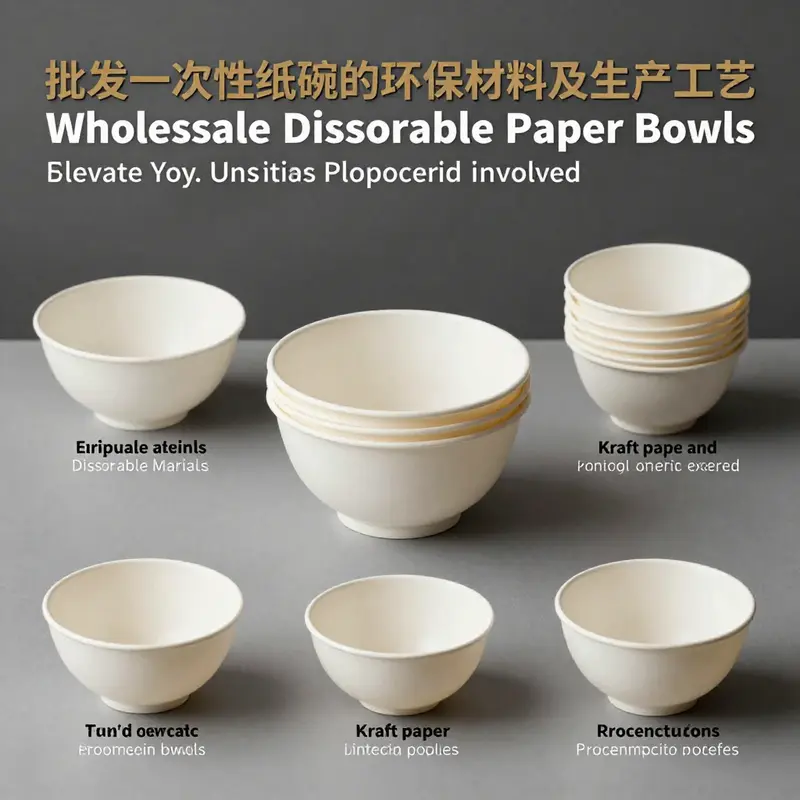
Every wholesale purchase of disposable paper bowls sits at the intersection of performance, cost, and responsibility. Buyers increasingly want materials and processes that deliver heat tolerance, leak resistance, and safe, consistent quality while reducing environmental impact. This chapter traces how renewable fibers and advanced manufacturing coalesce to shape the market for wholesale disposable paper bowls.
Material choice is the first and perhaps most influential lever. Renewable fibers such as bagasse (the fibrous sugarcane residue) and bamboo pulp offer heat tolerance and barrier performance with lower forest impact. Some producers also use virgin wood pulp from sustainably managed forests, paired with responsible bleaching and finishing methods. The aim is to balance performance with end-of-life considerations, favoring compostability or industrial degradation where possible. Collectively, these options create a spectrum of bowls from budget to premium that meet customer expectations without compromising environmental goals.
The production process is inseparable from the material story. High-temperature, high-pressure forming, often with minimal or no chemical binders, creates bowls with strong structure. Protective, plant-based coatings can provide water and oil resistance while leaving the core compostable. Pretreatment methods such as enzymatic or water-heated processing can reduce chemical use and waste streams, supporting a cleaner lifecycle for the product.
From a quality and certification perspective, traceability and third-party verification matter. Certifications for food safety and compostability provide an objective basis for evaluation, helping wholesalers compare proposals and substantiate environmental claims to customers and regulators alike.
The wholesale journey also includes considerations of scale, standard sizing, and customization. Common capacities like 500 ml, 750 ml, and 1000 ml support standardized kitchens while offering branding opportunities. Customization is possible in form, coating level, and packaging configuration, all while preserving eco-design principles.
For buyers seeking credible guidance, credible references and certification bodies offer benchmarks for compostability and safety. External resources help verify end-of-life claims and build confidence across the supply chain.
External resource: https://www.bpiworld.org/
价格潮汐下的包装抉择:批发一次性纸碗的市场价格、采购路径与供应链策略
把订单变成品牌资产:批发一次性纸碗的定制服务与品牌推广
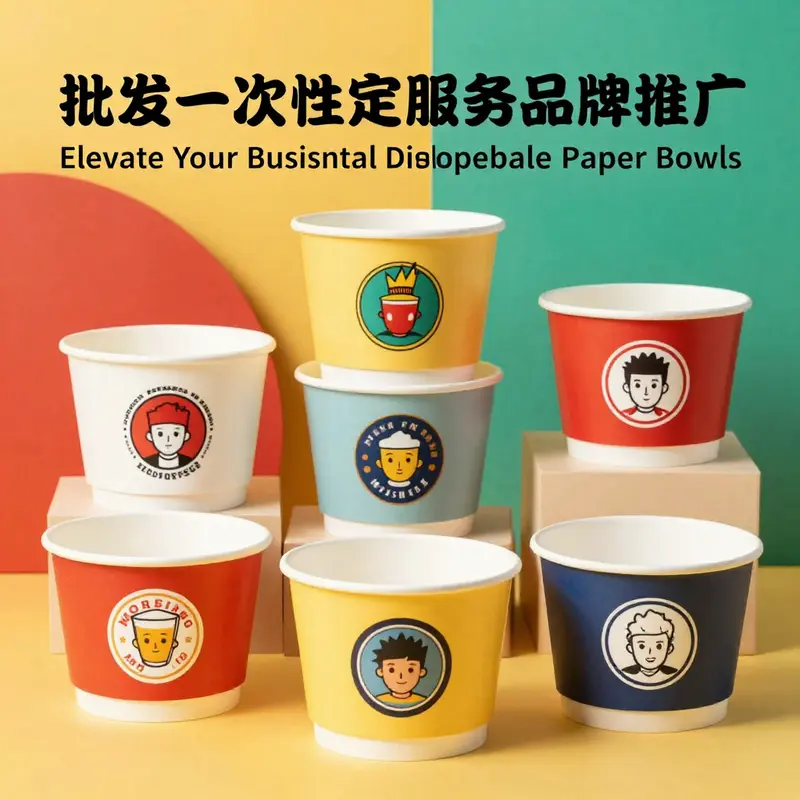
在批发一次性纸碗的世界里,定制并不仅仅意味着多一层印刷或更改颜色。它是一个以品牌为核心、以供应链效率为支撑的综合性解决方案。核心产品虽然以容量、材质与耐用性为基石,但真正推动商业价值的,是定制服务背后的整合能力与对品牌推广的深度理解。以市场上常见的纸碗为载体,企业可以将包装变成移动中的品牌形象、服务承诺与消费者体验的同步平台。多种容量选择,如500ml、750ml与1000ml等,配合食品级牛皮纸、经漂白与大豆基蜡处理的材料,确保无毒、可降解与安全使用,这些属性既满足卫生与环保诉求,也为品牌的环保形象加分。更重要的是,防水防漏的结构、可选的密封盖、以及微波炉安全(仅上层)和广泛的耐温范围,使包装在餐饮、活动与日常家庭使用中都显得可靠。品牌方在设计包装时,可以围绕封存性、展示性、易开合和品牌识别来进行一体化思考——让每一次外卖配送都成为一个无声的广告、一个体验的延展。与此同时,批发渠道的价格透明、清晰的起订量与可靠的售后政策,降低了企业进入定制化包装的门槛。对大规模订单而言,单位成本在极具竞争力的区间内浮动,企业可以在保证利润的同时实现品牌的一致性与扩张的弹性。通过一个可控的采购流程,商家不仅获得稳定的供应,还能通过物流与样品服务快速验证设计与市场反应,降低库存压力与试错成本。这些要素共同构成一个“定制即投资”的商业逻辑:初期的美观与功能性,最终聚焦在品牌的长期资产化上。为了解这一链条的运作方式,可以把定制包装看成一座桥梁,连接产品本身、品牌传播和运营效率三端。设计与材料选择提供外在形象与使用体验,打印与图案则传达品牌故事,透明的价格与多样的容量选项则保证大规模复制的一致性。从这个角度看,一次性纸碗的批发改造,既是供应链效率的提升,也是品牌资产的扩张。对于餐饮连锁、主题活动以及需要统一视觉语言的场景,定制服务提供的并不仅是包装本身,更是一整套可执行的品牌策略。它将餐具从单纯的使用工具,转化为营销载体、客户触点与场景化体验的载体。
从仓储到承诺:批发一次性纸碗的物流网络与售后保障
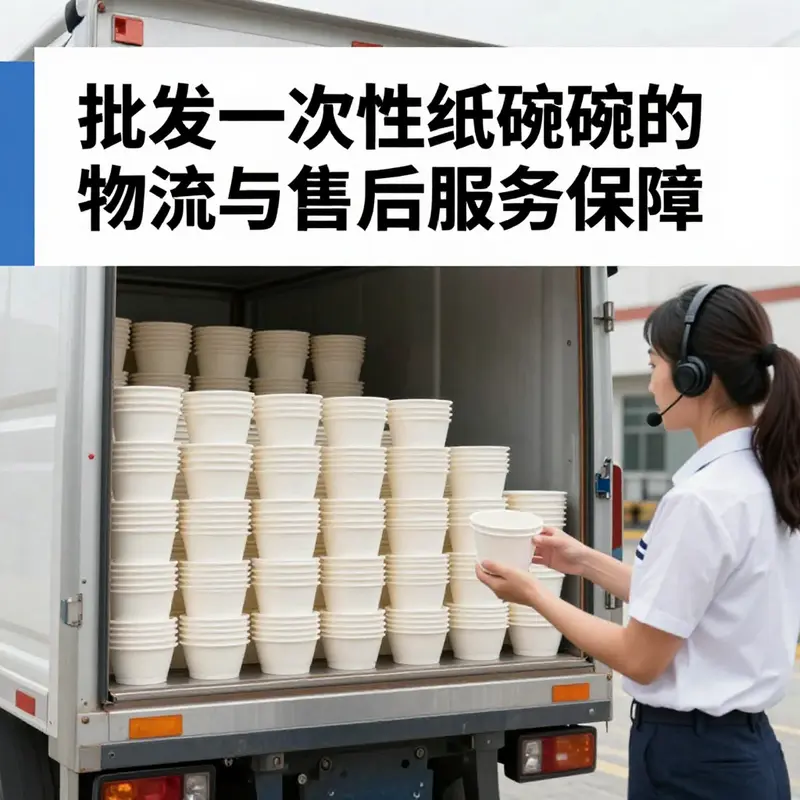
在批发一次性纸碗的商业生态中,物流与售后保障并非附加项,而是决定客户体验与长期合作成败的核心机制。对于餐饮、活动策划以及大规模场景,纸碗不仅是容器,也是连接食物、品牌与顾客信任的桥梁。因此,稳健的物流网络、透明的过程管理,以及快速、负责任的售后服务,成为供应商与采购方共同成长的基础。下面的描述聚焦于通过高效运输、严格的质量把控、清晰的退换策略以及持续的沟通,把“卖产品”转变为“提供解决方案”的长期承诺。
物流保障是供应链的骨架。多数规模化供应商会建设多基地生产与大面积的仓储布局,以实现全国范围的快速分发。这不仅提升对急单的响应能力,也降低运输风险。对于需要在不同温区运输的纸碗及相关用品,专业物流体系通常在出库前完成脆损检验,确保箱体在运输中不因堆叠或搬运而产生额外损伤。一旦发现边缘变形、内层衬垫松动或层压破裂,系统将即时标记并通知发货端,便于及时处理,避免瑕疵品流向客户。
“出库即检验、入库再核对”的全流程质量管理,是降低售后成本、提升第一时间解决问题能力的关键。优质的物流体系还具备灵活的多品类整合能力,能够对不同规格、不同材质的混装、散收和统一贴单,最终在目的地按品类分区存放,提高派送后的取货与上架效率,减少客户在仓库层面的等待与错配风险。在同一采购批次中组合多种容量的订单时,这一能力尤其重要,因为它直接关系到门店或活动现场的库存管理与现场操作的顺畅。
配送速度方面,行业实践通常追求“今天发出,明天到店”的节奏。实现这一目标离不开对运输环节的精细调度与固定节奏的地面操作。通过与专业的物流网络协同、夜间过境、次日送达的固定时段安排,供应商能够显著提升按时交付率,减少天气、路况或订单拼单带来的延误。这些措施让采购方在计划排程时对到货时间有更准确的预估,从而降低物流不确定性带来的成本与风险。只有配送端具备稳定性,采购端才敢把批量采购计划与现场活动时间表紧密绑定。
除了速度,可靠性同样重要。全流程质控不仅在出库阶段执行,也渗透到运输过程的监控与到货时的验收。许多供应商在运输途中提供追踪信息、温度与湿度监控,以及到货前的预验收清单,确保货物到达前潜在质量问题暴露在可控范围内。若出现轻微破损,快速的替换或补发是常见做法,避免因时间滞后扩大损失。这种“先识别、再处理”的机制,是减少纠纷、保持交易顺畅的关键。
多品类订单下的灵活性,是无形资产。纸碗往往与其他一次性餐具、包装盒、餐具配件一起被采购,供应链需要具备跨品类协调能力。成熟的供应商能够实现多规格混合、统一贴单,以及在终端分区存放和高效分拣,避免零散订单带来的物流空窗与错配。这种能力对中小企业尤为重要,降低对不同供应商的依赖,简化采购与库存管理流程,提高运营效率。实际运作中,这种整合能力让客户在同一批次内完成多种材料与容量的需求,减少采购周期,降低整体采购成本。
售后保障方面,透明、快速、负责是核心原则。正规批发渠道通常提供清晰的退换货条款;若物流环节造成破损或产品与订单不符,客户可凭证进行退换或赔偿。这也是对客户权益的直接保护、以及建立长期信任的显著信号。专业销售团队具备从产品选型、规格确定到使用建议的全程咨询能力,遇到设计困难或日常使用中的操作挑战,均能提供快速、准确的技术与服务支持,帮助客户快速解决问题。这种快速响应能力往往比单纯的价格优势更能决定客户忠诚度。
在品质承诺与风险兜底方面,领先的供应商通常设定明确的责任底线:若非人为因素导致质量问题,提供补货或赔偿,确保客户无后顾之忧。这种以质量为本、以客户为中心的承诺,能够减轻采购方的运营压力,也驱动供应商提升重复购买率与长期合作。实际案例中,高交付准时率与高复购率成为衡量优质供应商的关键指标。若某家在过去一年保持良好交付记录,且客户持续回头购买,说明供应链、生产排程、仓储管理和售后服务已经形成了良性闭环。
长期伙伴关系的经营,是将良好供给转化为持续价值的关键。优秀的供应商通过持续沟通、前瞻库存管理和灵活的风险应对机制,维护与客户的信任。定期的库存前瞻、需求预测以及紧急备货方案,帮助采购方在突发活动或季节性波动时仍能保持供应稳定。这需要对市场趋势的敏锐洞察、对客户需求的持续关注,以及对上下游协作的不断优化。
总之,批发一次性纸碗的物流与售后服务保障,超越“卖产品”的交易框架,形成以解决方案为导向的商业模式。客户在需要快速、稳定、无忧的包装与一次性餐具解决方案时,优秀的供应商能提供从需求确认、运输执行、现场配发、退换与赔偿的全链路服务,提升对供应商的依赖并推动行业在质量标准、物流效率和客户沟通方面的持续进步。若希望系统理解物流与售后的质量,可以参考带盖设计及其批发方案的相关资源,了解具体实施要点与案例参考。行业层面可通过权威资源了解供应链的框架与最佳实践,相关参考链接包括 https://ecocupbowl.com/product/disposable-kraft-paper-bowls-food-containers-with-lids-bulk-500ml-to-1000ml-rectangular-bowls-for-takeaway/ 与 https://www.sd-aq.com/。通过对标这些资源,采购方可以形成更清晰的评估标准:交付时效、损耗率、退换流程透明度,以及与供应商的沟通效率等关键指标。总之,在全国范围内建立高效配送网络、严格质量把关、以客户满意为核心的供应商,通常是餐饮业者、活动策划者以及企业单位长期信赖的伙伴。
Final thoughts
Wholesale disposable paper bowls offer a reliable and eco-friendly solution for businesses across various sectors. From their diverse types and sustainable materials to competitive pricing and customization options, these products cater to the needs of bubble tea shops, food trucks, event planners, and more. Understanding the logistics and after-sales service ensures a smooth purchasing process, enhancing client satisfaction. By choosing high-quality, environmentally responsible paper bowls, you can elevate your service and meet the demands of your discerning customers effectively.