
For beverage chains, restaurants, food trucks, and event planners, reliable packaging solutions are essential to sustaining operations and enhancing customer satisfaction. Wholesale plastic food containers stand out as a critical investment for businesses aiming to enhance efficiency while keeping costs manageable. Each aspect discussed in this article—from the advantages of bulk purchasing to the specific materials and finding the right suppliers—serves to equip you with the insights necessary for navigating the market effectively. Discover the benefits, types, sourcing strategies, and cost implications of wholesale food container plastics tailored to suit your service needs.
From Cost to Consistency: Harnessing Wholesale Plastic Food Containers to Power Modern Food Operations
Sourcing wholesale plastic food containers is more than a procurement task; it is a strategic move that can stabilize margins, reinforce service standards, and unlock scalability for a wide range of operations. In a market where speed and reliability matter as much as price, bulk purchasing becomes a consistent thread through the entire value chain. For a busy restaurant, a meal-prep service, a catering outfit, or a grocery chain, the container is not just a vessel—it is a critical link that influences pricing, customer perception, and the pace at which orders move from kitchen to customer. When a business views packaging as an operational asset rather than a simple expense, it begins to appreciate how wholesale plastic containers can act as a backbone for efficiency and resilience, especially when demand swings with seasons, events, or promotional campaigns. The shift from buying ad hoc to buying in bulk is not merely about savings on the price per unit; it is about building a predictable supply rhythm that supports planning, forecasting, and quality control across multiple touchpoints in the food system.
The most immediate and tangible benefit of wholesale purchasing is cost savings realized through economies of scale. The per-unit cost drops as order quantities rise, and this reduction compounds over time. Bulk buying enables a business to lock in favorable pricing long before a peak period descends on the operation. This matters most for items that are consumed quickly and replenished frequently, such as lunch boxes, sandwich containers, or single-use bowls used in catering and takeout. While the exact price points vary with supplier, container type, and customization options, the economic logic remains clear: more units per order reduce the overhead embedded in handling, sourcing, and freight. The result is a leaner cost structure that can be reinvested into faster service, improved product presentation, or more competitive pricing, all of which contribute to customer loyalty and higher throughput during busy hours. Importantly, wholesale arrangements also enable predictable budgeting, which reduces the mental load on managers who otherwise chase weekly price fluctuations and supplier lead times.
Beyond the math of price, the durability and material properties of wholesale containers are central to maintaining quality across diverse operating environments. Food-grade polypropylene, polyethylene, and related polymers deliver a combination of lightness, impact resistance, and dependable performance under a range of temperatures. These materials stand up to the rigors of transport—from kitchen to delivery Bay to consumer table—without cracking or warping. They are designed to tolerate hot foods in some configurations and remain stable when chilled or frozen, extending the utility of a single container line. The lightweight nature of these plastics reduces handling strain on staff and minimizes freight weight, which provides additional savings in logistics costs and a smaller carbon footprint for the operation. In a world where speed must be matched with safety, the inherent durability of PP and PE also contributes to lower breakage rates, fewer replacement orders, and a smoother, more predictable workflow during peak periods.
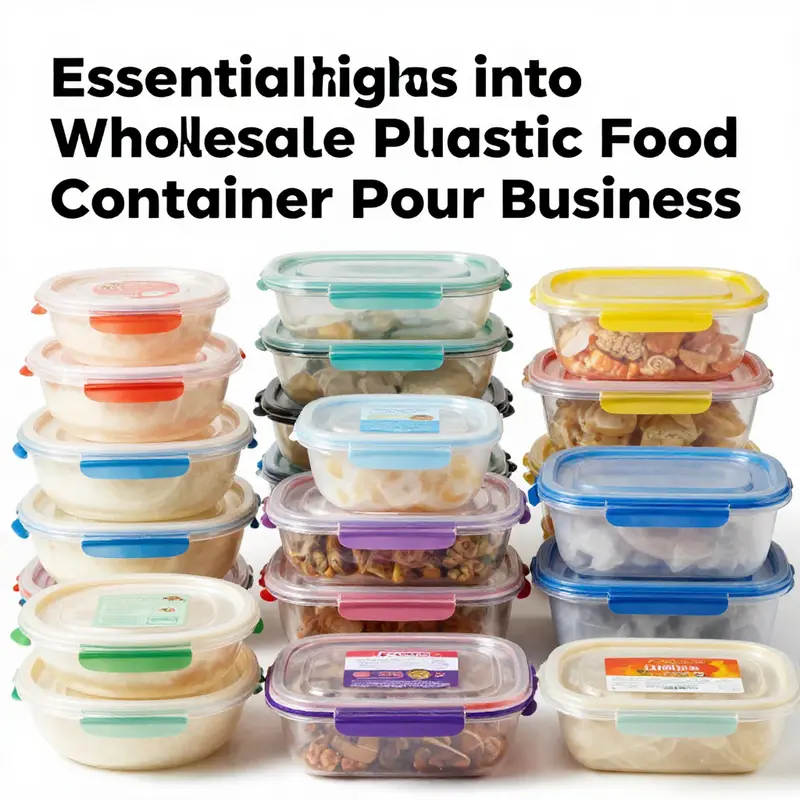
The transparent or translucent designs common to many wholesale plastics offer practical benefits for inventory management. Clear or semi-clear containers permit quick visual checks of contents, enabling staff to identify items at a glance rather than opening multiple lids or unlatching boxes. This visibility translates into faster restocking, more accurate portioning, and better control over expiration timelines. Paired with standardized dimensions and stackable forms, these containers optimize space in pantries, warehouses, and retail displays. Stackability is not merely a convenience; it is a force multiplier for storage density, pallet utilization, and even store shelf presentation. When every item has a predictable footprint, warehousing becomes less chaotic, and replenishment cycles align more closely with sales velocity. For businesses with fluctuating demand, the ability to rapidly scale storage without sacrificing order accuracy is a quiet but enduring competitive advantage.
Operational resilience is another core advantage of bulk packaging, especially in industries where service continuity defines reputation. Seasonal demands—holiday banquets, summer carnivals, back-to-school feeding programs—can strain supply lines if containers are sourced in small lots or, worse, run out entirely. A well-planned wholesale strategy anticipates these surges by maintaining sufficient stock to cover regular day-to-day needs plus anticipated spikes. This preemptive approach reduces the risk of stockouts that translate into missed sales, delayed orders, or rushed substitutes that may compromise quality. Moreover, wholesale procurement supports smoother scheduling and production planning because the packaging inputs stay consistent across batches. In fast-paced environments like meal-prep sites or mobile catering, the discipline of bulk purchasing creates a predictable rhythm—staging, packing, and dispatch all move in harmonious tempo rather than in fits and starts.
The breadth of materials and container formats available in wholesale markets further strengthens the case for bulk sourcing. Polypropylene containers are widely favored for their heat resistance and durability, making them suitable for hot-serving scenarios while maintaining form under pressure. Polyethylene containers, often employed for cold items or more flexible packaging needs, provide resilience and a reliable barrier against leaks. In some cases, transparent PET-based options are used for specific cold-storage applications, given their clarity and recyclability. Each material carries distinctive advantages for different foods and service models, so buyers can align container selection with operational realities—hot meals, cold snacks, or moist dishes—without compromising safety or presentation. The repeated use of standardized materials across a business’s product family also simplifies quality control, as inspectors learn the same acceptance criteria for a wide range of containers rather than navigating a mosaic of disparate products.
Brand consistency and customization emerge as powerful strategic advantages within wholesale procurement. The capacity to print logos, add color-coding, and tailor shapes and sizes helps a food operation reinforce its identity at every touchpoint—from kitchen prep to curbside pickup and storefront display. When branding is embedded in the packaging, it extends the customer experience and enhances recall. Customization also offers practical benefits, such as category differentiation (e.g., different colors for different menu lines or dietary options) and packaging sizes that better fit portion control or meal-kit configurations. While customization typically involves higher upfront costs or minimums, the long-term benefits in brand recognition and streamlined operations can be substantial. A wholesale partner can often accommodate a range of customization options, from color and size choices to optional lids, branding on the lid, and even packaging configurations that suit specific service models, making bulk purchasing a more flexible and value-driven choice than simple bulk buying of generic containers.
A robust wholesale strategy also supports more sophisticated inventory management practices. When a business maintains a consistent range of container types, it can implement standardized tracking, forecasting, and replenishment processes. This reduces the cognitive load on staff and enhances accuracy in stock control. Clear, consistent packaging makes cycle counts faster and more reliable, minimizing discrepancies that can cascade into mispicks, delayed fulfillments, or customer dissatisfaction. Precision in inventory translates into better procurement discipline, and that discipline feeds back into tighter cash flow management and more predictable operational costs. The result is a packaging ecosystem that supports the broader objective of operational excellence: faster service, consistent quality, and fewer disruptions during busy periods.
Sourcing reliability remains central to the wholesale advantage. Platforms that connect buyers with verified manufacturers and suppliers offer a structured pathway to consistent quality, detailed specifications, and secure payment options. They help buyers compare minimum order quantities (MOQs), customization options, and shipping terms, which in turn informs a more precise budgeting and planning process. For businesses aiming to minimize risk, working with established suppliers who operate under clear quality standards and transparent lead times reduces the likelihood of surprises. The emphasis on consistent batches, durability, and standardized dimensions means that once a favorable supplier relationship is established, a company can rely on a steady flow of containers that maintain uniform performance across production cycles. The net effect is a supply chain built on predictability rather than improvisation, a crucial factor when food safety, service speed, and brand perception are tightly interwoven.
An essential consideration in this strategic calculus is the balance between cutting costs and maintaining quality. While bulk purchasing reduces unit costs, it also imposes a price of careful supplier evaluation, especially when customization is involved. Buyers must assess not only price and MOQs but also material compatibility with heat, moisture, cleaning processes, and reheating or freezing regimes. In practice, this means verifying that the chosen containers meet food-safety standards, withstand the operational temperatures of the kitchen and transport, and demonstrate reliability across repeated use where applicable. It also means examining the entire packaging ecosystem—from lid fit and seal integrity to stackability and closure mechanisms—to ensure that every part harmonizes with the organization’s workflow. When these considerations are aligned with a sound procurement framework, wholesale purchases become an accelerant for growth rather than a risk-adding complication.
For organizations exploring practical examples of wholesale packaging, consider a range of take-away solutions that illustrate how bulk containers translate into everyday efficiency. These options include boxes and cups designed for high-volume takeout or delivery, with features that reduce spill risk and support fast fulfillment. A reliable supplier can tailor these solutions to specific service models, enabling a consistent customer experience across multiple channels. take-away food packaging boxes demonstrates how a single packaging family can adapt to varied menu items while preserving branding and performance across locations. Integrating such wholesale packaging into a cohesive operational strategy helps a business maintain speed, accuracy, and appeal from the first moment a customer sees the order on the counter or at the doorstep.
In sum, wholesale plastic food containers offer a constellation of advantages that extend beyond price alone. They deliver durability that stands up to kitchen and transport demands, visibility and space efficiency that streamline operations, and customization and branding opportunities that enhance the customer experience. They reduce the risk of stockouts during peak periods, improve inventory management, and support a more predictable supply chain. When these factors are integrated into a thoughtful procurement strategy, wholesale packaging becomes a lever for stronger margins, better service reliability, and a more compelling brand presence in a competitive market. As businesses continue to evolve toward more centralized sourcing and standardized packaging, the role of wholesale plastic containers as an operational backbone becomes clearer, ensuring that the focus remains where it should be: delivering high-quality food to customers with speed, consistency, and care.
External reference: https://www.chinaplasticsupplier.com/wholesale-food-containers-china-explained/
Material Matters: Plastics in Wholesale Food Containers
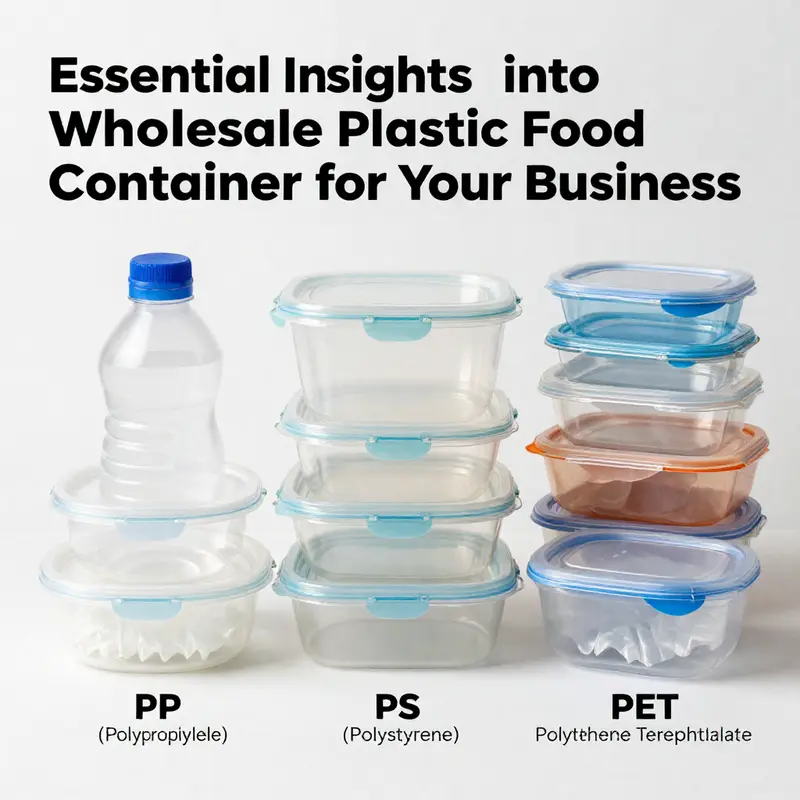
Choosing the right plastic resin for wholesale food containers is a strategic decision that affects cost per piece, durability, and safety across cold and hot service scenarios. Polypropylene offers heat tolerance, lightweight handling, and broad compatibility with lids and seals, making it a common baseline for grab-and-go meals, bakery items, and multi-use packaging in high-volume channels. HDPE provides rugged impact resistance and chemical durability, ideal for tubs, dairy and condiment containers, while maintaining cost efficiency in bulk programs. PS delivers clarity and a premium presentation for short-lived or single-use applications, but cautions around heating and environmental impact require careful alignment with service models. PET is valued for clarity and perceived quality in cold-item packaging and beverages, though it is typically not chosen for repeated use or high-heat exposure. PVC use in food contact has declined as safer and more recyclable options become available, and most wholesale buyers favor PP, HDPE, or PS depending on the product and lifecycle goals. Sustainability and regulatory compliance increasingly guide material selection, with attention to recyclability, post-consumer content, and adherence to FDA food-contact guidelines. The practical takeaway is to standardize on a material family where possible, ensure compatibility with lids and accessories, and map resin choices to each service model—hot meals, cold dishes, and display items—so that scale, quality, and safety are maintained as demand grows.
From Promise to Partnership: Finding Reliable Suppliers for Wholesale Plastic Food Containers
Choosing wholesale plastic food containers for a business is more than selecting a price tier or a catalog of shapes. It is about establishing a dependable pipeline that underpins every meal, every takeaway, and every package that leaves a kitchen. In markets where margins tighten and customer expectations rise, the reliability of the supplier becomes a strategic asset. The right partner doesn’t just supply containers; they reduce risk, enable brand consistency, and contribute to operational resilience. Good sourcing is less about chasing the lowest unit cost and more about building a relationship built on capability, transparency, and steady performance across the life of a contract. This approach is especially critical in food packaging, where safety standards, product integrity, and predictable lead times can translate directly into customer satisfaction and long-term loyalty.
The backbone of reliable sourcing is a systematic, nonromantic assessment of suppliers conducted through professional B2B channels and disciplined criteria. In today’s landscape, reputable suppliers are no longer judged solely on the breadth of their catalog or the immediacy of a quotation. Buyers increasingly scrutinize verifiable credentials, production capacity, quality management, and the ability to support ongoing demand. They look for partners who can balance high-volume requirements with the agility to respond to seasonal spikes, promotional campaigns, or sudden shifts in packaging design. This requires a deliberate mix of diligence, pragmatism, and clear communication about expectations from the outset. The process begins with a mindset: treat supplier selection as a collaborative, ongoing relationship rather than a one-time transaction.
Across the range of materials used for food containers, polypropylene (PP), polystyrene (PS), and PET each brings a distinct set of strengths. PP is valued for its strength, heat resistance, and recyclability, making it a common choice for durable lunch boxes and takeout bowls. PS offers clarity and rigidity, which suits clear, single-use containers and trays that showcase contents. PET is often chosen for cold items and beauty in transparency, with a robust recycling profile that aligns with sustainability goals. Suppliers who understand these material properties—and can align them with specific product performance requirements—demonstrate a depth of technical capability that translates into consistent outcomes across batches. When a supplier can articulate how a container’s lid seal, wall thickness, or chemical compatibility with sauces and marinades will perform under real-world use, buyers gain confidence that the packaging will function as intended in the field.
Yet material choice is only part of the picture. The reliability of a supplier is also measured by their compliance posture and operational discipline. A leading indicator is certification and standards alignment. In the food packaging arena, ISO 22000 Food Safety Management System certification signals that a company has structured processes to identify and control food safety hazards along the supply chain. ISO 9001 demonstrates a commitment to quality management, with processes designed to ensure consistent performance and continual improvement. Some suppliers also hold UN dangerous goods packaging approvals, which reflects an ability to manage more complex, regulated packaging environments. When a supplier can point to these credentials—and maintain them across multiple product lines and production runs—buyers gain assurance that safety and quality are built into the fabric of operations. These credentials are not ceremonial. They are active commitments that require regular audits, training, and documentation to stay current.
One practical signal of a supplier’s reliability is trackable market performance, especially repeat orders. In markets dedicated to bulk packaging, repeat order rates can provide a window into ongoing customer satisfaction and stability of supply. A supplier showing a strong, ongoing demand—whether in the mid-teens to the forties as a share of total orders—illustrates consistent product performance and dependable logistics. A high repeat-rate implies more than just satisfied customers; it implies predictable delivery, stable quality, and effective after-sales processes. Conversely, low or fluctuating repeat rates can flag inconsistencies in product availability, quality issues, or poor responsiveness. Buyers should treat repeat-order metrics as part of a broader due diligence framework, using them to corroborate what is seen in certification, capacity, and samples.
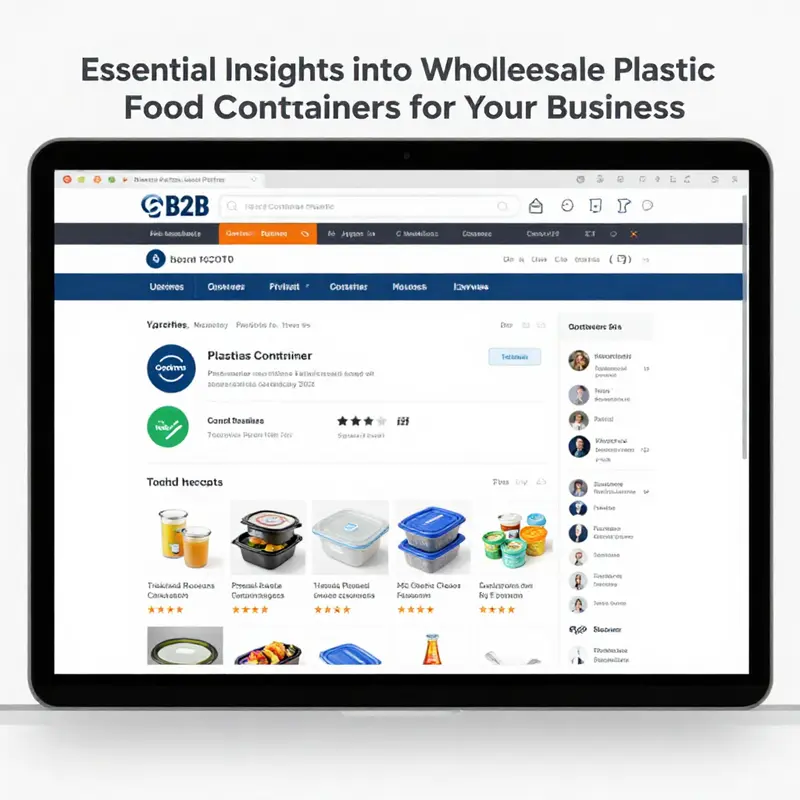
The market’s transparency tools have evolved, making the evaluation of suppliers more rigorous and more accessible. Established B2B marketplaces allow buyers to access company profiles, production capacities, and real-time feedback from customers. A well-structured profile can reveal an estimated monthly production volume, the range of container formats offered, and customization capabilities—such as logo printing, color options, or packaging configurations. In addition, these platforms often provide documentation uploads for ISO certifications, quality management system attestations, and safety compliance statements. The availability of these documents significantly shortens the due-diligence cycle, letting procurement teams triage suppliers quickly and focus conversations on the most capable partners.
For buyers who want to push beyond baseline certifications, engaging with suppliers who have demonstrated formal testing and rapid prototyping capabilities can be a decisive advantage. The capacity to run quick material tests, seal integrity trials, or performance checks for heat exposure and chemical compatibility can dramatically shorten new product rollouts. When a supplier can offer rapid prototyping and accelerated sample cycles, it signals a willingness to collaborate, iterate, and tailor packaging solutions to brand standards and process constraints. In fast-moving segments—like meal-prep services or high-volume takeout operations—this flexibility can translate into faster time-to-market and reduced opportunities for packaging-related bottlenecks.
Given these expectations, the supplier-selection logic becomes a practical blueprint. Start with a vendor assessment that places credentials and capacity at the fore. Look for ISO 9001 and ISO 22000 certifications, which provide structural evidence of quality and food-safety management. A UN packaging approval adds another layer of confidence for businesses that handle sensitive or regulated applications. Then, examine production capacity in relation to your forecast. A supplier may boast a broad catalog, yet if their capacity cannot meet peak-season demand, you risk stockouts and price volatility. Ask for lead times, minimum order quantities, and planned scalability. A robust supplier will outline how they manage demand surges, including inventory planning, contingency stocks, and alternate manufacturing lines.
Equally important is the supplier’s approach to quality assurance. A credible partner will articulate their QA processes, specify acceptance criteria for incoming materials, and describe how inspections occur at various stages of production. It helps when a supplier can demonstrate traceability—from raw materials to finished containers—and can provide documentation showing batch-level testing results. For food packaging, where a misstep can impact product safety and brand integrity, traceability and documentation are essential. Buyers should request sample lots or pilot runs to validate compatibility with existing products, test durability under typical usage conditions, and confirm the suitability of the packaging for the intended foods and service formats. A thoughtful supplier will welcome this testing phase as a mutual risk-reduction exercise rather than a hurdle.
Beyond qualifications and testing, the business relationship itself matters. Sourcing wholesale containers is as much about service levels as it is about product specs. Buyers should assess the supplier’s communication discipline, responsiveness, and willingness to engage in contract terms that protect both sides. This includes clarifying responsibilities for quality issues, returns, and replacement timelines. It also involves aligning on packaging customization capabilities—whether it is logo printing, color matching, lid types, or specific shaping and sizing. A supplier who can translate brand requirements into production-ready specifications without excessive cycles demonstrates a capacity to support long-term branding strategies and differentiated packaging lines. The most effective partnerships are born from early, transparent dialogue about expectations, followed by consistent performance across the contract’s life cycle.
The sourcing journey, however, rarely unfolds in a vacuum. It intersects with logistics, regulatory compliance, and sustainability imperatives that shape how a business operates. For logistics, it is essential to confirm shipping terms, packaging durability during transit, and the supplier’s ability to meet just-in-time needs or bulk-delivery schedules. Understanding incoterms, freight arrangements, and preferred carriers helps prevent miscommunications that can disrupt production lines or retail fulfillment. From a regulatory perspective, the packaging supplier should demonstrate awareness of regional rules and documentation requirements that facilitate smooth import and distribution. In some regions, this includes certifications and labeling standards that align with local food-safety laws and consumer expectations. Finally, sustainability considerations—such as recyclability, post-consumer content, and evidence of responsible sourcing—have become a differentiator for brands seeking to reduce environmental impact and appeal to eco-conscious customers. Suppliers who can speak to these commitments without compromising performance offer a longer-term partnership advantage.
The decision to work with a supplier is as much about due diligence as it is about cultural fit. The ability to negotiate in good faith, the willingness to share performance data, and the alignment of business values create a lasting, productive relationship. In practice, this means building a collaborative cadence—regular scorecard reviews, joint improvement initiatives, and clear escalation paths for any issues. A mature supplier relationship recognizes that packaging is a critical touchpoint in the customer experience. When the packaging arrives on time, looks consistent, and protects the product through the supply chain, it reinforces the brand promise and reduces the likelihood of returns or complaints. Conversely, a relationship marked by opacity, inconsistent quality, or delayed responses quickly erodes trust and inflates the total cost of ownership.
To summarize, finding reliable suppliers for wholesale plastic food containers hinges on a multi-layered approach that blends technical capability with process discipline and proactive service. It begins with a disciplined evaluation of certifications and capacity, moves through rigorous testing and quality assurance, and culminates in a partnership mindset grounded in open communication and mutual accountability. The most resilient sourcing strategies build redundancy into the supply base, ensuring that a single disruption does not derail operations. They also invest in the tools and processes that turn supplier relationships into strategic assets—clear performance metrics, transparent documentation, and a culture of continuous improvement. In the end, the goal is not merely to stock containers but to secure a dependable platform for brand integrity, customer satisfaction, and sustained growth.
For further insight into supplier evaluation and industry dynamics, consider exploring resources that synthesize certification requirements, market performance, and best-practice rankings within the plastic packaging sector. As a practical step, buyers can reference supplier profiles on prominent B2B platforms to verify certifications and monitor feedback, while reserving the right to request samples, conduct audits, and implement a supplier-diversification plan that aligns with business risk tolerance. When done thoughtfully, this process transforms a procurement function into a strategic lever for resilience, quality, and brand cohesion. As the market evolves, the emphasis remains on partnering with manufacturers who can consistently deliver safe, compliant, and well-made containers that support a brand’s reputation and operational goals.
For a broader industry perspective on top suppliers and performance benchmarks, you can consult external industry analyses and rankings. External resource: https://www.sohu.com/a/802345678_120000000
Internal resource note: for practical examples of how suppliers frame customization and packaging capabilities, see a leading packaging solutions catalog that emphasizes take-away packaging and theme-party disposables. This resource provides a glimpse into how a supplier translates brand requests into scalable production capabilities, including logo imprinting, color matching, and packaging options that reinforce brand identity while meeting regulatory standards. The link serves as a useful companion to due-diligence activities, offering context for how packaging providers communicate scope and capability in a competitive market.
In practice, the steps above translate into a structured, repeatable process: begin with a high-level credential audit, drill into capacity and sample validation, align on QA and traceability, confirm logistics and risk-mitigation plans, and finally establish a collaborative performance framework. The result is not a single deal but a durable partnership that supports consistent packaging quality, predictable costs, and reliable service across peak seasons and evolving product lines. This is the foundation on which a wholesale packaging program can scale with confidence, enabling food service operations, retailers, and caterers to present a cohesive, reliable brand experience in every container they deploy.
Bulk Plastic Packaging, Big Savings: Economic Pathways Through Wholesale Food Container Plastics
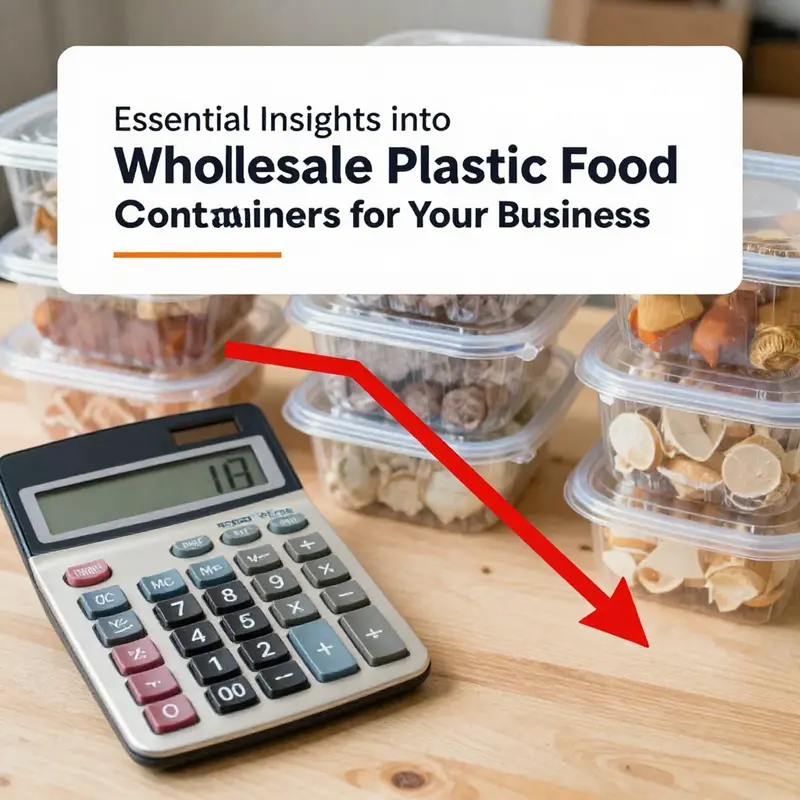
Every link in the food service chain hinges on packaging that can perform, protect, and present. When operators move to wholesale plastic containers, they are not merely buying more units; they are engineering a reliable backbone for their operations. The sheer scale of bulk purchasing unlocks a cascade of benefits that extend beyond the obvious price reductions. In fast-paced environments—from commissaries feeding multiple kitchens to high-volume takeout operations—the ability to predict material costs, maintain consistent product quality, and keep customers satisfied rests on choosing the right container architecture. The decision to source wholesale plastic packaging becomes a strategic move that touches procurement, production planning, and customer experience alike. The containers themselves become the interface between a cooked product and the consumer, shaping perceptions of freshness, professionalism, and care. When a business invests in uniform packaging at scale, it signals stability to suppliers, staff, and diners, reinforcing a brand narrative built on consistency and reliability.
The economic logic of wholesale containers begins with the mathematics of volume. Across the market, size, material, and manufacturing processes interact to determine per-piece costs. The most tangible driver is order quantity. In the same family of products, pricing often dips as the order size climbs—from tens of thousands to hundreds of thousands of units. This is not merely a discount; it is a reflection of manufacturing efficiency. Large batches reduce changeovers, optimize machine utilization, and trim handling costs per unit. In practice, this means that a restaurant chain, catering service, or grocery retailer can secure a pricing trajectory that translates into meaningful margin protection or price competitiveness. For example, a typical hinged plastic food container might be priced around a few tenths of a dollar at lower volumes and slide toward a tenth of a dollar as orders cross a certain threshold. The delta is not trivial when multiplied across millions of units across a year.
Beyond the headline price, wholesale plastic packaging delivers several durable economic advantages that accumulate over time. The lightweight nature of plastics reduces transportation and handling costs, which matters at scale when every delivery run must maximize payload and minimize breakage risk. Compared with glass, plastic containers meaningfully reduce product loss during transit and in stock rooms, improving yield from production to plate. The durability of commonly used plastics—particularly polypropylene, often chosen for its heat resistance and toughness—enables repeated use in some workflows or at least robust resilience during busy service periods. This durability directly supports more predictable inventory needs and less frequent reordering, curbing both stockouts and overstock scenarios that tie up working capital.
The capacity of plastic containers to span multiple temperature regimes is another economic virtue worth emphasizing. In a single kitchen ecosystem, the ability to refrigerate or reheat foods in the same vessel diminishes the number of SKUs required and simplifies handling. This versatility reduces the complexity of warehousing, labeling, and rotation. It also supports sustainability goals by lowering waste from unused, single-use items. Materials science clarity helps explain these benefits. Polypropylene, a mainstay of many bulk containers, offers heat resistance that suits hot foods and is compatible with a variety of sanitation regimes. Polystyrene, with its clarity and rigidity, serves well for cold or display-oriented packaging. PET brings recyclability and barrier properties that can aid in preserving freshness for cold items. For specialized applications, a subset of containers is designed to meet particular needs, such as berry packaging or other volume-specific packaging tasks. These material choices matter because they influence how long containers retain their shape, seal integrity, and overall performance through the distribution pipeline.
However, every savings story carries a caveat. Bulk plastic packaging does not escape environmental considerations. The lifecycle of single-use plastics remains a topic of debate and policy evolution. For wholesale buyers, this means balancing short-term financial advantages with long-term stewardship. The full cost picture includes not just the procurement price, but also handling, end-of-life management, and potential regulatory costs tied to packaging waste. In some cases, businesses offset this by selecting recyclable or recyclable-plus designs and by committing to undertake proper disposal or recycling programs in coordination with waste streams. When these choices are paired with procurement discipline, the result can be a cost curve that remains favorable even as environmental standards tighten.
The economic argument for wholesale plastic containers extends into operational design and planning. A rational procurement strategy recognizes that stockouts and backorders disrupt service levels and erode customer trust. Large operations that anticipate peak demand—holiday periods, promotional campaigns, or seasonal surges—benefit from holding a pre-purchased buffer of containers. The ability to weather demand spikes without compromising service ensures continuity. This is especially critical for food trucks, pop-up venues, and event caterers where packaging scarcity can translate directly into lost sales and reputational risk. In such contexts, the reconciliation of inventory costs with service levels becomes a central discipline: stock enough to cover demand, but not so much that capital sits idle.
In practice, this balance is achieved through careful vendor partnerships and smart forecasting. Sourcing wholesale plastic containers often involves evaluating supplier capabilities across several dimensions: pricing tiers tied to MOQs, lead times, customization options, and the reliability of fulfillment. Companies rely on platforms and marketplaces that connect buyers with verified manufacturers and suppliers, streamlining due diligence with product specifications, payment protection, and order-tracking transparency. The capacity to negotiate terms—such as color, size, and lid design, or even packaging configurations—further enhances the value of a bulk strategy. The ability to customize not only protects quality and functionality but also bolsters branding and consumer recognition. A uniform look across all packaging surfaces can reinforce a professional image, contributing to perceived quality and trust at the point of sale.
Customization opens another door to economic optimization. When a business can print logos, select color palettes, or choose shapes that align with brand identity, it translates into higher consumer recognition and stronger marketing resonance. Packaging that carries a brand’s visual language can become a small, quiet ambassador across every channel—from grocery store shelves to catering events. It may also complement events, seasonal campaigns, or co-branding arrangements. The payoff comes not from a single order but from repeated cycles of design, production, and deployment that align with demand patterns. In ongoing relationships with suppliers, the ability to coordinate design aspects with manufacturing operations can reduce lead times and streamline approvals, which is especially valuable in high-volume cycles.
The broader supply-chain implications of wholesale plastic containers are not just about price per unit. They ripple through logistics planning, warehouse layout, and distribution scheduling. Lightweight containers aid palletization efficiency and fuel usage in transport, while standardized dimensions ease stacking and handling in warehouses. The operational savings from improved handling quality feed back into total cost of ownership calculations, turning modest per-unit savings into meaningful annual bottom-line improvements. This is the essence of scale: small improvements, when multiplied by thousands or millions of units, become substantial competitive advantages. In this light, wholesale plastic containers are less a commodity purchase and more a strategic instrument for operational excellence.
In facing trade-offs, forward-looking buyers weigh the resilience of supply against environmental considerations and evolving consumer expectations. While plastics offer low upfront costs and high utility in busy ecosystems, some organizations explore reusable or returnable packaging as a longer-term strategy. The literature on reusable takeaway containers, including cost–benefit analyses, highlights that initial capital expenditures must be weighed against lifecycle operating costs and service levels. For high-volume contexts, durable, reusable options paired with robust cleaning workflows can yield compelling savings over time, even if the upfront investment appears larger. The right mix—plastic for core, high-turn tasks and reusable or hybrid solutions for front-end or high-cost items—depends on business model, capacity, and sustainability commitments.
Sourcing decisions are further enriched by practical insights from wholesale marketplaces. Buyers can assess minimum order quantities, test sample sets, review material specifications, and compare shipping and customization options. The ability to access supplier profiles, verify certifications, and gauge production lead times reduces risk in large purchases. Importantly, these platforms also facilitate transparent negotiations around warranties, return policies, and after-sales support, all of which contribute to a more secure and predictable procurement process. In practice, this means that wholesale plastic packaging is not a one-off purchase but a recurring, managed relationship that evolves with the business, industry dynamics, and customer expectations. A successful program blends price discipline with quality assurance, brand alignment, and logistical reliability, delivering a coherent system rather than a collection of disparate purchases.
For organizations seeking tailored, takeout-focused solutions, there is increasing emphasis on packaging ecosystems that harmonize with branding, logistics, and consumer experience. Some suppliers offer extensive customization through takeaway packaging palettes and branding options, enabling a cohesive look across menus, apps, and storefronts. This convergence of aesthetics and utility can yield a perceptual premium, as customers associate consistent packaging with quality and care. To explore one such avenue, see this resource on customized takeaway packaging supplies, which outlines how brands can extend their identity through printed and color-selected containers. Custom Takeaway Packaging Supplies.
Amid all these considerations, the conversation about wholesale plastic containers must remain anchored in practicality. The economics are compelling because they are anchored in real-world cost structures and service realities. The per-unit price of a given container is not the only lever; the true leverage arises from how well the containers integrate with procurement rhythms, production schedules, and distribution workflows. The combination of low material costs, manufacturing efficiency, and transport savings creates a compelling business case for many high-volume operators. Yet it is essential to contextualize these advantages within a broader framework that includes environmental stewardship, regulatory expectations, and evolving consumer preferences for sustainability. The most successful programs treat packaging as a strategic asset rather than a disposable expense, one that supports quality, speed, and brand differentiation while remaining adaptable to changing market conditions.
External reference for further reading on cost dynamics and procurement strategies in wholesale plastic packaging can be found here: https://www.alibaba.com/product-detail/Wholesale-Disposable-Hinged-Food-Container-for-KIWI_1601748107129.html
Final thoughts
Acquiring wholesale plastic food containers presents a comprehensive solution for businesses looking to enhance operational efficiency while optimizing costs. The strategic advantages, informed by a clear understanding of types and materials, supplier sourcing, and the inherent cost benefits, empower businesses—whether in the beverage industry, catering, or event planning—to make choices that resonate with their operational goals. Ultimately, the investment you make in the right packaging can translate into not only cost savings but also improved customer satisfaction and loyalty. As you consider your options, remember that the right containers can elevate your brand presence, streamline operations, and keep your costs in check.