
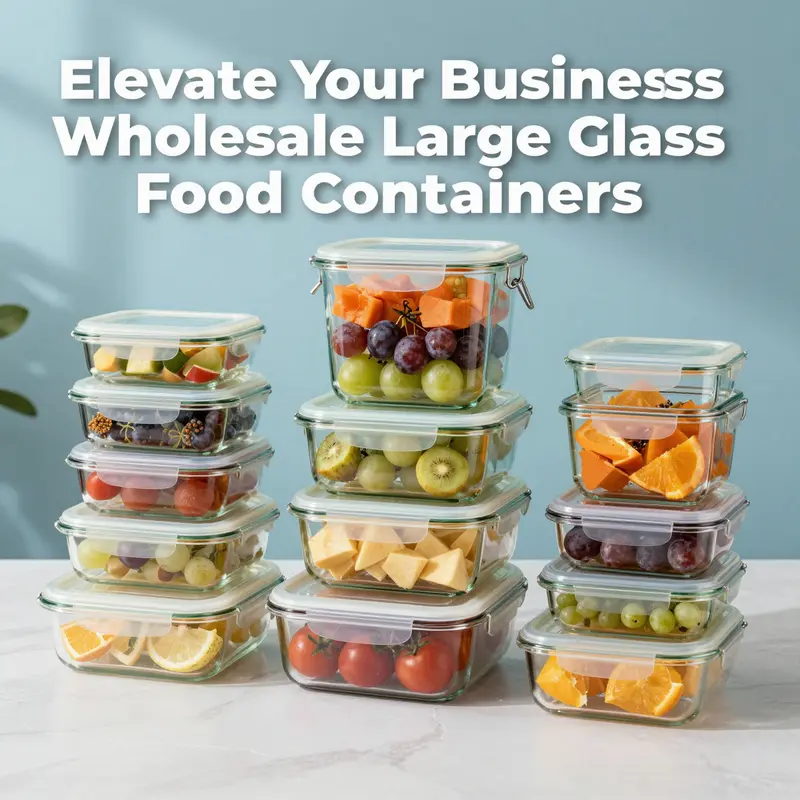
As food businesses strive to enhance their offerings, the choice of packaging can significantly impact brand image, food safety, and sustainability. Wholesale large glass food containers are emerging as a preferred solution for various sectors, including bubble tea shops, restaurants, food trucks, catering services, event planners, and corporate procurement teams. This article explores the growing market drivers, material choices, detailed specifications, and effective sourcing strategies for these eco-friendly containers, illuminating their relevance in today’s food industry. By understanding these facets, businesses can make informed decisions that align with their operational goals and customer expectations.
Clear Value: The Market Forces Shaping Wholesale Large Glass Food Containers
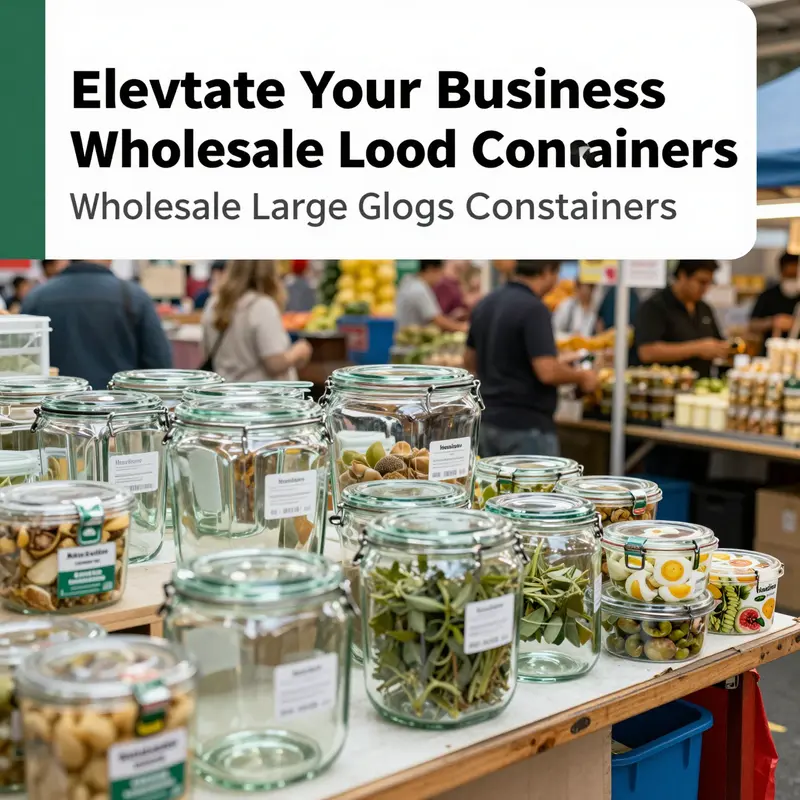
A quiet but consequential shift is taking place in the world of bulk food storage. Wholesale large glass food containers are moving from a niche accessory to a core asset for kitchens, manufacturers, and retailers that handle food at scale. The rise is not driven by a single factor but by a cluster of forces that reinforce each other. Health and safety, environmental responsibility, durability, aesthetics, and developmental innovation combine to redefine what buyers look for in packaging. In wholesale markets, where decisions occur at the intersection of cost, performance, and risk, glass containers are positioned as a long-term, value-driven solution. They promise not just storage but a reliable platform for the way food teams plan, prepare, and present products across distribution networks, fleets, and storefronts. This chapter traces the market forces that elevate wholesale glass storage from utility to strategic priority, linking the conversation to the broader themes of sustainability, supply chain resilience, and brand integrity that drive the wholesale packaging agenda.
Health and safety sits at the forefront of contemporary packaging decisions. Glass is inert by design. It does not leach plasticizers or flavor oils into food, even when contact is prolonged or temperatures fluctuate. For operators who routinely handle oils, syrups, sauces, and acidic ingredients, that inert profile translates into a concrete risk reduction: fewer opportunities for unwanted chemical transfer and less concern about what happens when containers are heated, cooled, or stored for long periods. The reassurance is not just about compliance; it is about preserving taste, aroma, and nutritional integrity. In bulk contexts, where thousands of portions cycle through kitchens and warehouses, this consistency matters more than it would in smaller settings. When borosilicate glass is used, its high resistance to thermal shock enables direct exposure to oven or microwave environments in some workflows, expanding the practical use cases of wholesale glass containers. That capability turns safety into productivity, because teams can move from storage to service with fewer intermediate steps or equipment changes. The result is a clear argument for glass as a durable, dependable material that reduces contamination risk while supporting efficient, scalable operations.
Environmental consciousness has become a defining criterion for supplier selection and product adoption. The public glare on plastic waste and microplastics has elevated glass as a central figure in circular economy conversations. Glass containers are exemplary recyclables; they can be endlessly reused and repurposed without degradation of quality. This recycling potential aligns with procurement strategies that aim to lower environmental footprints without compromising performance. For wholesalers, the durability of glass translates into fewer replacements and less waste over time. The life cycle—from raw materials to end use and back into the recycling stream—becomes a narrative buyers can share with customers and regulatory bodies alike. The environmental case strengthens as policies around single-use plastics tighten, clearing a path for reusable and recyclable packaging to take precedence in bulk procurement. In markets where sustainability reporting is part of supplier qualification, glass storage often earns additional points for its compatibility with green branding and responsible operations.
Aesthetics and transparency are not cosmetic afterthoughts; they are functional advantages that reinforce value in wholesale contexts. The clarity of glass lets staff inspect contents at a glance, aiding inventory control, portion management, and quality assurance. For end users, visibility translates into trust, especially when dealing with bulk ingredients or multi-ingredient preparations. The visual appeal of glass supports branding narratives around purity, simplicity, and traceability. These attributes matter not only in kitchens but also in warehouse showrooms, catering events, and retail shelves where customers may interact with bulk products. The glass surface is an honest display of contents, free of opaque barriers that can obscure freshness. In practice, the transparency of glass supports faster stock checks, reduces the need for frequent product dipping or opening, and enhances the overall efficiency of operations in high-volume environments.
Manufacturing and design innovation underpin the ongoing viability of wholesale glass storage. The market has benefited from advances in glass chemistry and processing that enable larger, stronger, and more reliable containers at competitive prices. Borosilicate glass provides superior heat resistance and chemical stability, expanding the range of acceptable uses from cold storage to active cooking contexts in some systems. Tempered soda-lime glass offers an economical alternative with robust performance for general storage and meal-prep workflows. The availability of a broader material palette means wholesalers can tailor container families to meet diverse customer needs—from ultra-durable, high-heat vessels to economical bulk jars for dry goods. Innovations in lid technology, gaskets, and sealants further enhance reliability by reducing leaks and oxidation, extending shelf life, and supporting consistent performance across many cycles of use and washing. This suite of technical improvements makes it possible to offer a wider range of sizes and configurations while maintaining precise tolerances and dependable service levels.
Innovation is not limited to material science. It also encompasses product design and process efficiency. The modern wholesale ecosystem benefits from streamlined production schedules, scalable molding capabilities, and improved quality control. The relationship between container geometry and storage efficiency is meaningful: wide mouths simplify filling and cleaning, while airtight seals manage oxygen ingress and preserve flavor over longer periods. Stackability and nesting reduce warehouse footprint, lowering storage costs and enabling more flexible inventory management. In distribution networks, consistent dimensions support standardized racking, easier loading, and more reliable cross-docking. For buyers, these design efficiencies translate into tangible savings in time and labor, smaller risk of errors, and faster fulfillment of large orders. The cumulative effect is a packaging system that is not only durable and safe but also harmonized with the operational rhythms of large-scale food enterprises.
Regulatory movements around the world create a steady, if evolving, backdrop for glass adoption. Governments are retooling waste management and packaging standards to curb single-use plastics. In many regions, these policy shifts are not isolated constraints but strategic signals that encourage investment in reusable packaging and reliable recycling streams. For wholesalers and their customers, policy clarity reduces uncertainty and supports long-range planning. It becomes easier to justify investments in glass lines, inventory, and calibration programs when the regulatory environment shows a clear path toward sustainable packaging ecosystems. The net effect is a durable, predictable demand signal that aligns with broader public goals around waste reduction and resource conservation. In practice, buyers can synchronize procurement with regulatory horizons, ensuring their packaging choices remain compliant as standards evolve and enforcement intensifies.
Regional dynamics also influence the wholesale glass container market. In major manufacturing clusters, the ecosystem thrives on proximity and integration. Access to high-purity raw materials, specialized glassmaking expertise, and a network of accessory suppliers—gasket producers, lid molders, labelers—shortens lead times and stabilizes costs. This integrated supply chain supports the rapid scaling demanded by brands rolling out seasonal launches or expanding to new markets. When a buyer sources from a region with a well-coordinated production pipeline, lead times can be shortened, and the risk of supply disruption is reduced. The ability to guarantee a steady cadence of production, testing, and quality assurance is crucial for wholesalers who must meet fixed delivery commitments across multiple distribution centers. In such environments, the glass container becomes a dependable cornerstone of a broader packaging strategy, not a one-off purchase tied to a single campaign.
From a buyer’s perspective, wholesale glass containers are part of a larger packaging ecosystem that includes lids, seals, labeling, and branding elements. The decision framework looks at technical capability, on-time delivery, and the capacity to support customization. Certification standards and traceability practices help validate supplier reliability and quality. The best suppliers combine a strong base product with flexible service models: fast prototyping for new designs, scalable production to meet spikes in demand, and responsive after-sales support for quality issues or design refinements. The result is a coherent procurement story in which glass containers anchor stability and reliability while accessories and customization options align with brand identity. In this context, one can see why a wholesale program for glass storage often translates into a larger, more resilient packaging strategy that can adapt to changing menus, evolving consumer expectations, and shifting regulatory requirements.
Within this broader landscape, the role of design and branding should not be underestimated. A glass container can be a platform for storytelling, a way to convey craftsmanship and care from kitchen to consumer. The visual cues of material choice, lid design, and labeling contribute to a seamless brand narrative. When customers recognize a consistent glass language across product lines, they experience familiarity and trust. That trust translates into repeat orders, easier inventory planning, and stronger relationships with distributors and retailers. For wholesalers, this means a competitive edge in crowded markets where price competition is intense but where the total cost of ownership, safety, and brand alignment can differentiate offerings over the long term. The chapter’s through-line is simple: glass storage is not merely a container; it is a portfolio of value that supports safety, sustainability, efficiency, and brand coherence at scale.
As markets continue to mature, the focus will increasingly be on how wholesale glass storage integrates with broader supply chain practices. Expectations around traceability, sanitation, and lifecycle accounting will tighten. Buyers will seek suppliers who can deliver a reliable, scalable solution while staying adaptable to regulatory and consumer changes. Glass containers will be part of a holistic packaging strategy that emphasizes durability, recyclability, and transparency. The practical implications for procurement teams are clear: invest in a durable glass platform, ensure robust supplier qualification, and align with a packaging ecosystem that supports growth, compliance, and brand integrity. In this light, wholesale large glass containers emerge not only as storage solutions but as strategic tools for achieving sustainable, efficient, and compelling food operations at scale. This integrated view helps connect the specific product category to the broader themes of health, environment, and operational excellence that the article explores in subsequent chapters.
External context on policy and sustainability considerations further informs the market trajectory. For a broader policy perspective on how packaging choices are shaped by waste management objectives and regulatory frameworks, see the European Union’s waste and packaging guidance. This resource provides a useful reference for evaluating how policy signals translate into practical procurement decisions and long-term packaging roadmaps. [External policy context text can be explored here: https://ec.europa.eu/environment/waste/plasticwasteen.htm]
Choosing Glass, Choosing Value: Material Choices in Wholesale Large Glass Food Containers
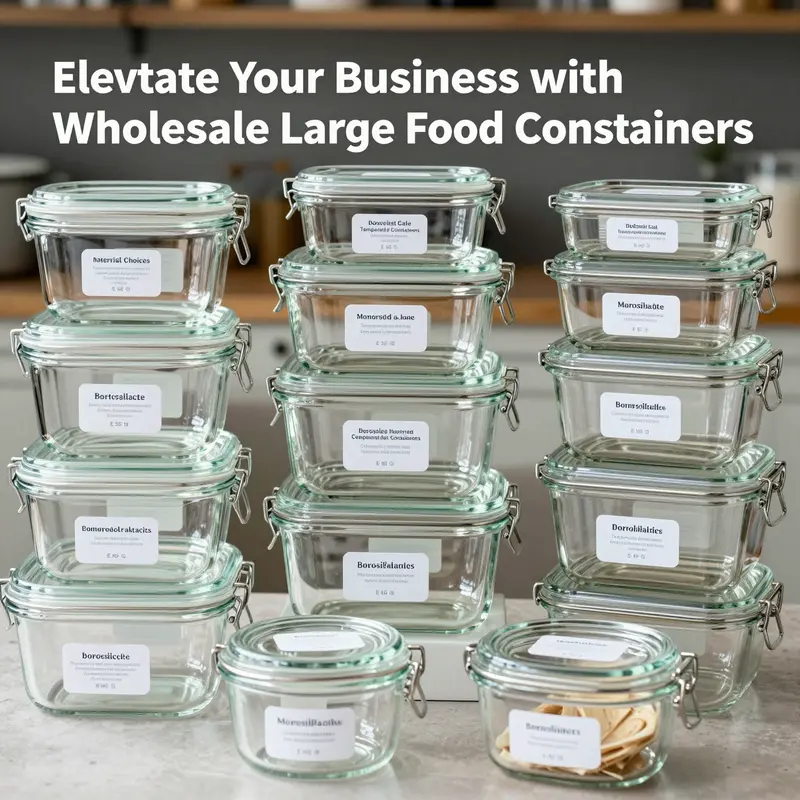
Material choices in wholesale large glass food containers shape not only the performance and safety of what ends up on a kitchen shelf but also the economics of scale that drive a business. For buyers who routinely purchase thousands or even tens of thousands of units, the decision between borosilicate glass and tempered soda-lime glass is more than a technical preference; it is a strategic calculus that affects throughput, brand perception, waste, and total cost of ownership. In the broader arc of wholesale sourcing, the material at the heart of a container determines how it behaves under heat, how it stands up to daily use, and how it resonates with customers who expect durability and sustainability. This chapter investigates the two dominant materials, clarifies where each shines, and outlines a practical framework for choosing the right option in bulk, while staying mindful of the supply chain realities that come with large-scale glass production in a global market. The aim is not to crown a single winner but to illuminate the trade-offs so buyers can align material choice with intended applications, lifecycle costs, and brand promises.
Borosilicate glass stands out as the premium path when tolerance for extreme conditions is non-negotiable. Its exceptional thermal resistance means it can endure rapid temperature shifts without cracking or shattering. In practical terms, containers made from borosilicate can move directly from the freezer into a microwave or oven and back again, with far less risk of thermal stress than other glass formulations. This capability is not merely about convenience; it translates into real-world utility for commercial kitchens that chase high-volume, multi-use need. Chefs and caterers often rely on containers that can transition from storage to cooking to service, without requiring different vessels for different stages. The inert, non-reactive nature of borosilicate ensures that acidic or oily foods do not leach flavors into the container material, preserving the integrity of the dish and the purity of the storage environment. Clarity is another practical driver for borosilicate: its transparency sustains a premium, professional appearance that communicates quality in both back-of-house storage and front-of-house displays. In manufacturing terms, this material often requires tighter process control and more specialized kiln technology, which is why the production hubs that dominate borosilicate output are concentrated in areas with access to high-purity quartz sand and advanced firing capabilities. Within the Chinese manufacturing landscape, specific regional clusters around Jiangsu Province have evolved into leadership centers for borosilicate production, leveraging proximity to raw materials and a sophisticated ecosystem of gasket and lid molders, labeling specialists, and quality inspectors. The logistical advantage is not merely about a shorter transit time; it includes a tightly integrated supply chain where the flow of components—ranging from precise gaskets to specialized lids—supports dependable, scalable production for large orders that can exceed 10,000 units and still meet tight lead times.
Tempered soda-lime glass, by contrast, represents the practical, value-driven choice for bulk buyers who prioritize affordability without sacrificing essential performance. Tempered glass is formed through a controlled quenching process that endows it with improved strength and impact resistance compared with standard soda-lime glass. When properly tempered, these containers are generally safe for microwave use, dishwasher cycles, and freezer storage, making them well suited for general-purpose storage, meal-prep, and bulk distribution where the exposure to extreme heat is less frequent and the price point matters. Tempered soda-lime glass remains widely produced across large manufacturing hubs that benefit from established supply chains, high production volumes, and lower per-unit costs. The result is a compelling value proposition for buyers serving high-rotation kitchens, bulk retailers, or food service operations that need reliable containers in large quantities at a more accessible price. However, tempered soda-lime glass does carry a caveat: its threshold for thermal shock is lower than that of borosilicate. Sudden, extreme temperature changes can still pose a risk of stress cracking or breakage, particularly if containers are subjected to abrupt cool-downs after hot contents. In practice, this means choosing tempered soda-lime glass for applications where the heat exposure is steady and predictable, rather than a wide swing between hot and cold. The cost benefit, coupled with broad availability, often tilts the decision toward tempered soda-lime for general storage, bulk meal prep, and delivery packaging where the daily demands are heavy but the temperatures may not swing as dramatically.
For buyers evaluating these two material families, the decision is rarely binary. Instead, it rests on a spectrum of usage patterns, performance expectations, and total cost considerations. Borosilicate’s superior thermal resilience makes it an investment in longevity and in a premium appearance that can elevate a brand’s perceived value, especially in sectors where culinary presentation and equipment compatibility matter. It also aligns with environments where containers encounter direct heat during cooking, baking, or re-thermalization, reducing the risk of damage in high-stress workflows. On the other hand, tempered soda-lime glass delivers solid, dependable performance at scale. Its cost advantage can enable a broader package of storage options within a given budget, enabling businesses to equip more locations, expand product lines, or offer more varied sizes without escalating capital expenditure. The trade-off often centers on a balance between peak performance and predictable, lower-cost bulk procurement. In many wholesale scenarios, buyers pursue a hybrid strategy: reserve borosilicate for premium, high-heat use cases or brand-forward lines, and deploy tempered soda-lime for general storage, bulk liquids, and routine meal-prep products. This approach mirrors the needs of large food service operations that operate across multiple channels—from catering and institutional kitchens to retail-packaged lines—where the spectrum of temperature exposure and handling environments is broad and requires a versatile inventory.
Sustainability adds another layer to this material decision. Both borosilicate and tempered soda-lime glass are chemically inert and non-toxic, offering a safe alternative to plastic polymers. They are fully recyclable at end of life, which resonates with growing expectations from suppliers, distributors, and buyers who aim to reduce environmental impact and align with circular economy principles. The difference in recyclability is typically tied more to product design and lifecycle planning than to material chemistry itself. Durable borosilicate containers tend to have longer service lives, contributing to lower replacement rates and reduced waste over time. Yet the higher initial cost can be offset by lower replacement frequency and stronger resale or reuse value in premium segments. Tempered soda-lime containers, while less expensive upfront, may require more careful handling to minimize breakages in transit or in high-volume settings, potentially increasing replacement cycles slightly in very demanding environments. For buyers who emphasize sustainability, the choice is not solely about the material but about how the containers fit into a broader waste-reduction strategy, including reuse programs, leak-proof sealing, and avoidance of single-use disposables. The overarching message is that glass in both forms remains preferable to many plastic alternatives when it comes to longevity, a non-porous surface, and end-of-life recyclability.
The supply chain realities behind these material choices are equally influential for wholesale purchasing. Borosilicate containers benefit from a mature ecosystem in major production hubs where access to high-purity raw materials and precision manufacturing supports the demands of large, long-run orders. The proximity to ancillary industries—such as silicone gasket production, lid molding, and labeling services—translates into a streamlined, integrated production cycle. This ecosystem enables lead times that can be surprisingly short for standard orders and the scalability required by seasonality or promotions. In practice, a brand aiming to introduce new lines or to restock swiftly can leverage this cluster advantage to minimize downtime between design, production, and market entry. Tempered soda-lime glass production, while similarly distributed, often enjoys the benefit of broader, cost-competitive supply networks. The emphasis here is on high-volume efficiency and reliability in continuous manufacturing, which supports lower per-unit costs and robust availability for bulk buyers who must outfit multiple sites or programs with consistent inventory.
From a practical sourcing perspective, buyers should weigh not only the material properties but also the broader design ecosystem that accompanies each choice. Tools like precise dimensional tolerances, compatibility with standard lids, gaskets, and sealing mechanisms, and the availability of compatible labeling and packaging solutions all influence performance in the field. In well-functioning supply chains, the ability to customize—whether through printed labels, color glazing, or specialized lid materials—adds a critical layer of value. Customization can elevate a bottle or jar from a mere storage vessel to a branded, market-ready container that communicates quality and reliability at a glance. For prospective buyers seeking such customization, many suppliers offer rapid prototyping and scalable production pathways to accommodate evolving needs, often with modest increments in lead time. Integrating these options into the procurement plan can significantly reduce the risk of misalignment between product design, oven or freezer compatibility, and brand identity. For those who are exploring customization avenues in bulk, a practical path involves pairing material choice with appropriate design features. For instance, borosilicate containers may be specified with premium lid materials such as metal or wooden accents to echo a high-end culinary aesthetic, while tempered soda-lime options can be paired with sturdy silicone seals and transparent, impact-resistant lids that support straightforward stacking and handling in busy kitchens.
The strategic framework for deciding between borosilicate and tempered soda-lime in wholesale contexts begins with a clear map of use cases. Start by cataloging the temperature exposures each container will face, from cold storage to hot re-thermalization. Consider the frequency and intensity of thermal swings, the presence of direct heat sources, and the potential for rapid cooling after hot contents. Next, assess the required durability: is the container likely to endure repeated bumps, drops, or heavy handling during transport and service? If the answer leans toward high-stress handling or long service life in premium environments, borosilicate often proves worth the premium. If the use case centers on steady storage, routine cold-to-warm transitions, or large-volume distribution where cost containment is critical, tempered soda-lime may deliver the best balance of performance and price. Then factor in the total cost of ownership, including initial purchase price, replacement rate, waste disposal considerations, and the potential impact on brand perception. Finally, align material selection with the supplier ecosystem and lead-time realities. A mature borosilicate supply chain can support rapid scaling for seasonal launches or campaigns without compromising quality, while tempered soda-lime networks can absorb sudden demand surges with cost-efficient mass production. The choice is rarely absolute; it is a calibrated mix that reflects the product portfolio, the customer base, and the operational tempo of the organization.
For teams navigating customization and rapid prototyping, the pathway to scale often benefits from a deliberate, supported engagement with suppliers. A practical, actionable step is to explore what customization options are feasible within the chosen material tier and to assess how these choices affect production schedules. Certain suppliers provide adaptable tooling and design iterations that help align the final product with exact performance specifications and branding requirements. This collaborative approach can shorten development cycles while preserving the integrity of the material’s core advantages. If the goal is to connect procurement decisions with broader packaging strategies, consider referencing sources that discuss customization and supply chain optimization in wholesale glass containers. For more on this topic and related considerations, you can explore related supply-chain resources such as custom-takeaway-packaging-supplies-disposable-tableware-for-theme-party.
In conclusion, the material choice between borosilicate and tempered soda-lime glass in wholesale large glass food containers is a decision about risk, value, and strategic alignment with the intended application. Borosilicate offers exceptional thermal performance, chemical inertness, and a premium market presence that can justify a higher upfront investment for high-heat, demanding environments and brand-focused offerings. Tempered soda-lime glass delivers strength, affordability, and scalable supply for broad storage and distribution needs, where cost efficiency and dependable day-to-day performance take precedence. Both materials uphold the core advantages of glass as a non-porous, inert, and recyclable storage medium, reinforcing a shift away from plastics in the pursuit of safer, more sustainable food storage and presentation. As buyers build out product lines and multi-site programs, the ability to harmonize material choice with design, customization capabilities, and supplier collaboration becomes a decisive factor in achieving reliability, scale, and a compelling market proposition. Understanding these material dynamics equips teams to craft a storage architecture that not only protects food quality but also reinforces brand integrity across channels and seasons. External resource: https://www.glasscontainerchina.com/b2b-supplier-guide
Crystal Specifications: How Borosilicate and Soda-Lime Glass Define Uses in Wholesale Large Food Containers
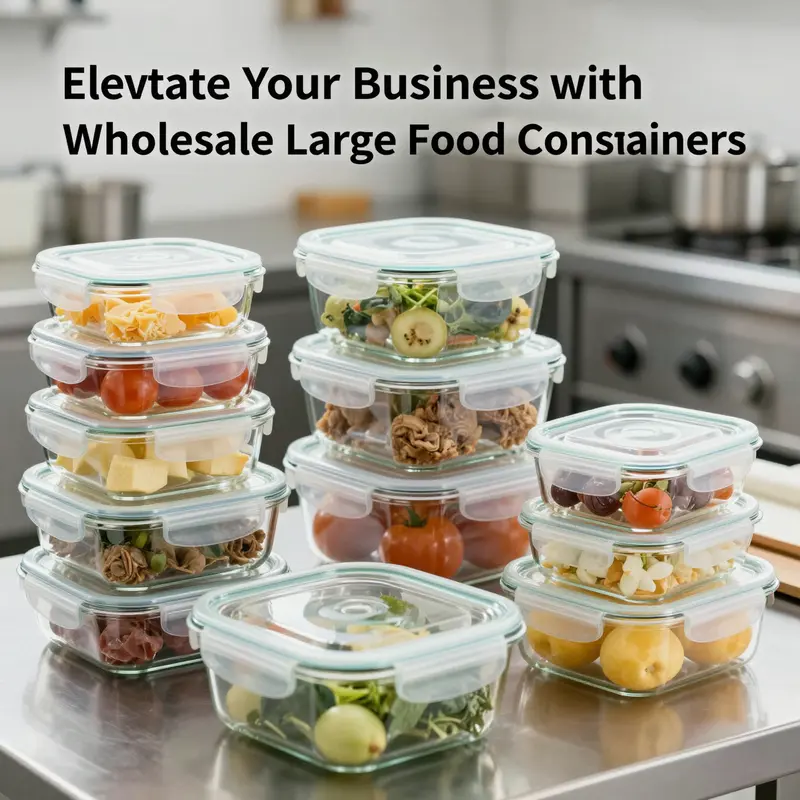
Specifications are the quiet backbone of any wholesale purchase, shaping not just the cost or the color of a container but its capacity to perform across kitchens, storage rooms, and retail shelves. When buyers first compare wholesale large glass food containers, they quickly notice that two glass families dominate the field: borosilicate and tempered soda-lime glass. Each offers a distinct blend of traits, and the way those traits interact with intended use often dictates the final choice. In practical terms, the material is the stage upon which a wide range of capacities, seals, shapes, and compliance requirements play out. The result is a set of options that can be matched to the needs of a commercial kitchen, a catering operation, a meal-prep service, or a bulk retailer, all while keeping environmental promises front and center. The specification sheet, then, reads more like a narrative of performance than a mere list of numbers, because it explains how durable performance, ease of handling, and reliable sealing translate into real-world benefits in every step from storage to service.
Borosilicate glass is celebrated for its thermal resilience. Its microstructure resists rapid temperature shifts that would crack ordinary glass. In the context of wholesale large containers, this means you can imagine containers that move comfortably between cold storage and hot cooking processes, and even withstand the stress of a dishwasher cycle designed for heavy-duty use. In kitchens that prepare dishes in advance or reheat meals for service, borosilicate offers a reliability that reduces the risk of breakage from heat shocks and faster, harsher cycles. The material’s chemistry also remains notably inert when facing acidic or oily foods, preserving flavor integrity and reducing concerns about residues that can complicate sanitation or future use. For operators who emphasize direct-use versatility, borosilicate is a robust ally.
Tempered soda-lime glass, by contrast, provides a different value proposition—strength and affordability at scale. It is well-suited for general-purpose storage and meal-prep containers that need to stand up to routine, everyday wear. Its resilience against impact helps blunt the consequences of accidental drops in busy environments. While its thermal tolerance does not match the rapidity of borosilicate’s heat-shock resistance, tempered soda-lime glass remains a dependable, cost-conscious choice when the primary demand is durability under typical domestic or commercial conditions rather than extreme culinary heat exposure. This distinction matters because a procurement team weighing price versus long-term utility will often consider the glass type as a foundational variable that informs everything from lid design to stacking geometry and even the sequence of product line introductions.
To translate material identity into practical applications, the detailed specifications of capacity, sealing, dimensions, and compliance come into sharper focus. Capacity ranges for wholesale large containers commonly span from about 1 liter up to and beyond 5 liters. That spectrum covers bulk dry goods like grains and nuts, but it also accommodates meal-prep sizes that align with weekly bulk planning or catering portions. The decision here is not merely about how big a jar must be; it is about how the container will be handled by staff, how it will fit into a standard refrigerator footprint, and how many units can be stacked safely on a pallet for efficient transport. Fill and portion planning, therefore, is a practical extension of the specification conversation, and a warehouse manager will appreciate standardized shapes that optimize space. Wide-mouth designs offer easy access for bulk items such as grains, oats, or refrigerated salads, whereas regular-mouth jars provide more secure containment for liquids, sauces, jams, and preserves. In both cases, airtightness becomes a core quality metric because it governs freshness, oxidation, and shelf stability. Seals are typically silicone gaskets that compress against the lid, forming a barrier that resists leaks and intercepts air exchange. The lids themselves are often BPA-free plastic or aluminum, chosen for compatibility with the container and the intended use—whether it’s oven on-ramp compatibility or a dishwasher-safe routine. The combination of gasket material and lid design is not cosmetic; it directly affects how long a product stays fresh, how easily staff can access contents, and how well the container stacks for transport and display.
Dimensions matter almost as much as volume in determining logistical efficiency. Glass containers are designed with standardized shapes—rectangular, square, and cylindrical forms—so they can be nested or stacked with predictable geometry. This predictability reduces handling time in the kitchen and minimizes wasted space in transit, whether pallets are moving through a distribution center or fridges are being reorganized in a retail setting. The geometry also interacts with shelving and storage hardware. A container that stacks neatly reduces the risk of toppling and breakage during transport, which is a practical concern in wholesale procurement where thousands of units move through varied facilities. On this front, glass has a distinct advantage: its clarity makes contents easy to monitor without opening, supporting inventory management, quality assurance, and responsible procurement that aligns with lean practices.
From a safety and compliance perspective, specifications are a shield as well as a guide. Reputable wholesale suppliers align containers with international standards such as FDA requirements for food-contact materials, LFGB for German-speaking markets, and CE marking for the broader European context. These certifications provide assurance that the glass, seals, and lids do not introduce harmful substances into food, and that the products perform consistently under normal use. The glass’s chemical inertness and non-porous surface resist staining and odor absorption, a tangible benefit in environments that manage a wide range of ingredients from bitter greens to richly spiced sauces. Such properties also support sustainability narratives by enabling long service life and straightforward recycling at end of use.
Durability, of course, is not just about the glass. It extends to how containers behave in real-world handling. Glass that resists staining and odor retention preserves its appearance and hygiene across cycles of use, cleaning, and restocking. The advantages are especially meaningful for bulk storage and meal-prep workflows where visual inspection matters. Yet even the strongest glass has limitations. Heavier weight translates into higher shipping costs and more labor-intensive handling, a reality that procurement teams weigh when budgeting for large-scale operations. Breakage risk during transit remains a concern, prompting the need for robust packaging solutions and careful routing through the supply chain. The specification lens, then, is about balancing performance with practicality: how to maximize thermal tolerance and chemical inertness without inflating freight costs or complicating on-site handling.
The applications that spring from these specifications are diverse and complementary. In commercial kitchens and catering services, these containers support the storage of prepped ingredients, sauces, soups, and bulk dishes with clear visibility and hygienic integrity. For meal-prep services that promise predictable portions and easy reassembly, the transparent design lets staff confirm contents at a glance, accelerating service during peak periods. In grocery and retail environments, glass containers find new life as premium packaging for grains, nuts, dried fruits, and spices—an approach that elevates product appeal by offering a transparent, high-end presentation. Institutional settings—schools, hospitals, and cafeterias—rely on the durability and scalability of these containers to serve large populations with minimal waste and maximal reuse potential. In home and lifestyle brands, the emphasis shifts toward sustainability narratives and long-term storage for eco-conscious consumers who want durable alternatives to disposable plastics.
Across all these use cases, the specification-driven choice of glass type, capacity, lid system, and shape informs the entire value chain. Suppliers who provide borosilicate jars in 1L to 5L sizes, with airtight silicone seals and optioned lids, enable cooks to adapt volumes to recipe scales and seasonal demand. The same vendors may offer customized features—printing, color glazing, or specialty lids—that help brands differentiate their products in crowded markets, while still leveraging the inherent advantages of glass: inertness, recyclability, and reusability. Customization also includes dimensional tolerances and labeling that help quality-control teams maintain consistency from batch to batch, a critical capability for large-volume operations that demand uniform performance across thousands of units.
There are practical decision rules that emerge from these specifications. First, material selection should align with the primary thermal profile of the operation. If a facility routinely moves containers from freezer to oven or microwave, borosilicate becomes a compelling choice because its resistance to thermal shock reduces the risk of cracks during temperature transitions. If the workflow centers on cold storage or general-purpose storage with moderate heat exposure, tempered soda-lime glass can deliver the needed durability at a lower per-unit cost. Second, the sealing system is not a mere afterthought. An airtight gasket and a robust lid translate to longer shelf life and less product loss, especially for ingredients susceptible to oxidation. Third, consistent dimensions and reliable stacking behavior are essential for warehousing efficiency and transport. These factors compound to influence total cost of ownership, including freight, handling labor, breakage risk, and the frequency of reorders.
The sourcing landscape that underpins these specifications is heavily centered in a few geographic regions that offer mature ecosystems for glass production, raw material supply, and ancillary services. In particular, manufacturers in major clusters have access to high-purity quartz sand, kiln technology, and nearby suppliers for gaskets, lid molds, and labeling. This proximity enables shorter lead times and scalable production that can accommodate bulk launches or seasonally driven campaigns. For buyers, this translates to more predictable inventories, better containment of cost fluctuations, and a stronger capacity to meet demand surges without compromising on quality. The trade-offs, however, still include weight and breakage risk, which necessitate careful packaging design and carrier selection. In practice, wholesalers and large-scale buyers often pair their glass containers with reinforced carton packaging, edge protectors, and temperature-controlled transport when required, ensuring that the containers arrive intact and ready for immediate service.
Beyond the physical properties and the functional uses, the sustainability narrative of wholesale large glass food containers remains a central driver for many buyers. Both borosilicate and tempered soda-lime glass are 100% recyclable and fully reusable, presenting an attractive alternative to plastics that accumulate in landfills. The lifecycle benefits—combining long service life with straightforward recycling—align with corporate responsibility programs and consumer expectations around environmental stewardship. Yet the sustainability equation also involves mindful procurement: selecting suppliers with transparent material sourcing, robust quality control, and reliable after-sales support helps ensure that the environmental advantages are realized across the product’s entire lifecycle. For buyers who are navigating multiple packaging modalities, these specifications become a decision framework that integrates performance, cost, and sustainability into a single, coherent purchasing path.
For readers seeking a practical starting point in evaluating wholesale partners, the emphasis should be on the supplier’s technical capability, operational reliability, and service flexibility. A strong partner will demonstrate consistent production quality, transparency about material sourcing, and documented compliance with relevant standards. They will also support fast prototyping and scalable production, allowing brands to test new capacities or lid designs without sacrificing timelines. It is not enough to chase the lowest unit price if that choice comes at the cost of late deliveries, inconsistent dimensions, or subpar seals. In this sense, the specification-driven approach is a strategic tool for aligning product performance with supply-chain expectations, enabling buyers to optimize both efficiency and customer satisfaction.
For those journeying deeper into the world of glass packaging, consider the broader ecosystem of options that sit alongside wholesale large glass containers. The path to informed decisions often includes examining alternative packaging formats and their distinctive trade-offs, such as the practical advantages of glass against the convenience of takeout or disposable packaging. This is a productive line of inquiry for brands seeking to balance convenience, cost, and sustainability. To explore one such avenue, you can review eco-friendly takeout boxes for food packaging, which illustrate how different materials and design approaches address common needs like heat resistance, leak prevention, and recyclability. This comparison helps sharpen the intuition for when glass offers superior long-term value versus when alternative packaging might better serve fast-turnaround or highly seasonal product lines.
External reference and further resources can also inform the decision framework. For instance, the broader landscape of manufacturing and supply-chain dynamics in glass containers is documented in industry guides that outline how proximity to quartz supply, kilns, and auxiliary production services shapes lead times and scale. Such sources provide a macro view that complements the granular material and design considerations discussed here. To dive into that wider context, see the resource from an industry guide focused on China’s glass container manufacturing landscape. https://www.chinaglasswholesale.com/supplier-guide/2026/02/b2b-sourcing-guide-glass-food-containers-china
Internal linking note: buyers seeking practical packaging alternatives that still emphasize sustainability can explore related packaging options through a supplier site that highlights eco-friendly takeout boxes for food packaging. This resource demonstrates how different materials and design decisions address common operational needs while sustaining a commitment to responsible packaging. eco-friendly takeout boxes for food packaging.
In sum, the specifications of wholesale large glass food containers—material choice, capacity and shape, sealing system, dimensions, and safety compliance—form a cohesive framework that translates into real-world value. The balance of borosilicate’s thermal resilience with soda-lime glass’s cost efficiency creates a spectrum of options that can meet diverse demands, from the precise portioning required by institutional kitchens to the transparency sought by premium retail branding. The connection between robust specifications and dependable performance is the cornerstone of an informed procurement strategy, one that recognizes that glass is not just a container but a system designed to support hygiene, efficiency, and sustainability across the entire lifecycle of food storage and distribution.
Smart Sourcing for Wholesale Large Glass Food Containers: Navigating Regional Hubs, Compliance, and Cost Efficiency

Sourcing large glass food containers at wholesale scale demands more than chasing the lowest unit price. It requires a disciplined approach that blends regional manufacturing strengths with rigorous quality assurance, predictable lead times, and a clear path to scalable customization. The global supply landscape for these containers is heavily anchored in a few Chinese regional ecosystems where material quality, production efficiency, and logistics converge to create reliable, repeatable supply. A well-constructed sourcing strategy starts by understanding how regional specialization translates into value for buyers who must balance short-term demand with long-term brand integrity. In practice, this means recognizing how Shandong, Jiangsu, and Hebei each contribute distinct advantages and how to stitch those advantages into a single, coherent procurement plan that can handle large orders without compromising performance or compliance.
Regional specialization matters because the underlying materials and processes drive both performance and price. Shandong, with its mature glass processing clusters, shines in high-precision manufacturing of borosilicate and tempered soda-lime glass. In this landscape, Zibo and Weifang have built ecosystems that integrate raw material streams, mold production, annealing, and stringent quality control into a single, navigable workflow. For buyers, this translates into reliable capability to produce oven-safe, microwave-safe, and freezer-resistant containers while maintaining consistency across thousands of units. An advantage here is not just the glass itself, but the entire support network—from raw material suppliers to downstream partners that handle quality tests and export documentation. For brands planning premium lines, the availability of borosilicate glass with robust thermal resilience makes it feasible to offer containers that move directly from storage to cooking or reheating, thereby simplifying kitchen workflows and consumer use.
Jiangsu presents a different but equally important value proposition. As a hub for advanced borosilicate glass production, the province leverages access to high-purity quartz sand and precision molding technologies. The result is a capacity to deliver more complex shapes and higher technical specifications without sacrificing mass production efficiency. The proximity to related supply chains—glass mold design, quality control tooling, and rapid prototyping capabilities—supports faster iteration cycles. For buyers who want to differentiate their offerings through distinctive silhouettes or specialized lids, Jiangsu’s ecosystem reduces the time from concept to scale. The ability to execute features such as thermal-shock resistance, tight tolerances, and secure sealing methods at large volumes is particularly valuable for brands that target food service, catering, or institutional buyers seeking both performance and brand consistency in bulk packaging.
Hebei completes the regional picture with its emphasis on high-volume, cost-conscious production. Large-scale soda-lime glass manufacturing in this area benefits from economies of scale, which helps bring unit costs down for buyers prioritizing affordability without a drastic drop in essential durability. For exporters and bulk buyers, Hebei’s logistics proximity to major export channels can shorten transit times and reduce handling complexity, creating a smoother flow from factory to warehouse or distribution center. The result is a three-pronged sourcing philosophy: Shandong supports premium quality and reliable execution for specialized lines; Jiangsu enables design sophistication and technical performance at scale; Hebei provides cost efficiency and fast access to international markets. Used together, these hubs enable a buyer to segment products by application and then source from the most appropriate cluster for each line, all while maintaining a consistent overall procurement rhythm.
But regional advantage is only one side of the coin. A truly strategic approach to wholesale glass containers must also address supplier capabilities beyond price. The best-suited partners are not merely the lowest bidders; they are manufacturers and trading teams that demonstrate a robust balance of capacity, technical know-how, and process transparency. A factory size that signals stability—think facilities large enough to handle tens of thousands of units in a single run—reduces the risk of bottlenecks during peak seasons or seasonal launches. An in-house mold design capability matters because it minimizes the need for third-party tooling, thereby accelerating prototyping and reducing the total lead time from concept to sample to full production. When assessing material compliance, buyers should verify that the glass used is food-grade soda-lime or borosilicate and that it meets widely recognized standards for safety and inertness. This is not merely about avoiding contamination; it is about ensuring that glass does not interact with acidic or oily foods and can withstand the temperatures it will encounter in ovens, microwaves, freezers, and dishwashers. Thermal shock testing becomes more than a laboratory checkbox; it is a practical assurance that a container can survive real kitchen conditions without cracking or breaking.
Operational transparency is another key criterion. Prospective suppliers who welcome virtual facility tours, share audit reports, and provide clear documentation about raw material sourcing, production controls, and batch traceability offer buyers a level of confidence that online catalogs cannot. In the best cases, suppliers present a track record of on-time delivery and accurate order fulfillment across a broad mix of SKUs and volumes. This reliability becomes especially valuable when retailers or contract manufacturers require the flexibility to switch between product configurations with minimal disruption. The combination of factory scale, internal tooling capabilities, material compliance, and operational openness forms a foundation for a sourcing program that can scale in step with demand while preserving quality.
To translate these capabilities into practical sourcing actions, a buyer must plan for the realities of lead times and logistics. In mature Chinese ecosystems, standard orders often complete production within a window of roughly 25 to 40 days when the ecosystem is well synchronized. That cadence is achievable when nearby accessory suppliers—lids, gaskets, labeling, and packaging components—are part of the same procurement network or have established, dependable handoffs. The proximity of these auxiliary suppliers reduces the risk of delays caused by last-minute substitutions or design changes, which can otherwise cascade into missed launches or stockouts. For brands that operate on seasonal calendars or that experience spikes in e-commerce demand, such a reliable cadence is not a luxury; it is a strategic asset that preserves sales momentum and maintains consumer trust.
Logistics efficiency further influences overall cost and service quality. Hebei’s proximity to major export gateways can translate into shorter transit times and faster clearance, while Shandong’s advanced manufacturing infrastructure supports consistent quality across a broad portfolio of SKUs. For buyers, the practical upshot is a more predictable supply schedule, lower protection against freight volatility, and fewer last-mile surprises. The economic logic is straightforward: reliable suppliers, stable lead times, and shorter supply lines collectively reduce safety stock requirements and total landed cost over time. The challenge, of course, is aligning multiple regional hubs under a single procurement strategy. The solution lies in disciplined category management—defining clear lines of responsibility for each product family, standardizing technical specifications, and maintaining robust supplier assessments that travel with the project from cradle to gate. In this way, regional specialization becomes not a mosaic of disparate sources but a coordinated system that delivers consistent results at scale.
Beyond the structural and logistical considerations, the decision framework for suppliers must also account for compliance and verification. Food-contact glass products must adhere to recognized safety standards and regulatory expectations across markets. Buyers should verify that containers meet applicable FDA, EU 1935/2004, and LFGB benchmarks, as well as any region-specific requirements. Thermal performance, chemical inertness, and resistance to scratching and staining are all critical attributes that influence consumer satisfaction and repeat purchase rates. The testing regime should encompass dimensional accuracy, seal integrity for airtight designs, and resistance to common cleaning processes, including dishwashing and high-temperature cycles. By validating these characteristics through pre-shipment inspections and third-party testing—conducted by reputable firms—the risk of post-shipment claims or returns declines significantly. In practice, a pre-shipment inspection can verify that the container dimensions align with specifications, seals perform as intended, and there are no visible defects in glass or lids. This level of diligence contributes to a smoother relationship with buyers who require consistent performance across thousands of units.
A practical sourcing strategy also benefits from thoughtful platform partnerships. In the modern procurement landscape, procurement teams increasingly rely on reputable marketplaces to access a broad supplier base and to validate supplier qualifications. When engaging with such a platform, buyers should prioritize those that provide transparent product specifications, verifiable order histories, and clear documentation of compliance checks. For buyers pursuing wholesale volume, a platform with robust supplier verification helps minimize risk and accelerates onboarding. An important component of this approach is aligning on packaging and branding needs. Even though glass containers occupy a fundamental function in storage and preparation, the consumer-facing packaging surrounding those containers—lids, seals, and labeling—affects perceived value and sustainability messaging. For instance, a packaging category such as foldable cake boxes with windows demonstrates how ancillary packaging can support branding while remaining compatible with wholesale glass storage solutions. An internal example of such packaging, linked here, illustrates how a well-designed packaging ecosystem can complement glass containers in a multi-product line: pure-color-foldable-cake-boxes-with-window-bakery-boxes-pastry-box-for-cake-chocolates-cupcakes-gift-packaging-paper-boxes.
Finally, a careful sourcing program should consider the economics of minimum order quantities and price bands. While borosilicate glass and tempered soda-lime glass command premium pricing relative to basic soda-lime glass, the long-term value hinges on actual performance and lifecycle costs. For example, larger capacities or specialized shapes may incur higher per-unit costs but deliver greater consumer value through extended shelf life, higher heat tolerance, and reduced breakage risk during transport and handling. Conversely, high-volume soda-lime glass producers offer attractive unit economics for bulk storage needs where heavy-duty thermal requirements are less critical. The key is to define clear product families with standardized dimensions and performance criteria, enabling procurement teams to negotiate effectively across regional hubs. This approach supports predictable budgeting and reduces the friction of frequent, ad-hoc sourcing decisions during peak seasons.
As buyers chart their path, they should also maintain a vigilant stance on product safety and traceability. Documented batch-level quality records, clear material specifications, and traceable origin data let brands defend their claims about safety and sustainability. A well-structured vendor management system keeps supplier performance metrics current, tracking on-time delivery, defect rates, and responsiveness to design changes. In an industry where even minor deviations in glass thickness or seal tolerances can ripple into consumer complaints or returns, such a system is not a luxury but a prerequisite for scale.
The broader arc of wholesale glass container sourcing, then, is a disciplined orchestration of regional advantages, supplier capabilities, and rigorous quality governance. It is about building a network that can reliably produce, test, and deliver glass storage solutions at the volumes today’s foodservice operators and manufacturers demand. It is about crafting a sourcing playbook that recognizes when to leverage Shandong’s precision and scale for premium lines, when Jiangsu’s design and thermal performance capabilities can unlock differentiated products, and when Hebei’s high-volume efficiencies can meet broad-market needs. It is about ensuring that every link in the supply chain—from raw materials and molds to pre-shipment inspections and packaging integration—contributes to a predictable, safe, and value-driven outcome for brands that must balance cost with performance. And it is about viewing packaging and storage as an integrated system where glass containers and their lids, seals, and branding elements work in concert to protect food, convey quality, and sustain brand trust across markets.
For those seeking additional practical guidance on supplier verification and cost optimization within global glass storage sourcing, there is a reliable reference that consolidates current practices and benchmarks for compliance, testing, and supplier risk management. This external resource provides perspectives that complement the regional and process-oriented insights discussed here, helping teams refine their supplier screening criteria and negotiation strategies. You can explore it at the following external link: https://www.alibaba.com/showroom/glass-storage-containers.html.
Final thoughts
Incorporating wholesale large glass food containers into your business can greatly enhance your brand’s sustainability, aesthetic appeal, and customer satisfaction. With the market dynamics favoring eco-friendly alternatives, the versatility and durability of glass storage solutions make them a smart choice for any food service operation. By understanding the market drivers, choosing the right materials, recognizing the specifications and applications, and employing effective sourcing strategies, you can harness the benefits these containers offer. Make the switch today and see how they can elevate your culinary business.