
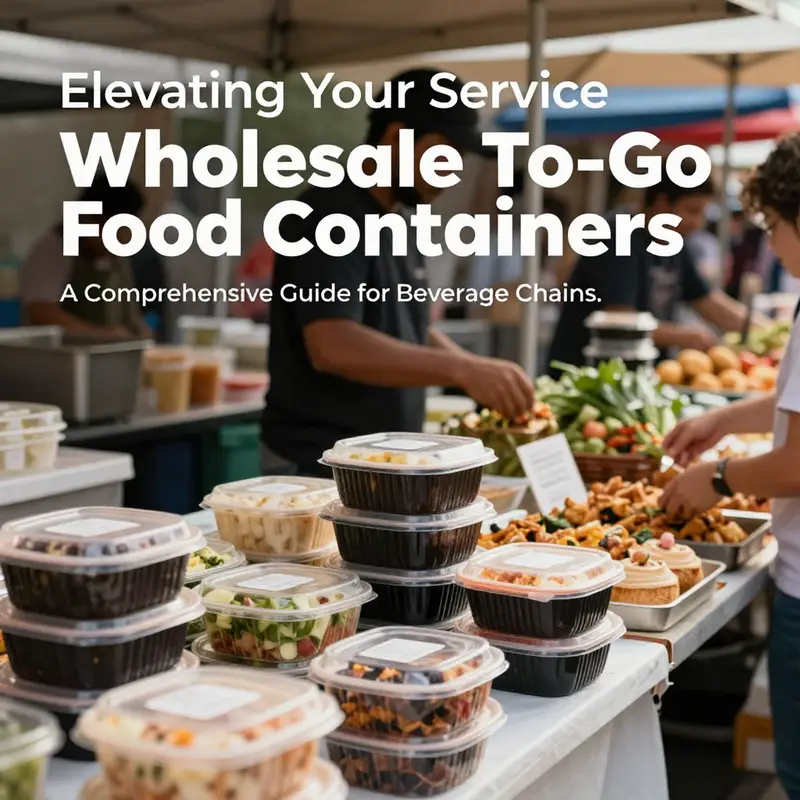
In the burgeoning world of food service and e-commerce, wholesale to-go food containers play a pivotal role, particularly for businesses like bubble tea shops, restaurants, food trucks, and event planners. These containers are more than mere packaging; they ensure safety, efficiency, and presentation that reflect your brand’s values. This article explores three key aspects of to-go food containers: the essential role of plastic, emerging sustainability trends with glass and compostable options, and the intricacies of the global supply chain dynamics. By understanding these factors, your business can make informed choices that align with operational needs while addressing environmental concerns.
Plastic at Scale: The Durable Backbone of Wholesale To-Go Food Containers
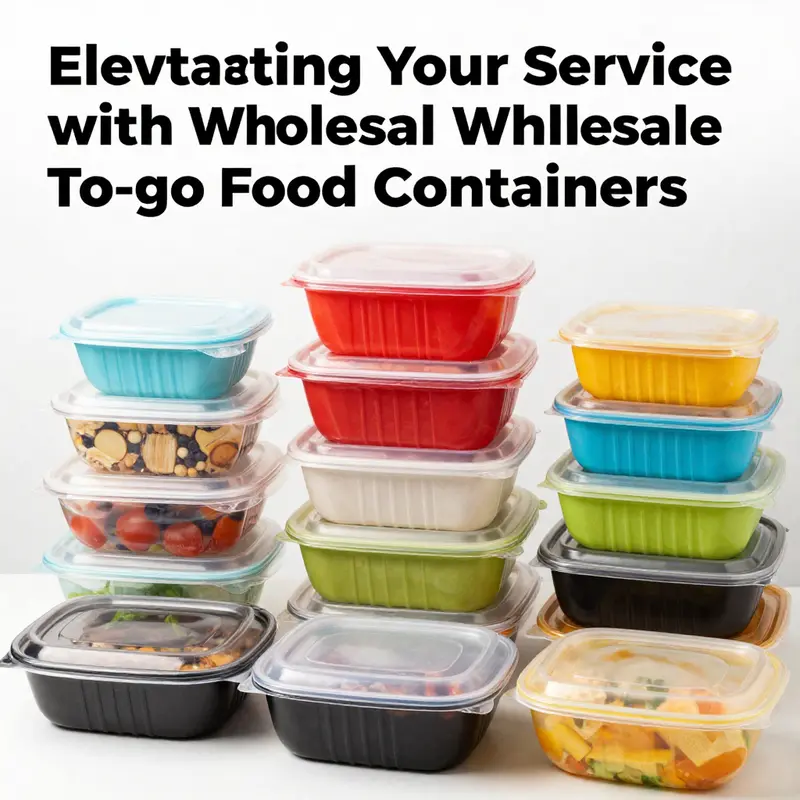
Plastic sits at the center of the wholesale to-go container ecosystem, not because it is the most glamorous material, but because it offers a reliable, scalable, and affordable foundation for the daily operations of kitchens, couriers, and retailers. In the modern food service and e-commerce world, the containers that keep meals intact during transport, present food appeal, and withstand the rigors of busy service environments are rarely noticed for what they are—until they fail. Then the fault lines are obvious: leakage, brittleness, smoothie-like greases that bleed through, or a lid that won’t seal. In this context, plastic emerges as a practical answer to a long list of questions about performance, price, and predictability. It is the backbone of wholesale to-go packaging because it balances weight, strength, and compatibility with the logistics and reheating workflows that define contemporary takeout and meal-prep economies.
From a practical standpoint, plastic containers are celebrated for their lightness. When thousands of meals move through a single day, every gram saved on each box adds up to meaningful savings in shipping, handling, and energy use across the supply chain. A 3-compartment plastic bento-style box—an archetype in many bulk orders—illustrates the point beautifully: light enough to avoid excessive carrier charges, yet sturdy enough to endure the jostling of transit, stackable to optimize warehouse space, and versatile enough to hold a variety of foods without compromising presentation. The durability factor follows closely behind. These containers resist cracking when dropped or squeezed, resist deformation during stacking, and maintain their seal through a busy delivery window. Such attributes are not abstract; they translate into fewer damaged units, fewer customer complaints, and clearer brand promises about reliability.
Economically, plastic to-go containers are favored for their low production costs and the economies of scale that come with mass manufacturing. Wholesale buyers see a direct line from bulk purchase to unit price. When orders run into the hundreds of thousands, even modest unit-cost reductions compound into substantial margins or budget flexibility for other operational needs. It is not unusual to encounter wholesale plastics with per-unit costs that translate into competitive, category-leading pricing, enabling companies to sustain profitability within tight margin structures or to reinvest savings into faster delivery, improved packaging aesthetics, or enhanced food safety features. The reliability of supply is another economic lever. In the high-volume hubs of manufacturing—especially in southern and eastern China—producers operate with sophisticated production lines that can churn out tens of thousands of units per shift. This capability ensures that buyers who need large, consistent runs can secure timely replenishment without repeated supplier audits or last-minute sourcing sprints.
A notable advantage of plastics in this space is sealing performance. Modern plastic containers are designed to seal tightly enough to prevent leakage, maintain portion integrity, and resist contamination during the rigors of transport. For meal kits and multi-item orders, a leak-proof design is not a luxury; it is essential to preserving product quality and customer trust. The interplay between lid quality and container body materials is a focal point for manufacturers and buyers alike. Some designs employ rigid rims or gasketed seals that improve airtightness, while others rely on tight snap-fit features that withstand repeated opening and closing. When these features work harmoniously, they enable a smooth consumer experience—no spillages on doors, no soggy salads at the bottom of the box, and no compromised sauces that spoil a dish before it reaches the customer.
Yet plastic is not without its constraints, and the chapter cannot ignore the realities that shape its role in today’s market. Heat sensitivity is a practical consideration. Not all plastics are equally heat-tolerant, and the degree to which a container can accompany hot foods or tolerate reheating depends on the polymer type and the formulation. Some plastics perform well in microwave environments, while others require careful temperature and time controls to avoid warping or chemical migration concerns. This is not a single story but a spectrum, where buyers need to align the intended use case with the material properties. In addition, consumer sentiment and regulatory scrutiny around environmental impact shape the long-term viability of plastic-heavy packaging strategies. While plastics deliver undeniable convenience and cost advantages, they sit under a cloud of public discourse about pollution, waste, and resource use.
The industry has responded with a range of evolutions that attempt to preserve the benefits of plastic while addressing environmental and regulatory pressures. Recyclable plastics, particularly polypropylene (PP) and certain polyethylene grades, have become a standard part of the conversation. Polypropylene offers a good balance of clarity, rigidity, heat resistance, and relatively favorable recycling pathways in many markets. Beyond recyclability, there is a growing interest in biodegradable and compostable options derived from renewable resources. Polylactic acid (PLA) and other bio-based plastics are increasingly presented as options for brands seeking to reduce their carbon footprint or to meet industrial composting standards. The tradeoffs, of course, revolve around cost, compatibility with existing waste streams, and the rate at which these materials degrade under real-world conditions. In some cases, biodegradable alternatives may degrade quickly in industrial composting facilities but linger longer in a landfill, which affects the overall life-cycle assessment that buyers must consider.
Industry evolution in plastics thus tends toward a more nuanced portfolio rather than a single-dominant material. Suppliers are expanding beyond a one-size-fits-all proposition to offer a spectrum of solutions that balance cost, functionality, and sustainability. Recyclability is being built into product design with better resins, clearer labeling, and standardized closures that are easier to sort and process. At the same time, brands that want to signal environmental consciousness are increasingly turning to compostable liners and outer cartons where appropriate, or to packaging that uses recycled content and can be recycled again in typical municipal streams. This evolution is not about abandoning plastic; it is about reimagining its role within a broader, more responsible packaging ecosystem.
From a sourcing perspective, the realities of global supply chains matter as much as material science. The bulk market for these containers is highly concentrated in southern and eastern China, where proximity to raw materials, advanced manufacturing capabilities, and dense supplier ecosystems support scale and reliability. Buyers often navigate an ecosystem of verified manufacturers and trading houses that promise consistent quality across batches. Platforms that connect buyers with suppliers offer advantages such as bulk pricing, MOQs, free samples, OEM customization, and payment guarantees. A typical wholesale engagement might involve MOQs starting from 100,000 pieces, reflecting the scale required to justify the setup and tooling for a given container style. This concentration also implies a certain sensitivity to regional disruptions, exchange rate fluctuations, and policy shifts that can ripple through the supply chain. Smart buyers thus blend cost considerations with risk assessments, choosing suppliers that offer not only competitive unit prices but also predictable lead times, solid quality control, and a track record of on-time deliveries.
In navigating these choices, many buyers take a strategic sourcing approach that evaluates cost, quality, environmental impact, and supply chain resilience in tandem. The goal is not merely to obtain the cheapest option, but to secure a container that performs well in practice, supports the brand narrative, and fits into a logistical plan that minimizes risk. This often means balancing a primary plastic option with complementary materials where appropriate. For instance, brands may deploy plastic containers for the bulk portion of orders while reserving more premium or specialty packaging—such as glass or paper-based alternatives—for product lines where the presentation or sustainability story is central to the customer experience. The question is not whether plastic should be used, but how it can be used intelligently within a diversified packaging strategy that respects both performance needs and environmental considerations.
The consumer-facing implications of these choices reinforce why plastics remain indispensable in wholesale to-go packaging. The cost-per-unit, combined with the container’s ability to preserve foods through handling and transit, translates into a reliable value proposition for restaurants and meal-prep services that operate on fixed margins. The capacity to deliver a consistent appearance—from lid seal to side-wall clarity—helps brands maintain a predictable experience across thousands of orders. The economic calculus is further reinforced by the leverage that bulk buyers gain from suppliers who can guarantee quality and deliver on tight replenishment timelines. When a kitchen shuts down because packaging failed, the impact is immediate: customer dissatisfaction, operational disruption, and a hit to brand equity. Plastic, when sourced responsibly and designed with robust performance in mind, reduces that risk by providing dependable containment that aligns with the realities of high-volume takeout and meal-kit fulfillment.
Of course, the path toward more sustainable packaging is not a binary shift away from plastic. It is a strategic invitation to optimize, reimagine, and sometimes blend materials to match product, channel, and customer expectations. For buyers who want to explore the balance between cost and ecological impact, the decision often centers on a lifecycle assessment that weighs manufacturing energy, resin sourcing, packaging functionality, and end-of-life outcomes. Innovations such as recycled-content resins, design-for-recyclability features, and improved barrier properties extend the value proposition of plastics. These advances help reduce waste and improve reuse or recycling rates without compromising the essential performance attributes that drive takeout success. Even as companies adopt greener options, plastics are likely to remain a dominant force because the scale and efficiency they enable are hard to match with alternative materials alone.
Within this broader landscape, a practical takeaway emerges for buyers: the need to align material choice with the brand’s promises, the culinary context, and the expected delivery experience. A strong plastic solution should deliver consistent leakage resistance, compatible reheating workflows, and a cost structure that supports growth. It should also be adaptable to evolving waste streams and regulatory expectations. In making these choices, most buyers will rely on a nuanced mix of standard packaging formats, customization for branding with logos and color schemes, and selective investments in more premium or compostable options where the customer value proposition warrants it. The result is a packaging ecosystem that respects the realities of mass distribution while preserving the ability to tell a compelling sustainability story where appropriate.
For brands considering how to navigate this complex space, a practical, forward-looking approach involves three pillars: performance, cost discipline, and supply chain resilience. Performance means that the container seals well, protects the food, and handles the transport environment without failure. Cost discipline means that the unit price is predictable and scalable across fluctuating demand. Supply chain resilience means the ability to secure reliable suppliers, manage lead times, and mitigate risks from geopolitical or logistical disruptions. Together, these pillars guide a sourcing strategy that positions a business to meet customer expectations today while remaining adaptable for tomorrow. In practice, this often translates into a structured supplier evaluation that includes samples, pilot runs, and lifecycle considerations. It may also involve a formal plan for switching to alternative materials in response to regulatory shifts or customer preferences, while maintaining continuity of supply and brand integrity.
The internal landscape of sourcing is aided by the availability of verified suppliers and the convenience of digital marketplaces. Buyers can access large catalogs, request customizations, and compare options across features like lid fit, stiffness, grease resistance, and leakage performance. The ability to customize with branding elements without sacrificing performance is a key differentiator for wholesale buyers seeking to reinforce brand identity through packaging alone. When a business commits to a plastic solution, it is not simply purchasing a box; it is investing in a packaging system that supports a consistent customer experience, protects food quality, and contributes to the efficiency and reliability of the entire order fulfillment workflow. In this sense, plastic is not just a material choice; it is a strategic operation decision that shapes how meals are prepared, packed, transported, and perceived by customers.
For readers who want to explore alternatives or complementary options, it is worth considering how other materials can fit into the same value proposition. Paper-based and fiber-based containers offer aesthetic appeal for premium delivery experiences and can align with sustainability narratives, especially for brands emphasizing recyclability or compostability. Glass, while heavier and more capital-intensive, can serve as a premium, reusable option for certain restaurant concepts seeking to elevate presentation and brand positioning. Foam and PLA-based single-use options occupy a different end of the spectrum, balancing cost with end-of-life considerations in contexts where industrial composting infrastructure is available. The real objective is not to declare a winner among materials but to design a packaging strategy that optimizes functionality, cost, and environmental impact across the lifecycle of a product and its distribution. This is the essence of strategic sourcing in wholesale to-go containers: a thoughtful blend of materials that supports operational excellence while remaining faithful to a brand’s environmental commitments and long-term goals.
In closing, plastic remains indispensable in the wholesale to-go market due to its balance of performance, cost, and adaptability to modern packaging needs. The ongoing development of sustainable options in plastic production indicates a response to changing consumer preferences and regulatory pressures, while still preserving the practical advantages that enable high-volume food service and e-commerce fulfillment. The path forward will likely be one of continued innovation—more recyclable content, clearer labeling to facilitate sorting, and smarter design that reduces waste without compromising safety or convenience. As buyers navigate this evolving landscape, they will increasingly favor packaging solutions that deliver consistent results, align with brand stories, and demonstrate resilience in a world where the speed and scale of delivery only continue to grow. The role of plastic in wholesale to-go containers, carefully chosen and thoughtfully integrated into a broader packaging strategy, will remain a central, time-tested driver of performance, profitability, and customer satisfaction.
For readers who want to explore practical considerations around sustainability, a relevant internal reference can be found through one of the broader packaging options that emphasizes eco-friendly design and macro-trend alignment. See the resource linked here: eco-friendly-takeout-boxes-for-food-packaging-stylish-food-containers-safe-microwave-craft-paper-lunch-boxes-leak-grease-resistant. This integration showcases how brands can maintain performance while signaling environmental responsiveness, a balance that many wholesale buyers are increasingly prioritizing as they refine their sourcing strategies to address both cost and stewardship goals.
External resource for broader context: for an overview of food packaging and safety considerations from a regulatory perspective, see the U.S. Food and Drug Administration’s overview of food packaging. https://www.fda.gov/food/packaging-labeling-food/overview-food-packaging
Shaping the Takeout Horizon: Glass Reuse and Compostable Packaging in Wholesale To-Go Containers
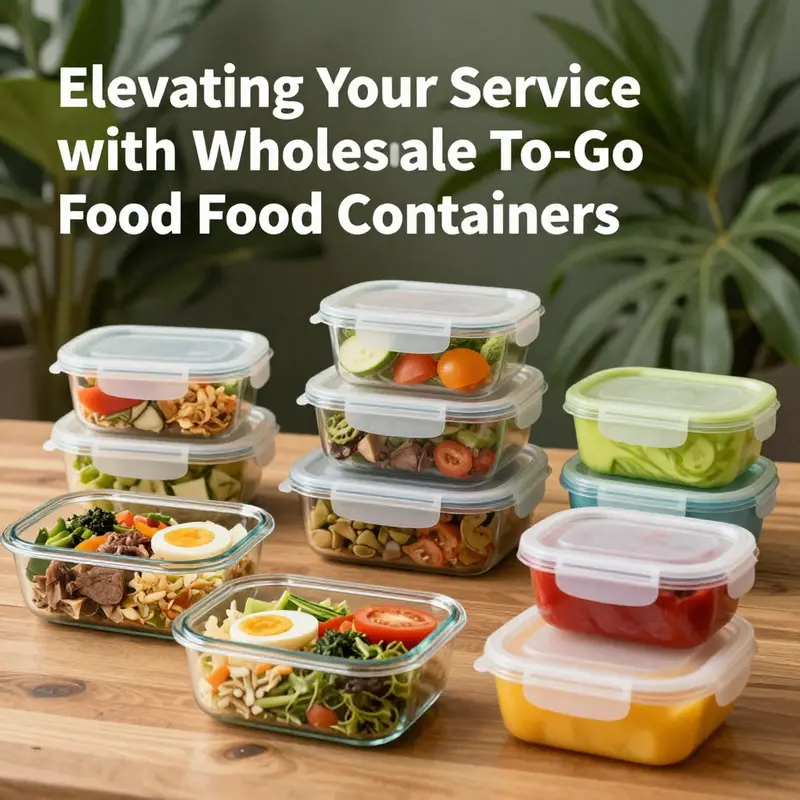
The wholesale to-go container market is no longer a simple catalog of disposable solutions. It sits at the intersection of operational efficiency, regulatory scrutiny, and rising consumer expectations for responsible packaging. In this evolving landscape, two strategies stand out for brands aiming to balance performance with sustainability: reusable glass containers and compostable takeout options. Each path offers unique strengths and challenges, and together they illustrate a broader shift in how foodservice businesses think about waste, lifecycle impact, and brand promises. Rather than treating sustainability as a cost center, many operators now view it as a strategic differentiator that can improve margins over time through reduced waste, enhanced product protection, and stronger customer loyalty. The wholesale approach to these materials matters as much as the individual design; scale, supply chain resilience, and the ability to customize at volume all shape the ultimate viability of glass or compostable solutions for a given operation.
Compostable takeout containers have matured rapidly in recent years. They represent a practical bridge between the desire to cut single-use plastic waste and the need for reliable performance in busy kitchens and delivery networks. Plant-based materials such as bagasse from sugarcane, bamboo fibers, and polylactic acid (PLA) blends have gained traction because they can be molded into familiar shapes and sizes that meet the expectations of food safety, moisture control, and heat tolerance. In many markets, these materials are designed to decompose primarily in industrial composting facilities, where elevated temperatures and active microbes accelerate breakdown. That intent is critical: it means the containers can furnish a credible end-of-life route that avoids long-term persistence in landfills. For wholesale buyers, the sustainability math hinges on more than a label. It depends on how the product performs during transit, how quickly it breaks down in appropriate facilities, and how easily it integrates with existing waste streams in client locations.
The geographic and industrial backbone behind compostable to-go solutions is concentrated in major manufacturing belts, with Guangdong and Shanghai playing outsized roles. These hubs have built robust ecosystems: automated lines, standardized testing, and streamlined logistics that coordinate raw materials, extrusion or pulping, lamination, and end-use packaging. The efficiency of this ecosystem matters because it translates into tangible options for wholesale buyers: shorter lead times, flexible MOQs, and the possibility of private-label runs that reinforce a brand’s sustainability story. Industry practitioners note turnaround windows that often fall in the 15–25 day range for custom or semi-custom compostable lines, a cadence that aligns with many seasonal promotions, menu renewals, and multi-location rollouts. The option to pursue private labeling is not merely about aesthetics. Private-label programs allow companies to align packaging with brand messaging—an especially valuable proposition for operators who want packaging to reflect a commitment to responsible sourcing and local environmental standards.
Yet compostable alternatives are not a panacea. They carry real cost differentials compared with traditional plastics and even glass in some cases. The price delta can be most pronounced at the point of purchase, when buyers compare a compostable clamshell to a polycarbonate container or a standard foam option. What matters more than headline price is the total cost of ownership across a cycle: how much do these containers weigh, how well do they protect food during rigorous delivery, do they consistently meet microwave or refrigeration requirements, and what is the end-of-life handling required by customers? In markets that have developed robust industrial composting infrastructures, the case for compostables strengthens because the end-of-life option is clearer. In regions without such infrastructure, companies must weigh nuanced factors such as consumer behavior, municipal waste facilities, and the presence of household composting programs. It is here that the value proposition of compostables often hinges on the breadth and clarity of guidance the supplier provides for customers—whether that means labeling that explains composting steps, or coordination with waste hauling services that can accommodate food-soiled packaging.
Glass containers, on the other hand, present a different set of advantages and trade-offs that appeal to premium brands, gourmet delivery concepts, and operators seeking long-term waste reduction through reuse. The tactile and visual appeal of glass is well-suited to brands that want to convey quality, cleanliness, and durability. Glass does not corrode or absorb flavors, and it maintains its clarity over repeated cycles, which makes it a strong option for brands that emphasize freshness and presentation. From a safety standpoint, borosilicate and tempered soda-lime glass can handle a broad temperature range, enabling a kitchen-to-consumer journey that preserves the integrity of sauces, marinades, and delicate items. The reusability story is compelling: glass can be cleaned, sanitized, and reused multiple times, and it can be integrated into closed-loop programs that minimize single-use waste and create a recycling or return pathway. This is especially appealing to eco-conscious brands that want to demonstrate tangible commitment beyond merely labelling a product as compostable or recyclable.
But glass at wholesale scale carries its own set of obstacles. Weight drives transportation costs up and may require specialized handling in both the kitchen and the delivery fleet. The upfront cost of glass packaging is typically higher than plastics or many compostable options, which means ROI depends on multiple factors: the number of reuse cycles expected, the efficiency of return and cleansing processes, and the total environmental impact across the container’s lifetime. For premium meal delivery services and brands that emphasize sustainability as a core differentiator, the glass route can be compelling when paired with a robust logistics framework that supports returns, cleans, and reuses. The evolution of closed-loop recycling programs, smart labeling, and even sensor-enabled packaging concepts is gradually addressing some of the stubborn logistical barriers. These innovations help companies recover containers more efficiently, ensuring that the reuse loop remains economically viable and environmentally meaningful.
Operationally, wholesale buyers must balance these material stories with practical realities in procurement and execution. The concentration of supply in southern and eastern China continues to shape how buyers source glass or compostable lines. Manufacturers benefit from access to high-grade glass forming capabilities, automated production lines, and proximity to raw materials that make large-volume runs feasible. Yet the leadership question remains the same: how do you align supplier capabilities with the meal program’s service levels, seasonality, and geographic reach? For glass, the considerations include the availability of airtight, BPA-free lids, the risk of breakage in transit, and the packaging’s compatibility with standard warewashing systems in kitchens and incinerators in some markets. For compostables, the critical touches include the specific resin systems used, the compatibility with local composting facilities, and the supplier’s ability to certify end-of-life outcomes for customers who are investing in sustainability reporting and compliance.
The trade-offs between glass and compostables are rarely binary. They reflect a spectrum of consumer expectations, regulatory landscapes, and business models. A growing number of wholesalers are designing packaging strategies that use glass for premium, chef-driven concepts where reuse loops can be established with customers who are motivated to participate in a daily or weekly return program. At the same time, the broader market for everyday takeout, quick-service, and grocery-deli packaging remains deeply serviced by compostable options that can meet the needs of high-volume, cost-sensitive operations while still signaling a commitment to reducing single-use waste. The convergence of these pathways is not about choosing one over the other; it is about building an adaptable portfolio that can respond to geography, customer demographics, and the lifecycle ambitions of a brand.
From the buyer’s perspective, a strategic sourcing approach that weighs cost, quality, environmental impact, and supply resilience is essential. For example, a hybrid model—using compostable containers for standard to-go orders in one region and glass-based, reusable solutions for high-end delivery in another—can optimize both footprint and customer experience. The practicalities of such a model require careful planning: establishing cleansing facilities or partner networks for glass, ensuring airtightness and seal integrity for reusable systems, and aligning with municipal or private waste streams that either accept compostable packaging or support recycling and material recovery. Procurement teams increasingly demand not only price and lead times but also certifications, data on end-of-life performance, and evidence of consistent product quality across batches. The modern wholesale buyer looks for suppliers who can provide a transparent bill of materials, credible third-party testing, and flexibility to scale private-label programs as brand commitments deepen.
As sustainability narratives become more central to brand identity, the packaging conversation expands beyond the container itself. Retailers and meal delivery platforms increasingly expect packaging to carry clear, actionable guidance for customers on disposal, composting, or return. The packaging supplier that can accompany a client through this journey—offering not just a product but a lifecycle plan, waste-management recommendations, and easy-to-implement labeling—gains a strategic advantage. In the long arc, the industry’s transition toward glass reuse and compostable solutions signals more than a shift in materials. It signals a broader reorientation of how food businesses design, source, use, and eventually reclaim packaging as part of a circular economy. This shift is accelerated by the willingness of suppliers to customize at scale, the emergence of closed-loop programs that reduce losses from broken containers or failed returns, and the development of smart packaging technologies that make the reuse and composting stories more credible and traceable for both operators and end customers.
For buyers who are considering both affordability and sustainability, the most compelling path tends to revolve around strategic, data-driven sourcing that acknowledges the realities of supply-chain risk. An approach that blends a core set of durable, reusable glass containers for select markets with a broader set of compostable options for high-volume, time-sensitive orders can deliver stable costs and meaningful environmental outcomes. It is not just about choosing a material; it is about designing a platform that can flex with demand, seasonality, and regulatory changes without compromising the quality of food and the customer experience. The market’s current trajectory, supported by capacity expansion in major manufacturing hubs and a growing ecosystem of private-label and contract manufacturing players, points toward a future where sustainable to-go packaging is not a niche but a standard feature of wholesale portfolios. In that future, success hinges on the combination of material science, logistics innovation, and transparent communication about end-of-life outcomes—together with the practical discipline of cost control and supply reliability.
From a consumer-facing perspective, brands are increasingly embracing packaging as part of the overall experience. The lid that seals securely, the container that preserves heat without sweating, and the visual clarity of a glass jar that showcases a premium product all contribute to perceived value. Yet the real test comes after the food leaves the restaurant. Customers must understand how to dispose of or return the packaging, and they must be rewarded for participating in those processes—whether through easy-to-follow disposal instructions on the packaging itself, or through loyalty programs that encourage returns or proper recycling. The messaging must align with the brand’s broader sustainability commitments, creating a cohesive story that feels authentic rather than opportunistic. A misalignment—such as a claim of sustainability without a clear end-of-life pathway—can undermine credibility and erode customer trust. Therefore, education and transparency are as essential as product design when it comes to making glass reuse and compostable options viable at scale.
Industry intelligence supports a balanced outlook. The preponderance of evidence suggests that compostable solutions will continue to expand rapidly, supported by regulatory emphasis in North America and Europe and by high-efficiency production in major Chinese manufacturing hubs. The compostable segment’s growth is reinforced by the ongoing development of industrial composting infrastructure, and a growing number of brands are testing private-label programs that allow them to control user experience, waste streams, and environmental reporting. At the same time, glass remains a compelling choice for brands seeking a premium image and a long-horizon use-case where a closed-loop model can be implemented with dedicated customers, corporate cafeterias, meal-kit providers, and premium delivery services. The challenges—cost, return logistics, and the need for reliable cleansing—are not trivial, but they are not insurmountable when a company commits to a holistic lifecycle approach that integrates supplier partnerships, waste-management partners, and customer education.
Practical guidance for buyers begins with a clear assessment of current waste streams and future goals. If a client operates in a region with robust composting facilities and a strong brand story around sustainability, compostables can be adopted with confidence, particularly when the supplier provides detailed end-of-life guidance and private-label options that reinforce the branding. If, instead, a company serves a clientele that values longevity, reusability, and premium aesthetics, glass with an effective reuse program may be the better strategic investment. The most successful programs often combine both approaches: compostables for everyday use and glass for high-value programs, coupled with a return-and-cleaning infrastructure that is scalable and dependable. The decision calculus frequently hinges on an integrated plan that covers procurement, logistics, waste handling, customer communication, and lifecycle reporting, all anchored by a supplier ecosystem that can support private-label activity, rapid turnarounds, and consistent quality across thousands or tens of thousands of containers.
As the sector matures, ongoing collaboration among manufacturers, waste-management partners, and foodservice operators will shape the practical feasibility of ambitious sustainability targets. Initiatives to improve the recyclability of glass, reduce energy use in production, and advance compostable materials with lower footprints will all contribute to a more resilient, lower-impact wholesale market. In this evolving context, the choice between compostable and reusable glass packaging should be framed not as a binary decision but as a spectrum of options that a brand can pull from as needs change. The best programs are anticipatory, building flexibility into the supply chain so that brands can adapt to new regulations, evolving consumer behavior, and the practical realities of delivering hot meals, cold beverages, and fresh groceries with a packaging system that remains faithful to its environmental commitments.
To practitioners exploring this transition, one practical takeaway stands out: engage suppliers who can offer a holistic view of packaging performance from production to end-of-life, including certified environmental claims, detailed material disclosures, and ready-made guidance for customers about disposal or recycling. By marrying technical performance with credible sustainability storytelling, wholesale buyers can deliver packaging that not only protects food and maintains brand integrity but also aligns with the broader goal of reducing the industry’s environmental footprint. The result is a takeout ecosystem that rewards efficiency, quality, and responsibility in equal measure, and that remains adaptable as the market continues to learn, refine, and optimize the life cycle of every container that travels from kitchen to consumer and back again through reuse or composting.
For readers who want a deeper dive into the compostable and eco-friendly dimensions of to-go packaging, a reputable external resource offers a comprehensive guide to the practical realities of industrial composting and end-of-life management. It provides context for decision-making, particularly when evaluating different compostable resin systems and their performance in real-world settings: https://www.ecofriendlypackaging.com/compostable-take-out-containers-guide/.
Internal link reference for practical sourcing guidance: a supplier community with a focus on durable, practical packaging that emphasizes sustainability and usability can be explored through the following product category, which highlights modern, eco-friendly takeout solutions designed for wholesale buyers: eco-friendly takeout boxes. This link points to a catalog that showcases contemporary takeout packaging options suitable for a range of restaurant concepts, from casual to premium, and can serve as a starting point for buyers weighing the practicalities of switching to greener options while maintaining service levels and customer satisfaction.
Resin to Retail: The Global Journey of Wholesale To-Go Food Containers
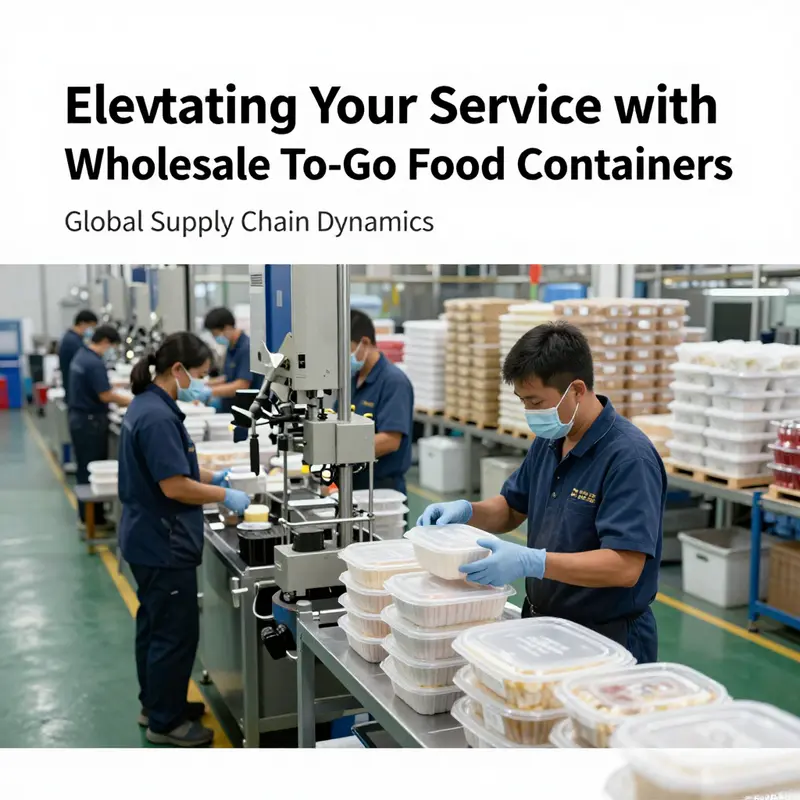
The journey of wholesale to-go food containers from resin to retail is more than a tale of molded shapes and glossy packaging. It is a narrative of interconnected decisions that shape cost, performance, and sustainability for every restaurant, meal kit service, and delivery platform that relies on them. In the modern food economy, containers do more than hold a product; they enable safety, preserve quality, and drive efficiency across a sprawling network that spans continents. The chapter that follows does not merely inventory materials or logistics; it traces the threads that tie raw materials, manufacturing footprints, and distribution routes into a coherent system designed to meet sharp customer expectations in an era of heightened environmental awareness and regulatory scrutiny. The result is a dynamic, often delicate balance between affordability, reliability, and responsible stewardship, a balance that must bend yet not break under shifting demand, volatile shipping, and evolving policy landscapes.
At the heart of this global system lies the choice of raw materials. The principal families—polypropylene, polystyrene, and increasingly biodegradable alternatives such as polylactic acid—each bring distinct properties that shape container design, end-use performance, and lifecycle considerations. Polypropylene, with its toughness, chemical resistance, and heat tolerance, remains the workhorse for many wholesale operations. It is light, economical, and compatible with common food safety standards, which makes it a versatile option for a broad spectrum of applications—from multi-compartment bento-style boxes to simple, single-serve vessels for hot and cold items. Polystyrene, once ubiquitous for its lightness and cost advantages, has seen growing scrutiny as regulators tighten its use in single-use packaging. This scrutiny has accelerated exploration of alternative formulations and recycling streams, even as the performance profile of PS keeps it in the conversation for certain product categories where clarity, rigidity, and insulation properties matter.
Biodegradable and compostable alternatives, led by polylactic acid and other plant-based polymers, are increasingly prominent in supplier catalogs and development roadmaps. PLA and related materials offer the promise of reduced carbon footprints and a pathway toward more sustainable end-of-life outcomes. Yet they come with caveats: higher production costs, sometimes stricter processing requirements, and limitations in certain high-heat or long-duration-use scenarios. For wholesale buyers, the decision to source PLA-based containers is not simply a matter of choosing the greener material; it is a strategic calculus that weighs compatibility with customers’ waste streams, availability of industrial composting infrastructure, and the capacity of suppliers to guarantee consistent quality across large MOQs. The supply chain research that informs this chapter notes that these factors are increasingly influential in supplier selection and contract design, shaping both procurement strategy and brand storytelling.
Geographically, raw material vitality flows from major chemical hubs across East Asia, North America, and the Middle East. The sprawling supply network that feeds container production is anchored by these regions, where the convergence of petrochemical feedstocks, resin production, and downstream plastics manufacturing creates cost advantages and scale effects. From there, the materials move into a global lattice of manufacturing centers that convert resin into finished containers. The most prominent production hubs for wholesale to-go containers are in China, Vietnam, and India. Each location offers distinct advantages: China benefits from vast manufacturing ecosystems, deep supplier networks, and highly automated operations; Vietnam has carved out a rapidly expanding capacity with competitive costs and proximity to Southeast Asian markets; India provides a combination of skilled labor, evolving industrial policy, and growing capabilities in packaging engineering. The result is a triad of manufacturing footprints that can deliver scale, customization, and responsiveness, but also require careful orchestration to minimize risk and ensure continuity of supply.
Manufacturing efficiency in these regions translates into the ability to meet large orders—sometimes in the hundreds of thousands of pieces per day—without sacrificing consistency. It also enables rapid customization, from multi-compartment configurations to the inclusion of air-tight, BPA-free lids and leak-resistant seals. The procurement team that manages such operations must negotiate lead times, quality certifications, and the ability to adapt to evolving regulatory standards. A crucial element here is the balance between in-house capacities and contract manufacturing partners. When demand shifts or regional disruptions occur, resilient buyers lean on diversified production hubs and layered sourcing strategies to maintain service levels. The model resembles a living organism: it grows, reconfigures, and sometimes pauses, but always seeks to maintain supply under a wide range of conditions.
Distribution is the next critical stage, moving containers from factories to warehouses, distribution centers, and finally to the end users who rely on them to fulfill orders with speed and reliability. Finished products travel by maritime freight, air cargo, and land transport, each mode offering different cost structures, transit times, and environmental footprints. Maritime conveyance remains the backbone of global packaging logistics, particularly for bulk orders destined for the largest markets. Yet the very advantage of sea transport—its capacity to move enormous volumes at relatively low unit costs—also carries vulnerabilities. Congestion at major ports, fluctuations in container rates, and the risk of port closures or delays can cascade through the supply chain, affecting lead times and price stability. Air cargo, while far more expensive, provides a vital option for time-sensitive replenishments or high-value, low-volume lines, enabling brands to respond quickly to demand spikes, seasonal promotions, or short-notice product line changes. Land transportation fills in the gaps, delivering to regional distribution hubs, retailers, meal kit facilities, and foodservice outlets that require dependable last-mile performance.
The complexity of distribution is compounded by the need for visibility and control. Digital platforms that provide real-time order tracking, inventory status, and shipment alerts have evolved from conveniences to necessities. They empower purchasers to optimize inventory levels, schedule replenishments, and avoid stockouts that disrupt restaurant service. They also enable better demand forecasting by aggregating data across orders, suppliers, and transit routes. The integration of blockchain technology, while still developing a broad, practical footprint, promises to raise the bar on transparency. It can provide immutable records of material provenance, production dates, and compliance checks, offering assurance to customers who want to verify that sustainability claims align with actual practices. In practice, many buyers pursue layered data strategies that marry ERP systems with supplier portals and transit trackers, creating a fabric of information that supports agile decision-making in a volatile market.
Sustainability considerations loom large throughout the supply chain. A key tension exists between cost-efficient production and regulatory pressure to minimize environmental impact. The European Union’s Single-Use Plastics Directive has accelerated shifts toward compostable or recyclable materials and more stringent waste-management practices. For suppliers and buyers alike, the imperative is to align sourcing strategies with the transforming policy landscape while delivering packaging that meets performance expectations. The development of plant-based plastics, recycled content, and circular economy approaches is ongoing, driven by both policy incentives and consumer demand for responsible packaging. However, scaling these alternatives remains challenging. Higher production costs, limited feedstock availability, and the need for compatible waste streams can constrain adoption. As a result, many distributors pursue a dual-supply approach: maintaining traditional plastic offerings for affordability and reliability while expanding eco-friendly lines for markets with stronger demand or regulatory pressure.
Just-in-time inventory models and regionalized production hubs have become central to reducing both capital risk and greenhouse gas emissions. By placing more capacity closer to major markets, manufacturers can shorten lead times, reduce last-mile delays, and lower transportation energy per unit. But regionalization also introduces coordination challenges. Different regions may have varying regulatory expectations, recycling capabilities, and end-of-life infrastructure, which can complicate compliance and product stewardship programs. Buyers must therefore design packaging solutions that withstand regional waste-management realities while preserving performance. This often means offering a spectrum of materials and configurations, from traditional plastics for everyday use to compostable or recyclable formats for premium, eco-conscious brands.
Technology does the heavy lifting in this balancing act. Digital procurement platforms, which connect buyers with verified suppliers, are increasingly essential tools for negotiating bulk terms, obtaining samples, and validating quality before large commitments. These platforms also support supplier vetting through standardized certifications and environmental management credentials. Among the credible indicators that buyers seek are ISO 14001 for environmental management and cradle-to-cradle style certifications that reflect end-to-end sustainability commitments. Such credentials help ensure that suppliers not only produce containers that meet functional standards but also operate with environmental stewardship in mind. The practice of seeking third-party validation is more than a marketing tactic; it is a risk-management strategy that reduces the probability of supply interruptions while reinforcing a credible sustainability narrative for customers and regulators alike.
Beyond certification, geographic diversification remains a practical hedge against disruption. The past few years have underscored how pandemics, trade disputes, and geopolitical tensions can simultaneously affect multiple nodes of a supply chain. By developing a portfolio of suppliers across different regions and maintaining a mix of conventional plastic and eco-friendly options, distributors can dampen the impact of regional shocks. This approach requires careful coordination of lead times, capacity planning, and quality assurance protocols to ensure that a shift in source does not translate into a compromise in safety or performance. In practice, this means building redundancy into every critical link—raw material suppliers, converters, packagers, and distributors—while preserving relationships with partners who share a commitment to safety, efficiency, and responsible manufacturing.
The tapestry described above is not merely theoretical. It is lived through contracts, daily production line decisions, and long-range strategic planning. For buyers, the stakes are high: containers must be consistently safe, with reliable seals and predictable barrier properties to preserve freshness. They must withstand routine microwaving, freezing, and, in some cases, oven use, all while maintaining a neutral culinary profile, not imparting flavors or odors that could undermine a dish. In addition, the aesthetic of the container matters, especially for brands that rely on premium presentation or that seek to convey a message of sustainability through their packaging. The chain must deliver not only function but also brand integrity, enabling a positive consumer experience from the moment a bag is opened.
One practical illustration of these dynamics lies in the availability and configuration of multi-compartment containers. The ability to separate components—such as sauces, sides, and main courses—without cross-contamination is a critical feature for many operators. The supply chain must accommodate a range of configurations, from basic two- and three-compartment designs to more sophisticated systems that allow modular customization. This capability is essential for meal-kit services and dine-out brands that seek to balance convenience with portion control and presentation. At scale, achieving this level of variety requires tight coordination among raw material suppliers, mold makers, manufacturers, and packaging distributors. It also necessitates robust quality control regimes to ensure even the smallest deviations do not affect seal integrity or user safety. In the end, the aim is a seamless chain where design flexibility, manufacturing discipline, and logistical precision converge to deliver containers that perform under real-world conditions while supporting sustainable business models.
A final layer of complexity arises when considering how to educate and align customers with the realities of container sustainability. Many buyers face a sensory dilemma: customers want packaging that feels premium and sturdy, yet they also demand options that can be responsibly disposed of or recycled. This tension has spurred a convergence of marketing, product development, and sustainability reporting. Brands increasingly narrate the lifecycle story of their packaging, outlining material choices, end-of-life pathways, and supplier credentials. Transparent communication can be a differentiator in crowded markets, helping operators justify price points for premium formats and encouraging customers to participate in diversion programs, whether through municipal recycling streams or industrial composting facilities. For buyers, this alignment requires not only selecting appropriate materials but also ensuring the supply chain can support the downstream infrastructure, from recycling centers to composting facilities, and that the logistics network can facilitate end-of-life recovery where feasible.
Within this interconnected ecosystem, an example of practical sourcing behavior can illuminate how theory translates into procurement decisions. A buyer might explore a catalog that features both conventional plastics and eco-friendly alternatives, weighing cost per unit, lead times, and performance under varied temperatures. In doing so, the buyer considers whether to lock in cheaper options with longer retooling cycles or to diversify with eco-friendly lines that may command a premium but offer resilience against future regulation and consumer demand. The decision is rarely binary; it is a spectrum of choices that reflects strategic priorities, supplier relationships, and the evolving policy environment. The contemporary market rewards those who can balance the core drivers of cost, quality, and sustainability while maintaining agility in the face of disruption. This is the art and science of wholesale to-go container sourcing—a discipline that blends engineering, logistics, policy awareness, and market savvy into a coherent operational philosophy.
For readers who want to see a concrete example of how these considerations can come to life online, a recent catalog of eco-friendly, multi-compartment packaging offers a snapshot of the kinds of options buyers weigh when building an assortment that appeals to health-focused kitchens, casual dining concepts, and delivery-driven brands. The catalog demonstrates how a single supplier can offer a spectrum of materials and configurations—from robust plastics to compostable alternatives—while providing clear information about compatibility with microwaves, freezers, and cleaning processes. This kind of offering, paired with real-time procurement platforms and trusted certifications, helps firms move decisively in a market where timing, cost, and sustainability credentials all matter. In practice, the decision is less about choosing one material and more about orchestrating a portfolio that can adapt to shifts in regulation, consumer sentiment, and supply-demand dynamics across the globe.
As we close the circuit of this discussion, it is useful to reflect on the future trajectory of wholesale to-go containers. The World Economic Forum’s considerations on sustainable packaging illuminate a path toward greater collaboration across industries, with advances in material science, digital traceability, and design-for-recycling principles that can transform how these containers are sourced and used. The directive is clear: innovate and collaborate to keep pace with regulatory expectations while preserving the reliability that food service operations rely on. The balance will require continual testing of new materials, investment in recycling and composting infrastructure, and the development of supply chains that can quickly reconfigure in response to shocks and policy shifts. In this sense, the container is not a passive recipient of demand but an active participant in a broader ecosystem that shapes food service resilience, environmental impact, and consumer satisfaction.
To illustrate a concrete touchpoint for readers exploring supplier catalogs, consider a catalog entry emphasizing eco-friendly, multi-compartment packaging that aligns with fast-casual dining and takeout needs. This category highlights not only the material tradeoffs but also the practical realities of scale, processing, and end-of-life management. It shows how a supplier can combine robust mechanical performance with clear labeling, easy opening, and compatibility with common reheating methods, all while maintaining a commitment to environmental stewardship. Such examples underscore the central thesis of this chapter: the global supply chain for wholesale to-go containers is a living system that must harmonize cost efficiency with safety, performance, and sustainability to support a resilient and responsible food economy. The next chapters will delve deeper into how brands translate these supply chain choices into on-shelf realities, customer trust, and long-term value creation, while continuing to navigate the evolving regulatory and market landscape.
External reference to illuminate ongoing industry developments and policy directions can be found here: The Future of Sustainable Packaging in Global Supply Chains.
Internal resource for readers seeking a practical example of eco-friendly packaging configurations and supplier options: eco-friendly-disposable-3-compartment-food-grade-packaging-box-for-fast-food-high-quality-takeout-boxes-for-fried-chicken-french-fries-packaging.
Final thoughts
Understanding the dynamics of wholesale to-go food containers is crucial for food and beverage businesses striving to maintain quality while catering to modern consumer demands. From the practicality of plastic to the appeal of sustainable glass and compostable options, your choice of containers not only impacts cost and efficiency but also aligns with environmental values. By navigating the complexities of the global supply chain, your brand can stay resilient and innovative, positioning itself as a leader in the competitive food service landscape. Embrace these insights to enhance your packaging strategy and support the growth of your business.