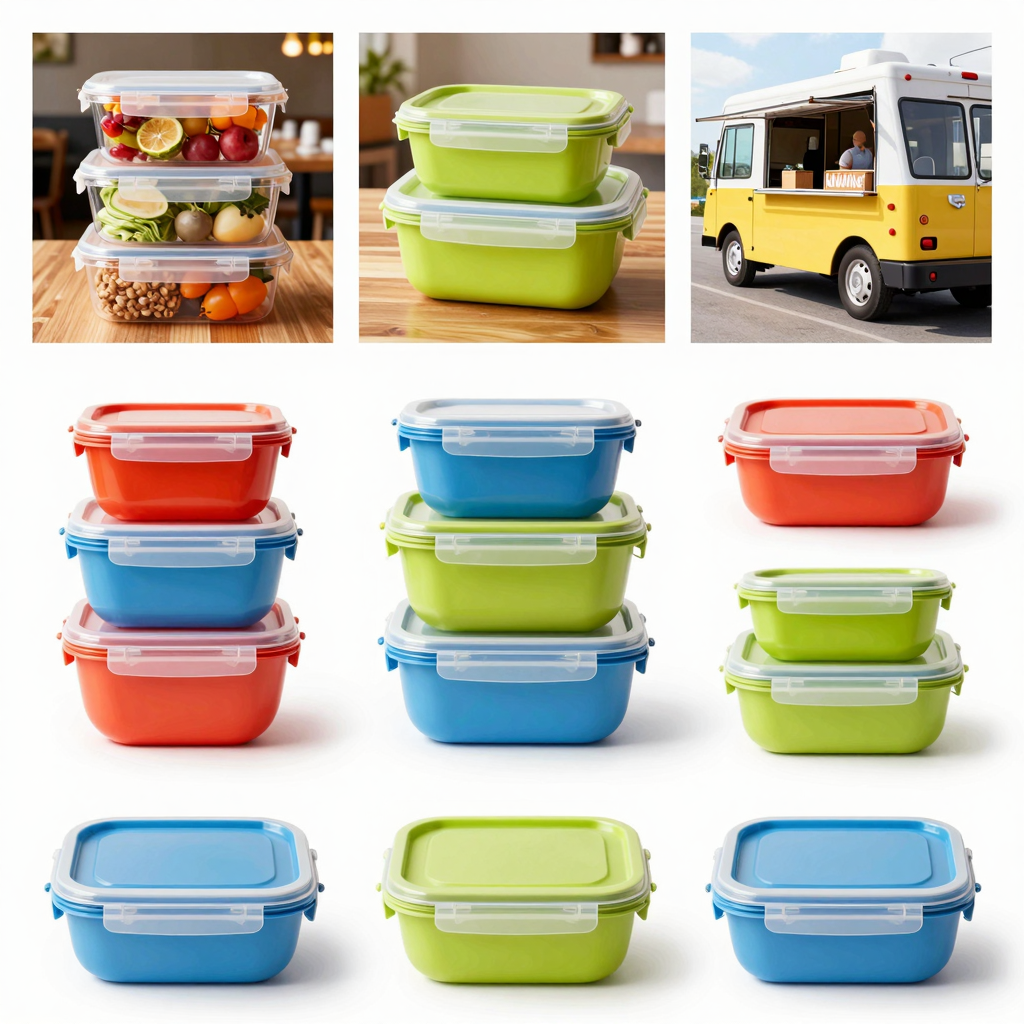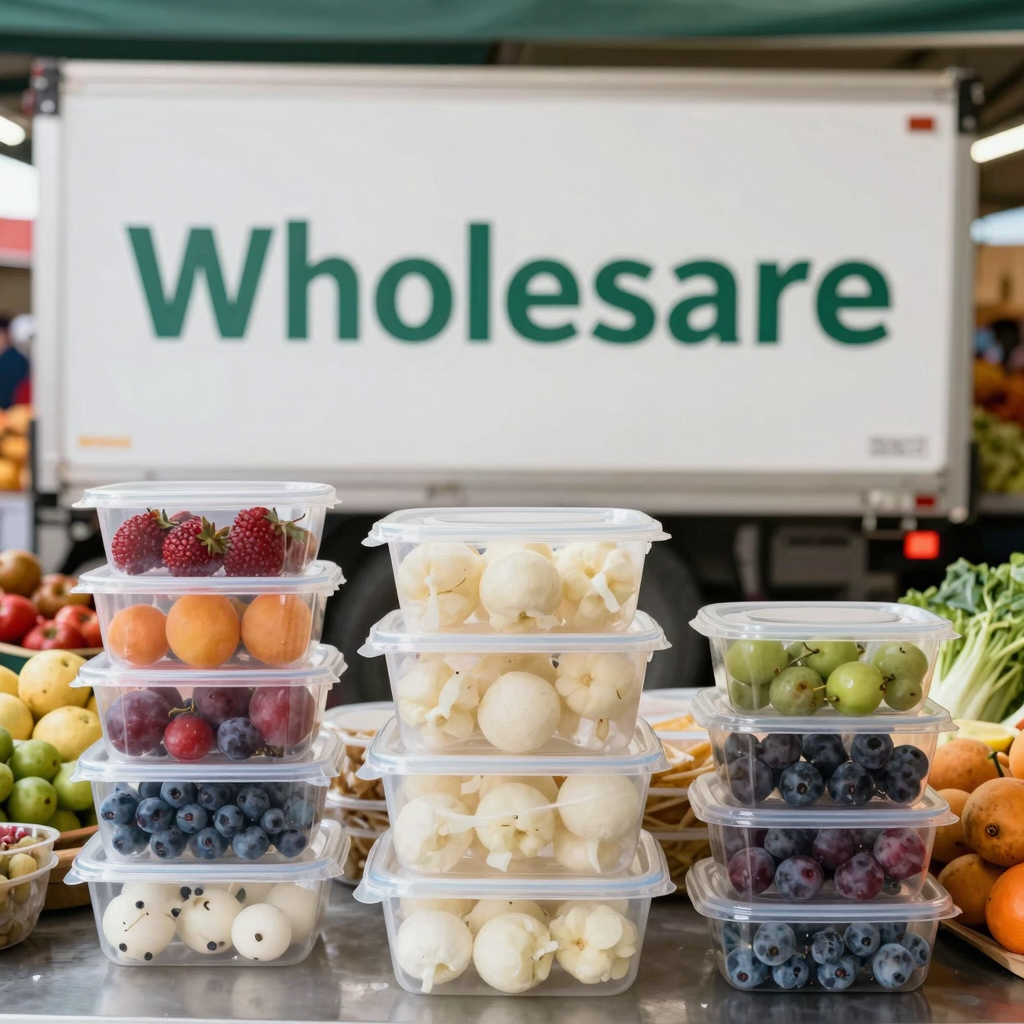
Introduction to Wholesale Transport Food Containers
In the competitive landscape of the food and beverage industry, the choice of transport food containers is crucial for businesses, particularly for bubble tea shops, restaurants, food trucks, and catering services. Wholesale transport food containers ensure a consistent supply of packaging solutions that prioritize safety, quality, and efficiency. These containers are designed to withstand the rigors of transportation while keeping food fresh and safe for consumption. For bubble tea shops, robust containers prevent spills and maintain the integrity of delicate beverages. Restaurants and food trucks benefit from the wide variety of sizes and types available, making it easier to serve diverse menus. Furthermore, catering services can enhance their brand image by using aesthetically pleasing and functional containers, contributing to an unforgettable dining experience. For a deeper look into food container standards and choices, check out this resource.
The Benefits of Using Wholesale Transport Food Containers
For bubble tea shops, beverage chains, and food services, choosing the right food containers isn’t just about practicalities; it significantly influences business efficiency, customer satisfaction, and environmental impact. Here are the key benefits of using wholesale transport food containers:
-
Cost-Effectiveness
By purchasing food containers wholesale, businesses can significantly reduce their supply costs. Bulk buying minimizes retail markup, allowing for better budgeting and an overall increase in profit margins. This is especially beneficial for bubble tea shops and beverage chains that require a high volume of disposable containers. -
Eco-Friendliness
Many modern wholesale food containers are made from biodegradable or recyclable materials, such as PLA (polylactic acid) and bagasse (sugarcane fiber). These eco-friendly options align with growing consumer demand for sustainable practices, helping businesses reduce their carbon footprint and waste. Learn more about eco-friendly food containers. -
Safety Standards
Using containers that conform to food safety regulations ensures that food remains uncontaminated and safe for consumption. Wholesale food containers often undergo rigorous testing to meet health standards, which is crucial for compliance in the food service industry. -
Improved Logistics
Wholesale containers are typically designed for ease of stacking and efficient transport, leading to improved logistics. This efficiency can result in lower shipping costs and less storage space needed, which is vital for restaurants and food trucks that must maximize their operational workflows. -
Customization Options
Many wholesalers offer customization for food containers, allowing brands to enhance their market presence through branded packaging. This builds brand identity while providing an appealing presentation that customers appreciate. -
Durability
Quality wholesale food containers are designed to withstand various temperatures and environments, making them resistant to leaks and spills. They provide a safe and effective means for transporting hot beverages or delicate bubble tea drinks. -
Versatility
These containers come in a wide range of shapes and sizes to suit various food types, from solid treats to liquid beverages, making them versatile for different food service needs. Beverage chains can seamlessly transition between different container types without compromising quality.
By investing in wholesale transport food containers, businesses can enjoy cost savings, align with eco-friendly practices, ensure food safety, and enhance operational logistics. It’s a practical choice that supports a sustainable and customer-focused food service approach. For more insights on food containers in the industry, check this article.
Transport Food Containers: Essential Tools for Your Business
In the food service industry, the choice of transport food containers is crucial for maintaining food quality and safety. Whether you run a bubble tea shop, a restaurant, or a food truck, having the right containers can make all the difference. Here are some popular types of transport food containers:
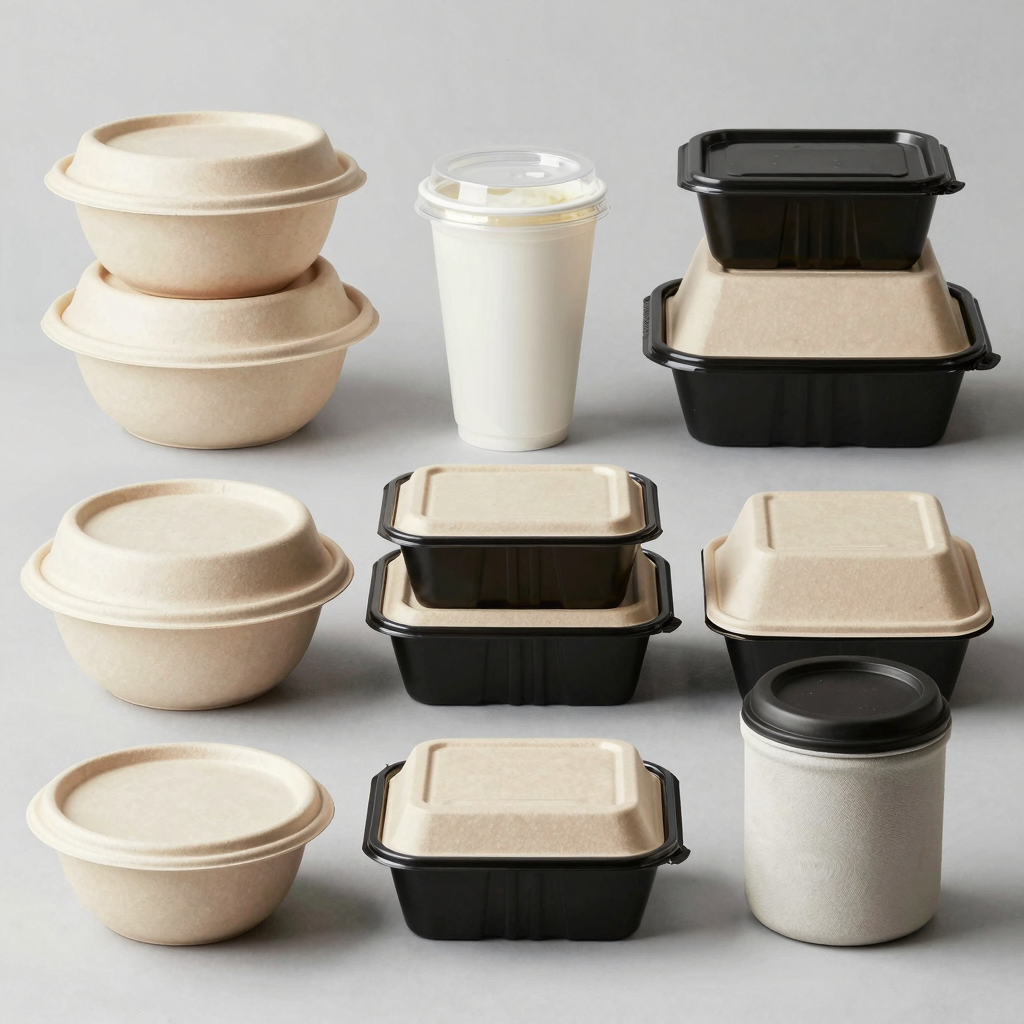
- Disposable Bowls: Perfect for serving hot and cold items, these bowls are easy to carry and dispose of.
- Plastic Cups: Ideal for beverages, they often feature eco-friendly options that appeal to health-conscious consumers.
- Takeaway Boxes: A must for fast-casual dining, these boxes come in various sizes to fit different food types.
- Insulated Containers: Ensure that hot food stays hot and cold food stays cold, essential for catering services.
For more insights on plastic containers in the food industry, check out our detailed articles.
Safety Standards for Food Containers
When it comes to food transport containers, adherence to safety standards is paramount. These regulations ensure that food remains safe for consumption during transit, protecting both consumers and business reputations. The type of materials used plays a crucial role in these standards. For instance, containers made from food-grade plastics or materials that are certified under regulations like FDA regulations ensure that harmful chemicals do not leach into food.
Certifications like ISO and ASTM also add a layer of assurance, indicating that the products meet defined safety and performance criteria. Compliance with regulations specific to food contact materials, such as the EU No 10/2011 and GB 4806, is essential for ensuring that consumers are safeguarded from potential contaminants.
For the target audience-bubble tea shops, restaurants, food trucks, catering services, and corporate procurement teams-selecting containers that meet these safety standards not only complies with legal requirements but also enhances customer trust. These businesses must ensure their containers are constructed from safe materials that can withstand various temperatures and are durable enough to protect the food during transport.
In addition to material compliance, it’s important to establish protocols for proper usage and maintenance of food transport containers. Regular inspections and adherence to cleanliness standards can further prevent cross-contamination and ensure that food remains fresh and safe for consumption. For more detailed information about safety standards in the food industry, you can learn more here.
Choosing the right food transport containers, equipped with the necessary certifications, ensures compliance with safety regulations while maintaining the integrity of your food products.
Eco-Friendly Practices in Food Containers
In recent years, the food packaging industry has witnessed a significant shift towards eco-friendly practices. These practices are critical for food and beverage businesses aiming to reduce their environmental impact while meeting consumer demand for sustainability. Here are some of the key eco-friendly materials and practices that are shaping the food container supply chain:
Sustainable Materials
- Biodegradable and Compostable Options: Many food containers are now made from renewable resources such as bagasse (sugarcane residue) and polylactic acid (PLA). These materials are designed to compost in industrial facilities, reducing landfill waste. For instance, containers like 100% compostable clamshells are gaining popularity due to their reduced environmental footprint.
- Recycled Materials: The integration of recycled content in packaging helps reduce reliance on virgin resources. Using post-consumer recycled plastics and paper not only conserves natural resources but also aligns with circular economy principles.
Supply Chain Practices
- Sourcing from Certified Suppliers: Businesses are encouraged to partner with suppliers who follow sustainable sourcing practices, ensuring transparency in the supply chain. This can significantly reduce the environmental impacts of production.
- Lifecycle Assessment and Optimization: Conducting lifecycle assessments helps identify areas for reducing emissions and waste throughout the product’s lifecycle, from production to disposal.
Adopting these eco-friendly practices is not just beneficial for the planet but also essential for meeting rising consumer expectations. Companies adopting sustainable packaging are projected to see better brand loyalty and a significant reduction in emissions related to waste, emphasizing the importance of going green in today’s market. For more insights about the impact of plastic packaging on the industry, read more here.
Comparing Wholesale Food Container Options
Choosing the right food container can make a significant difference in how efficiently you run your restaurant, food truck, or catering service. Here’s a comparison table showcasing various types of wholesale food containers, examining aspects like material type, size options, durability ratings, and recommended use cases:
| Material Type | Size Options | Durability Ratings | Recommended Use Cases |
|---|---|---|---|
| Polypropylene (PP) | 8 oz – 48 oz | High | Takeout containers, microwave-safe packaging |
| Polyethylene Terephthalate (PET) | 8 oz – 32 oz | Medium | Single-use beverage bottles, cold food packaging |
| High-Density Polyethylene (HDPE) | 16 oz – 5 gallons | High | Durable takeout containers, grocery bags |
| Polystyrene (PS) | 12 oz – 32 oz | Low | Disposable cutlery, foam containers |
| Stainless Steel | 500 ml – 5 liters | Very High | Reusable containers for catering, food trucks |
| Compostable PLA | 12 oz – 24 oz | Medium | Eco-friendly options for salad bowls and takeout |
When making your decision, consider factors such as the expected temperature the container will hold, whether it will be used for hot or cold food, and its impact on the environment. For more insights on food container safety and eco-friendly options, check out our guide on plastic containers in the food industry and non-plastic disposable food containers.
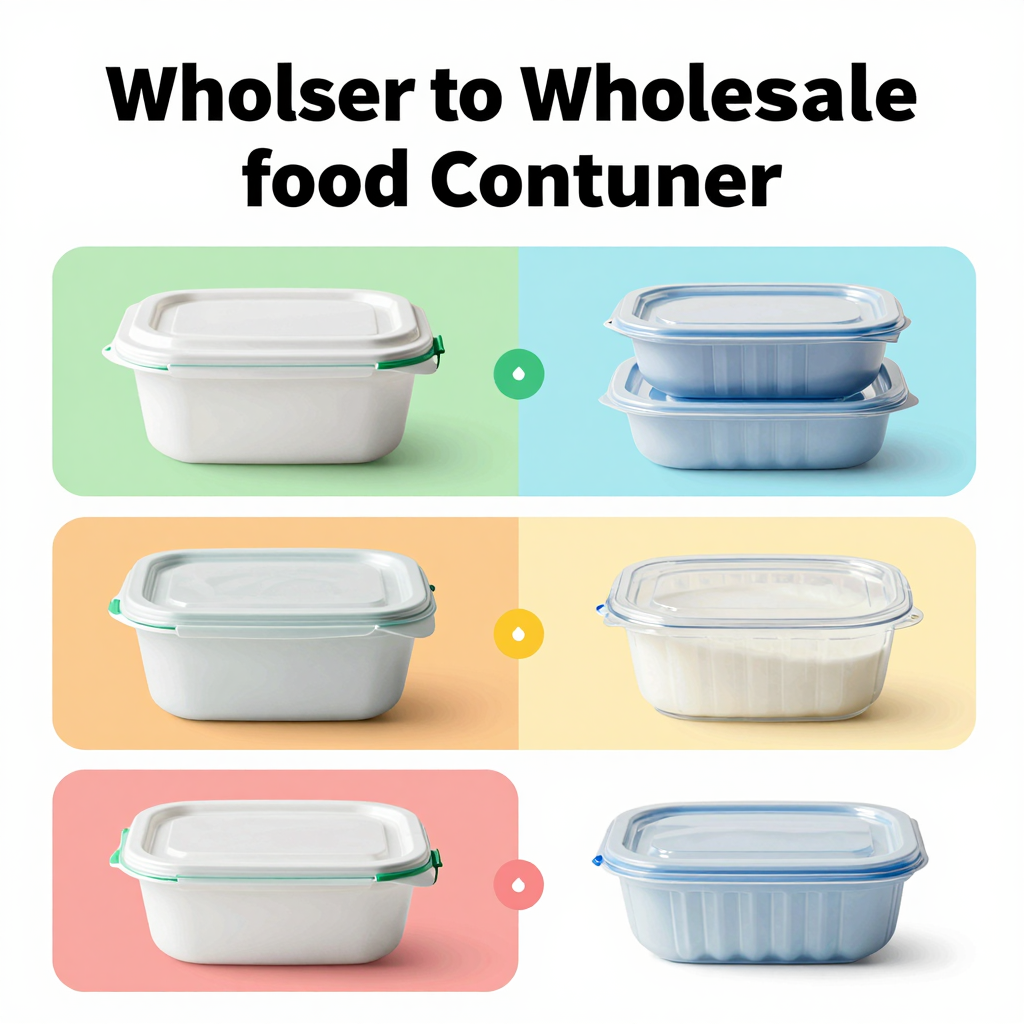
Selecting the right type of food container will help enhance customers’ experience and streamline operations in your food service business.
Customization Options for Food Containers
When it comes to enhancing your brand’s presence, customization options for food containers play a pivotal role, especially in bubble tea shops and restaurants. Here, we’ll explore various custom branding and sizing options available to cater to your unique business needs.
Custom Branding Options
- Logo Printing: The most straightforward way to brand your food containers is by adding your logo. Many manufacturers offer printing services that allow you to print your logo directly on cups, bowls, and food containers. This not only attracts customers’ attention but also builds brand recognition.
- Materials: Consider eco-friendly materials for your containers, which can also be printed on, further enhancing your brand’s eco-conscious image. Products made from PLA (polylactic acid) or recycled materials are in high demand.
- Custom Colors and Designs: You can choose specific colors or patterns that match your brand’s aesthetic. Some suppliers allow you to create unique designs that can make your food containers stand out in a competitive market.
- Seasonal or Thematic Designs: Consider seasonal promotions or special events, where you can customize the design of your containers to fit the occasion, creating exclusive offers that customers will remember.
- Shape and Size Variations: Having a range of container shapes can reflect your brand’s personality. Whether you prefer sleek, modern designs or fun and quirky shapes, the right choices can enhance customers’ experiences with your products.
Sizing Options
When selecting containers for your offerings, it’s essential to think about the sizes. Here are some common size options:
- Cups: Ranging from 8oz to 32oz, depending on the type of beverage and portion size you wish to serve. For bubble tea shops, a popular choice is the 16oz clear plastic cups, which are ideal for both hot and cold drinks.
- Bowls: Various bowl sizes are available, from small 8oz servings for desserts to larger 32oz meal containers for more substantial food items. Custom sizes are often available to suit the specific requirements of your menu.
- Food Carriers: Insulated or thermal containers for transporting meals can vary from 1L to over 5L. These are particularly useful for businesses that offer delivery services, ensuring that food maintains its optimal temperature.
All these customization options mean that food containers can serve not just as practical devices but also as powerful branding tools that engage customers and enhance their overall experience.
To learn more about the importance of custom containers, check our blog on plastic containers in the food industry. For specific size recommendations, our article on 400ml fashion double wall tea bottles can provide detailed insights.
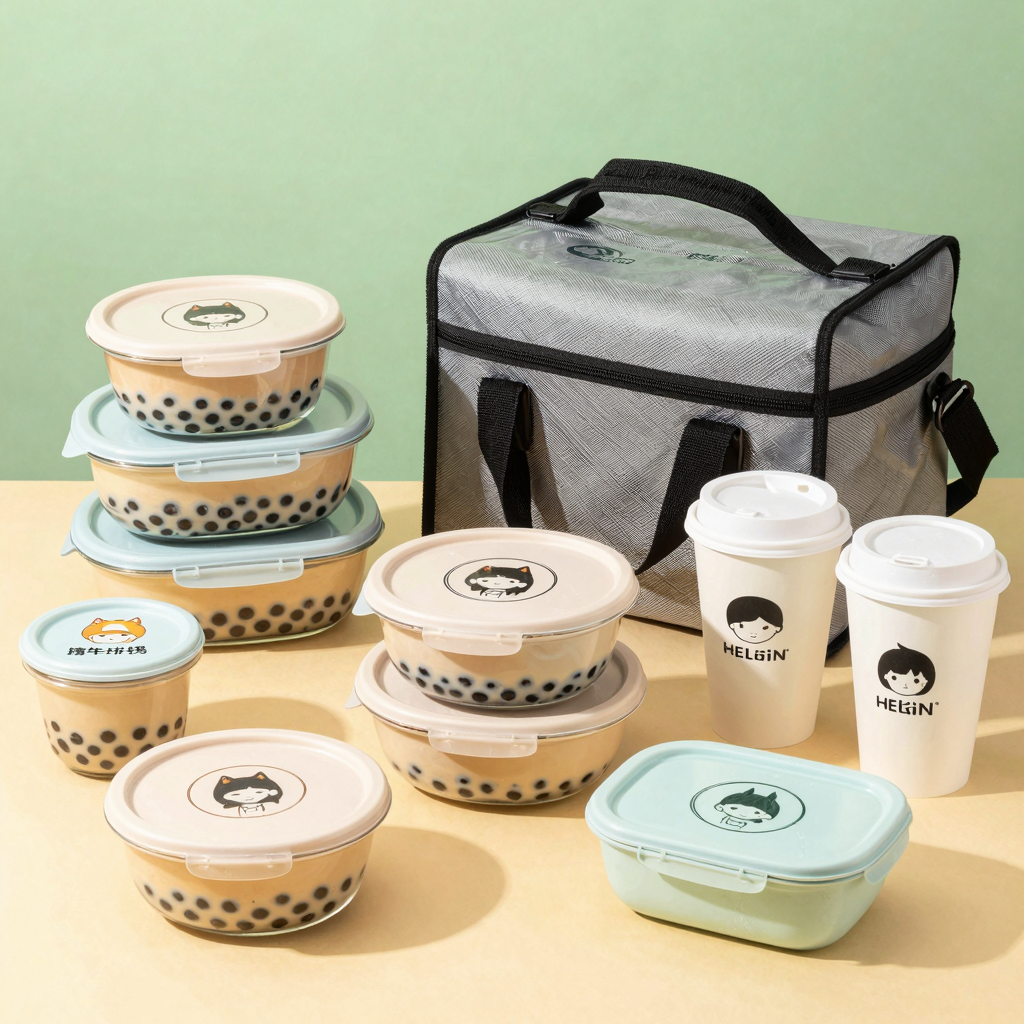
Overall, investing in customized containers not only ensures that your food items arrive safely and aesthetically pleasing but also promotes your brand effectively in a competitive market.
Market Trends in Food Transportation
The landscape of food transportation is rapidly evolving, particularly with the rise of eco-friendly packaging solutions. In 2023, a significant shift has been observed as both consumers and brands increasingly prioritize sustainable practices in food packaging.
Growth in Eco-Friendly Packaging
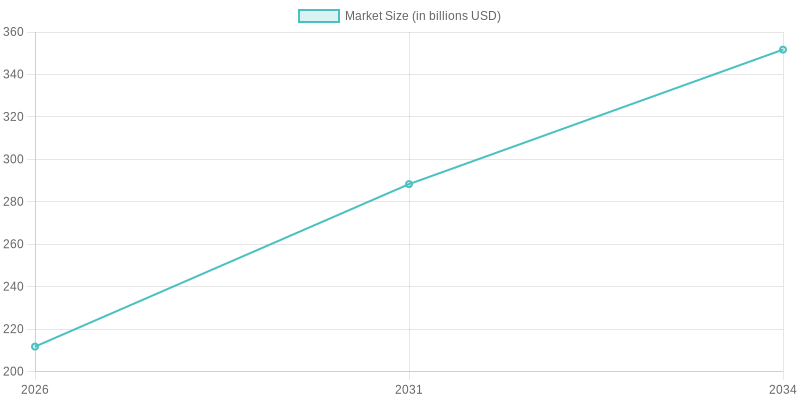
According to recent research, the global market for eco-friendly food packaging is projected to grow from USD 211.78 billion in 2026 to USD 351.70 billion by 2034, with a compound annual growth rate (CAGR) of 7.89%. This growth is driven by rising consumer demand for biodegradable and compostable options in food containers and packaging.
Furthermore, a survey indicated that a majority of consumers now prefer products that utilize sustainable packaging. This reflects a growing preference that food brands are responding to by adopting eco-friendly materials, such as plant-based packaging. Brands transitioning from traditional plastics to sustainable alternatives not only cater to consumer preferences but also align with broader environmental policies aimed at reducing plastic waste.
For more insights on sustainable practices in the food industry, check out this article on food packaging.
Conclusion and Call to Action
In conclusion, utilizing wholesale transport food containers is essential for businesses in the food industry, especially for bubble tea shops, restaurants, food trucks, catering services, event planners, and corporate procurement teams. The benefits of these containers are manifold, specifically highlighting safety, convenience, and cost-effectiveness.
Key Benefits of Wholesale Transport Food Containers:
- Safety Standards: These containers meet stringent safety regulations, including BPA-free certifications and FDA compliance, ensuring that your food remains safe from contamination and unsuitable chemicals. For instance, wholesale plastic food containers made from food-grade materials like polypropylene are designed to be shatterproof and airtight, preventing spills and extending food shelf life. Furthermore, thermal containers ensure that food temperature is maintained during transit, adhering to international food safety standards, which ultimately protects customer health.
- Durability and Variety: The durability of materials such as HDPE (High-Density Polyethylene) allows for long-term performance, making these containers highly suitable for both hot and cold food scenarios. The wide availability of sizes and types-ranging from compostable to insulated options-means that you can choose containers tailored to your specific needs. For more insights, you can learn more about plastic containers in the food industry.
- Eco-Friendly Options: With increasing environmental concerns, more businesses are switching to biodegradable and recyclable food containers. This shift not only promotes sustainability but also enhances your brand’s image as environmentally conscious, attracting a loyal customer base that values green practices. For additional information on non-plastic options, check out our guide on non-plastic disposable food containers.
A Call to Action
Choosing the right disposable tableware and packaging solutions is crucial for ensuring that your food service operation runs smoothly. By opting for high-quality wholesale transport food containers, you’re not just investing in effective food storage but also in customer satisfaction and safety. Don’t compromise on quality-explore our wide range of disposable food containers that cater to all your packaging needs.
Visit ecocupbowl.com today to discover our extensive selection and place your order to elevate your food service experience!
“High-quality food transport containers are not just about convenience-they are essential for maintaining food safety, preserving freshness, and ensuring compliance with health regulations. Poorly designed or low-grade containers can lead to contamination, temperature fluctuations, leaks, and customer dissatisfaction. In today’s competitive food service environment, investing in durable, leak-proof, and food-safe containers is a non-negotiable standard for operational integrity and brand reputation.”
- Dr. Elena Martinez, Food Safety and Packaging Specialist, National Institute of Food Technology
This quote highlights the critical role of food transport containers in not just maintaining food quality, but also upholding the standards necessary for success in the food service industry. To learn more about the importance of food transport containers, explore our article on their significance.