
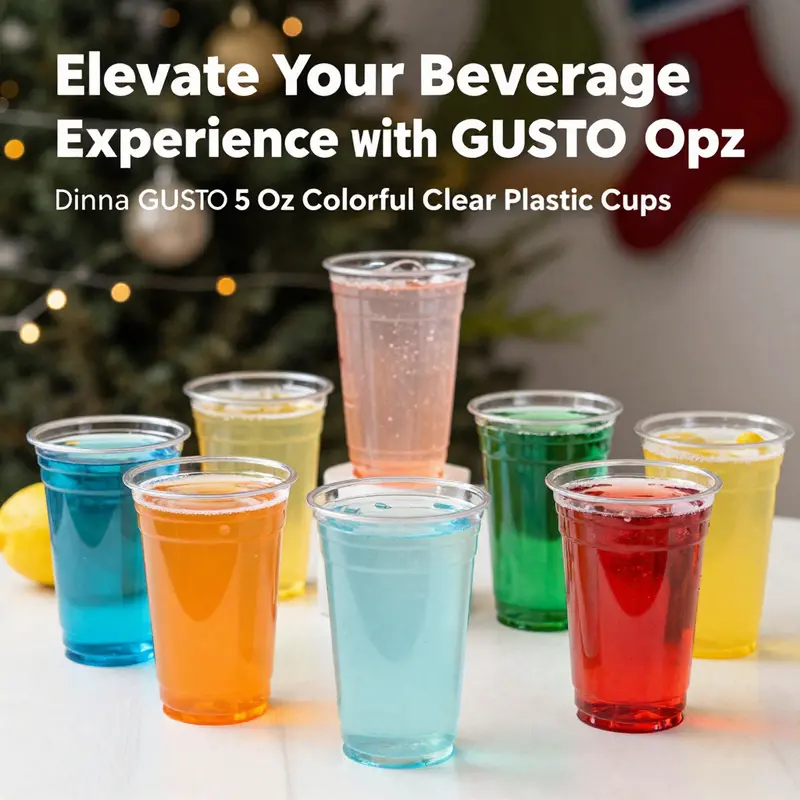
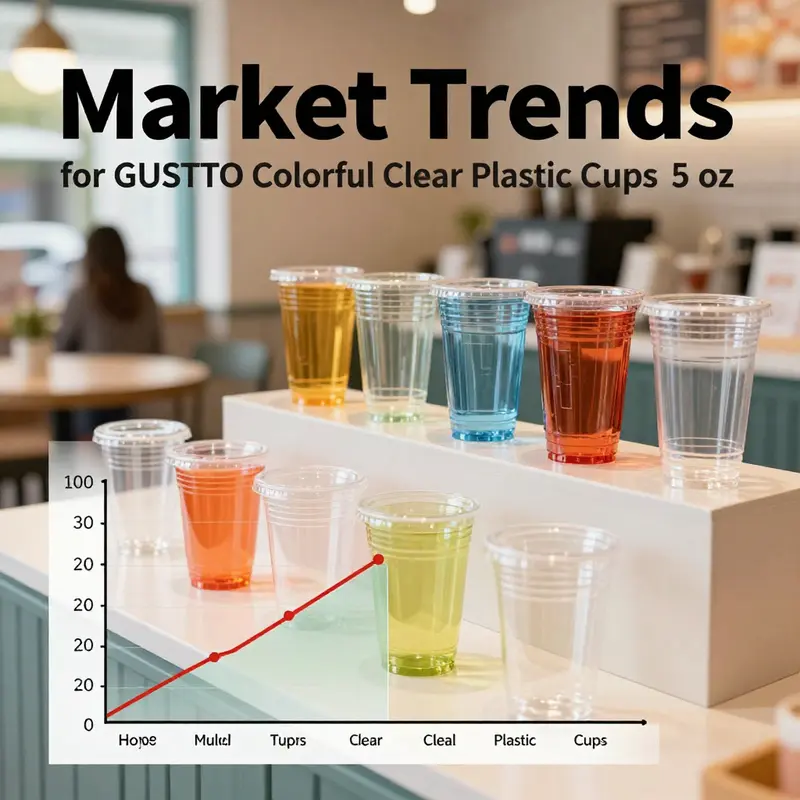
The beverage industry is constantly evolving, requiring solutions that not only meet functional demands but also enhance customer experience. Enter GUSTO 5 oz Colorful Clear Plastic Cups—perfect for showcasing drinks in style. These cups are not just durable and practical; they’re designed to appeal visually in any setting. From bubble tea shops to catering events, using colorful clear cups elevates your brand while ensuring customer satisfaction. This article outlines their features and specifications, advantages, applications, environmental impact, and current market trends, enabling you to make an informed choice for your business.
Colorful Clarity in a Small Sip: How 5 oz Clear Plastic Cups Transform Beverages at Any Event
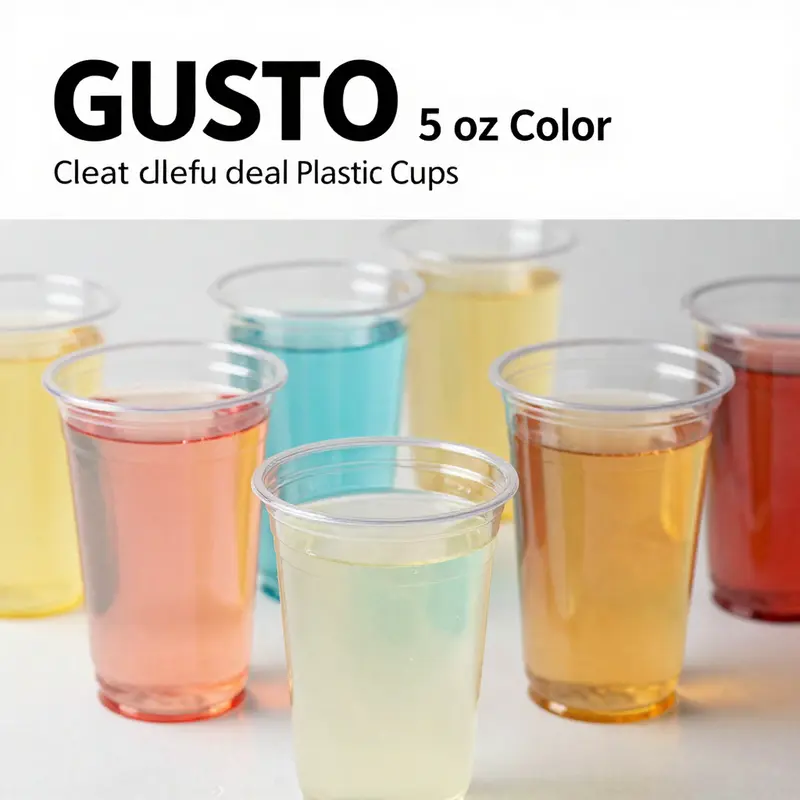
A small cup can carry more than liquid; it carries color, light, and mood. The 5 oz clear plastic cup—compact, practical, and surprisingly expressive—acts as a stage for beverages to perform their best. In environments where spontaneity meets presentation, this cup is less a disposable vessel than a design tool. Its value lies not only in containment but in how transparency and tint interact with color, texture, and the rhythms of a gathering. When a drink is poured into a cup with crystal clarity, the palate’s first impression begins long before the taste. The hue of juice, the shade of a cocktail, or the sparkle of chilled water becomes part of the sensory story that unfolds with each sip. The cup’s role is subtle, yet essential: it frames the drink so its color and temperature read as intended, even from across a crowded room.
The material matters as much as the color. These cups are fashioned from polypropylene, a sturdy plastic known for its durability and resistance to leaks. Polypropylene offers a reliable barrier that keeps contents contained while allowing light to pass through so the beverage’s natural color remains visible. In a setting where quick turnover is the norm, the ability to hold a drink securely without fear of drips or spills is a practical virtue that attendees notice at once. A design feature that often goes underappreciated is the waved grip rim. This subtle contour is more than a stylistic flourish; it provides a tactile anchor for fingers that sweat in summer heat or slide on a slick surface. It invites a confident grip and reduces the chance of mishandling, which is especially valuable in busy environments—think bustling birthday parties, lively office gatherings, or outdoor celebrations where guests are moving between stations and conversations.
Safety sits at the core of the category’s appeal. The cups are BPA-free, aligning with contemporary expectations for food-contact materials. That simple assurance—no questionable additives, no unwanted flavors seeping into beverages—lets hosts focus on the more ceremonial aspects of serving: the color palette, the thematic cues, and the shared experience around a well-presented drink. The 5 oz size is a deliberate choice for portions that feel just right for tasting flights, sample-size cocktails, or refreshing sips of water and juice. It nudges portion control in a way that is both practical and convivial. The size is compact enough to encourage sampling across a lineup of beverages, yet substantial enough to avoid the disposable impression that can plague casual events. In this sense, the cup functions as a practical prop—facilitating flow and social interaction without becoming a visual distraction.
Packaging amplifies the practical value. A pack of 500 cups translates into real-world efficiency for hosts managing guest lists that span family gatherings, corporate events, and community functions. The bulk packaging reduces the need for constant restocking, supports quick setup, and lowers the per-unit cost, which matters when every detail—from the napkins to the straws to the signage—must align with a budget. The appearance, marketed as “colorful clear,” carries a quiet but meaningful design message. The cups maintain a transparent baseline that showcases beverage color, yet they bring a subtle, tonal variation across the batch. That slight tinting offers a lively, kaleidoscopic vibe without compromising clarity. Light plays across the cup’s surface and through the liquid, heightening the drink’s glow as ice crystals shimmer and melt. This visual dynamic makes even simple beverages—water with citrus, a light sparkling tea, a fruit juice—feel more festive, more intentional, more worthy of a moment’s pause in a busy event clock.
For planners and hosts who choreograph color as a half-formed language of mood, these cups offer a flexible palette. The color tension between the liquid and the cup’s glassy finish can be leveraged to reinforce a theme or brand without elaborate props. A vibrant blue juice in clear cups can read as cool and refreshing, while a pink lemonade might glow with a sunny warmth under warm lighting. The crystal-clear base ensures that the beverage remains the focal point; the tint, when present, is quiet enough to complement rather than clash with tableware and décor. When used alongside color-coordinated napkins, table runners, or signage, the cups become part of a cohesive visual system rather than a neutral backdrop.
The economic practicality of disposable clear cups deserves consideration too. Events of any scale rely on ease of use and reliable disposal to keep operations smooth. A 500-count box supports large gatherings or repeated uses in a commercial setting, where staff need quick turnover and a straightforward clean-up plan. Even in a café or dessert shop setting, such cups offer a simple way to run samples, flights, or small servings while maintaining a consistent aesthetic that echoes the shop’s branding. It is in this synergy—between practical logistics and visual finesse—that the cups prove their value. They are not merely containers; they are tools for storytelling. They give drinks a stage and colors a chance to glow under the lighting of a room filled with conversation, laughter, and movement.
The broader design language of colorful, clear drinkware is not limited to a single size or material. A related design approach appears in other forms of disposable cupware, where color and translucence are used to coordinate with various themes and occasions. The underlying philosophy—transparency as a canvas, color as an accent—reappears across formats and sizes, inviting designers to imagine how the entire beverage presentation can be elevated with a coherent, light-filled system. In practice, this means choosing a cup that communicates quality through its construction and finish, while also offering a level of flexibility for the event’s color story. A host can present a streamlined beverage program, where the cups themselves convey a sense of care and intention, even before the first sip is taken.
From a sourcing perspective, the decision to adopt a 5 oz clear cup with a 500-count packaging aligns with both practicality and aesthetic intent. The small-portion design invites guests to explore a lineup of flavors or colors without committing to a larger serving, encouraging tasting and sharing. In social spaces, this fosters conversation about choices and preferences, turning a simple drink into a small social moment. The universal appeal of clear plastic—its ability to disappear visually while highlighting the liquid’s color—keeps the focus where it belongs: on the beverage and the mood it creates. Even as guests move through the space, the cups maintain their role as reliable, neutral yet expressive vessels that support a variety of beverages from water and juice to cocktails and mocktails.
For readers seeking further context or a comparable source of product information, one can view the retailer’s listing that provides an official reference for similar clear plastic cups in a five-ounce format. This kind of listing offers practical details such as size, material, safety attributes, and packaging quantity, which together help buyers make informed decisions about suitability for their particular event or setting. The presence of these details—clear material, BPA-free safety, waved grip design, and a generous pack count—helps illustrate how even a modest, everyday item can hold strategic value in event design and hospitality operations. As this chapter moves toward broader sustainability conversations, it will be useful to consider how such cups fit into longer-term plans for waste reduction and end-of-life handling in various communities. The next discussion will explore how event planners balance convenience with responsibility when selecting disposable tableware, including options that extend beyond single-use practice while preserving the look and feel that color and clarity provide.
External resource: https://www.walmart.com/ip/GUSTO-5-Oz-Clear-Plastic-Disposable-Cups-Pack-of-500/1234567890
Internal link for further reference: Disposable Clear Plastic Cup for Parties and Events
Seeing Color, Serving Clarity: The Subtle Strength of 5 oz Colorful Clear Plastic Cups in Modern Beverage Service

The visual language of a beverage is rarely confined to the liquid alone. In the clink of ice against a perfectly chilled cup, in the momentary reflection of light on a clean surface, and in the tiny detail of color that rims the rim or anchors the base, the cup itself becomes an active participant in the experience. When the vessel is a 5 oz colorful clear plastic cup, that role grows more pronounced. It is small enough to invite sampling and intimate enough to elevate a moment, yet designed with the durability and practicality demanded by contemporary service environments. In such settings, the cups are not merely containers; they are design elements that frame color, texture, and aroma in a way that enhances perception, influences choices, and supports efficient operations across a range of venues—from casual cafes to bustling event spaces.
The first layer of value lies in aesthetic versatility. The term “colorful clear” captures a paradox that is central to modern presentation: the transparency of the cup body preserves a crystal-clear view of the drink, while intentional colored accents—whether along a rim, beneath a clear lip, or as decorative motifs—add personality without obscuring the beverage itself. This duality matters because it gives brands and hosts the freedom to coordinate themes without compromising the drink’s appearance. A bright aesthetic can align with a seasonal menu, a brand palette, or a festival mood, while the clear body ensures the natural hues of the beverage remain unmasked and vibrant. In practice, such cups become a subtle marketing tool. They can signal a mood or a concept—refreshing and modern in one moment, playful and celebratory in the next—while still allowing the liquid to speak for itself. The result is a presentation that is both visually engaging and practically legible, a combination that helps guests gauge what they are drinking at a glance, from the intensity of a fruit-forward mocktail to the gradient of a layered smoothie.
Clarity of presentation is the second pillar of value. Even as color accents add personality, the core material choice preserves high transparency. This clarity matters because it preserves the integrity of the beverage’s appearance, enabling customers to assess color, carbonation, and texture with ease. In a crowded counter or at a bustling bar, the ability to quickly identify a drink’s hue can accelerate service and reduce mix-ups. More importantly, the visual honesty of a transparent cup communicates cleanliness and quality. When a customer sees a cocktail’s amber glow or a smoothie’s emerald swirl through a crystal-clear wall, the perception shifts from merely tasting to experiencing. This is not a superficial effect; it is a perceptual cue that enhances the perceived value of the drink. The clear body, paired with careful color accents, helps beverages register as premium, even in quick-service contexts where speed and efficiency are paramount.
Durability, practicality, and reliability form the third axis of advantage. In busy venues—think bars, cafes with a high-volume flow, or catering events—the cup must withstand everyday rigors. The materials commonly used for these cups provide a resilient blend: light weight for ease of handling and stacking, resilience against minor impact to minimize breakage, and chemical stability to preserve the drink’s integrity. For cold or room-temperature beverages, these cups perform consistently, resisting clouding or deforming under typical service conditions. They also lend themselves to practical cleaning and reuse strategies in settings that employ disposable ware for efficiency. The durability profile reduces waste and the disruptions that come with shattered glass or dented cups, which translates into fewer interruptions during service, smoother workflows, and a more predictable inventory cycle.
From a catering and hospitality perspective, cost efficiency is a natural companion to durability. The 5 oz size is inherently economical for small-portion servings, samples, and promotional tastings. In events where guests anticipate variety—sampling a range of beverages at a wedding reception, conference, or festival—the 5 oz unit enables precise portioning without over-committing to larger vessels. This not only minimizes material costs per guest but also simplifies stock management. The compact footprint makes storage more efficient and supports quick replenishment during peak periods. In many operations, speed and simplicity are as important as presentation. The 5 oz format aligns with streamlined service paths, enabling staff to glassware-like experiences with disposable convenience. The combination of affordability and reliability creates a compelling value proposition for venues that need to balance guest experience with budget discipline.
A further layer of convenience comes from compatibility with standard dispensing and service systems. The 5 oz capacity is especially well-suited for sampling stations, dessert courses, or beverage flights where small portions are preferred. In these contexts, the cups work harmoniously with standard buffet setups, vending or portion-control strategies, and streamlined cleanup workflows. The ability to serve a curated lineup of beverages—each in its own distinct color- accented cup—supports efficient rotation of menus and themes, enabling operators to keep offerings fresh without sacrificing operational clarity. The lightweight nature of the cups reduces labor when distributing and collecting cups, which is a practical advantage in high-volume environments where every second counts.
From an environmental and sustainability perspective, a nuanced conversation unfolds. Modern colorful clear cups are frequently produced from materials widely accepted in recycling streams, with PET being a common example due to its recyclability and established processing channels. The sustainability dialogue is not about a single solution but about responsible lifecycle choices: selecting cups that minimize waste in the short term while supporting recycling infrastructure in the long term. Operators can advance this by pairing clear, color-accented cups with properly marked recycling streams and by exploring take-back or reuse programs where feasible. The environmental equation thus blends material science with process discipline—choosing products that offer the dual benefit of performance and recyclability, while ensuring that waste management practices align with local programs. In this sense, the cups become part of a broader sustainability narrative rather than a standalone decision.
Branding and event theming emerge as practical strategies to maximize impact. The clear core of the cup functions as a blank canvas, inviting logos, slogans, or seasonal art to be embedded through packaging design, labeling, or themed accessories without obscuring the beverage itself. For venues that rely on cohesive branding—cafés promoting a seasonal line, venues running a multi-event calendar, or brands conducting tasting sessions—the combination of a color accent and clear body supports consistent, recognizable aesthetics. It is a modular approach: you can maintain a uniform mood across multiple beverage categories simply by swapping color accents, while the beverage color remains the anchor of the presentation. In this way, the cups contribute to a coherent guest experience, helping to reinforce memory and recognition without demanding excessive customization costs.
The narrative of benefits also extends into cross-industry relevance. In dessert-focused venues, for example, a small serving cup can gracefully pair with ice cream, sorbet, or affogato-style offerings, letting customers appreciate the dessert’s color and texture through a transparent shell. In event contexts, the cups can help manage color-coded guest experiences—different color accents for different attendee groups or dietary categories—without complicating production or service protocols. Even in medical or research settings where sample portions or specimen collection might be required, the same principles of clarity, stability, and controlled portion sizes inform safer, more efficient workflows. The overarching thread is cohesion: the 5 oz colorful clear cup is not a one-trick piece but a versatile tool that integrates with branding, service efficiency, and sustainability goals.
To bring this into a tangible frame, consider the practical opportunity to explore one example of how these cups function in real-world settings. A quick glance into a diverse catalog of disposable ware shows how the same design philosophy can adapt to the needs of parties, gatherings, and everyday use. For those who want to see an example of the flexible use case, a representative option can be found here: disposable clear plastic cup for parties and events. This link opens a window into how a clear body paired with a colored accent translates into a cohesive, theme-ready presentation that remains practical for service teams.
In sum, the advantages of 5 oz colorful clear plastic cups are not merely about aesthetics or toxicity-free materials. They are about a balanced triad of visual appeal, functional performance, and operational practicality. They offer a refined presentation that respects the drink’s natural color while infusing it with personality. They deliver reliability in environments where speed, durability, and hygiene matter most. And they do so in a form factor that supports efficient stock management, cost-conscious decision-making, and sustainable operating practices. When an operator wants to elevate beverage presentation without sacrificing simplicity, these cups provide a compelling answer. They support a modern, customer-centered approach to service, where beverage color and clarity are celebrated in tandem with durability, efficiency, and responsible use of resources. For stakeholders across hospitality, retail beverage demos, and event catering, this is the kind of material choice that quietly strengthens every moment of service, from sampling stations to signature drinks to the final toast of the evening.
External reading can offer deeper context on materials, specifications, and industry applications that inform these design and usage choices. For a broader technical perspective, see this resource: https://www.benjaminross.com/insights/inside-5-oz-plastic-cups-specifications-grades-and-how-they-are-applied-in-industry/
Small Sips, Big Impact: Harnessing 5 oz Colorful Clear Cups Across Parties, Tastings, and Everyday Service
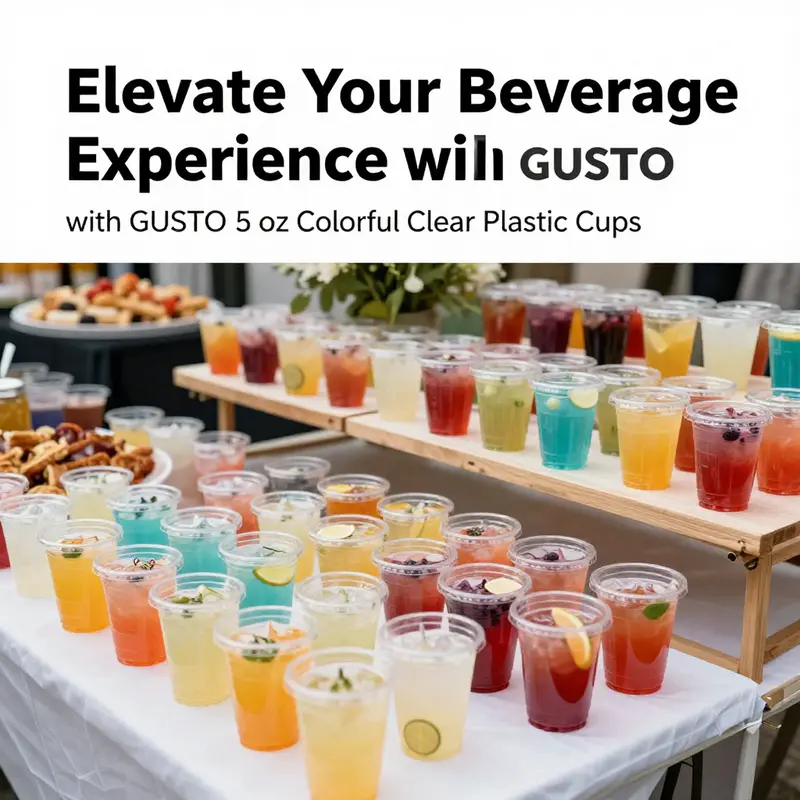
Colorful clear plastic cups in the 5 oz footprint function as sculpted moments of color and clarity in service and celebration. They are small enough to encourage tasting and sampling, yet sturdy enough to carry a full spectrum of beverages and desserts without fuss. The crystal-clear walls act like a canvas, letting the hues of lemonade, fruit punch, or a richly layered dessert peek through with every lift. Their color options, when used thoughtfully, can transform a simple cup into a coordinated element of a theme, a practical cue for flavor differentiation, or a subtle signal of service rhythm in busy spaces. In many settings, the appeal of these cups rests not on novelty alone but on a balance of lightweight practicality, cost efficiency, and the visual dynamism they introduce to a table, a bar, or a tasting flight.
In parties and celebrations, the 5 oz size hits a sweet spot where guests can sample a variety of drinks or mini desserts without committing to a full serving. For birthdays, baby showers, or anniversaries, planners often lean toward bright, complementary colors that align with the décor or the season. A lemon-yellow cup can echo sunny outdoor vibes, while a soft pink or emerald cup can coordinate with a chic, modern aesthetic. The transparent sides ensure that the drink itself remains a focal point, inviting guests to judge color, texture, and even garnish at a glance. The cups’ light weight makes them particularly suitable for large gatherings where ease of transport and quick replenishment matter. They stack neatly and travel well from kitchen to event space, reducing breakage risk and downtime between service cycles.
Tasting events represent another natural niche for these cups. The 5 oz capacity is large enough to accommodate a tasting portion without overwhelming the palate, yet small enough to enable guests to compare several varieties in one sitting. This format is ideal for wine, whiskey, or craft beer samplings, where the aim is to showcase aroma, balance, and finish rather than to serve a full pour. Small, color-bright cups also enhance the visual storytelling of a flight—colors can differentiate expressions such as fruit-forward notes in a cider or the toasted malts of a pale ale. The clear glass-like appearance ensures the liquid’s hue remains legible, enabling guests to assess color as a facet of flavor experience. In some tasting contexts, the cup’s temperature retention is enough to keep beverages pleasantly cool for a longer moment, which matters during outdoor tastings or bustling indoor events.
Dessert-focused gatherings gain a different kind of advantage from these cups. They are well suited to single-serve desserts like gelato, frozen yogurt, sorbet, or fruit parfaits. A single-distribution cup keeps portions controlled and prevents waste while allowing guests to explore multiple flavors in one sitting. The vibrant color of the cup can help differentiate flavors even before the first bite, a visual cue that guides serving staff and guests alike. When paired with complementary toppings—such as sprinkles, fruit, or chocolate chips—the cups become a mobile dessert bar, inviting guests to curate their own miniature experience. The compact size also encourages guests to sample with curiosity rather than overindulging, a concern that often arises in dessert-forward events. In settings like cafes or dessert shops, these cups support quick service during peak hours, enabling a brisk, friendly pace without sacrificing presentation.
From the perspective of hospitality operations, 5 oz colorful clear cups offer tangible benefits in both volume and consistency. Restaurants, cafes, and food trucks appreciate that these cups can be used across multiple beverage categories—cold brews, fruit smoothies, iced teas, and even small dessert portions—without swapping ware between stations. The simplicity of a single cup style streamlines prep, reduces inventory complexity, and minimizes training time for new staff. When staff can trust that a cup of lemonade will look as bright and appetizing as the menu promises, customer satisfaction naturally receives a boost. The light material and transparent design also support social media-worthy moments. A well-presented drink in a color-coordinated cup can become a shareable post, reinforcing branding and ambiance with every shot.
Outdoor events, in particular, demonstrate the practical synergy of color, clarity, and portability. Picnics, barbecues, music festivals, and street fairs demand ware that is lightweight, safe, and easy to manage in unsettled environments. In these contexts, the 5 oz cups feel resilient enough to withstand daylong use and casual handling, while their shatter-resistant character reduces the risk of mishaps that disrupt gatherings. The translucence allows the natural light to illuminate beverages in sunlit settings, making it easier for staff to monitor fill levels and for guests to recognize when something needs topping up. Outdoor organizers also recognize the advantage of color-coded cups as a logistical tool: different colors can map to drink stations, dietary options, or VIP sampling zones, helping to move crowds smoothly without slowing down service.
Corporate events and promotional initiatives harness a different layer of value. In meeting spaces, conferences, or trade shows, these cups can carry subtle branding through color or logo placement on lids or sleeves, when applicable. They provide a disposable, hygienic option that’s easy to replenish between sessions and breakouts, and their modest footprint means large-scale distribution is feasible without creating an unwieldy waste footprint. The key for corporate uses is to align cup color with event branding and to ensure a cohesive visual language that complements branding elements such as signage, napkins, and staff uniforms. Even in these structured environments, the understated elegance of a clear cup with a vivid color accent can reinforce a sense of polish and attention to detail that attendees notice.
Promotional campaigns and charity events leverage the affordability and bulk-availability of these cups to maximize reach. In these settings, the cups function as both functional drinkware and a cost-conscious giveaway item. Colorful options can be deployed to differentiate donor perks, tier levels, or campaign themes, turning drink service into a micro-visual storytelling device. The ability to distribute many units quickly and cleanly helps ensure that promotional ambitions translate into tangible impressions, whether the cups accompany gift bags, volunteers, or event kiosks. Environmental considerations are increasingly central in these contexts as well, with organizers seeking recyclable or compostable variants that align with sustainability goals. Even when the cups are disposed of after a single use, responsible choices and clear labeling can support efficient recycling streams and reduce the environmental footprint of an event.
On the sourcing side, the 5 oz category sits at a sweet spot where the combination of color, clarity, and cost makes it attractive for mass occasions as well as intimate gatherings. Buyers often explore wholesale packages that balance unit price with performance characteristics such as thickness, rigidity, and compatibility with lids or wraps. The sourcing journey commonly begins on general marketplaces and scales to specialized packaging suppliers, where buyers can request samples to gauge fit with specific beverage profiles or dessert components. In many cases, color variety is offered in limited runs to support seasonal themes or one-time campaigns, making it important to plan ahead and coordinate with other disposable tableware to maintain a consistent aesthetic across the event experience. A thoughtful approach to color selection and presentation can transform a simple cup into part of the ambiance rather than just a utility item.
From a practical standpoint, environmental considerations are increasingly central to decisions about 5 oz cups. Many modern options emphasize recyclability, compostability, or biodegradable materials, which can align with broader sustainability programs without sacrificing performance. Event organizers and operators have reason to evaluate life-cycle implications, ensuring that the cups chosen fit the waste management capabilities of the venue and the preferences of attendees. Clear communication about disposal options, along with clear labeling, helps close the loop between usage and responsible end-of-life handling. In this way, the simplicity and versatility of a 5 oz colorful clear cup can contribute not only to moments of joy and taste but also to a growing culture of mindful consumption.
Sourcing and planning thoughts lead naturally into practical implementation. When coordinating color palettes for an event, planners often build a small, flexible matrix: a few anchor colors that echo the venue’s theme plus a neutral option that supports contrast. The 5 oz size supports a modular serving approach, enabling staff to mix and match drinks and desserts without overcommitting resources. For teams designing a themed activation or a tasting station, clear cups with bright rims or colored interiors can act as visual cues that help guests navigate offerings intuitively. In this sense, the cups are less about being noticed as ware and more about being a seamless element that enhances the guest experience through color, clarity, and convenience.
For readers seeking concrete examples of how to pair these cups with event assets, consider exploring the broader ecosystem of disposable tableware and packaging. For practical ideas on theme packaging and disposable options for events, see this page: disposable clear plastic cup for outdoor picnics and parties. This resource demonstrates how color, size, and disposability intersect with packaging elements like lids, wraps, and display setups to create a cohesive event impression. While the specifics vary by supplier, the underlying principle remains constant: thoughtful selection of cup size and color elevates the overall service narrative without complicating operations. As planners move toward more color-forward and experience-driven events, the 5 oz colorful clear cup stands out as a versatile instrument, capable of supporting taste, mood, and memory in equal measure. External context and evolving consumer expectations reinforce the idea that practical elegance in everyday serveware can become a distinctive asset in any hospitality toolkit.
External resource for further context: https://www.amazon.com/JOLLY-CHEF-Plastic-Cups-1200/dp/B08N3ZGQXH
Color, Clarity, and Consequence: The Hidden Footprint of 5 oz Colorful Clear Plastic Cups
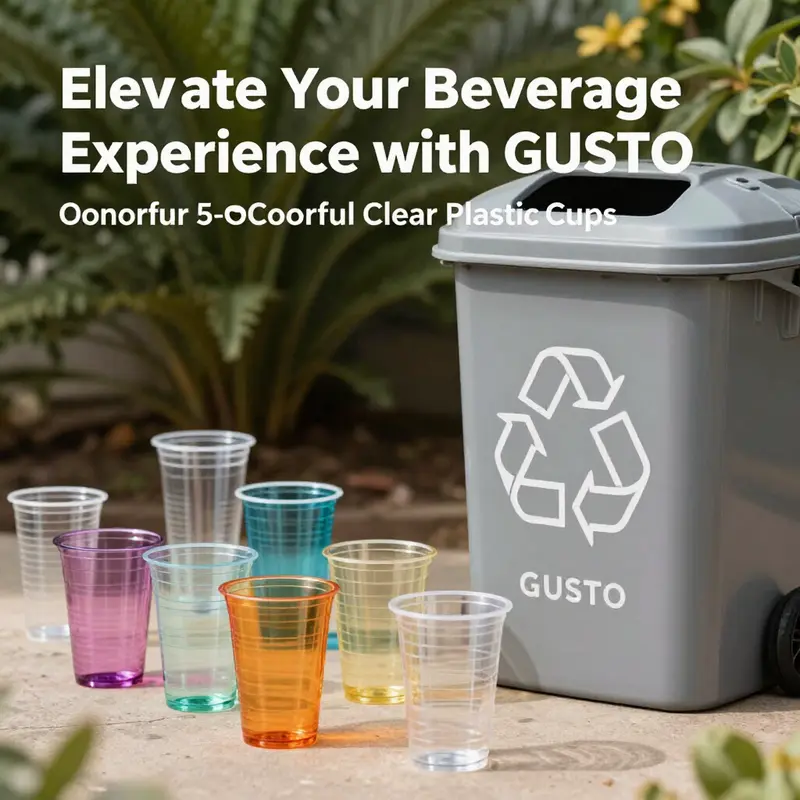
The allure of a chilled beverage presented in a crystal-clear cup is undeniable. In the realm of small-serve synergies, the 5 oz size has become a quiet workhorse of parties, tastings, and everyday gatherings. When these cups are colorfully edged or tinted, they do more than hold a drink; they set mood, signal themes, and invite guests to interact with the color of what’s inside. Yet behind the sparkle lies a layered environmental story. The same aspects that make these cups visually appealing—their portability, light weight, and disposable convenience—also complicate their end-of-life fate. To examine this, we must consider material choices, disposal realities, and the nuanced balance between aesthetics and sustainability for a product that is deliberately designed for single-use bursts across countless events.
Most colorful clear plastic cups used in this context are manufactured from either polystyrene (PS) or polyethylene terephthalate (PET). Both materials derive from fossil fuels and are produced through energy-intensive processes that require substantial raw material extraction and processing. The cradle of these cups, therefore, begins with resource consumption that translates into greenhouse gas emissions and other environmental pressures. The optics are alluring: PET and PS can be molded into transparent forms that showcase the drink’s color, while adding dye or color accents can heighten festivity. The practical advantage is clear: the cups are robust enough for a brief life while delivering a visually engaging beverage presentation. The downside emerges most clearly after the party lights go down and the music fades. The same properties that support a bright, ready-made display can complicate recovery and recycling.
Disposal challenges cluster around three realities: recycling efficiency, contamination, and the limitations of waste infrastructure. PET is technically recyclable in many systems, but colored cups pose a substantial hurdle. Food residues, oils, and especially dyes can contaminate streams, reducing the quality of the recovered material and prompting recyclers to reject batches that would otherwise be convertible into new cups or other products. When many cups are colored or printed and carry lingering beverage residues, the likelihood of achieving a clean, high-quality recycling outcome declines. In practice, municipal programs vary widely in their capability to collect, sort, and properly process small, colored plastic items. Even in regions with robust recycling infrastructure, the frequency and precision of collection can fall short for a flood of partyware that arrives in the waste stream during weekends and holidays.
Litter and environmental dispersion form another layer of consequence. Improperly discarded cups can blow across landscapes, eventually joining waterways and contributing to urban and rural litter burdens. Beyond visible litter, there is a more subtle and troubling dimension tied to production and post-consumer phases. As described in contemporary discussions of plastic cup life cycles, some production facilities release wastewater containing microplastics and other contaminants into nearby rivers and lakes. This contamination can affect aquatic ecosystems, harm wildlife, and raise questions about cumulative exposure as plastics travel through food webs. The intersection of aesthetics and exposure—clear, colorful cups used at gatherings and then released into the environment—highlights a tension between the immediate experiential value of color and the long shadows of waste management.
The decomposition timeline compounds the concern. Colorful plastic cups degrade far more slowly than organic materials, with lifespans measured in decades to centuries, depending on environmental conditions. Over time, fragments break down into microplastics that persist and disperse in soils, water bodies, and sediments. These microplastics can be ingested by aquatic and terrestrial organisms, and there is growing concern about the way such particles may eventually enter the food chain. While the precise health implications for humans are still under study, the ecological risks and the persistence of these materials emphasize the trade-off between convenience and environmental stewardship. The long tail of waste—hundreds or thousands of years in some settings—should temper the impulse toward disposable convenience with a more deliberate consideration of how such items accumulate across generations.
In response to these challenges, some manufacturers have experimented with eco-friendly alternatives, including bioplastics or plant-based formulations that are marketed as compostable. However, these options typically require industrial composting facilities and controlled conditions that are not universally available. When such infrastructure is scarce or absent, consumer disposal becomes uncertain, and the intended environmental benefit can fail to materialize. The result is a landscape of mixed messages: a colorful cup that looks aligned with sustainability claims, yet operates in a system where end-of-life outcomes depend heavily on local capabilities the consumer cannot always predict or control. This disconnect between marketing narratives and practical realities reinforces the need for careful consumer choices and robust waste-management strategies rather than relying solely on product substitutions as a fix.
Against this backdrop, there are pragmatic paths that can help reconcile the desire for festive, color-rich presentation with a more sustainable footprint. First, reuse stands out as a primary opportunity. Reusable cups—whether glass, metal, or durable plastics designed for repeated use—offer clear environmental advantages by reducing the sheer volume of single-use items that ever reach the waste stream. Events and venues can adopt deposit systems or rental models that incentivize guests to bring cups back or to exchange them for clean replacements, thereby bending the lifecycle toward multiple uses rather than a single one. Second, where disposables must be used, the choice of materials and disposal practices matters. Clear, color-free or lightly colored cups are easier to recycle in some streams because they have fewer or simpler dyes that complicate sorting and recovery. Yet even in such cases, pre-use cleaning and rapid collection can improve the prospects for recycling. The practical step of rinsing cups to remove food residue before disposal is often overlooked, but it can significantly reduce contamination in recycling streams and enhance the value of recovered materials.
Design and color do not exist in a vacuum; they influence behavior. The bright rims, vivid hues, and transparent bodies of these cups can make a party feel more cohesive and visually engaging. The aesthetic appeal can increase beverage presentation, encourage themed experiences, and elevate guest enjoyment. At the same time, that very appeal can unintentionally push toward higher consumption of disposable options. When color and clarity are aligned with celebration, there is a subtle risk that the environmental footprint is overlooked in the rush to create moments of delight. A more sustainable approach, then, is to acknowledge these allure factors while simultaneously embedding thoughtful disposal and reuse considerations into event planning. For example, coordinating with venues that provide rinsing stations, implementing compact curbside recycling strategies, and educating attendees about proper separation can soften the environmental impact without dulling the festive atmosphere.
From a lifecycle perspective, the 5 oz size often correlates with sampling, desserts, or quick-service beverage servings. At gatherings, this means dozens or hundreds of cups can be used in a single day. Although each cup represents only a fraction of waste on its own, the aggregate impact can be substantial. This reality invites organizers to rethink the balance between immediacy and responsibility: how to preserve the enjoyment of color and clarity while structuring events that minimize the volume of disposable items, prioritize reuse, or switch to compostable and properly managed alternatives where feasible. The conversation cannot hinge on aesthetic preference alone; it must be informed by material science, waste-management logistics, and the realities of consumer behavior across different communities.
For readers seeking practical references on the operational side of disposable clear plastic cups and their use in outdoor or party contexts, consider exploring catalog entries that discuss the role of these cups in such settings. This resource examines how these cups are used in real-world environments and highlights considerations that matter to event organizers and facility managers alike. disposable-clear-plastic-cup-outdoor-picnic-pet-cup-drinking-cup-for-parties-birthdays-weddings-camping-utensils
The takeaway from this environmental lens is not that color and clarity are villains, but that every choice in the life cycle of a 5 oz colorful clear plastic cup carries consequences that accumulate. The bright aesthetics invite celebration; the end-of-life pathway demands responsibility. As waste-management systems evolve and consumer awareness grows, the path toward a more sustainable coexistence of form and function becomes clearer. Reuse and responsible disposal should accompany design and color as foundational elements of any thoughtful approach to party-grade beverages. In the meantime, researchers and practitioners continue to explore how innovations in material science, waste architecture, and consumer education can align the joy of color with the sanity of a healthier planet. External observers can consult evolving analyses that document the broader environmental realities of plastic cups and offer guidance on mitigating impacts while preserving the social and cultural value of shared occasions.
External resource: Environmental Impact of Plastic Cups – Dongsu Blog. https://www.dongsu.com/blog/environmental-impact-of-plastic-cups
null
null
Final thoughts
GUSTO 5 oz Colorful Clear Plastic Cups present a winning combination of style, function, and environmental awareness. As customer demand shifts towards unique and engaging drinking experiences, these cups offer a perfect solution for beverage chains, restaurants, and event planners. By elevating beverage presentation, ensuring environmental considerations, and keeping up with market trends, businesses can attract more customers while promoting sustainability. Investing in these cups not only enhances your brand image but also contributes to a positive customer experience. Choose GUSTO today and see the difference it makes in your service delivery.