
As businesses in the food and beverage sector, understanding the implications of using plastic containers is more crucial than ever. Recent studies show that plastic materials can leach harmful chemicals into food and beverages, especially when in contact with heat, fats, or acids. This article delves into critical aspects affecting your operations. Each chapter addresses the different dimensions of plastic leaching, from the chemicals involved to the health implications they pose, and finally, suggests safe alternatives. Ensuring your menu items remain safe and healthy for your customers directly influences your brand’s reputation and success.
When Heat, Fat and Time Meet Plastic: How Containers Release Chemicals into Food
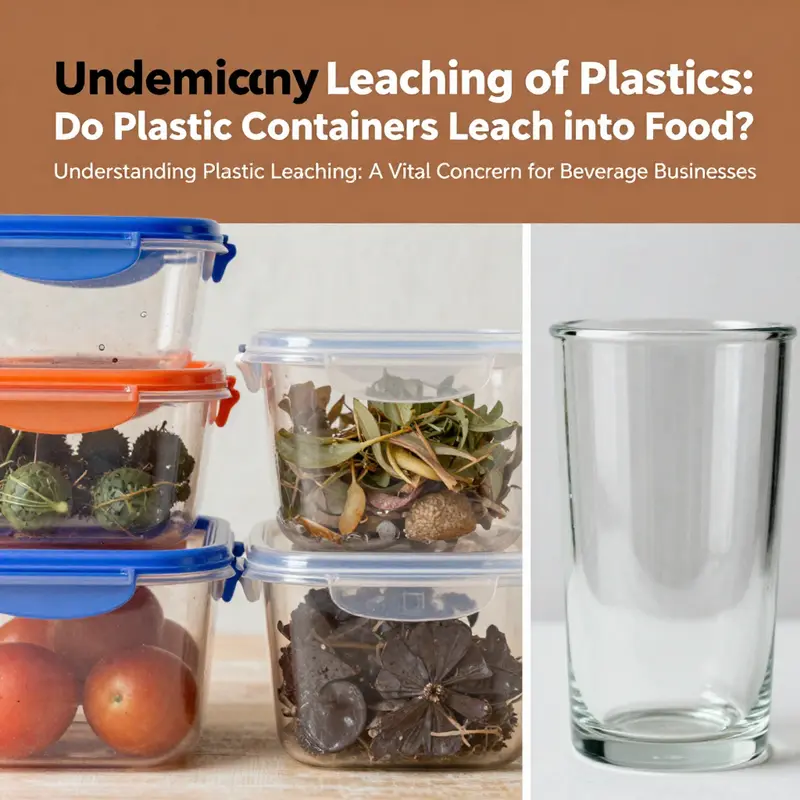
When Heat, Fat and Time Meet Plastic: How Containers Release Chemicals into Food
Plastic containers are not inert boxes. They are complex blends of polymers and additives designed for flexibility, durability and cost-effectiveness. Under everyday conditions those chemicals can migrate into the food they hold. This chapter explains how that migration happens, which chemicals are most concerning, what the science shows about the risks, and practical steps to reduce exposure without repeating generalities from other chapters.
At the molecular level, most plastics are networks of long-chain molecules. Manufacturers add plasticizers to make them flexible, stabilizers to resist breakdown, and other additives for color and performance. These additives are not chemically bound to the polymer chains in a way that prevents movement. When conditions change—heat rises, fatty molecules surround the plastic, time stretches—those additives can move from the plastic into the food. This movement is called chemical leaching or migration.
Two groups of compounds dominate the conversation because of their biological effects. The first group is the bisphenols, historically led by bisphenol A, or BPA. BPA interacts with hormone receptors and is classified as an endocrine disruptor. Many manufacturers responded by marketing “BPA-free” products, but replacements such as BPS and BPF often behave similarly in the body. The second group is phthalates. These are plasticizers used to increase flexibility in many food-contact plastics. Decades of research link phthalate exposure to altered reproductive development, hormone disruption and other health effects. Beyond these, plastics can contain stabilizers, flame retardants and pigments that also migrate under the right conditions.
Heat, fat and time are the three practical drivers that accelerate migration. Heat increases molecular motion, making it easier for additives to escape the polymer matrix. That is why microwaving food in plastic markedly raises the chance of leaching, even when containers are labeled “microwave-safe.” Studies have shown detectable migration after only minutes of microwave heating. Fatty foods are efficient solvents for many of these chemicals. Oils and fats dissolve and carry lipophilic additives out of plastic more readily than water-based foods. Finally, repeated use and long-term storage change the physical surface of plastic. Scratches, warping and surface micro-damage increase surface area and create pathways for chemicals and tiny particles to leave the container and enter the food.
The empirical evidence supports these mechanisms. Laboratory experiments and real-world tests consistently show higher migration when containers are heated or hold fatty foods. A study found that many common containers released measurable quantities of BPA, BPS and phthalates after only two minutes in the microwave. Another set of experiments revealed that even containers labeled as “BPA-free” released endocrine-active substances during common use patterns, like microwaving or repeated dishwashing. Those findings mean that labeling alone is not a reliable safety guarantee.
Beyond dissolved chemicals, plastics shed tiny physical fragments called microplastics and nanoplastics. These particles form through mechanical abrasion, temperature cycles and chemical degradation. When particles enter food, they add a physical burden to ingestion and can carry sorbed chemicals. The long-term health consequences of chronic microplastic consumption remain under investigation, but their presence increases the complexity of exposure and potential biological interactions.
Animal studies have linked realistic patterns of plastic-associated exposures to measurable biological changes. In one controlled experiment, rodents given water boiled in plastic containers for months showed altered gut microbiomes, heightened markers of inflammation and oxidative stress, and signs of heart tissue damage. Such results do not translate to human outcomes one-to-one, but they provide plausible mechanisms for how chronic, low-level exposure could affect organ systems, including the cardiovascular and endocrine systems.
Regulatory frameworks require testing of food-contact materials. Those rules are intended to limit high-level exposures and to identify obviously hazardous formulations. Still, real-world behavior often diverges from the laboratory conditions used for testing. Many safety tests assume limited contact times, moderate temperatures and homogeneous foods. Real meals vary: hot soups, oily sauces and repeated reuse do not always match the controlled scenarios regulators test. That mismatch helps explain why researchers find migration in everyday use when official compliance tests reported safety.
What does this mean for practical behavior? The most effective choices are straightforward and evidence-based. Use glass, stainless steel or ceramic for hot foods, for fatty meals, and for long-term storage. These materials do not contain the same classes of mobile plastic additives and are far less likely to release endocrine-active substances under normal use. If plastic must be used, follow simple precautions: avoid heating food in plastic; do not let hot oil or very hot meals sit in plastic for extended periods; replace containers that are scratched, warped or discolored; and prefer food-grade containers that clearly state they are intended for repeated food contact. Hand-washing is gentler than high-temperature dishwashing and reduces physical wear.
Some alternatives on the market emphasize compostable or paper-based options as a safer choice for takeout and short-term food service. When selecting such alternatives, choose containers designed for direct food contact. For an example of a product line that focuses on safer, non-plastic food packaging, see these eco-friendly takeout boxes for food packaging which avoid many plastic risks and are suitable for warm or greasy foods.
Risk is not a single number; it depends on dose, timing and vulnerability. Infants and pregnant people are more sensitive to low-dose endocrine disruption. Early-life exposures can have disproportionate long-term consequences. Repeated low-level exposures across years may accumulate risk in ways single-meal studies cannot capture. Those factors argue for conservative choices where feasible—especially during pregnancy and for young children.
Finally, individual decisions can influence broader systems. Choosing non-plastic containers reduces personal exposure and lowers demand for single-use plastics. Over time, market pressure encourages suppliers to innovate safer materials and to disclose ingredient information for food-contact products.
The science does not require alarm; it demands informed choices. Plastic containers can and do leach chemicals into food under predictable conditions. Heat, fatty content and container age drive this process. Substituting durable non-plastic materials for hot and fatty foods, avoiding microwave heating in plastic, and discarding damaged containers are practical ways to reduce exposure. For those who run food-service operations or need convenient disposable options, paper- or fiber-based food-grade containers offer an effective compromise. For deeper reading on microwave-related migration of bisphenols and phthalates, consult the Environmental Science & Technology study that reported rapid leaching from common containers: https://pubs.acs.org/doi/10.1021/es204588g
When Containers Shed: How Microplastics Move from Plastic to Plate
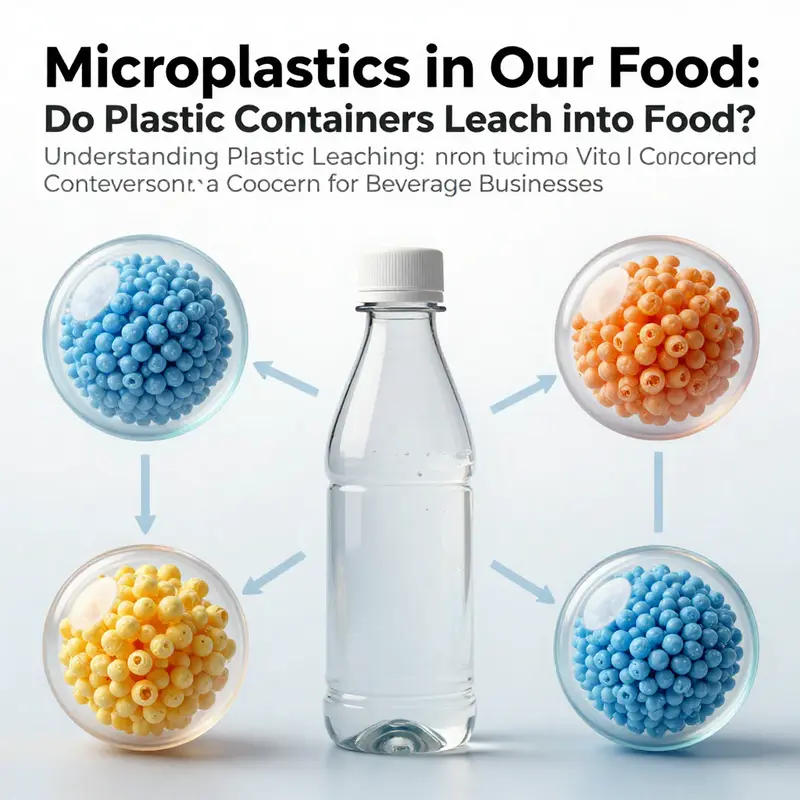
When plastic meets food, the boundary between container and content can blur. Plastic containers do not remain entirely intact during everyday use. They can release tiny fragments and chemical constituents that end up in meals. These fragments—microplastics and nanoplastics—come from the plastic itself. Additives and plasticizers can migrate as well. Together, they create a migration pathway from container to plate that depends on temperature, food chemistry, and time.
Plastics such as polypropylene (PP), polystyrene (PS), and polyethylene terephthalate (PET) dominate food packaging. Their popularity comes from low cost and light weight. Yet these polymers are not inert. Mechanical stress, repeated washing, and temperature changes create microcracks. Those cracks allow small particles to flake off. Over time, microplastic particles accumulate on container surfaces. When food contacts those surfaces, particles can transfer into the food. Heating accelerates the process. Microwaving or storing hot food increases polymer mobility. Heat weakens intermolecular forces and softens additives. Fatty or acidic foods act like solvents. They extract hydrophobic plastic fragments and many chemical additives. The result is higher contamination in soups, sauces, fried foods, and oily dressings.
Leaching is not limited to visible flakes. Nanoplastics are small enough to pass through cell membranes in animals, raising unique concerns. These particles are harder to detect. They may carry adsorbed chemicals and foulants on their surfaces. Additives—phthalates, stabilizers, flame retardants—and monomers like bisphenol analogues can move into food alongside particles. Phthalates, commonly used to soften plastics, have been linked to endocrine disruption and reproductive harm. Bisphenol A (BPA), once widespread in polycarbonate, acts similarly. Although many manufacturers phased out BPA, structurally related compounds have emerged and warrant scrutiny.
Empirical studies confirm microplastics in diverse food items. Researchers have detected particles in bottled and tap water, dairy, grains, and even infant formula. While contamination pathways vary, packaging and storage frequently emerge as major sources. Tests show more particles in samples after food contacts plastic. Laboratory simulations reproduce this outcome. Heating tests reveal markedly higher particle release. In one large review, heated or fatty foods consistently showed increased levels of plastic-derived contamination compared with neutral, cold conditions.
Beyond particle counts, chemical signatures matter. Microplastics can carry both inherent chemical additives and environmental contaminants. Fat-soluble additives partition easily into oils and fats in foods. Acidic matrices can accelerate hydrolysis of polymer chains and additive release. Duration of contact amplifies exposure. Long-term storage gives more time for diffusion and mechanical wear. Repeated reuse of single-use containers compounds the problem. Scratches and abrasions from utensils increase surface area and create sites for particle generation.
Health implications are an active research area. Evidence remains incomplete, but several plausible pathways link microplastic exposure to harm. Physical particle accumulation could irritate or inflame tissues. Nanoparticles may cross intestinal barriers and enter systemic circulation. Once inside, they might carry adsorbed toxins or leach additives directly. Animal studies find troubling signals. For example, rodents exposed to plastic-derived contaminants show changes in gut microbiota, markers of inflammation, and oxidative stress. Some studies report impacts on liver and heart tissues after chronic exposure. Translating these findings to humans requires caution. Dose, particle size, and chemical composition all influence risk. Yet the consistency of inflammatory and metabolic signals across studies suggests a real concern.
Detection challenges complicate risk assessment. Methods vary in sensitivity and specificity. Some studies rely on visual microscopy; others use spectroscopic techniques. Differences in protocols produce wide ranges of reported concentrations. That inconsistency makes it hard to estimate typical human intake. It also hampers regulatory responses. Still, the existence of contamination is clear. The unknowns lie in long-term effects, safe exposure limits, and vulnerable populations.
Regulatory frameworks try to limit migration of harmful substances. Standards set maximum levels for certain additives and require testing for food contact materials. But regulations often focus on known chemicals, not the full spectrum of micro- and nanoplastic particles. Testing regimes may not capture real-world behaviors like repeated heating, reuse, and contact with fatty matrices. And emerging replacement chemicals lack long-term safety data. The combination of regulatory gaps and evolving industry practices means consumers cannot rely on labels alone to avoid exposure.
Practical steps can reduce risk. Avoid heating food in plastic containers. Transfer hot or fatty items to glass, ceramic, or stainless steel before microwaving. Minimize long-term storage of acidic or oily foods in plastic. Replace scratched or cloudy plastic containers; they shed more particles. Prefer packaging and servingware designed for food safety, ideally made from materials that remain stable under heat. For takeout and single-use scenarios, many paper-based and compostable options now match functionality without the same leaching profile. For example, some manufacturers offer durable craft-paper takeout boxes that resist grease and heat while avoiding plastic contact. Choosing such alternatives reduces both microplastic exposure and plastic waste. (See options like eco-friendly takeout boxes for food packaging.)
Addressing the problem at scale requires more than consumer choices. Industry must improve material formulations and strengthen testing under real conditions. Regulators should broaden migration testing to include particle release and modern use patterns. Researchers need standardized detection methods to generate comparable data. Finally, continued investment in alternatives and circular systems will reduce overall plastic production and waste, cutting the root cause of microplastic pollution.
The evidence is clear: plastic containers can and do leach microplastics and associated chemicals into food. The process accelerates with heat, fats, acids, and prolonged contact. While the precise health impacts are still being defined, animal studies and mechanistic insights point to plausible hazards. Until science fills the gaps, pragmatic choices and better regulation can reduce exposure. For a thorough scientific overview and recommendations for safer packaging solutions, consult the comprehensive review on microplastics from food packaging: https://www.sciencedirect.com/science/article/pii/S030852162600047X
Heat, Migration, and Meals: Tracing How Plastic Containers Leach Chemicals into Food
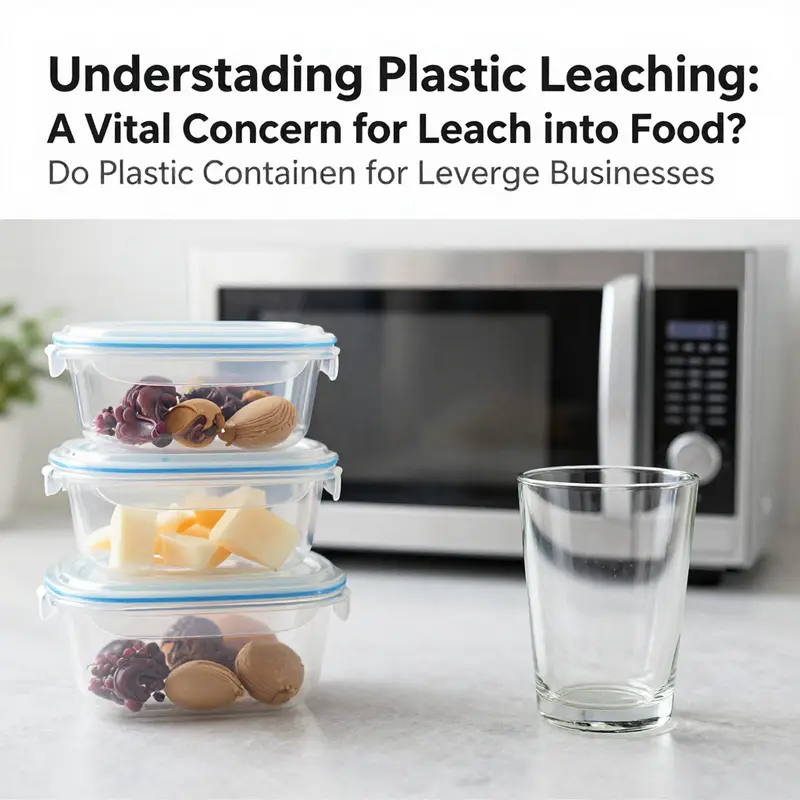
Everyday cooking routines create a quiet laboratory around kitchen containers. Plastics offer convenience, but under heat and with fatty foods they can release additives into meals. Heating increases polymer mobility and allows small molecules such as bisphenols and phthalates to diffuse toward the container surface and into oil-based foods. The practical takeaway is that hot, oily leftovers reheated in plastic are more likely to carry trace amounts of these chemicals than cold, watery dishes. Industry and health researchers emphasize that exposure is cumulative and varies with container age, shelf life, and heat duration. To reduce risk, use microwave-safe labels seriously, minimize heating in plastic, transfer hot contents to glass or ceramic when feasible, and prefer non-plastic options for fatty or long-storage meals. While regulatory agencies maintain that current exposure levels are generally low, many experts advocate precautionary choices as everyday practices, not fear, so that convenience does not come at the expense of long-term health.
When Heat Becomes Hazard: Tracing the Health Implications of Plastic Leaching into Food
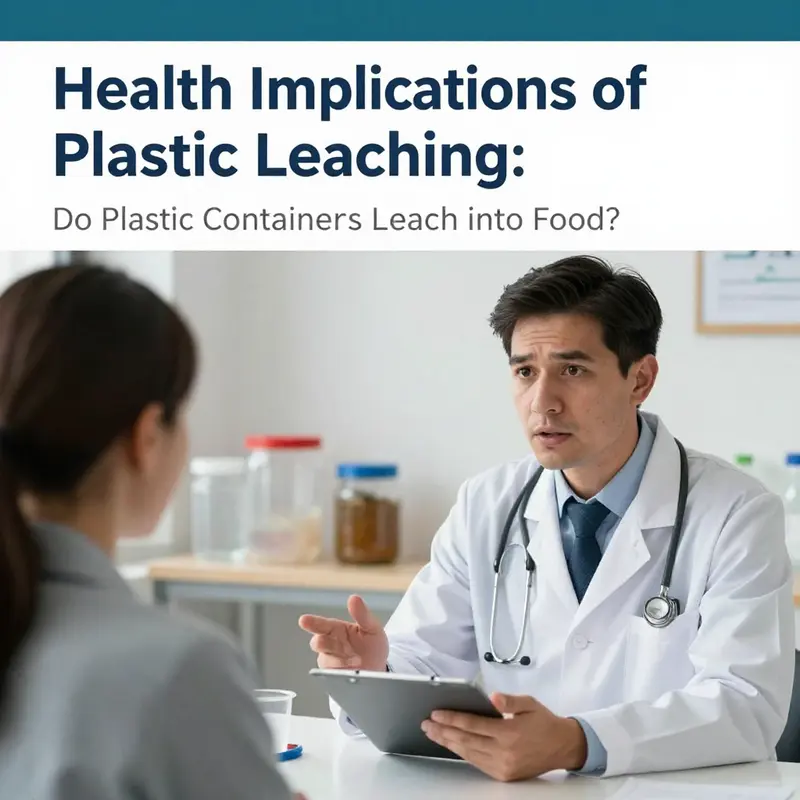
The question of whether plastic containers leach into food generates a spectrum of concerns that extend beyond a simple kitchen caution. It touches on chemistry, physiology, household habits, and even the way products are marketed and regulated. Scientific investigations converge on a clear, practical takeaway: under certain conditions, plastics can release chemicals into the foods we rely on daily. The story is not one of a single toxin but of a cascade of factors—temperature, fat content, contact duration, and the physical state of the plastic itself—that together determine whether a risk translates into consumption. This is why the topic matters for anyone who heats leftovers, stores meals, or prepares food with plasticware. Leaching is not universal, but it is condition-dependent, and recognizing the conditions can help people make safer choices without sacrificing convenience.
The mechanism behind leaching rests on the fundamental physics and chemistry of polymers. Plastics are designed to be durable and stable, yet their chemical components are not permanently fixed in place. They contain additives—plasticizers to impart flexibility, stabilizers to resist degradation, and sometimes colorants or flame retardants—that can migrate when the matrix is disturbed. Heat plays a central role in this disturbance. When a container is heated, the kinetic energy of the polymer chains increases, increasing the likelihood that additives will diffuse toward the surface and into the food. Contact with fatty or acidic foods can amplify this effect because many additives are hydrophobic or slightly lipophilic. Fatty matrices act like solvents in small quantities, dissolving and transporting leached compounds away from the plastic and into the edible substance. This is why soups, stews, oils, and fatty sauces often show higher potential for chemical transfer than water-based foods.
Among the most discussed chemicals are those that have stirred concern for human health. Bisphenol A (BPA) has long been singled out because of its estrogenic activity. Even as many manufacturers have phased BPA out of traditional food-contact plastics, substitutes such as BPS and BPF have entered the scene. The safety of these substitutes remains debated, with studies suggesting that they may manifest similar endocrine-disrupting behaviors as BPA in some contexts. Phthalates, used to soften plastics, are another class of chemicals linked to hormonal disruptions and reproductive issues, particularly with long-term or high-level exposure. Beyond BPA and phthalates, the spectrum of additives includes various stabilizers and flame retardants, each carrying its own risk profile. Even if a particular polymer is considered safe at the point of manufacture, heat, abrasion, or aging can alter the release dynamics, and what enters the meal can be more complex than any single compound.
A newer dimension to the discussion is the emergence of microplastics and nanoplastics. These tiny fragments can shed from containers as a consequence of mechanical wear, repeated washing, or long-term exposure to heat. The health implications of ingesting micro- and nanoplastics are still being unraveled, but researchers warn that these particles may carry absorbed chemicals and could interact with gut tissues in ways that influence inflammation or microbiome balance. While the precise biological effects of microplastics remain an area of active study, the consensus among experts is caution rather than complacency: even when a container itself is not acutely toxic, its fragments and the accompanying chemical milieu could influence health over time.
One of the strongest messages emerging from multiple strands of evidence is the synergy between heat and fats. Heating plastic-containing foods dramatically increases leaching rates, and fatty foods seem particularly efficient at extracting chemicals from the plastic matrix. A 2026 study crystallized this concern, emphasizing that using plastic containers for hot foods—especially those high in fat—poses a significant safety risk. The degradation process of the plastic under heat accelerates, and with it the potential transfer of hazardous substances into the meal. The concern is not merely theoretical: animal research published in 2025 adds a somber dimension by linking prolonged exposure to boiled plastic-contact scenarios with physiological changes in animals. In the Ecotoxicology and Environmental Safety study, rats that consumed water boiled in plastic containers showed alterations in gut microbial communities, systemic inflammatory markers, oxidative stress, and even heart tissue damage. While extrapolating from animal data to humans requires caution, the study signals a plausible pathway by which environmental exposures can translate into measurable health signals within an organism.
Regulatory frameworks exist to keep food-contact plastics within safety boundaries, yet they rely on assumptions about typical usage patterns and conservative exposure limits. The long arc of regulation reflects a tension between consumer convenience and risk reduction. As scientific inquiry evolves, so too does the advice given to the public. The current synthesis of evidence supports a prudent approach: avoid heating foods in plastic containers unless the container is explicitly labeled microwave-safe and intended for high-temperature use. Regularly inspect plastics for signs of wear, such as cracks, deep scratches, or clouding that can signal structural compromise. Worn surfaces provide more opportunities for substances to migrate through the polymer and into foods. In practice, this translates to a simple set of habits: limit exposure of plastics to heat, avoid storing hot or oily foods in containers not designed for such conditions, and favor materials like glass, stainless steel, or ceramic for containers that will experience warming or long storage.
The public health dimension extends beyond where the food goes next. The microenvironment inside the gut, influenced by diet and exposure to environmental chemicals, is a dynamic ecosystem. The animal research mentioned earlier hints at how chemical exposures might ripple through this ecosystem, affecting inflammatory status and tissue health. While direct causal links in humans require more data, the possibilities prompt a precautionary stance. The cumulative burden of exposure—over weeks, months, and years—could interact with other dietary factors, age, genetics, and existing health conditions in ways that are not fully captured by any single study. In this light, the conversation about plastic leaching becomes not merely about a one-off hazard but about managing a continuum of exposure across everyday life.
From the consumer perspective, practical steps can reduce risk without dismantling everyday routines. First, resist heating food in containers not labeled as microwave-safe or designed for high temperatures. Second, when possible, transfer hot meals to glass or ceramic vessels for reheating. Third, avoid reusing single-use PET containers, especially after exposure to heat or abrasive washing, since the surface can become compromised and surface degradation can accelerate leaching. Fourth, prefer containers with longer lifespans and simple, non-penetrable surfaces that are easier to inspect for wear. Finally, consider packaging choices that emphasize inert or lower-risk materials for storage and transport of hot or fatty foods. The aim is not to demonize all plastics but to acknowledge that a subset of plastics, under certain conditions, poses a measurable risk that can be mitigated through mindful practices.
In the broader landscape of food packaging, there is a quiet but persistent shift toward safer design and materials. The movement reflects public demand for transparency and safer options, which in turn nudges producers toward packaging that minimizes chemical mobility. For readers seeking a concrete example of safer packaging choices, the broader conversation around eco-friendly, multi-compartment takeaway options demonstrates how design can reduce contact time and temperature exposure with food. These packaging designs, when implemented with non-leaching materials and careful quality control, offer practical pathways to safer meals without sacrificing convenience. For readers who want a tangible reference to a packaging category that aligns with this safer ethos, consider exploring the broader range of takeout packaging options that emphasize material safety and user-friendly designs, such as the options described in one packaging category that highlights multi-compartment, food-grade presentation. This example underscores that safer choices are accessible, scalable, and compatible with modern dining needs.
The overarching implication is clear: while not every plastic container will cause harm, the conditions under which plastic meets food create a risk profile that is both scientifically supported and practically signaled by common sense. The safest approach for most households combines informed avoidance of high-temperature contact, vigilant replacement of degraded containers, and a preference for inert materials for heating and storage. Consumers do not need to abandon convenience; they need to recalibrate how and when to use plastics in kitchens and food-service settings. As research unfolds, the emphasis remains on reducing unnecessary exposure while preserving the benefits that modern packaging provides. For ongoing readers who want to explore the nuance of the science in greater depth, a comprehensive peer-reviewed resource provides a detailed assessment of plastic food-contact safety and health implications: https://www.ncbi.nlm.nih.gov/pmc/articles/PMC9057324/. This synthesis complements the lived experience of households by anchoring everyday practices in rigorous scientific review, offering a bridge between laboratory findings and kitchen realities.
Leaching Realities: Do Plastic Containers Leach into Food—and How Safer Alternatives Can Protect Health and the Planet
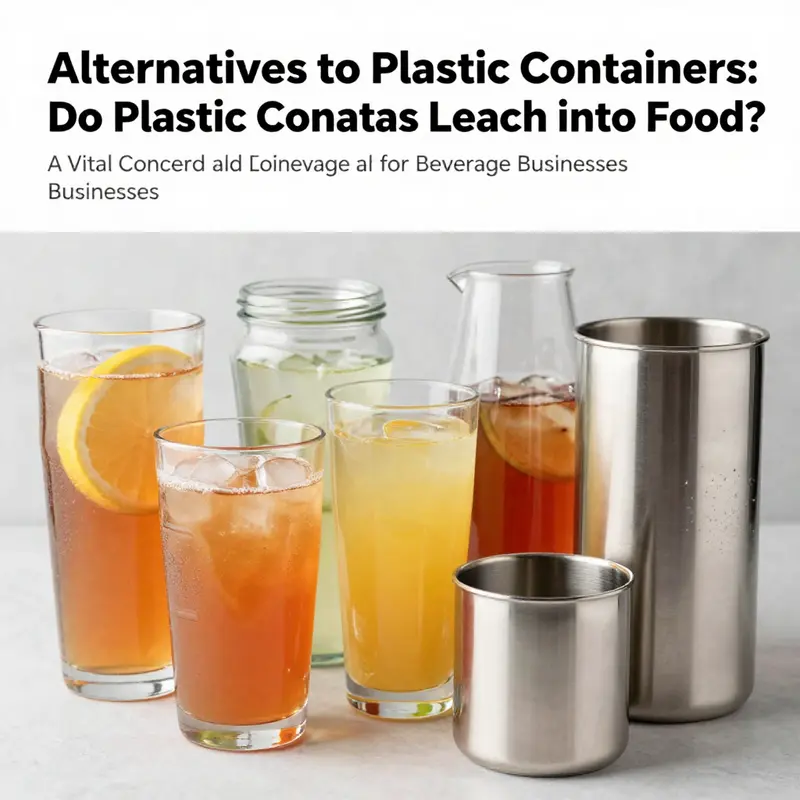
Plastic has become a default material for food storage in many kitchens, cars, and offices. Yet the very convenience it offers raises a persistent question: do plastic containers leach into food, and if so, under what conditions? The answer, supported by a growing body of research and regulatory scrutiny, is nuanced. Leaching is not a constant drift of toxins into every bite, but a process that can occur when plastics are stressed by heat, contact with fatty or acidic foods, or simply through long-term wear and repeated use. In homes and laboratories alike, the science points to a pattern: certain chemicals in plastic––notably phthalates, bisphenols, and related additives––can migrate into the food we eat, especially when conditions favor chemical mobility. The practical implication is clear: the safer choice is often to minimize contact between hot, fatty, or acidic foods and plastic containers, and to favor storage options that do not carry the same leaching risks.
At the heart of the concern are the substances added to plastics to grant flexibility, durability, and resilience. Phthalates, long used as plasticizers, and bisphenol A (BPA), once common in polycarbonate materials, have attracted the most attention because they are endocrine disruptors. Their ability to interfere with hormonal signaling has been linked to reproductive issues, developmental challenges in children, metabolic disturbances, and, in some studies, an increased risk of certain cancers. Even when products are labeled BPA-free, the story does not end there. Substitutes such as BPS and BPF, which share structural similarities with BPA, may exhibit comparable biological effects. The broader class of additives—stabilizers, flame retardants, and other plasticizers—adds layers of complexity to risk assessment, because any one of them can migrate, to varying degrees, into foods depending on exposure patterns.
Migration is not uniform. It hinges on temperature, the nature of the food, and the age or condition of the container. Heat is a dominant accelerant. When a container is heated, whether in a microwave, a hot pot of soup, or a reheating scenario, the plastic matrix becomes more permeable. Oils and fats, by their very chemistry, can act as carriers that pull hydrophobic compounds from the plastic into the food. In such circumstances, a fatty sauce or a creamy stew can become a conduit for chemicals that would otherwise remain locked in the polymer. This is why guidance from researchers and health agencies repeatedly emphasizes caution with hot foods in plastic containers. A 2026 study highlighted the elevated safety risks associated with using plastic containers for hot, fat-rich foods, noting that heat can degrade the polymer and facilitate toxin release. While not every heating event leads to dangerous levels of migration, the potential is real enough to inform everyday choices.
Beyond heat, the migration story also includes the broader issue of microplastics and nanoplastics. Even if a container itself is not highly toxic, tiny fragments can detach over time and end up in the food or beverage it contains. The health implications of ingesting microplastics are still being explored, but early signals from toxicology and epidemiology research suggest that chronic exposure could have cumulative effects on inflammation, gut health, and systemic stress responses. This is not merely a laboratory concern; it translates into real-world decisions about what we store, reheat, or reuse, especially for children, pregnant people, and anyone with a heightened vulnerability to hormonal disruption.
Animal research conducted in recent years further underscores potential health pathways. A 2025 study in Ecotoxicology and Environmental Safety observed that rats drinking water boiled in plastic containers exhibited changes in gut microbiota, elevated inflammatory markers, and signs of oxidative stress. The research extended to tissue-level effects, including heart tissue, suggesting that the consequences of plastic exposure may reach beyond the gut to cardiovascular endpoints. While extrapolating from animals to humans requires caution, such findings reinforce the need for precautionary principles in daily life. They also remind us that the public health implications of ubiquitous plastics extend beyond immediate chemical exposure to the broader biology of inflammation, metabolism, and organ function.
Regulatory frameworks exist to govern food-contact plastics, yet they are not a universal shield. Standards vary by jurisdiction, and many limits are set to ensure plastics perform safely under prescribed conditions rather than guaranteeing absolute freedom from any migration under all real-world scenarios. This is why experts consistently advocate safety-minded practices: minimize plastic use for hot or fatty foods, avoid long-term storage in plastic, and prioritize materials that do not exchange chemicals with food. The overarching message is practical and actionable: safety improves when we reduce exposure by design and choice, not merely by relying on labels.
Turning from risk to remedy, the landscape of alternatives offers tangible pathways to safer storage without sacrificing convenience. Glass containers stand out for their chemical inertness, broad heat tolerance, and compatibility with freezing, reheating, and fresh storage. They are durable, widely available, and highly recyclable, which aligns with environmental considerations alongside health concerns. Stainless steel containers bring a different set of strengths: remarkable durability, non-reactivity with most foods, and near-absence of chemical migration. They are especially appealing for on-the-go use and for households that value longevity. Silicone, while offering flexibility and a heat resistance profile suitable for freezing and microwaving, should be chosen in food-grade forms to avoid any unknown additives or manufacturing residues.
Beyond hard plastics, soft alternatives also deserve mention. Beeswax wraps, made from organic cotton coated with beeswax, offer a reusable, low-waste option for wrapping and short-term storage of produce, sandwiches, and snacks. They are not substitutes for all uses—especially not for microwaving or long-term freezing—but they excel in reducing reliance on disposable wraps and single-use plastics. For those prioritizing compostable or paper-based approaches, containers made from bamboo fiber, sugarcane bagasse, or recycled paper provide a temporary, home-compostable solution for short-term serving or takeout. Each option carries trade-offs in terms of heat resistance, durability, and cost, but the cumulative effect is a meaningful reduction in plastic exposure and waste.
A practical way to navigate this transition is to recognize that the safest route often lies in a layered approach. When food is hot or fatty, avoid plastic altogether. Transfer heated dishes to glass or ceramic containers before storage or reheating. For everyday lunches and snacks, consider durable glass or stainless steel with airtight seals to minimize air exchange and reduce the likelihood of surface contamination. If you choose flexible or collapsible storage, ensure they are intended for food contact and meet safety standards specific to the food you’re packing. When possible, keep a small set of dedicated containers for hot foods and another for cold foods to minimize cross-use and wear that might increase leaching over time. For those who pursue zero-waste living, beeswax wraps and plant-based containers can help shrink plastic reliance while embracing compostable or reusable options.
The decision to shift away from plastic is not only a health matter but an environmental one. Public data and policy discussions consistently paint a stark picture: only a small fraction of plastic ever produced is recycled, leaving a vast stream to accumulate in landfills and the environment. Adopting safer, reusable, or compostable storage materials reduces demand for new plastics and curtails the cycle of production, migration, and disposal. A holistic approach thus serves both personal health and planetary well-being, aligning daily habits with longer-term sustainability goals. In practice, that means choosing materials that do not release chemicals under typical kitchen conditions and weighing the environmental footprint of each option. When you choose glass, stainless steel, or responsible plant-based containers, you are voting with your kitchen for safer meals and a cleaner world.
For readers seeking a tangible resource that discusses safer packaging and eco-friendly takeout options, consider exploring options described in this eco-conscious packaging range: eco-friendly takeout boxes for food packaging. This kind of resource highlights practical, safer alternatives that help reduce plastic use while still meeting the needs of modern dining and food sharing.
Despite the progress in safer materials, the broader story remains that leaching is a real, context-dependent phenomenon. Heat and fat dramatically increase the likelihood of chemical migration, while microplastics introduce a separate, ongoing exposure pathway that researchers are still unraveling. Consumers do not need to abandon all plastic usage overnight, but they can make informed choices that lower risk. If a container shows signs of wear, cracks, or clouding, replacing it is prudent. If a container exists primarily for cold storage or refrigerated items, a non-plastic alternative often provides a safer option with comparable practicality. The end goal is simple: store food in ways that minimize chemical exposure without compromising safety or convenience, and adopt materials that align with environmental stewardship. The more households embrace safer storage practices, the greater the cumulative impact on public health and ecological resilience.
For those who want to explore policy context and broader waste-management implications, the U.S. Environmental Protection Agency’s Plastics Waste Management resources offer a comprehensive view of recycling rates, environmental impact, and policy initiatives. This external resource complements the science and practical guidance discussed here, anchoring personal choices within a larger system of waste management and sustainability. https://www.epa.gov/smm/plastics-waste-management
Final thoughts
The evidence surrounding the leaching of harmful substances from plastic containers is compelling and underscores the necessity for food and beverage businesses to prioritize customer safety. Transitioning to safer, non-plastic alternatives not only enhances food safety but also strengthens your brand’s integrity. By making informed choices about the materials you use, you can significantly reduce the risks of plastic leaching, protect your customers’ health, and create a lasting, positive impact on the environment.