
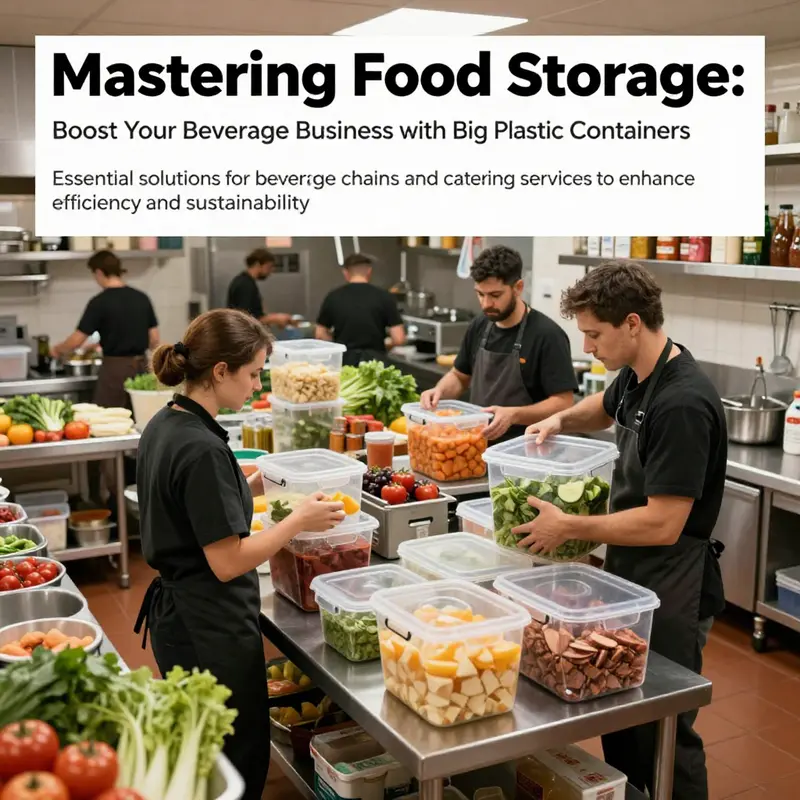
Big plastic containers are essential in the fast-paced environments of bubble tea shops, restaurants, food trucks, and catering services. They provide practical solutions for meal prepping, ingredient organization, and long-term food preservation. These containers, crafted from durable, food-safe plastics, ensure food safety and minimize waste, making them a staple in any foodservice operation. This article delves into the numerous benefits of these containers, emphasizing the importance of material safety, discussing their environmental impact, and providing guidance on choosing the right ones for specific business needs.
Big Plastic Containers: Maximizing Space, Freshness, and Efficiency in Food Storage
Why big plastic containers matter
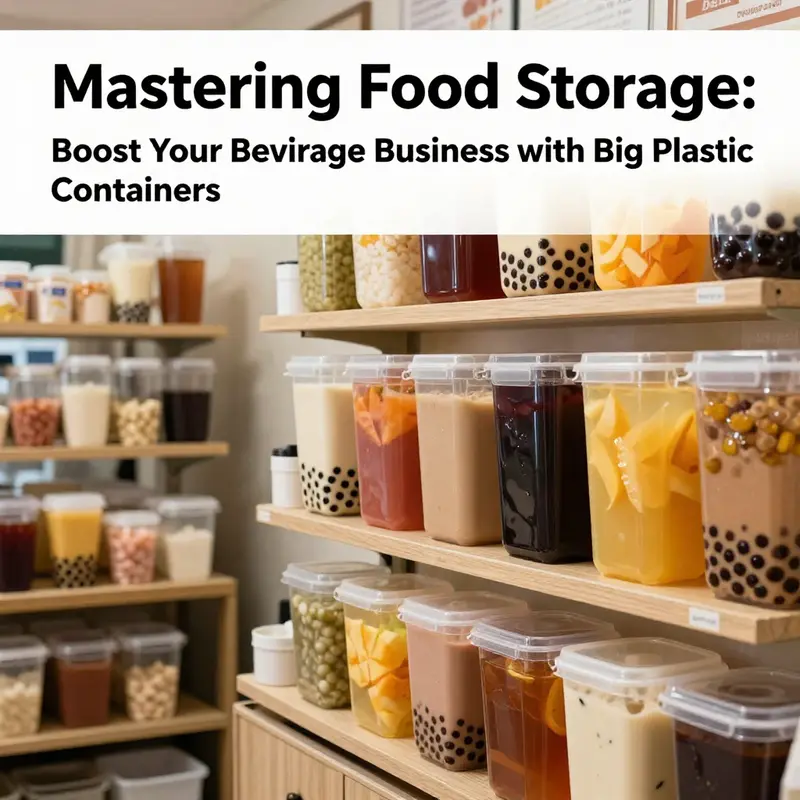
Big plastic containers change how kitchens store food. They are more than simple boxes. Their size and design create order, protect freshness, and enable efficient cooking routines. For households that cook in bulk, for busy meal planners, and for food businesses handling high volumes, these containers offer tangible advantages. They turn cluttered shelves into organized systems. They make inventory visible at a glance. They reduce waste by keeping food usable longer. The benefits are practical and immediate, and they stack across daily routines and operational workflows.
Rectangular and square shapes are especially valuable. They fit neatly against other containers and refrigerator walls. This geometry eliminates wasted gaps. Shelves and drawers hold more when containers use available space efficiently. A single large rectangular container often replaces several smaller, awkwardly shaped jars. When you stack matching, flat-topped lids, the vertical volume of a pantry or fridge grows. Clear walls accelerate this benefit. Seeing contents without opening lids saves time and reduces temperature fluctuation in refrigerated spaces.
Preservation is central to any storage system. Quality big plastic containers use airtight lids, snapping seals, or gasketed locking systems that limit air and moisture exchange. Less air means slower oxidation and diminished bacterial growth. Leftovers keep their texture and flavor longer. Prepped ingredients maintain quality, reducing the frequency of last-minute grocery runs. For freezing, large containers distribute cold consistently. For refrigeration, they prevent cross-contamination and moisture loss. Even modest containers with reliable seals can cut food spoilage noticeably, which translates into savings over time and a steadier meal plan.
Versatility amplifies their value. Most large food containers are made from polypropylene (PP) or high-density polyethylene (HDPE). Both materials are durable and lightweight. They resist impact, so they survive frequent handling and stacking. Many are safe for refrigerator, freezer, dishwasher, and, when marked accordingly, the microwave. This appliance compatibility means fewer transfers between vessels during cooking and reheating. A single container can move from freezer to microwaveable plate and then to dishwasher, simplifying meal prep, service, and cleanup.
Design features reinforce everyday usefulness. Wide mouths make filling and scooping easy. Flat, secure lids stack reliably and allow safe transport. Built-in handles or extra-thick rims make heavy containers manageable. Some models include molded graduations on the inside for quick measuring. Others accept dividers, transforming a large bin into organized compartments. For kitchens that portion food, dividers keep items separate without extra containers. Commercial settings benefit from modular systems, where consistent dimensions across bins streamline storage racks and trolleys.
Clarity matters for organization. Transparent walls reduce the need to open containers to see what’s inside. This visibility is crucial for inventory control. A cook can spot dwindling supplies and avoid duplicate purchases. Families can see portions allocated for lunches and snacks. Food safety also improves when storage times are monitored and labeled. Adding a removable label or a slip-in tag to a container’s exterior keeps dates and contents visible. Simple habits like these extend food life and lower waste.
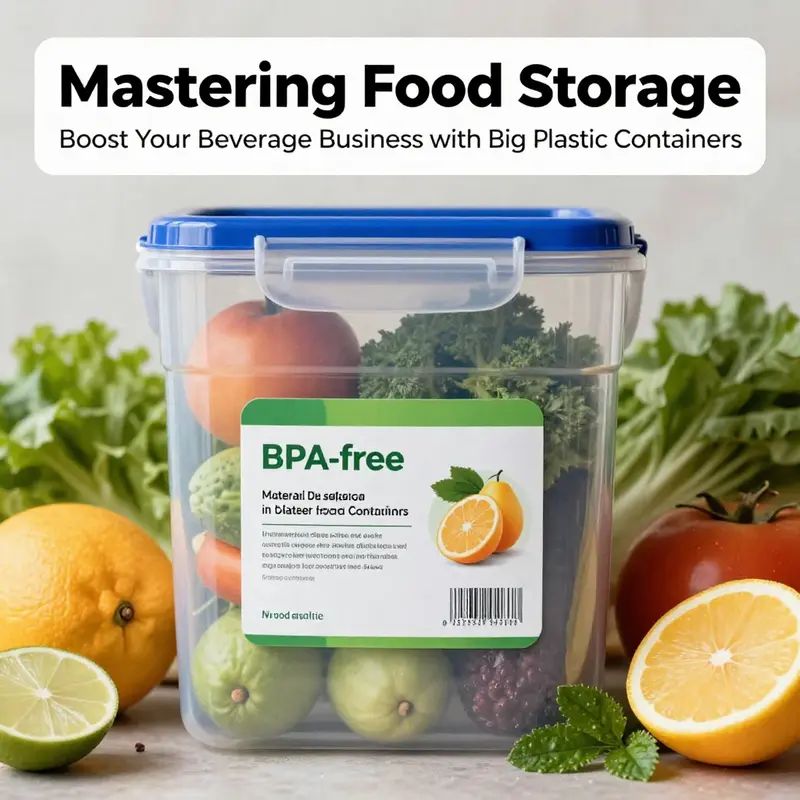
Large containers also support food safety protocols. Food-grade plastics that are BPA-free and compliant with safety standards help prevent chemical transfer into food. For commercial kitchens and catering, using clearly marked, food-safe containers helps meet regulatory expectations. Color-coding lids or tagging containers for specific allergens or preparation stages reduces cross-contact risks. Adopting a system where one container type serves a single purpose—dry storage, brining, or refrigerated prepared meals—keeps operations consistent and reduces errors.
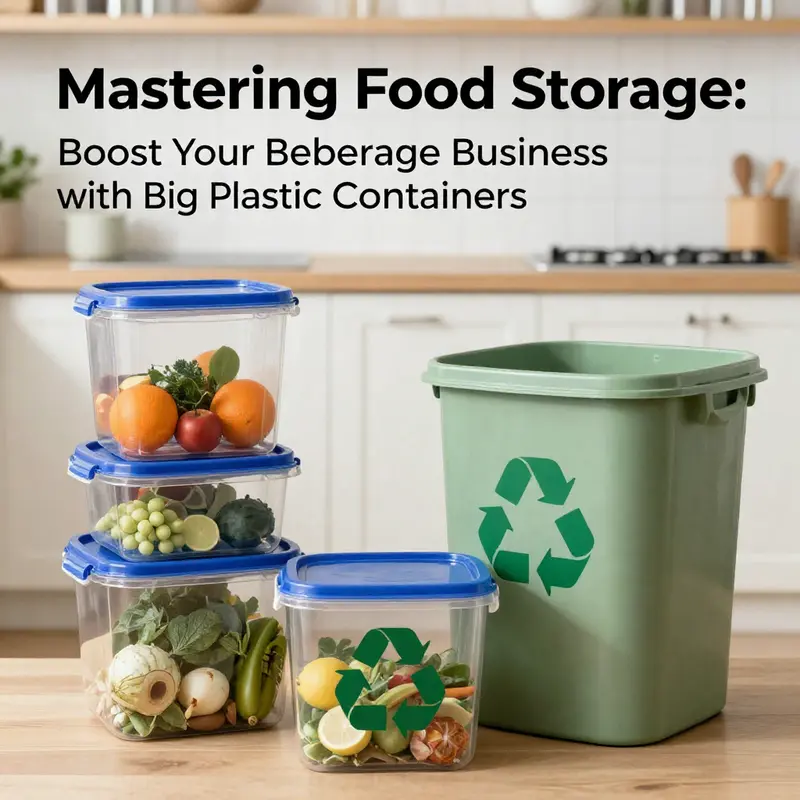
The environmental conversation around plastic deserves attention. Single-use plastics pose serious ecological challenges. Yet reusable, durable plastic containers present a different calculus. A well-cared-for large container can replace hundreds of single-use wraps, bags, or small disposable trays. Cleaning and reusing containers reduces waste and often lowers long-term costs. To make the most sustainable choice, select containers made from recyclable materials and maintain them so they last. Avoid letting plastics absorb oils and stains; regular, thorough cleaning keeps them hygienic and extends service life.
Smart selection prevents common drawbacks. Some plastics can absorb strong odors or retain staining from intensely colored foods. Choosing higher-grade PP or HDPE and avoiding porous or low-quality plastic helps. Confirm microwave-safe labeling before heating food in plastic. For acidic or fatty foods, use containers explicitly rated for such contents. Check seals periodically and replace lids when they warp. When storing long-term or for long durations in freezers, use containers with tight seals and minimal headspace to reduce freezer burn. Choosing stackable shapes and sizes that match your storage spaces improves daily use dramatically.
Commercial environments show the advantages on a larger scale. Restaurants, caterers, and food manufacturers rely on uniform, stackable containers to streamline back-of-house flow. A consistent container footprint saves shifting and sorting time during busy service hours. When containers are modular, inventory systems work more predictably. For retail and takeout operations, large plastic bins assist in portioning bulk ingredients and managing high-volume orders. Even specialty bins sized for 25 kilograms of dry ingredients help supply chains operate smoothly, avoiding repeated smaller transfers that waste time.
Practical maintenance practices make these benefits last. Clean containers promptly after use. Warm soapy water and a non-abrasive sponge usually suffice. For persistent odors, a bicarbonate soak neutralizes smells. Avoid abrasive cleaners that scratch surfaces; tiny scratches can trap food particles and harbor bacteria. Rotate containers in active use to balance wear. Inspect lids and rims monthly. Replace parts rather than entire units when possible, and store lids separately to encourage airflow if containers will sit empty for long periods.
There is also room to combine materials for better outcomes. Use durable plastic bins for bulk and repeat-use tasks. Pair them with compostable or recyclable packaging when handing out single portions. For small items and sauces, complementary small containers keep flavors separate and portions controlled. Those smaller solutions can be sourced to support takeout and catering needs; one convenient option is clear sauce container cups with lids for condiments and dips. These small containers complement the storage power of larger bins by keeping components tidy and transportable.
Choosing the right large container means balancing capacity, shape, material, and seal quality. Consider the storage area dimensions and the intended use. Evaluate lid mechanisms and confirm appliance compatibility. Prioritize food-safe, durable materials and an easy-to-clean design. Combining these attributes yields a storage solution that reduces waste, improves kitchen flow, and keeps food tasting better and lasting longer. And when the environmental implications are considered, reuse and careful maintenance make big plastic containers an efficient, pragmatic choice for many kitchens. For a deeper look at plastic waste and recycling statistics, visit the EPA’s information on landfills and waste management: https://www.epa.gov/epawaste/consumer/landfills.htm
Guardians of Freshness: Material Safety and Longevity in Large Food Storage Containers
The practical promise of large plastic containers for food storage is clear: they organize, protect, and simplify the cooking routine. When chosen and used thoughtfully, these vessels can extend freshness, reduce waste, and support efficient meal planning. Yet the very strength and versatility that make them so useful also raise questions about safety and long-term health. The material safety of big plastic containers hinges on a chain of choices—from the polymer itself to additives, from heat exposure to the way a container is cleaned and reused. Understanding this chain helps both home cooks and professionals make decisions that balance convenience with caution, ensuring that the containers do not compromise the foods they hold or the environments in which they live and work. It is not merely a matter of whether a container is labeled food-safe; it is about how safe that container remains as it sustains daily life across weeks, months, and even years of use.
The typical workhorses in large-volume storage are polymers such as polypropylene and high-density polyethylene. These materials are prized for durability, chemical resistance, and the ability to withstand temperature fluctuations—qualities that suit refrigeration, freezing, microwave heating (where explicitly labeled), and dishwasher cleaning. Their design often features airtight, snap-on or locking lids that help maintain freshness, prevent leaks, and curb odor transfer. When a container fits neatly into a fridge or freezer, it serves not only as a storage tool but also as a steward of appetite and organization, turning a crowded kitchen into a system rather than a sea of piles. Yet beneath the surface of these advantages lies a complex safety landscape that can shift with time and usage.
One central concern is chemical leaching. Plastics may harbor additives such as bisphenols—BPA and BPA analogs like BPS—and phthalates, as well as a family of plasticizers that can migrate into food, especially when heat, oils, or acidic ingredients are involved. The risk rises with reuse and aging, when the polymer matrix may begin to break down in subtle ways that are not always visible to the eye. Even when a container looks clean, repeated exposure to hot foods, fatty oils, or acidic sauces can promote the migration of these substances into meals. For households and kitchens where big containers are used to portion, marinate, or store leftovers, this is a practical concern that deserves ongoing attention. It is not merely about compliance with labeling; it is about everyday decision-making—whether to heat a stored sauce in its original container, or to transfer it to a vessel with established inert properties before reheating.
A corollary risk centers on microplastic shedding. When surfaces become scratched, cloudy, or warped over time, tiny fragments can detach and migrate into food. The long-term health effects of consuming microplastics remain a topic of active research, and while the complete picture is still forming, many experts agree that minimizing particle release is a prudent precaution. This is particularly relevant for large containers that are used repeatedly across many meals and seasons. The very act of cleaning—how aggressively a surface is scrubbed, with what kind of brushes or scouring pads—can influence the likelihood of microscopic particles entering our meals. It is a reminder that the maintenance habit surrounding storage containers matters as much as the material selection itself.
Hygiene adds another layer of concern. Deep grooves, scratches, and tight corners in large containers can create microhabitats that are hard to reach with routine washing. Even after washing, bacterial buildup can persist in crevices where food residues linger. In high-use settings, such as meal-prep operations or commercial kitchens, the risk multiplies due to volume and turnover. In homes with children or busy schedules, the risk remains—the more a container is used, the greater the chance of harboring unseen residues or biofilms that escape ordinary cleaning. The surface integrity of the container thus emerges as a key indicator of ongoing safety. A container that looks pristine may still harbor a different story if the inner walls have begun to degrade or if the lid’s sealing mechanism has weakened.
Structural degradation is not always dramatic. Lids can warp, seals can loosen, and edges can crack after repeated cycles of freezing and thawing, hot and cold running dishwashers, or rough handling. When seals fail, the container loses its barrier against air and contaminants, a primary function that preserves flavor and safety. The loss of an airtight seal can accelerate odor transfer, promote freezer burn in frozen foods, and invite microbial activity that a robust seal might have prevented. Each of these outcomes undermines the purpose of the container: to keep food safe, stable, and ready for consumption at a moment’s notice.
A notable development from recent research emphasizes vigilance in judging the state of old or aging containers. By 2026, professionals have highlighted clear visual and olfactory cues that suggest a container should no longer be used for food storage. Cloudiness, discoloration, persistent odors, or misfitting lids are not merely cosmetic concerns. They reflect underlying polymer breakdown or contamination pathways that increase chemical migration and microbial risk. This perspective reframes safety from a simple “safe today, safe tomorrow” mindset to a practice of continuous assessment. It underlines that longevity is not guaranteed by a single purchase, but by a cycle of inspection, replacement, and, when appropriate, transition to alternative materials that preserve safety without sacrificing practicality.
Given these realities, the best path forward blends informed material choices with mindful handling. For many households, glass containers emerge as a compelling alternative when safety is prioritized. Glass offers inertness—no migration of additives into foods—and often superior resistance to odor absorption and staining. It also tends to be more durable over the long run and is widely recyclable, aligning with environmental considerations that increasingly shape consumer behavior. Yet the shift toward glass is not a wholesale rejection of plastics. Plastic containers remain unmatched in certain contexts for lightness, cost, and resilience to drops and bangs. The ideal approach is a nuanced one: use plastic where it provides tangible benefits in storage efficiency and durability, but retire containers that show signs of aging, damage, or any risk of chemical migration. It is also prudent to avoid heating or microwaving foods in plastic containers unless the product explicitly states it is microwave-safe and suitable for such use. The guidance from safety authorities and reputable sources consistently points to the same pragmatic rule: reduce risk by selecting appropriate materials, and never rely on a visibly compromised container for hot foods or long-term storage.
From a practical standpoint, consumers should consider the full lifecycle of big plastic containers. Start with evidence-based labeling that goes beyond the word “safe.” Look for certifications or statements about the specific polymer, the presence or absence of certain bisphenols, and the intended use for heating. Even when a container is marketed as BPA-free, it may still house alternative bisphenols, which could migrate under certain conditions. The safest course is to minimize high-temperature exposure, limit contact with fatty or acidic foods, and avoid repeated heating within the same container. When in doubt, transferring to a neutral, inert vessel before reheating is a simple precaution that can preserve both safety and flavor. Cleaning habits also deserve attention. Gentle, non-abrasive cleaning is advisable to limit micro-scratches. Avoid aggressive scrubbing with hard brushes or scouring pads that can scuff surfaces. Instead, use warm water, mild detergents, and appropriate tools to maintain the container’s surface integrity and ease of cleaning. Drying thoroughly prevents residual moisture that could foster microbial growth in any micro-crevices.
The decision matrix for big plastic containers also intersects with broader environmental considerations. Reusable containers reduce single-use waste, yet their environmental footprint depends on durability and the frequency of replacement. When a container shows signs of wear or potential safety risk, replacement becomes not only a health decision but an environmental one as well. The goal is a sustainable balance: maximize the container’s useful life while minimizing risks associated with aging plastics. This means instituting practical limits on the number of reuse cycles and being prepared to transition to safer alternatives when signs of degradation appear. In professional settings, this approach translates into policies that support routine inspection, designated disposal paths for compromised containers, and clear criteria for when to retire a piece from service.
For households and kitchens of all sizes, the practical steps toward safer practice begin with mindful selection and careful use. Prefer containers manufactured from polymers known for stable performance under routine fridge and freezer temperatures, and verify the lid seal and compatibility with your cleaning methods. When you reuse containers for hot foods or oily sauces, consider transferring to a more inert vessel before reheating. Keep an eye on the container’s interior: cloudiness, scratches that trap residues, or persistent odors are signals to retire the container from food storage. In the spirit of continuous improvement, community guidance and evolving regulations continue to refine what constitutes best practice in material safety. Keeping abreast of these developments helps a kitchen stay both productive and safe, avoiding the paradox of efficiency at the cost of health.
To connect practical choice with accessible examples, consider the broader ecosystem of packaging options available for large-volume storage. A relevant internal resource explores safer packaging alternatives and design considerations for takeout and bulk storage, illustrating how design choices can influence food safety and waste reduction without compromising convenience. This reference provides a tangible link between material science and real-world decisions, reinforcing the idea that safe storage begins long before a meal is plated and extends through every step of handling, reheating, and cleaning. For readers seeking external guidance, established guidelines from public health authorities emphasize monitoring physical integrity and chemical migration as ongoing, practical safeguards. The conversation surrounding plastic containers is evolving, and staying informed helps kitchens of all sizes preserve freshness while protecting health.
Internal link to related resource: eco-friendly-disposable-3-compartment-food-grade-packaging-box-for-fast-food-high-quality-takeout-boxes-for-fried-chicken-french-fries-packaging
External resources for further reading underscore the complexity of these issues and the importance of reliable, science-based guidance. For a comprehensive external overview of safety considerations and chemical migration in reused plastic containers, consult the Hong Kong Food Safety Centre’s evaluation of food storage plastic containers. This resource complements the chapter’s emphasis on visual cues, labeling, and safe usage practices, and it provides a broader context for how safety standards are applied in diverse settings. External guidance can help translate what is learned in the kitchen into everyday decisions that support health and well-being over time.
For readers who want a concise practical takeaway, the central message is straightforward: treat big plastic containers as durable tools that require ongoing appraisal. When a container begins to exhibit signs of wear, aging, or odor retention, it is not just a cosmetic issue. It signals potential changes in the material that could affect food safety. In such cases, retirement of the container and a move toward safer storage options is prudent. If you continue to use plastics, prioritize those with clear, specific heating and long-term storage compatibility, minimize exposure to heat and strong solvents, and adopt cleaning practices that protect surface integrity. By coupling careful material selection with disciplined maintenance, the benefits of large plastic containers—organization, efficiency, and cost savings—can be realized without compromising safety.
Plastic Giants, Quiet Costs: The Environmental Footprint of Large Food Storage Containers
Plastic Giants, Quiet Costs: The Environmental Footprint of Large Food Storage Containers
Large plastic containers for food storage solve many day-to-day problems. They make meal prep simple, organize bulk ingredients, and support commercial kitchens. Yet their environmental cost is often hidden. This chapter examines the full footprint of big plastic containers, from raw materials and manufacturing to use, reuse, and disposal. It shows how design choices, user habits, and waste systems shape real outcomes.
Production begins with fossil fuels. Most large food storage containers are molded from polyethylene, polypropylene, or polystyrene. Extracting and refining petroleum or natural gas consumes energy and emits greenhouse gases. Processing polymers into pellets, then into finished containers, adds emissions and chemical waste. These upstream impacts vary by resin type and manufacturing efficiency, but they are never negligible. Choosing a container is therefore not just a convenience decision. It is a choice that carries environmental consequences before the container ever touches food.
Durability is a common selling point. Large containers can last for years when used carefully. But durability has a double edge. Repeated exposure to heat, dishwashing detergents, and abrasive scrubbing accelerates polymer breakdown. Over time, plastic loses transparency, warps, and develops micro-cracks. These flaws compromise food safety and aesthetics, which often prompts replacement. Paradoxically, the very toughness that makes these containers useful can lead to a slow decline that generates waste sooner than expected.
Microplastics are a serious concern for long-lived plastic items. As plastics age, they fragment. Tiny particles then enter wastewater during cleaning or escape through improper disposal. These microplastics settle in soils, rivers, and oceans. They can adsorb pollutants and move through ecosystems. Emerging research links microplastic contamination to risks across food chains. Large containers, when repeatedly washed or heated, are a non-trivial source of these fragments. Their contribution accumulates because of their size and surface area.
Recycling is often presented as the solution. Many containers carry recycling symbols or claims like “recyclable” or “BPA-free.” Yet actual recycling rates are low. Less than 10% of plastic waste in the United States is recycled, according to federal estimates. Factors include contamination, mixed-resin items, and local program limitations. Large food containers can be contaminated with oils and food residues, which makes them harder to process. Some recycling facilities also lack markets for certain resin types. The result: many supposedly recyclable containers end up landfilled or incinerated.
Energy and emissions do not end at manufacturing. The use phase matters. Frequent dishwashing, especially at high temperatures, consumes energy and water. Microwaving, though convenient, can accelerate polymer degradation in some plastics. The cumulative energy footprint of cleaning and reheating, especially in households that wash items in hot water daily, adds up. When comparing materials across their lifetimes, these everyday energy taps must be included. For some users, reusable containers made of alternative materials achieve lower lifetime impacts when they require less energy-intensive care.
Alternatives such as glass, stainless steel, and silicone merit attention. Glass and stainless steel require more energy to produce than most plastics. But they resist staining, do not fragment into microplastics, and often last longer. Silicone is flexible and heat resistant, and it does not break down into microplastics. Its production still involves industrial processes with environmental costs, but long service life can offset those impacts. The most sustainable option depends on how many years a container will be used, how it will be cleaned, and whether it ends up recycled at the end of its life.
Reducing total consumption should be the core strategy. Buying fewer containers and choosing multi-purpose sizes reduces material throughput. Prioritizing durable designs and avoiding single-use or disposable large containers decreases waste rapidly. When disposables are unavoidable, preferring paper-based or compostable packaging for short-lived tasks can be better. For example, some businesses shift to sturdy, compostable takeout boxes for limited reuse, then composting after service. A practical resource on these alternatives highlights how packaging choices impact waste streams and composting systems. For a look at eco-friendly takeout alternatives, consider this example of eco-friendly takeout boxes for food packaging.
Design features also shape environmental outcomes. Clear walls reduce food waste by making contents visible. Airtight lids extend shelf life, so food stays usable longer. Stackable shapes optimize storage and lower the need for additional containers. However, these same features can hinder recycling. Multi-material containers with rubber gaskets, metal hinges, or laminated labels are harder to process. Choosing single-resin designs and removable seals improves recyclability. Manufacturers can help by labeling resin types clearly and designing for disassembly.
Commercial settings amplify both problems and solutions. Restaurants, caterers, and food processors use large containers at scale. Poorly designed procurement can lead to massive waste. For instance, buying low-cost, low-durability containers results in frequent replacement and high disposal volumes. Conversely, investing in high-quality, repairable containers reduces lifetime environmental burdens. Many commercial operations recover value by implementing container return systems. Containers are cleaned, inspected, and reused repeatedly. Such circular practices reduce demand for virgin plastic and lower total waste.
End-of-life options vary by region. In some places, mechanical recycling is available and efficient. In others, contamination and lack of infrastructure mean landfilling or incineration. Chemical recycling technologies promise to recover polymers from mixed or contaminated feedstocks. Yet they are still scaling and often require significant energy. Composting is not suitable for most plastics, but compostable packaging made from plant-based polymers or paper can enter industrial composting streams when properly certified. For consumers, the simplest step is to check local recycling rules and prepare containers for collection by rinsing and separating components.
Behavioral practices can stretch a container’s useful life. Avoiding high-heat cleaning cycles and abrasive tools slows degradation. Using liners for oily or strongly pigmented foods prevents staining. Rotating containers so they age evenly and auditing inventory to retire damaged pieces responsibly also help. When a container can no longer hold food safely, repurposing it for non-food storage delays disposal. These small actions collectively reduce material demand.
Policy and producer responsibility can shift systemic outcomes. Extended producer responsibility schemes, landfill bans on recyclable plastics, and incentives for repairable design all move markets toward lower-impact solutions. Standards for compostable packaging, clear resin labeling, and public investment in recycling infrastructure are powerful levers. Consumers wield influence too, through procurement choices and demand for transparent labeling.
Ultimately, the environmental footprint of large plastic food containers is not fixed. It depends on materials, design, user behavior, and local systems. A single large container can either represent efficiency and reduced waste or become a persistent pollutant. Thoughtful purchasing, careful use, and end-of-life planning tilt the balance toward better outcomes. Choosing fewer, higher-quality containers, preferring single-resin designs, and practicing low-energy cleaning extend useful life. Where appropriate, alternative materials like glass, stainless steel, or silicone reduce long-term risks.
There is uncertainty ahead. Recycling technology and policy may improve. Circular business models could make reusable systems more viable at scale. Yet even with technological progress, reducing consumption remains the most reliable way to lower overall impact. Every large container kept in use for many years avoids the emissions and waste of replacement. Every design that favors repairability and recyclability reduces downstream burdens.
For readers weighing options, practical steps matter. Assess how often you use containers and for what tasks. Choose materials and sizes that match real needs. Favor single-resin, clearly labeled products when recycling matters. Treat containers gently to preserve integrity. When replacement is necessary, select durable alternatives and dispose responsibly according to local guidance.
For more detailed data on plastic waste and recycling, refer to the Environmental Protection Agency’s report on plastic waste: https://www.epa.gov/epawastes/consumers/plastic-waste
Choosing Large Plastic Storage Containers: A Practical Guide for Safety, Size, and Sustainability
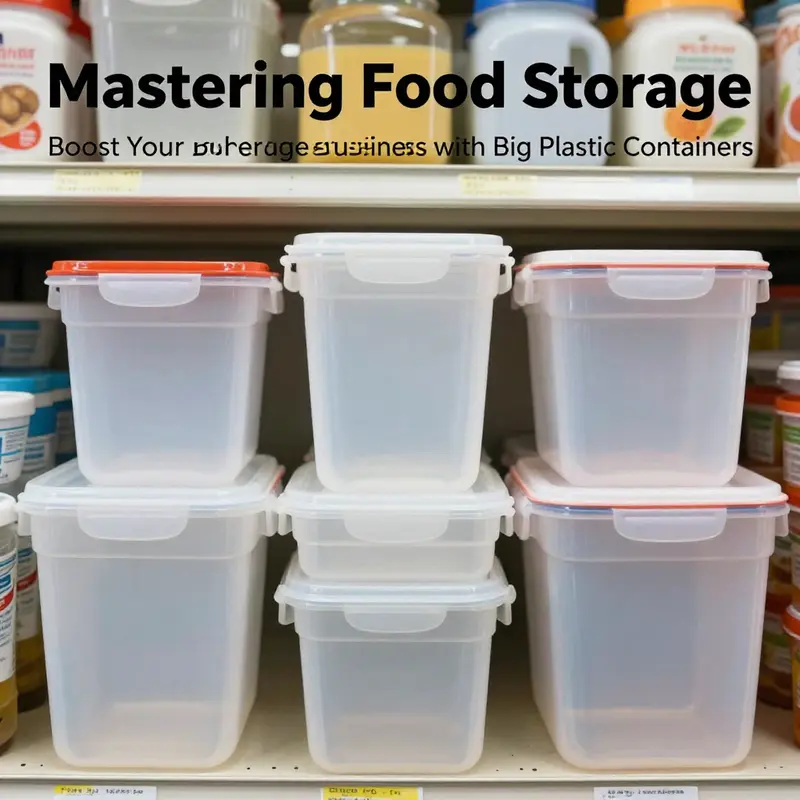
In any kitchen or storage space, selecting large plastic containers shapes organization and freshness. They are more than receptacles; they are buffers against waste and chaos. Large containers are often used for bulk foods, leftovers, batch cooked meals, and produce, and their size and shape can influence how easily you rotate stock and reclaim space on shelves. Rectangular and square designs maximize shelf real estate and allow you to stack containers securely, which is a practical advantage in busy kitchens. When chosen thoughtfully, these containers support consistent meal planning and reduce trips to the pantry during a workday.
Material safety anchors every other consideration. Look for food grade designation and plastics that are known to perform well under temperature swings, such as polypropylene and polyethylene. Polypropylene is praised for toughness and stability, and is commonly used for lids that resist cracking. Polyethylene offers clarity that helps you see contents without opening the lid, which saves time and minimizes air exposure over repeated cycles. Be cautious of recycled content unless the manufacturer explicitly certifies food contact safety for that composition. The safest approach is to rely on products labeled for food contact with transparent safety documentation and a track record of performance in reheating and freezing scenarios.
Size and capacity are the second pillar, and they deserve careful tuning to your routine. For households, containers in the 1 to 5 liter range cover leftovers and smaller bulk items, while 5 to 10 liter containers handle bulk grains, soups, and prepared components. In kitchens that batch cook for a week, 10 to 20 liter options become practical backups for large quantities. The guideline is simple: choose enough containers to cover typical tasks without creating a forest of half full jars. Leave a small headspace to accommodate freezing, expansion, and gas formation, which helps protect seals and prevents leaks.
Seal and lid design is the third axis of performance. An airtight seal preserves moisture, aromas, and texture while preventing cross contamination of odors. Common configurations include a gasket in the lid groove with a locking mechanism, whether it is a snap on, twist lock, or lever system. The choice should match your use case: easy one handed operation when reheating or reboxing meals, strong seals for overnight storage in the freezer, and compatibility with your preferred cleaning method. Always check if the lid and seal materials tolerate heat, dishwasher cycles, and occasional microwaving. Labeling safe reheating practices on the outside can help prevent improper usage that might degrade seals over time.
Durability and appliance compatibility form the fourth strand. Thick walls signal resilience, and the material should resist warping when moving between fridge, freezer, and pantry. PP and HDPE offer good performance across temperature ranges, but always confirm dishwasher, microwave, and freezer suitability on the product labeling. If reheating in the container, ensure the base and the lid are rated for microwave use and that any gaskets can tolerate heat. A simple habit is to store a card or label with the maximum safe reheating method and time.
Visibility and ease of cleaning round out the core criteria. Clear or translucent walls save time by letting you identify contents at a glance, reducing unnecessary openings and air exposure. Rounded interior corners and minimal crevices make cleaning easier and reduce residue buildup. If the container is dishwasher safe, that designation simplifies maintenance; if not, consider how accessible the interior corners are to standard scrubbers. The best designs balance visibility with a robust exterior that resists staining and odor retention, ensuring the container remains presentable through many cycles.
Practical decision framework. Start by asking what foods you store most often and in what volumes, whether you freeze frequently, and whether you reheat inside the container or transfer to a dish for warming. Consider stackability relative to your fridge and pantry layout, and be honest about budget against expected lifespan. A well chosen set often includes a mix of mid sized containers for daily leftovers and several larger ones for bulk items. The result is a flexible system that reduces waste, sustains quality, and removes guesswork from meal planning.
Environmental dimension. Reusable plastic containers offer a more sustainable path than single use options when properly maintained. Focus on durability, ease of cleaning, and repairability, and look for seals that stay effective over years of cycles. When a container reaches the end of life, explore recycling options or take back programs offered by manufacturers where available. The goal is to minimize the environmental footprint while preserving the practical benefits these containers bring to everyday cooking and storage.
In practice, selecting large plastic containers comes down to a simple framework: prioritize food grade materials, match size to real needs, verify airtight seals, assess durability and appliance compatibility, and value ease of cleaning and visibility. This approach helps you build a kitchen storage system that stays organized, resists wear, and adapts to changes in routines. When you apply this framework, you set the stage for reliable performance during everyday meals and occasional bulk preparation.
If you want to explore practical options, read product labels, review certifications, and compare performance data from reputable brands. The right choice aligns your storage with your cooking habits, your safety expectations, and your environmental values.
Final thoughts
Big plastic containers for food storage are indispensable tools for bubble tea shops, restaurants, food trucks, and catering services. Their benefits range from improving efficiency in ingredient organization to ensuring food safety and helping businesses adopt more sustainable practices. By understanding material safety and environmental implications, businesses can choose the right containers that meet their operational needs while contributing to a greener future. Investing in dependable food storage solutions not only enhances service quality but ultimately boosts customer satisfaction.