
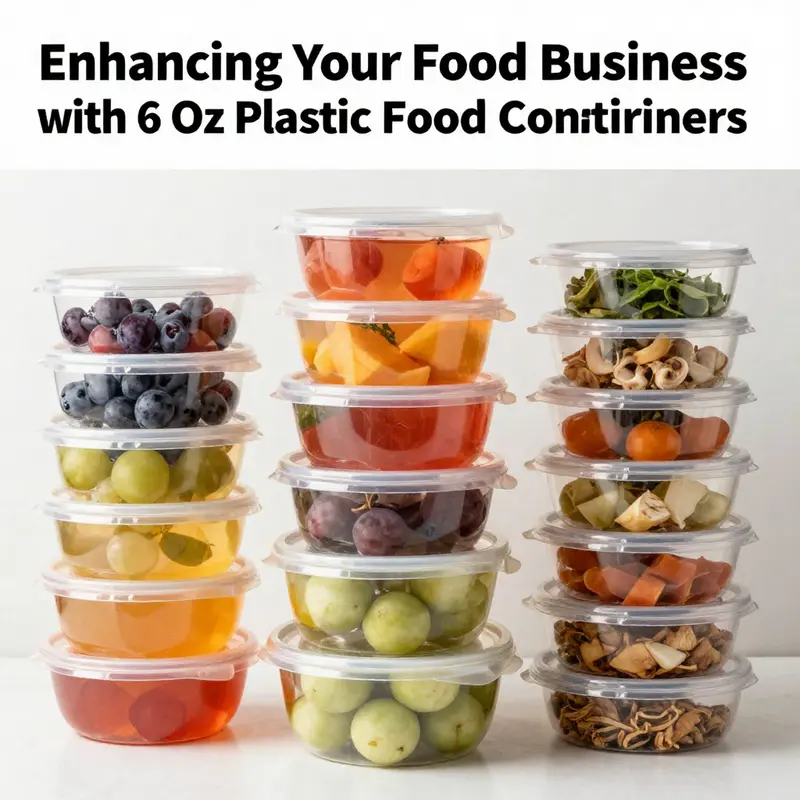
The food service industry thrives on convenience, presentation, and safety. Among the essential tools of the trade are 6 oz plastic food containers, which serve a myriad of functions across various sectors, from bubble tea shops to catering services. This article explores the material composition of these containers, their market availability and economic impact, practical applications within the food industry, and the challenges and best practices associated with their use. By understanding each aspect, businesses can make informed choices that enhance their operations and customer satisfaction.
Decoding Material Durability: Unveiling the Versatile Composition Behind 6 oz Plastic Food Containers
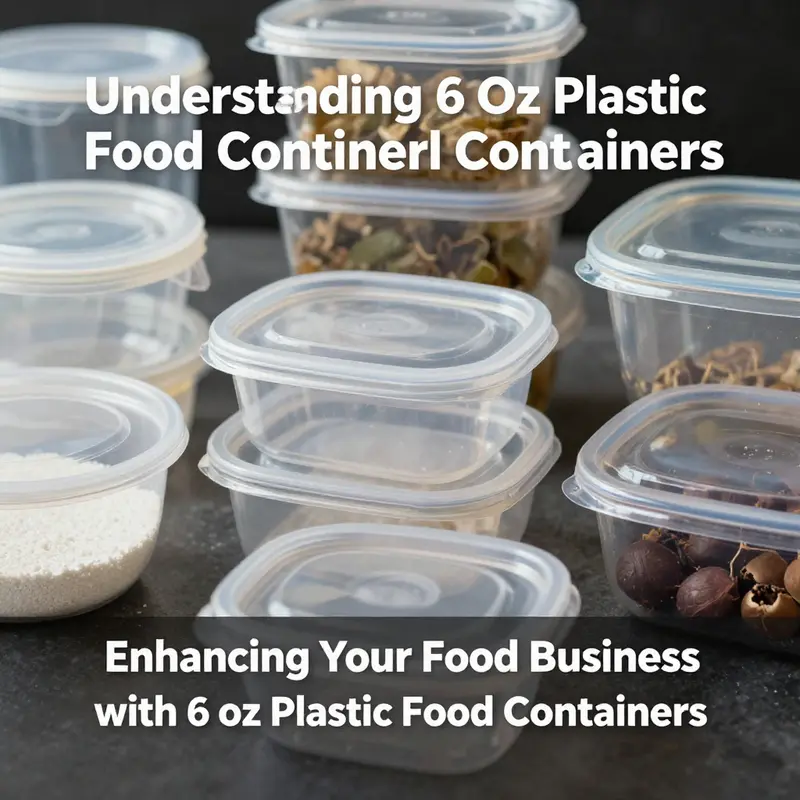
6 oz plastic food containers have carved a niche in modern food packaging due to their multifaceted properties and reliable performance. For decades, these containers have been produced with materials such as polypropylene, polyethylene terephthalate, polystyrene, and even specialized resins like styrene acrylonitrile. Each material offers its own balance of strength, heat resistance, clarity, and chemical stability. In this discussion, we delve into the details of these materials, their properties, and the trade-offs that manufacturers and users may face when selecting or using these containers.
One of the most common materials used in these containers is polypropylene (PP). Renowned for its excellent heat resistance, PP is able to withstand temperatures up to 160°C, making it a top choice for applications that involve hot foods or those requiring a degree of thermal resilience. Not only does PP perform well under high temperatures, but it is also freezer-safe. PP stands out for its durability and chemical inertness, meaning that it does not interact with food contents or leach substances. This inherent stability makes PP a favored choice across kitchens, restaurants, and food outlets where repeated heating, cooling, or microwaving is part of the routine. Additionally, its recyclability under code #5 highlights its potential for more sustainable practices, even though manufacturers must remain mindful that prolonged exposure to ultraviolet light over time can lead to degradation.
Moving to another popular candidate, polyethylene terephthalate, or PET, offers a different set of attributes. PET is prized for its clarity and impressive strength properties, attributes that make it ideal for transparent packaging. Containers made from PET provide consumers with an unobstructed view of their contents, which is particularly important when the visual appeal of the product, such as desserts or beverages, is paramount. Although PET is capable of providing reliable moisture and gas barrier properties, it has its limitations. Its inability to tolerate high temperatures—typically softening above 70°C—restricts it from being used for hot foods. While PET containers excel in situations where maintaining clarity and product visibility is essential, they must be handled with care to ensure that they are not exposed to conditions that might compromise their structural integrity or cause them to absorb unwanted odors over time.
Polystyrene (PS) is yet another material commonly found in the realm of 6 oz plastic food containers. PS containers often appear in contexts where lightweight construction and thermal insulation are needed, such as in foam-style packaging frequently seen in the handling of ice cream or frozen treats. The benefits of polystyrene include its cost-effectiveness and its well-known capacity to insulate items from ambient temperature changes. However, PS carries significant drawbacks. Its unsuitability for microwave use and the possibility of releasing harmful chemicals under heat are issues that have led many manufacturers and regulatory bodies to question its continued use. In many regions, environmental concerns have prompted restrictions or outright bans on its usage, especially for packaging that is meant for single use. These limitations emphasize the need for careful consideration when PS is positioned as a material choice for food storage or retail packaging.
In a similar spirit to PS, styrene acrylonitrile (SAN) offers a more refined alternative for achieving a balance between thermal performance and visual clarity. SAN’s composition provides it with the capacity to maintain high levels of transparency and to tolerate elevated temperatures better than standard PS. Often selected for high-end food packaging and other applications where aesthetics and durability are equally prized, SAN is less ubiquitous than PP or PET but serves specialized niches very effectively. The material’s rigidity combined with its appealing clarity ensures that products are showcased attractively, making it a preferred choice for brands that prioritize presentation as much as functionality.
The careful selection of the appropriate material extends beyond the intrinsic properties of these plastics. Designers and engineers must also address the challenges associated with production such as the thickness of container walls, the robustness of lids or seals, and the overall integrity of the container structure during transport and use. For instance, while many 6 oz containers are designed with economy and disposability in mind, designs that incorporate thinner walls might be susceptible to edge cracking or lid loosening when exposed to rough handling during transportation. To avoid these pitfalls, manufacturers have optimized designs by reinforcing edges and utilizing seals that maintain adequate pressure, thus ensuring that leakage or structural failings do not occur when the container is subjected to external stress. Such considerations are not purely technical; they have a direct impact on consumer satisfaction and operational efficiency in the food service industry.
It is important to recognize that many users may not think about the complex engineering and material science that underpins each container. Yet, the impact of these considerations is significant from a practical standpoint. For commercial kitchens and food service operations, the choice of a container is not exclusively influenced by cost or appearance, but also by its performance during repeated cycles of thermal exposure, chemical cleaning, and mechanical stress from transportation. Polypropylene containers, for example, are frequently chosen by restaurants that require containers that can be safely washed at high temperatures and reused multiple times without suffering degradation. On the other hand, PET containers are well-suited to the retail sector where transparency and customer engagement are paramount. Even when environmental impacts come into play, the recyclability of these plastics has a role in determining their selection, balancing sustainability with functionality.
An often-overlooked factor is the influence of regulatory standards and safety certifications that govern the production and use of plastic food containers. In many parts of the globe, food-grade certification is mandatory, meaning that the materials used must meet stringent requirements for chemical inertness and purity. These certifications ensure that containers do not negatively affect the food products they contain, a reassurance that is critical especially when dealing with consumable goods. The material properties of PP, PET, PS, and SAN are rigorously tested in laboratories, and these tests guarantee that each container can perform safely under its designated conditions. For instance, ensuring that a container can withstand acidic or alkaline substances without compromising its structural integrity is part of an extensive array of tests that material scientists conduct to safeguard consumer health and product quality.
From a manufacturing perspective, producing a 6 oz container that meets all these benchmarks requires careful calibration of processes such as injection molding or thermoforming. Each method has its own set of advantages and challenges. Injection molding can produce containers with uniform properties and precise dimensions even when mass-produced; however, it requires fine-tuning of the resin’s temperature and flow dynamics to achieve the desired wall thickness and durability. Similarly, thermoforming can result in aesthetically pleasing containers with reduced waste, but it might present issues if uneven heating causes variations in quality. Such mechanical and thermal challenges require manufacturers to invest in sophisticated equipment and rigorously train their technicians, ensuring that every container that leaves the assembly line carries the promised quality and reliability.
Beyond traditional plastics, there is growing interest in hybrid approaches where alternative materials or additives improve certain characteristics. Some manufacturers experiment with blending polymers to enhance properties such as impact resistance or UV stability without sacrificing the essential benefits of transparency or food safety. Additionally, modifications such as incorporating antimicrobial additives or advanced sealing mechanisms can increase the value proposition of these food containers. In some niche markets, containers even integrate features such as tamper-evident lids or custom texture finishes that not only improve safety but also enhance the user experience and brand perception. These innovations signal a trend towards a more nuanced approach to packaging design where functionality and visual appeal are interwoven with safety and sustainability.
Environmental concerns play an increasingly pivotal role in the ongoing development of plastic food containers. Although many 6 oz containers are designed for single use, evolving consumer expectations and stricter environmental regulations have prompted manufacturers to consider more sustainable formulations of these products. Efforts to increase recyclability, reduce the reliance on virgin plastics, or introduce biodegradable additives are becoming common in the industry. For instance, while PET’s excellent recyclability under recycling code #1 makes it an environmentally favored option, even further research is being invested into reducing its dependence on fossil fuel-based feedstocks. In parallel, using design innovations to facilitate easier sorting and recycling after use is already being implemented by forward-thinking companies. Consumers are becoming more discerning, and brands are responding by highlighting the eco-friendly aspects of their packaging through clear labeling and sustainable sourcing practices. For those intrigued by such innovations, there are additional insights available on sustainable packaging developments in more specialized resources such as the disposable sauce container options, which explore the same balance between functionality and sustainability.
It is evident that the composition of 6 oz plastic food containers is not merely a matter of technical specifications or aesthetic choices but an intricately balanced decision that affects multiple stakeholders. Consumers benefit from the reliability and safety of these containers, while businesses capitalize on their versatility and cost-effectiveness. Manufacturers must navigate the complex interplay of material properties, production techniques, regulatory requirements, and market demands to create a product that satisfies all these demands. This delicate balancing act, achieved by leveraging the properties of PP, PET, PS, and SAN among others, embodies the convergence of material science with real-world applications. The quest for improved performance and reduced environmental impact drives ongoing research and innovation in this field.
Over time, the evolution of these food containers has mirrored broader trends in manufacturing and consumer preferences. As society increasingly demands products that are both efficient and safe, materials that have traditionally been used in food packaging are being reexamined through the lens of modern technology and sustainability. The introduction of additives, the exploration of polymer blends, and the continual refinement of manufacturing techniques all serve to make these everyday items more robust and reliable than ever before. Manufacturers now have the tools and insights to produce containers that not only perform well in everyday use but also stand up to the rigors of high-volume, commercial operations without compromising safety or quality.
In a comprehensive view, every decision—from selecting the base polymer to finalizing the container design—plays a crucial role in the lifecycle of a 6 oz plastic food container. Whether the container is destined for hot meal delivery, used as an appealing packaging option in a retail environment, or employed in the intricate operations of a restaurant’s commercial kitchen, its material composition forms the backbone of its performance. By assessing the properties of PP, PET, PS, and SAN, and understanding how these materials react under various conditions, manufacturers can engineer products that meet an impressive array of performance standards. Such precision in design and production ultimately leads to containers that outperform simple plastics in safety, sustainability, and overall consumer satisfaction.
For readers and professionals alike, the lessons learned from the careful engineering and material selection in these containers provide valuable insights into modern packaging solutions. As technological advances continue and sustainability concerns take center stage, the drive for innovation in this arena will undoubtedly lead to even more advanced food container options in the future. As we move forward, embracing a deeper understanding of material science is not just an academic exercise but a strategic imperative in achieving packaging that balances efficiency, safety, aesthetic appeal, and environmental stewardship. For further technical detail on these aspects, one may consult the comprehensive external resource available at Understanding Plastic Food Container Ps: Material Properties, Technical Standards, and Uses in Engineering.
Expansive Market Reach and Economic Dynamics of 6 oz Plastic Food Containers
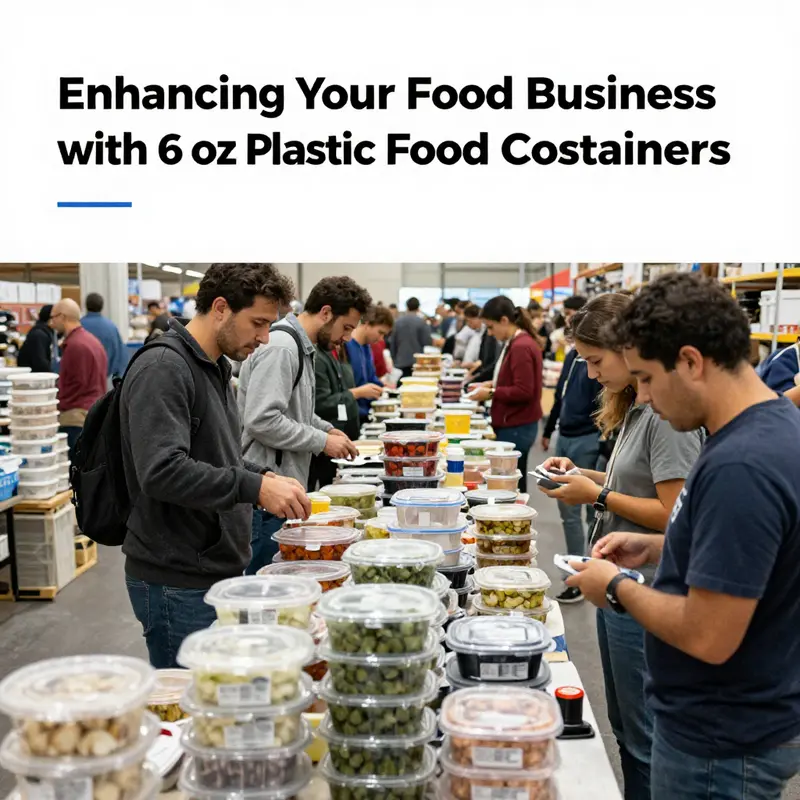
The market for 6 oz plastic food containers is not merely a niche segment in the packaging world but a significant pillar in the global food industry. Their small size and robust material properties allow these containers to bridge the gap between functionality, cost efficiency, and creative presentation. Producers around the world have refined their manufacturing processes to ensure that the containers meet stringent food safety standards and provide the optimal blend of transparency, durability, and seal integrity.
From the bustling industrial districts in Asia to specialized packaging plants in Europe and North America, the availability of these containers has soared largely due to the innovations in plastic processing technologies. Manufacturers have invested in mold designs and automation to ensure mass production can match the demands of both small food businesses and large-scale catering operations. An added benefit is that the containers, commonly produced from materials such as polypropylene (PP) or PET, offer chemical inertness and high clarity. This means that the food insides are not only protected from contaminants but are also visually appealing, showing off the inherent colors and textures of the dishes they contain.
Economically, the production of 6 oz plastic food containers plays a vital role in the supply chain for a variety of businesses, from local restaurants to multinational food service companies. The low cost of raw materials and the efficiency of high-volume production allow suppliers to offer these containers at highly competitive prices. As seen on major global wholesale platforms, suppliers list prices that start from as little as a fraction of a cent per unit when ordered in bulk. This economic efficiency empowers companies to invest in additional value-adding customization such as branding via silk screen or heat transfer printing. By tailoring container aesthetics to suit brand identities, businesses can promote recognition and customer loyalty while also ensuring that the packaging meets the operational needs of modern food services.
The inherent simplicity of a 6 oz container belies its multifaceted uses in the marketplace. In fast food, portion control is crucial; these containers are ideally sized to provide just the right servings for meals and snacks. In retail environments, the transparent and compact design allows consumers to see the product clearly, thus driving impulse purchases. Moreover, in meal kit delivery and ready-to-eat packaging, the economic and practical aspects of these containers combine to provide a win-win for both businesses and consumers. Their utility extends beyond just the single-serving format: many companies have expanded their inventory to include variants with strengthened corners, leak-proof lids, or even matte finishes that convey a premium feel.
Another crucial economic driver in this market is the global shift towards heightened food safety and hygiene practices. In recent years, evolving consumer expectations have placed a premium on convenience and safety in food packaging. The 6 oz plastic food container fulfills these requirements by ensuring that the food remains uncontaminated during storage and transit. As foodservice providers upgrade their protocols in response to modern health standards, the containers find increased relevance. This is not simply because they are disposable items; rather, their design supports both single-use convenience in high-turnover environments and repeated use in settings where quality control is paramount. Their versatility also makes them an attractive option for innovative food presentation at events, pop-up restaurants, and even in home kitchens.
The economic implications ripple through the packaging ecosystem. Small-scale producers rely on these containers to offer high-quality, visually appealing product presentations that stimulate consumer interest. Meanwhile, larger brands utilize the cost-effective nature of these containers to maintain high margins in their packaged food products. The lightweight material further minimizes shipping costs and reduces the carbon footprint associated with the transportation of goods. This confluence of economic benefits has made the 6 oz container a staple in new business models and emerging markets alike.
Supply chains have evolved to accommodate the high demand. Suppliers and manufacturers continually optimize their logistics and distribution channels to ensure that orders can be fulfilled and delivered on time. This is particularly evident on prominent B2B platforms, where volume orders drive the dynamics of bulk trade. Strategic partnerships and industrial networks have enabled a more resilient supply chain, one that is less vulnerable to disruptions that might otherwise affect niche markets. For instance, the integration of digital ordering systems and automated logistics tracking has streamlined the purchasing process, allowing businesses to secure high-quality packaging even during periods of peak demand.
In this interconnected market environment, the economic impact is felt not only through direct sales but also via the ancillary benefits of packaging customization. Businesses have discovered that adding a personalized touch to what might otherwise be seen as a commodity item can transform a mundane container into a tool for marketing and brand identity reinforcement. A restaurant chain, for instance, may opt for containers branded with its logo and a unique color scheme that reflects its culinary philosophy. Similarly, premium brands may choose containers with a matte finish or a custom grip that enhances the tactile experience. These subtle differentiators collectively uplift the overall consumer experience and enable companies to command higher price points or secure repeat business.
Manufacturing economics also play a role in the environmental considerations of these containers. As global attention focuses increasingly on sustainability, manufacturers have adopted cleaner production practices in the production of plastic containers. Although 6 oz food containers are traditionally made of virgin plastics, many manufacturers are now exploring recycled content options and innovations in sustainability. This is not a panacea, however; the life cycle of plastic packaging still demands careful management to reduce environmental impact. Nonetheless, the economic scalability combined with ongoing research into smarter recycling techniques positions these containers to remain competitive in markets where green credentials are becoming as crucial as cost efficiency.
Cost predictability is another attractive aspect of the 6 oz container market. The simple design and standardized dimensions allow for predictable production costs. Businesses can forecast their inventory needs with greater accuracy, knowing that the packaging will remain stable in price when ordered in the high-volume scenarios typical of large chain operations. In addition, innovations such as leak-proof lids and reinforced designs mitigate the risk of damage during shipping, reducing waste and reinforcing the economic rationale for bulk purchases.
Innovation in this sector is not stagnant. As customer needs evolve, manufacturers are rapidly iterating on design aspects ranging from material composition to ergonomic features. The competition is fierce on global trade platforms, where buyers can compare specifications such as temperature resistance, seal integrity, and aesthetic options. The pace of innovation also drives economic benefits through improved production practices and lower wastage. A prime instance of innovation is seen in containers that offer longevity through repeated usage while maintaining their integrity during high-temperature applications such as sterilization in commercial kitchens.
The market is also benefitting from the globalization of trade. With digital marketplaces connecting suppliers from diverse regions, even small packaging producers can gain access to international buyers. This democratization of trade has led to increased standardization across markets, as suppliers adopt industry-standard certifications and quality checks to appeal to a global clientele. Such standardization not only boosts buyer confidence but also encourages cost-effective practices at scale. A unified approach to quality assurance has enabled buyers to source identical products from different suppliers, thus driving competitive pricing and fostering a healthy, dynamic marketplace.
At the heart of this economic landscape lies the concept of supply chain resilience. Strategic sourcing, inventory management, and logistics innovations have coalesced to create an ecosystem in which economic shifts are managed with agility. Even in times of disruption, the modular nature of 6 oz plastic food containers means that businesses can pivot quickly, ensuring minimal downtime. This agility is critical, particularly for companies that depend on prompt and reliable packaging solutions to serve fast-paced consumer markets.
A further economic advantage is the ability to repurpose these containers beyond their traditional food storage roles. With a creative lens, many businesses have found that these containers can be adapted into solutions for other industries. For example, in retail and gift packaging, the containers have been converted into elegant storage boxes or sample holders. Even in the industrial sector, variations of the container have found useful applications in logistics and maintenance. Such versatility expands the market reach of what might otherwise be seen as a commodity item and highlights the economic ingenuity that businesses can apply to standard packaging solutions.
Given the breadth of applications, the competitive pricing of the containers is simply one part of the total value proposition. Businesses are increasingly aware that packaging is an extension of their brand identity. Customization options empower brands to express individuality while still benefiting from the economies of scale that make these containers affordable. The cost-to-benefit ratio becomes particularly attractive when a simple packaging upgrade can lead to higher consumer engagement and repeat business. The seamless integration of branding and functionality makes these containers a prime example of how industrial design and marketing strategy can coalesce to drive economic impact.
Looking ahead, market analysts predict that the demand for 6 oz plastic food containers will only increase as consumer trends continue to favor convenience without compromising quality. Changes in dining habits, the growing popularity of ready-to-eat meals, and emerging trends in home cooking are expected to stimulate both demand and innovation. As companies invest in more resilient packaging solutions and explore new markets, the continuous evolution of design and material properties will likely drive further cost reductions and market expansion.
This economic transformation is not confined solely to the food-service industry. For small-scale bakeries, gourmet coffee shops, and even artisanal food producers, the adoption of standardized, high-quality 6 oz containers has led to improved operational efficiencies and more attractive product presentations. With economies of scale at work, these businesses can maintain profitability while offering competitive prices. The ripple effects of such improvements extend to supply chain partners—from raw material suppliers to logistics providers—thereby reinforcing the strength of the overall packaging industry.
Market fluidity is further enhanced by the fact that 6 oz plastic food containers can be rapidly adapted to meet varying regulatory conditions across regions. As food safety standards evolve, especially in response to emerging health concerns, the design of these containers is continuously refined to ensure compliance. This regulatory adaptability has economic implications as well; products that pass stringent international standards enjoy a broader market base, helping manufacturers to secure long-term contracts and stable revenue streams.
In the realm of innovation and customization, trends are emerging that push the boundaries of what these containers can offer. For example, new designs sometimes incorporate integrated features such as snap-fit lids with enhanced structural support, catering to the needs of on-the-go consumers who require leak-proof and secure options. A niche, yet growing, segment involves personalized packaging for gourmet or boutique food items. Companies are experimenting with limited edition prints or collaborative designs that align the container with seasonal promotions or specific promotional campaigns. This kind of targeted customization not only boosts the perceived value of the product but also fosters a deeper connection between consumers and the brand. An excellent example of the innovation in food packaging can be observed in the realm of the innovative disposable sauce box packaging solution, where functionality and aesthetics merge seamlessly, paving the way for more sophisticated container designs in future applications.
In summary, the robust availability and economic advantages of 6 oz plastic food containers render them indispensable to multiple industries across the globe. Their production supports a cascade of cost efficiencies—reducing logistical expenditures, minimizing material waste, and offering innovative customization options. These containers play a role far beyond simple storage; they are an essential instrument in modern branding and serve as a linchpin in the dynamic supply chains that power today’s food industry. For those interested in exploring further insights into the product specifications, sourcing options, and even deeper dives into market trends, detailed information can be found at Alibaba’s 6oz Plastic Food Containers Overview.
The overarching narrative is one of adaptability, economic strength, and innovative design. As the marketplace continues to evolve, the humble 6 oz plastic food container remains a testament to the power of combining functionality with modern manufacturing techniques. This combination has ensured not only its survival but its thriving presence in a market that values both efficiency and quality. In the broader tapestry of food packaging, these containers represent an evolving segment that continues to shape both economic landscapes and everyday consumer experiences.
Practical Versatility: How 6 oz Plastic Food Containers Elevate Culinary Efficiency in the Modern Food Industry
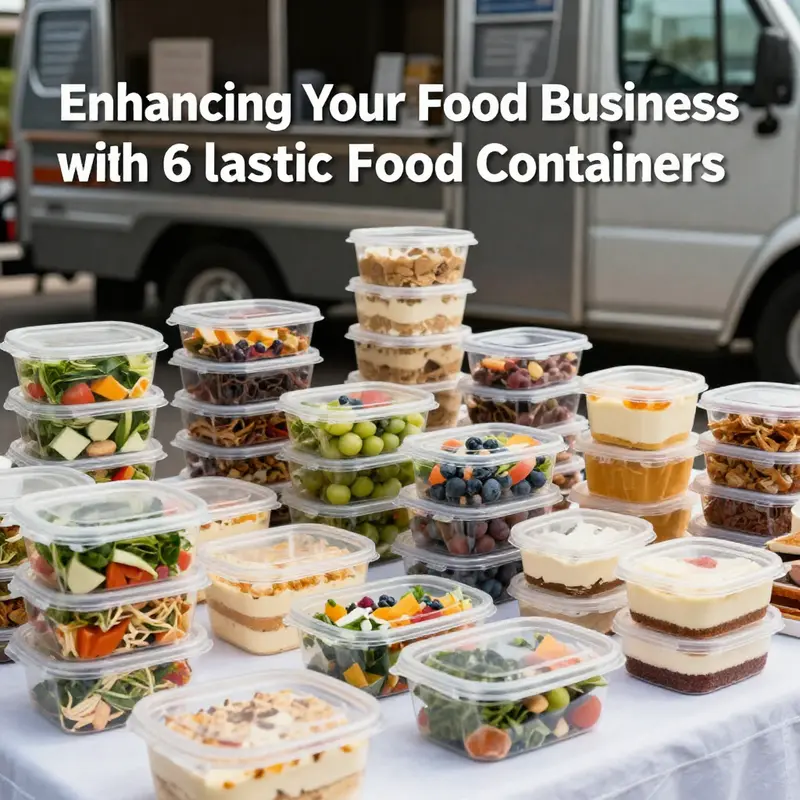
6 oz plastic food containers have emerged as an indispensable part of the modern food industry, providing an efficient and versatile solution for packaging a wide variety of food items. These containers are the unsung heroes behind controlled portion sizes and pristine food presentation. Their design, made from food-grade plastics such as polypropylene (PP) and polyethylene terephthalate (PET), ensures that each container maintains its chemical stability, aesthetic transparency, and durability under a range of temperatures. In an industry where safety, convenience, and quality go hand in hand, these containers play a central role in delivering products in a format that is both appealing and reliable. With a design that allows for secure sealing and easy handling, they suit applications spanning from restaurants and caterers to home kitchens and high-volume food services.
In many restaurants and catering operations, the consistent size and reliability of 6 oz containers make them ideal for serving sauces, dressings, and dips in a controlled manner. Chefs and kitchen managers appreciate the pre-measured capacity that these containers offer, as they help in reducing food wastage and ensuring a standardized serving quantity. When used to serve side dishes or ingredients that complement main courses, they not only enhance the guest experience by offering neat and tidy presentations but also lend themselves to the intricate art of plating. The uniform appearance of these containers adds to the visual appeal, which is as crucial as the taste of the food. When customers see neatly packaged sauces or condiments, they immediately perceive a sense of care and attention to detail, thereby reinforcing a restaurant’s commitment to quality.
The convenience of 6 oz plastic food containers extends into fast food and takeout establishments as well. Small single-serve items such as desserts, snacks, and side orders require packaging that can be securely sealed and easily carried. These containers are often paired with snap-on lids or screw-type closures that prevent any leakage during transit. Their lightweight nature makes them preferable for a fast-paced environment where efficiency and mobility are paramount. The food inside remains protected from contamination, and the packaging design helps to sustain the perfect temperature balance for both chilled and moderately heated items. In busy urban centers where takeout orders multiply rapidly, these sturdy yet adaptable containers allow food providers to maintain service quality even under high-pressure conditions.
The role of 6 oz plastic food containers in meal preparation and storage cannot be overstated. Meal prep enthusiasts, as well as professional food service kitchens, often rely on these containers to store pre-portioned ingredients and leftovers. Their transparent construction is exceptionally useful for quickly identifying whether a container holds salad dressings, fruits, dips, or sauces. This feature aids in maintaining an organized inventory and reduces the time spent searching for the right container during busy hours. Additionally, some designs of these containers are engineered to be both microwave- and freezer-safe, making them perfect for multi-stage meal processing where food needs to transition from storage to reheating without compromising quality. Their robust construction ensures that the food remains uncontaminated and fresh, even when subjected to multiple temperature shifts during storage and consumption.
Beyond the realm of kitchens and restaurants, 6 oz containers also find a significant place in retail packaging and gifting scenarios. Artisanal food producers often prefer these containers because they allow for creative presentation without sacrificing functionality. By customizing container exteriors with branded labels or decorative printing, businesses can create a distinctive look that appeals to a niche market. For example, boutique shops that offer specialty items like homemade jams, gourmet dips, or freshly baked treats can use these containers to showcase their products in an elegant manner. The minimalist design of these containers not only reinforces a modern aesthetic but also maximizes visual appeal on store shelves or at food fairs. Consumers often associate clear packaging with transparency in product quality, and many food brands leverage this perception by opting for containers that offer a view of the product inside. This sense of openness not only builds trust but also enhances the overall purchasing experience.
The reliability and adaptability of 6 oz plastic food containers become particularly valuable in commercial settings where high demand meets the necessity for robust performance. In bustling commercial kitchens, where hundreds of portions might be prepared daily, the durability of these containers ensures that the risk of breakage during handling or transportation is minimized. Some food service operations require an extra layer of resilience, especially when containers are exposed to vibrations during delivery or sudden temperature changes during storage. Manufacturers often respond to these needs by reinforcing their container designs, such as incorporating strengthened edges to prevent accidental chipping. This attention to detail means that even in high-volume operations the reliability of the container remains uncompromised, supporting the flow of daily business operations without unexpected interruptions. In this context, the container’s design is not merely about holding food; it becomes an integral part of the process, ensuring that each element—from portion control to preservation—is handled with care.
In environments such as cafeterias, buffets, and catering events, operational efficiency is paramount. The small footprint of 6 oz containers allows for easy stacking and storage, which is crucial in tight spaces where every inch is valuable. For constituent team members, the ease of transport, stacking, and cleanup translates into smoother service and reduced labor intensity. Their practical design assures that even when placed in transport vehicles or stored in densely packed refrigerators, the containers remain stable and secure. Moreover, in instances where these containers are used for individual servings at events, the fine balance between functionality and presentation serves to enhance the overall customer experience. The containers are designed to withstand the rigors of a bustling event while ensuring that food reaches its destination unharmed and visually appealing. This blend of technical efficiency and aesthetic charm is what has solidified the container’s reputation in both small-scale and large-scale food service operations.
Innovations in design and material selection continue to drive improvements in the performance of 6 oz plastic food containers. Researchers and manufacturers are consistently exploring modifications that might include enhanced sealing mechanisms or more sustainable materials to meet the evolving needs of the food industry. For example, while food safety and contamination prevention remain key priorities, there is also a growing emphasis on environmental friendliness. Advances in recyclable and biodegradable plastics are beginning to influence how these containers are produced, ensuring that they meet standards for both performance and sustainability. The integration of such innovations means that companies using these containers can potentially reduce their ecological footprint without compromising utility. Forward-thinking food service businesses are already contemplating these advances as competitive factors in their overall operational strategy, viewing their packaging choices as extensions of their brand values. This forward momentum reflects the broader trend in the food industry towards innovations that marry functionality with environmental responsibility.
The versatility of these containers is further highlighted when one considers the diverse range of applications that extend beyond conventional food settings. Whether it is mobile food vending operations, specialty cafes, or even at-home applications where convenience meets creativity, 6 oz plastic food containers have proven adaptable to nearly every imaginable scenario. They are not solely limited to the realm of food storage; innovative uses have expanded into areas such as portion-controlled distribution of non-food items in some gourmet setups or as part of a creative packaging solution that blends culinary art with consumable products. Their capacity to hold a standardized volume makes them ideal for applications in which precision is key. Even in non-traditional contexts where presentation is as important as the content itself, these containers provide a reliable platform that aligns with both the practical and imaginative demands of contemporary food presentation. Linking this discussion to broader culinary trends, one may also explore the benefits of specialized packaging like the ones detailed in this guide on disposable sauce boxes designed for leak resistance and efficient storage. Such solutions, along with standard 6 oz containers, collectively form the backbone of many modern food packaging strategies.
The evolution of 6 oz plastic food containers is indeed a reflection of the broader transitions within the food industry. As culinary practices continue to diversify and as consumer expectations rise, especially regarding food safety and presentation, these containers adapt to meet driven market demands. From small start-up eateries to well-established restaurant chains and high-volume catering services, every stakeholder in the supply chain benefits from the simplistic yet effective design of these packaging solutions. Their role is not confined to merely holding food; they actively contribute to operational management, enhanced service delivery, and even the branding efforts of businesses. A restaurant’s ability to offer consistent portion sizes, for example, directly correlates with customer satisfaction and operational efficiency. Such attention to detail can lead to improved inventory management and waste reduction, factors that are critical in maintaining the delicate balance between profitability and quality.
Furthermore, the user-friendly nature of these containers supports labor efficiency in kitchens and food service operations. In many fast-paced food settings, every second counts, and the ease with which these containers can be filled, sealed, stacked, and transported is invaluable. When every operational detail is considered—from precise measurements to leak-proof lids—the cumulative effect is a system that supports smooth day-to-day activities. In a competitive market, even marginal improvements in kitchen workflows can lead to significant cost savings and service improvements. The domino effect of using such containers can be seen in reduced cleaning times, lower incidences of spillage during transport, and less time spent re-packaging or managing waste. Each of these aspects contributes to a leaner, more efficient operation overall.
In the continuous pursuit of innovation, the journey of the 6 oz plastic food container remains a testament to the dynamic interplay between design ingenuity and practical necessity. As manufacturers refine production techniques and explore new materials, end-users in the culinary world stand to gain from products that not only meet but often exceed existing performance standards. Industry observers note that enhancements in container design are influencing overall food presentation trends, ensuring products are both visually attractive and functionally sound. Emphasizing these benefits nurtures a culture of excellence in the preparation and service of food, ultimately benefiting everyone in the supply chain—from the producer and service provider to the final consumer. The continuous improvement of these containers is an example of how attention to seemingly mundane details can lead to significant overall advancements in the food and beverage sector.
For industry professionals and kitchen managers, the strategic importance of selecting the right type of food container is clear. Every decision, from the selection of materials and design features to the method of application, has a direct impact on the quality and safety of food served. As trends push towards more sustainable and innovative solutions, the strength and reliability of the 6 oz container are likely to give way to even more advanced packaging solutions. However, the core benefits they provide remain timeless: robust construction, ease of handling, and impeccable presentation. In the fast-evolving landscape of the food industry, these containers prove to be both functional and forward-thinking.
For further insights into how the container’s material and design are integrated into modern food service operations, interested readers can explore more detailed industry resources such as the article available at 6 Oz Food Containers: Composition, Classification, and Industrial Catering and Food Service Industry Insight. These resources offer a closer look at the nuanced interplay between container design, food safety, and operational efficiency that continues to drive innovation in the industry.
Mastering 6 oz Plastic Food Containers: Navigating Pitfalls and Embracing Proven Practices
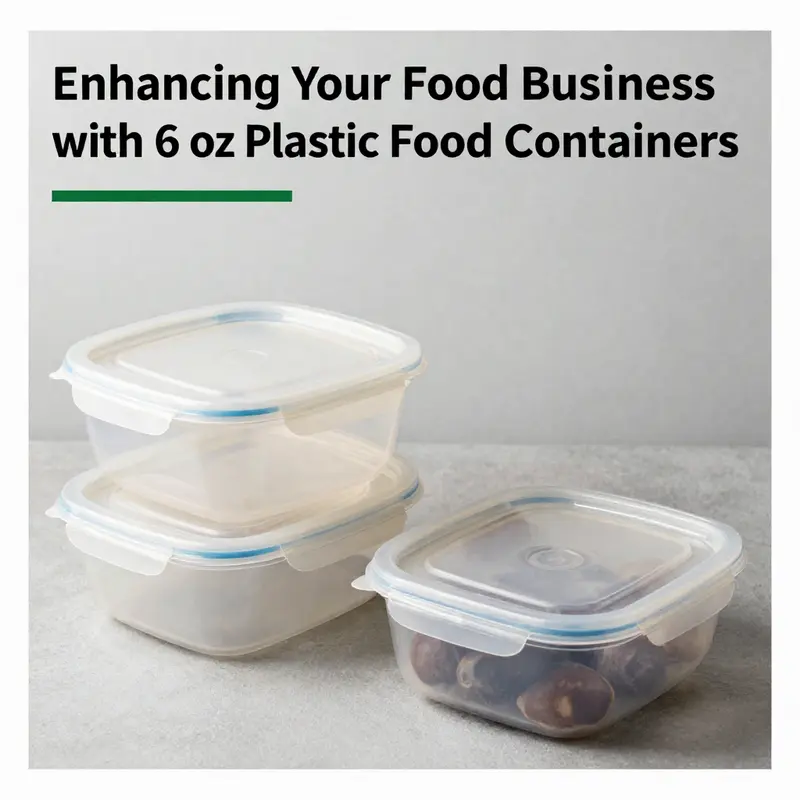
In the complex world of food packaging, 6 oz plastic food containers serve as small yet essential components in maintaining food quality and safety. These containers, typically constructed from PET or high-quality polypropylene, have become indispensable in diverse settings ranging from home kitchens to commercial food establishments. However, despite their many advantages, these containers present challenges that need careful management. A comprehensive understanding of these hurdles and the best practices to overcome them is vital for safeguarding food integrity and ensuring that both consumers and commercial users reap the full benefits of this packaging solution.
One of the primary challenges associated with 6 oz plastic containers is the risk of chemical migration. Chemical leaching can occur if the plastic is of lower quality or if it is exposed to conditions outside its recommended temperature range. When containers made from substandard materials are used, particularly if they are not specifically engineered to be food-safe, there is a potential for harmful substances to seep into food products. This process is often accelerated by high temperatures, acidic foods, or fatty substances, each of which can stress the plastic and compromise its chemical stability. Such concerns are not theoretical; they play a significant role in how both manufacturers and users come to select the proper materials, balancing cost with the need for safety. Manufacturers, therefore, invest in rigorous testing protocols to ensure that only BPA-free, food-grade plastics are deployed in the production of these containers. This reinforces the idea that strict adherence to safety standards is essential to eliminate the risk of contamination, thereby protecting consumer health and maintaining product integrity.
Beyond the risk of chemical leaching, another significant challenge lies in the physical and sensory alterations that the containers may experience over time. Many of these containers have a propensity to absorb odors and stains, a phenomenon exacerbated by repeated cycles of use and cleaning. Even when food residues are thoroughly washed from the exterior, subtle traces of smell can persist and may even be transferred to other items stored in them. This leads to cross-contamination, where the distinct aroma of one food item might intrude upon another, thereby diminishing the overall food experience. The accumulation of stains not only affects the aesthetic appeal of the containers but can also suggest poor hygiene practices. Thus, maintaining the pristine condition of the containers requires more than just surface-level cleaning—it calls for the implementation of meticulous care routines that are sensitive to the material properties and usage patterns of these containers.
Physical durability is another area where 6 oz plastic containers face significant challenges. While these containers are engineered to be lightweight and cost-effective, they are susceptible to mechanical stress. If subjected to repeated impacts, such as dropping or abrupt physical shocks, the containers can develop cracks or become deformed, compromising their ability to function as ideal storage units. Thermal shock, which can occur when a container transitions rapidly from a freezing environment to a hot one or vice versa, further compounds these structural weaknesses. For instance, transferring a container directly from the freezer to a hot microwave environment without gradual warming can cause warping, brittleness, or, in extreme cases, the release of microscopic particles that further degrade the container’s integrity. Such vulnerabilities highlight the importance of understanding the limits of plastic materials and ensuring that they are employed in contexts that align with their designed operational ranges.
Light plays an underestimated yet critical role in preserving the quality of stored food. Many 6 oz plastic containers are designed with a transparent structure that enables consumers to easily view their contents. However, this clarity comes with a trade-off: full exposure to light, particularly ultraviolet (UV) rays, can degrade sensitive ingredients. Light-sensitive products such as certain oils, vitamins, or fresh produce may suffer in quality when exposed over extended periods, as UV light can lead to oxidation and nutrient loss. Although some manufacturers offer tinted versions of these containers—amber, green, or blue variants that provide partial protection—the risk remains for those opting for fully transparent models. The careful balance between visibility and protection is, therefore, a central theme that manufacturers need to address through innovative design choices and customer education.
Leak prevention is another critical concern that has both practical and environmental implications. Inadequate lid designs or improperly sealed containers can lead to leakage during transportation or storage, resulting in significant food waste and potential safety hazards. Particularly for commercial operations where throughput and consistency are paramount, a single lapse in leak-proof performance can not only lead to a loss of product but also undermine user confidence in the packaging. In response, many container manufacturers have incorporated advanced engineering solutions, such as enhanced sealing mechanisms and reinforced edges, to ensure that the containers withstand the rigors of daily use. This focus on leak resistance is a prime example of how continuous improvements in design can overcome inherent material challenges and deliver reliable performance in even the most demanding conditions.
Addressing these challenges effectively requires a proactive approach that blends careful material selection with prudent usage practices. First and foremost, it is essential to choose containers made from food-grade, BPA-free plastics. These materials have been formulated to meet stringent safety standards and have undergone extensive testing to rule out the possibility of harmful chemical migration. Further, opting for containers that are also environmentally sustainable—such as those labeled recyclable or produced using post-consumer recycled (PCR) materials—helps reduce environmental impact, an increasingly important consideration for both manufacturers and end-users alike.
Temperature management is another cornerstone of best practices. Users must be vigilant in protecting the containers from extreme temperature fluctuations. For example, placing a cold container in a rapidly heated microwave environment, even for a brief moment, can cause the plastic to fail. In instances where heating is necessary, it is advisable to remove the lids to prevent the build-up of pressure that can lead to warping or inadvertently releasing substances from the plastic. Such guidance is particularly relevant for commercial entities that rely on these containers for quick service delivery and must therefore institute robust protocols to prevent mishandling during food preparation and reheating.
The importance of cleaning and proper maintenance cannot be understated when it comes to extending the lifespan of 6 oz plastic containers. Regular hand washing or the use of a dishwasher set to moderate temperatures (preferably below 120°F/49°C) helps to preserve the structural integrity of the containers. It is also advisable to avoid abrasive cleaning agents that might scratch or erode the container’s surface, potentially creating niches where bacteria can proliferate. Over time, even minor scratches can accumulate and lead to more significant hygiene risks, making regular inspection and replacement of compromised containers a key component of an effective maintenance regimen.
For businesses that require a steady supply of high-quality food storage solutions, bulk purchasing offers an attractive pathway to both cost savings and operational consistency. When large quantities of containers are acquired, the consistency in production quality becomes an asset that reduces the risk of discrepancies in performance. Bulk purchases not only ensure a uniform standard across the board but also facilitate customization options such as silk-screen printing or heat transfer labeling. These personalized touches enhance brand identity and provide clear, visual indicators to assist in the organization and identification of contents. An example of such practical application can be found when linking to a range of customizable packaging solutions; interested users might explore options available in the market for streamlined takeaway packaging by following this link. This integration of practicality and aesthetics encapsulates one of the most effective ways to manage operational efficiencies while also promoting brand recognition.
For products that are particularly sensitive to light, opting for opaque or tinted containers is a tactical choice that can greatly extend the shelf life of the contents. While convenience in monitoring the contents through a transparent container is advantageous, the degradation of compounds due to light exposure presents a compelling case for using tinted variants. The additional cost associated with these designs is often offset by the enhanced durability and quality preservation that they provide. In sensitive applications, where the quality of the stored product is paramount—such as in the case of certain oils, herbal extracts, or specialized nutritional supplements—the decision to invest in light-blocking features can yield significant long-term benefits.
Another layer of consideration involves the design and engineering of the container lids. High-quality lids play an indispensable role in ensuring that the container remains leak-proof and that its contents are secure during transit. In environments where vibrations, sudden movements, or changes in atmospheric pressure are common, even minor imperfections in the sealing mechanism can lead to catastrophic leaks. Manufacturers have developed solutions by incorporating gasket elements or using reinforced locking systems that enhance the overall reliability of the product. Such innovations underscore the necessity of continual investment in research and development to refine container design and meet the ever-evolving demands of food safety and convenience.
The interplay between these various challenges and corresponding best practices creates a scenario in which user education becomes as critical as product innovation. Both commercial clients and individual consumers benefit from understanding the limitations and strengths inherent in 6 oz plastic containers. Manufacturers and food service providers must work in unison to disseminate information regarding proper usage, cleaning, and care routines. Training programs, detailed user manuals, and instructional packaging can help bridge the gap between product potential and effective use, ensuring that the containers deliver consistent performance throughout their lifecycle.
In commercial applications, additional factors such as the frequency of use and exposure to aggressive cleaning agents even necessitate the systematic rotation of stock to minimize the wear and tear on any single container. Businesses might consider implementing a routine check and replacement schedule to prevent the unintended consequences of repeated exposure to environmental stressors. By standardizing best practices across operational protocols, food service establishments can ensure that their packaging remains both safe and functional, even under the most demanding conditions. The result is a system where practical considerations meet engineering precision, ultimately extending the functional life of the containers and protecting the user experience.
Beyond the factors of safety and durability, one must also consider environmental sustainability. As concerns over plastic waste mount, there has been a steady shift towards using materials that not only meet performance standards but also have a reduced environmental footprint. The integration of recycled materials into the production process and the encouragement of recycling at the consumer level are both critical components of a sustainable packaging strategy. Consumers and businesses alike are increasingly mindful of the environmental impact associated with single-use plastic products. Thus, selecting containers that are labeled recyclable or manufactured from recycled content not only addresses immediate performance needs but also aligns with a broader commitment to environmental stewardship.
Commercial operators need to balance the benefits of reusability with the risks associated with cumulative wear. In many fast-paced food service environments, the use of disposable 6 oz containers is justified to avoid issues associated with excessive reuse, such as the absorption of flavors or structural degradation. However, for applications where reuse is feasible, proper maintenance and scheduled replacement become paramount to ensure that safety is never compromised. The decision between disposable and reusable models often comes down to a careful analysis of cost, risk, and the specific application at hand.
Ultimately, the journey toward mastering the use of 6 oz plastic food containers is one defined by a blend of scientific insight, engineering innovation, and proactive operational practices. The challenges—from chemical leaching and odor absorption to structural fragility and light-induced degradation—are met with solutions that emphasize careful material selection, robust design standards, and detailed user education protocols. These measures not only safeguard the integrity of the stored food but also build consumer trust in the reliability of the product.
Advancements in manufacturing continue to push the boundaries of what is possible with plastic packaging. Research and development efforts are simplifying the complexities of temperature resistance, chemical stability, and leak-proof performance. With each incremental improvement, the industry moves closer to a future where the benefits of convenience, safety, and sustainability are in perfect harmony. As users—from home cooks to high-volume commercial kitchens—become more informed about the intricate interplay of these factors, the humble 6 oz container evolves beyond a mere holding vessel into a cornerstone of modern food packaging.
For those seeking further technical insights, detailed specifications and options for customization are available from industry leaders. A particularly valuable external resource is provided by Alibaba, which offers extensive listings and technical details that further illuminate the advancements in food-grade plastic containers. More details can be found at this comprehensive resource: https://www.alibaba.com/product-detail/4oz-6oz-8oz-12oz-16oz-plastic-cookie_1600574331476.html.
By linking robust safety practices with innovation, the industry ensures that 6 oz plastic food containers remain at the forefront of food packaging technology. This delicate balance of risk management and proactive care demonstrates that even the smallest container can play a pivotal role in ensuring food safety and quality. The continued collaboration between manufacturers, regulatory bodies, and end-users is essential in driving further improvements, ensuring that the best practices evolve in tandem with new challenges. Embracing these strategies not only enhances operational efficiency but also fortifies the overall value proposition of a product that is central to many facets of our daily lives.
Final thoughts
6 oz plastic food containers are invaluable assets for businesses across the food industry. Whether you’re operating a bubble tea shop, a catering service, or a food truck, understanding their material composition, market implications, diverse applications, and the challenges they present is crucial. By leveraging these insights, you can enhance your offerings, improve operational efficiency, and ultimately provide better service to your customers. Invest in high-quality containers that meet your needs, and watch how they elevate your food presentation and customer satisfaction.