
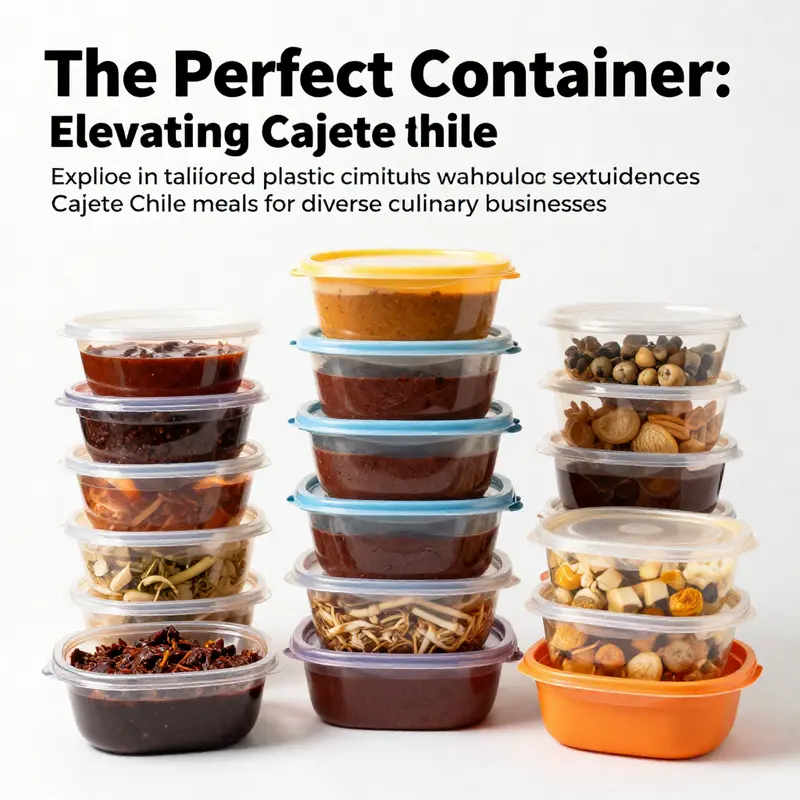
Understanding the significance of suitable food packaging has never been more crucial, especially for specific delicacies like Cajete Chile. Fast food restaurants, bubble tea shops, food trucks, event planners, and catering services can all benefit from the right plastic containers designed for Cajete Chile. This article will explore the practical applications in the fast food industry, the economic advantages of transparent containers, the technological challenges replacing metal cans, and the societal implications of using plastics. Each section will provide a comprehensive insight into how plastic packaging not only meets the needs of culinary businesses but also supports a sustainable future for food service.
Revolutionizing Fast Food Sustainability: The Journey of Plastic Containers in Cajete Chile Packaging
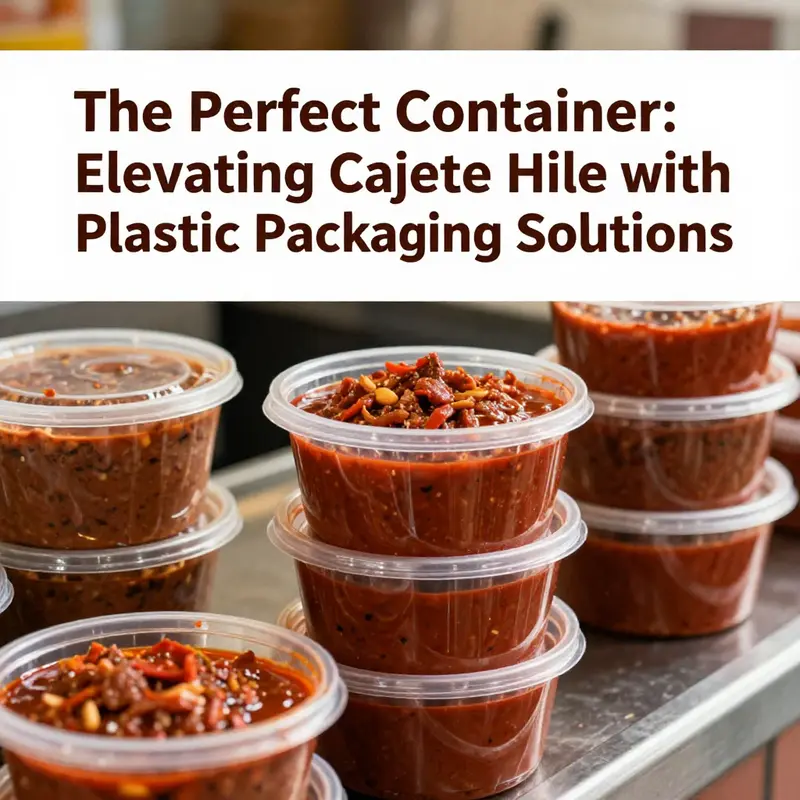
Plastic containers have long been an integral part of the fast food industry’s rapid service and on-the-go meal trends. In recent years, however, these containers have evolved from being a simple tool for portioning and transportation into sophisticated packaging solutions that now cater to the intricate demands of specialized food items such as Cajete Chile. While the term Cajete Chile might evoke images of traditional Mexican flavors and artisanal preparation methods, the modern production and delivery environment of fast food has driven manufacturers to reimagine packaging materials with an eye toward durability, cost reduction, and sustainability.
The evolution of plastic containers for food begins with the recognition of convenience and the fundamental utility that plastics bring to food service operations. Fast food chains rely heavily on containers that can withstand high temperatures and secure fast-moving logistics without compromising food safety. For instance, these containers are designed to hold piping hot items such as fried foods as well as chilled ingredients, ensuring that the context of a Cajete Chile meal—an assembly of signature recipes that are both vibrant and perishable—is preserved until it reaches the consumer. The meticulous engineering behind these containers typically involves using food-grade polymers such as polypropylene (PP) and polyethylene terephthalate (PET), each chosen for specific properties such as clarity, chemical inertness, and heat resistance.
Historically, the focus of plastic packaging in the fast food industry was almost singularly fixated on performance during transportation: sturdy enough for delivery, lightweight to reduce fuel consumption, and cost-effective in mass production. However, the modern era has seen an important shift. Today’s consumers are more informed than ever about environmental issues, prompting leading fast food establishments to retool their packaging processes. With the growing criticism of single-use plastics and the potential negative impact of traditional plastic waste on the environment, manufacturers and food chains alike are pushing for alternatives that merge performance with eco-friendly attributes.
Many industry players have begun incorporating recycled materials and biodegradable formulations into plastic container production. This trend is also resonating in the specialized segment of Cajete Chile products, where flavor integrity and presentation are prized. While Cajete Chile might not be a mainstream term in conventional food packaging discussions, its association with vibrant, spicy ingredients has driven innovations in container design. The new generation of plastic containers ensures that spicy sauces and tender meats are protected from external contaminants while also presenting a visually appealing product that communicates freshness and quality. This development is proving especially significant in fast-food scenarios where heat retention, spill prevention, and ease of handling are core requirements.
One aspect that illustrates the meticulous nature of modern plastic container design is the behavior of these materials under variable environmental conditions. Containers used for Cajete Chile must reliably withstand both the intense heat of freshly cooked meals and the cooler environments during storage and transit. Engineers have responded to these challenges by experimenting with different polymer blends and additives that improve temperature resistance without sacrificing structural integrity. The resulting products offer a robust option for fast food service that not only meets food safety regulations mandated by organizations such as the FDA and the European Union but also aligns with consumer preferences for packaging that is both modern and safe.
Simultaneously, the industry has witnessed a growing interest in transparency and customization. Manufacturers now often produce containers with clear or translucent materials that allow the end consumer to visually appreciate the food inside before purchase. This trend is particularly effective for Cajete Chile products, where vibrant ingredients can be showcased to enhance consumer anticipation and satisfaction. The ability to see the contents also builds trust, as it reassures buyers that the food is fresh and carefully assembled. In some cases, containers feature multi-compartment designs that help segregate different components of a meal, thus preserving the integrity of each item until it is ready to be enjoyed. Such design innovations reflect a well-balanced confluence of functionality and aesthetics.
While plastic has been the material of choice for many decades, environmental concerns have accelerated research into sustainable alternatives. Several fast food establishments have already started leveraging eco-friendly packaging options, such as biodegradable and compostable containers derived from plant-based formulations. This shift not only responds to regulatory pressures in various jurisdictions but also reflects a broader commitment to environmental stewardship among industry leaders. As a result, containers that once epitomized a single-use mindset are now being re-engineered to leave a reduced environmental footprint. In parts of the world where Cajete Chile is a cherished food tradition, the integration of sustainable packaging solutions is as much a nod to local ecological ethics as it is an embrace of global trends in sustainability.
Transitioning from traditional plastics to more sustainable alternatives, however, is not without its challenges. One of the primary hurdles in replacing conventional food-grade plastics with biodegradable materials has been the need to strike an optimal balance between functionality and environmental impact. While biodegradable containers might dissolve under specific conditions, ensuring that they remain robust during the heat of transport and storage is critical. To address these challenges, researchers and manufacturers have invested heavily in experiments and trials, resulting in products that maintain their integrity when used and break down safely post-use. These advanced materials are beginning to see adoption in fast food operations where Cajete Chile offerings are a part of the menu, and it is clear that the future lies in marrying high performance with a commitment to sustainability.
This innovation has manifested in various formats: transparent containers that allow for the visual attraction of the product, multi-compartment designs for separating spicy sauces from other ingredients, and containers engineered to maintain heat and moisture levels within optimal ranges. In many instances, these new designs are the product of extensive collaborations between container manufacturers and culinary experts, ensuring that the presentation and flavor of Cajete Chile dishes are both safeguarded and enhanced. The integration of sustainability into the design process has opened up opportunities for customized solutions that cater to the unique needs of different cuisines and presentation styles. For example, some modern containers now come with ergonomic features that facilitate easier handling, even when the food is piping hot, thereby improving the overall customer experience.
The benefits of this rigorous approach to container design extend beyond the immediate practical concerns of food safety and sustainability. Embracing innovative packaging can serve as a significant differentiator for fast food chains in competitive markets. In an era when consumers are increasingly influenced by a company’s commitment to environmental issues, adopting modern plastic solutions that are eco-friendly provides a competitive advantage. For instance, a fast food chain that successfully balances the demands of a high-performance plastic container with an environmentally responsible product message is likely to resonate with a more conscientious market segment. This alignment can lead to improved brand reputation, customer loyalty, and a favorable positioning in the market as trends continue to evolve.
In addition to consumer benefits, the production of advanced plastic containers for foods like Cajete Chile stimulates technical and economic advantages within the supply chain. Food packaging represents an essential component of product presentation, logistics, and preservation. Economic efficiencies accrue when containers are lightweight yet durable, reducing transportation costs and minimizing wastage due to breakage during transit. At the same time, these advanced containers contribute significantly to the integrity of the food product. By ensuring that the food retains its flavor, texture, and temperature, packaging technology helps preserve the overall dining experience—a factor especially valuable to fast food establishments that rely on repeat business.
Particularly in operational settings where time and efficiency are as vital as product quality, the role of these advanced containers cannot be overstated. From the moment food leaves the kitchen until it reaches the consumer’s doorstep, the container acts as a silent partner working to secure freshness and minimize mishaps. This attention to detail is critical for meals like Cajete Chile, where a misstep in the packaging process can undermine the culinary experience. Engineers and designers have responded to these needs by creating plastic container solutions that integrate seamlessly with automated packaging lines and high-speed logistics networks. Such integration is indicative of the convergence of culinary art and industrial engineering, where every element of the system is fine-tuned for optimal performance.
Furthermore, the integration of sustainable plastic containers in the fast food landscape is encouraging a broader dialogue on waste reduction. With the staggering amount of single-use plastics generated every day, the shift toward recyclable, reusable, or biodegradable options reflects an industry-wide recalibration of values. It is not merely about containing food; it is about ensuring that the lifecycle of the container—from production to disposal—aligns with environmental best practices. Many companies have taken additional steps by incorporating recycling instructions directly onto the container, educating consumers and encouraging them to participate in waste management initiatives. The transparent communication that accompanies such steps further solidifies the trust between the industry and its customers, a trust that is crucial in today’s fast-paced and information-rich market.
The rise of improved plastic container designs has also stimulated collaborative opportunities across the entire supply chain. Manufacturers are partnering with academic researchers, sustainability experts, and technology firms to explore novel materials and innovative designs that could potentially revolutionize the entire packaging industry. One notable development is the integration of smart packaging elements that use embedded sensors to monitor temperature and spoilage indicators, ensuring that food safety standards are rigorously maintained from creation to consumption. While such innovations are still in the early adoption phase, they offer a glimpse into a future where packaging not only contains but actively communicates information about its contents. This kind of breakthrough is particularly promising for menu items with a delicate balance of ingredients, including those found in Cajete Chile preparations.
The intersection of advanced packaging technology and environmental care represents a significant turning point for the fast food industry. As more businesses embrace sustainable practices, consumers can expect to see more eco-friendly containers that not only satisfy regulatory requirements but also contribute to a cleaner, healthier environment. The transition does not come without challenges; however, the incremental gains in performance and sustainability achieved through continuous research prove that the industry is moving in the right direction. A balanced approach—one that weighs functionality, consumer appeal, and environmental impact—ensures that plastic container innovations remain a critical asset in the delivery of high-quality, safe food.
Even as industries push the envelope of what is possible with advanced plastic solutions, there remains the pragmatic concern of cost. Efficient production methods, economies of scale, and improved supply chain logistics have all contributed to making these containers increasingly affordable. The internal dynamics of food packaging challenge conventional boundaries, leading to a concerted effort towards identifying cost-effective processes that do not compromise on quality or sustainability. For many fast food operators, the decision to adopt new packaging paradigms balances immediate costs against long-term gains in operational efficiency and brand positioning. In many cases, reformulated containers have led to not only a reduction in overall packaging waste but also significant cost savings in logistics and recycling efforts. Detailed case studies have shown that when eco-friendly containers are effectively integrated into the production system, both environmental and economic benefits are realized.
Indeed, the surge in container-related innovation has encouraged many food service providers to reexamine their packaging strategies on a holistic level. This broader perspective takes into account the entire product lifecycle, from the sourcing of raw materials to the eventual disposal of waste. At the heart of this movement is a shared vision that fast food packaging can be both convenient and responsible. For consumers enjoying a meal that includes a delicious serving of Cajete Chile, knowing that every component of the experience has been thoughtfully designed adds a layer of satisfaction that transcends the immediate utility of the container.
For those interested in exploring more about food-grade, eco-friendly packaging innovations, you might find additional insights through resources such as the discussion on multi-compartment, eco-friendly options available from suppliers. An example of this can be discovered through the eco-friendly disposable food-grade packaging solution, which illustrates how advanced design meets practical needs in modern fast food services.
The continuous evolution of plastic containers is emblematic of an industry that is inherently dynamic—constantly adapting to new challenges and consumer expectations. As stakeholder pressures mount and environmental regulations become more exacting, the move towards innovation in packaging will undoubtedly intensify. This convergence of technology, sustainability, and culinary excellence not only redefines the fast food experience but also lays the groundwork for broader industrial transformation. The lessons learned through the journey of plastic containers, especially in high-profile segments like Cajete Chile, provide a blueprint for future advancements that promise both high performance and environmental responsibility.
For further exploration into how leading chains are reshaping their packaging strategies in alignment with broader environmental goals, industry observers can refer to resources such as the detailed report on sustainability trends in fast food packaging available at Chipotle Sustainability Packaging. This external resource offers valuable context and elaborates on the momentum driving the shift towards eco-friendly food container solutions.
In summary, the evolution and application of plastic containers for products like Cajete Chile encapsulate a broader transformation within the fast food industry: one that harmoniously blends innovation, sustainability, and a commitment to quality. By focusing on improving material properties, introducing smart design elements, and fostering sustainable practices, the modern packaging landscape reflects the dynamic interplay of technology and tradition. As the industry continues to innovate and recalibrate, plastic containers will remain at the forefront of ensuring that every meal served is not only delicious but also responsibly packaged for a better tomorrow.
Navigating Cost and Sustainability: The Economic Impact of Transparent Plastic Containers on Cajete Chile Food Packaging
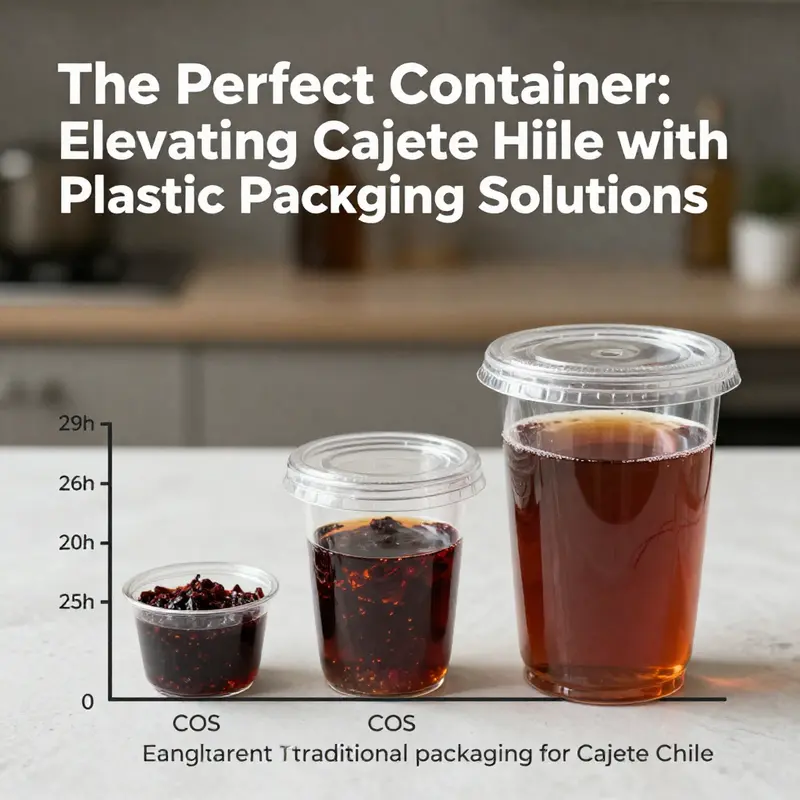
In the evolving landscape of food packaging, transparent plastic containers have emerged as a pivotal solution that balances cost efficiency with consumer appeal, a balance that is especially critical when packaging specialized foods like Cajete Chile. The transition from traditional metal or opaque packaging to clear, food-grade plastics not only reflects a modern aesthetic but also underlines economic considerations that extend from the factory floor to the end customer’s dining table. Manufacturers, distributors, and retailers are all rethinking packaging strategies as transparent containers offer a unique combination of low material costs, logistical advantages, and the ability to showcase high-quality products. This chapter delves into the interplay between economic efficiency and sustainability imperatives as they relate to packaging Cajete Chile, a product whose packaging is as integral to its market success as the food it contains.
At the core of this transformation is the alluring low-cost production of plastic containers. Advances in polymer processing, particularly with materials like poly(ethylene terephthalate) (PET) and polypropylene (PP), have driven down per-unit costs to as little as 0.04 US dollars. When scaled to the millions of units used in packaging foods like Cajete Chile, these small savings translate into a significant reduction in overall packaging expenses. This low cost is not incidental; it is the product of years of research dedicated to optimizing raw materials and refining manufacturing techniques. As companies continue to pursue ever greater economies of scale, the economic allure of these transparent containers becomes even more pronounced, making them especially attractive for widespread use in the food industry.
Equally significant is the value delivered through production and supply chain efficiencies. The lightweight nature of transparent plastic containers reduces transportation costs, while their robust design minimizes damages during shipping and handling. This combination of durability and light weight is critical in today’s globally integrated supply chains, where every ounce saved in shipping can contribute to higher profit margins and quicker turnaround times. Additionally, the high transparency of these containers allows customers to assess the quality of the food without opening the package, boosting consumer confidence and streamlining the point-of-sale process. In environments where every second counts—from fast-paced takeout services to large-scale distribution centers—this transparency is more than just a visual appeal; it is a direct economic asset.
The economic benefits of these containers extend well beyond production and logistics. They have a transformative impact on inventory management and retail merchandising. Retailers value transparency because it offers an immediate reassurance of product quality, which can help drive sales even in competitive markets. The visual impact of Cajete Chile packaged in clear, attractive plastic allows consumers to examine the food’s color, texture, and freshness at a glance, often leading to increased impulse purchases. This boost in consumer confidence and engagement reinforces the economic rationale behind investing in high-quality packaging solutions, even when the price per unit is minimal. Moreover, the streamlined design of these containers supports faster packing and repacking processes, resulting in shorter turnaround times from production to shelf placement.
Yet, economic considerations in food packaging extend far beyond manufacturing and distribution efficiencies. A critical and growing factor is the environmental cost associated with plastic waste, which has direct and indirect economic repercussions. Although transparent plastic containers are relatively inexpensive to produce, their environmental impacts have prompted further research and investment into sustainable alternatives. The disposal and recycling challenges of traditional plastics have led to increased regulatory scrutiny and potentially higher waste management costs. In response, manufacturers are exploring innovations such as biodegradable polymers and enzyme-modified additives that enhance the compostability of these containers. Although these new materials may carry higher initial costs, they promise a reduction in long-term environmental liabilities and a lower total cost of ownership when viewed through the lens of lifecycle analysis.
Long-term economic sustainability is inextricably linked to environmental stewardship. As governments and regulatory bodies tighten restrictions on single-use plastics, companies are facing new compliance costs that affect material sourcing and production lines. Regulatory frameworks, including rigorous FDA standards and EU Food Contact Materials Regulations, demand that manufacturers continuously upgrade their processes to ensure product safety and environmental sustainability. These new requirements, while adding to the complexity and cost of production, often lead to long-term benefits by protecting public health and reducing environmental remediation expenses. The resultant stability in market conditions can, in turn, drive consumer trust and loyalty, which reinforce the overall economic value derived from investing in responsibly produced packaging solutions.
One of the most promising avenues for reconciling cost and sustainability is the adoption of eco-friendly materials that do not compromise on performance. Researchers have made significant strides in developing alternatives such as polylactic acid (PLA) and other biodegradable polymers that offer a similar clarity and strength to traditional plastics while being more amenable to composting or recycling. These advancements are proving economically viable even when compared to the historically dominant yet environmentally problematic fossil-fuel-based plastics. In fact, some studies suggest that when the full lifecycle costs—including environmental impact and post-use recycling challenges—are considered, biodegradable options can offer comparable or even superior economic advantages over conventional plastics. The initial investment in these materials might be higher, but the reduction in potential environmental cleanup costs and regulatory fines can yield a robust return on investment over time.
Improvements in recycling technology and waste management are also critical to sustaining the economic advantages of transparent plastic containers. Modern recycling methods are beginning to close the loop in the packaging lifecycle, enabling a significant portion of the materials to be recovered and reused in new products. Although the current recycling infrastructure does not yet capture all used containers, ongoing innovations in sorting and processing technologies promise to enhance recovery rates substantially. This trend not only benefits the environment but also reduces raw material costs, thereby creating a virtuous circle where economic savings reinforce environmental sustainability. Companies that proactively invest in sustainable recycling solutions often find that they enjoy both cost savings and enhanced brand reputation, as consumers and partners increasingly favor companies that demonstrate environmental responsibility.
The design and engineering improvements in modern plastic containers further contribute to their economic value. Advances in manufacturing precision and quality control have resulted in containers that meet strict tolerances for durability and temperature stability. For foods such as Cajete Chile, which may be served hot or cold, the ability to maintain structural integrity across a range of temperatures is essential. This durability not only minimizes waste—in the event that containers do not deform or break during usage—but also reduces the frequency of product recalls and replacements. Such reliability mitigates hidden costs and reinforces the container’s role as a strategic element in the food packaging value chain. This emphasis on quality aligns well with the overarching economic narrative, where every dollar saved in production inefficiencies and product losses contributes directly to improved profitability.
Beyond the factory and the point of sale, transparent plastic containers influence broader market dynamics. In competitive food markets, packaging serves as an oft-overlooked differentiator that can set a product apart from its competitors. For producers of Cajete Chile, the difference between success and mediocrity can hinge on consumer perceptions fuelled by the visual appeal of the packaging. When customers see a product that is packaged in a container that communicates both quality and sustainability, they are more inclined to make a purchase. This heightened consumer confidence can translate into increased brand loyalty and, ultimately, higher sales volumes. In this context, the seemingly modest cost savings from using transparent plastics can be magnified many times over in marketing and revenue outcomes.
Another important aspect of the economic narrative surrounding transparent plastic packaging is the role of innovation in driving down costs over time. Continuous improvements in chemical formulations and packaging design have not only enhanced the safety and functionality of these containers but have also opened up opportunities for cost reduction through refined manufacturing processes. Many companies are now leveraging digital automation and smart manufacturing technologies to optimize production and reduce waste. This level of technological integration means that over time, the cost per container is likely to fall even further, thereby making these packaging solutions an increasingly attractive proposition for food brands with slim margins. Small changes in production efficiency can lead to substantial economic gains when multiplied across millions of units.
Logistics and supply chain management stand to benefit significantly from the widespread adoption of optimized transparent plastic containers. The fact that these containers are lightweight and resistant to impact means that storage and transportation become more streamlined. In an era of tight supply chains and rising fuel costs, even marginal reductions in packaging weight or volume can lead to considerable savings. These logistical benefits are particularly crucial for markets with widespread distribution networks, where the cumulative savings on energy and transportation contribute directly to profitability. The reduction in product breakage during transport also means fewer disruptions in the supply chain, which enhances product availability and customer satisfaction—a critical factor in highly competitive food markets.
A notable challenge that accompanies the economic benefits of transparent plastic packaging relates to the balance between short-term cost savings and long-term environmental impacts. Without a coordinated effort to develop and implement sustainable practices, the low unit cost of production may eventually be offset by the external costs of environmental cleanup and waste management. This is a dilemma that many in the industry recognize and are investing time and resources to address. For instance, companies are gradually transitioning to using materials that not only meet food safety standards but also offer improved post-consumer recyclability or biodegradability. In the long run, these investments are expected to yield significant savings by diminishing the financial burdens associated with environmental damage and regulatory penalties. The economic calculus, therefore, increasingly favors solutions that integrate sustainability into the very fabric of the manufacturing process.
Industry players are also looking at ways to optimize packaging design to enhance both functionality and cost efficiency. By experimenting with thinner walls, smarter folding techniques, and innovative closure systems, manufacturers are able to reduce material usage without compromising on strength or clarity. Such innovations are particularly welcome in the context of high-volume foods like Cajete Chile, where even a small percentage reduction in material usage can result in enormous cost savings when scaled over millions of units. Furthermore, these leaner designs contribute to lower shipping costs and reduced energy consumption during production, which in turn create a positive feedback loop that reinforces the economic viability of the entire packaging operation.
One of the significant ways that companies are addressing these challenges is through collaborations and partnerships. Many leading brands are working closely with material scientists, recycling experts, and regulatory bodies to create packaging solutions that are both economically and environmentally sustainable. These collaborations provide a forum for sharing best practices and innovative ideas, ensuring that advances in packaging technology are quickly standardized across the industry. By pooling resources and knowledge, companies are not only able to meet evolving regulatory standards more effectively but are also better positioned to compete in a market where consumer expectations are increasingly shaped by environmental considerations.
In addition to direct economic benefits, transparent plastic containers have a strong indirect impact on market dynamics through brand positioning. For products like Cajete Chile, where authenticity and quality are paramount, the packaging is an integral part of the product’s story. A container that is designed with sustainability and functionality in mind sends a clear message to consumers: that the brand is committed to responsible production practices and innovation. This commitment enhances the brand’s reputation, which is often a decisive factor in consumer purchasing decisions. The economic rewards of such an investment in brand equity are significant, as consumers are willing to pay a premium for products that align with their values.
Moreover, investments in sustainable packaging are increasingly seen as a long-term hedge against regulatory uncertainty. Energy prices, environmental levies, and evolving standards related to plastic waste all contribute to an unpredictable economic environment. Companies that invest in innovation today, through the adoption of eco-friendly materials and improved manufacturing processes, are better positioned to mitigate these risks in the future. By proactively addressing emerging challenges, they not only safeguard their current profit margins but also secure their competitive position as market leaders in responsible food packaging.
The role of technology in this transformation cannot be overstated. Cutting-edge automation and quality assurance systems are now integral to production lines, ensuring that each transparent container meets strict safety and durability standards. These technological solutions help reduce human error and material waste, contributing to overall cost savings. Furthermore, integrated systems that monitor everything from energy consumption to waste output allow companies to fine-tune their production processes continually. This focus on data-driven optimization helps ensure that the economic advantages of transparent plastic packaging remain robust and sustainable even as market conditions evolve.
Consumer behavior is also a vital factor in the economic equation. The modern consumer is increasingly discerning, often favoring products that not only meet their immediate needs but also contribute to a broader vision of sustainability. There is a growing expectation that food packaging should not only be convenient and cost-effective but also environmentally responsible. This shift in consumer attitudes has spurred companies to innovate in both product development and packaging design. The transparent nature of the containers plays an important role in this narrative; it allows customers to see the quality of the product for themselves. This transparency builds trust, encourages repeat purchases, and ultimately translates into improved sales performance and stronger market share.
An exemplary case of responsive innovation in this space can be seen through advances in clear plastic cup designs that are tailored for both outdoor and indoor food service applications. For example, manufacturers are now offering solutions that meet the rigorous demands of outdoor events, catering services, and even picnics, where durability, clarity, and ease of transport are essential. Such innovations have been showcased with products that emphasize both aesthetic appeal and robust functionality. One can explore further improvements and examples of these modern innovations by visiting a resource that highlights disposable clear plastic container solutions designed for outdoor and portable use. This modern approach not only contributes to cost reduction and operational efficiency but also reinforces the brand’s commitment to environmental stewardship and consumer satisfaction.
In summary, the economic impact of transparent plastic containers on Cajete Chile food packaging is multifaceted and far-reaching. From the initial cost savings on material production and the efficiencies gained in supply chain management to the longer-term benefits of enhanced brand image and sustainability, these containers represent a powerful convergence of design innovation, economic pragmatism, and environmental responsibility. Manufacturers are continually refining these solutions to meet the twin challenges of lowering production costs and reducing environmental footprints. As regulatory pressures mount and consumer expectations evolve, the strategic importance of investing in high-quality, sustainable transparent packaging will only continue to grow.
The journey toward a sustainable food packaging future is complex and filled with trade-offs. Short-term cost savings must be weighed against potential long-term environmental impacts, and each decision carries implications for the entire value chain. It is clear that the adoption of transparent plastic containers is not merely a cost-cutting measure; rather, it is a strategic choice that can drive competitive advantage, foster innovation, and help align corporate practices with emerging global standards. Companies that can successfully navigate this complex landscape stand to benefit from both immediate economic gains and long-term market resilience.
For stakeholders at every stage—from raw material suppliers and packaging manufacturers to retailers and end consumers—the imperative is clear: invest in smarter, more sustainable packaging solutions that not only fulfill immediate economic objectives but also secure a healthier, more sustainable future. Continued innovation in material technology, combined with a commitment to environmental responsibility, will be key to unlocking the full economic potential of transparent packaging solutions. The promise of lower logistics costs, enhanced consumer appeal, and reduced environmental liabilities offers a compelling case for further adoption and continued research.
In conclusion, transparent plastic containers encapsulate the future of food packaging, where economic efficiency and environmental responsibility converge. Their impact on Cajete Chile and similar food products demonstrates that thoughtful packaging design can drive significant value across multiple sectors. As manufacturers and brands invest in more sustainable production methods and advanced recycling technologies, they not only meet evolving regulatory demands but also excel in responding to the growing consumer demand for green packaging. The path ahead is one of integrated innovation, where every element—from material choice to design precision—plays a crucial role in shaping a sustainable, economically viable future for the food packaging industry. For further insights into the economic and environmental benefits of these advanced packaging solutions, readers can refer to the detailed study available at this external resource.
Navigating the Engineering and Safety Hurdles of Plastic Containers for Spicy Food Packaging
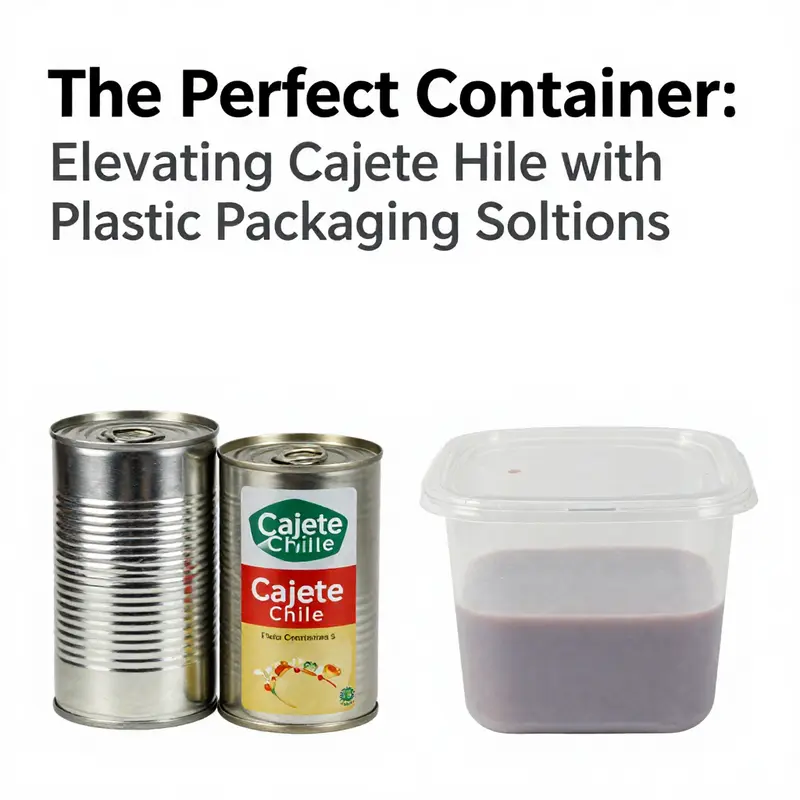
The evolution of food packaging has always been intertwined with both consumer needs and the practical demands of safety, quality, and environmental stewardship. In recent years, manufacturers and food processors have increasingly turned their attention to plastic materials in a bid to replace traditional metal cans—particularly for products like cajete chile, a spicy food item deeply rooted in culinary traditions. Transitioning to plastic offers clear logistical advantages, such as reduced weight and lower breakage risk during transportation, yet it also introduces a host of technological, chemical, and process-specific challenges that must be addressed. At the heart of this challenge is the balancing act between maintaining the product’s integrity and ensuring the container provides an effective barrier against environmental factors.
One of the most critical concerns when replacing metal cans with plastic containers is the material’s barrier properties. Traditional metals such as aluminum and steel have long been recognized for their ability to prevent oxygen and moisture intrusion—a key factor in keeping cajete chile’s flavor, aroma, and vibrant color intact over time. Plastics like polyethylene (PE) and polypropylene (PP), although advantageous for their lightness, fall short in this aspect. Their intrinsic properties leave products more susceptible to oxidation and moisture permeation. For spicy foods, where the chemical composition is often complex and the flavor delicate, even slight exposure to ambient moisture or oxygen can lead to rapid degradation, resulting in undesirable changes to taste and appearance. The inadequacy of barrier performance under typical storage conditions necessitates rigorous innovation in polymer formulation and engineering.
Further compounding the challenge of barrier properties are the chemical interactions between the container material and the contents. Cajete chile, known for its steamy heat and deep flavor profile, also exhibits a high acidity level along with significant oil content. This combination can prove to be corrosive when in prolonged contact with certain plastic polymers. When these polymers begin to degrade under such conditions, there is a risk of chemical leaching; unwanted compounds could migrate into the food, potentially compromising consumer health and product safety. Detailed studies on polymer degradation in acidic and oily environments highlight that even minor chemical changes in the polymer matrix can have cascading effects on both the container’s structural integrity and the safety of the food product. Manufacturers must therefore opt for plastics that meet stringent regulatory standards, often requiring extensive testing to confirm compliance with food-contact safety guidelines such as those set by the FDA and EU Food Contact Materials Regulations.
Beyond the inherent chemical vulnerabilities of plastic, the challenge of processing and sealing plastic containers is also a significant hurdle. Metal cans have been the preferred choice for many products, especially those requiring retort processing—a high-temperature sterilization procedure that ensures long-term shelf stability. Metal containers are inherently well-suited to endure these high temperatures while maintaining a hermetic seal that protects the contents from microbial contamination. In contrast, standard plastic containers often struggle to cope with the thermal demands inherent to retort processing. While there exists an array of advanced plastic solutions, such as PET with special multilayer coatings or treatments designed to enhance heat resistance, these formulations tend to be more expensive and less readily available, especially for large-scale production. The difficulty in achieving a truly hermetic seal with plastic containers raises critical concerns about the potential for microbial contamination, leaks, and subsequent spoilage during storage and distribution. Every gap in the seal—no matter how microscopic—could allow air or bacteria to infiltrate, undermining the effectiveness of the packaging.
Furthermore, the sealing technology used for plastic containers has not progressed at the same pace as other innovations in packaging. While adhesives and thermal sealing methods continue to advance, the variability of plastic material properties continues to present challenges that are unique to high-acidity or high-oil products. Engineers must work to develop novel sealing techniques or reconsider the design of the container lid and closure mechanisms to ensure that even under extreme conditions, the integrity of the package is not compromised. The need for such advances is underscored by the high standards demanded by modern consumers and the strict regulations that govern food safety worldwide.
In addition to technical and chemical challenges, there is the matter of environmental sustainability to consider. One of the often-discussed benefits of shifting from metal to plastic packaging is the potential for reduced transportation emissions and lower energy usage due to the lighter weight of plastic. However, when the entire lifecycle of the packaging is examined, the picture becomes more complex. Many single-use plastic products, while economically beneficial in terms of mass production, are notoriously challenging to recycle. The recycling infrastructure for plastics is still not as developed as that for metals. Issues such as microplastic pollution and the long decomposition time of synthetic polymers cast long shadows over the environmental credentials of plastic containers.
The balance between environmental benefits and drawbacks has spurred research into biodegradable and recyclable materials that could offer a more sustainable alternative. Efforts to develop food-grade plastics that combine high performance with lower ecological footprints are underway, but they have yet to reach the level of scalability or cost-effectiveness required to fully displace traditional metal packaging. In this light, some industry experts see the current transition to plastic more as an evolutionary rather than a revolutionary process. For example, the availability of an eco-friendly disposable 3-compartment food-grade packaging box provides an insight into some innovative approaches that are beginning to address these issues by combining compartmentalized design with more robust plastic formulations. Nonetheless, such solutions remain at the forefront of research and have yet to be adopted as a universal standard for spicy food packaging.
Another layer of complexity is introduced by the consumer perception of packaging. Metal cans have a long-standing history and are associated with durability, quality, and longevity. In contrast, plastic has often been viewed as disposable and less premium. Changing consumer perceptions requires not only technical advancements in the packaging material but also effective educational and marketing strategies. Manufacturers must convey that modern plastic containers are engineered to meet—or even surpass—the performance standards of traditional packaging, all while addressing sustainability concerns. This educational outreach is vital in ensuring consumers feel confident in the safety and quality of food packaged in these new materials.
From a manufacturing perspective, the shift to plastic containers involves significant modifications in production lines and quality assurance processes. The machinery used for forming, filling, and sealing metal cans is not directly transferable to plastic production, necessitating investments in new equipment specifically designed for plastic processing. This equipment must be capable of handling the unique challenges posed by plastic materials, from maintaining precise temperature control during autoclaving or retort processing to ensuring consistent sealing quality. Such capital investments can be substantial, and for many food manufacturers operating on tight margins, the economic feasibility becomes a critical factor. If the upfront costs of converting to plastic-based solutions are too high, the benefits of lighter weight and reduced breakage may be overshadowed by the initial capital outlays and required modifications in the supply chain.
In practice, food processors and packaging engineers are confronted with a complex interplay of factors that must be simultaneously balanced. They must ensure that the plastic materials chosen not only meet the rigorous safety standards mandated by health authorities but also deliver the mechanical and chemical performance required to preserve the product’s quality. At the same time, environmentally conscious design principles must be integrated to foster the recyclability and sustainability of the container. In this context, research and development (R&D) assume a pivotal role. Innovations in polymer science, combined with advances in sealing technologies and thermal processing, are gradually bridging the gap between the potential and the practical application of plastic containers in areas traditionally dominated by metal. The journey toward a widely accepted plastic container for packaging products like cajete chile is emblematic of broader trends in the food industry, where improvements in material science are not only a matter of consumer safety but also of environmental responsibility.
The evolution of this technology is also heavily influenced by regulatory dynamics. As environmental concerns and food safety continue to capture the attention of policymakers around the globe, new guidelines and standards are being developed. These regulations influence every aspect of the packaging lifecycle, from material sourcing and production to disposal and recycling. Consequently, plastic container manufacturers face constant pressure to innovate while remaining compliant with these evolving standards. In effect, even a slight miscalculation in the chemical or thermal design of a container can lead to costly recalls or, worse, public health crises. To mitigate these risks, rigorous testing regimes and certification processes are implemented, ensuring that every batch of packaging meets or exceeds stringent regulatory requirements.
Moreover, the economic implications are profound. The food industry is highly competitive, and any reduction in shelf-life or compromise in product integrity can lead to significant financial losses. In this high-stakes environment, even marginal improvements in barrier performance, thermal stability, and sealing integrity translate into substantial benefits. Manufacturers thus invest heavily in pilot projects and collaborative research initiatives with academic institutions and material science experts to enhance the performance of plastic containers. Such partnerships have been instrumental in uncovering innovative ways to treat and structure plastic materials so that they deliver the benefits of both plastic and metal. For instance, layered plastics that incorporate barrier films or integrated sealing components have emerged as promising candidates for future standardization in the industry.
It is also essential to understand that the adoption of plastic containers cannot be viewed in isolation. Rather, it is part of a broader shift toward nimble and responsive supply chain management in the food sector. With the increasing demand for convenience and extended shelf-life, manufacturers are reimagining packaging not just as a container, but as an active participant in food preservation. This holistic approach involves synergistic improvements that pair advanced container technologies with refrigeration, modified atmosphere packaging, and other preservation techniques. In essence, the complete reengineering of packaging solutions is a multifaceted effort designed to address both current challenges and future consumer expectations.
While the road to fully harnessing plastic packaging for products like cajete chile is fraught with challenges, the benefits drive continued research and innovation. The initiatives currently underway are promising, pointing to a future where the flexibility, cost-effectiveness, and sustainability of plastics can be harnessed without compromising on food safety or quality. It is not merely about replacing metal with plastic, but about rethinking what food packaging can become in an era marked by rapid technological advancements and environmental urgency.
Even as these technological hurdles are being actively addressed, the transition remains gradual. The legacy of metal packaging is formidable, and the deep-seated trust that consumers have in metal containers acts as a benchmark. Hence, any new plastic package must not only mimic the performance of metal but should also win over both regulatory bodies and consumer opinion. This calls for comprehensive trials, extended shelf-life studies, and, ultimately, a systematic shift in both manufacturing practices and consumer behavior. The challenge is formidable, yet the potential rewards—a safer, lighter, and environmentally sustainable packaging option—are equally significant.
In the end, the complex interplay between material properties, chemical stability, thermal dynamics, and environmental considerations forms the crux of this technological challenge. Overcoming these obstacles without compromising on performance or safety requires a sustained commitment from researchers, manufacturers, and regulators alike. The next few years will likely witness an incremental but steady adoption of plastic solutions that have been robustly tested and refined to handle the unique demands of spicy foods such as cajete chile. As the food industry evolves, it is clear that innovation in packaging is not just an operational necessity but a competitive imperative that could define the future landscape of food preservation and distribution.
For further insights into the scientific principles underlying these technological advancements, interested readers may refer to the detailed study available at ScienceDirect Article.
Re-examining Tradition: Health, Environment, and Cultural Shifts in Plastic Use for Cajete Chile
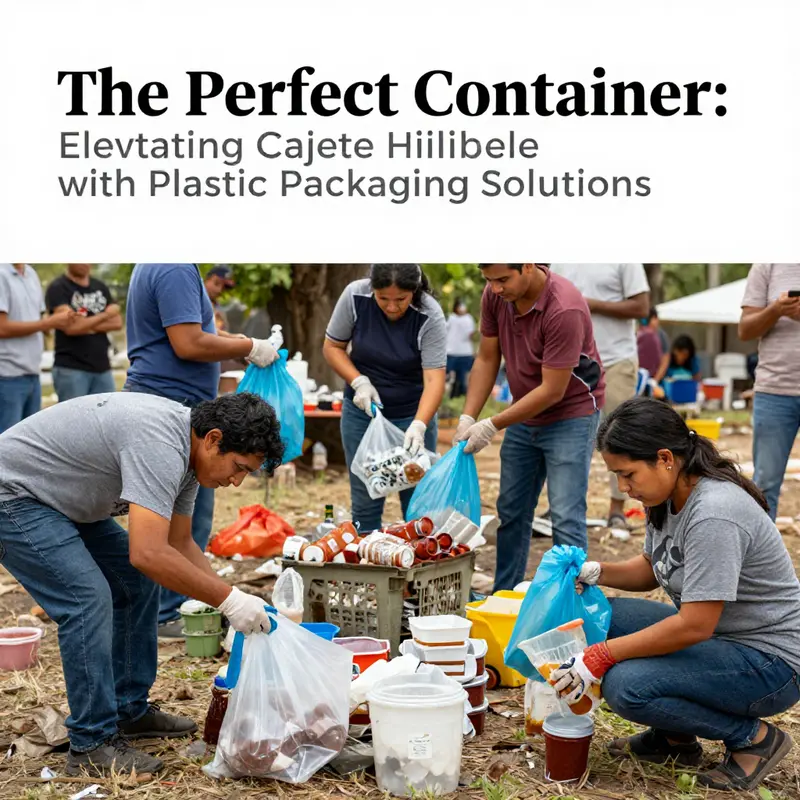
In the evolving landscape of food presentation and preservation, the use of plastic containers for traditional dishes such as Cajete Chile ignites discussions that are as multifaceted as the dish itself. Cajete Chile, celebrated for its rich blend of stewed peppers and meat, holds a special place in culinary traditions and family gatherings. However, its modern presentation in food-grade plastic containers has led to a roller-coaster of debate involving health, environmental, and cultural dimensions.
The discussion begins with the considerations of health and safety. Plastic containers, particularly those engineered for food use, are designed to withstand varying temperatures and conditions, offering convenience and cost-efficiency in a fast-paced consumer market. Nevertheless, even when these containers qualify as food-grade and comply with guidelines from institutions such as the FDA or EU Food Contact Materials Regulations, concerns have been raised over the potential for chemical leaching. Chemicals such as BPA (Bisphenol A) and phthalates may migrate from the plastic into food, particularly when exposed to high temperatures or reused frequently. Although many manufacturers now promote their plastic products as BPA-free, the uncertainty regarding long-term exposure remains a matter for rigorous scientific inquiry. The inherent conflict between achieving convenience and maintaining uncompromised safety continues to drive consumers towards alternatives like glass, ceramics, or stainless steel. This growing consciousness about what lies in the containers of our beloved traditional dishes underscores a significant transformation in consumer expectations and a push for more sustainable, non-toxic food packaging.
Alongside health implications, environmental concerns play a central role in the debate over plastic use. The pervasive nature of plastic waste in our modern society is a potent reminder of the environmental cost of disposable packaging. Every time Cajete Chile is served in a single-use plastic container, it contributes incrementally to the overwhelming volume of plastic waste. With an estimated 300 million tons of plastic waste produced globally each year, a significant portion of this material ends up in landfills and, eventually, in our natural waterways. The journey of discarded plastics into marine ecosystems is both alarming and irreversible, causing harm to aquatic life and disrupting food chains. In an era when environmental sustainability and responsible resource management are gaining unprecedented prominence, the continued reliance on disposable plastic containers stands in stark contrast with the aspirations of a greener future. This environmental tension is compounded by an increasing public awareness, spurred by documentaries, scientific studies, and grassroots movements that call for a reevaluation of convenience at the expense of nature. Even as technological advancements are ushering in alternatives such as biodegradable polymers, the persistence of entrenched practices reminds us that old habits do not vanish overnight.
Cultural and social dimensions further complicate the narrative surrounding plastic packaging for Cajete Chile. Traditional dishes are not only a source of nourishment but also a vessel for heritage and communal memories. Families who have passed down recipes and cooking traditions for generations view the presentation and packaging of their cherished meals as a reflection of respect towards their culture. The shift from handcrafted presentations or time-honored earthenware to mass-produced plastic containers sometimes feels like a betrayal of cultural values. Many connoisseurs argue that authentic culinary experiences demand that the integrity of the dish, as well as the cultural ritual surrounding its consumption, be preserved. As society becomes more aware of the pitfalls associated with plastic, including its visual and environmental downsides, there is a collective call for packaging that honors tradition. It is not unusual to encounter a growing trend where local eateries and home cooks alike experiment with eco-friendly alternatives such as biodegradable packaging or even encourage patrons to bring their own reusable containers. This evolution serves as a metaphor for a broader societal shift towards sustainability and mindfulness of heritage, urging a balance between modern efficiency and reverence for tradition.
The societal implications extend beyond immediate health and environmental impacts. They touch upon ethical responsibilities and the accountability of industries that mass-produce plastic containers for food. Manufacturers and policymakers alike are increasingly motivated to find innovative solutions that reconcile convenience with sustainability. Efforts have been made to improve the properties of plastic, especially in terms of thermal stability and chemical resistance. The research into plastics that can safely contain hot, fat-laden foods like Cajete Chile has accelerated, with recent studies focusing on alternative materials and novel formulations that reduce the risk of chemical migration. Despite these advancements, the pace of adoption across industries lags behind consumer expectations. The discrepancy between the ideal and the available reality forces a broader discussion on regulatory frameworks and a call for greater transparency in production processes. In this context, the pursuit of alternative materials such as biodegradable polymers and even paper-based solutions is not merely a response to environmental urgency but also a cultural statement. It reflects a collective desire to innovate, harmonizing modern production methods with the timeless values that define a community’s culinary identity.
The transformation is also evident in the social habits and consumer behaviors observed during everyday meals. There is a discernible change in how communities interact with their food—a shift characterized by a more critical view of packaging that dismisses disposable convenience. Consumers increasingly question the origins of their food containers and the potential health risks entwined with their use. Liberty in consumer choice is becoming synonymous with knowledge about environmental degradation and personal well-being. As awareness grows, so does the advocacy for packaging that not only protects the food but also safeguards personal health and the environment. Many individuals are beginning to admire and support initiatives that emphasize sustainability, a trend that is visible both in urban centers and rural communities. This grassroots movement is further validated by changes in restaurant practices where establishments now offer alternatives that align with eco-friendly values. Some vendors have even introduced an incentive system for customers who bring in their own containers or choose packaging that is printed with eco-conscious messages. Such measures, while seemingly small, represent the early steps of a significant cultural metamorphosis, gradually redefining the very essence of food service and presentation.
This paradigm shift in consumer habits has broader implications in the market dynamics too. Food service providers and packaging manufacturers are compelled to innovate in order to stay relevant. The traditional reliance on plastic, once seen as an inexhaustible resource for convenience, is being scrutinized and replaced by creative alternatives that resonate with ethical consumer values. The industry is witnessing a surge in research and development efforts aimed at creating sustainable, safe, and cost-effective packaging solutions that cater to modern demands while keeping traditional integrity intact. One notable example of this innovative push can be seen in the introduction of packaging options that focus on disposability without the environmental burden. A case in point is the trend toward eco-friendly packaging solutions that combine design aesthetics with function, as seen in some of the newer prototypes for food service. For instance, innovative providers are now offering sustainable packaging options that utilize biodegradable polymers specifically designed for the demands of fast food and traditional meals alike. Interested readers can learn more about these cutting-edge developments through resources like a detailed showcase on eco-friendly disposable packaging solutions here. This initiative, among others, signifies a decisive move away from legacy systems towards a more environmentally and socially responsible model of food packaging.
Despite these progressive strides, the discussion around plastic containers for Cajete Chile remains complex and occasionally contentious. Critics argue that the emphasis on convenience may have inadvertently undervalued the cultural symbolism embedded in traditional food presentation. What was once a ritual involving handcrafted containers or natural materials is now reduced to a transaction between convenience and disposability. The intellectual debate is not solely about the materials used but also the implications of modernity encroaching upon practices that define identity and community. For many, this is a call to revive traditional values and integrate them with responsible modernization. The challenge lies in developing packaging solutions that do not compromise on safety, functionality, and cultural heritage. It is a delicate balance, and the future may well depend on collaborative efforts from scientists, policymakers, artisans, and consumer advocates working in tandem to redesign the ecosystem of food service.
Furthermore, the trajectory of these changes in packaging reflects a broader narrative about how society confronts the realities of rapid industrialization. In reconciling the cost-effective nature of plastics with their degrading environmental footprint, communities find themselves at a crossroads between tradition and progress. The discussion is enriched by perspectives that range from cautionary tales about post-consumer waste to celebratory accounts of sustainable advances that honor culinary legacies. What unites these perspectives is the communal desire for progress that does not sacrifice the health of people or the planet. This dialogue is ongoing, and its outcome will likely shape not just the future of food packaging but the broader contours of environmental policy and cultural preservation. Innovations that strike a harmonious balance between modern utility and historic loyalty are not just a possibility but an urgent necessity.
The embrace of scientific advancements coupled with traditional wisdom creates a narrative where communities come to understand that the container, much like the dish it holds, is an essential part of a larger ecosystem. By acknowledging the material interactions between food, packaging, and the consumer, society is prompted to undertake a reflective journey that assesses past practices, present demands, and future aspirations. This narrative is not merely about reducing plastic waste or ensuring consumer safety; it is about reclaiming a sense of responsibility toward nature and heritage. The evolution of plastic containers in the realm of Cajete Chile is emblematic of a broader shift in societal values, where tradition is not discarded but reimagined to meet modern challenges. In this light, every decision made—whether by a consumer seeking a healthier alternative or a manufacturer dedicated to sustainable practices—becomes a step towards a more considered and compassionate future.
As this dialogue continues to mature, it is clear that the intersection of health, environmental stewardship, and cultural identity is more significant than ever. The debate surrounding plastic containers for Cajete Chile serves as a microcosm of larger global discussions on the use of plastics in our everyday lives. It reminds us that behind every container lies a story of innovation, compromise, and the quest for progress that respects both personal health and the well-being of our environment. The path forward requires not only scientific ingenuity but also cultural sensitivity, as communities strive to preserve the memories enshrined in every traditional dish while embracing the imperatives of modern life.
In conclusion, the move to adopt plastic containers for foods like Cajete Chile signals a pivotal moment wherein modern convenience meets enduring cultural values. It forces all stakeholders—from manufacturers to consumers—to address critical concerns regarding chemical safety, environmental degradation, and the integrity of cultural expression. While the long-term impacts of these changes are still unfolding, the present scenario offers a unique opportunity for transformative learning. The intersection of these concerns can drive a reimagining of what modern food packaging might look like if it were designed with the dual goals of safeguarding health and honoring heritage. As new materials and methods evolve, there lies the promise of a future where our cherished culinary traditions are preserved, our natural resources are respected, and our innovative spirit continues to push the boundaries of what is possible. For further insights into cutting-edge developments in sustainable packaging alternatives, please refer to the comprehensive resource available at European Bioplastics.
Final thoughts
Choosing the right packaging is essential for enhancing Cajete Chile meals, particularly in settings like restaurants and food trucks. Plastic containers not only offer practicality but also combine economic benefits and affirmative societal impact. As businesses in the food service sector continue to evolve, understanding and utilizing suitable packaging solutions will play a crucial role in meeting customer demands and environmental responsibilities. Informed choices today can lead to more successful and sustainable food practices tomorrow.