
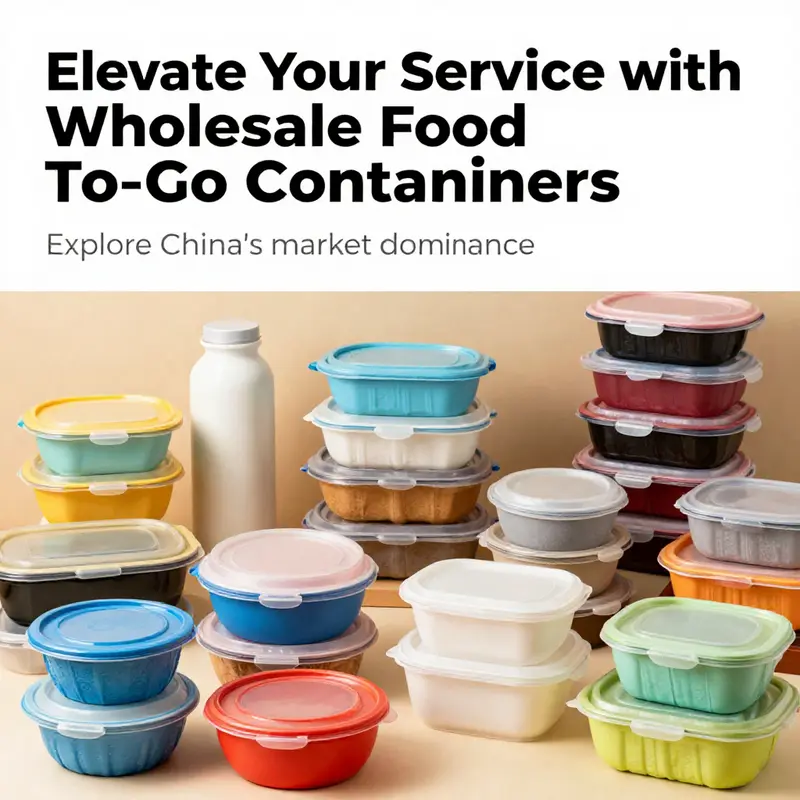
In today’s fast-paced dining landscape, the demand for food to-go containers has skyrocketed. From bubble tea shops to catering services, the need for high-quality, cost-effective, and sustainable packaging solutions has never been more pressing. As businesses adapt to changing consumer preferences for convenience and delivery, understanding the wholesale market for these containers is crucial. This guide will delve into the reasons China leads the industry, explore various materials used in making these containers, highlight essential features for B2B buyers, and provide effective sourcing strategies.
Scale, Supply, and Speed: How China Became the Engine of Wholesale Food-To-Go Containers
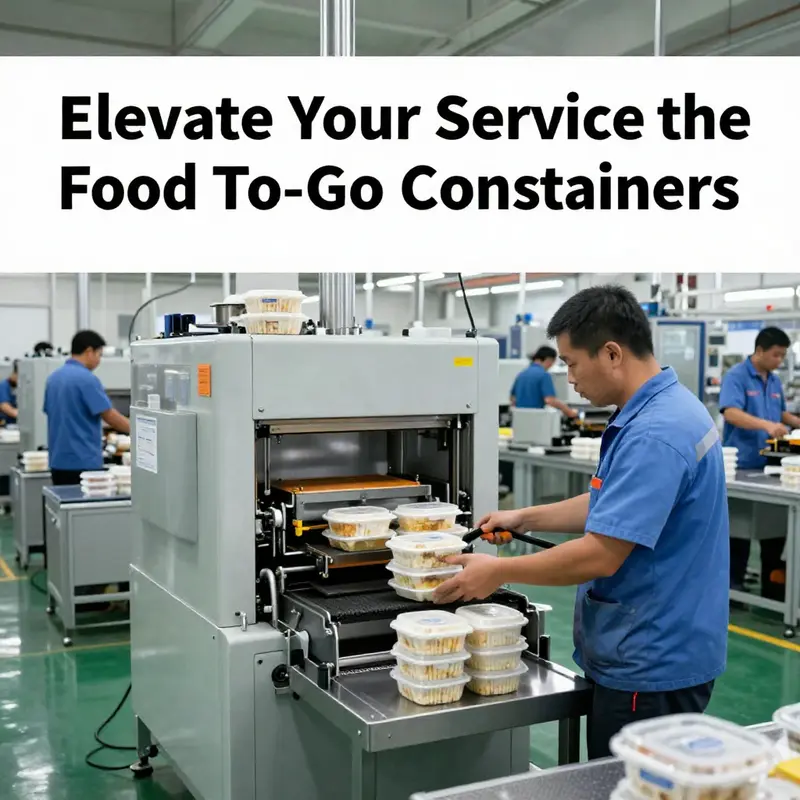
The surge in demand for food-to-go containers mirrors the rapid expansion of delivery and takeout ecosystems around the world. For buyers in hospitality, catering, and distribution, the ability to source bulk containers that combine performance, cost efficiency, and sustainability is more than a practical concern—it is a strategic capability. In this context, the chapter explores why China remains the dominant hub for wholesale food-to-go containers, how that dominance translates into real value for B2B buyers, and what this means for the evolving landscape of packaging materials and supplier relationships. The argument rests on a simple but powerful premise: scale, cost discipline, and a deeply integrated supply chain have created a manufacturing ecosystem that can reliably translate demand into delivery, often with astonishing speed and precision. This is not merely about producing more; it is about producing with a level of coordination that reduces waste, shortens lead times, and supports brand promise across vast geographic markets.
At the core of China’s leadership is manufacturing scale. The country stands as the world’s largest producer and exporter of food packaging, including the disposable containers that populate menus, storefronts, and meal-prep services. The scale is not accidental. It grows from a vast industrial base that aligns plastics, paper, and related converting technologies with a robust network of specialized clusters. Provinces such as Guangdong, Jiangsu, Shandong, and Sichuan host concentrated ecosystems where thermoforming, injection molding, and bioplastic processing operate at high throughput. This concentration of capability reduces bottlenecks and speeds up iteration cycles from prototype to mass production. For buyers, the implication is straightforward: when a concept needs confirmation—whether a multi-compartment plastic container or a stable, leak-resistant lid—the domestic infrastructure exists to move from idea to shipped product with extraordinary tempo. This is particularly valuable for fast-moving consumer trends, where a weeks-long lead time can translate into missed opportunities or misaligned promotions.
Beyond sheer scale, cost efficiency remains a decisive competitive edge. Chinese manufacturers benefit from economies of scale that are difficult to replicate at a similar pace in other regions. Labor costs, while rising in absolute terms, still offer a favorable differential relative to Western manufacturing hubs. More importantly, the logistics networks and supplier footprints across coastal and inland corridors enable a lean cost structure to permeate the entire value chain. The food-to-go container market leans on plastics and paper derived from readily available upstream materials, and the depth of China’s petrochemical and paper industries translates into reliable access to resins and pulps that underpin everyday packaging. The result is a combination of consistent quality and predictable price bands, even as demand spikes driven by e-commerce and on-demand food services push units through the system. For B2B buyers, that translates into more stable budgeting, fewer abrupt price shocks, and a clearer path to scale production to meet seasonal or promotional peaks.
Crucially, the integration of supply chains and the sophistication of the supporting infrastructure amplify these advantages. China’s ability to coordinate upstream material production with downstream packaging and distribution creates a seamless production-to-export workflow. Upstream materials—plastics, papers, bioplastics, and related additives—are often produced domestically within the same ecosystem where converting and forming take place. Downstream customers—from global fast-food chains to regional restaurants and major distributors—establish long-term partnerships that anchor demand and stabilize procurement planning. This alignment minimizes disruptions, shortens order cycles, and improves forecast accuracy. It also means that when a buyer requires customization—whether branding, specific dimensions, or leak-resistance features—the supplier network can align capabilities with demand more quickly than in markets where supply chains are more fragmented.
Policy support has further reinforced China’s market position, guiding it toward higher quality standards and greener solutions. During periods such as the 14th Five-Year Plan, the government has emphasized upgrading manufacturing quality, promoting green innovation, and enhancing competitiveness. These policy directions encourage manufacturers to invest in more sustainable materials, to improve process efficiency, and to meet international safety and environmental standards. While the public narrative often frames sustainability as a consumer concern, in wholesale packaging it translates into a practical requirement: regulators, retailers, and brand owners increasingly demand packaging that minimizes waste, reduces carbon footprints, and adheres to clear safety frameworks. In this environment, the dominant producer is incentivized to innovate toward compostable options, lighter-weight design, and better end-of-life outcomes without compromising the performance needed for hot, saucy, or heavy foods.
The result of scale, cost discipline, integrated supply chains, and policy alignment is a manufacturing ecosystem that can rapidly respond to shifts in global demand. The food-to-go container market has grown alongside the expansion of food delivery platforms, meal-prep services, and the broader appetite for convenient eating. In response, suppliers have refined multi-material portfolios that can serve a wide range of applications. Plastic containers—such as PET, PP, and PS variants—offer lightweight durability and cost-effectiveness ideal for salads, bowls, and ready meals. They can be engineered with leak-resistant lids and various venting or locking mechanisms to keep contents secure during transit. At the same time, China has become a hub for bioplastics, particularly PLA, which are increasingly used where compostability is a selling point or regulatory pressure incentivizes greener packaging. PLA’s suitability for cold-to-room-temperature applications makes it attractive for salads, cold bowls, and desserts, even as it faces heat-tolerance considerations that limit high-temperature use.
Paper and cardboard segments also occupy a prominent position in wholesale channels. Outer sleeves, insert wraps, and paper-based bowls can be cost-effective and highly recyclable, appealing to retailers and brands pursuing aggressive sustainability narratives. The Chinese packaging ecosystem has expanded capabilities in coated and waxed paper solutions to accommodate liquids and greasy foods, which broadens the practical applications of paper-based containers beyond simple servings. In addition, the market has begun to explore hybrid configurations that combine paperboard with thin barrier films to improve moisture resistance where needed, while maintaining a favorable end-of-life profile.
For buyers, this wide material spectrum translates into a strategic choice set that balances performance, cost, and sustainability. The decision on whether to lean into plastic, bioplastic, or paper often comes down to brand positioning, regulatory context, and the specifics of the menu. It also hinges on total cost of ownership, not just the unit price. Transportation, bulk discounts, lead times, and the potential for customization all factor into the total equation. The supply chain’s sophistication further reduces the risk of delays, as large-scale manufacturers maintain multiple production lines and redundancy across facilities. This is particularly valuable for businesses that must navigate peak seasons, product launches, or international distribution networks where consistency and predictability are prized over novelty alone.
Another dimension worth considering is the level of control a buyer has over design and branding. Chinese suppliers frequently offer a range of customization options, from labeling and color printing to branded imprints on lids and bodies. For many operations, branding within the packaging is a critical channel to reinforce identity at the point of sale and in social media-driven marketing. The ability to integrate brand messages—logos, colors, and callouts about sustainability—directly onto the container or lid provides a tangible return on investment. The design considerations, however, must be balanced with performance criteria such as leak resistance, stacking efficiency, and oven or microwave compatibility where relevant. The most successful configurations are those that harmonize aesthetic goals with functional requirements, ensuring that the container remains reliable in real-world handling, transport, and consumer use.
To navigate this landscape, buyers often begin with a broad cataloging of options and then progressively narrow the field through targeted testing. Platforms that aggregate wholesale packaging from China, such as global marketplaces, help buyers compare specifications, certifications, and price points at scale. A disciplined sourcing approach includes verifying safety certifications, requesting material safety data sheets, and conducting third-party testing when appropriate. It also means validating that the materials meet regional regulations—for instance, food-contact compliance standards in key markets—and confirming that products are BPA-free or compliant with compostability claims when applicable. The best suppliers are transparent about their processes, provide reliable MSDS documentation, and offer sample testing to assess fit, seal integrity, and performance under heat and moisture exposure. This due diligence minimizes the risk of misalignment between expectation and delivery and supports longer-term supplier relationships built on trust and performance.
Sourcing in bulk also invites a pragmatic conversation about total cost of ownership. A unit price is only part of the picture. Shipping costs, import duties, and lead times must be factored into the procurement plan. When order volumes scale, the economics of freight and handling can dramatically alter the relative value of different container configurations. Moreover, the environmental footprint of a container—materials used, weight, recyclability, and end-of-life infrastructure—has become a more explicit driver of purchasing decisions, particularly for brands that want to signal stewardship to customers and investors. In practice, this means that even within a dominant manufacturing hub, the most strategic buyers are those who actively weigh environmental impact alongside performance and price, choosing suppliers who offer credible sustainability narratives backed by verifiable data.
The practical implications of China’s dominance emerge most clearly when a buyer pivots from concept to container in a structured way. Early in the process, procurement teams map menu profiles to container formats that preserve flavor, texture, and temperature while minimizing spillage risks. They evaluate multi-compartment designs for meals with separate components, such as salads with dressings or bowls with side sauces. They consider the anticipated journey from kitchen to customer, analyzing how container weight, lid integrity, and stacking behavior influence warehousing space and transit efficiency. In this context, the value proposition of working with a well-established hub is not merely about cost per unit; it is about the reliability of the supply chain and the confidence that a supplier can meet aggressive scaling timelines without compromising safety or performance. The ability to rapidly turn around new shapes, lids, or materials in response to a evolving consumer preference—while maintaining consistent quality across thousands or millions of units—is the kind of capability that underpins brand reliability in an increasingly crowded marketplace.
As with any long-term supplier relationship, transparency and communication matter. Buyers should seek partners who provide clear lead times, batch traceability, and responsive customer service. Clear documentation around material compositions, certifications, and testing results is essential for maintaining quality controls across global operations. A robust supplier relationship is built on predictable responses to changes in demand, collaborative product development that respects both technical feasibility and brand guidelines, and a shared commitment to sustainability targets. The most effective global buyers translate these expectations into a structured but flexible procurement framework that can adapt to shifting regulatory landscapes, evolving consumer expectations, and the continual drive toward greener packaging solutions. In this framework, the strengths of a scale-driven supplier ecosystem are most fully realized when the conversation between buyer and supplier remains focused on performance, reliability, and long-term value rather than price alone.
Within this broader context, a practical example of how a buyer might engage with the market involves selecting a packaging solution that aligns with both functional needs and branding aspirations. For instance, a durable, leak-resistant container designed for hot meals or soups can be paired with a secure screw-on lid and a stackable body to optimize storage and reduce spillage risks during transit. If sustainability is a priority, the buyer can evaluate PLA-based options for light-heat applications or recyclable paperboard alternatives with appropriate barrier coatings. The decision process should also include a direct test of sample batches to evaluate bulk performance under shipping and handling conditions, ensuring that microwaving or reheating requirements are clearly understood and compliant with target markets. By combining rigorous testing with a strategic sourcing approach, buyers can leverage China’s manufacturing ecosystem to secure containers that meet stringent quality standards and reinforce brand integrity while maintaining competitive total costs.
For those who want a tangible example of a practical pathway to sourcing in bulk, consider the option of exploring widely used takeaway packaging lines that emphasize sustainability and versatility. Within the broader catalog, there are container configurations that prioritize leak resistance, stackability, and transparent bodies to enhance product visibility in retail settings or on delivery apps. The ability to customize lids and bodies with branding elements is increasingly valued, as brands seek to maintain a consistent consumer experience across digital and physical channels. The resulting value proposition is a packaging solution that not only protects and presents food effectively but also serves as a touchpoint for brand storytelling. Ultimately, the Chinese packaging ecosystem—driven by scale, cost efficiency, and integrated supply chains—continues to provide a powerful platform for wholesale buyers seeking reliable, scalable, and sustainable to-go containers that support operational efficiency and brand promises across diverse markets.
In this context, it is useful to anchor a broader narrative about packaging materials and use cases with a practical reference point. The options span a spectrum from traditional plastics to pioneering bioplastics and paper-based solutions, each with its own performance profile and end-of-life considerations. For concrete, real-world availability, buyers often consult catalogs that feature a range of products suitable for different food formats. Among these, a widely used category is disposable kraft paper soup containers with lids, which blend a natural aesthetic with functional integrity for hot and cold foods. These containers are designed to provide reliability in transit and on the plate, while aligning with growing expectations for recyclable and compostable packaging in many markets. For buyers exploring this category, a representative example can be reviewed in the product listings that illustrate how a sturdy paper-based solution can be engineered to handle sauces, moisture, and heat without compromising user experience. disposable kraft paper soup containers with lids.
The chapter closes with a reminder that the dominance of a single manufacturing hub does not absolve buyers of responsibility. It rather shifts the emphasis toward strategic collaboration, meticulous testing, and thoughtful selection processes. Buyers must balance cost with quality, performance with sustainability, and speed with risk management. They should also recognize that the benefits of scale are best realized when paired with rigorous supplier vetting, transparent communication, and a commitment to continuous improvement. By approaching procurement as a collaborative, data-informed process, foodservice operators, distributors, and brand owners can harness the strengths of a global manufacturing ecosystem to meet consumer demand with confidence. The result is a packaged food experience that travels well, maintains integrity from kitchen to consumer, and reinforces a brand promise grounded in reliability and responsible choice.
External resource: https://www.fda.gov/food-packages-and-resources-packaging-criteria
From Raw Form to Brand Promise: How To-Go Container Materials Shape Cost, Compliance, and Customer Perception
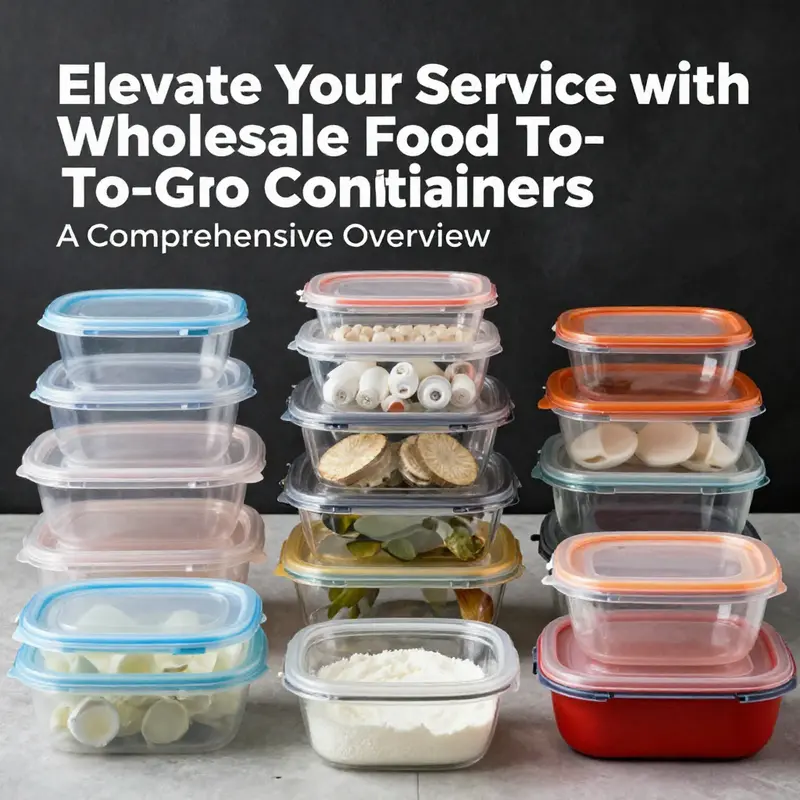
Material choices in food to-go containers are more than technical details; they define performance, cost, and the story a brand tells customers about responsibility and quality. In a wholesale landscape where restaurants, caterers, and retailers rely on tens of thousands of units monthly, the material behind each box, cup, or lid is a silent ambassador. It speaks to durability during transit, safety in storage, and even the ease with which a product can be recycled or composted. The modern buyer negotiates this triad—function, expense, and footprint—almost in one breath, balancing immediate needs with longer-term brand considerations. This is where a comprehensive understanding of materials, their production paths, and their lifecycle becomes essential for scale and success.
Polypropylene and its kin anchor most mainstream takeout ecosystems. Polypropylene (PP) is a workhorse for many wholesale programs because it combines heat resistance, chemical stability, and cost efficiency. Containers crafted from PP tolerate temperatures well above a hundred degrees Celsius, which makes them suitable for microwaving and keeping foods warm during short journeys. The upside is clear: lower unit costs and proven performance for hot sandwiches, noodle bowls, and ready-made meals. But PP carries environmental tradeoffs. It is not biodegradable in a natural setting, and its end-of-life story depends on the efficiency of local recycling streams and the mindset of the end consumer. In wholesale procurement, these factors translate into a careful calculus: how large an order should be to minimize waste, what return on investment is achievable through reuse programs, and how to communicate responsible consumption to customers who increasingly expect transparency.
PLA, a bio-based alternative derived from renewable feedstocks like corn starch or sugarcane, offers an appealing environmental narrative. In markets that emphasize sustainability, PLA is attractive because it can be compostable under industrial conditions, and it aligns with stricter environmental regulations. Yet in practice, PLA presents limitations that wholesale buyers must honor. Its heat resistance and mechanical strength generally lag behind traditional plastics. For high-temperature dishes or long-distance delivery, PLA can soften or deform, and its compostability depends on the presence of industrial facilities rather than home composting environments. For brands with a strong sustainability story, PLA remains compelling, but it demands an honest assessment of usage context, facility reach, and consumer behavior. When choosing PLA, buyers often implement clear usage guidelines and partner with suppliers who provide robust MSDS and lifecycle data to ensure that composting pathways are realistic and accessible to their customer base.
Cardboard containers have surged in popularity as part of a broader move toward recyclable packaging. Cardboard, especially when treated with food-grade coatings, provides decent moisture and grease resistance and excellent insulation for certain hot foods like pizza slices or burgers. The advantages are clear: lighter weight, high recyclability, and a tangible eco-friendly aura that resonates with many diners. The caveat is equally straightforward. Cardboard can leak under prolonged contact with water or oils, and the structural integrity can degrade with moisture exposure or heavy foods. Wholesale buyers often rely on coatings and layered constructions to bolster performance, but they must vigilantly test real-world use cases—sauces, dressings, soups, and long courier times—to ensure service levels stay consistent. In high-volume operations, cardboard is often paired with additional barrier layers or sleeves to protect contents and maintain a clean, premium look throughout the delivery chain.
Aluminum foil containers occupy a niche that blends thermal performance with sealing properties. The metal’s excellent thermal conductivity helps keep meals warm longer, which can be critical for certain delivery scenarios or catering events. When paired with tight lids, aluminum containers reduce the risk of leaks and preserve flavor and aroma. However, aluminum’s higher material cost, limited recyclability in some local systems, and heavier weight mean it is typically reserved for upscale or specialized applications. In wholesale terms, aluminum is a signal of premium intent. It’s selected by brands seeking a sturdier, semi-reusable experience, often in markets where the customer expects a long hold time or where the packaging doubles as a serving vessel.
Glass remains the more premium, long-term reusability option in the spectrum of food contact materials. Borosilicate or tempered glass containers offer chemical inertness, odor and stain resistance, and exceptional reuse potential. They are often marketed to upscale venues or eco-conscious brands that want a durable, non-porous container that lasts. The downsides are consequential: greater weight, fragility, and higher shipping costs. In wholesale contexts, glass is not the go-to choice for every stream of to-go demand, but when a brand pursues a premium, reusable model—or a consumer experience that emphasizes aesthetics and durability—the glass option can be transformative. It also often drives a premium price tier and can be part of a broader circular-economy program designed to encourage returns and refurbishing.
The production paths behind these materials are as important as the materials themselves. Modern to-go packaging emerges from a constellation of processes such as injection molding, thermoforming, lamination, and surface printing. Injection molding suits rigid, high-strength components and precise closures; thermoforming excels at lightweight sheets formed into clamshells, cups, and lids with consistent thickness. Lamination binds multiple layers into high-barrier structures that can resist moisture and grease while preserving clarity or branding. Printing adds the visual dimension that communicates brand value, compliance information, and usage instructions. Across these processes, manufacturers increasingly prioritize lines that can scale from prototype runs to mass production within tight lead times. The ability to convert a design idea into tens of thousands of units in weeks is a core competitive edge in a market where every day counts toward meeting demand.
That speed is closely tied to supply chain clusters centered in major manufacturing hubs. Provinces with dense clusters of thermoforming, injection molding, and bioplastic processing—combined with vertical integration—can transform a design into finished products with remarkable speed. The capacity to shift between materials while maintaining consistent quality is one of the most critical capabilities for wholesale buyers who must manage multi-material assortments under one umbrella. This proficiency reduces risk when a buyer needs to pivot from plastics to bioplastics mid-project or when a brand seeks to introduce a compostable line without disrupting current operations. It also means buyers should evaluate supplier capabilities not only on price, but on engineering flexibility, scale, and the speed of switching from one material family to another.
In the sustainability conversation, materials like PLA and other biobased or recyclable options are increasingly tied to regulatory expectations and customer sentiment. Standards from agencies such as the U.S. FDA and the European Food Safety Authority shape what materials can contact food and how they must be tested. Compliance is not a single checkbox but a continuous discipline. Suppliers provide material safety data sheets, third-party testing, and traceable supply chains to verify that what is marketed as BPA-free or compostable actually meets those bold claims. Buyers, for their part, should perform due diligence, including asking for independent test results, confirming certifications, and validating that end-of-life pathways align with customer capabilities and municipal programs. The goal is a packaging system that not only performs during transit but also behaves responsibly once the consumer discards it or returns it for reuse.
Wholesale buyers also navigate practical considerations that blend material science with business strategy. Leak-resistance, for example, remains non-negotiable for soups, sauces, and beverages. Lids with reliable seals, whether screw-on or snap-fit, reduce spill risk and protect brand integrity. Stackability matters for warehouse efficiency and cold-chain maintenance, so designs often feature uniform dimensions and interlocking features that maximize shelf density. Transparency, via clear plastic bodies, enhances product appeal by letting customers see the contents without opening the container—an understated but powerful driver of impulse purchase. Branding is not merely cosmetic; many suppliers offer color, logo, or full-coverage printing that reinforces brand identity across thousands of units. These design choices, when aligned with material properties, influence the overall consumer experience and the perceived quality of a brand offering.
For buyers who prioritize sustainability as a central axis of their strategy, the decision tree becomes more nuanced. A compostable or recyclable option must be available within the local recycling or composting infrastructure; otherwise the environmental benefit is primarily theoretical. In practice, brands may adopt a mixed portfolio: high-clarity PP for standard meals, PLA for cold or room-temperature offerings, and a compostable sleeve or container for specific product lines or partnerships that emphasize environmental stewardship. The cost delta between these choices frequently reflects not only material costs but also processing requirements, end-of-life infrastructure, and consumer education. When a business can guide customers through proper disposal or return programs, the environmental story becomes more tangible and credible.
To illustrate how this material-informed approach translates into real-world procurement, consider the need for a flexible, bulk-ready program that can accommodate a mix of hot and cold foods, varied portion sizes, and a spectrum of service styles. Buyers must think in terms of total cost of ownership, not just unit price. This means factoring in shipping, handling, and storage, as well as potential waste from short-dated stock or mismatched product lines. It also means considering the brand impact of packaging choices—whether a company wants to project a premium, eco-conscious, or value-driven image. In practice, this could involve negotiating with a single supplier for a tiered line of products, with triggers that switch materials as demand or regulatory pressures shift. The ability to predict these transitions with confidence reduces operational risk and supports smoother growth as restaurants scale, menus expand, and delivery volumes rise.
From a practical standpoint, it is wise to test samples and build in a phased rollout when evaluating new materials or supplier partners. This reduces the risk of costly misalignment between performance expectations and actual on-the-ground results. Buyers should request samples that mimic real usage—containers tested with sauces, oils, and various temperatures; lids subjected to repeated snap cycles; and packaging tested for stacking stability under typical warehouse conditions. Beyond performance, buyers should verify regulatory compliance and confirm the supplier’s commitments on sustainability and end-of-life management. Transparent communication about these topics reinforces trust with customers and demonstrates leadership in responsible packaging practices.
For readers seeking actionable routes to broaden their material options without sacrificing reliability, consider exploring targeted product families that emphasize sustainability without compromising performance. One avenue worth examining is a packaging option described as an eco-friendly, three-compartment design, which is suitable for meals with sauces or multi-item combos and can be aligned with a compostability or recyclability program. eco-friendly disposable 3-compartment packaging box for fast food. This kind of option can serve as a bridge between traditional plastics and newer bioplastics, allowing brands to display a commitment to responsible packaging while meeting operational requirements. It is essential, however, to pair such choices with clear guidance for customers on disposal or return options, to avoid audience confusion and ensure the environmental promise translates into tangible results.
In the broader arc of the wholesale market, the materials conversation is inseparable from the economics of scale, the cadence of demand, and the evolving landscape of consumer expectations. The industry continues to evolve as technologies advance and as cities and regions expand their recycling or composting capabilities. The result is a dynamic market in which the best suppliers offer not only a wide material palette but also robust testing, transparent certifications, and the flexibility to adapt to design changes quickly. Buyers who cultivate this strategic flexibility—and who insist on proven performance across a range of materials—position their brands to thrive whether they are serving quick-service chains, niche cafés, or large-scale caterers. The goal is to align material choice with the entire lifecycle of the product—from the initial manufacturing floor to the consumer’s hands, and finally to the end-of-life pathway that closes the loop on sustainability.
External reference: For a deeper understanding of regulatory considerations surrounding food-contact materials and their safety assessments, refer to the FDA resources on food contact substances. https://www.fda.gov/food/food-contact-materials/fda-food-contact-substances
null
null
From Prototype to Pantry: Strategic Sourcing for Wholesale Food-To-Go Containers in a Rapidly Changing Market
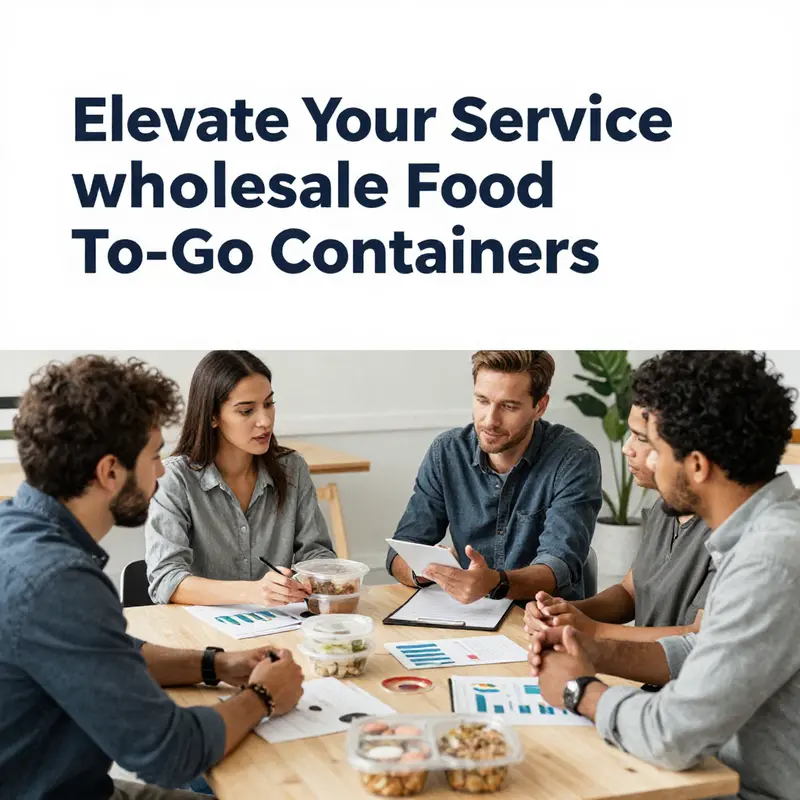
The surge in food-to-go demand has not merely expanded a product category; it has redefined the way wholesale packaging is sourced, evaluated, and deployed at scale. For buyers serving restaurant networks, caterers, supermarkets, and wholesale distributors, the objective has shifted from chasing the lowest unit price to orchestrating a resilient, cost-efficient, and brand-enhancing supply chain. Sourcing in this space means managing a complex mix of speed, quality, and sustainability while maintaining flexibility to adapt to evolving consumer expectations and platform-driven demand cycles. In practice, that means looking beyond the catalog to understand how a container behaves from prototype to pantry: how it ships, withstands heat and cold, keeps food secure, and reflects a brand’s values when a consumer encounters it on a crowded shelf or at a curbside pick-up window. The best wholesale partnerships are built not on a single transaction but on a shared roadmap for continuous improvement, risk management, and value creation at every touchpoint in the supply chain.
China continues to anchor this landscape as the dominant manufacturing hub for food-to-go containers, with regional clusters that bring together intensive capabilities in thermoforming, injection molding, and increasingly, bioplastic processing. Provinces such as Guangdong, Jiangsu, Shandong, and Sichuan host dense ecosystems where suppliers, equipment, and materials converge to support rapid scale from concept to large-volume production—often in a matter of weeks. The geographic spread across coastal and near-port cities translates into tangible lead-time advantages, especially for buyers who must balance speed to market with cost discipline. Coastal hubs, in particular, enable shorter customs cycles and more predictable logistics, which matter when a restaurant chain expands into new territories or a meal-prep client launches a nationwide program. In this environment, buyers can align sourcing choices with clear strategic aims—sustainability in Guangzhou or Suzhou through PLA and bagasse-based solutions, cost efficiency in Chengdu through bulk-forming capabilities, or speed-to-market in manufacturing nodes with high-volume throughput and robust supplier networks.
Material choices drive not only performance but brand perception and lifecycle costs. The most common families—petro-plastics such as PET, PP, and PS—offer lightweight durability and cost advantages that make them staples for everyday takeout boxes, salads, and ready-to-eat meals. Their suitability across microwave, freezer, and sometimes dishwasher use varies with grade and design, so buyers must scrutinize heat exposure, barrier properties, and potential leaching concerns. Multi-compartment configurations with leak-resistant lids remain highly sought after for meal kits and mixed dishes, where presentation matters as much as practicality. Glass, while premium in a subset of applications, introduces heavier weight, higher shipping costs, and fragility, but it still earns a place in upscale formats and eco-conscious menus where reusability and long-term resilience are central to a brand narrative.
Bioplastics—most notably PLA—represent the strongest growing category for brands pursuing a lower-waste message. PLA offers compostability under industrial conditions and aligns with consumer demand for greener packaging, yet it has limits in high-heat or prolonged hot-food storage. Such constraints shape how buyers structure product portfolios: pairing PLA or bagasse-based options with traditional plastics to guarantee reliability across dayparts and menu profiles. Paper and cardboard formats, often used as outer sleeves or in combination with wax-coated components, lend strong recyclability and compostability stories but demand careful design to avoid compromising performance in liquid or greasy applications. These material trade-offs underscore why a wholesale buyer cannot rely on a single material story; instead, successful sourcing blends materials to match use cases, cost targets, and sustainability commitments.
Within this material landscape, several features consistently separate capable suppliers from the rest. Leak-resistant lids are non-negotiable for soups and sauces, while stackable designs maximize storage efficiency in warehouses and during transit. Transparent bodies help diners assess quality and portion size, a subtle but powerful factor in online or in-person impressions. Screw-on lids offer enhanced containment for liquids or semi-solids, supporting freshness during long shipments or fluctuating temperatures. Equally important is the ability to provide branding options—whether through printed logos, labeling, or private-label packaging—that reinforce a retailer’s identity from the moment food leaves the kitchen to the moment it reaches the customer. When these features converge in a single offering, buyers gain reliability and the confidence to plan promotions, seasonal menus, and loyalty programs around stable packaging assets.
The path to compliant and safe packaging rests on rigorous standards and verification. Reputable suppliers align with a constellation of international safety and material standards, including FDA food-contact regulations and EU 1935/2004. These frameworks are not mere paperwork; they translate into tested materials, traceable supply chains, and predictable performance in real-world conditions. Buyers should request material safety data sheets, conduct third-party testing when required, and verify the presence of certifications that carry real value, such as BPA-free claims or compostability certifications. That diligence reduces risk in audits, helps maintain product approvals across markets, and protects a brand’s integrity as it scales. The quality story, in turn, feeds into a broader risk-management approach that considers not only product safety but continuity of supply, transparency in sourcing, and the ability to respond quickly to any disruption—whether from geopolitical shifts, port congestion, or a supplier’s capacity constraints.
To navigate this terrain effectively, buyers adopt a structured yet flexible supplier-evaluation framework. Four pillars—operational reliability, product specialization, compliance and traceability, and sustainability credentials—form the backbone of a rigorous assessment. Operational reliability is measured through on-time delivery, lead-time accuracy, and the responsiveness of the supplier to change requests and quality issues. Product specialization rewards partners who focus on niche categories or specific end-use cases, delivering deeper technical support, better fit for particular packaging solutions, and a streamlined process for complex customization. Compliance and traceability cannot be compromised; buyers seek verifiable documentation and transparent supply chains that demonstrate adherence to regulatory requirements and safety standards. Finally, sustainability credentials have become almost as critical as functionality. For compostable and recyclable claims, suppliers should provide third-party certifications, life-cycle data when available, and clear statements about end-of-life treatment. In practice, this framework guides conversations about private labeling, non-GMO formulations, and tailored packaging—capabilities that many modern suppliers offer as value-added services rather than as basic options. Such capabilities enable distributors, restaurant groups, and eco-conscious brands to align packaging with evolving consumer expectations, such as clean-label trends and low-impact materials, without sacrificing performance or cost control.
This approach also emphasizes the importance of functional performance testing as a non-negotiable part of supplier selection. Beyond the standard checks for durability, heat resilience, and barrier properties, buyers should evaluate oil resistance, water barrier integrity, and thermal stability under realistic usage scenarios. Packaging that endures microwave cycles, freezer storage, and stacking during distribution reduces the risk of leaks and food compromise, preserving brand equity and reducing the costs associated with returns or discarded product. In practice, many leading suppliers offer testing programs or collaborative trials that demonstrate the container’s behavior with different food types and at varying temperatures, giving buyers concrete data to inform procurement decisions. The goal is a supplier that can provide not only a finished container but also the engineering support to optimize performance for specific menus, service formats, and logistical realities.
Beyond the technical and regulatory considerations lies a strategic tension between scale and customization. The most valuable partnerships combine large-scale manufacturing capabilities with the agility to accommodate bespoke requests. Private labeling, tailored colorways, unique lid designs, and proprietary barrier materials are not only ways to differentiate a brand; they are a means of driving loyalty by delivering a consistent, recognizable experience at every packaging touchpoint. This balance—size and flexibility—defines a modern wholesale supplier ecosystem. It enables distributors to fulfill bulk orders with predictable timelines while offering restaurant groups the opportunity to differentiate through packaging that communicates quality, sustainability, and care. The result is a supply chain that supports growth, not merely a catalog of available products.
As the sourcing discourse matures, the practical emphasis shifts toward integration. Buyers increasingly view packaging as an extension of their product portfolio, requiring alignment with procurement, operations, and marketing teams. A cohesive sourcing strategy integrates quality, sustainability, and innovation into a single, coherent supply chain plan. That integration touches procurement systems, forecasting models, and supplier performance dashboards, helping teams anticipate demand surges, plan for seasonal promotions, and adjust to shifts in consumer behavior across regions. In a market where delivery platforms, ghost kitchens, and rapid order cycles compress timelines, the ability to map supplier capabilities to demand signals becomes a strategic advantage. It allows a brand to scale responsibly, maintaining consistent packaging performance while controlling total cost of ownership. The most effective sourcing programs thus treat packaging as a core operational asset—one that influences not only food safety and shelf presence but also the efficiency of warehousing, the speed of last-mile fulfillment, and the sustainability story that resonates with today’s eco-conscious consumers.
For those seeking practical guidance on navigating this landscape, an established sourcing guide offers detailed frameworks, supplier vetting checklists, and case studies that illustrate how to translate principles into action. External resources can help buyers benchmark practices, refine supplier selection criteria, and design pilot programs that de-risk large purchases. For readers who want a structured starting point, a recommended external reference provides a comprehensive map of best practices and benchmarks for go-container sourcing in China. External resource: https://www.b2bwholesale.com/sourcing-guide-to-go-containers-china/
Within this evolving ecosystem, the internal conversation about packaging design and supplier selection should also listen to the market’s demand for smarter, greener choices. One practical path is to incorporate a curated mix of materials that can meet varied use cases while maintaining a coherent sustainability narrative. For example, a brand might prioritize PLA for cold foods and salad kits, PET or PP for standard takeout boxes that undergo frequent reheating or stacking, and recyclable paper-based components for outer packaging and sleeves. The aim is not to force a single material into every scenario but to design a packaging portfolio that matches the temperature profile, transit distance, and consumer expectations of each product line. In parallel, suppliers can be engaged in joint optimization exercises that seek to reduce overall packaging weight, improve seal integrity under transport, and simplify end-of-life handling. Such collaboration yields tangible benefits: reduced shipping costs through weight and space savings, improved consumer satisfaction due to leak-free experiences, and stronger brand trust because packaging aligns with environmental commitments.
Finally, the sourcing journey must be anchored by thoughtful vendor relationships anchored in transparency and mutual benefit. Long-term partnerships reduce the friction of audits and regulatory checks, lower the cost of change orders, and accelerate new product introductions. They enable suppliers to forecast capacity with greater accuracy, absorb fluctuations in raw-material costs, and commit to continuity plans that keep the shelf stocked during disruptions. For buyers, the payoff is evident in steadier lead times, clearer communication during emergencies, and a more predictable path to scale. The net effect is a supply chain that can respond with agility to market opportunities while maintaining strict standards of safety, quality, and brand alignment. In a market as dynamic as food-to-go packaging, the lasting value comes from building partnerships that see packaging not as a one-off purchase but as an enduring element of a brand’s promise to customers. The most successful programs are those in which suppliers become strategic collaborators—co-developers of better materials, better designs, and better practices that advance the entire ecosystem toward greater efficiency, sustainability, and trust.
For readers seeking a concise, practical starting point, the sourcing guide and a selection of supplier evaluation templates can provide a structured way to translate these concepts into action. As the market continues to evolve, keeping the focus on reliability, compliance, customization, and sustainability will remain central to achieving scalable success in wholesale food-to-go containers. This approach not only supports efficient operations but also reinforces the brand narrative with packaging that communicates quality and responsibility at every customer touchpoint. And as new materials and processing technologies emerge, the conversation will continue to evolve, bringing more opportunities to optimize performance while reducing environmental impact. The journey from prototype to pantry is thus not a single destination but a continuous cycle of improvement, collaboration, and strategic foresight that underpins successful wholesale packaging programs in a rapidly changing market.
Internal link reference: eco-friendly takeout boxes for food packaging.
External resource cited: https://www.b2bwholesale.com/sourcing-guide-to-go-containers-china/
Final thoughts
The wholesale market for food to-go containers offers immense opportunities for businesses in the food industry. By understanding the nuances of sourcing, material specifications, and the critical features that enhance usability, you can elevate your brand’s packaging and enhance customer experience. As demand for quick and eco-friendly dining solutions grows, partnering with the right suppliers from China can provide the high quality and efficiency that your operational needs require. Make informed choices to gain a competitive edge.