
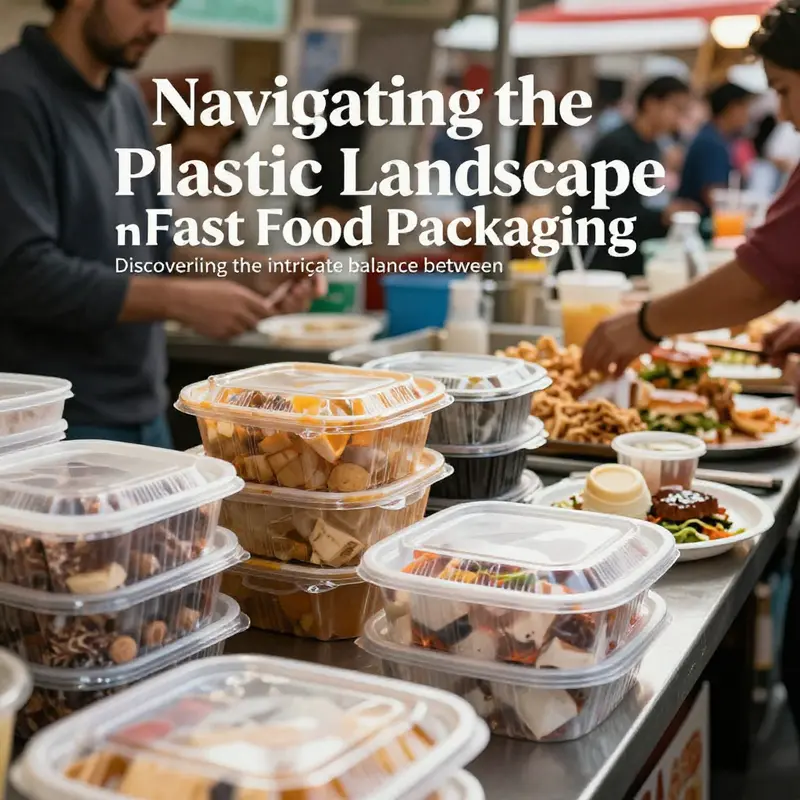
Fast food packaging plays a crucial role in the food industry, particularly for businesses like bubble tea shops, food trucks, and restaurants. Plastic containers, valued for their durability and cost-effectiveness, have become the go-to choice for takeout and delivery services. However, as environmental concerns grow and consumer awareness rises, these plastic solutions come under scrutiny. This article explores the role of plastic in fast food packaging, its environmental implications, health considerations, alternative materials, and the evolving regulatory landscape. Each chapter sheds light on how this issue impacts your business while suggesting practical steps forward.
Inside the Box: The Materials, Manufacturing, and Environmental Reckoning of Plastic Fast-Food Containers
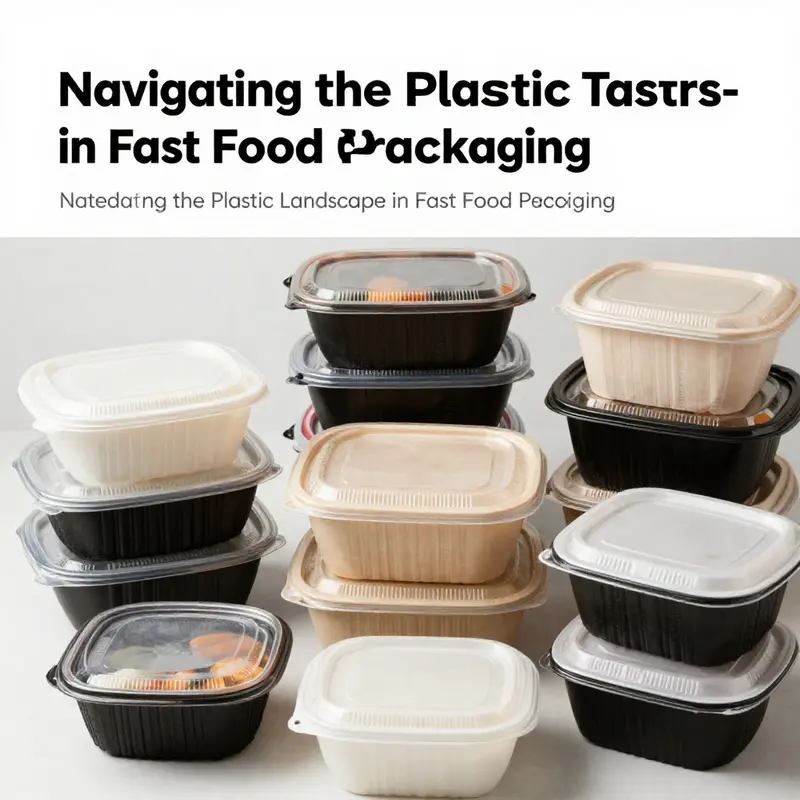
Plastic is more than a material in the fast-food ecosystem; it is the backbone of how meals travel from kitchen to customer with hygiene, speed, and reliability. The containers chosen for takeout and delivery are designed not just to hold food, but to preserve its temperature, protect its contents from contamination, and present the product in a way that feels convenient and trustworthy to a marketplace that prizes efficiency. The shapes and capacities—think square boxes in roughly 500, 650, 750, or 1000 milliliters—are not arbitrary. They reflect a balance of stackability, portion control, and the realities of point-of-sale and courier handling. The dome lids, often clear to allow a view of the meal inside, seal tightly to prevent leaks during transport and to minimize the chance of spills that could create a messy customer experience or an unsafe in-vehicle environment. This tight choreography between container, lid, and content is what makes plastic both practical and pervasive in fast-food logistics. Yet behind the convenience lies a constellation of material properties and manufacturing choices that determine not only performance but also potential risks and costs for the food system and the broader environment.
The spectrum of plastics favored in these containers centers on a few workhorse polymers, each chosen for certain strengths. Polyethylene terephthalate, or PET, is prized for its clarity and strength. Its barrier properties help keep moisture and gases from moving in or out, which is crucial for items like salads or foods that might otherwise lose crunch or succumb to moisture gain. PET’s light weight and shatter resistance also suit single-use packaging that must endure the rough-and-tumble realities of daily handling, stacking, and transit. Then there is polypropylene, or PP, which earns its place through robust heat resistance and recyclability. PP is often found in microwaveable containers and their lids, where the possibility of reheating or keeping hot meals intact without warping is a major consumer and supplier consideration. Polystyrene, particularly in its expanded form known colloquially as Styrofoam, plays a role where insulation and lightweight structure matter. Its thermal properties help hot meals stay warmer for longer, an attribute valued by both operators and diners, even as concerns about odor absorption and end-of-life waste complicate its use in some regions.
In practice, these materials are chosen not only for their innate properties but for how they behave under real-world conditions. A hot curry or a steaming noodle dish presses the temperature upward, and a container must resist deformation while maintaining a lid seal that keeps the meal intact and safe. The choice among PET, PP, or PS also interacts with the food’s fat and acid content and with the duration of the delivery window. For salads, PET’s moisture barrier helps with freshness; for meals that travel longer distances, PP’s heat tolerance supports reheating or keeping food warm without compromising structural integrity. The result is a practical fusion of chemistry and design that makes plastic the default in many fast-food packaging strategies. It is this fusion that allows a single piece of packaging to perform a complex set of roles—from containment and branding to hygiene and convenience—without demanding a higher price tag from the consumer.
From a manufacturing perspective, producing these containers involves a sequence of time-tested techniques that are optimized for speed, precision, and scale. Injection molding, for instance, allows molten plastic to be injected into a meticulously crafted mold, creating precise shapes with repeatable tolerances. This method is ideal for forming the rigid sides, corners, and lids that form the backbone of many fast-food containers. Blow molding, another staple method, is commonly used for hollow container bodies, where a heated tube of plastic is inflated within a mold to take on a precise, hollow form. Thermoforming adds yet another avenue, heating a plastic sheet until pliable and then draping it over a mold to fashion shallow, stackable containers. Each process has a different footprint in terms of energy use, cycle time, and waste, but together they drive the ability to produce billions of units with consistent safety and performance, and at prices that keep takeout affordable for millions of customers.
The manufacturing narrative is not complete without acknowledging the certification frameworks that accompany supplier offerings. Many manufacturers and distributors emphasize certifications such as CE or SGS to demonstrate compliance with international standards of safety, quality, and performance. Such certifications reassure customers that the containers can withstand the rigors of heat, transport, and repeated handling, while maintaining a degree of food-safety assurance. In parallel, the push for customization—whether in size, shape, venting features, or lid design—reflects a demand for packaging that aligns with diverse menu formats, from burgers to bowls to multi-item meals. The ability to tailor these containers while preserving a baseline of safety and compatibility with heating equipment speaks to the sophistication of modern plastics manufacturing, where design and process engineering converge to meet a global food service market with its own set of pressures: speed, durability, and cost containment.
Yet, even as plastic proves its value, the environmental ledger remains a central consideration for operators, policymakers, and consumers alike. The practical benefits of single-use plastics—lightweight transport, reduced breakage, and hygienic barriers—stand in tension with concerns about waste, litter, and the persistence of plastics in ecosystems. Recycling rates for post-use containers are uneven. Contamination from food residues, missorting in municipal streams, and the sheer diversity of resin types and additives complicate recycling efforts and raise questions about system-wide performance. In response, many companies and cities are driving toward alternative pathways: materials designed for higher recyclability, more efficient sorting, and, in some cases, biodegradables derived from renewable resources. Cornstarch, sugarcane, and bamboo-based composites are among the categories explored for reducing net plastic waste while retaining the functional performance required for hot, greasy, or messy foods. These options hold promise for shrinking the lifecycle footprint of fast-food packaging, but they also come with challenges. Biobased or biodegradable materials may struggle under high temperatures, or they may require industrial composting conditions not always available in every community. The economics of renewable-resource materials can also be a barrier, particularly when volumes are tied to the high-volume cadence of global fast-food operations.
This tension between functionality and sustainability is not a critique of plastic itself but a prompt to rethink design, collection, and end-of-life pathways. The conversation now often centers on how to close the loop: improving recyclability through standardized resin identification codes, enhancing contamination control at the source, and investing in better sorting infrastructure so that a larger share of used containers re-enters the production cycle. In some cases, this means reimagining container geometry and material blends to favor recyclability without sacrificing heat resistance or leak prevention. In others, it involves adjusting the supply chain to favor suppliers who can demonstrate cradle-to-cradle thinking, where packaging is conceived with recovery and reuse in mind rather than as a disposable afterthought. Across these efforts, the design language of fast-food packaging has begun to embrace a more holistic set of criteria that includes environmental performance, not just consumer convenience.
Amid these shifts, a practical orientation remains essential for business operators balancing costs, customer expectations, and regulatory landscapes. The practical takeaway for brands and operators is that materials and manufacturing choices do not exist in a vacuum; they shape the end-user experience, affect shelf-life and safety, and influence waste streams long after a meal is consumed. A modern approach weighs not only immediate performance—heat tolerance, leak resistance, and clarity—but also the container’s journey after disposal. This is where a dialogue between material science, packaging design, and waste management becomes crucial. The best options may involve layered decision-making: selecting a primary polymer that delivers the needed performance, pairing it with a design that optimizes material use and end-of-life recovery, and incorporating labeling and education that guide consumers toward proper disposal. In this sense, plastics in fast-food packaging are as much a design problem as a material science problem, requiring an integrated perspective that recognizes the entire lifecycle from restaurant bench to curbside collection and beyond.
For readers who want to see how real-world packaging options are expanding beyond conventional plastics, several suppliers now offer eco-friendly alternatives that prioritize end-of-life performance without compromising on convenience. For a practical view of such options, consider this example of an eco-friendly disposable fast-food packaging box that is designed to be highly functional while aiming to reduce waste. This resource illustrates how an adaptable, multi-compartment system can support a variety of meals while aligning with sustainability goals. eco-friendly disposable fast-food packaging boxes.
The journey toward more sustainable fast-food packaging is ongoing, and it sits at the intersection of chemistry, manufacturing, consumer behavior, and policy. As researchers and practitioners continue to interrogate resin choices, processing methods, and recovery systems, the chapter turns toward a broader understanding of how plastics can perform well in the short term while offering a viable, low-impact path forward in the long term. It is not a question of abandoning plastic, but of innovating it—through smarter material selection, smarter design, and smarter end-of-life management—so that the speed and convenience of fast-food packaging can coexist with a more responsible environmental footprint. The literature and industry practice alike point toward a future in which containers are crafted to maximize safety and performance, while at the same time making it easier for communities to capture, reuse, or recycle the materials in a way that reduces leakage into natural systems and lowers the overall burden on waste management infrastructure.
Further reading: Understanding the standards, properties, and industrial applications of food container plastics provides a comprehensive technical backbone for these discussions. See the NIH-guided overview for a deeper dive into resin identification codes, regulatory compliance, and best practices in plastic food packaging. [https://www.ncbi.nlm.nih.gov/pmc/articles/PMC10256789/].
Boxed In by Plastic: The Hidden Waste Footprint of Fast-Food Packaging and the Path Toward Systemic Change
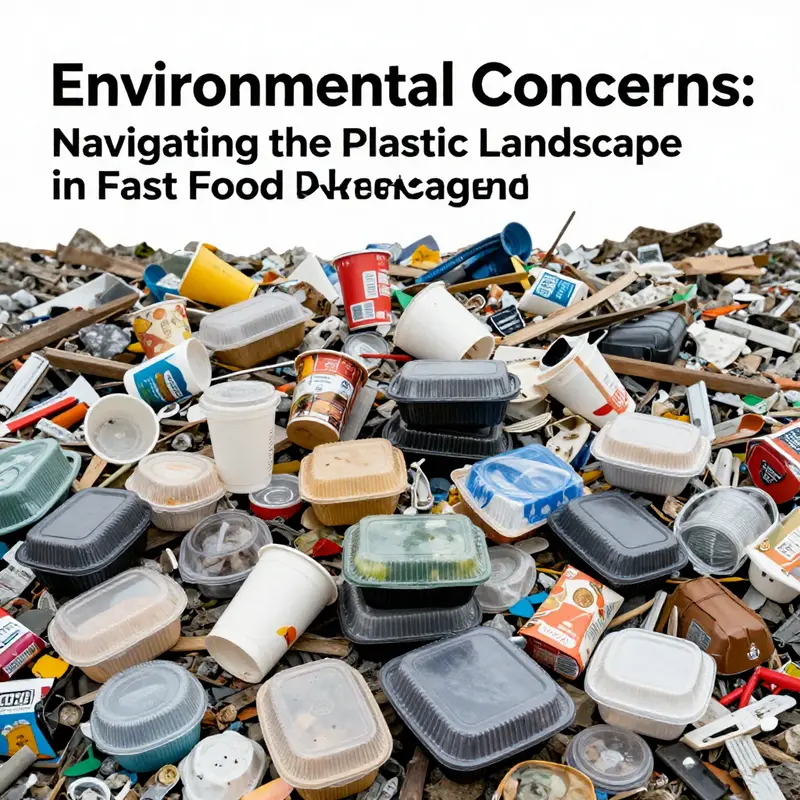
The takeout culture that powers modern fast food relies on packaging designed to grip, insulate, and resist the chaos of travel. The containers that cradle burgers, fries, noodles, and bowls of stew are no afterthought; they are the architecture that makes a multi-billion-dollar convenience economy possible. Most of these boxes, cups, and lids are made from plastics such as polypropylene (PP), polyethylene terephthalate (PET), or polystyrene (PS). They come in a spectrum of shapes and sizes—square boxes that hold anything from 500 ml to 1000 ml, or dome-lidded containers that seal with a reassuring snap. The technical aim is simple yet exacting: keep moisture at bay, resist heat, and prevent leakage during the journey from restaurant to doorstep. In practice, this means a class of materials engineered for durability and barrier properties. PP, for instance, is favored for its heat resistance and safety in contact with hot foods, while PET and PS offer clarity and stiffness that help brands showcase contents and maintain form under pressure. The design of these containers is therefore a delicate balance between performance, cost, and consumer experience. Yet beneath the surface of convenience lies a pressing question about what happens after the last bite is taken and the packaging is discarded.
From a lifecycle perspective, plastic fast-food packaging exemplifies a paradox. It is technically recyclable in many jurisdictions, and its chemistry can be reprocessed into new products. In practice, however, recycling rates lag far behind the scale of use, especially for takeout waste. A key bottleneck is contamination. Food residues—oil, gravy, sauce, and seasoning—stick to the interior and exterior of containers as they ride through kitchens, pickup counters, and delivery bags. This contamination complicates sorting and processing at recycling facilities. Unlike bottles and rigid containers that typically arrive relatively clean, fast-food waste rarely undergoes the kind of purification seen in consumer packaging streams. The result is a high rate of rejection or downcycling, where a container may be transformed into a low-value product with limited recycling potential, or sent to landfill or incineration. The net effect is a system where the theoretical recyclability of plastics frequently collides with real-world end-of-life outcomes, producing a disproportionate environmental footprint for items that are widely used precisely for their practical benefits in daily life.
The environmental gravity of this situation expands beyond the immediate waste stream. The sheer volume of single-use packaging associated with takeout meals translates into broader impacts on land, air, and water. When recycling facilities reject contaminated containers, the waste is diverted to landfills or incineration, both of which carry emissions, energy use, and space requirements. Even when plastics are successfully diverted from landfills, the lifecycle emissions associated with their production, transport, and processing remain substantial. The global effect includes microplastic leakage into soils and waterways, where fragments can persist for decades and enter the food chain. In short, the convenience of fast-food packaging is entangled with environmental costs that accumulate at scales not immediately obvious in a single meal, yet become meaningful when multiplied by millions of daily orders across the world.
Addressing these challenges requires recognizing the multifaceted nature of the problem. Contamination is not a mere nuisance; it is a central barrier to efficient recycling. When packaging is heavily soiled, it must be washed or treated to remove food residues before it can be processed. Waste streams composed of mixed materials—from heavy-duty PP bowls to PS foam cups and PET clamshells—pose additional sorting challenges. The result is a recycling ecosystem that struggles to achieve high recovery rates for takeout packaging, despite advances in material science and collection infrastructure. Moreover, the attitudes and behaviors of consumers and businesses alike influence the fate of these materials. If customers discard containers without rinsing or sorting, or if restaurants switch to different packaging without aligning with local recycling capabilities, the system becomes more error-prone and less efficient. In this context, the sustainability of fast-food packaging hinges not only on what is produced, but on how it is handled, treated, and disposed of downstream.
Recognizing the systemic nature of the problem, researchers and industry specialists have proposed a set of practical pathways aimed at aligning design, manufacturing, and waste management. One strand emphasizes the need to upgrade recycling infrastructure so it can handle soiled packaging materials more effectively. This involves investment in facilities that can separate food residues from plastics and process contaminated streams without compromising safety or efficiency. Another strand advocates standardization of packaging materials. If a single, commonly recyclable plastic type is used across a broad range of packaging, the recycling process becomes more straightforward, reducing contamination and improving overall recovery rates. In parallel, there is growing interest in sustainable alternatives, including compostable materials derived from plant-based sources and innovations in bio-based coatings that might replace conventional barrier layers. Yet these options are not without hurdles. Compostable packaging requires industrial composting facilities to function effectively, and the economics of bioplastics must compete with traditional plastics on a large scale. Scalability remains a critical constraint, as does the need for disposal infrastructure capable of correctly diverting compostables from regular recyclables and waste streams.
The shift toward more expansive systemic changes also intersects with policy and business practices. Extended Producer Responsibility (EPR) schemes, which obligate producers to finance and manage packaging waste, can realign incentives toward more sustainable packaging choices and waste management outcomes. Some jurisdictions are exploring bans or restrictions on the most problematic materials, while others are experimenting with deposit-return systems to encourage reuse and better sorting of containers. In parallel, there is a growing push for reusable packaging systems within takeout ecosystems. Restaurants and third-party delivery platforms are piloting programs in which customers return clean containers for reuse, creating a loop that reduces single-use waste. While promising, such initiatives require careful design to preserve food safety, ensure consumer convenience, and support economic viability for both operators and suppliers.
Consumer behavior is a pivotal piece of this puzzle. The path from the table to recycling bins is shaped by everyday choices, such as whether customers rinse containers before disposal, whether they separate packaging by material type, and whether they are willing to participate in reuse programs. Even when people understand the environmental stakes, the realities of busy schedules and the quick rhythm of life can override sustainable impulses. The result is a waste landscape in which millions of plastic-packaged meals become a continuous feedstock for waste streams that are difficult to recover and reuse. In addressing this, education and clear labeling play a crucial role, helping people recognize which plastics are most recyclable in their area and how best to prepare containers for recycling or composting. Simultaneously, businesses can simplify the decision by choosing packaging that is easier to recycle or compost, and by providing customers with straightforward recycling guidance along with the meal.
Beyond behavior, the design and material choices of packaging can significantly influence outcomes. The most effective short-term strategies focus on reduction and consolidation: using only the amount of material necessary to protect the food, avoiding multi-layer compounds that confuse sorting streams, and moving toward materials that are widely accepted by local recycling programs. In addition, industry players can work toward a form of packaging standardization that reduces cross-contamination and simplifies the downstream processing. When a large share of takeout packaging is made from one or a few widely recyclable polymers, the efficiency of collection, sorting, and reprocessing improves markedly. This does not demand sacrificing performance; rather, it invites a reimagining of packaging as a system that echoes the needs of waste management while preserving the benefits of convenience and food safety.
Yet there is an equally important appeal to consider: the social and environmental equity embedded in packaging choices. Communities with less robust waste management infrastructure bear a disproportionate burden when takeout packaging becomes litter or ends up in landfills where it persists for long periods. The environmental costs cascade into air and water quality, local ecosystems, and public health. For these communities, the promise of recyclable or compostable packaging offers more than a cleaner environment; it represents a pathway to better health outcomes and more resilient local economies. The challenge is not merely technical; it requires a coalition of manufacturers, retailers, municipalities, and citizens to align interests and share responsibility in a way that translates innovation into real-world improvements.
In this light, the current landscape of fast-food packaging can be understood as a snapshot of a broader tension between convenience and sustainability. The plastic containers that enable rapid, affordable meals also generate a complex waste equation that tests the capacity of recycling systems and the commitment of society to manage waste responsibly. The practical middle ground involves pragmatic improvements: better infrastructure to process contaminated plastics, a move toward predominantly recyclable packaging, and a broad exploration of safer, scalable alternatives where they make technical and economic sense. The challenge lies in implementing these changes at scale, without compromising the fundamental advantages that make takeout so appealing in the first place. It is a delicate balancing act that requires foresight, investment, and coordinated action across the entire chain—from material science labs to kitchen counters, from curbside collection to recycling facilities, and into the hands of consumers who demand both convenience and a healthier planet.
As a practical step toward that future, many in the industry are exploring packaging that pairs performance with recyclability. One tangible route is the adoption of eco-friendly takeout boxes for food packaging that are designed with end-of-life in mind, prioritizing materials and coatings that recyclers recognize and process efficiently. Such options can reduce contamination and simplify sorting, improving overall recovery rates. While no single solution will resolve the problem alone, a combination of infrastructure upgrades, material standardization, and responsible consumer behavior can move the system closer to a circular model where packaging materials are valued rather than discarded. This requires ongoing collaboration, transparent reporting, and a willingness to pilot new models that preserve food safety and taste while diminishing environmental impact.
External resource: https://www.epa.gov/food-packaging
From Plastic to Plate: The Hidden Health Risks of Fast-Food Packaging and Chemical Leaching
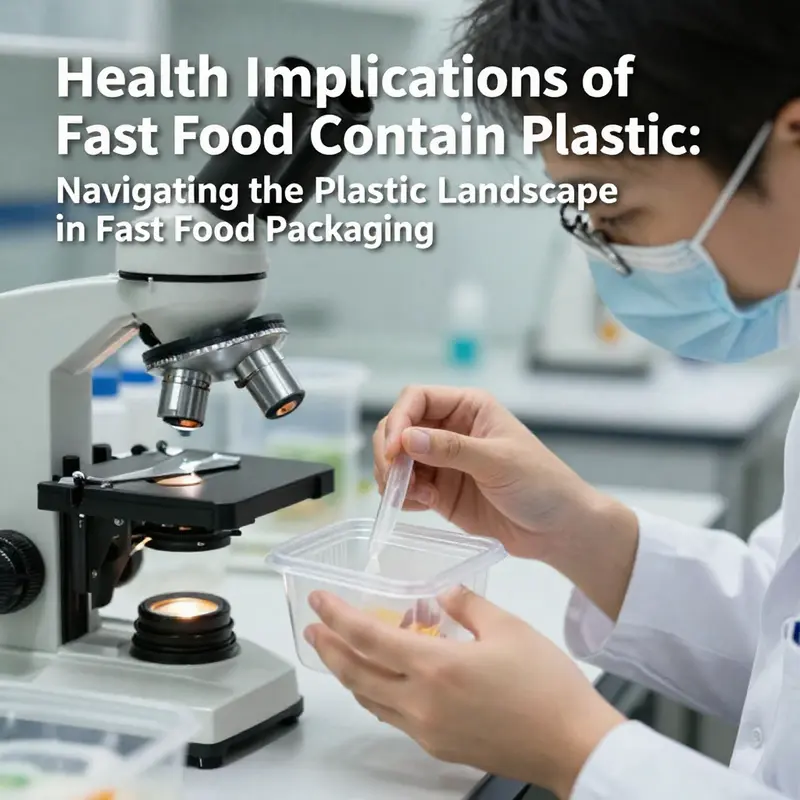
The convenience of fast food comes with a quiet price tag carried by its packaging. Plastic containers, chosen for their lightweight, durability, and low cost, form a frontline in the daily rotation of meals that arrive hot and ready. Yet beneath the gloss of convenience lies a set of health questions that researchers and regulators continue to probe. The central issue is not simply whether plastic is present in the packaging, but how the materials interact with food under common use—especially when the foods are hot, fatty, or acidic. The result can be a subtle transfer of chemicals from container to meal, a process known as leaching. When we consider the health implications of fast-food packaging, it is essential to move beyond the surface of containment and toward the chemical choreography that happens at the interface between a container and the food it holds.
Heat plays a decisive role in this equation. Plastic containers are engineered to withstand certain temperatures, yet not all are equally suited for hot foods or for reheating. When a hot curry, a steaming burger, or a fatty fried snack sits in a container, the heat can cause the plastic matrix to relax and rearrange. This relaxation can increase the mobility of certain additives, making it more likely that compounds will migrate into the food. In particular, plasticizers used to impart flexibility to polymers—often phthalates—have a well-documented history of migrating into fatty foods. While many consumer packages now use alternatives, the migration risk remains a concern wherever heat and fat coexist. It is not just about the presence of a plastic film with additives; it is about how those additives behave under real-world conditions, which may differ from controlled laboratory tests.
BPA, or bisphenol A, anchored much of the public conversation about plastic safety for decades. It is an endocrine disruptor, meaning it can interfere with hormonal signaling even at low doses. Though many manufacturers have shifted toward BPA-free designs, the story does not end there. Substitutes such as BPS (bisphenol S) and BPF (bisphenol F) have been introduced, often in response to consumer demand and regulatory pressure. What studies increasingly show is that these BPA substitutes may exhibit toxicological profiles not vastly different from BPA itself. The result is a cautious interpretation: replacing one troublesome chemical with another may not fully resolve health concerns, especially when exposure accumulates over time through repeated meals from the same household or workplace patterns.
The long-term health implications of chronic, low-dose exposure to these substances are not simply theoretical. Epidemiological and experimental evidence connects certain of these chemicals to reproductive issues, metabolic disturbances, and, in some contexts, heightened cancer risk. It is a reminder that the body’s tissues and organ systems operate on intricate signaling pathways, and even small, persistent exposures can yield measurable effects over years or decades. The challenge for consumers is to translate that complexity into everyday decisions—what to use, what to avoid, and how to handle containers that have served their purpose.
The risk is not confined to chemicals alone. Physical degradation of containers amplifies the likelihood of chemical transfer. A cracked, cloudy, or heavily scratched container exposes more surface area and can alter the barrier properties that keep food from contacting plastics. When containers are damaged, the line between packaging and meal blurs, and the chance of micro-leakage increases. Likewise, repeated reuse of single-use packaging or improper storage can create microenvironments that foster chemical migration and microbial growth. The stew of potential hazards is not only chemical; it is microbial as well. If a container is reused beyond its intended life, or if it is stored for extended periods in warm conditions, the risk of contamination grows. The same vignette—heat, fat, time—can drive both chemical leaching and microbial concerns into a single, unsettling narrative.
Another layer of complexity arises from volatile organic compounds, or VOCs, that can be present in some packaging materials and may be released when heated. VOC exposure is not as widely discussed as phthalate or BPA concerns, but it compounds the overall risk assessment of what happens at the moment a hot meal sits in its plastic shell. Taken together, chemical leaching, surface degradation, and VOC release form a triad of factors that keeps health researchers vigilant about fast-food packaging choices, even as consumer demand for quick meals remains resilient.
What, then, should a thoughtful consumer do in the face of this information? Practical steps start with a simple precaution: avoid using plastic containers for hot or greasy foods whenever possible. The thermal dynamics of heating in a microwave or conventional oven can accelerate leaching, especially for items high in fat. For those meals that must be transported in plastic, prioritizing packaging that is explicitly labeled for higher heat resistance and tested for food safety is prudent. The label “microwave-safe” can be a critical cue, but it is not a universal guarantee; even microwave-safe plastics can degrade if overheated or visibly worn. Checking containers for cracks, cloudiness, or deep scratches before reuse is a small but meaningful safeguard.
Where possible, alternatives like glass or ceramic containers provide a more inert option. They typically do not leach the same set of chemicals when heated and can tolerate repeated heating with lower risk of chemical migration. This does not absolve all risk, but it shifts the balance toward a more conservative approach to dietary exposure. For those who rely on takeout and delivery as regular options, choosing packaging designed for safety, reduced chemical contact, and environmental responsibility becomes a partial hedge against the uncertainties of leaching.
In tandem with consumer choices, regulatory oversight and transparent communication from manufacturers play crucial roles. Agencies that regulate food-contact materials establish safety thresholds and testing standards, but the literature increasingly emphasizes the complexity of real-world exposure. Cumulative, low-dose exposure over time may produce effects not captured by isolated laboratory measurements. The FDA and other bodies have issued guidance and standards to protect public health, yet evolving science means these guidelines are continually reappraised. The ongoing dialogue between science, industry, and policy is essential to close gaps between laboratory assumptions and kitchen realities.
In practice, this means a two-pronged approach: reduce unnecessary plastic exposure where feasible and demand ongoing, independent verification of packaging safety. Consumers can benefit from clear labeling that communicates whether a container is appropriate for hot foods, whether it has passed rigorous testing for fatty contents, and whether there are recognized substitutions for conventional plasticizers. The conversation around safety is also a conversation about design choices. Durable, recyclable, or compostable options, where available, can mitigate some health concerns while addressing environmental consequences. For those who want to dig deeper into regulatory context, the FDA’s guidance on food-contact materials provides a structured overview of how materials interface with foods and what safeguards are currently in place. It is a useful reference point for understanding the limits and strengths of current rules while recognizing that science continues to refine risk assessments over time.
The social dimension of this issue should not be overlooked. Fast-food packaging sits at a nexus of accessibility, affordability, and convenience. The same systems that enable rapid takeout also pose questions about the long-term health implications of repeated exposure to chemicals that migrate from packaging into our meals. When communities depend on quick service for daily sustenance, it is especially important to balance the benefits of convenience with the duty to minimize potential harms. This balance includes promoting safer packaging alternatives and supporting vendors that invest in designs intended to reduce chemical migration, extend container life, and lower environmental impact. Even though a single takeaway meal is unlikely to cause harm, the pattern of exposure across many meals can become meaningful over years. In that light, the health implications of fast-food packaging deserve ongoing attention, not as an alarmist call but as a practical invitation to make safer choices without sacrificing the efficiency that people rely on.
The narrative around plastic in fast-food packaging is not purely medical or regulatory; it is also cultural. It intersects with consumer expectations about taste, temperature, and experience. A hot, fresh meal wrapped in a sturdy container is a successful consumer story, but it should not be a story that ends with uncertain health consequences. The future of packaging is likely to include smarter materials, better risk communication, and design principles that prioritize safer migration profiles. As researchers uncover more about how different polymers behave under diverse conditions, industry stakeholders can translate those findings into packaging that protects both health and appetite. In the meantime, readers can take practical steps, such as opting for safer alternatives when feasible, checking packaging for wear, and supporting products that harmonize convenience with safer food-contact practices. The aim is not to stigmatize every plastic container but to raise awareness of how packaging interacts with food and why careful choices matter for long-term well-being.
For readers who want to explore safer-packaging options in the market, it may be helpful to see examples of packaging designed with heat resilience and grease resistance in mind. A relevant resource on safer takeout packaging highlights options that can accompany meals without compromising safety or the environment, such as eco-friendly designs that reduce plastic contact and facilitate safer handling. This reflects a broader industry trend toward materials that perform well under heat while minimizing health risks. If you are interested in seeing a representative example, consider looking at packaging solutions that emphasize safety, durability, and recyclability, and that provide clear signals about heat tolerance and reuse guidelines. While no solution is perfect, each step toward safer packaging advances both public health and consumer confidence. For ongoing updates, stay attuned to regulatory developments and independent laboratory findings that test real-world performance rather than relying solely on marketing assurances.
External resource: FDA guidance on food-contact materials can provide a structured overview of how materials interact with foods and what safeguards are currently in place. You can learn more here: https://www.fda.gov/food/food-contact-materials
Internal resource: For readers curious about safer, more sustainable takeout packaging options, a representative example of ergonomic, grease-resistant designs is discussed here: eco friendly takeout boxes for food packaging.
Breaking the Plastic Habit: Viable Pathways for Greener Fast-Food Packaging
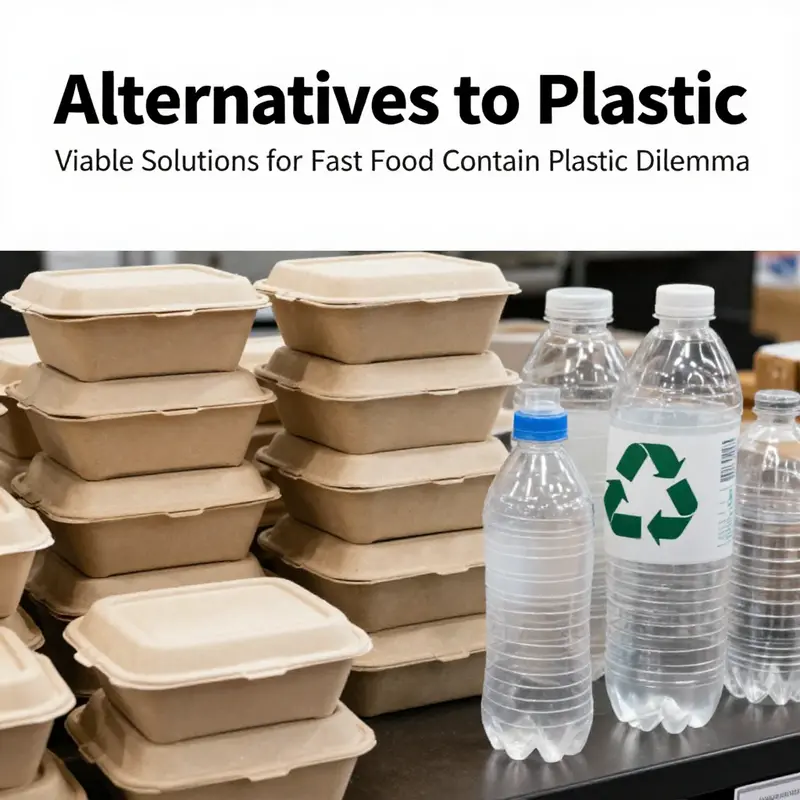
Plastic packaging has become the silent attendant to the fast food experience. It arrives in familiar forms—square, disposable takeout boxes with domed lids designed to seal while offering a window into the meal inside. These containers, usually crafted from polypropylene for heat resistance and durability, enable efficiency in kitchens and convenience for customers ordering on the fly. But the convenience comes at a cost that grows more evident with every bag of trash that clogs landfills and stretches into oceans. The environmental footprint is not just about waste; it is about resource depletion, energy use, and the potential for chemical leaching when containers are heated or come into contact with fatty foods. In the literature and industry reports, a clear tension emerges: the need for packaging that protects food and travels well versus the imperative to reduce plastic leakage into ecosystems and to adopt materials that fit circular economies. The path forward does not demand abandoning function; rather, it calls for retooling packaging with a portfolio of options that can meet the demands of high-volume, time-sensitive service while aligning with environmental goals. Among the most promising avenues is the development of plant-based bioplastics such as those derived from cornstarch, notably polylactic acid or PLA, which are designed to be compostable under industrial conditions. These materials are sourced from renewable resources and can be engineered to withstand the heat of holding hot foods during transit as effectively as traditional plastics. Recent industry assessments show many chains piloting or scaling cornstarch-based packaging, and they report that the performance in durability and heat resistance can closely track conventional plastics while deleting the long-term environmental penalties. In fact, a 2025 synthesis from Food & Beverage Sustainability Insights emphasizes a practical conclusion: cornstarch solutions offer a practical, scalable alternative that meets performance standards without the environmental guilt associated with conventional plastics. The transition, however, is not only a matter of chemistry; it requires a rethinking of supply chains, composting infrastructure, and consumer education about end-of-life options for packaging. Industrial composting facilities are essential to realizing the full environmental benefit of PLA and other bioplastics, because home composting temperatures and timelines are often too variable to guarantee complete degradation. This means that success hinges on a network of facilities, collection streams, and clear labeling that directs packaging to appropriate processing streams rather than to mixed waste. Parallel to bioplastics, paper-based packaging lined with plant-derived coatings offers another compelling route. The papers can be thick and grease-resistant when treated with coatings like polylactic acid or water-based barriers, enabling burgers, fries, and beverages to be carried without sogginess or leaks. The advantage goes beyond compostability: many of these papers are highly recyclable in municipal systems, or in some cases, suitable for industrial composting. The challenge lies in balancing barrier properties with recyclability. A paper container that resists grease may need a coating that itself complicates recycling streams, so materials science and waste management policy must work in concert. The industry is experimenting with multi-layer designs that maximize recyclability while preserving food quality and temperature. In the meantime, the customer experience—flammable lids, tight seals, and a neat, grease-stain-free presentation—remains central to brand perception and repeat business. For the customer, this is not a mere aesthetic concern; it is part of a broader health and safety expectation. Paper-based packaging can avoid some of the chemical risks associated with plastics, particularly those linked to additives that may migrate when heated. While no packaging material is completely risk-free, the shift toward plant-based and paper-based systems is associated with reduced exposure to substances of concern and aligns with consumer calls for safer storage practices. Another strategy gaining momentum is the design and implementation of reusable container programs. In urban markets high-traffic food venues are testing systems where customers opt into returnable containers that are cleaned, sanitized, and reused across multiple cycles. This circular approach tackles the waste problem at its source by reducing the volume of single-use packaging that must be produced and disposed of each day. Pilot programs have demonstrated that with efficient logistics, staff training, and clear incentives for customers to participate, reuse systems can achieve meaningful waste reductions without sacrificing speed or convenience. Moreover, the messaging around reuse often strengthens brand loyalty. A 2025 LinkedIn commentary highlighted that reducing plastic use through reusable systems and minimizing unnecessary packaging represents one of the most impactful strategies for sustainable food service operations. To scale such programs, coordinated partnerships among restaurateurs, waste haulers, and municipal authorities are necessary, along with standardized cleaning protocols that protect food safety while maintaining throughput during peak hours. From the consumer angle, the shift away from conventional plastics is not just an environmental decision; it is a health-conscious choice. Conventional plastics, especially when heated or in contact with fatty foods, have raised concerns about chemical leaching, including compounds like BPA or phthalates in some older formulations. The newer generations of bioplastics and paper-based options typically avoid these particular concerns, though new regulatory and safety data must be monitored as materials evolve. Public sentiment increasingly favors packaging that demonstrates transparency about its composition and end-of-life pathway. A 2026 survey from the Green Living Institute found that more than three-quarters of consumers are more likely to support brands employing eco-friendly packaging, a statistic that translates into tangible competitive advantage for operators who prioritize sustainable design. It is not only about winning new customers; it is about retaining trust with existing ones by delivering consistent performance—boxes that hold up during delivery, lids that seal securely, and interiors free from leaks that would otherwise ruin meals and dampen the dining experience for families and workers with little patience for messy takeout. Yet even as alternatives expand, the industry must confront a set of practical constraints. The transition cannot be a one-size-fits-all pivot. Restaurants vary in size, throughput, and regional waste management capabilities. A fast-food chain with a high-volume drive-thru operates under very tight timelines; its packaging must arrive quickly, withstand heat, and resist leaks while remaining cost-competitive. This is where the value of a diversified packaging portfolio becomes clear. A mixed approach that uses cornstarch-based containers for some menu items, grease-resistant paper for others, and reusable options in select locations can deliver immediate environmental benefits while preserving service levels. The success of such a strategy depends on thoughtful design decisions—choosing sizes that align with common meal formats, ensuring compatible lids and seals, and integrating packaging choices into kitchen workflows so that cooks and attendants can assemble meals without stumbling blocks. Certification and standards matter here too. Suppliers are increasingly touting certifications such as CE/EU and SGS, signaling compliance with international safety and quality norms. That assurance matters to operators who must meet rigorous procurement standards and to customers who demand reliable performance. The deeper message in this trajectory is not about replacing plastics with any single material but about orchestrating a shift toward packaging systems that fit circular economy principles. It means reducing the overall amount of packaging by optimizing container size and minimizing secondary wrapping, increasing the proportion of materials that can be composted or recycled, and expanding programs that encourage customers to return or re-use containers. It also calls for policy and infrastructure to evolve in step with product design. Without robust recycling streams and composting facilities, even the best-intentioned packaging can end up in landfills or the environment. Regulatory frameworks that require clear labeling, standardized recycling codes, and accessible composting options will shape what is feasible at scale. In practice, this means collaboration across the supply chain—from raw-material science labs to plant managers to waste-management operators—to synchronize material properties, product specs, and end-of-life routes. In doing so, the industry can deliver containers that perform under the demanding conditions of fast food while reducing the planetary burden that has accompanied plastic dependency. Ultimately, the path forward is both practical and necessary. The evidence suggests that cornstarch-based, paper-coated, and reusable packaging approaches can deliver the needed balance of performance, safety, and sustainability. The narrative is not about abandoning speed or convenience; it is about expanding the toolkit so operators can choose the right material for the right context and customer. For the consumer, the visible upshot is a cleaner environment, less litter, and packaging that feels honest about its environmental footprint. For the brand, it is an opportunity to signal leadership on a critical issue, to align with evolving consumer norms, and to shape a supply chain that can endure scrutiny from investors, regulators, and the public. The data from industry watchers is clear: shifting away from single-use plastics in fast-food packaging is feasible and increasingly essential if the sector is to maintain its social license to operate. With cornstarch and paper-based solutions making strides in heat resistance and grease management, and with reusable systems moving toward broader adoption, the fast-food ecosystem can reduce its environmental impact without slipping on the standards customers expect during a rushed lunch break or a late-night delivery. For readers looking to connect this chapter to concrete options and real-world design choices, an example of the kind of packaging that aligns with greener logistics exists in the realm of takeout boxes that blend traditional functionality with improved sustainability through thoughtful material selection and barrier technology. Businesses and designers are experimenting with configurations that minimize waste while preserving product integrity, a combination that speaks to a future where convenience and responsibility go hand in hand. In the ongoing dialogue about plastics and packaging, it is heartening to see a convergence of environmental goals, consumer expectations, and technical innovation that points toward a packaging landscape where fast food can be both quick and kind to the planet. When the conversation turns to practical procurement, firms will increasingly weigh options by lifecycle analysis, cost-per-use, and end-of-life pathways rather than by upfront price alone. This broader view helps align corporate sustainability targets with operational realities, ensuring that the shift away from plastic is not a temporary trend but a lasting transformation. To learn more about specific trajectories in packaging materials and to explore a supply option that illustrates the direction this chapter describes, see the discussion of eco-friendly takeout boxes for food packaging as a representative step toward greener operations, which you can read here: eco-friendly takeout boxes for food packaging. For a broader external perspective on advances and challenges in this field, the 2025 report from Food & Beverage Sustainability Insights provides a concise synthesis of cornstarch-based solutions and their role in modern fast-food packaging. https://www.foodandbeveragesustainabilityinsights.com/cornstarch-packaging-fast-food-industry-2025
From Legislation to the Lunch Line: How Regulatory Currents Are Reconfiguring Fast-Food Plastic Packaging
A new regulatory current is changing the everyday choice of fast-food packaging, pushing a future where plastic is redesigned as a system element rather than a disposable convenience. Governments aim to curb plastic pollution, simplify waste streams, and steer packaging toward reuse, recycling, or safe return to nature. In this context the fast-food sector sits at a crossroads where costs, safety, consumer expectations, and waste-management mechanics intersect. The European Union’s Packaging and Packaging Waste Regulation PPWR stands at the center of this shift as a framework that reimagines how packaging is conceived, manufactured, and disposed of across the supply chain. PPWR seeks binding standards for recycled content, streamlined sorting and collection, and a push toward refill and reuse models, while explicitly targeting a reduction in overall plastic use. These goals are not abstract policy; they reshape the objects that carry and protect meals from the kitchen to the curb or the home.
As operators respond, design choices follow the logic of the regulation. Containers must be compatible with recycling streams and able to withstand hot foods without leakage or degradation. This places a premium on materials that can be recovered at scale and waste-sorting friendly designs. The reformulation of packaging under PPWR nudges toward refill and reuse models, which require investment in infrastructure, deposit schemes, and consumer participation. In an industry accustomed to rapid turnover of packaging formats, the shift to a circular model demands new materials, new business models, and new collaboration across the supply chain to demonstrate progress toward circularity.
The regulatory impulse is not limited to Europe. Around the world jurisdictions experiment with measures that encourage recyclability, curb single-use plastics, and place responsibilities for end of life on producers. Yet PPWR’s emphasis on recycled content and streamlined waste systems has particular relevance for fast-food packaging where heat resistance and environmental objectives intersect. PPWR goals extend beyond compliance; they signal a broader transition toward materials designed with end of life in mind, capable of reprocessing with minimal contamination, recognizable as recyclable by consumers, and compatible with take-back or return schemes where feasible. The overarching aim is a circular economy where packaging keeps value within the system rather than becoming litter or a landfill burden.
To translate these developments for the fast-food ecosystem, one must consider real world implications of reinvented packaging. The industry has long favored the durability and low cost of plastics such as polypropylene for heat resistance. The PPWR does not demand banning plastics outright but greater recycled content, better separation in the waste stream, and a stronger preference for materials that fit a circular system. This reality pushes suppliers and operators to examine the full lifecycle of a container, from raw material sourcing to end of life. Suppliers offer customizable options that balance regulatory compliance with performance and frequently emphasize certifications such as CE/EU compliance and SGS testing to signal alignment with international standards. In this sense, regulation becomes a guide for innovation, steering the market toward packaging configurations that optimize safety and sustainability.
Within the evolving market the role of packaging suppliers becomes especially salient. A company’s ability to align product design with PPWR objectives and waste-management realities can shape menu presentation on takeaway packaging and digital ordering interfaces. For example, suppliers may provide containers that maintain heat integrity while being easy to sort and recycle. Choices such as clear domed lids or simple sleeves are not just aesthetics; they support minimizing contamination and improving consumer disposal comprehension. Consumer safety standards for food contact, grease resistance, and microwave compatibility are also critical considerations. The balancing act between performance and environmental stewardship remains intricate and demonstrates why regulatory signals carry practical weight for day to day operations in quick-service restaurants.
One consequence of regulatory gravity is rethinking the relationships among operators, packaging suppliers, waste-management entities, and local authorities. It is no longer enough to promise compliance; businesses must show how their packaging participates in a circular system. This often requires cross-industry collaboration to design for recyclability, source high quality recycled content resin, and invest in labeling and consumer education that clarifies disposal pathways. In short, PPWR’s ambition to reduce plastic use and standardize sorting acts as a catalyst for a more deliberate, data driven packaging strategy and raises questions about the cost structures of fast-food operations. The answer will vary by market, but the trend is clear: sustainability metrics and regulatory compliance will appear alongside flavor, speed, and convenience as determinants of competitive viability.
A practical aspect of this regulatory environment lies in single use versus reusable packaging. Reuse models can offer meaningful reductions in plastic use but come with logistical requirements such as dedicated return streams, reliable sanitation, and consumer buy in. Governments are encouraging experiments in how packaging can be reused or returned to the material loop rather than treated as waste. For fast-food operators this may mean pilot programs with reusable boxes, deposit systems, or partnerships with local facilities that can handle high volumes. The viability of such programs depends on local infrastructure, consumer participation, and the ability to maintain food safety and quality across repeated uses.
The conversation around regulatory change is a two way street among policymakers, researchers, and the market. The current moment can be viewed as a transitional phase rather than a final destination. While PPWR provides a blueprint, the exact path will be shaped by how rules are implemented, enforced, and how new technologies for plastics and alternatives evolve. It is essential for fast-food operators to monitor evolving guidance, maintain flexibility in packaging portfolios, and engage with suppliers who translate policy goals into tangible options aligned with consumer expectations. Verified certifications and transparent supply chains help build trust with customers who increasingly scrutinize packaging decisions as part of a broader sustainability narrative. In practice, messaging must be accurate, evidence-based, and able to explain how a container fits into a circular system rather than simply labeling it eco friendly.
For readers seeking a broader regulatory perspective, a recent overview from the European Commission underscores the momentum behind packaging sustainability. The discussion emphasizes harmonizing waste sorting, incentivizing reuse, and reducing plastic intensity across food service packaging formats. These insights illuminate not only what is changing but why it matters for fast-food packaging design and supply chain strategy. The market now features options from recycled content plastics to compostable materials and reusable systems that align with regulatory requirements and consumer demand. These choices carry implications for performance, cost, and lifecycle benefits, requiring careful evaluation by operators who balance speed, reliability, and environmental responsibility in equal measure. The regulatory trajectory also intersects with consumer education, with clear disposal instructions and accessible recycling streams becoming essential components of a viable packaging strategy.
Amid the regulatory dialogue and market response, packaging suppliers have begun to emphasize safety certifications and material traceability. The idea that suppliers offer customizable options with certifications signals compliance with international standards and helps assure buyers who must demonstrate due diligence to regulators, franchisees, and customers. Such certifications help ensure materials meet food contact safety requirements, perform under heat exposure, and remain compatible with existing waste-management practices. They also provide a framework for continuous improvement as regulations tighten and technologies advance. This dynamic is crucial in a sector where consumer expectations evolve quickly and where the visual and functional aspects of packaging can influence brand perception.
The broader ecosystem that supports compliant, innovative packaging includes operators who partner with suppliers to align choices with PPWR goals. Internal resources can help translate policy into everyday decisions, such as eco friendly takeout packaging options that balance sustainability with practicality. In the end, PPWR and related regulatory movements do not just constrain packaging choices; they shape a strategic discipline that maps packaging to end of life, drives recycling rates, and explores reuse where feasible. The result is a packaging landscape that feels more intentional and less incidental, a landscape in which a takeout container signals a brand commitment to sustainability while delivering safety, speed, and convenience. For students of packaging in food service, PPWR represents a meaningful inflection point that accelerates the move from single use as default to design for recovery and renewal.
Final thoughts
The transition from traditional plastic fast food containers to more sustainable options is not just necessary but achievable. This journey entails understanding the materials we currently use, acknowledging the environmental implications, prioritizing consumer safety, and exploring the versatile alternatives available. As businesses like bubble tea shops, restaurants, and catering services navigate this landscape, embracing change will not only enhance brand reputation but also contribute to a healthier planet. The move towards sustainable practices is an investment in the future of the food industry.