

The 24 oz clear plastic cup has emerged as a staple across various sectors in the food and beverage industry, from bubble tea shops to catering services. With its clarity, durability, and ease of use, this cup is not only functional but also enhances the customer experience. This article delves into the manufacturing aspects, market trends influencing its sales, and environmental considerations, providing a comprehensive understanding for businesses looking to optimize their operations and sustainability efforts.
Precision and Innovation in Crafting the 24 oz Clear Plastic Cup
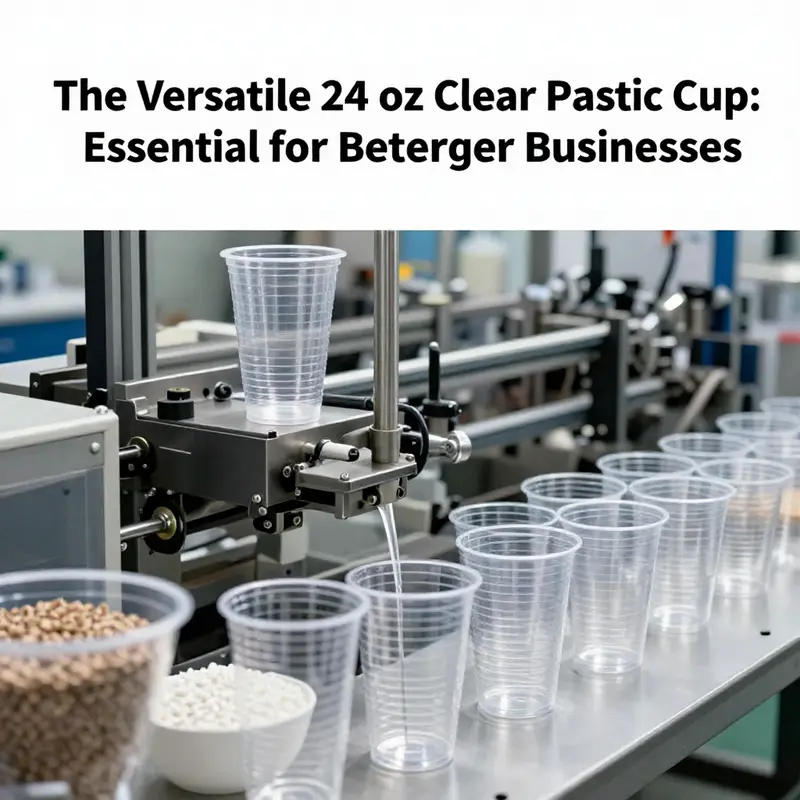
The journey of the 24 oz clear plastic cup from a concept on a designer’s drawing board to a staple in cafes, events, and everywhere in between is an impressive tale of precision and innovation. At the heart of this story is a manufacturing process that brings together advanced technology, materials science, and streamlined production techniques to deliver a product that is both functional and aesthetically appealing. The transparent nature of these cups is not only about showcasing the beauty of the beverages they hold; it is a testament to the meticulous craftsmanship and engineering behind every unit.
In the early stages, the design of the cup is refined through detailed computer-aided design (CAD) software. Engineers and product designers collaborate to decide on the cup’s dimensions, shape, and overall functionality, ensuring that the ergonomic design provides comfort even when the cup is filled to the brim. The clarity of the final product is largely influenced by the selection of high-grade food-approved materials such as PET or PP. These polymers are chosen because of their ability to maintain transparency, resist temperature variations, and undergo recycling processes. The entire design phase is focused on bridging the dual goals of functionality and visual appeal.
Once the design is finalized, the manufacturing process moves to the stage where advanced production techniques come into play. Two primary methods dominate the production of these cups: injection molding and dual-wall thermoforming. Injection molding is often embraced for cups requiring high precision and structural integrity. In this method, polymer pellets are subjected to heat, transforming them into a molten state. The liquid plastic is then injected under high pressure into custom-made molds that capture every intricate detail of the cup’s design. This high-speed production method is capable of producing a large quantity of cups, ensuring that every unit conforms to rigorous standards of consistency and durability.
Beyond the injection molding technique, innovation in manufacturing processes has given rise to methods such as dual-wall thermoforming. Unlike its single-wall counterpart, dual-wall thermoforming creates an innovative design that features two layers, separated by an insulating air gap. This technique delivers not only enhanced durability but also improved thermal insulation. Such design is particularly well-suited for applications that require a steady temperature retention, allowing users to enjoy chilled beverages without the outer surface condensing excessively or becoming uncomfortably cold in their hands. Although the dual-wall design introduces additional complexity and costs, it represents a premium step forward in the evolution of disposable drinkware.
In today’s competitive market, global manufacturing hubs have optimized production chains to balance cost efficiency and quality. For instance, Guangdong Province in China is renowned as a center of mass production. Here, factories utilize state-of-the-art injection molding and blow molding technologies to achieve rapid prototyping and high-volume output. These facilities are not only capable of producing vast quantities of cups but also offer the flexibility needed to meet OEM and ODM requirements. The mature supply chain available in these regions often translates to reduced input costs by as much as 15–20%, a figure that is attractive to businesses looking for reliable, cost-effective solutions for their beverage packaging needs.
In contrast, regions such as Zhejiang Province have distinguished themselves through sustainable and eco-friendly manufacturing practices. Manufacturers in Zhejiang have invested heavily in biodegradable resins and greener production methods. This commitment to sustainable practices is aligned with the growing global emphasis on environmental responsibility, as consumers increasingly demand products made from eco-friendly materials. Although the initial investment in sustainable production methods may be higher, the long-term benefits include lower environmental impact and a more attractive appeal to environmentally conscious buyers.
The manufacturing process is tightly interwoven with quality assurance protocols that help maintain international standards. Regulatory requirements such as those enforced by the FDA in the United States, and the EFSA in the European Union, impose strict guidelines on materials and manufacturing practices. Factories adhere to robust quality control measures at every production stage ensuring that the final product is safe for direct contact with food and beverages. These compliance measures not only protect consumers but also enhance the reputation of manufacturers on the global stage.
Quality assurance is coupled with comprehensive testing protocols. Each batch of cups undergoes a series of rigorous tests to ensure that specific performance requirements are met. This could include tests for clarity, durability under temperature fluctuations, and resistance to deformation when filled with icy beverages. Manufacturers often have dedicated teams that monitor production lines, checking for material inconsistencies and any deviations from the established dimensions. When a production fault is detected, corrective actions are implemented swiftly to minimize defects, thereby ensuring that every single cup leaving the manufacturing floor meets the highest industry benchmarks.
The production of a 24 oz clear plastic cup is not merely a technical exercise but also a strategic venture that involves balancing cost efficiency with the ability to customize. Many suppliers offer customization options that allow businesses to brand their cups with up to six colors. This level of personalization is accomplished using advanced printing techniques that are integrated into the production process. The ability to imprint logos, names, and promotional messages on the cups is a significant selling point, particularly for businesses aiming to strengthen their brand identity. This dual functionality—combining practical use with brand promotion—adds a valuable dimension to what might otherwise have been considered a simple disposable item.
As market demands evolve, businesses sourcing these cups are called upon to navigate a complex web of production capacity, pricing models, and logistical considerations. Strategic supplier selection is essential, particularly for procurement managers who must balance multiple priorities. In this context, international platforms like Alibaba provide crucial access to reliable supplier networks that are verified by stringent quality standards. The volume discounts available—from MOQs as low as 100 pieces to orders in the tens of thousands—are a testament to the highly competitive nature of this market. For businesses, leveraging regional advantages can mean the difference between timely delivery and missed opportunities. In regions like Guangdong, the rapid production cycles and low costs are an attractive proposition, while Zhejiang’s focus on sustainability may prove appealing for brands with a green ethos.
The selection process is further enhanced by careful review of each supplier’s certifications and production capacities. In today’s globalized market, consumers demand transparency and reliability. As a result, many manufacturers now provide detailed documentation of their production processes, environmental practices, and even their labor conditions. In addition to this, emerging digital tools and online platforms have simplified the process of tracking production timelines from deposit confirmation to final shipment. It is not uncommon for businesses to monitor production in real-time, receiving updates on key metrics such as material quality and finish, thereby alleviating concerns associated with bulk purchasing.
Manufacturing innovation is also reflected in the evolution of cup design features. The incorporation of secure, leak-proof lids is a prime example. These lids are designed with either flat or dome-shaped profiles that dovetail seamlessly with the cup itself. Some models even include built-in features such as pre-punched openings for straw insertion, which objectively enhance the overall functionality of the cup during on-the-go consumption. The ingenuity of these design enhancements lies in their simplicity. They minimize spills and accidents and optimize convenience for users who are often in transit. A well-designed lid is critical to the cup’s overall performance, especially in outdoor settings where stability is paramount. For example, those planning picnics or outdoor events have the option to source cups that offer durability and ease of use, as seen in models such as the ones offered through platforms that highlight products like clear plastic cups for outdoor activities—which are designed to withstand various environmental conditions without compromising clarity and strength.
Beyond the physical attributes, the logistics of shipping and sample approvals are integral aspects of manufacturing logistics. Manufacturers often provide the option to waive sample fees, recognizing that buyers need assurances before committing to large orders. However, shipping costs for samples typically remain the responsibility of the buyer, which creates an additional layer of negotiation in the procurement process. Once buyers are satisfied with the product’s performance after sampling, large-scale orders can commence, typically with production lead times around 35 days after deposit confirmation. This period is critical as it blends short-term efficiency with long-term planning to meet the fluctuating demand cycles of seasonal markets and promotional campaigns.
The intersection of technology, design, and efficient global supply chains is where the true art of manufacturing these cups is revealed. Manufacturers continue to invest in innovative technologies that not only streamline production but also reduce environmental impact. For instance, the injection molding process itself has seen significant enhancements over the last decade, with improvements in temperature control and mold precision leading to fewer material wastes and higher yield rates. These technological investments ensure that production lines remain agile enough to adapt to changes in customer demand or material availability without compromising quality.
In addition, innovation in material science is paving the way for entirely new classes of clear cups. Advances in biodegradable polymers are under constant development, promising a future where recycled materials do not come at the cost of performance. Such ventures are especially critical as regulations tighten and consumers increasingly prioritize sustainable options. Innovations in this field are driven by the dual pressures of regulatory compliance and the increasing need for environmentally friendly industrial practices. Manufacturers are not only investing in obtaining certifications like ISO, BRC, HACCP, and FSSC 22000 but are also funneling research into novel materials that meet these stringent criteria while maintaining the clarity and strength that define the 24 oz clear plastic cup.
The future of manufacturing this versatile cup also depends on its global competitiveness. As companies strive to lead in the market, the race is on to deliver products that combine affordability, efficiency, and environmental responsibility. This evolution is expected to continue as technological breakthroughs further integrate with supply chain improvements. The continued investment in areas such as automation and precision engineering is likely to yield cups that are even more durable and sustainable. With consumers increasingly demanding high standards from everyday products, manufacturers are poised to transform the industry by setting higher benchmarks for quality, transparency, and performance.
Ultimately, every detail in the manufacturing of a 24 oz clear plastic cup—from the careful selection of raw materials to the final quality checks before packaging—comes together to create a product that is more than just a disposable container. It is a tiny marvel of engineering that meets the practical needs of modern consumers while also adapting to an ever-changing marketplace. This intricate process exemplifies the integration of efficiency and creativity, merging time-tested techniques with the latest technological advancements.
This comprehensive approach to manufacturing underscores the importance of viewing the 24 oz clear plastic cup not as a mundane item, but as a product of continuous innovation. It embodies the balancing act required by modern industrial practices, where cost, sustainability, efficiency, and quality must all be aligned. As the industry looks ahead, developments in manufacturing technology and material science continue to promise new horizons of performance and environmental stewardship. Stakeholders—from engineers and manufacturers to procurement managers and end users—stand to benefit from the ongoing commitment to excellence in this sector.
For those interested in exploring further details on sourcing these advanced and meticulously crafted cups, additional insights can be found through external resources such as leading supplier platforms. This external resource complements the narrative by offering a closer look at industry standards and the range of products available in today’s market.
Navigating the Changing Landscape: Sustainability, Quality, and Convenience in the 24 oz Clear Plastic Cup Market
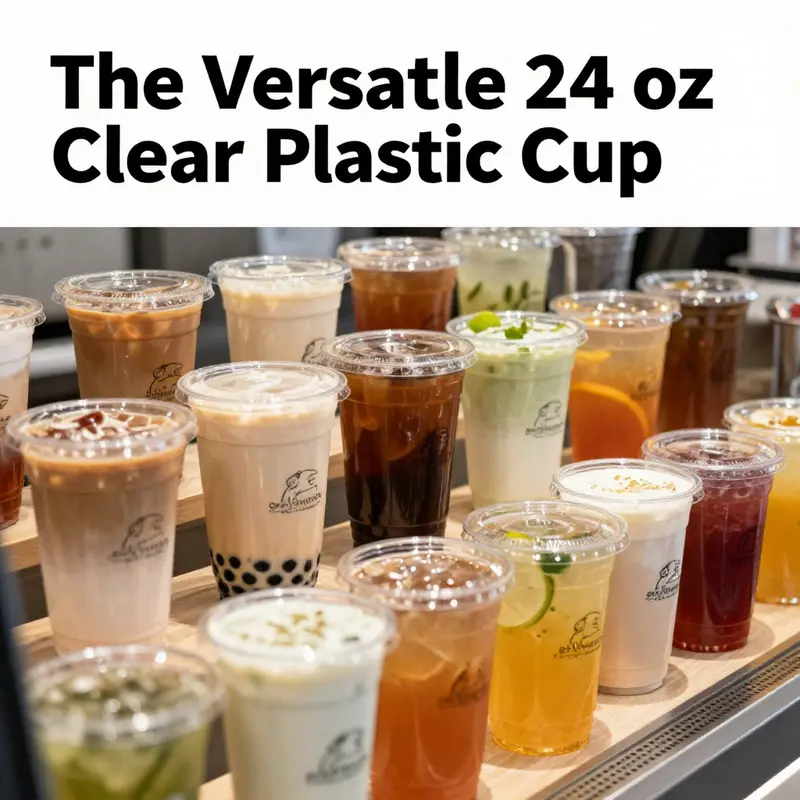
The market for 24 oz clear plastic cups is undergoing a significant transformation as evolving consumer preferences, environmental mandates, and innovations in product design shape the future of this everyday item. No longer seen merely as a disposable vessel for beverages, these cups have become a focal point for discussions about sustainability, functional design, and the balance between convenience and quality. This chapter explores the complex interplay of market trends that are influencing the production, customization, and overall demand for these cups in today’s diverse service environments.
The push for more eco-friendly alternatives stands out as one of the most compelling trends. Increasingly, both consumers and businesses are turning their attention to how packaging impacts the environment. Traditional materials such as PET and PP, while still widely used for their clarity and durability, are now being scrutinized for their long-term environmental footprint. In response, manufacturers are exploring biodegradable options derived from renewable resources, such as Polylactic Acid (PLA). PLA-based cups provide the same clarity and functional utility as conventional plastics but with a significantly reduced impact on nature. This shift toward sustainable materials is not merely a nod to green marketing; it reflects a broader societal transition towards environmental accountability. In many markets, especially in countries where environmental regulations are tightening, the choice of sustainable materials has become both a competitive advantage and, in some cases, a regulatory necessity.
Environmental awareness has spurred a rapid acceleration in research and development for eco-friendly packaging solutions. Numerous studies have shown that consumers are willing to pay a premium for products that align with their values, and the 24 oz clear plastic cup market is no exception. Businesses operating in sectors such as quick service restaurants, cafés, and event catering are responding by adopting sustainable alternatives even as they strive to maintain the appealing transparency that has long been associated with these cups. The decision to switch to materials such as PLA is influenced by practical considerations as well as public perception. Consumers appreciate that a biodegradable cup not only reduces waste but also often supports cleaner production practices and improved supply chain transparency.
Another dimension that is reshaping the market is the growing demand for products that offer both convenience and a premium experience. The versatility of the 24 oz clear plastic cup has enabled its widespread adoption in various contexts. Its ergonomic design, smooth contours, and secure lid options make it ideal for on-the-go consumption as well as for settings where aesthetics are important. For instance, specialty coffee shops and upscale catering services have raised consumer expectations regarding drinkware presentation and functionality. Consumers do not just want a vessel for their beverages; they expect an experience that marries practicality with a sophisticated design. The innovation in cup design—ranging from leak-proof lids to integrated straw slots—illustrates how manufacturers are responding to these modern demands. This focus on convenience has allowed the market for these cups to remain vibrant even as dietary trends and beverage selections continue to evolve.
Moreover, the concept of versatility extends beyond just serving cold drinks. The 24 oz clear plastic cup is increasingly used for a variety of consumables including smoothies, iced teas, and even desserts like yogurt and ice cream. The visual appeal of a transparent cup allows processors, restaurant owners, and distributors alike to showcase the rich colors and textures of the products inside. In many ways, the cup becomes a part of the product’s presentation, enhancing customer appeal through its ability to display the inherent quality of its contents. Additionally, the cup’s capacity and standard sizing mean that it is well-suited for a plethora of environments—be it a daily coffee run, a picnic, or a high-end event. With convenience at its core, the 24 oz clear plastic cup effortlessly adapts to the rapid pace of modern life, where ease of use and portability are paramount.
In tandem with these consumer-driven trends, the business-to-business (B2B) landscape for these cups has witnessed robust changes. For entrepreneurs and companies considering bulk orders, pricing and customization options play a crucial role. Many manufacturers, accessible through platforms such as Alibaba.com, offer compelling customization packages that allow businesses to add a personal touch through color printing and design tailoring. This is particularly relevant in contexts where branding and promotional strategies influence the choice of packaging. A business that opts for custom-printed cups not only reinforces its brand identity but also signals its commitment to detail and quality. In many instances, the introduction of options such as multi-color printing—including up to six colors per design—is being used as a strategic tool to appeal to a diverse client base that values aesthetics as much as function. This ability to oscillate between high volume and personalized low-volume orders is helping to drive new opportunities and partnerships across industries.
The production and supply chain aspects further illustrate the dynamic nature of this market. Order quantities can range vastly—from as few as 100 pieces to over 10,000 pieces—with varying production lead times that allow businesses to plan strategically. Many suppliers have adopted flexible manufacturing practices that enable them to meet fluctuating demand while adhering to rigorous quality standards such as ISO, BRC, HACCP, and FSSC 22000. Such certifications are not only indicative of adherence to international food safety guidelines, but they also build trust with end consumers and business clients alike, who place a premium on safety and reliability. In practical terms, the versatility in order quantities and the assurance of quality certifications combine to create a market that is both flexible and robust. This has led companies to view 24 oz clear plastic cups as a vital component of their operational toolkit rather than just another disposable item.
At the core of these evolving market dynamics lies technology and innovation in materials. The development and integration of new materials, alongside advances in manufacturing techniques, have enabled manufacturers to craft cups that are both aesthetically pleasing and highly functional. The adoption of ultra-clear plastics and innovative biodegradable compounds is motivated by a dual desire to enhance the consumer experience while minimizing environmental impact. The quick introduction of eco-friendly options provides a competitive edge as businesses increasingly seek out products that support both their operational and ethical goals. Manufacturers are now investing in R&D to ensure that these new materials meet or exceed the performance standards of their traditional counterparts without sacrificing critical features like durability or clarity.
One notable example of how innovation is reshaping the market is the incorporation of reusable elements into what was traditionally considered a disposable product. Although many consumers still prefer single-use convenience, a growing segment of the market consists of those who are environmentally conscious and seeking durable, reusable options. This emerging trend is not entirely about replacing disposable cups but rather about introducing a hybrid model where functionality, reusability, and Single-Use convenience coexist. In high-end settings, such as specialty beverage outlets and upscale events, the introduction of cups that can be reused multiple times—often accompanied by secure straws and ergonomic grips—has allowed businesses to offer a premium experience while contributing to sustainability efforts. This novel approach blurs the lines between disposable and reusable packaging, offering an intriguing glimpse into the future of product design in the beverage industry.
Concurrently, the regulatory landscape continues to evolve, exerting a distinct influence on the materials and practices used in the production of 24 oz clear plastic cups. Governments around the world are increasingly setting stringent standards regarding recyclable content, production waste, and chemical leaching in food-grade products. As a result, manufacturers have no choice but to adapt swiftly to ensure compliance with these regulations. For instance, stricter guidelines on the types of plastics used in the food service industry have encouraged the exploration of alternatives that may have been considered secondary options in the past. Much of this regulatory change is driven by public demand for safer, more sustainable packaging solutions. The net effect is a market in which innovation is not just a competitive advantage but a mandatory component for long-term viability.
The interplay between regulation, technology, and consumer demand illustrates the delicate balancing act that manufacturers must perform to thrive. Companies that excel in this space tend to have a strategic approach that blends environmental sustainability with user-centric design and efficient supply chain management. The challenge, however, is to implement these changes on a scale that meets the diverse needs of different consumers—from the casual drink enthusiast who values portability to the eco-conscious business owner who demands sustainability and branding opportunities. This is where the versatility of the 24 oz clear plastic cup shines, offering a platform that can be adapted to meet various market segments without compromising on any of the key attributes.
Moreover, this trend toward sustainability and heightened consumer standards is fostering greater collaboration across the entire supply chain. Manufacturers, distributors, and retailers are increasingly working together to develop integrated solutions that address environmental concerns while maintaining product quality and reliability. Such collaborations often result in intelligence-sharing that benefits all stakeholders. For instance, suppliers might share cost-effective manufacturing techniques for eco-friendly materials, while distributors provide critical feedback on consumer satisfaction and design functionality. This continual exchange of ideas fuels further innovation, ensuring that the market for 24 oz clear plastic cups remains dynamic and forward-thinking.
As businesses navigate this evolving landscape, strategic decisions surrounding customization, pricing, and order fulfillment become pivotal. For many companies, the opportunity to customize the cups is as important as the physical product itself. Customization allows businesses to express their brand identity robustly—whether it’s through color, logo placement, or even unique design elements that set them apart in a competitive market. With the availability of customizable products that are both eco-friendly and high quality, companies are well-positioned to cater to a range of consumer expectations.
A typical example might involve a company choosing to partner with a supplier who not only offers sustainable, ultra-clear products but also integrates proprietary design elements that enhance the user experience. These cups can then be quickly adapted to season-specific designs or event themes, a flexibility that is vital in today’s market. Businesses are no longer confined to generic or off-the-shelf options. Instead, they have the ability to shape the product to their own needs, reinforcing consumer connections with the brand and ensuring that the cup becomes a memorable part of the overall customer experience.
The rapid pace of innovation in this sector has led to a situation in which even traditionally disposable products are being transformed through thoughtful design and quality control. It is no longer sufficient to deliver a product that merely meets basic functional requirements. Consumers now expect products that offer a balance of sustainability, durability, aesthetic appeal, and convenience. In this environment, even the most mundane aspects—such as how a cup retains its clarity or withstands temperature fluctuations—can be a decisive factor in purchasing decisions.
With the current market trends, it is clear that companies which invest in eco-friendly materials and integration of convenient design features are likely to gain substantial market share. Such success stories not only signal the potential for growth in the clear plastic cup market but also suggest broader implications for the food packaging and beverage industries as a whole. Some companies, for example, have successfully integrated eco-friendly initiatives with increased customer engagement and brand loyalty. These companies often highlight their commitment to sustainability through messaging that emphasizes environmentally responsible production practices and reliance on renewable resources.
Furthermore, the rise of online marketplaces has opened up novel opportunities for small and medium-sized businesses to source high-quality cups at competitive prices, which has been particularly transformative in the aftermath of challenging global supply chains. Retailers and restaurateurs alike now have easier access to products that align with their operational and ethical standards. One can observe this trend in how online platforms now feature detailed product specifications, including information on material composition, safety certifications, and customizability. For those looking to explore premium disposable options, the offerings of a variety of suppliers become accessible at a click, making it possible to balance cost-effectiveness with quality and sustainability. Additionally, companies interested in exploring alternative materials can review comprehensive technical documents on product composition and mechanical properties, such as those available on this disposable clear plastic cup options page, ensuring they are well-informed before making bulk investments.
The market evolution also reflects a broader societal shift towards a comprehensive understanding of life cycle analysis—the assessment of environmental impact from production through disposal. The integration of sustainability metrics into product development means that manufacturers are increasingly accounting for end-of-life recyclability and waste reduction. This holistic view of product impact has encouraged the use of materials and designs that are not simply recycled after use, but are part of a larger movement towards a circular economy. In a circular economy, resource efficiency and waste minimization are at the forefront of production decisions, ensuring that even disposable items such as 24 oz clear plastic cups contribute less to landfill burdens and environmental degradation.
Technological advances in plastics processing and materials science continue to open up exciting possibilities for the future of these cups. As new formulations of biodegradable plastics become available and production techniques mature, the performance gap between traditional and eco-friendly cups is narrowing. Companies that invest in these newer technologies are likely to find themselves enjoying a competitive advantage in a market that is increasingly driven by sustainability trends. The integration of cutting-edge materials with traditional design elements is not only setting new benchmarks for product performance but is also reshaping consumer perceptions. Even when the product itself is disposable, its design carries an enduring message of care for the environment and commitment to quality.
In conclusion, the evolving market for 24 oz clear plastic cups is a vivid example of how traditional products can be revitalized through innovation and an uncompromising focus on sustainability. The convergence of consumer demand for convenience, heightened quality expectations, and stricter regulatory requirements is forging a new path in the beverage container industry. Manufacturers and suppliers who are able to anticipate these shifts and respond with adaptive, environmentally conscious strategies are not only securing their competitive edge but also contributing to a broader culture of sustainable development.
For additional insights into the technical and environmental specifics of these innovations, readers are encouraged to review the detailed product performance information available at this external resource, which provides a deep dive into the composition and mechanical properties underlying today’s most advanced clear plastic cups.
This comprehensive evolution in the 24 oz clear plastic cup market serves as a testament to the dynamic interplay of market forces that shape everyday products. As businesses, consumers, and regulators continue to demand improvements in sustainability, functionality, and aesthetic appeal, the products we once took for granted are being reinvented in ways that redefine our approach to convenience. The journey of this ubiquitous cup, from a simple container to a symbol of modern innovation and conscientious production, encapsulates the broader trends driving today’s food and beverage markets. It is a story of how necessity spurs innovation, how market insights drive technological progress, and how sustainability is no longer just an ideal but a standard of excellence.
Embracing these trends may require significant adjustments in production methods, marketing strategies, and even in the cultural perceptions of what constitutes a disposable product. However, the rewards are evident: a marketplace that values excellence in every facet, from environmental impact to consumer experience. Such a market not only meets the immediate needs of today’s consumers but also sets the stage for a future where sustainable practices are seamlessly integrated into everyday life. As the 24 oz clear plastic cup continues to evolve, it stands as a powerful reminder that even the most unassuming products can harbor tremendous potential for innovation and environmental stewardship.
The ongoing transformation in this seemingly simple market segment is indicative of broader economic forces at work. By marrying the need for practicality with an unwavering commitment to quality and sustainability, forward-thinking businesses are helping to usher in a new era in packaging and product design. In this evolving landscape, the 24 oz clear plastic cup is more than just a vessel for beverages; it is a symbol of innovation, adaptability, and the enduring quest for a balance between modern needs and environmental responsibility.
The Unseen Environmental Toll of the 24 oz Transparent Cup: Charting a Path Toward Sustainable Beverage Culture

The story of the 24 oz clear plastic cup is as much about convenience and utility as it is about hidden environmental challenges. In the everyday use of these transparent vessels for serving cold beverages and frozen treats, one rarely considers the full extent of their ecological footprint. Even as they offer undeniable benefits such as clear visibility, ease of use, and custom branding possibilities, the environmental issues surrounding these cups demand serious attention. In this exploration, we delve into the material makeup, manufacturing process, recycling challenges, and emerging sustainable alternatives, revealing a nuanced narrative where convenience and environmental stewardship must come to a careful balance.
At first glance, 24 oz clear plastic cups appear to be ideal for our modern lifestyle—they are lightweight, easy to transport, and perfectly suited for on-the-go consumption. Crafted from food-grade materials like PET (polyethylene terephthalate) or PP (polypropylene), these cups serve a dual purpose. They provide an attractive way to showcase the vibrant hues of iced coffee, smoothies, and fruit juices while offering the structural integrity needed to handle a variety of temperatures. This transparency, however, is also a window into the environmental costs attached to their production and disposal. The polymers used in their manufacture persist in the natural environment for centuries. Because these plastics do not biodegrade on a meaningful timescale, each discarded cup contributes to the mounting problem of plastic pollution.
The formulation of these cups is a story of synthetic ingenuity juxtaposed with environmental caution. The very properties that make PET and PP popular—clarity, durability, and resistance to chemicals—are the same traits that contribute to their longevity in landfills and natural habitats. When a 24 oz clear plastic cup is thrown away, the material does not break down into natural or benign substances. Instead, it remains in the environment, sometimes fragmenting into microplastics that infiltrate water bodies, soils, and even the food chain. This lingering presence presents significant eco-challenges that are compounded by the sheer volume of these single-use items produced daily.
The process of recycling, often promoted as a panacea for the environmental impacts of plastics, is fraught with difficulties, particularly with single-use items. Although PET, one of the common materials used for these cups, is technically recyclable, recycling rates remain discouragingly low. The reasons are manifold. Contamination of recyclable plastics by food residues can often render a large batch unsuitable for processing. Furthermore, the infrastructure in many regions is simply inadequate to manage the high volume of disposable plastic items. This gap in collection and processing means that much of the material ends up in landfills or, worse, in natural ecosystems. In many urban and rural landscapes alike, the challenge of sorting, cleaning, and ultimately recycling these plastics is enormous in scope, requiring both technological advances and significant cultural shifts in how society perceives waste management.
Beyond the issues that arise after the cup leaves the production line, the environmental impact begins at the very source—during manufacturing. The production of clear plastic cups requires the use of fossil fuels and other non-renewable resources. The transformation of these raw materials into finished plastic products consumes a considerable amount of energy and results in the emission of greenhouse gases. This contribution to climate change is not insignificant. When one factors in the life cycle of the cup—from the extraction of petroleum-based resources, through manufacturing, and eventually disposal—the cumulative carbon footprint becomes a point of urgent discussion among environmental advocates and industry stakeholders.
Manufacturers, confronted by growing consumer awareness and increasing regulatory pressures, have begun to explore alternatives that might reduce the ecological footprint of their products. One promising avenue involves the use of eco-conscious materials such as paper lined with biodegradable PLA (polylactic acid). These materials can be composted under controlled, industrial conditions, offering a potential reduction in long-term environmental impact compared to traditional fossil fuel-based plastics. However, this transition is not without its own challenges. For one, the compostable materials require specific processing facilities, meaning that home composting is rarely a viable option. Moreover, while these alternatives can markedly reduce waste persistence, they also come at a cost in terms of performance, durability, and sometimes consumer perception. It is this balancing act—between ensuring product functionality and reducing ecological harm—that defines the current debate in material science and manufacturing processes.
The ubiquity of 24 oz clear plastic cups in everyday settings such as fast-food outlets, cafes, and large events reflects more than just consumer demand for convenience; it mirrors a broader societal reliance on disposable products. This reliance is emblematic of a throwaway culture that has evolved over the past several decades. The convenience of single-use items, while beneficial in many respects, has led to an accumulation of waste that now poses grave ecological threats. When these cups accumulate in landfills, their slow degradation rates contribute to long-term environmental contamination. Compounding the issue is the fact that, even when recycling infrastructure is available, the actual success of recycling initiatives is hindered by the difficulties inherent in processing small, disposable items.
Innovative measures are being pursued on various fronts to address the environmental impacts of single-use plastic cups. Governments, NGOs, and private companies are collaborating to improve recycling technologies and enhance waste management systems. In cities where recycling programs have been robustly implemented, significant progress has been made in reducing the amount of plastic that ultimately enters natural ecosystems. Educational campaigns aimed at increasing consumer awareness of proper disposal and recycling methods have also shown promise. Despite these advances, however, it remains clear that technological and systemic changes will be necessary to stem the tide of plastic waste produced on such a massive scale.
A promising internal link to further explore environmentally responsible packaging solutions can be found through innovative packaging concepts. For example, the development of chic, biodegradable packaging methods for take-away items not only underlines the shift toward sustainable practices, but also offers consumers alternatives that lessen environmental impacts. More details on such solutions can be explored in this discussion on eco-friendly disposable packaging options, where designers and manufacturers alike are experimenting with creative, sustainable designs.
The lifecycle analysis of the 24 oz clear plastic cup reveals that the environmental challenges extend well beyond the moment of disposal. From a production standpoint, the energy-intensive processes involved in synthesizing and molding plastics contribute to a significant ecological cost. Each stage of production, from the refining of raw materials to the final assembly of the cup, involves chemical processes that emit pollutants and greenhouse gases. In this context, the quest for energy efficiency and cleaner production methods in the plastic manufacturing industry is more important than ever. A shift in industrial practices, potentially moving toward radical recycling or closed-loop systems, could mitigate some of the negative impacts associated with current methods of cup production.
In parallel, consumer behavior remains one of the most critical factors in addressing these environmental challenges. The convenience of single-use cups has entrenched them firmly in daily routines, yet this very convenience comes with a price. Consumers hold the power to drive change simply through their choices—increasing the demand for cups made of recycled or biodegradable materials can encourage manufacturers to adopt more sustainable practices. Equally, the conscientious disposal of these items, coupled with participation in robust recycling programs, can reduce the proportion of waste that ends up in landfills. The dialogue between industry and consumers is pivotal, with transparency regarding the environmental impacts of consumption providing the necessary push towards revision of current practices and expectations.
The popularity of 24 oz clear plastic cups often derives from their performance and aesthetics. Yet, this same popularity intensifies the environmental consequences of their widespread use. In educational and cultural terms, the conversation around these cups serves as a microcosm of larger debates regarding disposability, consumer waste, and sustainable alternatives. As industries innovate to create enhanced recycled products and consumers begin to value environmentally friendly alternatives, the ubiquitous clear plastic cup becomes a symbol of a transformation in societal norms. It reminds us that even everyday products carry the weight of global environmental implications.
Given the complexity of the issue, there is an emerging consensus that the long-term sustainability of disposable beverage containers depends on a multi-faceted approach. This approach includes improvements in recycling systems, innovations in alternative biodegradable materials, and most importantly, a cultural shift toward more sustainable consumption patterns. Technological advances in recycling—such as better sorting mechanisms and enhanced decontamination procedures—could significantly improve the yield and efficiency of recycling efforts. Simultaneously, research into new polymers and composites that combine the clarity and convenience of traditional plastics with compostability and lower environmental impacts continues to gain momentum. These innovations signal promising steps forward in reducing long-term waste and mitigating the environmental footprint of everyday items.
Beyond the technological and behavioral shifts, policy measures and economic incentives play a decisive role in driving systemic change. Regulatory frameworks that encourage or even mandate the use of recycled or biodegradable materials in disposable cups can stimulate industry-wide adoption of greener practices. Economic incentives for companies that invest in sustainable manufacturing techniques can further accelerate this shift. However, such measures must be balanced against the economic realities of the hospitality and food service industries. The 24 oz clear plastic cup is a cost-effective solution for businesses that rely on disposable packaging for health and safety reasons. Balancing economic viability with sustainability requires innovative policy approaches that encourage environmental stewardship without imposing undue financial burdens on businesses.
The environmental challenges associated with these cups also provide an opportunity for community-based initiatives. Grassroots movements, local recycling drives, and educational programs can bridge the gap between policy and practice. Community engagement is essential in redefining the life cycle of disposable products. Local governments have begun to experiment with deposit-return systems and community recycling hubs as ways to incentivize proper disposal and reuse. Such measures not only reduce waste but also educate the public about the hidden costs of disposable convenience. In this way, the evolution of the 24 oz clear plastic cup becomes not just a story of industrial production, but also a narrative of community resilience and adaptive innovation.
When the environmental impact of the 24 oz clear plastic cup is examined in depth, the scale of the problem becomes evident. Every cup produced is a small link in a chain that, compounded over millions of units, creates a formidable environmental burden. The challenges of material durability, energy use in production, and the logistical difficulties of recycling all converge to form a complex web of issues. Addressing them requires cooperation across sectors—industry leaders, policymakers, scientists, and consumers must work in tandem. This holistic approach is critical if the promise of convenience is to be rebalanced with the urgent need for environmental responsibility.
While the clear plastic cup’s design has not changed dramatically over the decades, the urgent call for sustainable alternatives continues to reshape the landscape. With growing consumer awareness and increasing pressure from environmental organizations, the manufacturers of these cups are gradually acknowledging the need for change. In research laboratories and production facilities, efforts are underway to refine polymer formulas, reduce energy consumption during manufacture, and design products that lend themselves more readily to recycling. Such innovations may eventually lead to a new generation of disposable cups that do not sacrifice performance for environmental responsibility.
An integrative perspective on the environmental challenges of clear plastic cups also requires addressing the broader cultural implications. The very notion of disposability has seeped into every facet of modern life, influencing how products are designed, marketed, and consumed. However, as communities worldwide begin to face the reality of plastic pollution and climate change, there is a growing movement to reconsider these habits. The 24 oz clear plastic cup, while emblematic of contemporary convenience, also offers a tangible entry point for discussions on environmental ethics and sustainable living. The shift towards a more environmentally conscious mindset is not always easy, but it is a necessary step in redefining our relationship with the products we use daily.
In acknowledging these challenges, we must also celebrate the emerging innovations that herald the promise of change. From breakthroughs in biodegradable plastics to the development of more efficient recycling streams, the path forward is illuminated by collaboration and ingenuity. The narrative of the 24 oz clear plastic cup is not solely one of environmental cost; it is equally a story of adaptation, progress, and hope—a reminder that every product, no matter how mundane, carries the potential to contribute to a greener future. With informed decision-making and concerted efforts at every level of production and consumption, this humble cup can evolve into a symbol of sustainable progress rather than environmental degradation.
For additional perspectives on initiatives driving the evolution of disposable product design, one can consider insights outlined by industry analysis on sustainable manufacturing practices. These discussions often emphasize that while current systems are not perfect, even incremental improvements can lead to substantial environmental benefits over time. As research continues and technology advances, the balance between performance, cost, and sustainability becomes more attainable, inviting both producers and consumers to engage in a partnership for a better future.
In reflecting on the environmental ramifications of the 24 oz clear plastic cup, it becomes clear that the issues at hand span more than just a singular product—they represent a broader challenge for modern society. The abundant convenience offered by disposable cups comes at a steep ecological price, one that calls for a reexamination of our consumption patterns and manufacturing practices. As we move forward, the integration of smarter recycling initiatives, the adoption of eco-friendly materials, and shifts in policy and consumer behavior will collectively chart the course toward a more sustainable future. It is a journey defined by both technological innovation and cultural transformation, where each step taken in improving waste management and promoting renewable materials is a step toward mitigating environmental damage.
Ultimately, the examination of the environmental profile of clear plastic cups underscores a critical lesson: progress must be measured not only by ease of use or economic efficiency but also by the sustainability of our actions. The humble 24 oz cup, a staple in many daily transactions, is an unassuming reminder of the complex interplay between consumer convenience and ecological impact. As the world navigates the challenges of waste and resource depletion, the demand for environmentally responsible products will only grow. The task before us is to harness innovation, foster accountability, and embrace sustainable practices so that products designed for convenience do not become relics of environmental irresponsibility.
For further details on the sustainability performance and compliance standards in the production of disposable clear plastic cups, additional information can be found at this external resource: Alibaba’s listing on clear plastic cups.
Final thoughts
In conclusion, the 24 oz clear plastic cup stands out as a fundamental element in the beverage industry, catering to diverse needs while adapting to market demands and environmental responsibilities. Understanding its manufacturing processes, recognizing current market trends, and addressing ecological impacts can significantly benefit businesses looking to enhance their offerings. By choosing the right product, brands can better meet consumer preferences and contribute positively to sustainability efforts.