
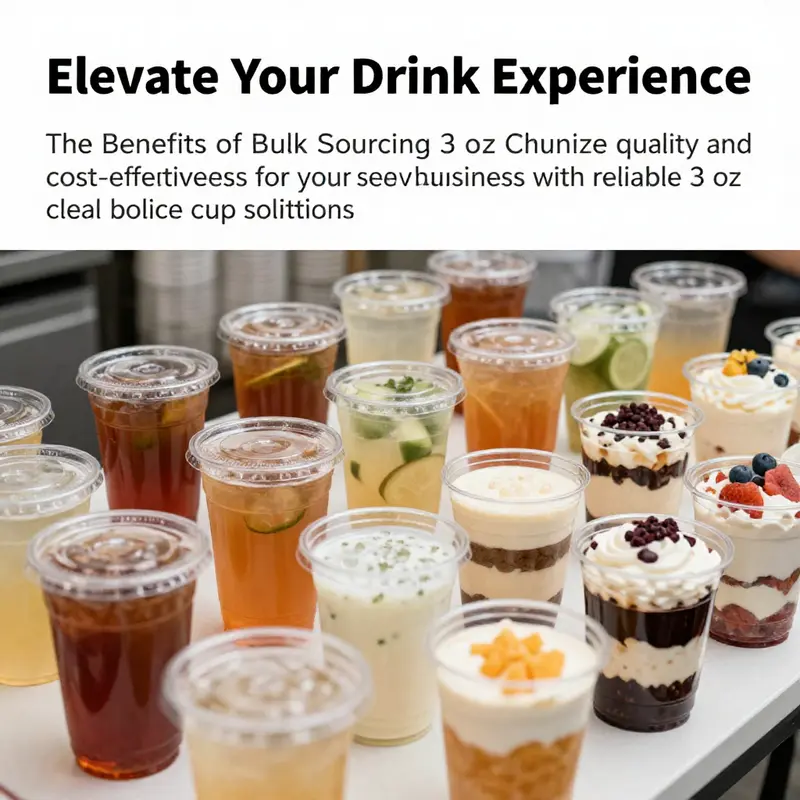
For bubble tea shops, restaurants, and catering services, the right serving solution is integral to both aesthetics and functionality. 3 oz clear plastic cups are versatile, durable, and ideal for a range of beverages and desserts. As the demand for customization and compliance rises, sourcing these cups in bulk becomes essential for optimizing operations and enhancing customer satisfaction. This guide delves into the quality and compliance standards required for these products, the cost-effectiveness of bulk sourcing, and various practical applications and use cases that ensure they meet the needs of enterprises effectively.
Crystal Clarity, Steady Compliance: Navigating Quality and Safety in Bulk 3 oz Clear Plastic Cups
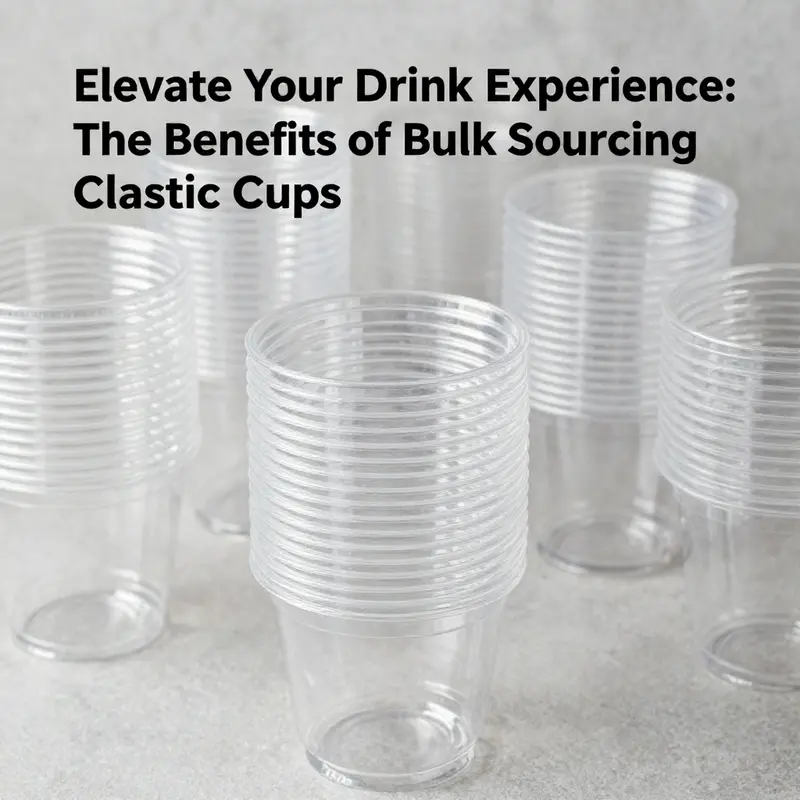
The appeal of a 3 oz clear plastic cup is not only its transparency but the promise of consistent performance across events, cafés, bakeries, and kiosks. In bulk procurement, that promise becomes a delicate balance between visual appeal, functional reliability, and strict adherence to safety standards. When a batch of small, clear cups is ordered in the thousands or tens of thousands, every parameter—material choice, manufacturing controls, packaging integrity, and documentation—collectively determines whether service runs smoothly or a quality issue surfaces at the point of sale. This is not merely about a disposable item; it is about delivering an experience that is clean, dependable, and compliant with the rules that govern any food-contact vessel. A bulk order must stand up to the rigors of transport, storage, hot or cold beverages, and the occasional rough handling that can accompany large-scale events, while also aligning with global expectations for material safety and environmental responsibility.
In bulk, the most common materials for clear cups used in food contexts are polystyrene and polypropylene. Both have long histories of use in direct contact with food and drinks, yet today’s buyers increasingly favor polypropylene for its higher heat resistance and its BPA-free status. The shift mirrors a broader industry movement toward safer, more versatile, and more recyclable resins. As a buyer, you are not simply choosing a cup; you are selecting a path that leads from a simple beverage service to a product lifecycle that respects safety, compliance, and environmental concerns.
A central pillar of bulk procurement is material safety. Reputable manufacturers design cups so that any migration of substances into beverages remains well within regulatory limits. In practical terms, this means adherence to specific certifications and testing regimes. The most widely cited benchmarks include FDA 21 CFR for food-contact materials, the EU’s 1935/2004 framework, and LFGB requirements in Germany. These standards establish a baseline for what materials can touch food, what kinds of additives are permissible, and how products should be evaluated for migration under reasonable temperature and time conditions. For 3 oz clear cups, these rules translate into concrete expectations: the resin must be food-grade, the colorants and additives must be approved for contact with beverages, and the product must demonstrate stability across the temperature range it is likely to encounter, from the chill of a refrigerator to the heat of a hot coffee. In practice, this often means your supplier provides documentation that certifies BPA-free status and references specific compliance documents aligned with these regulations.
As the conversation shifts from safety to performance, the physical properties of the cups come into sharper focus. Clarity, rigidity, and dimensional stability are not mere aesthetic concerns; they are the hallmarks of a product designed for repeatable service. The cups must preserve their shape when filled, resist leaks under moderate pressure, and maintain a consistent inner diameter across large production runs. Temperature variations add another layer of responsibility: a cup that is comfortable for cold beverages must still perform when a hot drink is poured, while avoiding warping or shrinkage that could compromise fit with lids or sleeve adapters. The typical target is a cup that holds its form from the first cold drink to the last sip of a long service period, ensuring a steady customer experience and minimizing waste due to product failure.
Beyond the raw materials and physical behavior, packaging integrity and traceability play equally important roles in bulk orders. Bulk cases—often in the thousands or tens of thousands—need to arrive sealed, clean, and ready for immediate use. A dependable supply chain ensures that cases are sealed to prevent contamination during storage and transit and that each batch carries traceability data so that any issue can be traced to a specific production run. This traceability is essential in professional settings where consistency across shifts and locations matters. Buyers are advised to request a certificate of conformity, batch numbers, and the supplier’s QA documentation. The presence of a reliable quality-management program—whether through automated inline inspection, statistical process control, or third-party testing—provides confidence that the same performance will be observed in every pallet, not just in a representative sample.
The procurement landscape for bulk 3 oz clear cups emphasizes supplier reliability and manufacturing discipline. Reputable manufacturers typically operate modern production lines with automated quality-control checkpoints. They may be located in major manufacturing hubs within regions known for plastics processing. In bulk contexts, it is common for suppliers to offer a range of packaging configurations and to provide options that facilitate just-in-time delivery to busy event spaces or quick-service outlets. The ability to mix and match packaging counts, such as 100-count samples for testing and 2400-count bulk boxes for replenishment, is not a luxury but a practical requirement for maintaining service continuity. It allows buyers to vet a supplier with a smaller initial order and then scale up to meet peak demand, while keeping inventory costs proportional to actual usage.
The environmental dimension has moved from a seasonal concern to a core criterion in supplier evaluations. Buyers increasingly expect that production practices minimize waste and that resins are chosen with recyclability in mind. BPA-free status already signals a forward-looking approach to safety and consumer perception. In addition, responsible manufacturing often includes energy efficiency, waste reduction, and the use of recyclable resins wherever possible. For buyers, this translates into a preference for suppliers who publish clear environmental statements and provide documentation on waste management and recycling pathways for their materials. A complete picture includes not only the cup’s performance but its end-of-life story, and this is increasingly a determinant in both supplier selection and the overall total cost of ownership.
From a financial perspective, bulk purchases bring advantages that are both predictable and nuanced. The sheer scale of bulk orders typically enables a lower per-piece cost, reflecting the efficiencies of large-scale production and logistics. The literature and industry chatter around bulk pricing point to meaningful savings as volumes rise, with prices often dipping to a few cents per cup for very large orders. For buyers, the calculation is multi-layered: the unit price is only one piece of the picture. Turnaround time, lead times, packaging choices, and the reliability of the supplier’s QA processes all influence the true value of a bulk purchase. If a supplier can guarantee rapid restocking during a busy period and provide robust documentation to support compliance, the total cost of ownership improves even when the per-unit price seems modest. In practice, buyers frequently combine a small initial test order with longer-term contracts that lock in favorable pricing while preserving flexibility for design changes, such as different cup diameters, thicknesses, or lid compatibilities.
The regulatory landscape adds another layer to the decision-making process. Buyers who source in bulk must be prepared to verify that products conform to applicable safety standards across different markets. In the United States, the FDA’s guidance pages on food-contact materials provide a framework for understanding permissible substances and testing expectations. In the European Union, compliance with EFSA-related considerations and the broader framework for food-contact materials is integral to moving products across borders. In Germany, LFGB indicates additional market-specific requirements that can influence labeling, testing, and documentation expectations. For a bulk buyer, this often means requiring suppliers to supply certificates and test reports that confirm the resin type, additives, and migration values under defined test conditions. The standardization that these frameworks represent helps reduce the risk of non-compliance during audits or inspections and supports a smoother supply chain across regions with different regulatory regimes.
To translate these standards into practical actions, buyers should approach quality and compliance as an integrated process rather than a one-time checkbox. Start with material declarations and third-party test reports that confirm the cup’s safety profile and the absence of restricted substances. Then, insist on a defined set of physical-performance metrics gathered under predictable conditions: burst resistance, leak resistance, dimensional stability, and clarity retention under time- and temperature-related stress. Follow with packaging integrity checks and batch-traceability documentation that enable you to isolate and address any potential issue quickly. And, when possible, include a short, controlled field test in real service conditions—perhaps a small event or a pilot run in a single outlet—to observe performance before committing to a full-scale rollout.
The human element remains central to success in bulk sourcing. Behind every specification sheet and certification there are people who interpret, test, and verify. The reliability of a supplier hinges on the consistency of their processes, the clarity of their documentation, and their willingness to address questions as they arise. Buyers should engage in direct conversations about lead times, minimum-order quantities, and sample policies. They should also request clear channels for post-purchase support and proactive communications in the event of a product change that might affect safety, performance, or compatibility with lids, sleeves, or other accessories. In other words, a bulk purchase is as much about the people behind the product as it is about the product itself. A steady relationship built on transparency, responsiveness, and mutual regard for safety and quality creates the resilience required to navigate supply-chain disruptions, regulatory updates, or shifts in consumer expectations.
The design dimension should not be neglected, particularly when thinking about how a cup fits into a broader service or brand experience. Clear cups, by their visual nature, contribute to the storytelling of beverages and desserts. This means not only ensuring that the cup remains crystal clear but also that colorants used in any branding elements are themselves compliant and stable. It is common to see cups used with printed or colored lids, labels, or sleeves, and these accessories must harmonize with the cup’s material and finish. A cohesive system reduces the risk of incompatibilities that can lead to leakage or poor presentation. Buyers may also explore options for customization at the bulk level, such as engraving or color-matching accessories, provided that the customization does not compromise safety or exceed the regulatory limits for food-contact materials. In this way, bulk cups become more than a functional vessel; they become a canvas for consistent, high-quality service.
Within the broader context of the article, the topic of bulk 3 oz clear cups is inseparable from the practical realities of daily operations in catering, hospitality, and retail. A café that relies on a steady supply of such cups needs a procurement strategy that anticipates demand fluctuations, supplier capacity, and potential regulatory changes. An event-planning perspective adds another layer: when you know you will be serving hundreds or thousands of guests, you must align your cup specifications with your service flow, your dessert presentation, and your beverage offerings. This means thinking ahead about the interplay between cup size and the types of drinks, as well as the accessories that accompany the cups. It also means selecting a supplier who can deliver predictably, who can provide samples quickly for testing, and who can scale up production without compromising the quality and safety standards that underwrite customer trust. The best bulk purchases, in short, combine clarity of purpose with rigorous adherence to safety, a well-managed supply chain, and a thoughtful approach to design and user experience.
An important practical takeaway for buyers is to treat the sourcing of bulk 3 oz clear cups as a multi-dimensional project. Begin with safety and regulatory alignment, then assess material performance and packaging integrity. Next, evaluate supplier reliability, including their production capabilities, quality-control systems, and traceability practices. Finally, consider the broader implications for sustainability and total cost of ownership. The goal is a dependable supply chain that delivers consistent visuals, predictable performance, and clear documentation across the life of the product. The result is not merely a single purchase but a durable foundation for reliable service, whether it is a weekly café rotation, a multi-day conference, or a high-volume catering event. And as with any robust procurement strategy, the success hinges on choosing suppliers who can demonstrate an unwavering commitment to safety, quality, and service—since the cups we rely on to serve our beverages and desserts are, in fact, ambassadors of our brand’s care for customers and communities.
For further regulatory context and testing guidance, you can consult the FDA’s guidance on food-contact materials, which provides current information on permissible materials and testing protocols that underpin the safety standards discussed here. This resource helps buyers stay up to date with evolving expectations and ensures that bulk purchases remain aligned with the latest safety requirements. External resource: FDA Food Contact Materials guidance.
From a design and packaging perspective, buyers might also explore how bulk procurement can intersect with accessory choices and packaging aesthetics without compromising safety or practicality. For instance, you may wish to pair clear cups with sleeves, lids, or dessert saucers that match your branding while maintaining chemical compatibility with your chosen resin. In some contexts, designers and buyers look to bundled packaging solutions that include take-away containers, dessert cups with lids, and related disposableware—elements that can streamline service workflows and reduce the risk of misfit components during events or high-traffic service periods. When exploring such options, it is useful to reference a provider’s design and packaging portfolio to understand how well their manufacturing capabilities translate into cohesive, scalable packaging solutions that align with your brand identity and service standards. A well-integrated system minimizes the potential for mismatches that could distract guests or disrupt service flow, allowing staff to focus on delivering a consistently positive guest experience.
In sum, the journey from raw material selection to final service hinges on a tightly coordinated set of practices. Quality and compliance are not merely regulatory obligations; they are enablers of reliability, trust, and scale. A bulk order of 3 oz clear plastic cups, properly sourced and carefully managed, becomes a quiet backbone of successful foodservice operations. It is the kind of asset that might not be celebrated in the way a new menu item is, but its predictable performance, safety assurances, and compatibility with other service elements consistently enable teams to execute plans with confidence. As markets evolve and consumers demand higher standards, the discipline of selecting cups that meet rigorous safety criteria while delivering clear, dependable performance will continue to differentiate the most successful operators from the rest. This is where clarity, in more ways than one, truly matters.
Internal link reference for related packaging considerations: custom-takeaway-packaging-supplies-disposable-tableware-for-theme-party
null
null
Tiny Cups, Big Impacts: A Comprehensive Look at Bulk 3-Ounce Clear Plastic Cups and Their Broad Applications
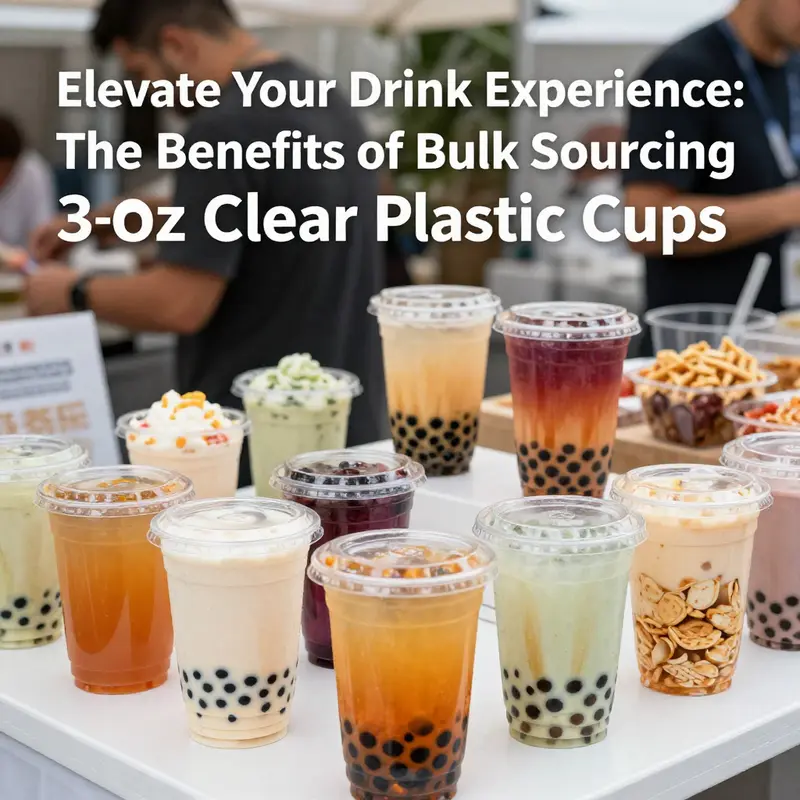
The sight of a small, crystal-clear cup often belies the range of roles it can play when purchased in bulk. A 3-ounce clear plastic cup, compact and economical, becomes a versatile tool across many settings. Its size makes it ideal for controlled portions, precise tastings, and single-serve experiences. The materials most commonly used—polypropylene and PET—balance clarity, rigidity, and safety for food contact. When purchased in bulk, these cups transform from a simple vessel into a scalable element of operations, capable of supporting a wide array of processes from bustling service lines to quiet home kitchens. The real value emerges not from the cup alone but from how well it integrates with the larger workflow of serving, sampling, or storing. In bulk, the unit economics begin to favor experimentation and standardization alike. Small events, seasonal menus, or pilot programs can rely on predictable packaging without the overhead of handling fragile, expensive items. The ability to count out precise portions helps maintain consistency, a quality that matters when presentation and sanitation are part of the experience. In this way, a cup becomes a conduit for consistency and efficiency at every step, from sourcing to service, from display to disposal.
From a procurement perspective, the appeal of bulk 3-ounce cups rests on several interlocking factors. First, material safety and compatibility with food contact are nonnegotiable. PP and PET offer robust performance while maintaining clarity, which is crucial when the liquid or dessert inside must be visually appealing. Clarity matters because color, texture, and even the sparkle of a beverage or dessert are part of the perceived quality. A clear cup allows the vivid hues of fruit, syrup, or layered desserts to take center stage, leveraging visual appeal to drive impulse choices in retail settings or to heighten anticipation at an event. Second, the reliability of suppliers becomes a core consideration. Buyers must confirm that cups meet food-contact regulations and that manufacturers uphold consistent quality control across batches. When orders scale into tens or hundreds of thousands, the risk of variation grows, but so does the potential for cost advantage. Third, the economic logic of bulk purchasing hinges on volume discounts that render per-piece costs a fraction of the price seen in small lots. In practice, this means that a single, well-turchased bulk order can support multiple events or service periods, reducing the frequency of reorders and lowering administration time. The simplest way to understand this is to imagine a continuous cycle: stock, use, restock, repeat. The cycle becomes smoother when the cups are standardized and readily available in scaled bundles, minimizing the disruptions that come with frequent reordering and supplier switching.
For professionals who manage foodservice and hospitality operations, the 3-ounce cup is a practical tool for a set of well-defined tasks. In restaurants, cafes, and buffets, these cups often become vessels for condiments such as dressings, syrups, sauces, and small portions that accompany tasting flights or sample trays. The short form factor supports a quick, tidy presentation, helping servers plate elegantly without cluttering the table. In tasting contexts—whether at a festival, wine-tare stations, or retail showcases—the small cup’s precise capacity ensures attendees experience a controlled sample, which can be essential for managing waste and maintaining portion control. The combination of a compact footprint and a clear, clean aesthetic adds a level of sophistication to the tasting experience while preserving practicality. In these environments, the cup does not merely hold a liquid or a dessert; it frames the consumer’s perception of value. A transparent cup can echo the freshness of a sauce or the brightness of a citrus note, turning what might be a simple one-ounce sample into a moment of sensory clarity.
Catering and event management rely on similar principles, but with an eye toward scalability and the logistics of large groups. The 3-ounce cup is especially well-suited to single-serve beverages at weddings, corporate gatherings, or conferences, where guests may expect a disposable option that looks polished but doesn’t impose on the cleanup process. The crystal-clear design supports the visual appeal of layered drinks, fruit infusions, or dessert emulsions, allowing colors to shine through without distraction. In this context, the cup becomes part of a seamless presentation, aligning with the event’s theme or color palette while offering a practical, hygienic service solution. It also supports the practical needs of catering teams: rapid throughput, predictable portions, and simplified warewashing or disposal. When event planners consider the full packaging ecosystem, the cup is not an afterthought but a strategic component—one that influences flow, waste management, and guest satisfaction. A well-considered bulk program reduces the cognitive load on staff and keeps service moving with fewer delays or miscounts, which in turn supports a smoother guest experience and reliable budgeting.
Beyond food and drink, the 3-ounce cup finds its place in medical and personal care contexts. In clinical settings, small cups facilitate the collection of urine samples with accuracy and hygiene. Home testing kits also rely on compact containers, where small volumes and careful handling matter. This application highlights an often overlooked strength of the bulk cup: its sterile, straightforward design makes it a neutral, non-stigmatizing vessel for sensitive tasks. The same design benefits translate to personal care routines, where clear visibility of contents supports careful measurement and inventory control in home environments. In these uses, the cup functions as a basic, reliable tool in a larger system of data collection, analysis, or daily care, proving that even the smallest components can play a role in health-related workflows when they are well made and consistently supplied.
Home and office use rounds out the everyday value of this bulk item. Storage and organization become easier when small amounts of liquids or solids can be held in a uniform, stackable container. The cups’ rigidity aids in rinsing or temporary storage, and their shape supports stable stacking, which translates to efficient shelf space use and straightforward transport between locations. In households and workplaces alike, bulk supply reduces the friction of daily routines. When a single cup can serve as a makeshift measuring cup, a spill-proof sample container, or a quick rinsing tool, the perceived value extends beyond the obvious use case. The cup becomes a silent enabler of efficiency, turning occasional tasks into routine, repeatable actions.
The bulk availability of 3-ounce cups—commonly offered in large packs that may be 1,200, 2,400, or even larger units per package—adds a crucial layer of affordability and logistics ease. Large bundles reduce per-unit handling costs and simplify inventory planning for businesses that run events, tasting sessions, or meal-service lines with regular cadence. When orders are scaled in this way, storage considerations rise to the foreground. The cups are designed to be stackable, which minimizes warehouse footprint and simplifies loading into mobile service carts or back-of-house storage. The method of packaging itself reduces the risk of damage during transit; a well-constructed bulk pack protects contents from impact and helps ensure that every unit retains its clarity and structural integrity from supplier to end user. Such considerations are not merely technicalities. They translate into real-world benefits: fewer damaged units, lower replacement costs, and more reliable supply during peak periods.
Sourcing options for bulk cups emphasize a balance among material quality, regulatory compliance, and ecological responsibility. Suppliers commonly present information about the primary materials, typically PET or PP, alongside notes about food-contact safety certifications and manufacturing controls. Buyers should verify that products meet relevant safety requirements for food contact and confirm that manufacturing processes maintain consistent quality across batches. A robust supplier relationship also involves clear communication about lead times, packaging configurations, and the ability to customize if needed. Customization might involve color variations or subtle labeling. While the base vessel remains a straightforward clear cup, the opportunity to tailor appearances can support brand cohesion at events or in retail displays, without sacrificing the simplicity and recyclability that make bulk purchases appealing. The ability to tailor the appearance of bulk cups—whether through the presence of a subtle brand color or through the frame of a presentation setup—acts as a bridge between practical function and experiential design. In this sense, bulk cups can become an element of a cohesive packaging and presentation system rather than a standalone disposable item.
When considering sourcing strategies, buyers often gather a spectrum of information: material type, compliance credentials, production capacity, and the reliability of the supplier’s logistics. A disciplined approach to due diligence reduces the risk of disruptions caused by quality issues, regulatory changes, or supply chain shocks. It also supports a predictable cost structure, which is essential for event planning, catering budgets, and retail initiatives. The decision to purchase in bulk often follows a simple calculus: the higher the volume, the greater the potential savings, offset by the need for adequate storage and careful inventory control. For teams that manage multiple events or serve high-volume locations, bulk cups can be a cornerstone of efficient operations. They enable standardized workflows, where servers and attendants know precisely how much product is available and how long it will take to replenish. In such environments, the cup becomes a predictable unit in a larger system designed to maintain speed, accuracy, and quality.
From a sustainability perspective, the conversation around bulk cups centers on lifecycle considerations and waste management. While single-use convenience is a key driver of bulk purchases, many buyers are also integrating recycling programs and exploring end-of-life options. The cups, made from PET or PP, are generally recyclable where local facilities support those materials. This reality places a responsibility on organizations to provide clear disposal guidance to staff and guests and to secure recycling streams that can handle the volume. In addition, bulk procurement often prompts a review of packaging waste and shipping efficiency. Suppliers increasingly work to optimize packaging configurations to minimize wasted space and reduce breakage during transit. The result is a more responsible supply chain that aligns with broader sustainability goals without sacrificing reliability or cost effectiveness.
Customization and branding considerations, while sometimes modest, can play a meaningful role in event settings or retail environments. Even with a clear cup, there can be room for individualized presentation—such as color-tinted bases, printed guides for sampling, or branded lids. The key is to maintain the simplicity and recyclability of the cup while enhancing the consumer experience in a way that is compatible with bulk procurement. In practice, this means that customization should be approached with a strategic eye: does the enhancement improve the guest experience or streamline service without creating complexity or waste?
In the broader packaging ecosystem, the 3-ounce clear cup can be seen as a modular element that supports a cohesive, scalable approach to serving and presentation. For example, consider the way these cups fit into a wider lineup of takeaway packaging solutions. As part of a system designed to deliver fast, clean, and satisfying experiences, the cup’s function extends beyond its immediate use. It serves as a reliable, predictable component that helps ensure consistent quality, efficient operations, and cost control across multiple channels—catering, retail, in-venue service, and direct-to-consumer events. The balance of clarity, durability, and safety makes the cup a dependable choice in bulk, while its simple form leaves room for thoughtful, purposeful presentation. This alignment between form and function is what transforms a small disposable vessel into a strategic asset within the logistics of foodservice and consumer experiences.
For teams looking to integrate such cups into a broader system of take-away packaging and related containers, the following resource offers a window into how these components can interconnect within a cohesive packaging strategy: take-away food packaging boxes. This reference illustrates how a simple, clear cup can function within a larger ecosystem designed to deliver convenience, consistency, and visual appeal across multiple touchpoints. It also underscores the importance of selecting packaging solutions that align with operational realities—volume, storage, handling, and end-of-life considerations—so that bulk purchases truly translate into smoother processes and better experiences for customers and guests alike.
In closing, the 3-ounce clear plastic cup, when viewed through the lens of bulk procurement, reveals a spectrum of value that extends well beyond its immediate utility. It is a practical asset for portion control, a reliable partner in service efficiency, and a flexible component within a broader packaging and presentation strategy. Its material integrity, compliance readiness, and potential for minimal customization render it suitable for diverse environments—from the high-energy tempo of foodservice and events to the precise, health-conscious demands of clinical settings and the everyday routines of homes and offices. When organizations commit to bulk orders with a clear eye on quality control, storage efficiency, and end-of-life responsibility, they unlock a rhythm of operations that supports growth, consistency, and positive guest or patient experiences over time. As markets evolve and demands shift, this humble cup continues to prove its worth not through novelty but through reliability, clarity, and the adaptability it offers to a broad array of applications.
External resource: https://www.fda.gov/food/packaging-food-contact-materials
Final thoughts
In the competitive landscape of beverage service, quality and cost-effectiveness are paramount. 3 oz clear plastic cups offer businesses an excellent balance of functionality, safety, and aesthetic appeal when sourced in bulk. By ensuring these products comply with safety standards, and by understanding their varied applications, businesses can streamline their operations and enhance customer satisfaction. By choosing reliable cups, you not only elevate your beverage experience but also ensure your brand’s integrity and appeal in a crowded market.