
As the beverage industry grows, maintaining hygiene and proper storage for plastic cups becomes increasingly crucial. This guide targets professionals across sectors—from bubble tea shops to catering services—providing practical techniques for cleaning, drying, and storing cups, while highlighting sustainable alternatives. Chapters cover materials, storage protocols, recycling options, and responsible use to help your operation improve hygiene and reduce environmental impact.
From Clean to Put: The Quiet Craft of Hygiene, Storage, and Reuse in Plastic Cups
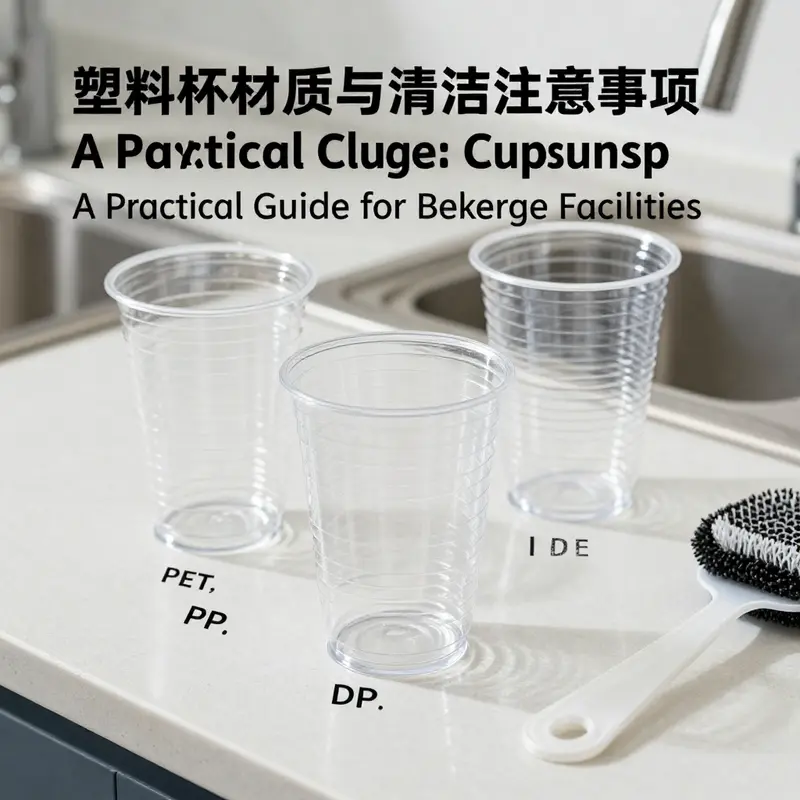
In the everyday rhythm of kitchens, classrooms, festivals, and casual gatherings, the phrase clean put plastic cups is more than a routine. It is a compact philosophy that ties material science to hygiene and to the logistics of keeping cups ready, safe, and visually tidy. The work begins long before a guest sips. It starts with a careful choice of material and ends with a sequence of actions that minimize risk while preserving usability. When done well, clean put becomes a seamless moment of efficiency rather than a burden, a bridge between careful handling and responsible waste management. The heart of this practice lies in understanding what the cup is made of, what it can endure, and how those properties determine how it should be cleaned, stored, and disposed of after use. The materials most often encountered in standard events fall along a spectrum of safety, heat tolerance, and reusability. A typical cup may carry the bottom marking that reveals its type: the ubiquitous PET, or polyethylene terephthalate, is prized for its clarity and lightness, especially for cold beverages. But PET’s strength has a limit: while it shines in appearance, its heat resistance is modest, and its surface can soften when exposed to hot water or high-temperature dishwashing cycles. The consequence is not merely a cosmetic change; when PET is heated beyond its comfort zone, microplastic fragments may become a concern, and repeated high-heat cycles are discouraged if the cup is intended for reuse. This is why many guidelines emphasize PET as a single-use option, reserved for cold drinks and short-term use. A different family—polypropylene, or PP—offers a counterpoint. PP cups are valued for their sturdiness in the face of warmth, with heat tolerances that can stretch into the range of 100 to 120 degrees Celsius. They are routinely used in settings where hot beverages are served, and their resilience makes them candidates for careful reuse where regulations and product specifications permit. When PP cups are cleaned and dried properly, they can withstand multiple cycles without the rapid degradation that unnerves other plastics. Then there are other materials, such as high-density polyethylene and various forms of polystyrene. LDPE, with its flexibility, is rarely chosen for rigid cups; its cleaning and reuse potential is limited by its softness and structural characteristics. PVC, with its propensity to shed additives under stress, is particularly problematic for food contact, especially when heated, and is generally to be avoided in any setting that prioritizes safety. Polystyrene, or PS, while clear and economical, can release styrene when exposed to heat or long contact with hot liquids, a risk that pushes it away from regular use for drinking cups. A newer category—TRITAN, a copolyester, often appears in discussions about safer, long-lasting reusable cups. TRITAN is touted for its toughness, clarity, and, importantly, its freedom from certain legacy contaminants. It resists leaching and stands up well to repeated washing, even in warmer conditions. For many venues that emphasize a practical, repeatable system, TRITAN emerges as a preferred option where guidelines allow for reusable cups without compromising safety. The takeaway is not to insist on one perfect material but to align the choice with the setting, the beverages served, and the integrity of cleaning and handling routines. Among these choices, PP and TRITAN stand out as the most dependable for repeated use. The overarching principle is simple: select a material with proven safety for repeated contact, clean it with regard to its resilience, and store it so that it remains uncontaminated between uses. The cleaning itself is not a casual matter. Even when the cup material appears robust, aggressive cleaning methods can damage surfaces, accelerate wear, and eventually create small crevices that harbor bacteria. A gentle approach is essential. For PET cups, it is prudent to favor cool or lukewarm water and non-abrasive detergents if a rinse is needed. High-temperature cycles, particularly in automated dishwashing processes, can soften PET surfaces and, over time, contribute to degradation. The caution here is not merely about the cup becoming less appealing; the integrity of the material can be compromised, and the potential for micro-scale contamination rises. In contrast, PP and TRITAN cups tolerate warmer temperatures better, making hot water rinses or even brief dishwashing cycles permissible when the product specifications permit. Still, even with these materials, the emphasis remains on a mild cleaning regime. Avoid harsh or abrasive cleaners that might scratch walls and lids. Scratches can become microhabitats for bacteria and can also trap residues that are difficult to remove in subsequent cleanings. After washing, thorough drying is a critical step. A damp interior invites mold and mildew, especially in hidden corners around cup lids and sealing rings. This is why a practice of inverted drying—mouth down, rims exposed to air—often proves most effective. The drying phase is not merely about convenience; it is a hygiene imperative that keeps the next user from encountering residual moisture that could foster unwanted microbial growth. Once clean, how the cups are stored becomes an equally important aspect of the cycle. A stable, dust-free environment helps maintain the integrity of the cups between events. Inverted storage protects the interior from dust while the open mouth remains accessible for quick replenishment. Covering the cups with a lid or a dedicated shield seal can further reduce the risk of airborne contaminants landing inside, especially in environments with high foot traffic or near dusty outdoor spaces. The simplest, most practical storage strategy often blends these approaches: place cups mouth-down in a clean, dry cabinet, keep lids nearby but separate, and ensure they are not exposed to direct sunlight. Ultraviolet exposure can contribute to surface aging, so keeping cups away from bright light and heat is a prudent step in prolonging their usable life. In any approach, categorization helps, but it should not become cartography that halts action. A kitchen or event space may have a few categories of cups by size, but the real aim is to ensure that when a guest reaches for a clean cup, the one they take was washed, dried, and stored with a clear line of hygiene in mind. This is where the practice of “put”—the act of putting away clean cups—meets the broader conversation about sustainability. It is widely acknowledged that most disposable cups are not designed for long life, and environmental advocates push for reuse whenever feasible. Reuse, of course, demands a robust system. In a setting that values reuse, a cup designed for multiple uses and a corresponding cleaning protocol become a practical backbone. At the same time, economic and logistical realities mean many venues still rely on single-use cups. In those cases, ensuring that cups that will only be used briefly do not become a source of cross-contamination is essential. Even when a cup is intended for a single outing, proper handling includes a clear separation of clean and dirty items, minimal exposure to contaminants, and prompt, correct disposal into appropriate recycling streams where law and policy allow. This is not merely about compliance; it is about preserving health and quality of the drinking experience. The conversation about environmental responsibility then naturally extends to alternative materials and disposal strategies. The chain from clean to put should not end with disposal alone. Where possible, venues can adopt “cup exchange” programs or incentives that encourage guests to return empty cups for reuse or recycling, aligning operational practices with broader sustainability goals. Plant-based alternatives, like plant-derived materials designed for composting under industrial conditions, offer another path forward. These options are not panaceas, but they illustrate how an evolving landscape of materials can support responsible choices without compromising hygiene or user experience. The practical takeaways emerge clearly when the day-to-day realities of service intersect with the science of materials. The safest, most versatile choice remains PP, with TRITAN offering excellent durability for repeat use. PET remains a viable option for cold usage in limited contexts, provided the limitations around heat exposure are respected. And any cup, regardless of material, benefits from mild cleaning practices, thorough drying, and thoughtful storage. The guidance for correct handling can be summarized in a few core habits. First, always identify the material before cleaning. If the cup is labeled as PP or TRITAN, you can apply a broader range of cleaning steps, including warm rinses and careful dishwasher checks, as long as the specific product instructions permit. If the cup is PET, treat it as a cold-use item and avoid high-temperature cleaning that could soften the surface. Second, use gentle cleaning agents and apply soft scrubbing when needed. Do not scrub aggressively, and avoid any cleaners with harsh solvents or strong acids that could wear down the surface or leach substances over time. Third, ensure complete drying. Do not store cups while still damp; the residual moisture can promote microbial growth and odors. Fourth, store with attention to contamination control. Inverted mouths, covered tops, and a dry, cool environment away from direct sunlight can preserve the cups’ quality and make the next use straightforward. Fifth, when reuse is not part of the plan, separate clean cup storage from waste streams and ensure a clear path to recycling, if local facilities permit. A practical, single-minded approach to these steps keeps the process from becoming overcomplicated while preserving health, performance, and sustainability goals. For readers who crave concrete examples or visual references, a representative option in the broader family of disposable clear cups can offer a tangible reference point for the discussion. See the following internal resource for a practical example of a clear plastic cup designed for disposable, outdoor use: disposable-clear-plastic-cup-outdoor-picnic-pet-cup-drinking-cup-for-parties-birthdays-weddings-camping-utensils. This link illustrates how a simple, clear cup is positioned for disposable use, reminding readers that even with single-use items, responsible handling begins with hygiene-aware cycles of cleaning and storage for the moments when reuse or proper recycling becomes part of the workflow. The bigger picture remains clear: clean put plastic cups are not merely about getting a cup clean; they are about designing and executing a sequence that protects health, minimizes risk, and respects resource constraints. Whether the setting leans toward intense reuse, straightforward recycling, or careful use of safer disposable options, a coherent practice of identifying the material, applying gentle cleaning, drying thoroughly, and storing thoughtfully creates a reliable, scalable workflow. This approach supports a culture of responsibility at every step—from the earliest moments of service planning to the last moment guests leave with an empty cup, allowing venues to meet hygiene standards without sacrificing efficiency or guest experience. External resources provide deeper technical nuance for those who want to examine the chemical and regulatory specifics behind common cup materials. For a detailed discussion of the performance, properties, and types of PET cups used in industrial contexts, consult this external reference: https://www.plasticcupguide.com/pet-cups-guide
The Quiet Guard: How Properly Placed Cleaned Plastic Cups Preserve Hygiene and Extend Use
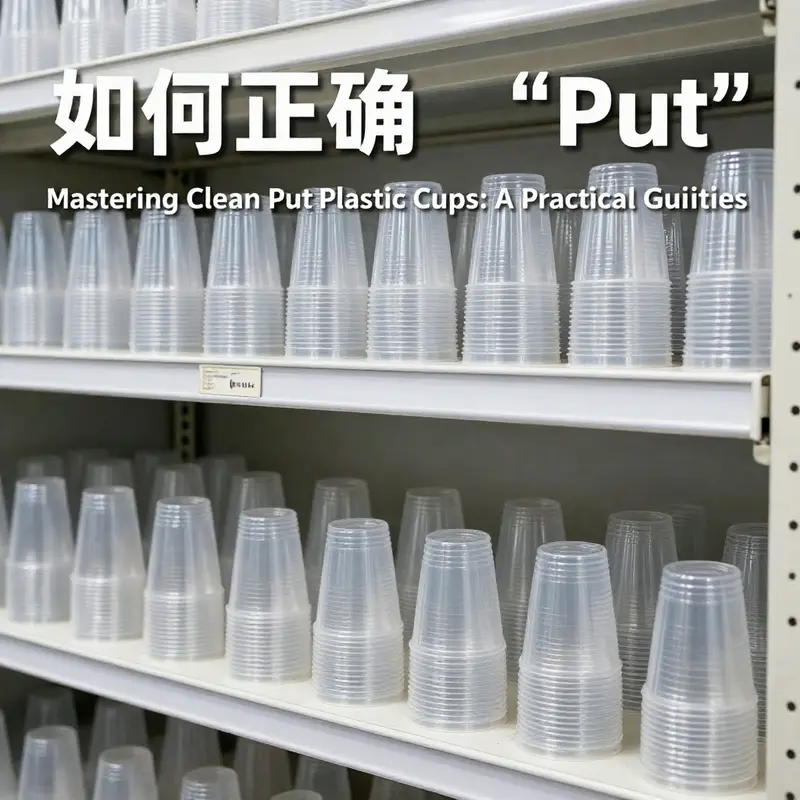
When the glassware is sparkling and the sink is quiet after the rush, the work of keeping plastic cups safe and ready often shifts from washing to placement. The step from a clean cup to a protected one may seem small, yet it is a crucial hinge in the entire lifecycle of disposable and reusable cupware. In environments ranging from busy cafés to event setups and even home kitchens, the art of putting away cleaned plastic cups is less glamorous than washing but far more consequential. It is a moment when hygiene, efficiency, and the long-term behavior of materials meet. The simple act of where and how you place a cup after a wash can prevent contamination, reduce odor transfer, and prolong the useful life of cups that are intended for repeated use or careful recycling. In this sense, the idea of clean put plastic cups is not merely about tidiness; it is about safeguarding the finished work of cleaning and ensuring that the cups remain fit for the next drink, the next guest, and the next planned event.
To begin, the foundational idea is dry, clean, and unobstructed. After a thorough rinse, many materials in the realm of plastic cups are sensitive to heat and moisture. PET, the crystal-clear stalwart of many cold-drink applications, softens at relatively modest temperatures. Exposing PET cups to hot air or hot water too often can encourage distortion, and the potential release of microplastics becomes a public concern in repeated-use scenarios. PP offers a more forgiving profile in terms of heat resistance, but it too benefits from gentle handling. LDPE, with its flexibility, requires careful drying and storage to avoid curling or deforming. Understanding these material tendencies helps explain why the act of drying and storage is intimate with the safety profile of the cups themselves. When the cups are only superficially rinsed or still damp, a microclimate can form inside, inviting mold spores, odors, or the migration of flavors from neighboring items. The practice of drying should be deliberate rather than hurried; it is the moment where cleanliness becomes stability.
The path from wash to wait relies first on drying. A natural air-dry in a well-ventilated area is preferable to quick towel drying, especially when towels carry fibers and microorganisms from previous tasks. The goal is a dry surface devoid of residual moisture that can harbor bacteria or create damp, musty corners—spaces where even the most meticulously cleaned cups can pick up unintended scents. If time is tight, a simple tilt and air-dry strategy—cup upside down on a rack or on a clean, dry surface—allows gravity to guide the remaining water droplets away from the interior and seams. The gentle flow of air should circulate freely around each cup; crowded stacks trap humidity and can seed cross-contamination from one cup to another. In the careful management of post-cleaning steps, airflow becomes the quiet ally of hygiene.
Storage conditions matter as much as the cleaning ritual itself. The goal is to place cups in a dry, clean, and, crucially, stable environment. The categories of storage—whether inverted, covered, or categorized by size and intended use—reflect different operational needs and risk assessments. Inverted storage, with the rim facing downward, is often favored because it minimizes the exposure of the interior to dust and airborne contaminants. However, this position must be paired with a dry, dust-free shelf or rack to avoid the accumulation of particles at the cup opening. When a dedicated lid or cover is available, covering the cups during storage adds a shield against airborne pollutants while preserving the interior cleanliness. A light, breathable cover, used correctly, helps block stray fibers and odors without sealing in dampness.
Another practical dimension is isolation by purpose. In busy settings, different volumes and intended uses of cups can trigger a practical segregation strategy. Small cups reserved for samples or tasters may be stacked separately from larger cups intended for beverages with strong aromas. This kind of categorization reduces the risk of cross-contamination and cross-odor transfer between cups that might otherwise appear identical at a glance. The logic of separation is straightforward: group by size and by intended consumer workflow. A well-lit, well-organized shelf can make this instant when a staff member needs to retrieve cups quickly, minimizing handling and therefore reducing the chance of contamination. In the end, the choreography of storage—how cups are oriented, whether they are capped, whether their interiors are accessible or protected—forms a line of defense that begins as soon as the last drop of moisture has evaporated.
Yet storage is not only about physical space; it is also about guarding against environmental stresses. Avoiding direct sunlight is a recurring theme because ultraviolet exposure can accelerate aging in many plastics and alter the surface properties over time. The combination of heat and light nudges plastic toward brittleness in some cases and toward softening in others, which could manifest as a slight warping or a subtle increase in pliability. The goal is to place cups in a cooler, shadowed corner or inside a cabinet where both temperature and light stay consistent. In this calmer microclimate, the cups preserve their shape and optical clarity longer, preserving both the user experience and the material’s integrity for future use or recycling decisions.
The question of whether to keep lids on cups during storage also arises naturally. If lids are designed to fit securely, they can be a useful addition to the storage protocol, shielding the rim and interior from dust and odors. However, even when lids accompany cups, it remains essential to ensure the cups are fully dry before being capped. A lid that traps residual moisture can create a micro-habitat for mold and must be avoided. The balance point is clear: we want the protection of a lid when appropriate, paired with a completely dry, clean interior. This is a small but important distinction that affects long-term cleanliness and user experience when the cups are eventually drawn from storage for service.
The placement of cleaned cups also invites a broader reflection on the material lifecycle and environmental stewardship. In many settings, there is a tension between the convenience of single-use cups and the desire to reuse or recycle. The practice of “putting away” clean cups becomes a practical point of transition: it signals a readiness for reuse in a controlled way or an orderly route to recycling channels if the cups are type-marked as recyclable. The initial research around PET and PP materials underscores this pairing of care with capability. PET cups, when kept in piercingly clean and dry conditions, retain their clarity and become a feasible option for short-term reuse in limited contexts, though they are often designed as one-time use items. PP cups, with their higher heat resistance and sturdiness, lend themselves to more repeatable usage in controlled environments like schools or outdoor events where reusability is part of the plan. The maintenance of these cups then must align with the equipment and policies in place for storing, reusing, or recycling.
From a practical perspective, the step of putting away should be seen as a deliberate routine rather than an afterthought. It requires attention to material cues and a consistent method that staff can perform quickly and reliably. A simple routine—rinse, air-dry, invert on a rack, cover if possible, store away from strong odors, and ensure a dry, cool environment—provides a reproducible standard. The repetition of this routine builds a culture of hygiene that permeates the dining or event space. It becomes part of the fabric of the operation, the quiet backbone of service quality that guests rarely notice but immediately feel when it is absent. When such a routine becomes habitual, it reduces the temptation to rush during peak times and lowers the risk of leaving cups damp, dusty, or misaligned in shelves. In this sense, the real value of the act lies not in the moment itself but in the downstream benefits: fewer incidents of contamination, less cross-odor transfer, and longer viability of the cups for the next phase of use or disposal.
There is also a broader sustainability lens to keep in view. Even as we emphasize proper storage, we must acknowledge that the lifecycle of many plastic cups ends with recycling or higher-efficiency disposal streams. The notion of clean put plastic cups is a practical bridge between cleanliness and responsible end-of-life management. If the cups are designed for limited reuse, proper storage safeguards their integrity until the next service. If the cups are purely disposable, the discipline of washing and storing them briefly before placement in recyclables can improve the quality of materials entering the recycling stream. In any case, the core message remains stable: a clean cup deserves a clean, protected resting place, free from contamination and environmental stressors, so it can fulfill its purpose with dignity and minimal risk.
In closing, the act of placing cleaned plastic cups is a small ritual with outsized implications. It translates meticulous cleaning into reliable readiness, and it turns a routine task into a quiet act of hygiene maintenance. The practical steps—complete drying, protected storage away from heat and light, inversion or covered containment, and careful segregation by size and purpose—combine with material awareness to form a robust approach to cup management. When those steps are integrated into daily practice, they subtly elevate the standard of service and the clarity of the user experience. The chapter on the care and placement of clean cups thus completes a loop that begins with washing and ends with responsible, thoughtful handling, a chain of actions that preserves cleanliness, prevents cross-contamination, and respects the lifecycle of materials used to satisfy thirst and celebration alike. For readers who want a practical example of a portable, outdoor-friendly approach to cup storage, consider exploring a resource that discusses how disposable clear plastic cups are used in outdoor settings, which aligns with the idea of keeping cups ready for moments of communal use: disposable clear plastic cup for outdoor picnics.
For further reading on the material properties and cleaning limitations of PET cups, an external reference provides a detailed, industry-focused overview that underpins the cautions described here. External resource: https://www.plasticcupguide.com/pet-cups-guide
From Clean to Circular: Navigating Hygiene, Storage, and Recycling for Plastic Cups
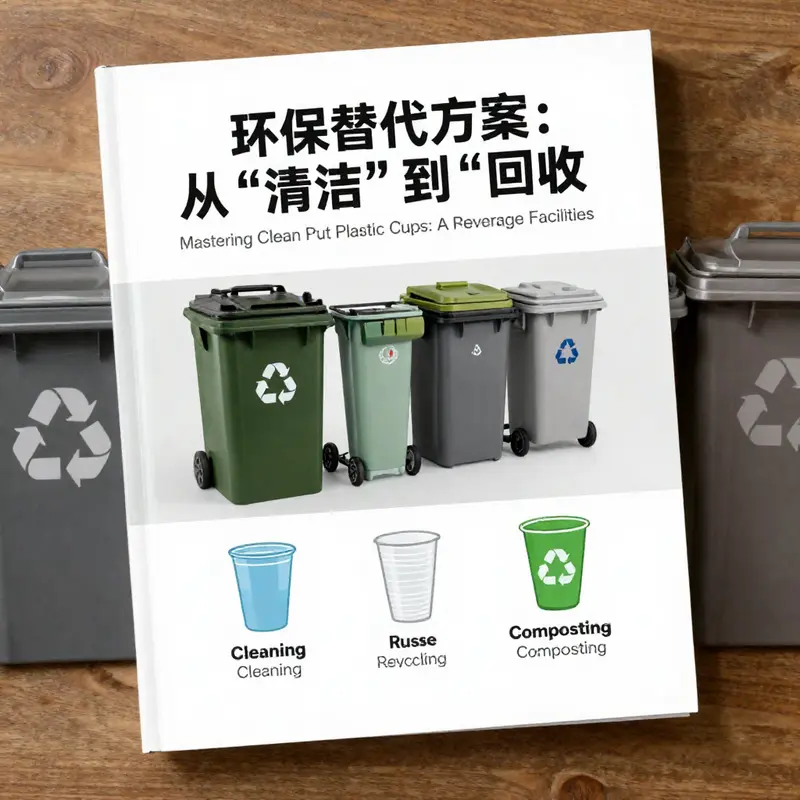
Clean put plastic cups sit at a curious crossroads of everyday practicality and environmental responsibility. In many settings—catering events, classrooms, or community gatherings—the simple act of washing a cup and returning it to storage feels unremarkable. Yet the choices behind this routine ripple outward: the material the cup is made from, the method of cleaning, and the way it is stored all influence hygiene, safety, and the potential for reuse or recycling. When the goal is to balance guest comfort with responsible waste management, the path from clean to circular requires a careful reading of the cup’s material and a disciplined approach to handling and storage. The journey begins with understanding three widely used plastics and how their properties shape what cleaning looks like in practice, then flows into practical storage tactics, and finally expands into broader strategies that keep cups out of landfills through reuse and recycling. In short, clean put plastic cups are not a trivial footnote in catering logistics; they are an active interface between sterile service and sustainable design.
At the heart of this interface are the materials themselves. PET, PP, and LDPE each carry distinct advantages and limitations that directly inform cleaning strategies and reuse feasibility. PET cups are prized for their clarity and recyclability, often bearing the #1 resin code. But their cleaning window is narrow. They tolerate only cool to lukewarm rinsing and are particularly vulnerable to deformation or chemical leeching if exposed to high heat. Hot water or dishwasher cycles that exceed about 70°C can soften the cup, alter its form, and raise questions about microplastic release with repeated exposure. For venues that expect sturdy reusability over many service cycles, PET is best treated as a single-use option or reserved for short-term reuse only when the product explicitly allows it. This nuance is not merely academic; it translates into training staff to avoid high-heat cycles and into procurement choices that align with clear reuse expectations.
polypropylene, or PP, presents a different calculus. PP cups are known for their higher heat resistance, generally tolerating temperatures in the vicinity of 100–120°C. This makes them more forgiving for warm beverages and even for limited dishwasher exposure, provided the manufacturer’s instructions permit such cycles. The trade-off is that PP cups, while lighter and less prone to shattering than glass, still require a conscientious cleaning regimen if reuse is intended. In many school or outdoor event settings, PP cups are favored not because they are endlessly durable but because they are compatible with more intensive cleaning routines and can stand up to repeated handling, drying, and stacking. The implication for practice is straightforward: confirm product labeling before placing PP cups into any dishwasher cycle, and design a clean-and-store workflow that respects the recommended temperature range to preserve shape, coating integrity, and safety.
Low-density polyethylene, LDPE, rounds out the trio with a different set of considerations. LDPE’s flexibility and lower rigidity can complicate cleaning and drying, especially when used to form a cup that may be more pliable than its PET or PP counterparts. Cleaning with aggressive solvents or extended contact with oils and strong acids should be avoided, and thorough air drying is essential to prevent residual moisture from becoming a breeding ground for mold. In practice, LDPE cups are less often chosen for rigid, reusable cup applications and more frequently seen in scenarios where brief reuse is practical or where the cup’s design emphasizes low weight and cost. Across these materials, a common thread emerges: the path from clean to reuse must align with the cup’s labeling and the material’s heat, chemical, and structural tolerances. The rule of thumb remains cautious: avoid high-temperature sanitizing for cups not explicitly rated for it, and treat any cup lacking a clear “reusable” designation as a single-use item or as a candidate only for assured recycling streams.
This material-aware stance feeds directly into the practical act of putting the cups away after cleaning. The storage environment matters nearly as much as the wash itself. In a bustling kitchen, serving area, or event space, a cup might travel through several hands before it finds its resting place. To minimize the risk of recontamination, cups should be stored inverted, mouth-down, in a dry, well-ventilated area. Inversion reduces the chance of dust, droplets, or food residues finding their way into the interior while the cups are in intermediate storage. When possible, placing stacks under a light cover or using dedicated lids or shields helps keep contamination at bay without hindering air circulation. Even the simplest step—keeping the storage area clean and dry—acts as a preventive measure against microbial growth and dulling of surface coatings.
Where practical, a covering strategy can be extended beyond inversion. A simple, purpose-built cap or a food-grade wrap over the top of the cup stack can preserve cleanliness without creating an airtight trap that invites moisture buildup. But any covering should allow for air exchange to prevent condensation, which can become a silent reservoir for mold. The key is to strike a balance between dust protection and drying efficiency. In venues where space allows, vertical racking with labeled compartments by size can help staff route cups to the correct storage zone after cleaning, reducing cross-contamination from mixed sizes and facilitating faster restocking during busy service windows. Even with organized storage, it remains essential to protect cups from direct sunlight and UV exposure. Ultraviolet light can degrade polymers over time, subtly altering clarity, flexibility, and surface properties that influence future cleaning outcomes. A cool, shaded, dry corner often remains the safest resting place between uses, especially for reusable cups that endure repeated wash cycles.
The conversation then naturally progresses from how we clean and store to how we should think about disposal, reuse, and the broader environmental implications. The clean-to-recycle narrative encircles the cup industry with three actionable ideas. First, reduce plastic use where possible by favoring reusable cup systems. In many contexts, a durable cup made from stainless steel, glass, or robust food-grade PP can outlast hundreds of disposable cycles, delivering meaningful waste reductions and cost savings over time. Second, implement a clear reuse or “cup-for-coupon” program at venues that want to keep customers engaged while steering away from disposable waste. In such schemes, a customer returning an empty cup may receive a discount or credit, providing an incentive to participate in the circular system rather than defaulting to a throwaway habit. Third, when reuse is not feasible, maximize the quality and efficiency of the recycling stream. For cups labeled as single-use, the priority is to ensure they are clean enough to be recycled rather than contaminated with food waste, which can complicate processing downstream. In other words, cleanliness remains a prerequisite for responsible disposal, not a license for indefinite reuse in the absence of durability or labeling that supports repeated cycles.
The broader sustainability conversation intersects with everyday decisions about packaging and service. A growing body of practice pushes for a closed-loop mindset in which every cup’s life is planned. Recyclers and manufacturers increasingly emphasize material-specific pathways, urging venues to understand the limits of each cup type. PET, while highly recyclable, may be less desirable for repeated uses due to potential microplastic release with cycles beyond its design. PP, with higher heat tolerance, offers more opportunities for limited reuse, but only if the product specifications permit it. LDPE’s role may be more constrained in rigid cup applications but remains relevant in contexts relying on flexible packaging components. So the respectful, responsible path is not simply to wash and store but to read the cup’s markings, follow the manufacturer’s guidance, and design service workflows that reflect the product’s intended life. This approach translates into training staff to recognize when a cup is suitable for reuse and when it should be redirected to recycling. It also informs how venues design their beverage service and how they communicate with guests about sustainable options.
Beyond the micro-level decisions, the guidance points toward practical, scalable choices that organizations can implement without sacrificing guest experience. For instance, integrating clearly labeled bins for recyclable cups and ensuring visual cues around washing stations can improve cleanliness, reduce cross-contamination, and reinforce a culture of sustainability. Stocking cups in color-coded or size-specific stacks can streamline retrieval and reduce handling time, while maintaining a calm, orderly preparation zone that supports high-quality hygiene standards. The internal operational logic—how cups flow from washing to drying to storage to service—becomes a microcosm of the larger circular economy in action. In this sense, the act of putting a cleaned cup away is not merely a housekeeping task; it is a deliberate step within a system designed to minimize waste, extend product life, and preserve resource value.
To bridge this topic with broader packaging conversations, consider the pathways that extend beyond cups alone. A practical lens is to view packaging through the lens of lifecycle thinking: if a cup can be reused, how many times is that feasible given its material properties and the care it receives? If reuse is limited, what is the most effective recycling stream that preserves material integrity for downstream applications? And if neither option is feasible, what is the most responsible alternative that minimizes environmental impact while maintaining user safety and satisfaction? This mindset aligns with a growing emphasis on sustainability across food service and event planning, where the goal is to harmonize hygiene with environmental stewardship. One actionable direction is to explore complementary packaging options that support a circular model—for example, packaging that is designed for easy disassembly and high-quality post-consumer recycling, or that employs biodegradable or compostable materials where appropriate. In practice, venues can leverage a combination of reusable cup programs, high-quality recycling streams, and thoughtfully chosen single-use alternatives when necessary, all underpinned by transparent guest communication about how waste is handled at the event.
For readers seeking a concrete touchpoint on material-specific cleaning boundaries, a deeper technical context can be found in external resources that examine the performance and limitations of PET cups in industrial applications. Understanding these nuances helps managers set realistic expectations for reuse, cleaning budgets, and staff training. External resource: https://www.plasticcupguide.com/pet-cups-guide. At the same time, linking to internal, purpose-built packaging guidance can support teams in exploring compatible, sustainable takeout options that align with their service model. A representative internal reference that speaks to eco-friendly takeout packaging options can be found here: eco-friendly takeout packaging options. This link points toward practical packaging choices that complement a clean-and-custainable cup strategy, encouraging venues to broaden their thinking beyond cups alone while preserving a consistent standard of hygiene and responsible disposal.
In sum, the question of how to handle clean put plastic cups is not a narrow operational issue. It is a thread that weaves together material science, cleaning practices, storage discipline, and a broader commitment to circularity. By recognizing the material distinctions, applying careful storage and drying protocols, and embracing reuse or recycling where feasible, service environments can deliver a hygienic guest experience while also contributing to a more sustainable material ecosystem. The simple act of putting away a cleaned cup becomes a deliberate contribution to a system that values resource efficiency, reduces waste, and keeps options open for future packaging innovations. The chapter you’ve followed here emphasizes that hygiene and sustainability are not mutually exclusive; they are partners in a practical, scalable approach to modern beverage service.
External resource: https://www.plasticcupguide.com/pet-cups-guide
Clean, Store, Sustain: The Quiet Art of Keeping Plastic Cups Hygienic and Ready
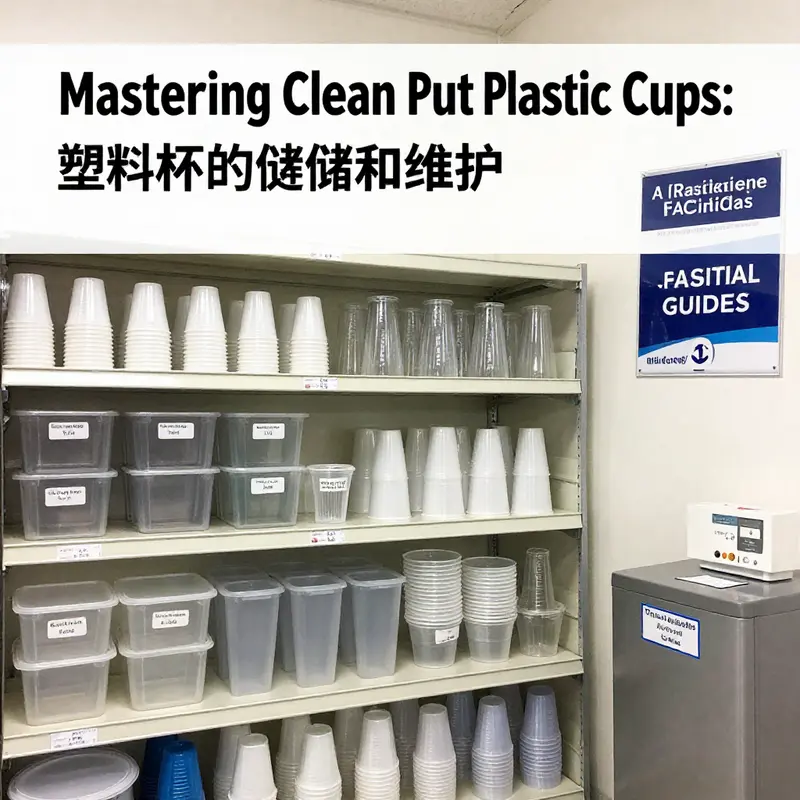
On the surface, plastic cups are simple tools meant to hold drinks and be forgotten. Yet in kitchens, event spaces, and everyday routines, the way we clean and store them after use quietly shapes hygiene, safety, and even the environmental footprint of a gathering. This chapter moves through the practical wisdom of keeping plastic cups clean, properly stored, and ready for their next moment of service. It treats cleanliness not as a one-time act but as a disciplined routine that respects material realities, preserves material integrity, and supports responsible reuse or recycling. The goal is not merely to avoid mess, but to reduce risk, extend life, and make the most of what is often treated as disposable by default. In that context, the act of putting cups away becomes a deliberate, thoughtful practice that sits at the crossroads of health, practicality, and sustainability.
Different plastics behave differently under cleaning and heat, and those differences matter when deciding whether a cup is truly reusable or best treated as a single-use item. PET cups, with their high clarity and common accessibility, are frequently used for cold beverages. They possess a relatively low tolerance for heat; temperatures above about 70°C can soften the material and alter its surface properties. For that reason, PET cups are typically recommended for single use or, at most, for brief cold-service reuse under strict care. Polypropylene, by contrast, better withstands heat, withstanding temperatures in the range of 100–120°C. This makes PP cups more suitable for warm beverages and light dishwashing regimes, especially in settings like schools or outdoor events where cups might be rinsed and reused a few times before disposal or recycling. Low-density polyethylene cups add another layer of flexibility with a gentler profile, though their transparency and rigidity are often less ideal for some rigid cup designs. LDPE cups require careful handling to avoid deformation and to ensure that cleaning agents do not compromise their surface or structural integrity. Across these materials, one crucial thread runs clear: not all plastic cups are intended or safe for repeated cleaning and sterilization. The default rule remains simple and practical—only use cups that are specifically labeled as reusable for repeated cleaning and heat exposure, and respect the cleaning guidelines that accompany each material.
The cleaning step is foundational. Thorough washing should be performed with warm water and a mild detergent that does not linger harsh chemicals or residues. A cup brush can reach stubborn residues in corners and bases, ensuring that no odor-causing material remains. After washing, cups should be inverted in a well-ventilated area to air-dry completely. Wiping dry with a cloth can reintroduce bacteria via fibers or cross-contamination, so air-drying is the safer route. This simple emphasis on dry, clean surfaces before storage reduces the risk of mold, mildew, and bacterial growth that can flourish in damp, dark spaces. Beyond hygiene, the drying step preserves the cup’s integrity. Excess moisture left behind can contribute to microbial growth, while residual cleaning agents can leave tastes that companions would rather avoid. In short, the ritual of effective cleaning culminates in a dry, odor-free cup that is genuinely ready for the next use.
When it comes to storage, the environment matters as much as the process. A dry, dust-free space is essential. Humidity invites mold and musty odors that cling to plastic surfaces and undermine the clean state achieved after washing. Direct sunlight is another enemy. Ultraviolet exposure accelerates aging in plastics, leading to yellowing, brittleness, and potential release of degraded additives. A cool, shaded cabinet or closet is ideal, away from heat sources such as stoves or radiators. Temperature stability is a practical virtue here; extreme heat or cold can cause micro-cracks and deformation over time, especially in thinner-walled cups. Adequate airflow should accompany any storage solution—sealed containers or bins with lids help but should not trap moisture if there is any residual dampness. Dust avoidance, meanwhile, is best achieved with storage that keeps cups upright or inverted in a way that minimizes surface contact and potential contamination. If stacking is necessary, soft separators or cup mats between layers can prevent surface abrasion that might invite micro-scratches, micro-particles, or contaminants to become lodged in the cup’s interior.
Beyond the basics of dry and dark storage, the organization of the space can influence both hygiene and efficiency. Classifying cups by size or intended use can streamline service in busy environments, ensuring that a smaller cup used for tasting or samples is readily distinguished from larger cups meant for full servings. In a setting where multiple materials are in circulation, keeping the cups separate by material type reduces confusion and helps staff apply the appropriate cleaning and handling protocols to each category. A practical note is to avoid heavy loads resting on top of stacks of cups. Even if cups are sturdy, excessive pressure can cause deformations that impair fit and seal with any lids or covers, creating micro-crevices that trap condensation and odors. When space allows, placing cup stacks on a soft, non-abrasive surface minimizes friction and wear on the rims and sides.
A broader perspective invites us to consider the lifecycle beyond mere storage. The emphasis on clean storage aligns with a larger logic: it is better to reuse cups that are genuinely designed for repeated use and to move toward strategies that reduce single-use waste. In many settings, the most sustainable path is to adopt clearly labeled reusable cups made from materials designed for repeated cleaning and heat exposure. Where reuse is not feasible, robust recycling programs and clear disposal guidelines preserve resources by ensuring cups are processed appropriately rather than ending in a landfill. Some newer options in the materials family—such as plant-based or compostable alternatives—offer potential advantages, yet they also demand careful read of industrial composting capabilities and end-of-life pathways. The practical takeaway remains straightforward: keep cups clean, dry, and out of direct light, and then decide their fate based on material labeling and the facility’s capabilities for reuse or recycling.
In this light, even the simple act of putting cups away becomes a subtle statement about responsibility. For instance, after an event that uses a mix of disposables and reusables, staff can invert cups and place them in a ventilated bin or a covered container to keep out dust while allowing air exchange. If lids are used, they should be stored separately in a clean, dry area to prevent contamination of the interior. It is also prudent to separate lids and cups by size, so staff can assemble kits quickly without rummaging through mixed piles. The act of categorizing and storing is a quiet form of labor that pays off in faster service, fewer breakages, and reduced waste. In such a rhythm, the conversation shifts from merely cleaning to managing, from immediate use to long-term readiness. Every step—washing with mild detergent, thorough air-drying, dry storage, dark storage, and careful stacking—becomes part of a coordinated routine that keeps beverages safe and the space efficient.
For readers who manage outdoor events or spaces with high throughput, a practical touchstone is to consider the availability of disposable cups appropriate for quick, low-risk cleanup. To learn about disposable options designed for easy handling in outdoor contexts, you can explore a relevant reference that discusses clear plastic cups for events and picnics. See this internal resource: disposable-clear-plastic-cup-outdoor-picnic-pet-cup-drinking-cup-for-parties-birthdays-weddings-camping-utensils. While these cups can be convenient, the same hygiene principles apply: use only if labeled as appropriate for repeated cleaning, and always follow the material’s cleaning guidelines. The broader lesson remains universal: clean, dry, store properly, and make mindful choices about reuse and disposal based on material type, labeling, and local recycling capabilities.
As a closing thread, it helps to anchor the practice of clean put plastic cups within a larger hygiene framework. The American CDC’s guidance on cleaning and storing reusable beverage vessels emphasizes consistent cleaning, thorough rinsing, air-drying, and proper storage to minimize contamination and health risks. While the CDC resource specifically addresses household contexts, the underlying science—reducing microbial risk through proper cleaning and drying—translates well across settings where cups are used and reused. For readers seeking authoritative, practical guidance beyond the immediate topic, this external resource offers a complementary perspective on hygiene, material safety, and storage best practices: https://www.cdc.gov/healthywater/hygiene/bathroom/drinkingwaterbottles.html. The integration of these practices with the material-specific cautions discussed here provides a comprehensive approach to handling plastic cups in a way that respects health, efficiency, and sustainability. In this sense, the chapter’s core message is simple: treat cups with the respect due to any item that touches your mouth—clean thoroughly, dry completely, store wisely, and choose end-of-life options that align with the material’s nature and your community’s capabilities.
In sum, the clean put of plastic cups is more than a procedural checklist. It is a philosophy of hygiene that recognizes material nuance, values efficiency, and supports responsible waste management. By washing with mild care, air-drying, and storing away from heat, light, and dust, cups stay safer and last longer. By choosing appropriate reuse or recycling pathways, communities reduce waste and preserve resources. In every event, kitchen, or home, this quiet discipline keeps the cups ready for their next moment of service, just as a well-timed pour keeps a gathering flowing smoothly. The practice is not glamorous, but it delivers reliability, safety, and a more thoughtful approach to everyday consumables. And that, in a world of fast pace and abundance, may be the most practical form of sustainability we can practice today.
Clean, Place, and Protect: Rethinking Hygiene and Responsibility in Plastic Cup Use
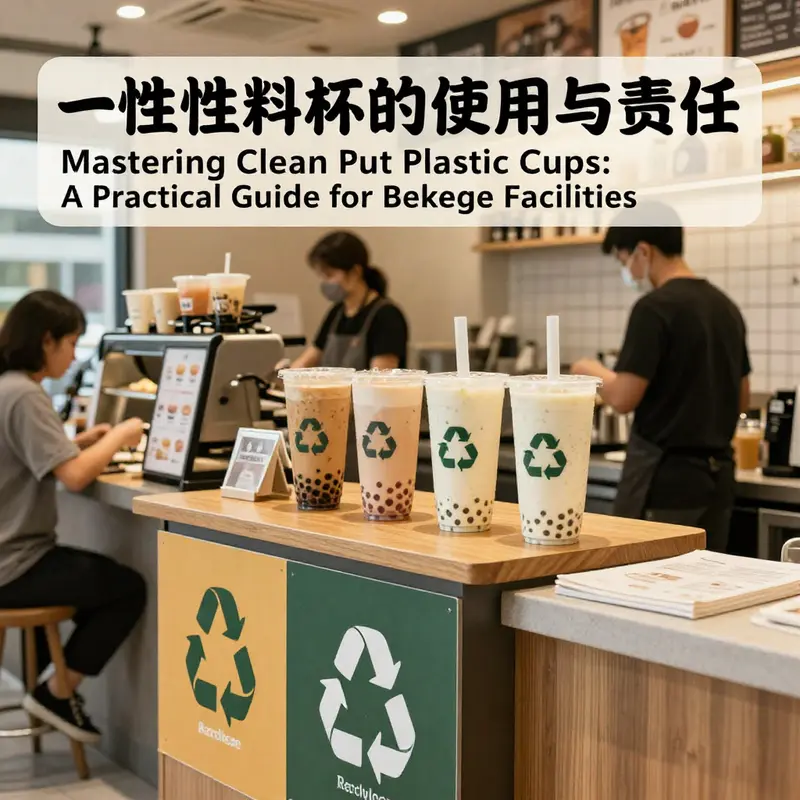
Every service interaction, from a bustling café to a crowded wedding reception, hinges on a simple rhythm: cups arrive clean, dry, and ready, beverages flow, and the cups are set aside for the next round. This everyday ritual—clean, put, and place—frames much of how we experience hygiene, efficiency, and aesthetics in a disposable culture. The chapter you’re about to read follows that rhythm beyond convenience, tying material choices, handling practices, and end-of-life considerations into a coherent narrative. It treats cleaning not as a sterile preface to service, but as an ongoing responsibility that shapes safety, menu quality, and environmental accountability. In this setting, the cups themselves carry a story: what they are made of, how they are cleaned, and where they end up after use all determine whether they contribute to a healthy menu experience or to a broader waste problem. The simplicity of a cup is deceiving; it is a vessel whose life cycle reflects choices, policies, and the daily discipline of staff and patrons alike.\n\nMaterial reality anchors the conversation in a practical way. PET cups, prized for transparency and lightness, are widespread for cold beverages and quick-service contexts. Yet their strength has limits. High temperatures or aggressive dishwashing cycles can soften the plastic, potentially altering the cup’s dimensions and even influencing the integrity of the seal in some lid systems. Reuse is rarely the default assumption for PET cups because the chemistry becomes more uncertain with repeated heating and washing. On the other hand, PP cups bring a different balance of properties. Their higher heat tolerance—well beyond lukewarm beverages and often compatible with microwave instructions from manufacturers—makes them more forgiving in warmed-drink scenarios. They are stronger, lighter, and less prone to shattering in outdoor service. Still, even with PP, the cleaning script remains measured: warm water, a mild detergent, and careful drying, with adherence to the manufacturer’s instructions about reuse. The distinction matters not simply as a technical detail but as a moral choice about consumer safety and product stewardship. Then there is LDPE, more flexible and less transparent, which tends to function in packaging roles or soft-drink contexts rather than as a rigid serving vessel. Its cleaning guidelines emphasize avoidance of oily residues and strong acids, thorough drying, and a cautious approach to reuse. Taken together, these material narratives set a boundary: only cups designated and labeled for repeated use should be subjected to washing, while the rest should be treated with the care appropriate to single-use items.\n\nThis boundary shapes how we talk about the two halves of the phrase clean put: cleanliness and placement. Hygiene first. A cup that has been cleaned must not become a source of recontamination through careless handling. The interior should be rinsed clean of coffee oils, sauces, or any residual beverage, and the exterior should be free of residues that could transfer back to the cup’s interior during stacking, transport, or reuse. Temperature matters as well. For PET cups, avoid hot-water exposure or dishwasher heat programs that exceed gentle cycles, because heat can alter rigidity and create micro-damage that invites microbial harborage. For PP cups, the path is a bit broader, but still should be guided by manufacturer instructions; being microwavable does not automatically justify repeated high-temperature cleaning in all contexts—consistency and material compatibility matter. The underlying principle is straightforward: clean does not simply mean free of visible dirt. It means residue-free, odor-free, and chemically stable in the conditions in which the cup will be used next.\n\nStorage, the other half of the equation, elevates the ordinary to a professional standard. The act of putting away a clean cup is a barrier against secondary contamination. Inverted storage—cup mouth down, interior protected from dust—becomes a natural extension of the cleaning cycle. Lids or protective covers keep the cup from airborne contaminants, spilling, or splash when the cups are queued for the next shift. Sorting by capacity and intended use reduces cross-contamination risks and speeds up service, especially in fast-paced environments. Avoiding direct sunlight and high heat is essential because prolonged exposure can accelerate aging in some plastics, leading to brittleness, discoloration, or other changes that compromise safety and aesthetics. The practical takeaway is a straightforward discipline: dry, shield, and sort. A tidy, ventilated shelf becomes a quiet partner in the chain that keeps hygiene intact while maintaining service efficiency.\n\nThe health and environmental narratives surrounding disposable cups add urgency to the discussion. Standard-setting bodies in various jurisdictions prescribe materials considered safe for specific uses, with PP and PS playing prominent roles in many national guidelines. The difference between PS’s cold-drink suitability and its limitations under heat is not trivial: heating PS can release substances that are undesirable in hot beverages. The regulations also emphasize that certain materials, notably polycarbonate, should not be used for infant cups due to health concerns. A growing body of research underscores broader risks associated with disposable cups, including the migration of additives and, in some conditions, the release of microplastics into beverages. With a hot beverage, a single cup can contribute a surprisingly high number of microplastic particles to the cup’s contents in a matter of minutes. The broader environmental footprint compounds the health considerations: most disposable cups are not easily biodegradable, their end-of-life fate often ending in landfills or incineration, and their contribution to white pollution is well documented. The collective impact hinges on consumer behavior, corporate responsibility, and policy courage to move toward reusable systems, better design, and robust recycling streams.\n\nThis is where the chapter invites a broader reflection on alternatives and responsibility. The clean put approach does not deny the allure of convenience; it reframes it within a spectrum of safer, more sustainable choices. Where feasible, facilities can shift toward truly reusable cup programs that rely on durable materials like stainless steel, glass, or food-grade PP designed for repeated washing. In those cases, the cleaning regime becomes a well-defined process with validated temperatures, detergents, and sanitation checks. A parallel track pushes for improved recycling and composting where available, with clear labeling, consumer education, and infrastructure to support effective material separation. Another practical route involves plant-based cup materials that decompose in industrial composting conditions, though these options require compatible waste management systems to deliver the intended environmental benefits. The chapter’s aim is not to advocate a single path but to illuminate how the choice of cup, the cleaning discipline, and the end-of-life plan cohere into a responsible service strategy.\n\nA concrete reminder anchors these ideas in everyday practice. In outdoor settings or busy venues, a tangible cue for responsible use is the adoption of clearly labeled, reusable or properly recyclable cup systems. For instance, a disposable clear plastic cup for outdoor events can illustrate the interplay of clarity, convenience, and cleanliness: https://ecocupbowl.com/product/disposable-clear-plastic-cup-outdoor-picnic-pet-cup-drinking-cup-for-parties-birthdays-weddings-camping-utensils/. This example helps staff and guests recognize that even simple items carry responsibility. It also highlights how a product’s labeling and the service context must align with practices that safeguard health and minimize environmental harm. The broader lesson here is that the habit of clean put extends beyond a single exchange. It informs how cups are chosen, washed, stored, and finally disposed of or reintegrated into a circular system. When labeling and practice align, cleanliness becomes a visible, trustworthy standard rather than an afterthought.\n\nThe final arc connects practical housekeeping with the science behind plastic in beverages. Standards and research illuminate how safety and environmental stewardship can progress together. The evidence points to a nuanced landscape: some materials tolerate certain cleaning conditions better than others, while the health and ecological stakes call for honesty about what is truly reused, recycled, or composted. The chapter closes by underscoring that clean put is a pathway to a healthier operation and a more responsible public conversation about plastics. Cleanliness remains a living standard—one measured not just by the absence of visible grime but by the deliberate choices that preserve safety, flavor integrity, and planetary health across every service cycle. There is no single fix; there is an ongoing practice—one that staff, managers, and customers collectively own through informed decisions, consistent routines, and transparent communication.\n\nExternal evidence and further reading can be found in international scholarship that probes microplastic exposure and the broader health implications of plastic beverage containers: https://royalsocietypublishing.org/doi/full/10.1098/rsos.210867
Final thoughts
Understanding and implementing proper cleaning and storage for plastic cups is essential for any food and beverage operation. By following hygiene protocols, adopting effective storage practices, and embracing eco-friendly alternatives when feasible, businesses can protect customers, reduce waste, and strengthen their brand in a sustainability-conscious market.