
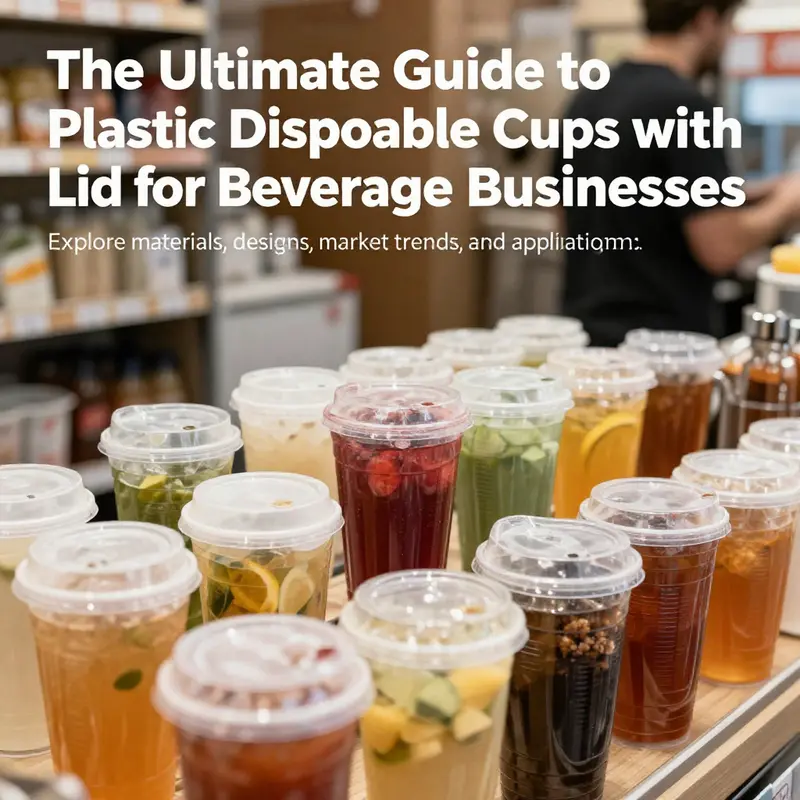
Plastic disposable cups with lids have become essential tools for businesses in the beverage industry, such as bubble tea shops, restaurants, food trucks, and catering services. These cups are not just practical; they offer comprehensive benefits including convenience and functionality for both consumers and business owners. In this guide, we’ll delve into the materials and sustainability aspects of these cups, explore their design variability, analyze market dynamics and pricing, and discuss their applications along with regulatory compliance. The insights presented in each chapter will help you make informed decisions while enhancing your service offerings.
Balancing Durability, Convenience, and Environmental Responsibility: Material Insights and Sustainability in Plastic Disposable Cups with Lids
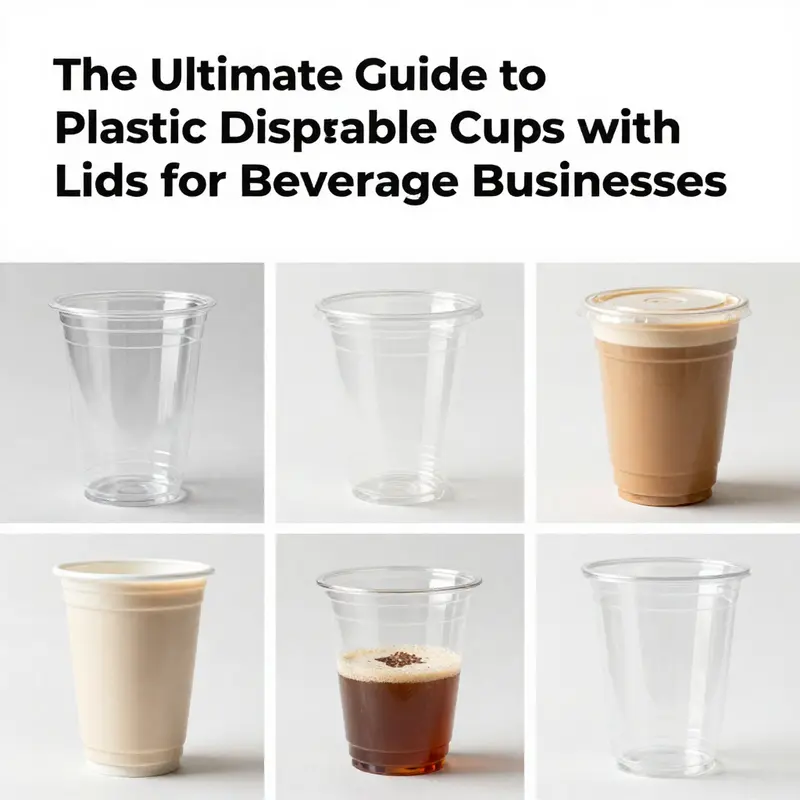
The evolution of disposable plastic cups with lids is a multifaceted story of technology, environmental awareness, and consumer convenience. Over the years, these everyday commodities have come to symbolize the intersection between modern manufacturing prowess and increasingly urgent sustainability challenges. In this chapter, we explore the intrinsic properties of the materials used in these cups, delve into their environmental implications, and consider innovative approaches that strive to balance durability with ecological responsibility.
At the core of disposable plastic cups are polymers such as polypropylene (PP) and polystyrene (PS). Polypropylene, with its exceptional heat resistance and robust durability, stands out as a preferred choice for applications that require withstanding temperatures up to 130°C. This characteristic makes PP cups especially useful for serving hot beverages, ensuring that consumers enjoy their drinks without the risk of deformation or leakage. Its inherent scratch resistance and capacity to endure repeated use in terms of handling during transport and service further solidify its standing in the industry. In contrast, polystyrene offers a rigid and clear alternative, which lends itself well to aesthetic applications where a see-through quality is valued. However, its lower heat tolerance limits its use to cold beverages, as exposure to warmth can render it brittle and less reliable. The differences in these materials illustrate a broader conversation in product design: the necessity to align performance characteristics with usage scenarios while still considering the broader environmental impacts.
When manufacturers design cups with lids, they not only take into account the type of plastic used for the cup itself but also carefully choose the material that will constitute the lid. Often, the lids are crafted from either the same plastic as the cup or from materials such as silicone. Silicone lids draw attention due to their excellent heat resistance and remarkable flexibility. These qualities render them well-suited for a range of applications, particularly when a reusable element is desired. However, the integration of silicone and plastic together in one product can create challenges at the recycling stage. The difficulty in separating disparate materials often hinders the overall recyclability of the cup system. This intersection of design innovation and recyclability underscores the complexity of trying to achieve both convenience and sustainability in one product.
The manufacturing processes for PP and PS cups are energy-intensive, contributing to a significant carbon footprint even as these materials remain technically recyclable. Although recycling facilities exist in many regions, the real-world recycling of these plastics is hampered by issues such as contamination during disposal and the mixing of materials. This, in turn, means that a surprisingly large volume of discarded cups ends up in landfills or, worse, in oceans where they become part of a vast environmental challenge. Manufacturers have tried to mitigate this by emphasizing recyclability in their material selection and design; however, the inherent challenges remain. In particular, the inclusion of lids that are composed of multiple materials disrupts the simple recycling stream, creating a scenario where even a product designed for convenience inadvertently contributes to waste problems.
At the same time, the consumer demand for convenience perpetuates the reliance on these disposable cups. Modern lifestyles, characterized by rapid consumption and on-the-go habits, have made disposable products almost indispensable in settings such as commuter centers, fast-food chains, and large public events. For many, the immediate benefits of using a product that requires no post-use cleaning or labor-intensive maintenance strongly outweigh potential environmental drawbacks. Moreover, the design of these cups has continuously evolved to ensure that features such as spill prevention, temperature retention, and ease of use remain at the forefront of consumer expectations. In this way, the product embodies a compromise between the imperatives of consumer convenience and the need for sustainable practices.
Sustainability in this context is not a static goal but an evolving challenge that involves considering every phase of the product lifecycle. From the extraction of raw materials, often derived from nonrenewable petroleum sources, to the production processes that emit greenhouse gases, the journey of a plastic disposable cup is energy intensive. The environmental impact is further exacerbated by issues in end-of-life management. Although both PP and PS are categorized as recyclable, mismanagement in waste sorting and contamination often leads these materials to bypass recycling systems altogether. The fact that a significant proportion of disposable cups eventually finds its way into landfills or natural habitats is a vivid illustration of the gap between theoretical recyclability and practical outcomes.
Addressing these issues requires a holistic approach to sustainability. One route that manufacturers are exploring is the integration of biodegradable alternatives such as polylactic acid (PLA). Sourced from renewable resources like corn starch, PLA offers a compostable alternative that, under the right industrial conditions, can break down much faster than conventional plastics. The use of PLA represents a promising avenue for reducing the environmental footprint of disposable cups. However, the transition to biodegradable materials is not without its challenges. Industrial composting facilities must be widely available to ensure that these materials decompose as intended, and the performance characteristics of biodegradable materials must match those of their petrochemical counterparts in order to gain widespread acceptance among consumers and businesses alike.
The interplay between performance, cost, and sustainability has encouraged manufacturers to constantly innovate. For example, there has been a growing trend in customizable disposable cup solutions, where brands have the opportunity to print logos, slogans, and other identifying marks directly onto the cups. This not only offers businesses an effective advertising medium but also underscores how design can play a role in addressing environmental challenges. Branding on cups can serve as a platform for companies to promote environmental initiatives and raise awareness about recycling practices. By incorporating messages that educate consumers on proper disposal, manufacturers can help to mitigate some of the negative impacts associated with single-use plastics. In some cases, suppliers have integrated advanced printing technologies, such as flexographic printing using multiple colors, to produce cups that are not only functional but also visually appealing. This melding of marketing and functionality illustrates a broader trend where every facet of product design is being reimagined in the context of sustainability.
The evolution of lid designs also provides insight into the industry’s quest for balance. While early designs focused solely on the basic function of preventing spills, modern lids incorporate features designed to further enhance user experience. Some lids incorporate straw-compatible openings that simplify the process of drinking while on the move, whereas others adopt “sip” designs that allow for controlled consumption with minimal risk of spillage. These design iterations reflect ongoing research into consumer habits and preferences. They also highlight the broader challenges of material fusion and the subsequent recycling difficulties that can arise from using different plastics or combining plastics with silicone. Every design improvement, while offering immediate consumer benefits, must ultimately be evaluated in terms of its full environmental impact.
One of the most significant sustainability challenges in the disposable cup industry is the management of end-of-life waste. Even with robust recycling programs, many cups do not reach processing facilities in a timely or uncontaminated manner. Urban waste management systems, particularly in densely populated cities, often struggle with the sheer volume of single-use plastics. This not only puts pressure on municipal waste management services but also means that recycling streams can become contaminated, further diminishing the quality and usability of the material once recycled. Efforts to improve consumer education around recycling can potentially increase the rate at which these products are properly disposed of. Manufacturers and policymakers are increasingly recognizing that enhanced labeling and clearer recycling instructions printed directly on the cups can make a significant difference in reducing landfill accumulation. In this sense, the cup itself becomes a medium for environmental advocacy, simultaneously serving its practical purpose and promoting better waste management practices.
Beyond recycling, the production process itself presents opportunities for reducing the environmental footprint of disposable cups. Advances in polymer chemistry have led to the development of processes that reduce energy consumption and lower greenhouse gas emissions. Efforts to improve the efficiency of production not only benefit the manufacturers in terms of cost savings but also contribute to a reduction in the overall environmental impact. Numerous companies are investing in state-of-the-art manufacturing facilities that prioritize energy efficiency, waste reduction, and cleaner production technologies. While these advances do not eliminate the environmental issues inherent in single-use products, they represent a meaningful step towards more responsible manufacturing practices. Such innovations are especially critical in a global marketplace where environmental credentials are becoming as important to consumers as product performance.
Another promising avenue lies in the adoption of reusable cup systems. While the convenience of disposable cups is undeniable, there is a growing movement among businesses to shift towards reusable alternatives as part of a broader strategy to reduce waste. Some companies have introduced programs that encourage customers to bring their own cups, offering discounts or loyalty points as incentives. These programs not only help to lower the volume of single-use items but also foster a culture of sustainability. However, the widespread adoption of reusable cups is often challenged by logistical constraints, higher initial costs, and the need for an efficient cleaning and redistribution system. The dichotomy between reusable and disposable options is thus emblematic of the broader debate between convenience and sustainability—a debate that continues to shape industry practices and consumer habits alike.
It is important to note that while the environmental challenges associated with disposable cups are significant, they have also spurred creative problem solving. Manufacturers are increasingly aware that product sustainability is not solely about the material used but also about the overall system in which the product exists. This includes rethinking packaging configurations, improving waste collection infrastructures, and investing in community outreach programs that educate consumers about the importance of proper disposal and recycling. For instance, some supply chains now incorporate take-back programs, where used cups are collected and returned to manufacturers for recycling or proper disposal. These circular economy models aim to extend the lifecycle of materials and reduce the net environmental impact. Such initiatives, while still in the early stages of implementation, represent a commitment by a segment of the industry to address long-standing environmental challenges head on.
On the design front, emphasis has also been placed on the ergonomics and user convenience associated with plastic disposable cups. The design intricacies extend beyond ensuring that a cup can securely hold a beverage; they also involve minimizing the risk of spills, maintaining drink temperatures, and even serving as a vehicle for brand identity. The integration of lids has not only enhanced the practical functionality of these cups but has also evolved to meet specific niche demands—from child-friendly designs with smaller spouts to sturdier constructions required in high-demand institutional settings. This dual emphasis on functional design and environmental responsibility is steering the industry towards a future in which sustainability is as much a design principle as it is a production challenge.
Parallel to design considerations is the economic dimension of the disposable cup market. The pricing strategies for these products are a delicate balance between cost-efficiency and eco-friendly innovations. Bulk purchasing remains a common practice in industries such as food service and large-scale event management. Here, the focus is on cost reduction through economies of scale. Nonetheless, as market pressures increase and consumer awareness about environmental issues grows, there is a gradual shift towards products that exhibit not only affordability but also a lower ecological footprint. In many instances, the slight premium charged for biodegradable or recycled materials is justified by the long-term benefits of waste reduction and decreased environmental harm. This fusion of sustainability with cost-consciousness is a reflection of industry trends that are beginning to prioritize environmental impact alongside traditional economic metrics.
For businesses and end-users alike, the decision to use disposable cups involves an interplay of factors including usability, cost, branding, and long-term environmental considerations. Some sectors are increasingly leaning towards products that offer customizable printing on the cups and lids, making them a unique opportunity to broadcast a company’s commitment to sustainability. By engaging with customers on an environmental level, brands can turn a single-use item into a conversation starter for broader initiatives, such as eco-friendly waste management practices. The narrative that surrounds disposable cups, therefore, is not solely about the convenience of a product, but also about its role as an ambassador for responsible consumption. The branding efforts linked with these cups serve to remind consumers that everyday items can and should contribute to a larger, sustainable ecosystem. For more insights into how sustainability and practical design converge, you might find useful information on the benefits of custom packaging solutions through this discussion on relevant takeaway packaging customizable takeaway packaging.
Taken together, the landscape of material choices and sustainability in the disposable cup industry is as challenging as it is dynamic. Each improvement in material performance is met with an equivalent hurdle in waste management and environmental stewardship. Yet, these challenges are fueling innovative solutions that span the entire value chain—from sustainable material sourcing and innovative production techniques to improved recycling processes and consumer engagement initiatives. The journey towards a more sustainable model for disposable plastic cups is ongoing, underscoring the need for continuous research, collaboration between policymakers and manufacturers, and an unwavering commitment to environmental responsibility.
In conclusion, the narrative of disposable plastic cups with lids reflects both the remarkable advances in material science and the pressing challenges of sustainability. The choice between PP and PS, the complexities introduced by multi-material lids, and the potential for biodegradable alternatives like PLA are all critical points in this evolutionary story. These factors, coupled with innovative design, efficient manufacturing, and proactive recycling and reuse initiatives, chart a path forward where environmental concerns are addressed without sacrificing the very convenience that defines these products. For those looking to delve deeper into the subject of material composition and practical guidelines for usage, a comprehensive external guide is available here: Learning About Plastic Cup With Silicone Lid: Material Composition, Grades, and How to Use Them Effectively. This extensive resource illustrates in detail the delicate balance between performance and environmental impact—a balance that the industry must continue to strive for in the coming years.
In navigating the future, the disposable cup industry stands at a crossroads where technology, consumer habits, and environmental imperatives converge. Every improvement—from enhanced heat resistance in PP cups to innovations in lid design—embodies the ongoing quest for a product that meets the needs of modern life while reducing its environmental footprint. The discourse around disposable cups increasingly mirrors a broader societal shift towards sustainability, where every design choice and production process is scrutinized not just for immediate functionality but also for its long-term impact on our planet. With rising global awareness, manufacturers are now more than ever encouraged to invest in research that not only refines material performance but also pioneers new methods for waste reduction and resource optimization.
This integrated approach is set to reshape the narrative of single-use plastics. By embracing a holistic view of sustainability—one that accounts for the entire lifecycle of the product, from raw material extraction and energy-intensive processing to waste disposal and potential recyclability—the industry can begin to address the ecological challenges that have long shadowed disposable products. The path forward involves embracing a circular economy model, where waste is minimized and resources are continually repurposed. In this context, every disposable cup becomes more than a transient accessory; it transforms into a case study of modern design challenges and sustainable innovation. As the industry continues to evolve, the lessons learned from analyzing material properties, the environmental toll of current practices, and the promising avenues for biodegradable alternatives will be crucial in forging a future that harmonizes consumer demands with eco-friendly practices.
Ultimately, the story of plastic disposable cups with lids is a reflection of our time—a testament to mankind’s ability to innovate in response to convenience while simultaneously confronting the consequences of that convenience on our environment. It is a narrative that urges manufacturers to rethink long-established practices and invest in a paradigm that privileges not only economic efficiency but also ecological sustainability. As we move forward, the integration of sustainable practices into every facet of product design, production, and disposal will determine the long-term viability of disposable products in a world increasingly challenged by environmental constraints.
In summary, the journey of disposable plastic cups is marked by continuous innovation and a deepening commitment to reconciling convenience with sustainability. The dynamic interplay between the material properties of PP and PS, the challenges introduced by multi-material lids, and the emerging potential of biodegradable alternatives underscores a broader transition within the industry. We find ourselves at a pivotal juncture where consumer demands and environmental imperatives are reshaping production methods and driving creative solutions across the entire supply chain. As research and technology advance, the future of disposable cups will be defined not merely by their utility, but by their role in a responsible, sustainable consumption model that benefits everyone—from manufacturers to consumers, and ultimately, to the planet we all share.
Innovative Craftsmanship and Adaptability: Unveiling the Dynamic Design of Plastic Disposable Cups with Lids

Plastic disposable cups with lids have evolved from mere functional carriers to objects that encapsulate the essence of modern industrial design, user-centric innovation, and environmental responsivity. Over the years, these cups have witnessed tremendous changes in design, material composition, structural configuration, and aesthetics, paralleling the growth of consumer culture and the changing demands of businesses around the world. In this chapter, we explore the intricate fabric of design variability that characterizes these disposable cups, examining how materials, shapes, and custom features have redefined their role in everyday life, while still remaining true to their core function of securing beverages and food items in a safe and efficient manner.
At the very foundation of this transformative journey lies the selection of material and the fundamental approach to structural design. Initially, most disposable cups were limited to basic plastic polymers that offered little more than convenience. However, as consumer demands expanded from merely addressing convenience to also emphasizing performance and sustainability, materials such as Polyethylene Terephthalate (PET) and Polypropylene (PP) became favored choices. PET, in particular, is prized for its clarity and robustness, enhancing the visual appeal of transparent beverages while providing resistance against thermal and mechanical stresses. Manufacturers have leveraged this strength to design cups that not only keep hot drinks like coffee and tea warm and cold beverages chilled but also exhibit considerable resistance to deformation when exposed to irregular temperatures or handling. As manufacturers experiment with different combinations of raw materials, they have developed design innovations that improve grip, reinforce structural stability, and minimize the risk of spills.
A key aspect of design variability is the integration of the lid, which transforms a simple cup into a self-contained unit geared toward spill-resistance and convenience. The evolution of lid design is a testament to the focus on user experience and safety. Early versions of disposable cups featured rudimentary snap-on lids that provided basic protection against splashes. Today, lids have advanced into more sophisticated iterations that include screw-on models, lids with specialized straw holes, and even sip lids with built-in, angled spouts engineered to control the flow of beverages. Some cups incorporate ergonomic features such as U-shaped grips or extended handles that make transportation easier, especially when carrying hot liquids. These enhancements highlight the industry’s commitment to integrating functionality with design innovation, ensuring that the cups perform reliably under a variety of use cases, from office break rooms to large outdoor events.
Another important element of design variability is customization, which has become a strategic tool for businesses to reinforce their brand identity while meeting specific consumer demands. Custom printing on disposable cups allows companies to transform these everyday items into moving billboards, integrating logos, slogans, and intricate patterns that capture the spirit of the brand. Many manufacturers now offer advanced printing techniques, including the use of holographic films and vibrant color patterns that not only boost brand visibility but also evoke a sense of novelty. For instance, some cups utilize a subtle rainbow laser film applied on the inner surfaces, which changes appearance under different light conditions, thereby appealing to a younger demographic that values both aesthetics and innovation. This level of customization is especially popular in the food and beverage industry, where the cup is as crucial a part of the consumer’s experience as the drink inside it. The endless customization options help businesses differentiate themselves in a competitive marketplace, proving that even a disposable product can be a canvas for creative expression.
In tandem with aesthetic customization, functional adaptations have become increasingly significant in shaping the modern design of plastic disposable cups with lids. Manufacturers are no longer satisfied with one-size-fits-all solutions; they now tailor cup dimensions, wall thickness, and structural reinforcements to optimize the cup for its intended use. Cups designed for hot beverages often feature thicker walls and enhanced insulation properties to maintain the temperature of the drink, while those meant for cold beverages are optimized to prevent cracking or condensation damage. Some cups are even designed specifically to allow for safe microwave use, ensuring that reheating drinks or soups can be done without compromising the integrity of the cup. This blend of innovation and practicality is a direct response to widespread consumer demands and demonstrates a balance between cost efficiency and performance excellence. Manufacturers are also beginning to incorporate environmentally adaptive features, creating cups that reduce material waste while maintaining the necessary durability and user safety.
Environmental concerns have also played a significant role in driving design evolution within this category. Over the years, the push for sustainability has led to the development of biodegradable alternatives and more energy-efficient manufacturing processes. There is a growing trend towards using renewable resources, such as corn starch-derived Polylactic Acid (PLA), which, while not as universally applicable as traditional plastics due to processing constraints, offer significant environmental benefits when disposed of correctly. Innovation in biodegradable materials attempts to marry the functionality of conventional plastics with the environmental responsibility that consumers increasingly demand. In many instances, the design of these eco-friendly cups includes not only the choice of sustainable materials but also structural modifications that allow for reduced material usage without compromising safety or functionality. It is common to see cup designs that optimize the balance between material thickness and structural strength, reducing excess waste while ensuring the cup remains robust enough for everyday use. Manufacturers are investing in research and development to enhance the recyclability and compostability of these materials, a trend that is expected to continue as environmental regulations tighten worldwide.
The creative opportunities in design are also expanding beyond just the physical cup and lid. In many ways, the disposable cup has become a platform for conveying broader themes such as seasonal festivities, cultural motifs, and even messages of social responsibility. Custom designs often reflect current trends or celebrate national holidays, sporting events, or local cultural significance. Bold patterns, geometric shapes, and playful illustrations have become common, ensuring that these cups resonate with diverse demographics while remaining immediately recognizable as a product of modern design. This innovative approach to branding turns a simple, everyday object into a microcosm of consumer culture, where design meets function in a seamless manner and mirrors broader societal trends.
Taking a holistic view of design variability, the production process itself has undergone significant modernization to accommodate these changes. Advanced manufacturing techniques such as high-speed injection molding and precision thermoforming have enabled designers to create complex shapes and features with remarkable consistency and efficiency. These innovations in production not only enhance the aesthetic quality and durability of cups but also allow manufacturers to maintain a competitive edge in terms of cost and scalability. As a result, it is now possible to produce cups with intricate features such as double-walled insulation, integrated handles, and reinforced gripping sections, all while adhering to high standards of quality and safety. The ability to apply detailed custom printing and decorative effects at large volumes underscores the manufacturing versatility that has become a hallmark of the industry. This mass customization is often supported by digital production methods that reduce setup times and decrease material wastage, ensuring that even the most unique designs are delivered economically and with impeccable precision.
In addition to material innovation and manufacturing advancements, the evolving functionality of these cups embodies a broader trend towards adapting everyday products to modern lifestyles. The emphasis on portability, ease of use, and safety is crucial in an era when consumers are on the move and demand reliable products that simplify their routines. For instance, disposable cups with integrated lids have become indispensable in settings such as fast-food restaurants, sports venues, and even in office communal areas, where time constraints and the need for hygiene are paramount. This utilitarian approach to design is exemplified by cups that incorporate features like anti-spill rims and secure closures designed to withstand the rigors of transport and dynamic usage. Such designs ensure that whether the cup is being held in a commuter’s hand during a hectic journey or carried through the rigors of a busy workday, it fulfills its role seamlessly. The simplicity of the design belies the complex interplay of material science, engineering, and consumer psychology that underpins it.
As consumer tastes evolve, so too do the design principles that govern these disposable cups. The aesthetic considerations now extend to graphic design trends that respond quickly to changing market dynamics. Design elements that were once merely utilitarian now play an active role in the product’s appeal. Minimalistic logos, vibrant color schemes, and innovative layouts are being seamlessly integrated into the everyday design of these cups, making them not only functional but also visually appealing. This focus on design consistency has a dual effect: it reinforces brand loyalty by providing a familiar and pleasing user experience, and it also opens up new channels for marketing and consumer interaction. The disposable cup, often taken for granted, becomes a tangible representation of a company’s values – whether those values are centered on innovation, sustainability, or quality. By imbuing the cup with both practicality and aesthetic allure, manufacturers have created products that succeed on multiple levels, merging convenience with a strong sense of design identity.
Integral to this design evolution is the interplay between user feedback and continuous improvement. Many manufacturers actively solicit opinions from end users and business clients alike to refine their cup designs. Studies and experiments relating to ergonomics, thermal performance, and spill prevention inform iterative design modifications that drive product evolution. It is not uncommon to find that elements such as lid shape, cup wall thickness, and even the curvature of the cup’s body are adjusted based on comprehensive user testing. This iterative process ensures that the final product is not only technologically advanced but is also aligned with the practical realities of everyday use. By embracing a design philosophy that is both responsive and innovative, the industry has managed to create products that meet strict safety standards while simultaneously delighting consumers with intuitive and aesthetically refined designs.
The dynamic world of plastic disposable cups with lids is also characterized by an impressive degree of market segmentation. Different industries demand different attributes in their disposable ware, and manufacturers have adeptly risen to this challenge by offering a wide spectrum of options. For instance, in high-volume event settings or fast-paced retail environments, cups that are designed for quick and easy handling with simplified yet secure lids are in high demand. In contrast, premium cafes and gourmet food outlets may favor cups that combine elegant design with advanced functionality, such as improved insulation for temperature control and custom graphics that reflect the brand’s upscale image. The result is a diverse marketplace where products are not one-dimensional but are instead finely tuned to the nuances of their intended uses. This segmentation not only caters to a broader spectrum of customers but also drives ongoing innovation as manufacturers continuously seek to adapt to emerging trends and environmental challenges.
The convergence of aesthetic innovation, functional enhancements, and sustainable practices in the design of plastic disposable cups with lids has implications that extend well beyond simple consumer convenience. In many ways, these products embody the modern ethos of mass customization and adaptive manufacturing, serving as a bridge between high-volume production and personalized consumer experiences. As environmental regulations become stricter and consumer expectations evolve, the need for such innovative, adaptable products only grows. The design variability inherent in these cups is a clear indicator that innovation in everyday items can yield significant improvements in efficiency, safety, and even environmental stewardship. It is this intricate balance between engineering precision, creative design, and sustainable practices that marks the future trajectory of the disposable cup industry.
The adaptability of these cups is further illustrated by their ability to integrate into various contexts seamlessly. Whether you are participating in a quick morning meeting or attending a large sporting event, the design of a well-made disposable cup not only reflects the aesthetics of its environment but also stands as a testament to the innovation and efficiency of modern production techniques. For example, the integration of additional features such as anti-splash technology or extra-curved rims has elevated the humble cup to a level of performance that was once considered unattainable in disposable products. These innovations address common user frustrations, improving the overall experience and demonstrating a commitment to continual refinement. Business clients and consumers alike benefit from a design that prioritizes usability without sacrificing the style and visual identity that have become hallmarks of contemporary consumer goods.
Ultimately, the story of plastic disposable cups with lids is one of progress that mirrors the larger trends in product innovation and consumer engagement. The journey from a simple container to a sophisticated, multi-faceted product illustrates how design can imbue everyday objects with functional excellence, visual appeal, and even environmental responsibility. As industry players strive to combine the best aspects of modern technology and sustainable practices, they continue to push the boundaries of what a disposable cup can achieve. This ongoing evolution not only caters to the immediate needs of consumers but also helps set the stage for future innovations that promise to redefine the relationship between product design, usability, and environmental impact.
For those interested in a closer look at practical examples and further insights into the design and performance of these cups, consider exploring the range of options available. One clear demonstration of the thoughtful design and robust construction in this product line can be seen in the detailed craftsmanship of a disposable clear plastic cup designed for outdoor events, which you can check out here: disposable clear plastic cup. This product exemplifies the marriage of form and function that has come to define the segment.
As we reflect on the multifaceted development of plastic disposable cups with lids, it becomes apparent that the innovation in this sector is far from trivial. It is a reflection of broader industrial and societal trends, capturing the spirit of an era marked by rapid consumption, environmental awareness, and the relentless pursuit of efficiency in product design. The interplay between materials science, advanced manufacturing, customer-centric design, and environmental considerations ensures that these products are constantly evolving to meet the changing needs of a global marketplace. The blend of durability, aesthetics, and practicality will continue to push the industry forward, setting new benchmarks in the field.
For additional product details and specifications that highlight the technical aspects of these innovations, industry observers can refer to an external resource that neatly encapsulates the advanced features of contemporary disposable cup designs: Disposable PET Cup with Lid. In closing, the sophisticated design and continuous improvements evident in plastic disposable cups with lids illustrate a unique blend of art, science, and strategic market positioning—a combination that not only delivers an everyday utility but also supports dynamic, modern lifestyles with an eye toward innovation and sustainability.
Shattering the Mold: Unveiling Market Dynamics and Pricing Strategies in the World of Plastic Disposable Cups with Lids

The market for plastic disposable cups with lids stands as one of the most dynamic and rapidly evolving segments in the food service and packaging industries today. Over the past decade, consumer habits and business needs have driven manufacturers and suppliers to innovate continuously, blending convenience with safety, and affordability with design integrity. In this interconnected global marketplace, a complex interplay of market dynamics, pricing strategies, and evolving consumer preferences determines how these ubiquitous products reach consumers on every corner of the globe. As businesses in the hospitality, fast food, and events industries lean increasingly towards single-use solutions to support efficiency, hygiene, and on-the-go lifestyles, the role of these cups has become central to consumer experiences around beverages and even food items like yogurt or jelly desserts.
At its core, the evolution of plastic disposable cups with lids is informed by a strong market trend that emphasizes functionality, customization, and safety. The integration of secure lids that prevent spills and maintain beverage temperature is a direct response to modern consumers who demand not only practicality but also a sense of reliability and minimal fuss in their daily routines. This balance ensures that from a simple morning coffee run to a large-scale catered event, these cups meet the high standards of convenience and safety that modern consumption patterns require. In recent years, the surge in global demand has been powered by both traditional and innovative applications. On one hand, the traditional market benefits from the tried-and-true performance of plastics like polypropylene and polystyrene which allow for durable, cost-effective solutions. On the other, an increasing number of environmentally-conscious consumers have sparked interest in biodegradable alternatives such as PLA—derived from renewable resources like corn starch. Although such eco-friendly options require specific industrial composting conditions, their growing popularity signals a shift in consumer priorities toward sustainability.
Underlying the remarkable expansion of this market is a robust growth trajectory supported by numerous industry reports. Recent studies indicate that the disposable cups market is projected to witness steady annual growth driven by a compound annual growth rate that reflects heightened demand. This growth is not limited to a single geographic area but spans North America, Western Europe, and beyond as emerging markets seek efficient solutions for beverage packaging. Suppliers are now scaling up their production and diversifying product lines to address the unique challenges posed by regional regulations, consumer expectations, and the need for quick, reliable supply chains. As companies pivot to meet this demand, factors such as production cost, customization, and compliance with both FDA and ISO9001 standards play a significant role in shaping pricing strategies.
Pricing dynamics in this sector are heavily influenced by a confluence of factors that include raw material costs, technological investments, and the volume of production orders. Bulk orders can drastically reduce unit prices, making plastic disposable cups with lids an attractive option for large-scale users such as fast-food chains, event organizers, and office supply buyers. For instance, suppliers operating on global B2B platforms are known to offer competitive rates for bulk sets, where even a slight variation in production quantity or customization options—such as the addition of a branded logo or the use of BPA-free PET materials—can adjust overall costs. Many businesses negotiate favorable conditions by taking advantage of promotional discounts, early-bird specials, or even strategically placed deposit arrangements that secure production slots well in advance of peak demand cycles. This interplay of supply and demand, along with intensified competition on platforms like AliExpress and Alibaba, creates a continuously shifting pricing landscape where even minor market movements can lead to significant changes in contract pricing and profitability margins.
In addition to these fundamental pricing strategies, there is a rising trend toward incorporating technological innovations into product design and supply chain management. Manufacturers are investing in automated production lines, which not only streamline the manufacturing process but also enhance quality control. The integration of digital printing methods for customized designs and logos offers companies an opportunity to elevate their brand presence while maintaining competitive pricing. A growing number of suppliers now offer customized printing services capable of applying multiple colors onto the surface of the cups, ensuring that every piece reinforces the brand’s identity. This technical evolution is pivotal when smaller orders require precise machining and design specification, balancing out cost efficiency with high quality and customer-specific customization.
Market trends in the disposable cup industry also underscore the rising importance of functionality combined with aesthetic appeal. Consumers and businesses now demand cups that are not only practical but also visually engaging. Secure dome lids, flat lids with sip openings, and even straw-compatible designs are increasingly sought after. In outdoor events or busy office environments, the risk of spills and accidental breakages necessitates the use of leak-proof designs that remain resilient under varied conditions. The emphasis on durability is particularly pronounced for cold beverages, where traditional plastic must endure the challenges of ice and condensation without compromising the integrity of the container. In response, manufacturers are refining their designs to include double-walled structures, and some are even experimenting with novel ventilation techniques that allow temperature regulation without sacrificing the cup’s stability.
Behind these design enhancements lie rigorous quality assurance processes. Most reputable manufacturers adhere strictly to certifications like FDA approval and ISO9001 standards. These certifications reassure purchasers that the products meet stringent safety and hygiene standards essential to the food service industry. In the highly competitive environment of disposable packaging, such assurances can be a decisive factor for businesses, particularly when client trust and safety are paramount. The certification processes also extend to environmental sustainability. As regulatory bodies across the globe tighten controls on single-use plastics, manufacturers are increasingly turning to biodegradable alternatives and recycled materials, even if traditional plastics remain dominant due to their unmatched cost performance. These quality measures help companies position their products not only as affordable and efficient but also as tools in the broader battle toward reduced environmental impact.
Supply chain management in the world of plastic disposable cups with lids is a multifaceted challenge that requires balancing production scalability with logistical efficiency. Many suppliers operate globally, leveraging digital platforms to manage orders, ensure quality control, and maintain communication with a diverse clientele. The shift to digital logbooks and online ordering systems has made it easier than ever for businesses to source high-quality products at competitive prices. For businesses that rely on rapid turnover and just-in-time inventory, these platforms offer valuable insights into real-time market conditions and allow for agile adjustments to production plans. This digital transformation is not just a matter of convenience; it is a vital component of how suppliers navigate demand surges, seasonal fluctuations, and even occasional supply disruptions.
The competitive landscape of this market is further shaped by emerging trends that prioritize both short-term profitability and long-term sustainability. Price-sensitive buyers often compare multiple suppliers and evaluate offerings based on not only the cost per unit but also the additional value provided by customization, durability, and after-sale support. Promotional strategies such as offering free samples—despite any associated shipping fees—enable buyers to assess quality before making significant investments. This approach has helped suppliers build lasting relationships with businesses that are cautious about quality risks while still eager to capitalize on cost-effective solutions. A notable example of this trend is the willingness of bulk purchase customers to commit to large orders if offered favorable terms like flexible deposit conditions or guarantees of rapid production turnaround. These evolving buyer-supplier dynamics underscore a market that is resilient, innovative, and highly attuned to the operational pressures faced by modern businesses.
Within this evolving narrative, customization remains a central theme. The ability to align a disposable cup’s design with a company’s branding strategy is more than a cosmetic consideration—it has become a critical marketing tool. Companies value products that can function as portable advertising media, with each printed logo or color motif reinforcing customer loyalty and brand recognition. Many suppliers invest in advanced flexographic or digital printing systems to offer a diverse array of customization options. This capability allows businesses to experiment with limited-edition designs for special occasions, or to implement seasonal branding strategies that resonate with targeted demographics. The versatility of the product, combined with the economy of scale inherent in large orders, creates a mutually beneficial scenario where suppliers gain repeat business and buyers enjoy a high level of product integration into their overall marketing strategies.
Sustainability issues also play a crucial role in defining market dynamics today. As environmental regulations become more stringent and consumer awareness about waste management increases, manufacturers are under increasing pressure to offer greener alternatives without inflating costs dramatically. While traditional plastic cups remain the most economically viable option, many industry leaders are investing in research and development to improve the biodegradability of their products. The shift toward eco-friendly materials, although challenging due to the need for specialized industrial composting facilities, is seen as a necessary step in aligning the industry with broader global sustainability goals. In markets where ecological concerns are paramount, biodegradable options, despite their higher initial cost, may ultimately offer a competitive edge for companies that strongly position themselves as environmentally responsible. The emphasis on green technologies is gradually reshaping negotiations between manufacturers and buyers, influencing both pricing models and long-term strategic investments.
Price stability and fluctuations are also affected by external economic conditions. Global supply chain challenges, rising raw material costs, and geopolitical factors have all contributed to periodic shifts in pricing. Despite these challenges, many suppliers have managed to sustain competitive pricing through strategic sourcing and by diversifying their supplier networks. Automation in manufacturing has further alleviated the impact of labor cost increases, and innovative inventory management systems help cushion against sudden shortages or demand spikes. In such a volatile environment, buyers are advised to remain agile, regularly monitoring pricing trends and market forecasts to secure the best possible deals. This vigilance is particularly critical during peak seasons and promotional periods when demand spikes can create temporary price surges. By understanding these market dynamics and adapting procurement strategies accordingly, businesses can ensure a steady supply of high-quality plastic disposable cups with lids while effectively managing budgetary constraints.
The supply chain network that supports this market is remarkably complex and globalized. Manufacturers from different regions bring unique strengths and challenges to the table. For instance, certain regions boast advanced manufacturing technologies and robust quality control measures that allow them to produce highly durable and customizable products. Other regions might offer cost efficiencies driven by lower labor costs or subsidized raw materials, making them attractive sources for bulk orders. Despite such variations, the overriding theme is one of constant innovation aimed at meeting evolving consumer needs. Across the board, suppliers are bound by common goals: to deliver safety, functionality, and aesthetic appeal in a single, well-crafted product. The unpredictable nature of global trade demands that every link in the supply chain—from raw material suppliers to logistics providers—remains both flexible and forward-looking, ensuring that market disruptions do not compromise the delicate balance between cost and quality.
Furthermore, as businesses continue to expand their operations internationally, cross-border trade becomes ever more important. Many companies now source their disposable cups from global marketplaces that offer extensive product catalogs and efficient, streamlined ordering processes. This international trade has been further accelerated by investments in logistics and IT infrastructure that facilitate real-time tracking and responsive customer service. For many businesses, the ability to access competitive pricing and a diverse range of customization options from overseas suppliers presents a significant opportunity to optimize their operational costs while maintaining high-quality standards. In this context, the emergence of digital commerce platforms has transformed traditional procurement practices, allowing buyers to compare multiple suppliers, negotiate contract terms, and ultimately secure products that satisfy both quality benchmarks and budgetary constraints. An excellent example of the kind of product offerings available can be seen by exploring options for a disposable clear plastic cup designed for outdoor events, which demonstrates the marriage of functionality and aesthetic appeal through this detailed product example.
Delving deeper into the market structure, it becomes evident that the pricing strategies and product offerings in the disposable cup industry are continually responsive to both microscopic production nuances and macroscopic economic influences. Strategic partnerships between raw material producers and manufacturing firms have enabled a degree of price predictability that benefits the end users. The reliability of supply, coupled with competitive pricing, ensures that even when external pressures such as oil price fluctuations or transportation costs rise, manufacturers can offer adjustments that cushion retailers and hospitality providers from sudden cost surges. This relationship is bolstered by long-term contracts and bulk agreements that provide stability through pre-negotiated terms, thus fostering enduring business relationships across multiple sectors. Such stability is especially crucial in sectors like event organization and fast food, where consistency and predictability in cost are fundamental to operational success.
In summary, the market for plastic disposable cups with lids encapsulates a sophisticated blend of design innovation, rigorous quality assurance, technological integration, and agile supply chain management. As consumer expectations shift and sustainability considerations become ever more paramount, manufacturers and suppliers are pushed to not only maintain competitive pricing but also to innovate relentlessly in order to meet the demands of a global market. It is a market in which every element—from the choice of raw materials to the finishing touches on a printed logo—carries significant implications for brand reputation and operational efficiency. The continuous interplay among these factors ensures that the plastic disposable cup industry remains at the forefront of consumer packaging solutions.
For those seeking an in-depth look at the nuances of this market, including detailed pricing models and customization practices, further insights can be explored through additional resources such as industry reports available online. To gain deeper understanding about specific product specifications and current market conditions, interested readers are encouraged to refer to expert analyses available on third-party platforms. For example, detailed information about production specifications, custom logo options, and bulk pricing is available at this external resource: 375 ml Plastic Cup with Lid Customization Insights.
This comprehensive exploration underscores that what might seem like a simple disposable item is in fact the culmination of advanced manufacturing techniques, strategic market positioning, and relentless innovation. Businesses and consumers alike benefit from a system designed to combine convenience with quality, ensuring that each plastic disposable cup with a lid is more than just a container—it is a testament to the modern drive for practicality, environmental responsibility, and continual improvement in the face of evolving global challenges. Through careful coordination among stakeholders across the production line, the industry is well-positioned to address future challenges while continuing to deliver products that meet the highest standards of convenience, durability, and design.
As the world of disposable packaging continues to evolve, companies that adapt to these market dynamics will not only thrive economically but also drive the innovation that future generations of products will embody. The lessons learned from this industry’s ability to balance cost, quality, and sustainability serve as an inspiration for other sectors undergoing rapid transformation. In this era of constant change, the humble plastic disposable cup with a lid remains a symbol of modern efficiency and ingenuity—a small yet significant piece of the larger puzzle of contemporary consumer lifestyle and global commerce.
Navigating Multifaceted Applications and Stringent Compliance in Disposable Cup Design
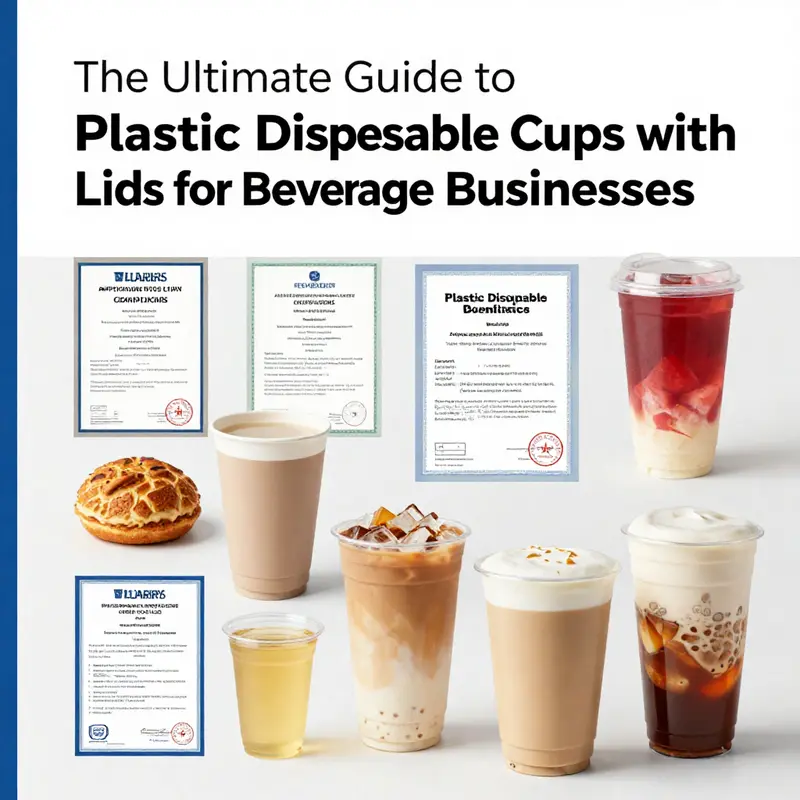
Disposable cups with lids have evolved from simple, throwaway drink holders to essential components in a diverse array of consumer and industrial applications. Their ubiquitous presence is a testament to modern society’s relentless pursuit of convenience paired with hygienic design. These products not only cater to the daily needs of busy individuals, but also play an integral role in food service, healthcare, the cosmetics industry, and beyond. Over the years, manufacturers have innovated by adapting materials, varying sizes, and improving structural design. This chapter explores the many applications while underscoring the critical importance of regulatory compliance in ensuring safety and consumer trust.
At the heart of these plastic disposable cups with lids is the notion of functionality. The integration of a well-fitted lid transforms a simple cup into a tool that prevents spills, maintains beverage temperatures, and minimizes the risk of contamination. In the food service sector, these cups have become the go-to container for a variety of beverages and food items. In bustling urban environments, grab-and-go beverages such as iced coffee, lemonades, and bubble teas dominate the market. Such cups are engineered to withstand both hot and cold liquids. The design that minimizes splash and spillage is not just an aesthetic or functional choice; it is a pivotal feature that enhances the overall consumer experience. Whether used in fast-casual restaurants or during large-scale public events, the design ethos remains consistent: deliver convenience without compromising on quality or safety.
Beyond drinks, the applications extend into the realm of food packaging. Dairy products and dessert items, including custards, mousses, and even chia pudding, are commonly served in these small, single-use containers. Their wide-mouth design facilitates easy spoon access while also ensuring that the product remains fresh and uncontaminated. In many cases, these cups are further enhanced by the incorporation of a hygienic seal, which is imperative in both preventing tampering and extending the product shelf life. The reliability of these cups in ensuring that food items are safely transported from production facilities to consumers is foundational to their widespread adoption.
In healthcare and pharmaceutical settings, compatibility with sterile and sanitary requirements is paramount. Disposable cups with lids are used to store and transport medicine samples, serve as containers for diagnostic fluids, or even as mediums in vaccination and treatment regimes where contamination risks must be minimized. The assurance of sterility is expanded by the fact that these cups are single-use, inherently reducing cross-contamination risks. The healthcare industry depends heavily on packaging materials that conform meticulously to established safety standards, which in turn necessitates that manufacturers adhere strictly to quality and regulatory guidelines.
The cosmetics industry also leverages these cups for sample distribution and product demonstrations. Small portions of lotions, serums, and masks are frequently provided in these containers, giving potential consumers an opportunity to trial products without the risk of cross-contamination. Moreover, the customization potential of these cups allows brands to integrate their logos, color palettes, and unique designs directly onto the packaging. This branding strategy not only fosters brand recognition but also reflects the quality and standards of the product inside.
An emerging trend is the use of disposable cups for innovative applications, such as ice cream packaging. Manufacturers have begun to design cups that come with integrated spoons or dual-compartment structures, merging convenience with a premium customer experience. These developments reflect an overarching trend in packaging design: to combine functionality with an engaging brand experience that resonates with modern consumers. For instance, cups created for frozen desserts often feature water-tight seals that guard against liquefaction and preserve freshness even in variable storage conditions. Similarly, in the realm of events and parties, disposable cups are often chosen not only for their functionality but also for the extensive customization options that allow organizers to enhance the thematic appeal of an event.
While the diverse application of disposable cups with lids has contributed significantly to their market presence, the journey from concept to consumer is deeply intertwined with a strict adherence to regulatory compliance standards. Governments worldwide have introduced and enforced regulations to ensure that materials which come into contact with food and beverages do not pose any safety hazards. For instance, food-grade standards set by the U.S. Food and Drug Administration (FDA) and the European Food Safety Authority (EFSA) impose rigorous guidelines that manufacturers must follow. These guidelines ensure that the chemicals in the plastics, whether it is polypropylene (PP), polystyrene (PS), or eco-friendly alternatives like polylactic acid (PLA), do not leach harmful substances into the consumables.
The process of certification and compliance is not merely a bureaucratic exercise; it is a critical component of product development that inspires consumer confidence. In addition to being food-safe, materials must also be tested for durability, thermal stability, and chemical resistance. The commonly used plastics in disposable cups must comply with industry standards that account for the wide temperature ranges and varied chemical compositions of both hot and cold beverages. These certifications contribute to the overall trust factor and ensure that every component used in production can withstand stringent regulatory scrutiny. Manufacturers often publicize certifications such as FDA approval or ISO9001 compliance to signal adherence to quality and safety standards.
Another interesting facet of regulatory compliance is the growing importance of eco-friendly alternatives in the disposable cup industry. Environmental concerns have pushed both consumers and manufacturers toward more sustainable practices. Biodegradable plastics, specifically those made from renewable sources like corn starch (PLA), have seen increased adoption in recent times. Although these biodegradable cups require industrial composting facilities to break down efficiently, they represent a significant step forward in the drive to reduce plastic waste. Certifications like BPI and TÜV OK Compost are increasingly sought after, establishing that not only are these materials safe for food contact, but they also meet environmental sustainability criteria. This shift towards sustainable materials is a reflection of broader societal values that prioritize both safety and environmental stewardship.
The importance of proper labeling and packaging design cannot be overstated in a regulated environment. Laws pertaining to packaging labeling mandate clear information regarding recyclability, disposal instructions, and materials used. Such transparency is vital in educating consumers about proper waste management and in ensuring that products meet all legal requirements. A comprehensive approach to regulatory compliance includes not just the initial product design but also ongoing quality assurance measures, rigorous testing protocols, and effective consumer communication. As sustainability trends continue to influence consumer behavior, manufacturers are increasingly investing in compliance and transparency to secure both market share and customer loyalty.
Every stage of design, production, and distribution involves a careful balancing act between usability and regulatory obligations. From the early design phases where material choices are made, through to final quality checks and packaging design, each step is deeply influenced by a host of regulations designed to safeguard public health and the environment. The evolution of disposable cup design mirrors this balance, showcasing innovations that never sacrifice safety for convenience. As manufacturers strive to meet not only the functional demands of consumers but also the rigorous standards set by regulatory agencies, the industry as a whole benefits from a continuous cycle of improvement and accountability.
Moreover, this commitment to regulatory compliance has a cascading effect on brand reputation. Companies that consistently adhere to food-grade standards and sustainable practices enjoy enhanced trust among their customers. This is particularly evident in sectors like healthcare, where the margin for error is minimal, and in high-visibility industries like cosmetics and food service, where every interaction reinforces a brand’s public image. Consumers today are more than ever aware of the environmental and health impacts of packaging materials, and as such, they prefer brands that are transparent about their compliance practices. Thus, adherence to regulatory standards becomes a key differentiator in a crowded marketplace.
The evolution of disposable cups with lids has also spurred innovation in printing and customization technologies. Modern manufacturing techniques allow for high-resolution, multi-color branding on these cups. Custom printing not only enhances the aesthetic appeal of the product but also communicates vital information about the brand’s identity and commitment to quality. Companies have leveraged this opportunity to make disposable cups a canvas for creativity, turning even a simple takeaway cup into a moving advertisement. The dual benefits of practicality and branding make these products an indispensable tool in both everyday consumption and special event marketing. For example, a biodegradable disposable cup with a luminescent logo creates a memorable visual impact, marrying sustainability with modern design aesthetics.
Manufacturers have also taken steps to ensure that the design and production of disposable cups are as streamlined as possible. The efficiency of the supply chain, which often includes bulk production and distribution, is enhanced by the adjustable nature of these product designs. Bulk purchase options make these cups highly accessible, particularly to large-scale food service businesses and event organizers. Affordability combined with ease of storage and transportation has further cemented their role in modern commerce. Manufacturers remain responsive to the delicate interplay between cost, quality, and compliance. For instance, companies may offer a lower price point for standard cups while charging a premium for those with enhanced customization and higher-quality sustainable materials.
It is important to note that the diverse applications of disposable cups with lids often require specifications that differ by industry. In the food service industry, the focus might be on heat resistance and spill-proof design, while in healthcare, sterility and compliance with stringent antimicrobial standards are paramount. The cosmetics industry, on the other hand, might prioritize visual appeal and the tactile experience of the packaging. This variability means that manufacturers must possess not only technical expertise in the field of plastics but also an in-depth understanding of the regulatory environments across different industries. The development of these products has thus become a multidisciplinary effort, involving material science, industrial design, and stringent regulatory oversight.
For companies that are dedicated to quality and innovation, keeping pace with evolving compliance requirements presents both a challenge and an opportunity. By investing in research and development, manufacturers have been able to incorporate feedback from regulatory bodies and adapt their products accordingly. Technological advancements, such as improved sealing techniques and new materials that offer better thermal resistance, are a direct result of this adaptive process. Yet, the ultimate goal remains singular: to deliver a product that ensures consumer safety, preserves product quality, and meets environmental sustainability benchmarks.
The competitive landscape for disposable cups with lids is further complicated by fluctuating market demands and varying regulatory stipulations from country to country. In some markets, there is an increasing push towards adopting eco-friendly alternatives despite the higher cost or the need for industrial composting facilities. This shift is not only a reflection of environmental awareness but also of consumer advocacy for safer, more sustainable products. Alongside this trend is the evergreen demand for efficiency in single-use applications where preventing contamination and ensuring ease of disposal are in focus. Companies that can successfully navigate these multifaceted challenges are often viewed as leaders in both innovation and social responsibility.
A practical demonstration of achieving this balance is observable when exploring solutions for food-grade packaging in commercial settings. Some manufacturers integrate features such as dual-layer insulation or custom harboring of beverage-specific designs that address unique thermal challenges. Moreover, the ability to comply with international standards enables these cups to be exported globally, thereby increasing market reach and reinforcing a company’s reputation for quality. For readers who wish to explore more about disposable food packaging and see innovative examples of this type of product, an excellent resource is available through an article on Disposable Food Packaging Solutions. Through such communications, the industry not only showcases its products but also its commitment to continuous improvement and regulatory compliance, aspects that remain continuously at the forefront of its strategy.
In conclusion, the evolution of plastic disposable cups with lids encapsulates a journey of innovation, practical application, and uncompromising adherence to quality and regulatory standards. From enabling a mess-free experience for beverages to safeguarding food and pharmaceutical products, these cups have come a long way. The relationship between the versatile application of these cups and the rigorous regulatory frameworks that govern them is symbiotic. As the landscape changes with increasing environmental concerns and higher consumer expectations, manufacturers, regulators, and consumers together shape an industry that is adaptive, sustainable, and ever-evolving.
For additional insight into the safety standards behind these innovations, further details can be found on the FDA’s official guidance on food-contact materials: FDA Food Contact Materials.
Final thoughts
Plastic disposable cups with lids are indispensable tools for the beverage industry, offering versatility and practicality. As businesses seek to enhance customer experience while addressing sustainability concerns, selecting the right materials, design, and pricing strategy becomes crucial. By understanding the regulatory landscape, businesses can navigate compliance effortlessly. Investing in quality, eco-friendly options leads to enhanced service, brand loyalty, and a positive environmental impact.