
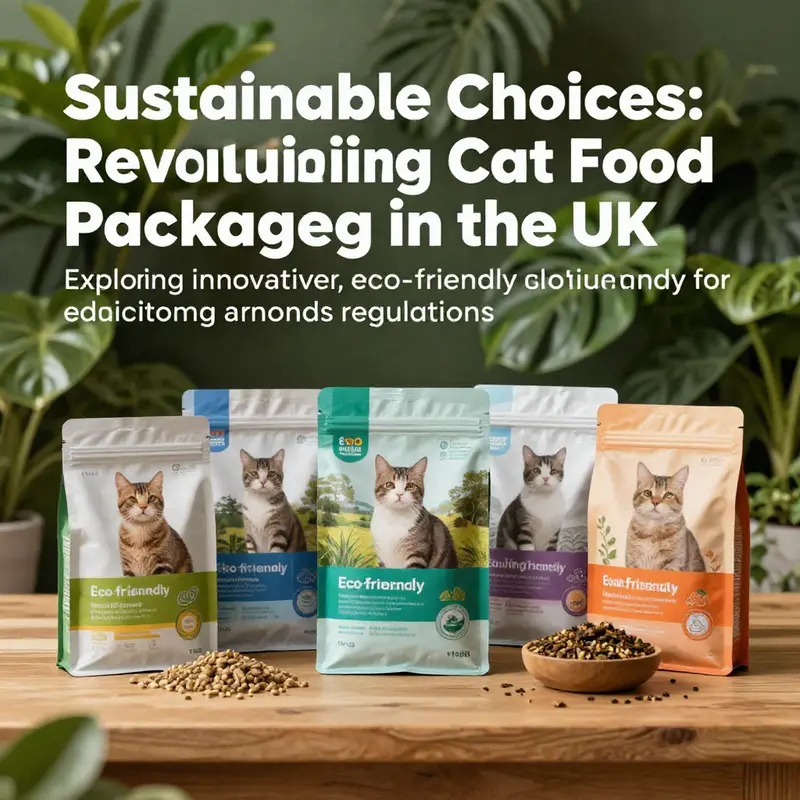
As the demand for sustainable products rises, the cat food industry in the UK is stepping up with eco-friendly packaging solutions. While traditional cat food packaging often contributes to landfill waste, innovative materials and practices are emerging, reshaping how we think about pet food sustainability. This article will explore innovative materials that are leading the charge in eco-friendly cat food packaging, the economic impacts arising from these changes, the regulatory framework guiding these developments, the growing consumer trends and awareness regarding sustainability, and the challenges and opportunities that lie ahead. Each chapter will provide insights pivotal for businesses involved in food services, showcasing how eco-friendly practices can align with a modern consumer base.
Advanced Bio-Based Innovations: Steering the Future of Eco-Friendly Cat Food Packaging in the UK
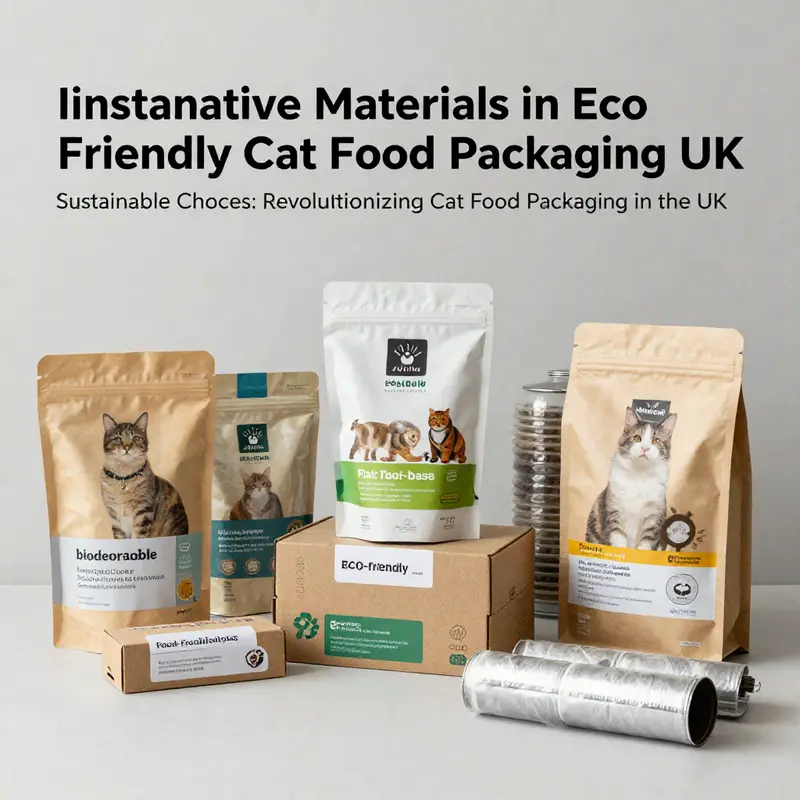
In the United Kingdom, the evolution of eco-friendly cat food packaging is not merely a trend but a transformation rooted in advanced materials science and innovative design principles. The industry is increasingly relying on bio-based technologies, harnessing the potential of cornstarch, cane fiber, and other plant-derived sources to produce packaging that aligns with modern environmental goals. At the forefront of these advances, bio-based materials not only provide excellent barrier properties to protect sensitive food items but also promise an end-of-life solution where packages break down into harmless components such as water, carbon dioxide, and organic matter under proper composting conditions.
This new era of packaging is driven by a dual mandate of performance and sustainability. Manufacturers are continuously improving the formulations of biodegradable packaging films so that they can ensure longevity during transportation and storage while swiftly degrading after proper disposal. The materials have been engineered with properties that provide robust protection against moisture, oxygen, and light – essential factors in preserving the delicate qualities of high-end cat food products. This innovative approach to material design is simultaneously addressing consumer concerns about product freshness and environmental stewardship, creating a compelling offering in a competitive market.
A significant challenge in this shift to sustainable solutions is balancing the cost implications of using biodegradable materials with the long-term benefits of reduced environmental impact. Biobased films, though inherently more expensive due to the nature of the raw materials and the manufacturing processes involved, present an economically viable option when evaluated in the context of lifecycle cost analysis. Through partnerships between research institutions, government agencies, and leading packaging companies, breakthroughs are being made that are gradually reducing production costs. This collaborative effort is gradually making eco-friendly packaging a sustainable alternative to traditional plastics, ensuring that high quality and performance are matched with environmental benefits.
A key development in the field has been the enhancement of material properties to achieve both durability and secure containment. Innovative packaging designs now incorporate films made from renewable sources that can withstand the rigors of transportation and the nuances of storage conditions. These films exhibit impressive resistance to puncture and tearing, ensuring that the cat food remains intact and uncontaminated from manufacturing through to consumer use. The integration of advanced barrier properties, such as moisture control and oxygen inhibition, is critical for sensitive products categorized as natural or grain-free. Each element of the packaging design is scrutinized to ensure that the sustainability goals do not compromise the quality or safety of the cat food.
The incorporation of recycling initiatives and closed-loop systems further bolsters the case for switching to eco-friendly packaging. In some pioneering examples, companies have engaged in processes that transform discarded pet food packaging through mechanical recycling into raw materials for other consumer goods. One innovative model even repurposes recycled packaging into containers used in other sectors, thereby reducing the consumption of virgin plastics and forging a path towards a circular economy. In this context, packaging is seen not as a single-use commodity but as a resource that can be reclaimed, refined, and reintegrated into new products. This evolution plays a pivotal role in minimizing waste while maximizing resource efficiency, an imperative in a world where sustainability is no longer optional.
The competitive landscape in the UK has also seen increased consumer scrutiny and demand for products that can offer transparency in their environmental claims. It is not just about the biodegradability of the packaging material but also about its design. Some state-of-the-art packaging formats now include transparent windows covered by biodegradable films, allowing pet owners to inspect the product visually before purchase. This unique feature not only reassures consumers about the quality of the cat food inside but also demonstrates a commitment to sustainable design. For instance, an innovative design recently featured in the market allows for clear viewing of the product via eco-friendly packaging that features transparent windows, merging functionality with aesthetic appeal.
The regulatory environment in the UK is also a significant driver of innovation in this field. New mandates, such as those outlined in the upcoming Packaging and Packaging Waste Regulations, push manufacturers toward solutions that are fully recyclable or compostable by 2030. Such policies are accelerating the adoption of new technologies and urging companies to innovate continuously. The pressure from environmental bodies and consumer advocacy groups reinforces the need for packaging that not only meets strict health and safety standards but also contributes positively to environmental conservation. As the regulatory landscape evolves, companies are forced to rethink their packaging strategies, driving further research into sustainable materials that could transform the packaging industry.
In parallel with regulatory changes, market trends indicate a notable shift in consumer behavior. Modern consumers are increasingly aware of the environmental cost of single-use plastics and are actively seeking brands that demonstrate an ethical commitment to sustainability. The decision-making process now factors in not only the nutritional benefits of the cat food but also the environmental impact of its packaging. This trend has encouraged companies to invest in research and development of materials that tease out the maximum value from renewable resources, thereby appealing to a demographics that values eco-friendly practices as highly as product quality. In many ways, the packaging has become a silent ambassador for the brand, conveying a message of environmental responsibility and ethical production.
Advancements in material engineering have also enabled companies to tailor packaging solutions to specific logistical challenges. Lightweight and robust materials are being developed to reduce carbon footprints during shipping and handling while still maintaining product integrity. For example, innovations in polymer technology have resulted in flexible yet durable films that minimize material waste during production and transportation. The design innovations extend to the structure of the packaging itself; formats such as stand-up pouches and heavy-duty shipping bags are now commonplace. These formats are not only visually appealing on store shelves but also optimize storage and handling efficiency by reducing space and energy requirements. Such innovations are critical in supporting the vision of a packaging lifecycle that is both circular and sustainable.
The transition to eco-friendly packaging does not come without its set of challenges. One major hurdle is ensuring that biodegradable materials are disposed of properly. Without the requisite infrastructure for industrial composting, even the most advanced bio-based packaging can fail to degrade as intended when disposed of in standard waste streams. This underscores the importance of transparent and effective consumer education. Companies are increasingly including clear instructions and disposal guidelines on their packaging, directing consumers to appropriate recycling and composting channels. In some instances, partnerships with local councils and environmental organizations have resulted in the establishment of dedicated collection points, ensuring that packaging waste is processed correctly and efficiently. Such initiatives are critical in closing the loop of the packaging lifecycle and in ensuring that the environmental promise of these innovations is fully realized.
In light of these advancements, the story of eco-friendly cat food packaging in the UK is one of resilience, innovation, and promise. It reflects the broader shift towards a more sustainable economy, where the principles of renewable resource utilization and waste minimization are central to the design of everyday products. The seamless integration of advanced material technologies with practical design considerations creates packaging that is both functional and environmentally responsible. While the journey towards a fully circular packaging system is ongoing, the progress made thus far is a testament to the ingenuity and commitment of engineers, designers, and policy makers alike.
Moreover, the financial and environmental benefits stemming from this revolution are beginning to resonate widely across the industry. As production methods become more refined and recycling systems broaden, costs associated with biodegradable materials are expected to decrease, paving the way for mass adoption. The concept of a closed-loop economy is increasingly within reach, where packaging waste is not a burden but an asset. The collaboration across sectors—from material suppliers to recycling experts—is crucial in achieving this transformative goal. With every innovation and each step taken towards a more sustainable future, the risks of environmental degradation are mitigated, providing a hopeful outlook for both the planet and the industry.
As consumers, manufacturers, and regulators coalesce around the shared goal of environmental responsibility, eco-friendly packaging is setting a benchmark for the future. This integrated approach not only elevates the standards of cat food packaging but also reflects a wider commitment to sustainability that extends well beyond the pet food sector. For those interested in exploring innovative design that merges sustainability with functionality, there is an excellent example of eco-friendly designs featured in packaging that offers clear product visibility here. The continuing work of the industry, supported by forward-thinking policies and consumer demand for responsible practices, promises an exciting future for eco-friendly solutions.
As research pushes the boundaries of what materials can achieve, the landscape of packaging is being reshaped by options that do not compromise on performance while upholding the highest standards of environmental responsibility. The trajectory is clear: enhanced durability, improved recyclability, and sustainable production methods will continue to define the next generation of packaging. With such dynamic innovation on the rise, the future of eco-friendly cat food packaging in the UK is set to become a benchmark for sustainable practices across industries. Further details and advancements in this rapidly evolving field can be explored through informative resources like the innovative food packaging solutions from industry leaders page.
In conclusion, the amalgamation of advanced bio-based materials, smart engineering, and a deep-seated commitment to environmental responsibility is redefining the scope and impact of pet food packaging in the UK. Every improvement, from the molecular structure of biodegradable films to the user-friendly design of transparent viewing windows, is a significant stride towards an eco-friendly, circular economy. The integration of these diverse elements has not only reimagined the experience for pet owners but has also set a transformative standard for future packaging innovations. As the market continues to evolve, the lessons learned and the technologies developed today will serve as the foundation for a truly sustainable tomorrow, one package at a time.
Shifting Economics: How Sustainable Cat Food Packaging is Revolutionizing the UK Market
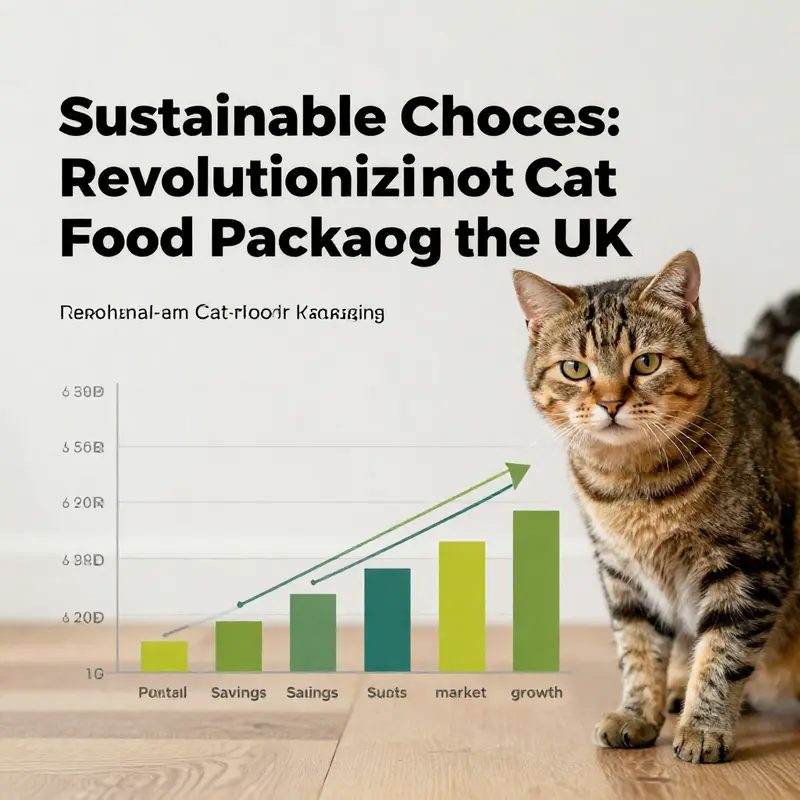
In the evolving landscape of consumer goods, the economic implications of eco-friendly cat food packaging in the UK are both profound and multifaceted, reflecting a broader shift in market dynamics as businesses, consumers, and regulators align themselves around sustainability goals. This transformation is not merely about substituting traditional packaging materials for greener ones; it is indicative of an entire industry reinventing its approach to value creation, cost management, and long-term profitability. As consumer awareness around environmental stewardship grows, pet food brands have begun to recognize that a commitment to sustainable packaging can resonate deeply with a market willing to pay a premium for responsible practices, thereby consolidating both economic and ethical imperatives into a single, compelling business strategy.
The economic landscape that underpins the shift towards eco-friendly packaging has been largely influenced by advances in material science and evolving regulatory frameworks. Manufacturers have begun to invest significantly in research and development to explore alternatives to conventional plastic and composite materials. Options such as biodegradable films derived from plant-based resources, recyclable papers, and compostable polymers now offer viable substitutes for packaging that historically contributed to long-term environmental degradation. This shift has been accompanied by promising market forecasts, with projections indicating a compound annual growth rate (CAGR) of 12.2% from 2026 to 2033 in the cat food packaging sector. Such growth is a testament to the increasing value that consumers and regulators place on sustainability, encouraging manufacturers to reconfigure their production processes despite the immediate challenges associated with higher production costs.
At the heart of this economic transition is the recognition that eco-friendly packaging requires a delicate balance between upfront investment and long-term gains. While sustainable materials such as plant-based plastics and recycled paper demand higher initial costs when compared to conventional materials, the long-term benefits are significant. Manufacturers who undertake the transition benefit not only from enhanced brand perception but also from a range of economic incentives. These include the potential for reduced waste management fees as sustainable materials contribute to lower disposal costs, and tax incentives that reward businesses for environmentally responsible practices. Additionally, sustainable packaging bolsters a company’s corporate social responsibility (CSR) profile, which in turn builds investor confidence and strengthens market positioning. For many companies, the ability to tap into niche markets, particularly among environmentally conscious pet owners, proves to be a powerful motivator driving further investment in sustainable packaging initiatives.
One of the more innovative economic drivers in this sector is the emergence of circular economy models, where the focus extends beyond mere disposal to the complete lifecycle of the packaging material. Brands are now exploring designs that facilitate reuse and simplify recycling processes, creating a closed-loop system wherein packaging materials are continuously cycled back into the production stream. This approach not only minimizes waste but also transforms packaging from a single-use cost center into an asset that can contribute to recurring revenue streams. For instance, companies that introduce return and refill programs for their eco-friendly packaging engage customers in a long-term relationship that promotes both loyalty and sustainability. Through these circular business models, the economic benefits become self-reinforcing, as initial investments in green packaging are offset by the savings achieved through more efficient resource use and lower waste management expenses.
From an economic perspective, it is clear that the value proposition for eco-friendly cat food packaging is not merely a matter of consumer appeal but also a strategic financial decision. As government policies such as the Packaging and Packaging Waste Regulations (PPWR) set new environmental standards with ambitious targets for 2030, brands are increasingly compelled to innovate. The impending implementation of the Extended Producer Responsibility (EPR) scheme, which will shift the financial burden of waste disposal more fully onto producers, further reinforces the economic rationale for adopting sustainable packaging solutions. Companies that proactively embrace these changes are likely to experience a competitive advantage as their long-term cost structures become more favorable compared to those that persist with environmentally detrimental practices. This shifting regulatory paradigm imbues the market with a sense of urgency, prompting early adopters to invest in greener materials and technologies before compliance costs escalate.
The tangible benefits of eco-friendly packaging extend to consumer behavior and brand loyalty, which in turn drive economic performance. In the UK, pet owners show a distinctive willingness to support brands that make a clear commitment to reducing environmental impact. This consumer trend is not just about moral choices; it is intrinsically linked to perceptions of quality and trust. High-end cat food brands, often marketed with labels such as “grain-free” or “natural formula,” find that the transparency provided by innovative packaging designs—such as those incorporating biodegradable windows that let buyers visually inspect the product—reinforces a premium positioning in the marketplace. Consumers who are aware of the true cost of environmental degradation are prepared to shoulder a modest price premium for products that align more closely with their values, thus creating a virtuous cycle in which eco-friendly initiatives drive both sales and enhanced customer loyalty.
Economic challenges do persist, particularly concerning the scale of initial capital outlays required for transitioning to sustainable packaging materials. For smaller businesses, the financial hurdle can be significant, as the cost differential between traditional plastics and innovative, biodegradable substitutes can be steep. However, these challenges are often balanced by the prospect of long-term savings and improved market share. In one notable instance of industry innovation, several companies have collaborated with packaging suppliers that offer specialized, eco-friendly disposable solutions designed for multi-compartment food packaging. This kind of collaboration not only serves to mitigate production costs in the short term but also provides a platform for scaling sustainable practices across the industry. Such forward-thinking partnerships are indicative of a broader trend where sustainability becomes a cornerstone of economic strategy rather than a peripheral concern.
In addition to direct economic benefits, transitioning to eco-friendly packaging has broader implications for the environment and public policy. The positive externalities of reduced landfill waste, lower greenhouse gas emissions, and decreased reliance on finite raw materials underscore the broader societal value of this shift. When companies adopt sustainable packaging solutions, they contribute to the resilience of the entire value chain—from raw material procurement to end-of-life disposal. This creates an ecosystem where economic efficiency and environmental stewardship operate in tandem, promoting a healthier marketplace for all stakeholders. The integration of sustainable practices in packaging not only enhances the industry’s public image but also aligns with global trends toward resource conservation and environmental protection.
The economic story of eco-friendly cat food packaging in the UK is thus one of transformation and opportunity. Business leaders are increasingly aware that the cost of inaction—both in terms of compliance with emerging regulations and in the potential loss of market share—far outweighs the challenges associated with adopting greener alternatives. As the sector matures, economies of scale and technological advances are expected to reduce the price differential between sustainable and conventional materials, making eco-friendly options not only the ethically superior choice but also the economically prudent one. Customers, increasingly equipped with information on the environmental impact of their purchases, are catalyzing this change by actively seeking and supporting brands that demonstrate a commitment to green practices. The combined pressure from consumers, regulators, and market realities is setting the stage for a transformative shift where sustainability and profitability are no longer mutually exclusive.
It is important to note that while the path toward sustainable packaging is laden with economic complexities, it also opens up innovative avenues for market differentiation. For example, companies that leverage circular economy models and offer unique, reusable packaging solutions can generate additional revenue streams by turning what was once considered waste into a valuable resource. One practical illustration of this shift can be seen in initiatives where businesses integrate return schemes for eco-friendly packaging. Customers are encouraged to return their empty packaging in exchange for discounts or rewards, effectively transforming packaging into a bridge for deeper customer engagement and sustained economic value. Such strategies underscore the symbiotic relationship between environmental responsibility and economic resilience.
Moreover, the scalability of these eco-friendly initiatives is enhanced by the collaborative efforts seen across industry stakeholders. Manufacturers, packaging suppliers, and retailers are working together to build robust recycling infrastructures and establish clear, user-friendly guidelines for disposal. An example of this cooperation can be observed in innovative packaging designs that combine functionality with sustainable credentials. One such design, showcased by a range of eco-conscious brands, features a clear conceptual approach where packaging is not only attractive but also crafted to minimize waste and facilitate reuse. Retailers are taking notice too, as evidenced by several major chains that are integrating greener packaging options into their product lines, further reinforcing the market trend towards sustainability. For more on how packaging innovations are influencing consumer choices, you may find insights on innovative eco-friendly packaging solutions particularly relevant.
In conclusion, the economic impacts of eco-friendly cat food packaging in the UK are intricately linked to a broader shift in market expectations and regulatory pressures. The dramatic rise in consumer demand for sustainable products, coupled with the unveiling of circular economy models and supportive public policy, signals a future where green packaging is not an optional extra but a fundamental requirement for success. Business models that invest in innovative, sustainable packaging are likely to be rewarded with enhanced brand loyalty, reduced operational costs, and improved profit margins in the long run. As industry players continue to navigate the transition towards more responsible packaging practices, the interplay between environmental sustainability and economic viability will remain at the forefront of strategic decision-making. To gain further insights into the burgeoning market and its long-term potential, consider exploring the detailed analysis provided by Grand View Research – Cat Food Packaging Market.
Navigating the Regulatory Labyrinth: How UK Standards Shape Eco-Friendly Cat Food Packaging
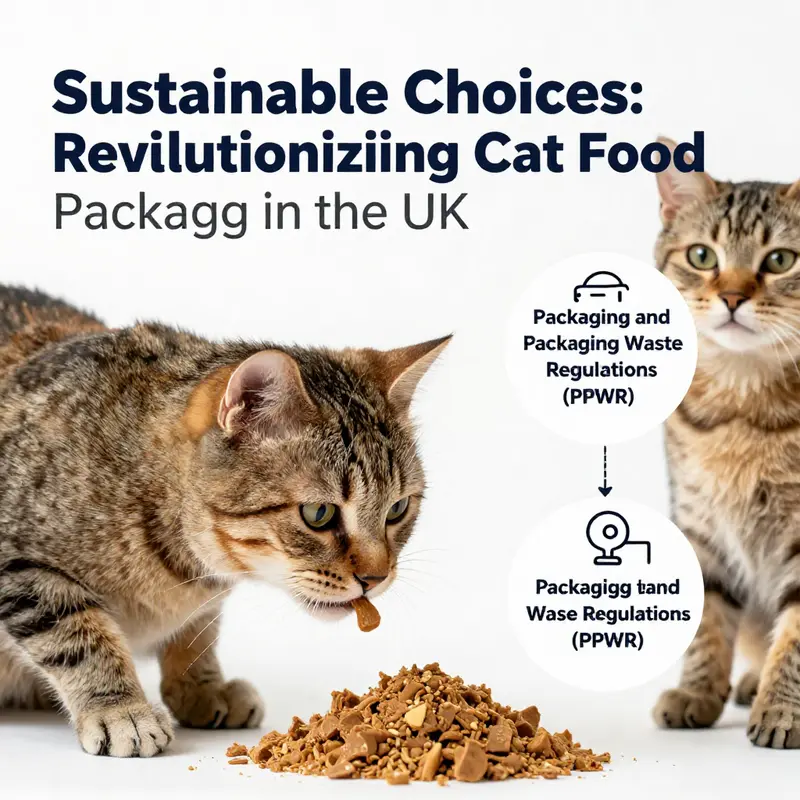
The quest for eco-friendly cat food packaging in the UK is not merely a trend but a dynamic intersection of innovative material science, strict food safety standards, and emerging environmental regulations. In recent years, many companies have embraced sustainable packaging to reduce environmental impact while ensuring that the products, whether marketed as natural or grain-free, maintain the highest levels of quality and safety. This transformation is driven by the necessity to address both consumer demand for sustainable options and the evolving regulatory landscape that demands transparency, traceable sourcing, and responsible end-of-life management for packaging materials. At the heart of this transformation are guidelines that shelter both the lives of beloved pets and the planet we share.
A pivotal component of this regulatory framework is the rigorous set of food safety standards mandated by the Food Standards Agency (FSA). Regardless of how innovative or environmentally friendly a packaging material might be, it must first ensure that no harmful substances migrate from the package into the cat food. The FSA’s stringent protocols ensure that every component in contact with food maintains chemical inertness and does not compromise the health of its animal consumers. Such standards not only protect pets but also contribute to building consumer trust, which is paramount when packaging solutions claim to be both sustainable and safe. The complexity of these regulations requires that any transition to new packaging materials, including biodegradable films made from corn starch or cane fiber, passes through rigorous safety evaluations—a process that has become integral to the product development cycle.
Beyond food safety, the environmental dimension of the regulatory regime profoundly influences packaging design and material sourcing. One significant legislative measure in this arena is the Plastic Packaging Tax (PPT), which applies to packaging containing less than 30% recycled content. Initially introduced as an economic incentive, the tax has spurred industries, including the pet food sector, to innovate and incorporate higher levels of recycled content into their packaging. Manufacturers are now expected to balance cost-effectiveness with environmental responsibility, a task that has led to a greater reliance on renewable resources and advanced processing techniques. This approach is seen, for example, in the development of plant-based films derived from renewable resources that are engineered to biodegrade under specific industrial conditions, ensuring that they align with the broader environmental objectives of reducing waste accumulation in landfills.
In addition to taxes, the Extended Producer Responsibility (EPR) scheme has emerged as a transformative policy initiative aimed at shifting the responsibility of waste management and recycling onto producers. Under EPR, manufacturers bear the financial and operational burdens of managing the disposal or recycling of their packaging once the product’s life cycle concludes. This paradigm shift not only motivates companies to consider the end-of-life phase of their packaging but also encourages designs that facilitate easier recycling and composting. The EPR framework is particularly influential in the pet food market because it compels brands to take a proactive role in optimizing packaging for sustainability—even if it means revising traditional packaging materials or investing in new technologies. This initiative has led many companies to collaborate closely with suppliers who can provide certifications confirming that materials, such as biodegradable polymers, meet recognized standards for both environmental performance and food safety.
The transition to eco-friendly packaging is further complicated by challenges related to cost and logistics. Biodegradable and compostable materials typically demand higher investment compared to traditional plastics; the materials themselves, and the processes required to ensure they degrade effectively, often incur additional expenses. Moreover, achieving the ideal degradation process is not solely contingent on the composition of the packaging; it largely depends on proper disposal. When consumers mistakenly dispose of compostable or biodegradable packaging in regular waste streams or non-ideal home compost setups, the material may fail to break down as intended, potentially contributing to environmental pollution rather than alleviating it. Manufacturers are therefore required to not only reformulate their packaging but also invest in clear, accessible consumer guidance. By providing comprehensive disposal instructions and educational resources, brands can help ensure that the intended environmental benefits of these new materials are fully realized.
As the industry and regulatory bodies continue to evolve, there is a growing emphasis on certification and traceability to ensure that eco-friendly packaging meets all designated criteria. Suppliers of sustainable materials must obtain certifications such as OK Compost or TÜV Austria approvals, which serve as watermarks of authenticity and compliance in an increasingly competitive market. These certifications verify that a packaging material is not only safe for food contact but also capable of breaking down under controlled composting conditions without releasing harmful byproducts. In this environment, traceability becomes indispensable. It allows manufacturers, retailers, and regulators to confirm that every stage of the packaging’s lifecycle—from raw material sourcing to end-of-life disposal—adheres to both international and UK-specific standards.
The search for compliant, sustainable packaging sometimes leads businesses to explore global sourcing options. For instance, many UK brands are now turning to international markets, such as sourcing eco-friendly materials from China, where innovative research and production have led to the development of PLA-coated kraft bags and similar products. This international collaboration is supported by comprehensive guides available on B2B platforms, which provide detailed information on suppliers that adhere to internationally recognized standards. By leveraging these resources, companies can identify reliable production partners that align with the UK’s strict regulations on both food safety and environmental sustainability. Manufacturers can, for example, benefit from insights provided in guides that detail the sourcing of eco-friendly packaging components, ensuring that every step of their production process is transparent and compliant with regulatory demands. An internal resource that offers insights into sustainable food-grade packaging solutions can serve as a valuable reference point for companies looking to innovate while guaranteeing compliance. For more detailed information on sustainable packaging solutions designed for safety and efficiency, you can explore this eco-friendly disposable food-grade packaging solution.
A further challenge in the matrix of regulations revolves around consumer behavior and public education. The potential environmental benefits of biodegradable and compostable materials are reduced if consumers are unaware of the proper methods for disposal. This is where governmental initiatives and environmental organizations come into play, launching campaigns to raise public awareness about the correct sorting and disposal of eco-friendly packaging. With regulations stipulating that all packaging must be recyclable or compostable by 2030 under the Packaging and Packaging Waste Regulations (PPWR), consumer education becomes a crucial pillar in ensuring that environmental policies do not fall short. Educational campaigns, clearly marked packaging, and improved recycling infrastructure are all part of a broader strategy designed to maximize the effectiveness of eco-friendly packaging. As the public becomes more informed about the nuances of these materials, adherence to proper disposal protocols is expected to increase, further strengthening the environmental benefits of sustainable packaging solutions.
Furthermore, regulatory compliance goes beyond just meeting current standards—it is about anticipating future challenges and evolving alongside advancements in material science and environmental stewardship. In light of continuous technological innovation, the packaging industry must remain agile. Research into new biodegradable compounds and advanced processing technologies is underway, which promises even more efficient and environmentally benign packaging options in the near future. Manufacturers are investing in research and development not only to reduce costs but also to improve the performance and sustainability of these materials. This investment often results in packaging that not only complies with present-day standards but is also adaptable to future regulatory changes, ensuring long-term viability in an increasingly competitive market.
In conclusion, the multifaceted regulatory framework governing eco-friendly cat food packaging in the UK reflects a broader commitment to environmental stewardship and consumer protection. It integrates food safety mandates enforced by the FSA, economic incentives such as the Plastic Packaging Tax, and robust systems like the Extended Producer Responsibility scheme. Each element of this framework is designed to drive innovation, ensure product safety, and promote sustainability. Importantly, manufacturers must navigate not just the technical challenges of developing new materials but also the behavioral factors that determine whether these innovations achieve their intended impact. By fostering greater transparency and ensuring that every link in the supply chain is held to strict standards, the industry is paving the way for a future where sustainability and safety coexist harmoniously.
For those looking to further explore the growing ecosystem of sustainable packaging suppliers and reliable sourcing strategies, additional industry insights are available through trusted external resources such as the comprehensive guide on eco-friendly food packaging suppliers found on the B2B Sourcing Guide website (https://www.b2b-sourcing-guide.com/eco-friendly-food-packaging-suppliers-china). This external resource offers detailed perspectives on navigating supply chains, sourcing high-performance sustainable materials, and aligning production processes with evolving regulatory standards, ensuring that the journey towards truly eco-friendly packaging remains transparent, innovative, and attainable for all stakeholders.
Awakening the Eco-Conscious Consumer: Shaping Sustainable Cat Food Packaging in the UK
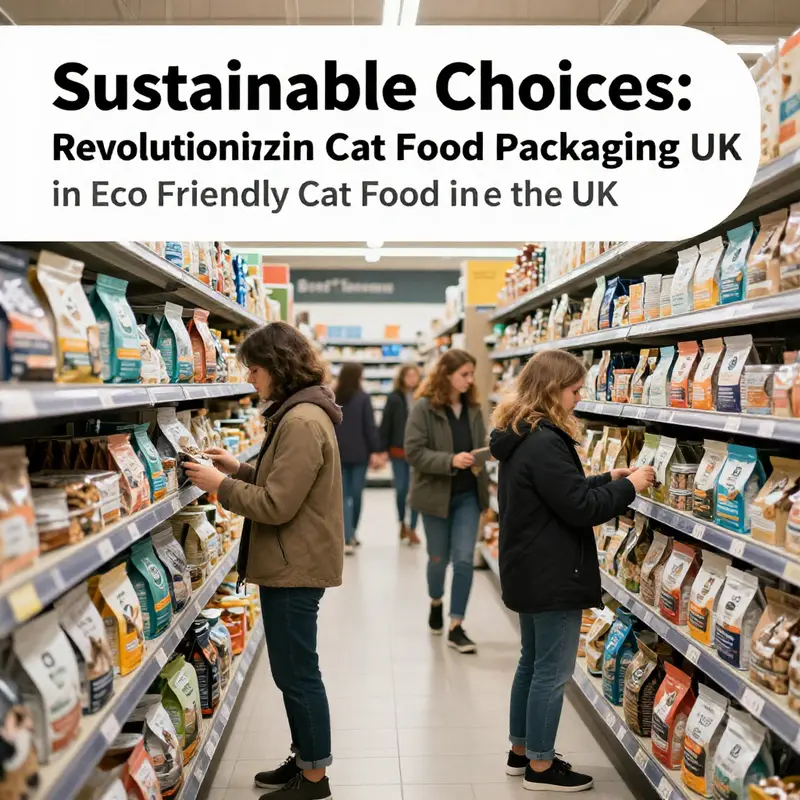
In recent years, the UK pet care market has witnessed a significant shift in consumer attitudes. The modern pet owner is more environmentally aware than ever before. A growing number of cat food brands are prioritizing sustainability in every step of their production. Consumers now demand packaging that not only protects the product but also minimizes environmental impact. This trend has reshaped the industry, where eco-friendly solutions now span biodegradable, recyclable, and even compostable materials. By integrating sustainability at the forefront, the market aligns with broader societal calls for green practices, a change that is proving both influential and transformative.
Environmental consciousness is not simply a passing trend. It is an essential aspect of modern consumer behavior. Pet owners, especially those buying cat food, are increasingly aware of the environmental toll of traditional plastic packaging. They expect that brands will provide packaging that sustains the planet. Today’s eco-aware consumer is informed, active, and vocal about choices that align with the principles of conservation and sustainability. The consumer campaigns and broader social media movements have fueled the demand for packaging that is both safe for cats and kind to the earth.
The use of biodegradable films made from plant-based polymers such as polylactic acid (PLA) has become a widespread practice. This film breaks down in controlled industrial composting conditions, ensuring that the product’s environmental footprint is minimized. Innovative companies are already shifting away from traditional plastics and foil-composite materials. Instead, they are exploring alternatives like films derived from corn starch or cane fiber. Although these alternatives may have higher upfront costs, the long-term ecological benefits are substantial. Many consumers are willing to invest a little extra when the packaging is eco-friendly and provides assurances about proper disposal and environmental care.
This paradigm shift extends beyond material substitution. Clear and accurate labeling is a key element that supports consumer trust. Certifications such as OK Compost and BPI Certified provide the necessary assurances that the packaging meets strict environmental criteria. Labels are not a mere formality; they stand as a guarantee of commitment to eco-friendly principles. Transparent labeling encourages consumers to participate in the responsible use and disposal of packaging. The clarity of these messages guides them in the proper end-of-life processing of products. In this way, packaging serves as both a communicator and a catalyst for sustainable practices.
The influence of eco-friendly packaging is particularly notable among conscious consumer segments such as millennials and Gen Z. These demographics have a strong desire to adopt ethical consumption patterns. They value products that are not only beneficial to their pets but are also designed with care for the environment. This group of consumers often champions brands that practice sustainability, thus driving market trends. Their purchasing decisions frequently extend beyond product quality; they include ethical criteria such as recyclable materials and minimalistic design. As a result, brands that incorporate transparency in both design and disposal gain a competitive edge.
Major retailers in the UK are also fully engaged in this sustainability transformation. Well-known supermarkets and pet specialty stores have broadened their eco-friendly product ranges. Stores are now stocking cat food brands that commit to sustainable packaging. Retailers appreciate that offering eco-conscious options builds consumer loyalty and reinforces their own environmental standings. The momentum behind these changes is supported not only by consumer demand but also by supportive public policies and environmental organizations. Government policies, such as the upcoming Packaging and Packaging Waste Regulations, set to be implemented in the near future, provide further incentives for sustainable practices. This confluence of consumer demand, retail commitment, and robust policy signals a strong future for eco-friendly packaging in the pet sector.
The evolving market is prompting innovative design solutions that increase both visual appeal and functionality. For example, certain packaging designs now feature transparent windows covered by biodegradable films. This allows consumers to view the product, ensuring that they feel secure about the product quality. An added bonus of these designs is enhanced consumer trust in premium offerings like natural and grain-free cat foods. In many instances, the design not only provides a practical function but also acts as a selling point. The blend of aesthetics and sustainability reinforces the idea that responsible design can be both beautiful and functional.
Practical challenges remain, however, as the eco-friendly movement scales. Biodegradable materials typically command higher production costs. Their integration into mass-market products requires that manufacturers balance cost with environmental integrity. Moreover, successful biodegradation often depends on specific disposal environments. When consumers mistakenly discard compostable packaging in ordinary waste bins or a home compost system, the intended environmental benefits can be undermined. Responsible brands are actively addressing these issues by including clear recycling and disposal guidance on their packaging. Such instructions empower consumers to contribute to the environmental cycle and ensure that the packaging meets its designed purpose.
In addition, the circular economy is playing an increasingly important role in this shifting landscape. The concept of the circular economy emphasizes resource recovery and material reuse. In the case of cat food packaging, recyclable and compostable options offer significant room for innovation. New formulations of bio-based plastics and paper-based containers are being tested to determine the best balance of cost, performance, and ecological impact. In some instances, innovators are even exploring reusable containers as part of their overall packaging strategy. These efforts highlight an industry in transformation, one where every component reflects a commitment to long-term environmental benefits.
Consumer education and public awareness are vital components of this progression. With effective public education campaigns, consumers learn the importance of proper recycling and composting methods. Collaborations between brands, industry experts, and regulatory bodies help disseminate critical information. Clear messaging that explains how to dispose of or recycle packaging appropriately can make a substantial difference. When consumers are well-informed, they are more likely to adhere to best practices for sustainability. This responsibility extends from the manufacturer to the end user, creating an ecosystem where every participant has a role.
The domestic market has seen numerous success stories that illustrate the potential of eco-friendly packaging. Retailers often cite consumer testimonials that demonstrate satisfaction with the new, sustainable designs. Feedback from pet owners is typically positive when they see that brands are taking their environmental responsibilities seriously. Innovation in packaging design is continuously encouraged by a combination of market forces and regulatory oversight. These factors work in tandem to elevate the standards of pet care supply packaging to meet modern environmental challenges. Continued investment in sustainable packaging technologies points to a future where eco-friendly choices are the norm rather than the exception.
Prominent players in the retail landscape are not the only beneficiaries of this transformation. Small and emerging brands also find themselves empowered by the shift in consumer expectations. They can use sustainability as a unique selling proposition, differentiating their products in a crowded marketplace. This competitive edge builds trust with customers who are increasingly discerning about eco-friendly practices. The overall growth in consumer awareness has created an environment where financial success and environmental stewardship are mutually reinforcing.
An illustrative example of innovative eco-conscious design is the use of reusable packaging elements in conjunction with biodegradable components. One such innovation, showcased in creative food packaging for various products, can be seen in materials used for picnic or takeaway presentations. Companies that adopt such ingenious designs not only enhance consumer experience but also create a bridge between convenience and sustainability. The thoughtful use of materials such as kraft paper or recycled paper reinforces the link between sustainable design and consumer appeal. An in-depth look at this type of packaging can be found in a discussion on eco-friendly picnic packaging which highlights similar innovations in the food packaging industry.
Throughout the UK, a combination of governmental pressure and consumer-driven change accelerates transformation in packaging choices. Industry reports show a marked increase in the adoption of sustainable practices across various sectors, including pet food. Moreover, this movement reflects a broader commitment to improving the environment by reducing single-use plastics and related waste. As government regulations come into force and recycling infrastructures evolve, it is likely that even more brands will transition to greener solutions. This is a clear sign that sustainable options are here to stay, not a temporary shift.
The influence of eco-friendly packaging among cat food brands is further validated by ongoing research and market analysis. Studies indicate that sustainable packaging is not merely an appeal to niche markets but a decisive factor for a significant portion of consumers. As consumer opinions continue to shift, industry practices adjust, leading to more responsible product designs. Government policies and public campaigns reinforce this trend, ensuring that companies stay accountable to both regulatory standards and consumer expectations. Current market analysis can be explored further through resources such as a detailed Reuters report on the UK pet food market, which outlines how sustainable packaging is reshaping consumer habits. Read the Reuters report.
The journey towards sustainable packaging in the UK pet food market is still underway, and its progress is encouraging. Consumer education, innovative design, transparent labeling, and regulatory incentives together pave the way for a greener future. Every product that reaches a consumer is part of a larger movement—a collective effort to reduce environmental footprints while ensuring product integrity and safety. With eco-friendly packaging, every pet food purchase becomes a statement of responsibility, a commitment to the health of the planet, and a nod to progress in sustainable consumption.
This transformation is more than a trend; it represents the future of green design in a modern market. The integration of biodegradable materials with smart design approaches is setting a high standard for eco-friendly cat food packaging in the UK. Through collaboration, innovation, and a shared commitment to sustainability, the industry is poised to meet the rising demand for green products effectively. Consumers and brands alike now have an opportunity to redefine market standards. In this new era, the focus is on responsible production and thoughtful consumption, ensuring a lasting legacy of environmental stewardship and market innovation.
Eco Reboot: Balancing Challenges and Seizing Opportunities in UK Cat Food Packaging
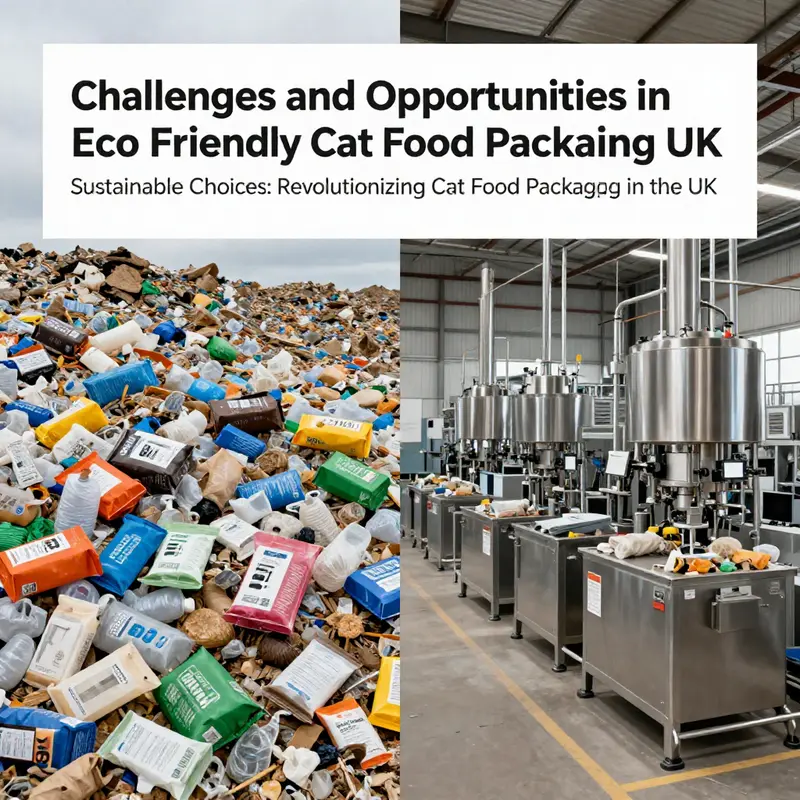
In the United Kingdom, the landscape of cat food packaging is undergoing a quiet yet profound transformation. Eco-friendly packaging is emerging as not only a means to protect the environment but also a competitive strategy for brands eager to appeal to a growing number of environmentally conscious pet owners. Despite the promise, the journey from conventional packaging methods to sustainable alternatives is paved with challenges that demand innovative solutions and strong collaboration among manufacturers, regulators, and consumers.
The first hurdle lies in the material composition used in traditional packaging. Conventional options, such as non-recyclable plastics and multi-layer laminates, have long been the industry standard because of their durability and ability to protect products. However, these materials complicate efforts to recycle or properly dispose of packaging once it has served its purpose. The inherent complexity of using multiple substances in one package makes it difficult for recycling facilities to isolate and process waste effectively. The new eco-friendly alternatives often rely on biodegradable materials such as films made from corn starch or cane fiber. While these innovations signal progress, they also introduce challenges related to cost and performance. Biodegradable films, for instance, may require specific conditions to break down properly, and if disposed of incorrectly by consumers, the intended environmental benefits may be undermined.
Product protection remains a critical factor in food packaging design. High-end cat food products, especially those positioned as premium or grain-free, require packaging that not only reduces the ecological footprint but also ensures the product’s integrity. Some innovative solutions include transparent windows in packaging, which allow consumers a glimpse of the contents, thereby boosting trust in product quality. However, balancing aesthetic appeal with functional durability is not without its pitfalls. For example, using biodegradable films for these transparent windows can sometimes lead to issues like fogging, which detracts from the visual appeal. The delicate interplay between maintaining strict product protection standards and embracing sustainability standards often results in increased production costs, making it imperative for manufacturers to strike the right balance.
The challenge of plastic waste is another critical aspect that cannot be ignored. As brands shift focus to eco-friendly packaging for cat food, other components of pet care products, such as packaging for cat litter, continue to rely on plastics. These plastics contribute to the overall environmental burden, as they tend to break down into microplastics when incinerated or disposed of in landfills. The broader issue of plastic waste forces companies to evaluate not just the primary packaging of their product but the entire lifecycle of all associated packaging materials. Addressing this issue demands comprehensive planning that spans from the design phase to consumer guidance on proper disposal.
A significant aspect of the evolution in cat food packaging is the push towards lifecycle sustainability. Even when primary packaging is made recyclable or biodegradable, the overall system may remain unsustainable if downstream waste management practices are not improved. The complexity of these processes means every stage—the design, production, distribution, and eventual disposal—must be aligned with sustainable practices. Manufacturers are now mindful of designing for circularity, meaning they create packaging that is not only sustainable in production but also capable of being reintroduced into the material cycle once used. This holistic approach encourages collaboration among different stakeholders, from recycling facilities to local municipalities.
On the opportunities side of this transformation, the rising consumer demand for responsible packaging is one of the most invigorating factors for the industry. Many UK pet owners now advocate for products that reflect their personal commitment to reducing environmental impact. This consumer shift offers brands a dual benefit: they can both differentiate themselves in a competitive market and contribute to environmental conservation. The consumer base is willing to pay a premium for products that align with their values, paving the way for brands to offer advanced, eco-friendly packaging alternatives that simultaneously communicate quality and responsibility.
Another promising opportunity lies in the realm of innovative packaging solutions. Advances in material science are enabling companies to explore packaging that is fully compostable or made from certified recycled materials. For instance, some companies are experimenting with home-compostable options that do not require industrial facilities to break down, thus simplifying the disposal process. Moreover, the concept of designing packaging for reuse and reusability is gathering momentum. These solutions not only reduce the waste stream but also embed a sense of circularity into the product lifecycle. One clear example of innovation is the trend towards packaging with transparent windows made of biodegradable film—a design that merges the need for product visibility with environmental sustainability. To learn more about similar innovative packaging concepts, consider exploring the details on an eco-friendly transparent packaging solution.
Regulatory incentive further bolsters the transition towards eco-friendly packaging. In recent years, policy interventions such as the UK Plastic Packaging Tax and upcoming directives like the Packaging and Packaging Waste Regulations (PPWR) have spurred development in sustainable packaging alternatives. These policies mandate that by 2030, all packaging must meet stringent sustainability criteria, such as being recyclable or compostable. Regulatory pressures not only push manufacturers to innovate but also foster a competitive market where ingenuity in design and materials becomes paramount. The alignment of regulatory advances with technological innovation creates an environment where sustainable practices are no longer a choice but a market necessity. Industry players who adapt early to these changes are well-positioned to establish long-term brand loyalty in a market that increasingly values ethical and environmental responsibilities.
In addition to material innovation and regulatory drivers, promoting responsible consumer behavior has emerged as a critical component of the eco-friendly packaging equation. Brands have begun to recognize that the benefits of sustainable packaging can be nullified if consumers inadvertently dispose of materials in unsuitable waste streams. Clear labeling and educational campaigns are therefore pivotal in ensuring that packaging is disposed of in a manner that completes the sustainability loop. By providing explicit instructions and raising awareness about the proper recycling or composting techniques, companies can empower consumers to contribute positively to environmental conservation. In this way, the responsibility for sustainability becomes a shared goal between manufacturers and consumers, creating a more resilient and effective eco-friendly packaging ecosystem.
The dual focus on design innovation and consumer education represents an inflection point in the evolution of cat food packaging. Sustainability is not merely a buzzword but a comprehensive strategy that integrates advanced material science, efficient waste management, regulatory frameworks, and informed consumer practices. As the infrastructure and technology for recycling and composting improve, and as the market continues to favor eco-friendly practices, the sustainable packaging industry is set for a steady rise in both prominence and adoption. Each stakeholder, from the manufacturers crafting innovative solutions to the consumers making conscientious purchase decisions, plays a vital role in this ongoing transformation.
Despite the hurdles, there is an undeniable optimism in the air. The growing body of research, backed by government policies and consumer sentiment, is indicative of an industry that is rethinking its approach to packaging. More than ever, brands that tap into the ethos of sustainability find themselves resonating with a community that prizes environmental stewardship. The vision is clear: a future where packaging is designed not just for immediate functionality but crafted as an integral part of a sustainable lifecycle. This approach is not without its complexities, yet it signals a revolutionary shift in how everyday products, including something as commonplace as cat food, can contribute to a greener, more sustainable planet.
As research continues and technological breakthroughs occur, the sector is likely to see a richer array of eco-friendly options pervading the market. Innovations in biodegradable materials and the optimization of recycling processes will provide companies with the tools needed to overcome current limitations. What is essential is the continuous collaboration across the supply chain and with regulatory bodies that champion environmental protections. The role of consumer education cannot be overstated as brands must ensure that end-users are not left to grapple with ambiguous disposal instructions. Only by narrowing the gap between innovative packaging design and effective waste management will the full potential of sustainable practices be realized.
Ultimately, eco-friendly cat food packaging in the UK stands at the intersection of progress and practical challenges—a space where every improvement in material choice, design, and regulatory alignment represents a step towards a more sustainable future. The complexities in balancing product protection with sustainability, preventing plastic pollution, and streamlining the entire lifecycle process are significant, yet they offer fertile ground for innovation that can reverberate across industries. For a deeper dive into sustainable packaging trends and practices, resources such as the WRAP report available at https://www.wrap.org.uk provide valuable insights and data that underpin these advances.
In this transformative era, the packaging industry for cat food is not just changing in name or appearance; it is evolving fundamentally in how it conceives the relationship between product, consumer, and the planet. As more companies invest in eco-friendly packaging, the transition will gradually shift from being an industry challenge to becoming the standard practice. Simultaneously, improved regulatory environments and a better-informed consumer base will ensure that this evolution not only achieves environmental objectives but also enhances product integrity and consumer appeal. The road ahead is both promising and challenging, and those who master the balance between environmental ambition and practical execution will lead the way into a new era of sustainable packaging.
Final thoughts
The evolution of eco-friendly cat food packaging in the UK presents both challenges and immense opportunities for various sectors. By embracing innovative materials, staying informed on regulatory changes, and aligning with shifting consumer preferences, businesses can not only improve their environmental footprint but also appeal directly to a growing market of eco-conscious consumers. As the landscape continues to evolve, embracing such practices could very well become a marker of quality and integrity in the food industry.