
In the dynamic food service sector, the choice of materials for packaging can significantly impact safety and convenience. Polypropylene (PP) and polyethylene (PE) are the primary polymers used in food plastic containers, both recognized for their safety in food contact. Understanding these materials is crucial for bubble tea shops, restaurants, food trucks, and other catering services since they dictate how food and beverages are stored, served, and enjoyed. Each chapter delves into these polymers, from the strengths of PP in heat-resistant applications to the versatile role of PE in various food packaging formats, culminating in a comparative analysis that clarifies the best practices for choosing the right materials for your business.
Polypropylene’s Quiet Power: How PP Shapes Safe, Heat-Resistant Food Containers
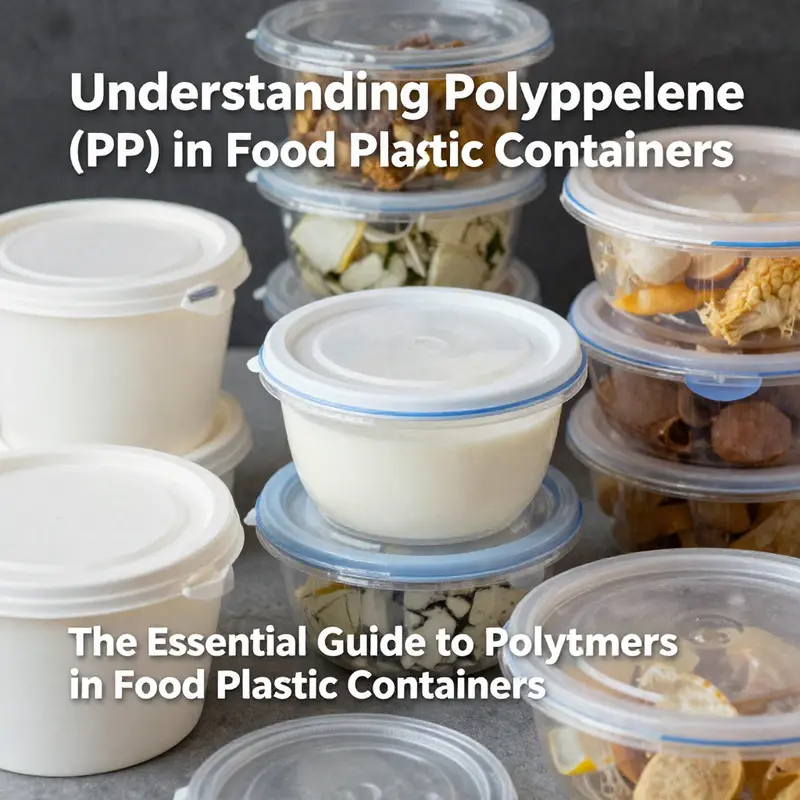
Polypropylene stands as a quiet workhorse in modern food packaging, a polymer that often goes unnoticed in the glare of flashier plastics yet underpins how households, institutions, and eateries store and heat food with confidence. When people think of safe food containers, they might recall polycarbonate or PET due to high-profile debates, but polypropylene, known by its resin code #5, quietly dominates the everyday landscape of containers designed for storage, microwaving, and even hot filling. It is not merely a material choice; it is a convergence of safety, performance, and practicality that makes PP a linchpin in how food travels from kitchen to table. In surveying the landscape of common polymers used for food plastic containers, polypropylene emerges as the material that most consistently aligns with rigorous safety standards while delivering reliable heat resistance and durability. Its prevalence is not accidental. It reflects decades of material science, regulatory alignment, and a design philosophy that prioritizes stability under the stresses of real-world use: heat, moisture, mechanical wear, and the occasional harsh cleaning regimen. In this sense, PP’s role is foundational rather than flashy, enabling countless meals to be prepared, stored, and enjoyed without compromising the integrity of the food it protects.
Polypropylene’s appeal begins with its chemical structure and the properties that arise from it. It is a linear, semi-crystalline polymer with a relatively high melting point for a commodity plastic, typically around 167°C, and a practical operating window that remains safe and stable well below that threshold. The polymer’s crystallinity contributes to stiffness and heat resistance, while its hydrocarbon backbone endows it with resistance to many solvents and a favorable balance between rigidity and toughness. In the context of food contact, these properties translate into a material that can withstand the rigors of microwave heating, hot filling, and even brief exposure to boiling water without swelling, warping, or leaching harmful substances. This is not incidental; it is the result of a concerted effort to understand how polymers behave under repeated temperature fluctuations, mechanical stress, and chemical exposure, and to ensure that the material remains inert enough not to introduce unwanted compounds into food.
The safety dimension of polypropylene is underscored by formal regulatory frameworks that govern its use in contact with food. In the United States, PP used for food-contact applications is subject to the guidelines in FDA 21 CFR 177.1520, a regulation that codifies conditions of use, migration limits, and the types of testing that demonstrate compatibility with various food types. The regulation emphasizes that substances migrating into food from the packaging under typical use should be within safe limits, with sensory properties and potential contaminants carefully evaluated. While many readers might not wade through regulatory language, the practical upshot is clear: PP is evaluated for whether it changes the taste, odor, or appearance of food and whether any substances released into the food pose a health risk. The international landscape mirrors this emphasis on safety, with standards in other major markets addressing similar concerns about heat exposure, chemical migration, and the presence of restricted substances.
In China, polypropylene must meet the GB 4806.7-2023 standard, which introduces specific criteria for sensory properties, such as odor and color, as well as quantitative migration limits and restrictions on hazardous substances, including heavy metals and aromatic amines. These standards ensure that the material remains stable over long-term storage and repeated heating cycles, a critical consideration for containers that might be used for hot meals or reheating. For consumers, these standards translate into confidence that the container in hand has undergone a rigorous evaluation against the realities of daily use: temperatures high enough to warm food, repeated cycles of washing, and the potential for contact with a broad range of foods, from non-fatty staples to fatty sauces. PP’s compliance with such standards is not a mere technicality; it is a practical guarantee that the container’s performance will not come at the cost of safety.
A central feature of polypropylene that resonates with both safety and performance is its resistance to bisphenol A (BPA) migration. Unlike some other plastics that have raised concerns over BPA, PP is not typically associated with BPA-related migration because its chemical structure does not rely on the same monomeric building blocks as polycarbonate. This distinction matters for consumer confidence, especially in products like reusable food containers and baby-related items where long-term contact is a norm. It is a reminder that the choice of polymer is not only about how it behaves during a single use but how it behaves across repeated cycles of use, cleaning, and heating.
The chapter of polypropylene’s story is not merely about heat resistance and regulatory compliance; it is also about the mechanics of making and using containers in the real world. PP’s processing is compatible with a range of manufacturing techniques that enable both rigid and semi-rigid forms. Injection molding yields sturdy, rigid containers with tight tolerances suitable for microwaveable meals, while thermoforming can produce lighter, more flexible shapes useful for lunchboxes and lids. The material’s balance of toughness and ductility helps prevent cracking under sudden impacts, a valuable property when containers are jostled in transit or dropped during handling. Its edge in hot-use scenarios is particularly meaningful for households and food-service contexts where containers must endure brief encounters with high temperatures without deforming or releasing volatile compounds.
The polymeric safety narrative for PP is complemented by a practical set of consumer guidelines that encourage responsible use. First, while PP can withstand temperatures up to around 120°C (248°F), there is merit in using containers within their designed heat range. Prolonged exposure to high heat or repeated heating of highly acidic or oily foods may gradually affect the container’s surface or prompt minor changes in its mechanical behavior. Second, the condition of the container matters. Regular visual checks for cracks, clouding, or surface wear can indicate that the material is approaching the end of its useful life. When degradation signs appear, replacement is prudent, even if the container still holds food. Third, cleaning methods deserve attention. Abrasive cleaners and metal-scouring pads can scratch and weaken the polymer, potentially creating microfractures that accelerate degradation. Gentle washing, avoiding harsh abrasives, helps preserve the integrity of the container and extends its useful life.
The conversation about safety and performance would be incomplete without acknowledging the interplay between polypropylene and the broader ecosystem of plastics. PE and PET are also widely used in food packaging, each with its own strengths and limitations. High-density polyethylene (HDPE) offers exceptional chemical resistance and is common for bottles and jugs carrying milk, juice, and household products, while low-density polyethylene (LDPE) is prevalent in flexible packaging like bags and wraps. Ethylene-based polyesters such as PET excel in single-use beverage bottles due to clarity and barrier properties but are less forgiving under repeated heating. PP, with its distinctive combination of heat resistance, chemical stability, and mechanical resilience, occupies a unique niche that makes it particularly well-suited for rigid and semi-rigid containers designed for microwave use or hot filling.
From a design standpoint, polypropylene also plays nicely with the needs of modern packaging design. Lids, seals, and stackability rely on the predictable behavior of the polymer under thermal cycling. The resin’s rigidity helps maintain shape; its toughness reduces the risk of cracking at the hinge or lid area. In the consumer kitchen, this translates into containers that feel sturdy in the hand and perform reliably year after year. Transparency levels in PP can vary, and while some PP formulations are translucent, many food containers emphasize opacity to protect sensitive contents from light-induced degradation. This design choice is not merely aesthetic; it also reflects a risk management approach to protecting flavors, colors, and nutritional qualities.
Given PP’s broad acceptance for food contact, it is not surprising that consumers look for certain identifiers when evaluating packaging options. The resin identification code #5 signals polypropylene, a quick visual cue for compatibility with typical heat-related uses like microwaving and hot filling. Yet identifiers alone do not guarantee safety. That is where certifications and traceability come into play. Containers that meet regulatory expectations often carry additional certifications or attestations, such as compliance with FDA standards in the United States or equivalent regulatory confirmations in other jurisdictions. In practice, these markings give food handlers confidence that the container’s materials have undergone the scrutiny needed to support repeated use and heating without compromising safety.
The consumer decision to select PP-based containers is often reinforced by the practical realities of daily life. Reusable PP containers have proliferated in both home kitchens and institutional settings because they offer a reliable balance of sturdiness, washability, and heat tolerance. Their resistance to typical kitchen chemicals and detergents reduces the risk of surface damage during routine cleaning. When used for hot meals or heated briefly in a microwave, PP containers tend to retain their shape and resist leaching better than some alternative polymers under similar conditions. This makes PP a sensible default for households seeking durable, inexpensive, and safe options for food storage and reheating.
An important aspect of PP’s story is its role in the life cycle of packaging materials. Recycling streams for polypropylene exist and are increasingly integrated into municipal waste management and recycling programs. The recyclability of PP is a plus, yet it is not universal, and local recycling capabilities can influence how much PP from consumer packaging becomes part of a circular economy. Reprocessing PP typically involves sorting by polymer type, cleaning, and remelting into new products, a process that can maintain material integrity across multiple cycles when properly managed. The sustainability picture for PP thus hinges on both technical recyclability and the presence of robust collection and processing infrastructure that can keep PP out of landfills and reintroduce it into new containers, toys, or household goods.
From a practical shopping perspective, what should a consumer—and indeed a professional kitchen—look for when choosing polypropylene-based containers? The most reliable signal is the presence of the #5 symbol on the container, alongside credible safety certifications that speak to the product’s compliance with recognized standards. In settings where hot use is common, choosing rigid or semi-rigid PP containers designed for microwaving is prudent. The packaging toward which the industry gravitates often emphasizes safe heat transfer, leak resistance, and a stable shelf life for a range of foods. While PP’s performance in everyday use is robust, it does not immunize against misuse. For instance, storing highly acidic foods for extended periods or exposing containers to temperatures beyond their rating can lead to gradual material compromise and potential quality issues in the food itself. This is a reminder that material choice is only one part of a broader food safety and quality framework that includes storage practices, handling, and adherence to recommended guidelines for heating and cleaning.
The broader implications of using polypropylene in food packaging extend into consumer education and regulatory communication. Clear labeling that communicates heat tolerance, permissible food types, and any limitations is essential. For families and institutions alike, the dialogue around what can go into a PP container in terms of food type and temperature helps prevent inadvertent misuse. It also underscores the importance of designing packaging systems that are user-friendly and forgiving, reducing the risk of accidental misuse during busy meal prep or service settings. The desirability of PP packaging in this sense is not only about the material’s innate properties but also about how well the container communicates its intended use and how reliably it supports safe handling across the entire life cycle—from production and distribution to home storage and eventual recycling.
The journey of polypropylene from resin to ready-to-use container is a story about precision engineering and risk management. It is a story that places safety at its core while acknowledging the practical realities of modern food handling. A material that can stand up to microwaves, withstand repeated cleaning, and remain chemically stable in contact with a wide range of foods represents more than a choice of plastic. It is a framework for secure, dependable food packaging that supports both everyday meals and professional food service operations. In this sense, polypropylene’s quiet power is not a mere technical detail; it is a cornerstone of how contemporary food systems function with confidence, enabling us to store, heat, and enjoy meals with a sense of trust that the container itself will not become a source of compromise.
For readers who want to explore practical examples of PP’s application in contemporary packaging while also considering broader sustainability and safety considerations, the following resource offers a contemporary snapshot of takeout packaging and heat-tolerant design. eco-friendly takeout boxes for food packaging with a microwave-safe design. This collection illustrates how design choices, material properties, and user expectations converge to produce packaging solutions that are both functional and mindful of environmental and safety concerns. While the catalog in question is oriented toward general packaging, the underlying principles—heat tolerance, safety for food contact, and durable construction—are directly relevant to polypropylene-based containers and the decisions that professionals and households alike face when selecting packaging for hot or ready-to-eat foods.
In closing, polypropylene’s role in food plastic containers is a testament to how materials science, regulatory oversight, and practical design come together to support safe, reliable food handling. The material’s high heat resistance, low toxicity profile, and compatibility with widely accepted safety standards anchor its prominence in both home kitchens and commercial settings. When you reach for a container labeled with the #5 resin code, you are choosing a material with a proven track record for stability under the pressures of heating and repeated use, a track record that reflects years of research, testing, and real-world validation. As packaging science continues to evolve toward safer, more sustainable solutions, polypropylene remains a dependable reference point for how food packaging can perform its primary duty—protecting the food and preserving its quality—while meeting the everyday demands of modern life.
External resource: https://www.accessdata.fda.gov/scripts/cdrh/cfdocs/cfcfr/CFRSearch.cfm?fr=177.1520
The Quiet Workhorse of the Pantry: Unraveling Polyethylene’s Role in Food Packaging
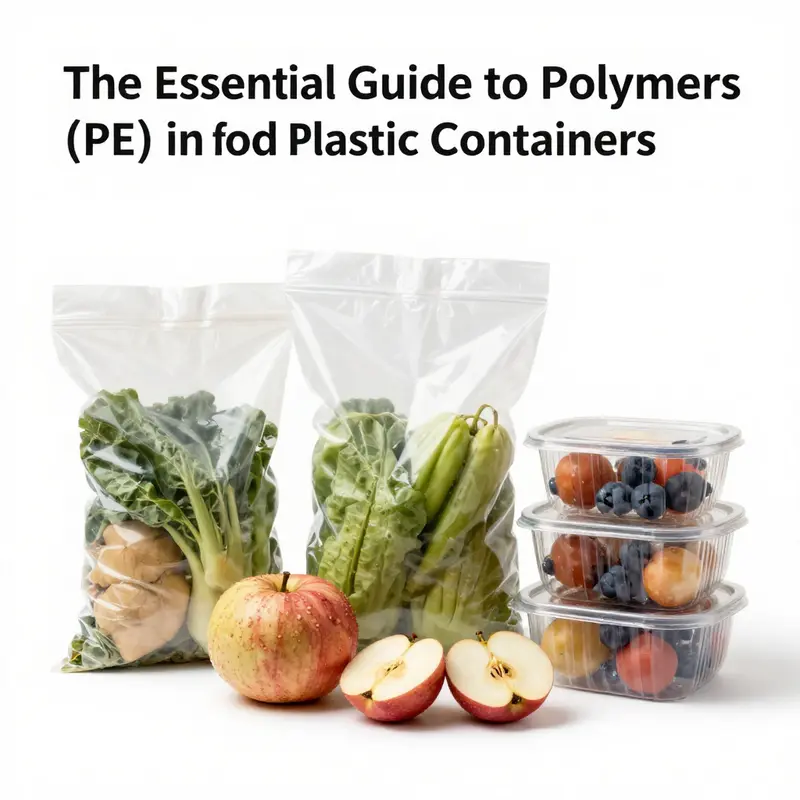
Polyethylene has become the quiet workhorse behind the everyday sense of safe, convenient food packaging. When you reach for a container in the fridge or tear open a bag of fresh produce wrapped in a gleaming film, you are touching a material that has been engineered to do two things at once: protect what you eat and stay out of the way. In the story of modern food packaging, polyethylene, commonly abbreviated as PE, is the backbone that makes many packaging formats feasible, from flexible films to rigid containers. It stands alongside polypropylene, another versatile polymer used for rigid, heat resistant packaging, but the focus here is PE and how its properties align with the needs of food safety, practicality, and environmental considerations. To understand why PE dominates, it helps to imagine the supply chain as a sequence of functional challenges: keeping moisture out, keeping aromas in, resisting puncture, surviving a trip through the cold chain, and sometimes withstanding a brief turn in the microwave. PE checks all those boxes in ways that are economical and scalable, which is essential when packaging must be produced in billions of units each year.
PE exists in several forms, and the differences matter for how it is used in food contact. The two most common high-volume grades are high-density polyethylene and low-density polyethylene. HDPE, with its tighter molecular structure, provides strength and chemical resistance that make it ideal for rigid containers such as milk jugs, juice bottles, and sturdy takeaway tubs. It resists impact and resists many solvents, which translates into durable packages capable of holding liquids without deforming. LDPE, by contrast, has a more open, branched structure that yields greater flexibility and clarity in films. This makes LDPE the material of choice for cling wraps, shopping bags, and other flexible packaging needs where a soft, conforming fit is important. The same polymer family thus unlocks a spectrum of forms, each tailored to a specific part of the food packaging ecosystem.
Within the realm of films, laminates, and coatings, PE also embodies a remarkable adaptability. It can be extruded into thin films that wrap fresh produce, or it can be molded into rigid containers with smooth surfaces that are easy to clean and re seal. It can be oriented to alter heat sealing properties, or co extruded with other materials to improve barrier performance for oxygen and moisture. In many laminated papers used for bakery boxes or snack packaging, a PE layer acts as the barrier face that keeps the contents fresh while allowing the exterior to be printed with attractive designs. The versatility of PE thus translates into cost efficiency and design flexibility across the entire food supply chain. The material’s compatibility with existing plastics processing infrastructure helps keep production scalable and predictable, which reduces the risk of product shortages for retailers and restaurants alike.
Safety in the context of food contact is inseparably linked to the inert nature of PE, its non odor, non taste, and general chemical stability. For ordinary use, PE is considered non reactive with most foods under typical storage conditions. It does not readily leach flavors or odors into food, and it does not migrate significant amounts of substances from the polymer into the food in a normal time frame. This inertness is what allows PE to handle a wide variety of foods from plain vegetables to dense sauces, without introducing unexpected flavors or contaminants. Yet, while the broad picture is reassuring, the safety conversation becomes more nuanced when we consider real world conditions, including heat exposure, contact with fatty foods, and aging.
One practical safety caveat is heat. Standard PE has limited heat resistance, with practical use limits often cited in the range of 80 to 100 degrees Celsius for short periods. That means everyday microwaving with regular PE films should be approached with caution. For meals packaged in PE films designed for microwave use, manufacturers typically employ specially engineered films designed to withstand higher temperatures without warping, melting, or releasing additives. The heat tolerance also matters for cooking and reheating practices; this is why some guidelines recommend transferring food from a PE film into a microwave safe container before heating. The same logic applies when heating fatty or oily foods, where the potential for additive migration, though still regulated, becomes a factor to consider. In regulated PE products, extractables and migratable substances are kept within strict limits to minimize any risk, and food grade PE products are designed to meet those standards across relevant regulatory frameworks.
Regulatory frameworks themselves illuminate how safety is assured in practice. In a globally connected food system, standards for food contact materials address several dimensions: the chemical composition of the polymer, the presence and control of additives, the possible migration of substances into foods under specified test conditions, and the performance of the material in contact with a wide range of foods. In some jurisdictions, China has codified specific safety criteria under standards like GB 4806.7-2023, which specify the safety criteria for food contact PE materials, including limits on extractables and migratable substances. In other regions, agencies such as the United States Food and Drug Administration regulate food contact substances through a similar framework, with detailed information about which substances are permitted and in what concentrations. The upshot is that PE sold for food contact undergoes testing and certification before it reaches shelves or service lines, and ongoing surveillance ensures that formulations and manufacturing processes remain within safety margins.
Safety is not the sole axis on which PE should be evaluated. Health and environmental considerations have sharpened the lens on plastics in recent years. Under normal use, compliant PE products release microplastics at levels well below safety thresholds, but ongoing concerns about microplastics have galvanized calls for more sustainable alternatives and smarter end of life handling. The environmental debate intersects with the practical realities of packaging choice. PE packaging is recyclable in many regions, and HDPE in particular enjoys broad recycling streams. Yet the picture is nuanced by the reality that many PE products are used in laminated structures or combined with other polymers, metals, or inks in packaging. In such cases, recycling becomes a more complex proposition because separating materials requires additional steps and infrastructure. The result is that while PE has a favorable recycling profile in many scenarios, the overall environmental footprint of packaging depends on the entire lifecycle, from raw material extraction to processing, use, and end of life.
Against this backdrop, consumer guidance emphasizes prudent packaging use. Look for clear labeling that identifies PE as a food contact material, and avoid using industrial grade films for food storage. When possible, minimize high heat exposure to PE packaging that is not specifically designed for it. Damaged or discolored films should be replaced to reduce the risk of cracking or contamination, and the choice of packaging should consider the nature of the food being stored. If the goal is to reduce environmental impact, support recycling and choose packaging with recyclability in mind, such as formats that separate cleanly from other materials and that can be directed into appropriate streams.
From a manufacturing standpoint, PE is key to several packaging formats across the food system. Flexible PE films function as cling wraps, shrink wraps, and protective layers that extend shelf life and preserve sensory qualities. Rigid PE containers serve as everyday storage and transport options, particularly for liquids and semi solids where a sturdy, impact resistant interior matters. In many cases, PE is used as a barrier layer within laminates, protecting contents from oxygen, moisture, or odors while enabling printing and branding on the outer layer. The ability to tailor barrier properties by adjusting film thickness, adopting multilayer structures, or combining PE with other polymers enables packaging designers to meet specific performance targets for a given product class while keeping costs manageable. The interplay of material science and process engineering here is subtle yet powerful, shaping the consumer experience through reliability and predictability in packaging performance.
Alongside polyethylene, polypropylene often appears in the packaging narrative because of its higher heat resistance and stiffness. For containers intended to withstand microwaving or hot filling, PP is a natural choice due to its ability to maintain shape and integrity at higher temperatures. Yet even here, PE maintains a crucial role, especially for flexible packaging and for products where cost, transparency, or certain barrier properties are prioritized. The two polymers are not mutually exclusive in practice; rather, they occupy complementary spaces in a mosaic of packaging solutions that must balance safety, performance, and cost. The consumer encounter—whether opening a box, tearing a film, or heating a container briefly—often hinges on these material decisions made upstream in the supply chain by engineers and materials scientists.
In evaluating the environmental and sustainability implications, the packaging industry is increasingly attentive to the possibility of safer, more sustainable alternatives without compromising function. Recycled content, enhanced sorting, and advances in recycling technologies can improve the overall circularity of PE. However, the realities of global supply chains mean that many PE packaging components end up in mixed streams or require energy-intensive processing to separate laminates. As a result, Beyond just choosing PE or PP, a broader strategy that prioritizes recyclability, durability, and responsible end of life management is essential. Packaging formats that reduce material usage, favor recyclable architectures, and support consumer participation in recycling programs can collectively reduce the environmental footprint while preserving the functional advantages that PE provides in food contact scenarios.
To illustrate how PE translates into real world packaging choices, consider the diverse array of forms that PE enables in the food system. Flexible films wrap fresh produce or snacks, protecting quality while enabling visibility and branding. Rigid PE containers hold ready meals, soups, or sauces, providing a robust and microwave compatible option when correctly designed for heat exposure. Coated boards and laminated structures may incorporate PE as a protective face barrier that keeps moisture at bay while allowing the package to be printed with appetizing imagery. The end user benefits are tangible: safer handling of foods, better preservation of flavors and textures, and a packaging experience that is familiar and reliable. A practical packaging solution that balances safety and convenience is the eco-friendly disposable 3-compartment food-grade packaging box for fast food.
Everything described so far sits within a larger context of standards and best practices that guide product development and consumer use. The regulatory landscape continues to evolve with new research on migration, extractables, and long term exposures. Agencies publish guidelines and databases that help manufacturers design packaging that is safe for contact with a broad range of foods, including those with high fat content, acidity, or alcohol. The emphasis on food contact safety does not imply a sterile or risk free domain; rather it signals that industry participants are accountable for controlling substances that may migrate, and for validating that such migration remains within established thresholds. In practice, this means that PE packaging used for food must be manufactured using food grade materials and processes that comply with the relevant standards and that materials are tested under conditions that reflect real world use. The dialogue among scientists, regulators, manufacturers, and consumers is ongoing, as new formulation approaches and processing techniques continually refine what is possible and what is considered safe.
From a consumer standpoint, the takeaways are practical but nuanced. PE packaging is generally safe for everyday use in food contact scenarios, but not all PE products are created equal. The label you see on a package—often indicating food contact compliance and sometimes the presence of recycled content—offers a snapshot of what to expect. The heat tolerance of PE films means you should avoid using standard PE wraps in high heat cooking scenarios unless they are explicitly labeled microwave safe. The potential for additive migration, while tightly regulated, remains a rational consideration for long term storage of highly fatty or acidic foods. And beyond safety, the environmental conversation invites consumers to consider end of life choices: responsibly recycling where possible, avoiding damaged materials that complicate sorting, and supporting packaging solutions that reduce waste without compromising safety or functionality. As the industry advances, the overarching aim remains clear: deliver packaging that preserves the integrity of food, respects human health, and minimizes environmental footprint while remaining affordable and scalable to feed growing populations.
In closing, polyethylene remains central to how we package, transport, and preserve food across diverse contexts. Its strength lies not in novelty but in dependable performance across a broad spectrum of applications. HDPE and LDPE together cover a wide range of needs—from rigid bottles to soft wraps—while also enabling sophisticated multilayer structures that meet exacting barrier requirements. Peel back the layers of a common package, and you will uncover a careful mix of chemistry, engineering, safety testing, and regulatory compliance that makes everyday meals possible with confidence. The story of PE in food packaging is thus not just about a polymer. It is about how a material can adapt to changing consumer needs, respond to evolving safety expectations, and participate in a global system that values reliability, affordability, and sustainability.
External resources for additional context and regulation can be accessed through official regulatory information on food contact substances, such as the FDA sources that detail material safety considerations for food contact. For authoritative regulatory information, see the FDA’s food contact substances regulatory information: https://www.fda.gov/food/food-contact-materials/food-contact-substances-regulatory-information
Guardians of the Pantry: How Polypropylene and Polyethylene Shape Food-Contact Plastics
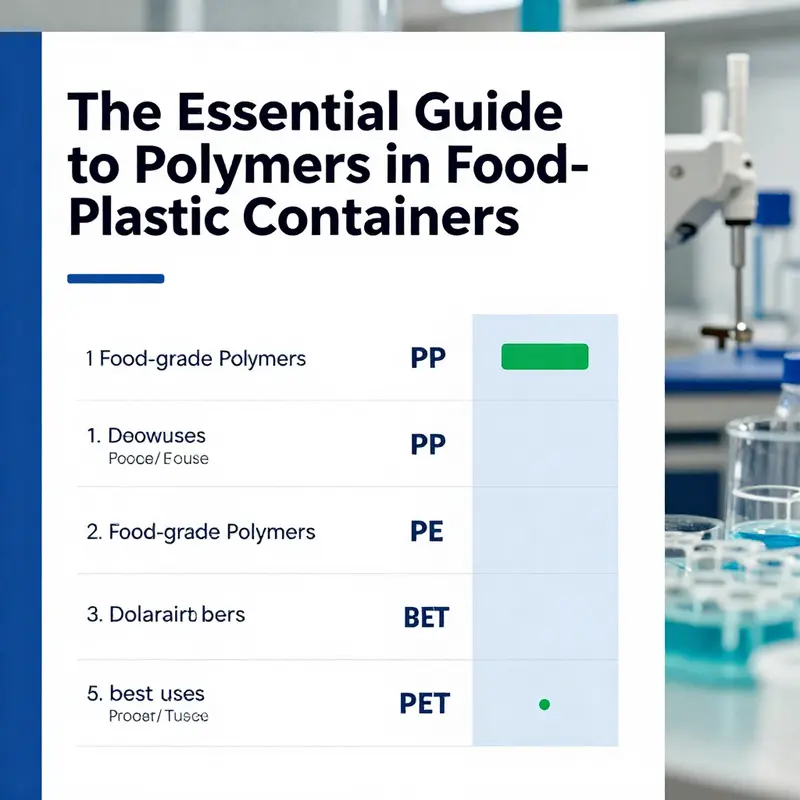
Every day, billions of meals, snacks, and groceries ride into our homes in plastic containers that seem simple, almost invisible. Yet the polymers chosen to house food are the result of careful engineering, blending chemistry, processing, safety, and practicality. The core question—what polymer is used for food plastic containers—unfolds into a story about two families of plastics that dominate the landscape: polyolefins, led by polypropylene (PP) and polyethylene (PE), and, to a lesser extent for some applications, polyethylene terephthalate (PET). Each material brings a distinct set of properties that make it suitable for specific uses, from the rigid boxes that hold leftovers to the flexible films that wrap cheese, produce, and ready-to-eat meals. The chapter that follows moves through these materials not as a catalog of trade names, but as a narrative about performance, safety, and sustainability, and how those factors influence design, consumer experience, and environmental impact.
Polypropylene emerges as a standout for rigid, heat-tolerant food containers. Its chemical structure endows it with high heat resistance, a quality that translates into real-world advantages: containers that can endure microwaving, hot water sterilization, and dishwasher cycles without deforming or releasing additional compounds. The practical consequence is a reliable platform for ready-to-eat meals, yogurt tubs, and lunch boxes that see frequent use in households, schools, and workplaces. In processing terms, PP offers a favorable balance of rigidity and toughness. It holds its shape under compression and impact while remaining light enough to favor efficient transportation and handling. These attributes are why PP is often the material of choice for rigid, reusable containers and for items designed to be reused, stacked, and transported with minimal risk of cracking or leaking.
Yet even a material celebrated for safety and durability warrants careful attention to the conditions of use. When PP containers are subjected to high temperatures or acidic environments, questions about leachables arise. The polymer itself is generally stable, but packaging does incorporate additives—stabilizers, slip agents, antioxidants, and sometimes barrier-enhancing layers or coatings. While many of these additives are designed to be inert in food contact, the behavior of a container under repeated heating or long storage can alter the migration profile. The science of migration—the movement of substances from the polymer into food—has driven ongoing research and regulatory scrutiny. The goal is to minimize any potential exposure while preserving the performance that makes PP containers appealing, including clarity where needed, but typically leaving PP’s natural opacity or lightness as a design choice rather than a safety issue.
Polyethylene, in its two widely used forms—high-density (HDPE) and low-density (LDPE)—rounds out the practical toolkit for food packaging. HDPE is the workhorse for bottles and jugs that carry milk, juice, water, and other beverages, as well as for durable rigid containers. Its high density equates to a robust, chemical-resistant shell that can withstand a range of storage conditions, including some mild heat exposure and storage in the fridge or pantry. HDPE’s strength and barrier properties help protect contents from moisture and some gases, extending shelf life for many products while maintaining form under handling stresses. This is why many common beverage and household containers lean on HDPE for the part of the supply chain that requires rigidity and reliability.
In contrast, LDPE shines in softness and flexibility. It is the material behind much of the film and wrap universe—bags, pouches, shrink wraps, and the flexible layers that cushion and shield items during transit. The lower density and greater ductility of LDPE translate into excellent sealability and conformability, which are essential for packaging that needs to wrap around irregular shapes or create airtight or semi-airtight barriers. While LDPE provides formidable resilience to tearing, its heat tolerance is more limited than PP’s. This makes LDPE ideal for cold-chain films or room-temperature wraps, but less suitable for high-heat applications such as microwaveable containers. The trade-off between seal integrity, clarity, flexibility, and heat resistance helps explain why LDPE often occupies the margins of the packaging world—critical for protection and presentation, but not the heating or heavy-use niche.
PET—polyethylene terephthalate—occupies an important but narrower niche in food packaging. PET’s strengths lie in clarity, stiffness, and barrier properties, especially against moisture and gases. Those attributes make PET a natural choice for beverage bottles and certain dry-food packaging where visual appeal matters and the contents are not subjected to repeated heating. The ability to see the product inside the container is a powerful marketing and quality-control advantage, and PET’s recyclability has cemented its role in many recycling streams. However, for repeated heating or long-term contact with fatty or oily foods, PET’s performance may be more limited, with permeability and degradation risks increasing over time. For bulk or reusable applications where heat resistance and repeated use are demanded, PP and PE remain the dominant choices.
The practical reality is that the most relevant polymers for food plastic containers are PP and PE, with PET filling specific roles where transparency and barrier properties are prized. In large-scale, commercial settings, containers intended for bulk storage, transport, and service to consumers often rely on these materials in forms that maximize visibility, durability, and safety. For instance, when a 20-liter jar or tub is used to store sauces, dressings, dairy products, or spreads, clear or semi-clear containers may be made from either PP or PET, depending on the exact performance target. The visual appeal afforded by PET can be a deciding factor for some products, while the toughness and heat tolerance of PP make it the preferred choice for containers that must withstand microwaves, dishwashers, and repeated handling in a busy kitchen.
An essential part of the conversation is the environmental dimension. Polypropylene and polyethylene, like other plastics, contribute to concerns about waste, microplastics, and end-of-life management. HDPE and LDPE have different recycling streams and waste-handling profiles, and the growing emphasis on sustainable packaging has spurred innovations in recyclability, post-consumer collection, and the design of polymers that degrade less slowly or can be more easily repurposed. The broader science community continues to explore ways to reduce environmental impact without compromising food safety or product performance. At the same time, there is increasing emphasis on accurately identifying the polymer in use, both to facilitate recycling and to inform consumers and manufacturers about compatibility with heating, storage, and cleaning. This is where methods for identifying plastic polymers in food-contact materials—often at a low cost—become a practical tool for quality assurance, supply-chain transparency, and regulatory compliance. A recent study points toward accessible approaches for detection that can be implemented in many settings, underscoring a shift from expensive, specialized equipment to more portable, consumer-friendly analysis.
The consumer experience sits at the intersection of material science and everyday life. When a box of leftovers lands on the table, the material choices behind its lid and walls quietly influence heat tolerance, leak resistance, and the ease with which the container can be disposed of or recycled. The design decisions around PP versus PE are rarely about one polymer’s superiority; they are about the right combination of properties for a given use, balanced against safety considerations and environmental objectives. A yogurt tub, for example, must be rigid enough to stack and resist deformation in a cold fridge, yet it should not leach anything into the dairy at typical storage temperatures. A flexible wrap should seal tightly around a fresh vegetable bag without tearing during transport. A microwave-safe takeout container must endure heat without warping or releasing substances that could migrate into the meal. In each case, PP and PE offer distinct advantages, and the choice hinges on a nuanced assessment of the product’s contact scenario, temperature profile, and duration of storage.
From a regulatory perspective, the labeling and testing regime for food-contact polymers emphasize two pillars: safety and functionality. Safety encompasses migration limits, which specify how much of a substance can transfer from the packaging into food under defined conditions. Functionality covers performance metrics such as heat resistance, chemical resistance, mechanical strength, and compatibility with cleaning processes and industrial handling. In practice, this means manufacturers must select materials that not only pass migration tests but also provide reliable performance across the life cycle of the product—from production lines to consumer kitchens to end-of-life recycling streams. The interplay between safety testing and performance optimization is ongoing, driven by advances in polymer science, better understanding of real-world food-contact conditions, and evolving consumer expectations about sustainability and transparency.
The literature underlines a broader theme that resonates with both engineers and consumers: microplastics and the potential contributions of common polymers to environmental contamination have stirred renewed scrutiny. PP, PE, and PET contribute to the microplastic conversation because they are widely used in single-use and reusable packaging. This reality has accelerated interest in safer, more sustainable alternatives and better identification methods for plastics in food contact materials. The goal is not to demonize plastics but to improve the information available to end users and to optimize packaging systems for durability, safety, and recyclability. In this context, ongoing research seeks practical, scalable ways to differentiate polymers at low cost, enabling better sorting at recycling facilities and more informed decisions along the supply chain.
The chapter you are reading sits within a broader discourse that connects material choices with consumer health, product quality, and environmental stewardship. It is not merely a catalog of polymers, but a narrative about how everyday packaging is engineered to meet the demands of safety, convenience, and responsible resource use. When a consumer picks up a container and checks whether it is microwave-safe or suitable for fatty foods, they are engaging with a complex set of properties that have been carefully balanced by scientists and engineers. The decision to use PP for many rigid containers, HDPE for tough bottles, LDPE for flexible wraps, and PET for clear, robust packaging reflects a pragmatic synthesis of chemical stability, processing feasibility, and end-use performance. In the end, the choice of polymer is a statement about how packaging supports food safety, preserves quality, and aligns with evolving environmental standards.
The conversation about identification and analysis of food-contact polymers remains central to advancing safer practices. Researchers are developing lower-cost, easier-to-use methods to verify the polymer type and detect potential contaminants. Such methods empower manufacturers to validate material specifications, enable regulators to enforce safety standards more efficiently, and help consumers understand the materials that touch their food. While no single polymer is perfect in every scenario, the combination of PP and PE continues to offer versatile, reliable solutions that meet a wide spectrum of needs—from high-temperature microwavable meals to frozen goods, from sturdy bulk containers to flexible wraps. As the packaging industry continues to innovate, the emphasis remains on safeguarding food while shortening the route from production to plate, and on doing so with materials that can be recycled or repurposed, reducing the burden on ecosystems.
For readers interested in exploring practical dimensions of polymer identification and their relation to food packaging, a low-cost approach has been proposed in recent literature. This line of inquiry reflects a concrete effort to democratize material analysis, making it feasible for more practitioners along the supply chain to verify polymer types without expensive instrumentation. Such developments complement the core narrative about why PP and PE dominate food containers: they represent a balance of performance, safety, and practical feasibility that is difficult to match across alternative polymers. As the field evolves, these methods may become standard tools in quality control, packaging design, and sustainability assessments, helping to bridge the gap between laboratory findings and everyday packaging decisions.
For readers who want to see the broader academic and industrial context, the study referenced here offers a gateway to the ongoing dialogue about polymer identification, migration, and safety testing in food-contact materials. It situates the everyday choices of container design within a framework of cost, accessibility, and real-world applicability, underscoring how seemingly mundane packaging decisions are connected to larger questions of health, environment, and resource management. In that sense, choosing the right polymer is not merely a technical preference; it is a decision with ripple effects through supply chains, consumer habits, and the life cycle of plastic materials themselves.
If you would like to explore a concrete example of how packaging designers are leveraging these polymer options in bulk and consumer-facing applications, consider the broader family of eco-friendly takeout and food-packaging solutions. A representative option in this space highlights the practical use of PP and related materials in containers designed for microwaves, leaks, and grease resistance, while balancing recyclability and sustainability considerations. For readers seeking detailed product-category context, an internal resource on eco-friendly takeout boxes provides a window into how packaging strategies translate polymer science into everyday products. eco-friendly takeout boxes for food packaging
External resource for further reading on polymer identification and safety testing in food-contact materials: https://www.sciencedirect.com/science/article/pii/S235294652500218X
Final thoughts
In conclusion, the selection of the appropriate polymer for food plastic containers is vital for ensuring the safety and quality of food service operations. Polypropylene and polyethylene are the front-runners in this category, each offering unique benefits tailored to various packaging needs. By understanding their properties and applications, bubble tea shops, restaurants, food trucks, and catering services can make informed decisions that improve customer satisfaction and meet safety standards. As the industry evolves, staying informed about these materials will continue to be crucial for maintaining excellence in food service.