
As the convenience of using plastic containers for food service continues to dominate the industry, a crucial conversation about health risks is emerging. With numerous establishments—such as bubble tea shops, restaurants, food trucks, and catering services—using these containers for food delivery, a deeper understanding of the potential hazards is essential. This article will explore various aspects of food safety, focusing on the dangers posed by plastic containers. Each chapter will delve into specific concerns: the health risks associated with chemical leaching, the safety of microwaving food in plastics, the societal impacts of widespread plastic use, and the importance of regulatory aspects and consumer awareness. By gaining a comprehensive understanding of these factors, businesses can make informed decisions to safeguard their customers and enhance their service offerings.
Heat, Leach, and Hormones: Reheating Food in Plastic Containers and the Hidden Health Risks
Everyday routines often blur the line between convenience and safety. A quick lunch heated in a plastic container, a leftover meal tucked into a takeout box, or a yogurt cup repurposed for a snack—these are ordinary rituals that carry an undercurrent of risk many people overlook. The warning is clear: heating food in plastic containers can introduce chemical compounds into what we eat, and the danger grows when heat is applied, especially in a microwave. The science behind this is not about a single bad actor but about a family of substances that migrate from plastic into food under real-world conditions. The most discussed culprits are bisphenols and phthalates, along with their newer counterparts. BPA and its substitutes, such as BPS and BPF, have drawn particular attention because they act as endocrine disruptors. In plain terms, they have the potential to interfere with hormonal systems that regulate fertility, growth, and metabolism. When fats and acids come into contact with heated plastics, the migration becomes more pronounced, and the risk is not uniform but depends on what you’re heating and how you heat it. Fatty foods—think cheese, oils, or meat sauces—are especially prone to absorbing these chemicals because the lipids act like solvents. A tomato-based sauce or a cheesy dish can thus become a more efficient vehicle for chemical transfer than a plain, water-based meal. The warning message is reinforced by methodical research that peels back the assumptions surrounding safety labels. A growing body of work scrutinizes the validity of the term “microwave-safe.” Labels often rely on standardized tests conducted under ideal conditions, not the harsher realities of everyday use. Uneven heating, long-term exposure, scratched or warped containers, or the presence of fatty and acidic foods all conspire to push migration beyond what the label might imply. In other words, a container may be declared microwave-safe on the basis of a narrow test, but when used for a fatty, hot meal in a typical kitchen, it may still release measurable quantities of hazardous chemicals into the food. The impact of such exposures is not limited to transient effects. Endocrine disruptors can modify hormone signaling in ways that accumulate over time, potentially affecting reproductive health, developmental trajectories in children, and even cancer risk. The story is not simply about a single study or a single chemical. It is about the interplay between heat, materials science, and human biology, a triad that shapes what we end up ingesting when we reheat leftovers or pick up takeaway meals. A 2023 study published in Environmental Science & Technology adds weight to these concerns by testing containers that were labeled as microwave-safe, including some polycarbonate and PVC types. The researchers found that, under heating conditions simulated to mimic real meals—including higher fat content—the containers released detectable amounts of BPA and phthalates into food simulants. This is a striking finding because it challenges the comforting assumption that a microwave-safe label protects you from exposure. The testing conditions mattered. Real-world use features uneven heating, long heating times, and variable food compositions. In other words, the practical reality can outpace the safeguards implied by official labels. The study also drew attention to a broader point: the regulatory testing framework may underestimate actual exposure because it does not always incorporate the complexities of typical meals. The chemical story is complicated further by the behavior of plasticizers—the substances that make plastics flexible. Phthalates, and their relatives such as adipates, have a well-established track record as endocrine disruptors. Their presence in plastics means that ordinary containers used for storage or reheating could become sources of exposure. Even more demanding is the observation that substitutes for BPA, like BPS and BPF, may carry similar hazards. The substitution approach—replacing one risky chemical with another—does not automatically yield a safer product. The precautionary principle here is practical: avoid relying on a label alone, and instead minimize the conditions that promote leaching. And there is another dimension to the risk: microplastics. Repeated use of disposable plastic containers, especially those designed for takeout, can lead to micro- scopic fragments sloughing off with washing and handling. Over time, wear and tear from heating, washing, or storage can pieces of the container migrate into the food. A 2024 study highlighted that routine use of plastic takeaway containers can contribute to both microplastics and organic additives entering the body. The cumulative exposure from microplastics is an emerging field of inquiry, but early signals point toward potential intestinal inflammation and other chronic health concerns as these microscopic particles accumulate. Vulnerable populations deserve particular attention. Children, with their developing systems, and pregnant women, whose hormonal and developmental milestones are especially delicate, face higher stakes with chronic low-dose exposure. While a Chinese study on phthalate exposure via plastic food containers did not identify significant health risks in its cohort, researchers cautioned against drawing conclusions that ignore the cumulative burden of daily exposures. The absence of a definitive, one-size-fits-all risk does not equal safety. It signals a need for vigilance, especially when the exposure is chronic and replaces more inert choices with repeated contact. Against this backdrop, what should a consumer do? The guidance is practical, explicit, and aimed at limiting exposure without shunning everyday meals entirely. First, avoid microwaving plastics that are not explicitly designed for high heat. If a container is old, scratched, cloudy, or cracked, do not reuse it for heating. Damage can create micro-channels where chemicals migrate more readily into food. Second, when reheating, transfer the food to glass, ceramic, or stainless steel containers. These materials present far lower risks for chemical migration and do not carry the same concerns about solvents dissolving into fats. Third, opt for containers that are clearly labeled as microwave-safe and follow the manufacturer’s instructions to the letter. This is not a binary choice between safe and unsafe; it’s a continuum that depends on material quality, design, and appropriate usage. Fourth, limit the reuse of single-use takeaway containers. They are typically designed for one purpose and may not withstand repeated heating and washing. The risk of degradation and leaching increases with each reuse. Fifth, consider safer, more durable packaging options, especially for fatty or acidic meals. The market has been expanding with alternatives that emphasize inert materials and better heat tolerance, including glass and metal options. Even within the realm of plastics, some products offer improved safety profiles, but the passages from the research do not permit complacency. BPA-free labels should not be treated as a guarantee of safety because the substitutes can carry their own hazards. The path forward is about selecting containers with robust design, minimal chemical exposure risk, and clear guidance from manufacturers on heating. The precautionary principle aligns well with public health aims: minimize exposure where possible, especially for those most vulnerable. For the curious reader seeking a broader industry perspective on safer packaging options, one can explore consumer-friendly resources that discuss eco-conscious packaging approaches, including options described as eco-friendly takeout boxes that prioritize safety and reduced leaching while maintaining functionality. These options illustrate how design choices—such as material composition and heat tolerance—can influence exposure profiles in daily life. eco-friendly takeout boxes serve as a practical illustration of safer packaging alternatives that align with the recommendations discussed above. The intention is not to demonize all plastics but to sharpen awareness about how heat interacts with material science and biology, and to empower readers to reduce exposure through informed choices. The chapter echoes a broader theme of the article: everyday decisions—how we store, reheat, and dispose of food—shape our long-term health in subtle, cumulative ways. The science suggests that a simple shift in heating practices can yield meaningful reductions in chemical exposure over time. It is a reminder that safety labels, though useful, are not the final verdict. Real-world conditions demand a thoughtful approach to reheating, especially for meals that are high in fat or acidity, and for containers that show signs of wear. The takeaway is not merely a warning but a practical pathway to healthier routines. For readers who want to delve deeper into the science behind microwave heating and plastic leaching, the following external resource provides a detailed examination of how even microwave-safe plastics can contribute to exposure under realistic conditions: https://www.ncbi.nlm.nih.gov/pmc/articles/PMC10857692/.
Heat, Leaching, and Lunch: Unraveling the Hidden Chemical Transfer from Plastic Food Containers
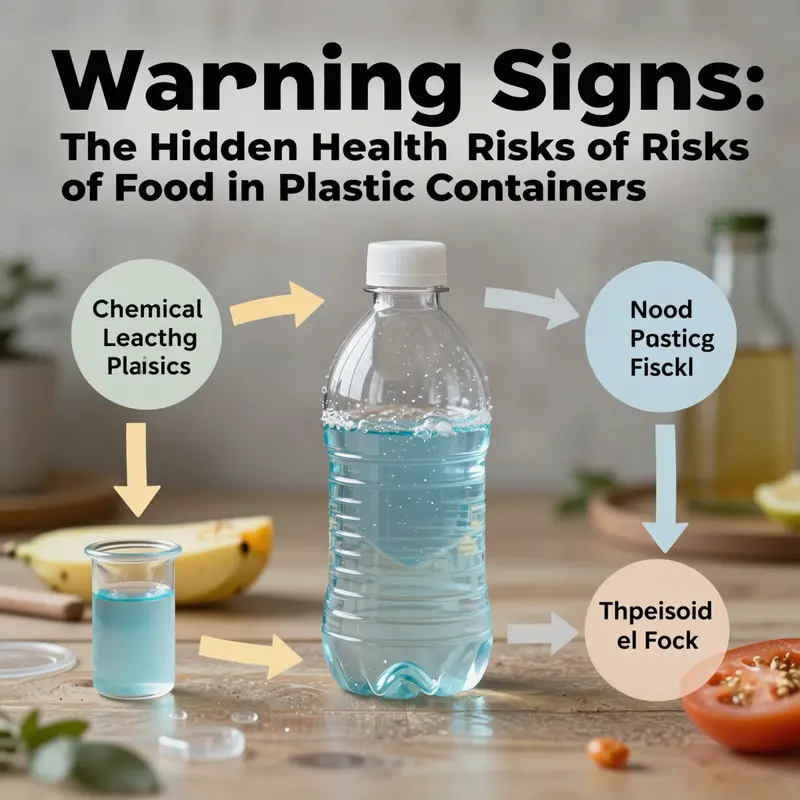
When a meal goes from the fridge to the microwave, a quiet chemistry begins. The plastic that holds our food is more than a container; it is a complex mix of additives and polymers designed to improve flexibility, durability, and shelf life. Under heat, particularly in the presence of fat or acidity, some of these components can migrate into the food. The science is nuanced, but the practical message is clear: heating food in plastic is not a neutral act. It can set in motion a transfer that alters the chemical landscape of a meal, and over time those subtle shifts may accumulate in ways that matter for health.
A growing body of evidence has shown that chemical leaching from plastic containers occurs under conditions that many households routinely encounter. Additives such as phthalates, stabilizers, and colorants are designed to remain embedded, but heat disrupts the balance. Among the most scrutinized compounds are bisphenols—BPA and its substitutes like BPS and BPF. These substances are widely recognized as endocrine disruptors. They can interfere with hormone signaling at surprisingly low doses, and their potential to influence reproductive development, metabolic regulation, and cancer risk has kept researchers and public health advocates attentive for years. The problem is not just what is in the plastic, but what can migrate into food during ordinary heating.
In recent years, a particularly provocative finding has circulated in the scientific literature. A 2023 study published in Environmental Science & Technology reported detectable levels of BPA, BPS, and several phthalates in nearly 40 percent of tested plastic food containers after only two minutes of microwave heating. This was true even for containers labeled as “microwave-safe.” The label often reflects a material’s ability to avoid melting or warping under specified conditions, not a guarantee that harmful chemicals will not migrate. The discrepancy between what a label promises and what happens inside a real kitchen can be striking. Regulatory frameworks tend to base safety thresholds on migration limits rather than on the more complex realities of how people actually heat and reuse containers. The implication is sobering: a consumer may assume safety from the label alone, while chemistry continues to shuttle substances into food.
The risk profile is heightened by the nature of the foods most commonly stored in plastic. Acidic foods, like tomato sauces, and high-fat items, such as creamy curries or fried dishes, create a solvent-like environment that can pull more of these substances from container walls. The solvent effect is not a rumor; it is a recognized phenomenon in material science. Repeated washing, exposure to sunlight, and long-term storage can further accelerate the degradation of polymers and the mobility of additives. In practice, this means a sauce you refrigerate in a plastic jar, then reheat in the same jar, may present a different exposure risk than the same sauce heated in glass or ceramic. This isn’t hyperbole; it reflects pathways by which everyday routines can translate into measurable chemical migration.
Even more complex is the issue of BPA-free plastics. Designed to reassure consumers, BPA-free does not equal risk-free. Replacements such as BPS and BPF have been found to exhibit estrogenic activity similar to BPA. A 2011 study in Environmental Health Perspectives demonstrated that plastics advertised as BPA-free can still leach estrogen-like compounds when subjected to common stressors like microwaving or dishwashing. The takeaway is not a single culprit but a class of substitutions that may pose comparable concerns. For households, this means that simply avoiding BPA is not a guarantee of safety, particularly in a device like a microwave that can intensify chemical migration.
Glass presents a contrasting story. Borosilicate and tempered soda-lime glass are chemically inert with respect to most foods, and they do not absorb odors or leach substances into meals under typical home temperatures. In microwaves, ovens, freezers, or dishwashers, glass is far less likely to contribute any chemical load to food. The durability of glass—its inert surface and reliability under thermal cycling—highlights a fundamental difference between plastic and glass in the context of heating. This contrast is not merely academic; it translates into practical decisions that families face every day as they choose how to store and reheat leftovers.
From a practical safety perspective, experts offer a layered set of recommendations. First, many authorities advise avoiding plastics marked with certain resin codes, especially #3 (PVC), #6 (PS), and #7 (polycarbonate). These materials have been associated with phthalates or BPA and are more likely to contribute to migratory risk, particularly when heated. Polypropylene (#5) is frequently labeled microwave-safe due to its heat resistance, yet it is not entirely risk-free. The safest long-term option remains glass, which offers a stable, non-reactive surface that does not participate in the migration of additives. Even with options that claim microwave compatibility, it is prudent to transfer food to glass or ceramic containers for heating whenever possible. Clear labeling matters, but it is only a starting point; understanding the real-world conditions of heating, such as high-fat or high-acid contents, is essential for informed choices.
Another layer of caution concerns the condition of containers. Containers with visible cracks, warping, or clouding should be retired. Scratches and aged surfaces can harbor microcrevices where residues accumulate and where migratory dynamics may become more pronounced. The integrity of the container’s surface—its smoothness, clarity, and freedom from damage—plays a nontrivial role in how much, if any, chemical exchange occurs when heated. In households where leftovers are stored repeatedly in the same plastic container and then heated, repeated exposure compounds potential risk. The cumulative effect of multiple reuse cycles, particularly for high-fat or high-acidity foods, is a pattern many families overlook when simply following a “microwave-safe” directive.
This is where consumer behavior intersects with science. The simple act of transferring food from a plastic container into a heat-stable glass dish can dramatically reduce exposure. It is a small habit with a meaningful payoff: a lower chance of chemical migration during heating, a quieter risk profile for sensitive populations such as pregnant people and young children, and a more stable culinary experience free from plastic odors or flavor carryover. It is not necessary to abandon plastic altogether; rather, it is about recognizing the moments when safer choices matter most and aligning everyday routines with those moments. An increasingly common approach is to designate specific containers for heating—glass or ceramic that are truly safe for microwave use—and to reserve plastic for cold storage only. When plastic must be used, selecting high-quality, clearly labeled microwave-safe options and avoiding containers with cracks or discoloration becomes essential.
The nuanced landscape of risk is why expert voices continue to stress not just what is in the plastic, but how it is used. Dr. Sarah Thompson, an environmental health scientist, has emphasized that the claim “BPA-free” does not automatically ensure safety. Replacements can produce similar hormonal effects in the body, and the context of exposure—dose, duration, and the vulnerable period of development—modulates risk. This perspective helps frame the conversation as a continuum rather than a binary choice between BPA and non-BPA containers. It invites readers to adopt a precautionary mindset: minimize heating in plastic, favor inert materials for meals, and stay attentive to emerging research and labels that reflect real-world use rather than idealized tests.
In translating these insights into daily life, the practical advice becomes a set of actionable steps. Never heat food in a container not designed for microwave use. This means avoiding most disposable takeout boxes, yogurt cups, and cooking oils stored in plastic bottles that are subjected to heat. Do not heat foods in any container that shows damage, such as cracks or cloudiness. Transfer leftovers to a compatible glass, ceramic, or stainless-steel vessel before reheating. When plastic is unavoidable, consider polypropylene-based options and avoid those made from suspected materials like PVC or polystyrene, especially for high-fat or acidic foods. And when possible, choose containers that clearly state they are microwave-safe and designed for heating, rather than relying solely on generic labels. The goal is not to demonize plastic entirely but to refine how we interact with it during the heating process, reducing the opportunities for migration while preserving the convenience that plastics afford in storage and transport.
As the science evolves, so too does the conversation about safer packaging choices and responsible use. For readers seeking a practical avenue toward safer options, one could consider exploring packaging designed to minimize migration while maintaining usability. A credible step is to look for packaging labeled as safe for microwave heating and made from materials with inert properties during thermal cycling. One accessible route is to examine eco-friendly takeout packaging options, which often emphasize higher sustainability and reduced chemical risk through design decisions that favor inert materials and fewer additives. For more on this category, you can explore one example of the kind of options that prioritize safer use in daily routines: eco-friendly takeout boxes for food packaging.
The conversation about safety does not stop with individual choices. It intersects with regulatory testing, manufacturing practices, and the evolving catalog of chemical substitutes. The Central question remains: how can we reconcile the practical demand for convenient, affordable packaging with the imperative to minimize chemical exposure in everyday meals? The answer is not a single remedy but a portfolio of measures—a combination of smarter material choices, mindful heating practices, and informed consumer behavior. By acknowledging that microwave safety does not automatically translate to chemical safety, households can make more deliberate decisions. The science supports the move toward safer storage and heating practices, while the public health message encourages ongoing vigilance and adaptation as new data emerges.
External research in this area continues to refine our understanding of how much of a risk exposure represents over a lifetime, especially for sensitive populations. For readers who want to dive deeper into the latest findings and their implications for policy and everyday life, an accessible, detailed resource is available here: https://pubs.acs.org/doi/10.1021/acs.est.2c05879
Rethinking Microwave Heating: Plastics, Migration, and Safer Choices
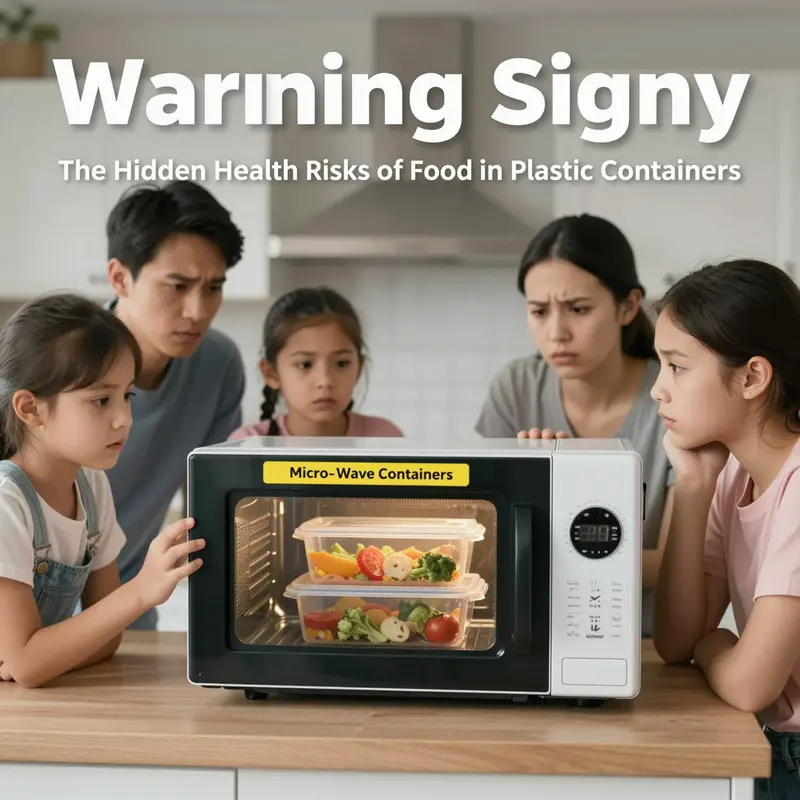
Everyone loves a quick reheat, but heating in plastic can cause chemicals to migrate into food. When plastics are energized by microwaves, additives can leach out. This is known as chemical migration. The risk is usually low but accumulates with repeated exposure over time, especially for sensitive groups.
Two chemical families are most often discussed: bisphenols such as BPA and their substitutes, and phthalates that act as plasticizers. BPA was widely used, but many products now use BPA alternatives like BPS and BPF, and the safety of these substitutes is actively studied. Phthalates can migrate especially when fats or acids are present in foods.
PFAS may show up in some packaging. These substances persist in the environment and body and are not always obvious in everyday meals.
Practical steps: choose containers made of materials that resist heat migration; polypropylene and certain grades of PE often perform better; inspect containers for cracks or cloudiness; transfer hot foods to glass or ceramic before heating; avoid heating in damaged or non-microwave-designated plastics; follow manufacturer guidelines; discard visibly worn containers.
Regulatory context: FDA and other agencies set guidance and test protocols but tests may not capture all real world use; some studies show residue of BPA in meals heated in supposedly microwave-safe containers; long-term, low-dose exposure remains a concern for vulnerable groups.
For further reading, consult FDA resources on microwave-safe plastics and other safety guidance, and seek out peer-reviewed research for evolving substitutes.
Leaching Lives: Heating Food in Plastic—Hidden Costs
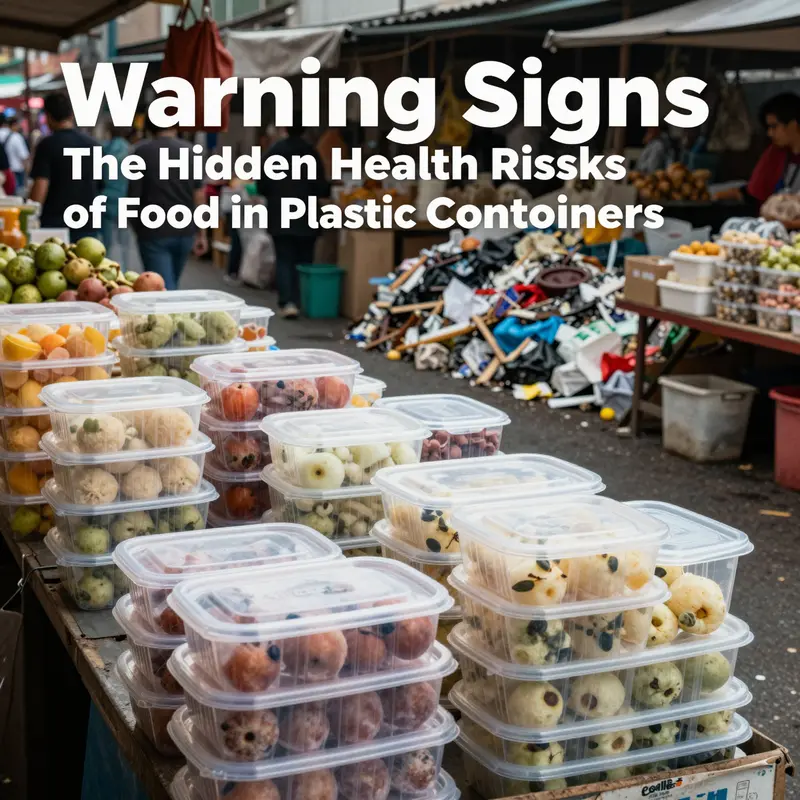
Everyday kitchens rely on plastic containers to store and reheat meals. While convenient, heating in plastic can cause additives to migrate into food, especially with high-fat or acidic items. This chapter explores how small exposures accumulate, affecting health and the environment, and why cautious use matters for pregnant people, children, and communities. The story links consumer choices, industry practice, and public policy, showing how safer packaging and better recycling can reduce risks without sacrificing convenience.
Practical guidance includes avoiding heating in non-microwave-safe plastics, transferring leftovers to glass or ceramic, and choosing clearly labeled microwave-safe containers. While plastics offer benefits like waste reduction, a balanced approach—embracing safer materials and better waste systems—supports healthier households and ecosystems.
Guardrails, Labels, and Quiet Warnings: Regulation and Consumer Vigilance in Heating Food in Plastic Containers
The kitchen is a stage where convenience and risk meet, often without the audience realizing the potential costs of routine choices. Heating food in plastic containers sits at this intersection. On one hand, microwave-safe plastics promise speed and practicality; on the other, growing scientific and regulatory scrutiny warns that heat can loosen the bonds between plastic and the food it touches. The result is a wary but essential tension: how do we navigate the everyday need to heat meals while minimizing exposure to chemicals that may disrupt hormones, affect development, or contribute to long-term health risks? This chapter threads regulatory logic, labeling realities, and consumer behavior into a coherent picture of what it means to reheat food in plastic containers in a way that protects health without forsaking practicality.
Central to the regulatory conversation is a recognition that not all plastics respond to heat in the same way, and not all heat scenarios are created equal. The U.S. Food and Drug Administration (FDA) maintains that microwave-safe plastics approved for food contact are safe when used as labeled. Yet the agency also cautions against heating foods in any container not explicitly designed for microwave use. The message is blunt: the label matters, and even small deviations from the intended use can alter the risk profile. This stance reflects a broader regulatory principle: safety testing often assumes ideal conditions, not the messy realities of everyday cooking, where containers may be older, scratched, or used with high-fat or high-acid foods that can alter chemical migration. In practice, the prescription is simple but not always easy to follow: heat only in containers that are clearly intended for microwave use and that remain in good condition, and transfer foods to other materials when there is any doubt about the container’s suitability for the task.
A key dimension of this issue is the resin identification code—the number inside the triangular recycling symbol on the bottom of many plastic containers. This code signals the type of plastic used but does not provide a reliable guarantee of microwave safety. PET (#1) and HDPE (#2) are commonly perceived as safer options, yet they are not typically recommended for microwave heating because of their limited heat resistance. By contrast, polypropylene (#5) and certain forms of polystyrene (#6) may be labeled microwave-safe, but even these plastics carry risks when exposed to high temperatures, especially with fatty or acidic foods that act as solvents. The bottom line is that a container’s plastic chemistry matters, but the label must be precise, and the context of use must be considered—fatty sauces, tomato-based products, and other high-fat or high-acid foods intensify chemical migration and demand extra caution.
Consumer awareness sits at the heart of the risk–benefit calculus. For many people, a BPA-free label signals safety, a reasonable but oversimplified assumption. Research conducted in recent years has complicated that assumption. A 2023 study published in Environmental Health Perspectives found that more than seventy percent of what were marketed as BPA-free plastics still exhibited estrogenic activity when heated. In other words, the absence of BPA does not guarantee absence of hormonal activity; substitutes may mimic estrogen and interact with the body’s endocrine system in meaningful ways. This finding helps explain why regulatory and health voices increasingly urge caution with any plastic that will contact food under heat, not just those containing BPA.
The concern does not stop with BPA. A 2025 investigation by the Environmental Working Group extended the caution to alternative bisphenols such as BPS and BPF. The study suggested that, under heat stress, these substitutes can migrate from plastic into food in amounts that may be biologically active and potentially comparable in risk to BPA in certain contexts. The implication is clear: heat amplifies chemical migration, and aging plastics—those with scratches, crazes, or clouding—provide more opportunities for substances to leach into meals. The fatty nature of many common foods magnifies the effect; oil-rich or creamy dishes can dissolve and transport chemicals more readily than water-based preparations. A broader public health concern emerges when we consider frequency and cumulative exposure. A 2025 study estimated that individuals who rely on plastic containers for multiple meals weekly might accumulate measurable exposure to micro-scale contaminants, highlighting the potential for long-term effects even at low doses.
Experts accordingly urge a shift from plastic-centered heating to safer alternatives whenever possible. Dr. Sarah Evans, an environmental health scientist, has argued that labeling alone cannot shield consumers. Her position reflects a broader critique of the current testing and labeling framework, emphasizing the need for more informative labels and stricter verification of how plastics behave under realistic usage conditions. The scientific consensus behind this perspective is not simply about banning plastics but about calibrating expectations and practices to reflect what is known about chemical migration and hormonal disruption. In everyday terms, this means treating a microwave-safe label as a helpful sign, not an all-clear signal.
Guidance for safer practices thus crystallizes into a practical, five-fold approach. First, prioritize containers explicitly designed for microwave use. The rule of thumb is straightforward: heat should occur only in containers purchased or labeled for that purpose, with clear instructions from the manufacturer. Second, avoid heating any container that shows cracks, warping, cloudiness, or other signs of wear. Even minor damage can alter the barrier properties of plastic and accelerate chemical migration, particularly when the food is high in fat or acidity. Third, when there is any doubt about the container’s suitability for heating, transfer the meal to glass, ceramic, or stainless steel before microwaving. These materials typically offer more inert interactions with food and better resistance to heat, reducing the likelihood of chemical transfer during the heating process. Fourth, be particularly cautious with high-fat or high-acid foods. Sauces, tomato products, dairy-rich dishes, and fried items are more likely to extract and carry chemicals from containers than neutral, water-based foods. Fifth, replace older containers regularly. Aging plastic can accumulate micro-scratches and clouding that serve as channels for chemical migration, so routine replacement is a prudent precautionary measure.
The regulatory conversation, while anchored in safety testing, also intersects with consumer behavior and manufacturing practices. The current labeling framework is essential but not sufficient. The call for improved labeling is widely echoed by health researchers who argue for more explicit information about heat-related migration risks and about substitutes that still may pose hazards. The upshot is not a wholesale rejection of plastic, but a more nuanced consumer education and labeling approach. Consumers benefit from learning that a container’s microwave-safety label has limits and that the safest option for repeated heating is a non-plastic container. In situations where plastic cannot be avoided, a careful combination of choosing microwave-labeled products, inspecting containers for wear, and transferring to safer materials can significantly lower exposure. This approach aligns with a growing body of guidance that seeks to reduce risk without sacrificing the conveniences that plastics offer in packaging and meal preparation.
In keeping with the broader aim of this chapter, the dialogue between regulation and everyday practice also invites readers to consider practical choices beyond the kitchen. The impulse toward eco-friendly packaging that emphasizes durability, recyclability, and heat resistance speaks to a larger shift in food service and consumer markets. For instance, some sectors now offer takeout and storage solutions designed to withstand microwave use without compromising safety. These options frequently emphasize mechanisms that minimize contact with food and reduce chemical migration. Readers curious about such solutions can explore examples described in industry resources that discuss microwave-safe packaging in a broader sustainability context. For readers seeking concrete, product-oriented context, there is a path to integrating safer options into daily routines without abandoning the convenience of packaging.
To strengthen the practical bridge between science and daily use, consider how a simple change in packaging choice can cascade into healthier, more confident habits. When a meal is to be reheated, opt for containers that are clearly labeled for microwave use and avoid those with wear or aging. If the food’s nature suggests higher fat content, the choice to transfer to a glass or ceramic dish becomes more compelling. Even if you must use plastic, select only those explicitly designed for microwave heating, and limit exposure by avoiding long or repeated heating cycles. In parallel, food service providers and households alike can invest in safer alternatives and durable packaging that remains stable under heat, reducing reliance on plastics wherever feasible.
In sum, the regulatory landscape and emerging science converge on a common message: heating food in plastic containers carries non-trivial risks that are amplified by heat, fat, and wear. The path to safer use lies in informed choices, rigorous adherence to labeling, and ongoing attention to the quality and suitability of packaging materials. The aim is not to vilify plastic but to empower consumers with better information and better options. A more transparent labeling regime, combined with improved container design and replacement practices, can transform a routine act—reheating a meal—into a safer, more predictable part of modern life. For readers seeking a deeper regulatory perspective, the FDA offers a comprehensive overview of microwave-safe plastics and food contact materials that can serve as a practical reference point for households and professionals alike.
For an additional sense of the packaging landscape and to see how safer options are framed within consumer markets, consider the following internal resource on safer, microwave-friendly takeout packaging: eco-friendly takeout boxes for food packaging that are safe for microwave use.
External resource for further reading focuses on the regulatory and health context: FDA — Microwave-Safe Plastics and Food Contact Materials.
Final thoughts
As discussions around health and safety continue in the food service industry, it is essential for businesses to reevaluate their practices involving plastic containers. The evidence of chemical leaching and the associated health risks should prompt establishments in the bubble tea, restaurant, and catering sectors to consider alternatives. Not only does this shift protect consumers, but it also enhances brand reputation and strengthens customer trust. Moving towards safer materials can lead to a healthier environment and improve service quality overall. Staying informed and adapting practices in response to these challenges will prepare businesses to meet the evolving standards of consumer health expectations.